Let me tell you about the most embarrassing admission in my twenty-plus years of cooking: I avoided buying an immersion blender until last summer. Not because I didn’t know what it was. Not because I couldn’t afford one. I avoided it because I was a culinary snob who believed that if you wanted something blended properly, you transferred it to a standing blender, sealed the lid, and prayed the hot steam didn’t blow the top off and paint your ceiling with butternut squash.
I did that exactly three times. The third time, I scorched the side of my hand with lava-hot soup that had no business being outside a pot in the first place. That was the evening I finally understood what my grandmother meant when she said, “The best tool is the one that doesn’t make you move your food.”
The Night Everything Changed in My Soup Pot
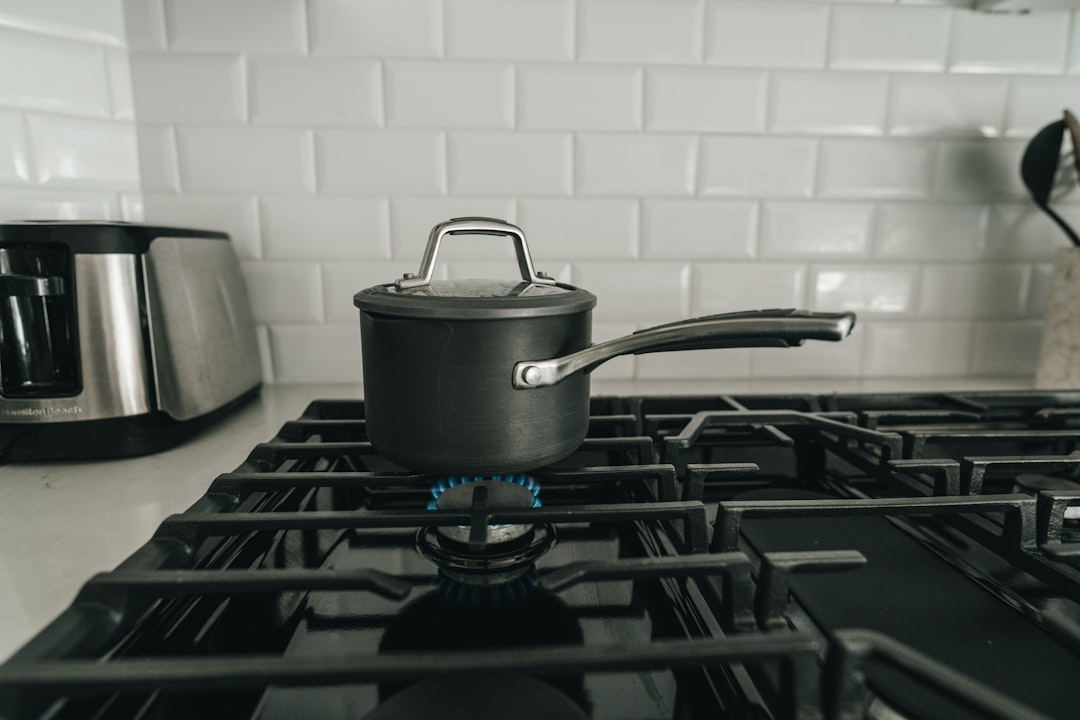
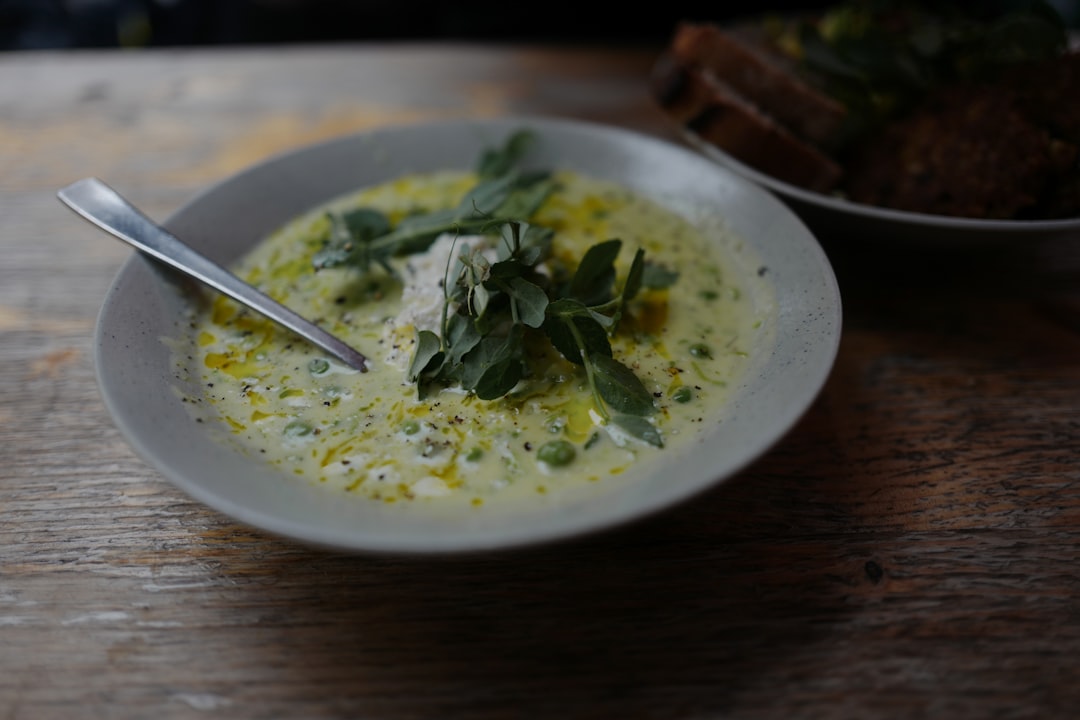
It was a rainy Tuesday in October. I had a massive pot of roasted tomato and red pepper soup simmering on the back burner — the kind of soup that fills your entire kitchen with the smell of late summer and makes you feel like you’ve got your life together. The recipe said “blend until smooth.” My standing blender was already dirty from morning smoothies. My food processor was buried behind the mixer in the pantry. And there, in the back of the gadget drawer, still in its packaging from a Christmas gift three years prior, sat a basic immersion blender someone had given me.
I opened it. I plugged it in. I lowered it into the pot. Thirty seconds later, I had the silkiest soup I’d ever made in my life — seasoned right there in the pot, no second dish to wash, no transfer to a blender, no burn risk. I stood at my stove holding this lightweight stick and thought: Where have you been my entire cooking life?
If you’ve ever stood at your counter ladling hot soup into a blender in batches, holding the lid down with a kitchen towel while the steam tries to escape, you know exactly why this moment felt like a revelation. The immersion blender — sometimes called a hand blender or stick blender — is quite simply the most practical small motor you can own. And after a full year of using one almost daily, I’m convinced it deserves a permanent spot in every kitchen, right alongside the standing blender it so beautifully complements.
What an Immersion Blender Actually Does (Beyond Soup)
Most people associate immersion blenders with soup, and that’s fair — it’s what they do best. But I’ve spent the past twelve months pushing mine to its limits, and I’m here to tell you that this little stick will replace tasks you currently hand off to three or four larger appliances.
Mayonnaise in sixty seconds. Whisking mayo by hand is a labor of love that teaches patience. With an immersion blender and a tall, narrow container, you can emulsify a batch of homemade mayonnaise in under a minute. Yolk at the bottom, oil on top, stick blender in, pull up slowly — you’ll have glossy, thick mayonnaise before your toast is even ready. If you’ve never made it from scratch, a good Cuisinart Smart Stick or similar model will change your condiment game permanently.
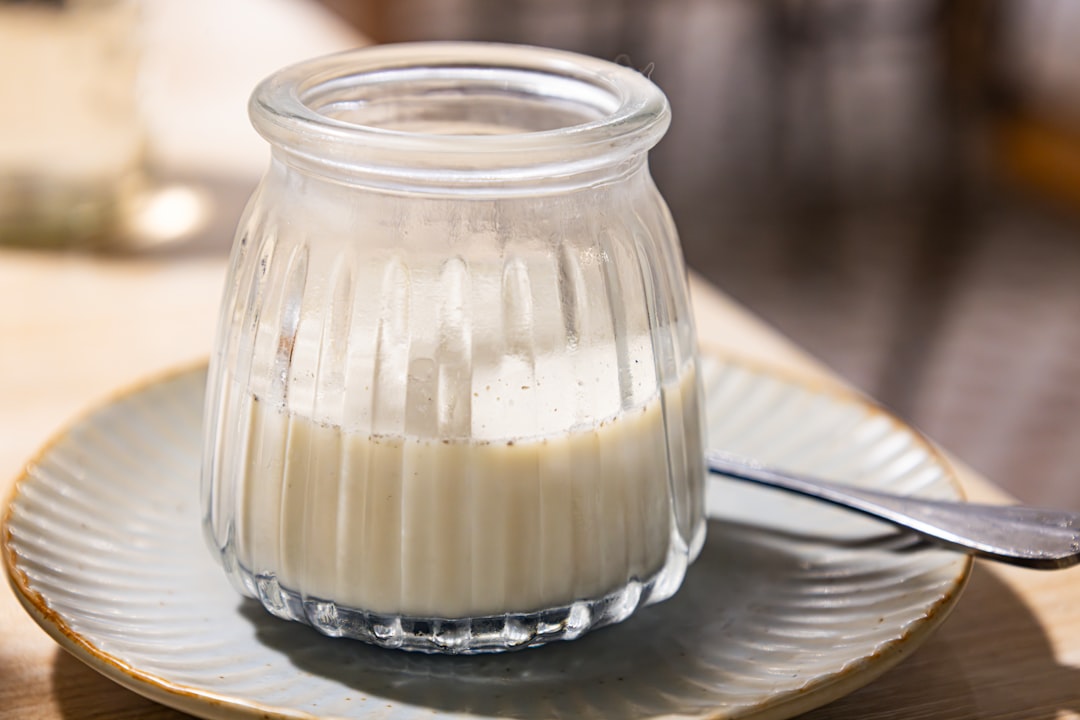
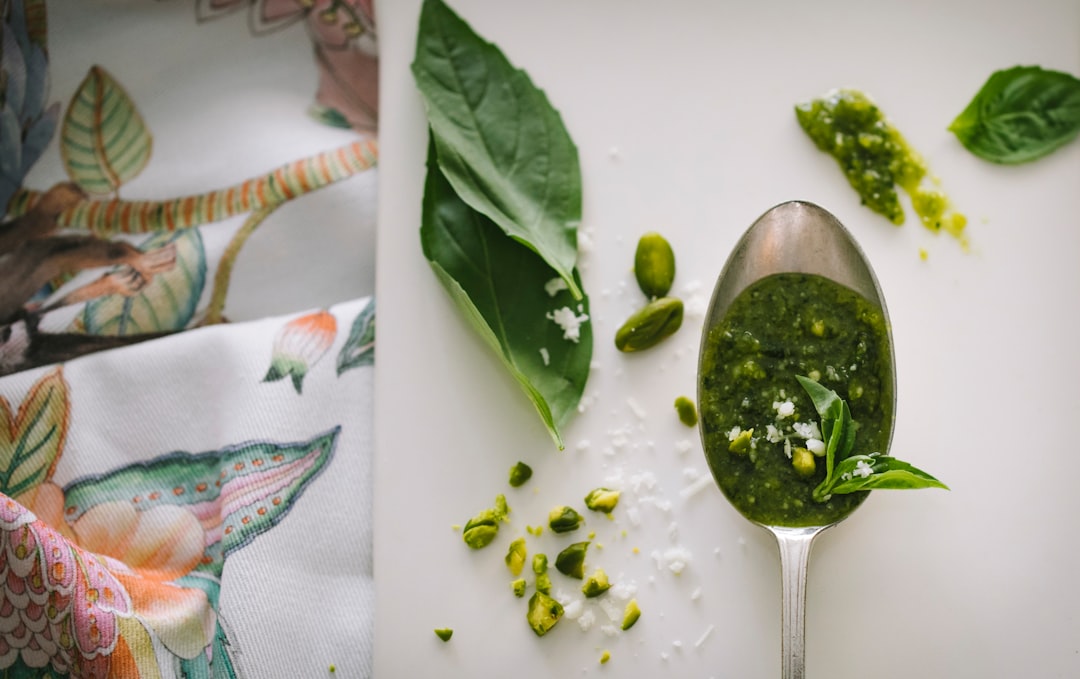
Pesto without hauling out the food processor. My food processor lives in the pantry because my counter is already spoken for. With an immersion blender and its chopper attachment, I can whip up a batch of basil pesto in the container I’m going to store it in. Fewer dishes, less heavy lifting, same vibrant result. Fresh basil, pine nuts, garlic, Parmesan, olive oil — pull the trigger and you’re done.
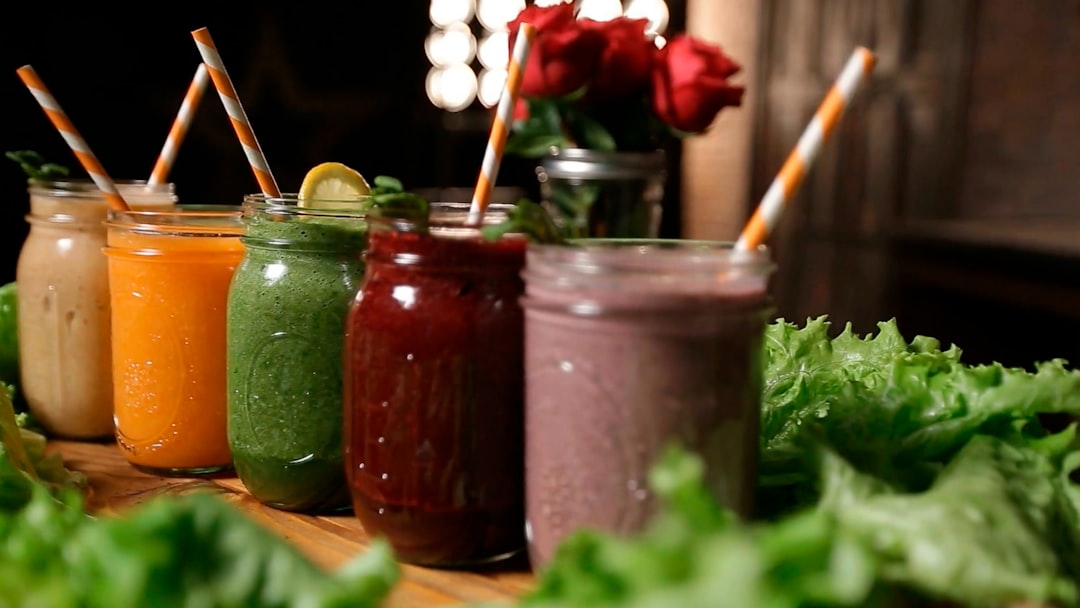
Smoothies and shakes. This is where a standing blender still wins for large batches, but for a single serving? The immersion blender with its blending cup handles frozen fruit, yogurt, and ice beautifully. I use mine every morning for my post-workout smoothie, and the best part is that the blending cup becomes my drinking cup. One rinse, done.
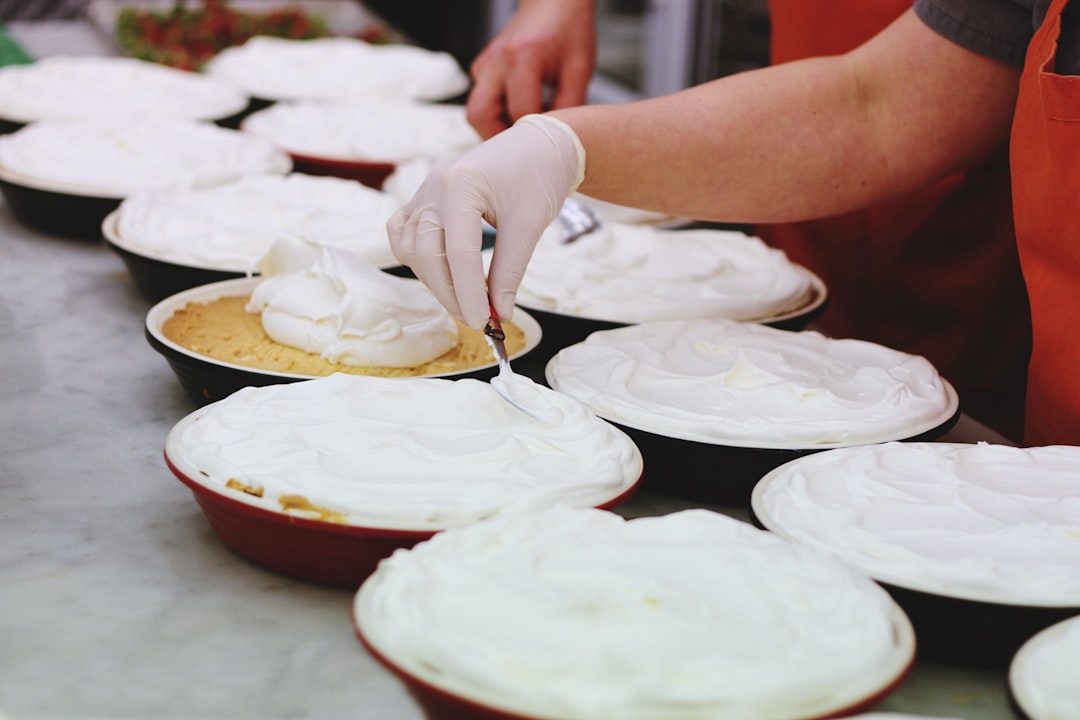
Whipped cream. The whisk attachment that comes with most mid-range immersion blenders will whip cold heavy cream into stiff peaks faster than a hand whisk and without the cleanup of a stand mixer. I discovered this on Thanksgiving morning when my mixer was already running potatoes, and it’s been my go-to method ever since.
Baby food, sauces, gravies, and dressings. If you’ve ever tried to puree a small batch of anything in a full-sized blender, you know the frustration of scraping half your food off the sides. An immersion blender operates directly in whatever container you’re already using — a saucepan, a Mason jar, a measuring cup. It’s built for small-batch precision in a way that big blenders simply aren’t.
How to Choose One: The Three Things That Actually Matter
After testing five different models over the past year — borrowed from friends, gifted, and purchased with my own money — I’ve narrowed the decision down to three factors that genuinely affect your daily cooking experience. Everything else is marketing.
Motor Power and Blade Design
Wattage matters more than most reviewers admit. Budget models in the 200-watt range will handle soups and sauces, but they’ll struggle with frozen fruit and fibrous vegetables. The Vitamix immersion blender sits at the top of the power curve, and you can feel the difference the moment you lower it into a pot of chunky squash — it powers through without hesitation. The Braun MultiQuick 7 is the model that Wirecutter and Serious Eats both consistently top-rank, and for good reason: its bell-shaped blade housing creates a vortex that pulls food through the blades rather than pushing it away, which means fewer chunks and a smoother finish in less time.
If you’re working with a tighter budget, the KitchenAid immersion blender line offers surprising power for the price. I gifted one to my sister last Christmas, and she’s been making daily smoothies with frozen berries without any stalling or burning smells. For sheer value, it’s hard to beat.
Attachment Ecosystem
This is where immersion blenders separate themselves from one-trick gadgets. A good mid-range model comes with a chopper bowl (basically a mini food processor), a whisk attachment, and a blending beaker. Premium models from Breville and All-Clad include variable speed dials that give you genuine control — something you’ll appreciate the first time you try to make a delicate hollandaise instead of scrambling your eggs at full blast.
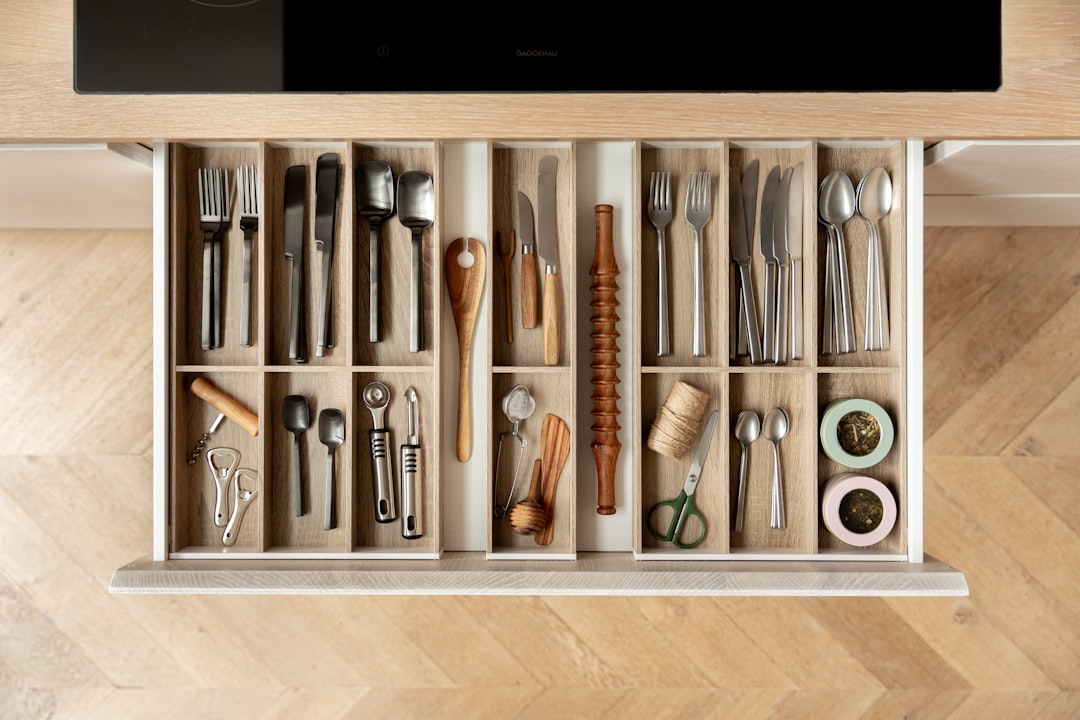
I keep my attachments in a small bin next to my cooking utensils, not buried in a drawer. When I’m making a complex meal, having the chopper, whisk, and blender shaft within arm’s reach means I can transition from chopping herbs to whipping cream to pureeing sauce without stopping to wash a single bowl. It’s the closest thing I’ve found to having a sous chef who never complains.
If you already own a model and want to expand its capabilities, there are excellent aftermarket immersion blender attachments that fit most major brands. Just check the shaft diameter and coupling type before you buy.
Corded vs. Cordless
This is the debate that splits the immersion blender community down the middle. Cordless models offer freedom — you can blend directly in a pot on the stove without dragging a cord across your counter, and they’re indispensable if you cook outdoors or in a kitchen with limited outlets. The tradeoff is power and reliability. A corded model delivers consistent torque every single time, no battery anxiety, no gradual slowdown halfway through a pot of split pea soup.
I’m firmly in the corded camp for my primary blender, but I keep a rechargeable Ninja cordless hand blender for outdoor cooking and camping trips. The convenience of cordless can’t be overstated when you’re working outside, but for daily kitchen use, I’ll take raw consistent power over battery freedom every time.
The Models I’d Actually Spend My Own Money On
Here’s where I put my money where my mouth is. After a full year of daily use across multiple models, here’s my honest hierarchy:
Best overall: The Braun MultiQuick 7 remains the sweet spot of performance and price. It purees fibrous soups faster than anything else I’ve tested, the ergonomic grip is genuinely comfortable for extended use, and the attachments are thoughtfully designed. If you’re buying your first immersion blender, start here.
Best premium upgrade: The Vitamix immersion blender is what I reach for when I need something done perfectly. The build quality is exceptional, the variable speed control gives you real precision, and it handles everything from delicate sauces to frozen cocktails without flinching. It’s an investment, but so was my Dutch oven, and I use both almost every day.
Best budget pick: The Mueller Ultra Stick is the model I bought for my mother’s kitchen. It costs less than dinner out, handles soups and sauces competently, and has survived two years of her aggressive cooking style without complaint. If you’re immersion-blender-curious and don’t want to commit, this is your entry point.
Best all-in-one: If you want attachments that genuinely replace other appliances, browse the top-rated immersion blender kits for 2026 and look for models that include a chopper bowl, whisk, and beaker as part of the package rather than upselling them separately.
What an Immersion Blender Won’t Do
I’m not here to pretend this appliance is perfect. Immersion blenders have real limitations, and knowing them will save you from disappointment and possibly a burned-out motor.
They cannot crush ice on their own — the blade housing isn’t designed for it, and you’ll dull the blades or burn the motor trying. If frozen drinks are your primary goal, you need a proper standing blender. They also struggle with very small amounts of food — anything less than about an inch deep in the container won’t reach the blade housing, so for tiny batches of dressing or a single egg yolk, a mortar and pestle or a fork is still the better tool.
And no, they will not replace your stand mixer for baking. I tried making cake batter with the whisk attachment once. The results were technically edible and spiritually offensive. Some tasks belong to the tools designed for them.
Why This Is the Appliance I Tell Everyone About
If a friend asks me what kitchen tool to buy next, my answer used to depend on their cooking level, their kitchen size, and their budget. Not anymore. My answer is now always the same: get an immersion blender. Get one even if you already have a standing blender. Get one especially if your kitchen is small and counter space is precious. Get one if you make soup even twice a year, because the first time you blend a pot of soup in the pot on the stove, you’ll understand why those of us who own one won’t shut up about it.
I’ve spent years writing about kitchen tools, and the immersion blender is the one that consistently surprises people. Not because it’s innovative or exciting — it’s a motor on a stick. It surprises people because it solves a problem they’ve been tolerating for so long that they forgot it was a problem. Transferring hot soup to a blender isn’t just annoying — it’s genuinely hazardous, and we all just accepted it as part of cooking.
The immersion blender says: no. You don’t have to accept that. You can blend where you cook. You can wash one part instead of eleven. You can make mayo in a jar, pesto in a cup, and gravy in the pan it came from. It’s the most quietly radical tool in my kitchen, and I’m done keeping it a secret.
If you’re ready to find the right one for your kitchen, I’ve written before about which countertop appliances earn their keep — and which ones I’ve evicted to make room for the tools I actually use. The immersion blender is the one that earned its drawer space faster than anything else I’ve ever brought into this kitchen. And if you spend as much time cooking as I do, that drawer space is the most competitive real estate in your home.
So go ahead. Open that drawer. Pull out the stick blender someone gifted you three Christmases ago. Make a pot of soup this week and blend it right there on the stove. I promise you’ll wonder — just like I did — where it had been hiding your whole cooking life.