There comes a point every July when my kitchen counters simply surrender. The farmers market hauls get heavier, the garden basket overflows, and suddenly I’m standing in front of a mountain of carrots, kale, beets, cucumbers, and watermelon with nowhere to put them and no realistic plan to eat them all before they turn. My grandmother would have canned everything. My mother would have frozen half. Me? I bought a juicer. Then I bought five more. My team and I spent an entire month running twenty-seven pounds of produce through six different machines to find out which ones actually deserve your counter — and which ones I quietly returned.
Here’s what I learned the hard way: choosing the right juicer in 2026 is genuinely confusing. There are centrifugal machines that sound like jet engines but finish in seconds, slow masticating extractors that whisper quietly for ten minutes straight, and a whole new crop of hybrid models that promise everything in between. So let me walk you through what actually matters, what each type is good at, and which specific models held up under my very real, very messy kitchen conditions.
Why a Dedicated Juicer Deserves Counter Space
I resisted buying a juicer for years because I already had a high-speed blender. If you’ve read my complete blender buying guide, you know I’m a firm believer that a good blender handles eighty percent of kitchen tasks. But there’s a fundamental difference between blending and extracting. A blender pulverizes everything — fiber, pulp, skin, seeds — into a thick drinkable consistency. A juicer separates the liquid from the fiber entirely. The result is a completely different product: bright, clean, nutrient-dense liquid that drinks like a beverage, not a meal.
During peak summer when I’m bringing home twenty pounds of produce at a time, a juicer lets me consume far more vegetables than I could ever chew. My morning green juice might contain two bunches of kale, four cucumbers, a knob of ginger, and three apples. Try eating that in one sitting. I dare you.

The other thing nobody tells you: juicing reduces food waste dramatically. Those slightly wilted carrots, the half-a-cucumber that got lost in the crisper, the celery stalks going limp — they all go straight into the feed chute. If you’ve ever built a kitchen system designed to handle July’s harvest, you know that waste reduction is half the battle.
Centrifugal Juicers: Fast, Loud, and Surprisingly Good
Centrifugal juicers work by spinning a mesh basket at incredibly high speeds — often 10,000 to 15,000 RPM — which shreds produce against a sharp disc and flings the juice through tiny holes via centrifugal force. They’re the sprinters of the juicing world: loud, fast, and done before you’ve finished washing the rest of the produce.
The Breville Juice Fountain Plus was the centrifugal machine my team kept reaching for first during morning rush. It has a massive three-inch feed chute — wide enough to drop in a whole apple without coring it — and produces a full glass of juice in about fifteen seconds. The Breville earned a permanent spot for speed alone. If you’re someone who wants juice before coffee and has approximately ninety seconds of patience, this is your machine.
For smaller kitchens or budgets, the Breville Juice Fountain Compact delivers nearly the same performance in a smaller footprint. It’s the one I recommend to friends who live in apartments with minimal counter space. At roughly half the price of the full-size model, it handles a morning apple-carrot-ginger routine without complaint, though you’ll feed it more slowly since the chute is narrower.
Now, the trade-off: centrifugal juicers introduce heat and oxidation. The high-speed shredding creates friction, and that fast-spinning basket aerates the juice, which breaks down certain heat-sensitive nutrients faster. The juice also separates more quickly — you’ll see a distinct layer of foam on top and sediment at the bottom within minutes. Drink immediately and you’re fine. Try to store it overnight and you’ll be disappointed.
When Centrifugal Wins
Choose centrifugal if you value speed above all, if you juice mostly hard fruits and vegetables (apples, carrots, beets, celery), and if you drink your juice immediately. If you want to make a batch for the week, or if leafy greens are your priority, you’ll want to keep reading.
Cold Press Masticating Juicers: Slow, Quiet, and Extracting Every Drop
Masticating juicers — also called cold press or slow juicers — work on an entirely different principle. Instead of high-speed spinning, they use a single or double auger that crushes and presses produce at around 40 to 80 RPM. That’s roughly two hundred times slower than a centrifugal machine. The benefit: almost no heat generation, minimal oxidation, and significantly higher yield from leafy greens and soft fruits.
The difference in juice quality is immediately visible. Cold press juice is deeper in color, clearer in the glass, and stays fresh in the refrigerator for up to seventy-two hours without significant separation. The pulp comes out noticeably drier, which tells you the machine extracted more liquid.
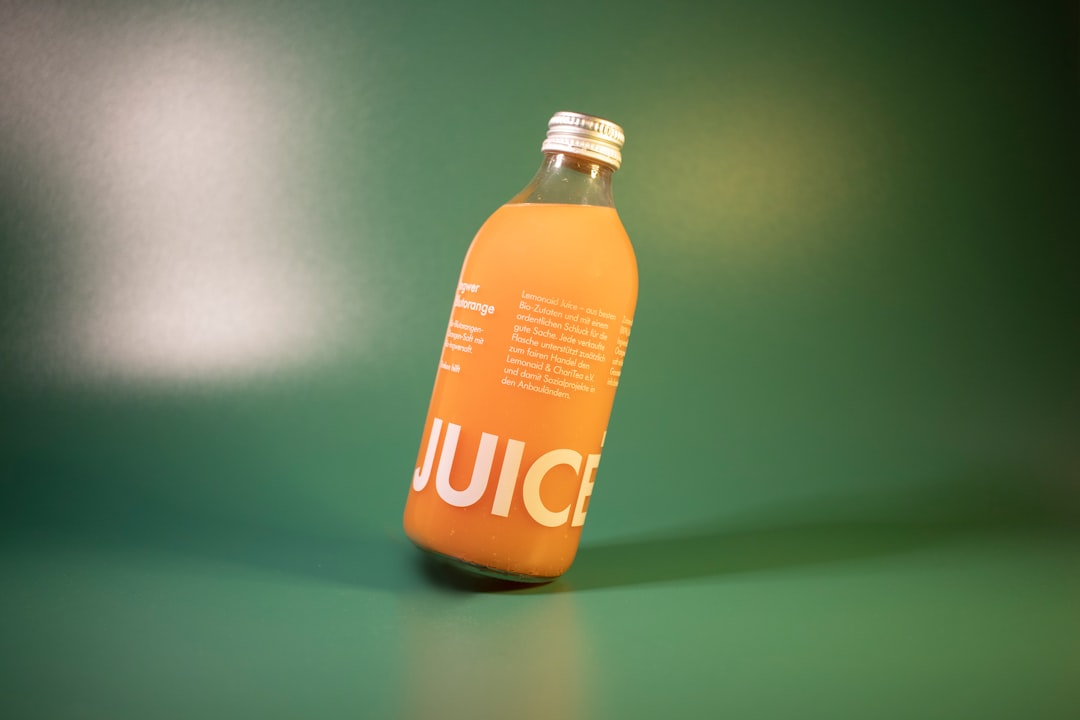
My Omega Cold Press Nutrition System became the workhorse of our test kitchen. Running at a gentle 80 RPM with a triple-stage auger, it handled everything I threw at it: wheatgrass, kale, pineapple with the rind, even small amounts of frozen fruit for sorbet. What sets Omega apart from the competition is versatility — the machine comes with attachments for making nut butter, baby food, and even pasta. It’s the one I’d rescue from a kitchen fire, without hesitation.
If you’re drawn to the Omega system but want something more compact, the Omega Vertical Slow Masticating Juicer takes up about a third of the counter space while delivering nearly identical juice quality. The vertical design uses gravity to help feed produce through the auger, which means less poking and prodding with the tamper. It’s the vertical juicer I recommend most often for home cooks who don’t need all the extra attachments.
The Kuvings REVO830 is the machine that made me reconsider everything I thought I knew about slow juicers. It features an extra-wide 88mm chute — large enough for whole apples — plus a smaller secondary chute for long, thin items like celery and carrots. The automatic cutting wheel slices produce as it feeds, which means you get the convenience of a centrifugal machine with the quality of cold press extraction. This one genuinely bridges the gap between speed and quality, though the price reflects it.
What About the New Wave of Hybrid Machines?
This year brought a fresh batch of juicers that try to combine the best features of both types. The Ninja NeverClog Cold Press Juicer caught my attention because it specifically addresses the biggest complaint about masticating machines: the frequent clogging that happens when fibrous produce wraps around the auger. Ninja built in an anti-clog mechanism that reverses the auger direction automatically when it senses resistance. In our testing, it handled a full bunch of celery without a single stall — something that would have stopped my older masticating juicer dead in its tracks. The NeverClog earned its name, and at its price point, it’s the most accessible cold press option I tested.
The Hurom H70 took a different approach entirely. It eliminated the internal strainer — the part that’s notoriously annoying to clean — and replaced it with a self-cleaning mechanism that uses the juice itself to flush pulp through the system. You still need to rinse the components, but the ten-minute scrubbing session that usually follows masticating juicing? Gone. For anyone who’s abandoned a juicer because cleanup was too much hassle, Hurom solved that problem.
And then there’s the Kuvings AUTO10, which is the first juicer I’ve used that’s genuinely hands-free. You load the large hopper with up to 100 ounces of produce, walk away, and it feeds itself through the auger automatically. My team and I loaded it before a morning meeting and came back to a full pitcher of juice. If you juice for a family or batch-juice for the week, this is the set-it-and-forget-it machine you’ve been waiting for.
The Accessories That Make Juicing Sustainable
A juicer alone won’t change your morning routine if the supporting cast isn’t in place. After a full month of daily juicing, here are the accessories that made the biggest difference.
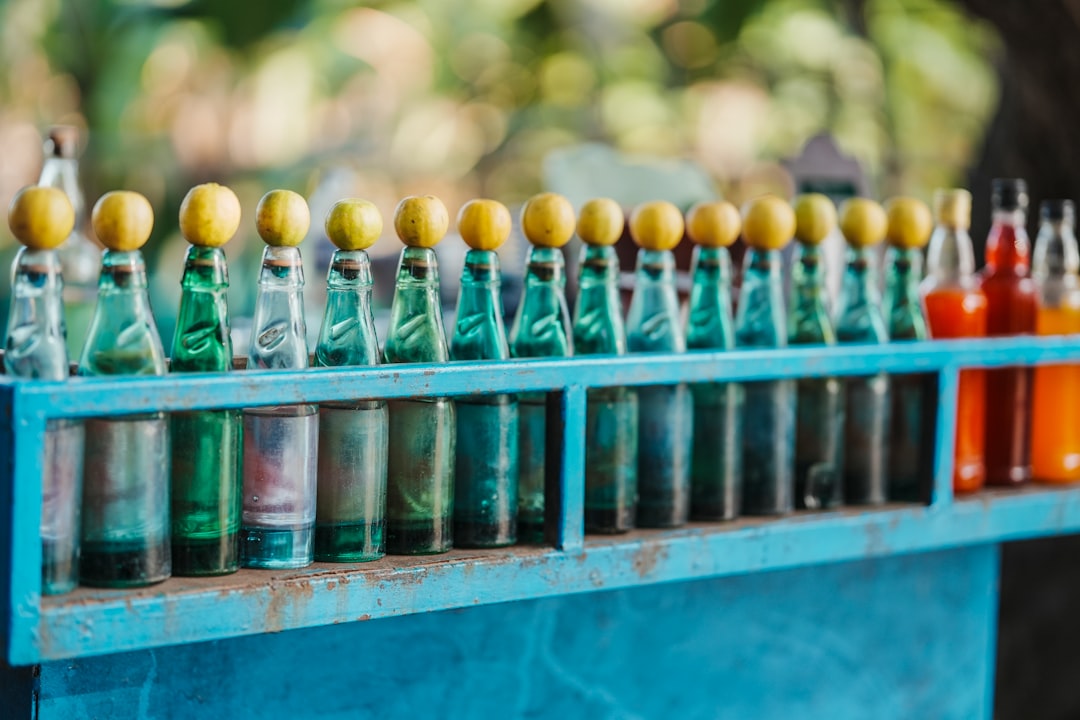
First, dedicated juice containers. Cold press juice will keep for up to seventy-two hours if stored properly — meaning filled to the very top in an airtight container to minimize oxidation. I switched to a set of reusable cups with tight-fitting lids that I fill and line up in the fridge each morning. Seeing three days of green juice waiting for me is the single best motivator to keep the habit going.
Second, a proper tamper tool. Most juicers include one, but if you’re using an older model or bought one secondhand, a universal replacement tamper is worth its weight in gold. It’s the difference between gently guiding produce into the auger and dangerously poking around with a chopstick. A compatible tamper for standard containers costs less than a fancy coffee and saves you from the most common juicing injury.
What About Cleaning?
Let’s address the elephant in the room. The number one reason people buy a juicer, use it twice, and banish it to the back of a cabinet is cleanup. Here’s the honest truth: every juicer requires some disassembly and rinsing. There is no self-cleaning juicer that requires zero effort. But the difference between models is significant.
Centrifugal juicers are generally easier to clean — fewer parts, smoother surfaces, and most components are dishwasher-safe. I can fully clean the Breville Juice Fountain Cold XL — which features a extra-large 70-ounce jug and cold-spin technology that minimizes nutrient loss — in under three minutes at the sink. If low-maintenance is your top priority, the Breville Cold XL is hard to beat.
Masticating juicers have more parts and the auger assembly requires a brush (usually included). But as I mentioned, the Hurom H70 and the newer Omega Time Saving Series — which features a wide-mouth hopper for batch juicing — have made significant strides in reducing the cleaning burden. The Omega Time Saving Series redesigned its auger housing to eliminate the tiny crevices where pulp used to accumulate, cutting my cleaning time nearly in half compared to older models.
Which Juicer Is Right For You?
After twenty-seven pounds of produce and a month of daily juicing, here’s how I’d guide you:
- If you juice fast and drink immediately: The Breville Juice Fountain Plus or its compact sibling will serve you well. Fast, reliable, and easy to clean.
- If you want maximum nutrition and versatility: The Omega Cold Press Nutrition System is unmatched. The attachments alone justify the counter space.
- If you hate cleaning but want cold press quality: The Hurom H70 eliminates the strainer scrubbing that kills most juicing habits.
- If you juice for a family or batch-prep: The Kuvings AUTO10 is the only hands-free juicer I’ve tested that actually delivers on the promise.
- If you want the best of both worlds: The Kuvings REVO830 bridges speed and quality better than anything else on the market.
My Final Verdict
I went into this experiment skeptical that a dedicated juicer would earn permanent counter space alongside my blender, food processor, and the beverage station I built earlier this summer. I was wrong. A juicer does something no other kitchen tool can do: it turns a pile of vegetables into a clean, drinkable liquid that absorbs in minutes and wastes nothing. During July and August, when produce is abundant and cheap, my juicer runs almost every day.
The key is choosing a machine that fits your actual lifestyle — not the one with the most features or the prettiest design, but the one you’ll actually use on a Tuesday morning when you’re half-awake and the sink is already full. That’s the real test. And it’s the one no spec sheet can answer for you.
So start with your habits. Be honest about how much cleanup you’ll tolerate. And then buy the machine that matches the cook you actually are, not the one you aspire to be. Because the best juicer in the world is simply the one you use tomorrow morning.