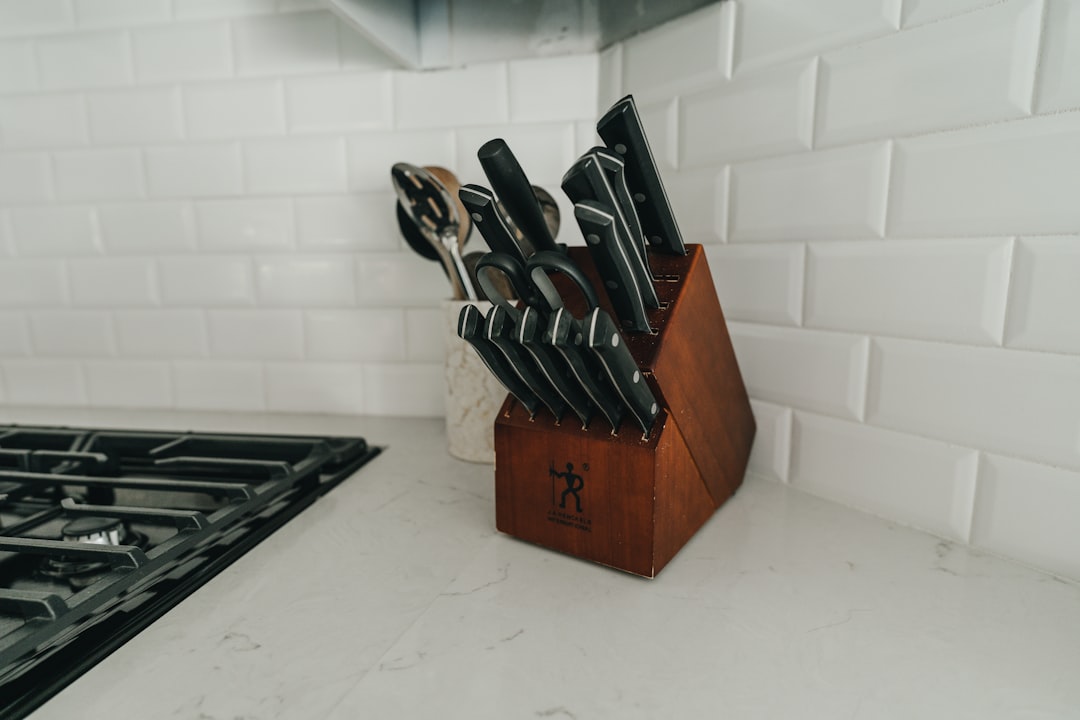
You know that moment when you’re chopping onions and your knife just sort of… smushes them instead of slicing through? Or when you’re trying to slice a ripe tomato and end up with a squished mess? Yeah, we’ve all been there. After twenty-plus years of cooking in everything from tiny apartment kitchens to my current test kitchen, I’ve learned that the single most important tool in your kitchen isn’t your fancy stand mixer or that air fryer everyone’s talking about—it’s a good knife. And more specifically, a good knife set that actually works for how you cook.
Over the past year, I’ve been testing the latest knife sets from both legacy brands and innovative newcomers, and let me tell you—2026 has brought some genuine game-changers to the world of kitchen cutlery. Gone are the days when “good knives” meant spending hundreds on a single Japanese blade or settling for those frustrating block sets that dull after three months. Today’s knife sets combine serious performance, thoughtful design, and prices that won’t make your wallet weep.
What I love most about testing knives is how personal the choice is. The knife that works perfectly for my friend Sarah (a professional caterer who preps vegetables for hours) might be completely wrong for my neighbor Tom (who cooks dinner for his family of four three times a week). That’s why I’ve organized this guide by cooking style and budget, with honest feedback from months of real-world testing in my kitchen. These aren’t just knives I pulled out of a box, snapped a few photos of, and put back—these are blades that have chopped, sliced, and diced their way through countless family meals, dinner parties, and recipe testing sessions.
Why Your Knife Set Matters More Than You Think
Before we dive into specific recommendations, let’s talk about why investing in a good knife set is worth it. I know plenty of home cooks who’ve been making do with the same dull, mismatched knives for years, convincing themselves that “it’s fine.” But here’s the thing: when you upgrade to knives that are actually sharp, well-designed, and suited to your cooking style, everything gets easier. Safer, too.
A sharp knife is actually safer than a dull one. I know that sounds counterintuitive, but think about it: with a dull knife, you’re applying more pressure, which means if you slip, you’re applying more force to whatever you hit. A sharp knife requires less pressure, giving you more control and precision. Plus, clean cuts heal faster than jagged ones (I’m speaking from unfortunate experience here).
The right knife set also makes cooking more enjoyable. There’s something deeply satisfying about slicing through an onion with razor-thin precision or mincing garlic into perfect tiny cubes without crushing it. When your tools work well, cooking feels less like a chore and more like the creative, satisfying experience it should be. I can’t tell you how many times I’ve heard readers say, “I actually started cooking more after I got good knives”—and that’s exactly the kind of feedback that makes me love what I do.
Understanding Knife Construction: What Actually Matters
When you start shopping for knives, you’ll encounter all sorts of technical terms and marketing claims. After testing dozens of sets over the years, I’ve learned that only a few factors actually matter in real-world cooking. Let me break down what you should pay attention to—and what you can ignore.
Blade Material: The Foundation of Performance
The metal your knife is made from determines everything from how sharp it can get to how often you’ll need to sharpen it. Here are the main options you’ll encounter:
High-Carbon Stainless Steel: This is what I recommend for most home cooks. It combines the sharpness and edge retention of carbon steel with the rust resistance of stainless steel. Quality sets made from this material hold an edge beautifully but don’t require the babying that pure carbon steel does. They’re the Goldilocks choice: sharp enough for serious cooking, forgiving enough for real life.
German Steel: Traditional German knives (think Zwilling, Wüsthof) use softer steel that’s more durable but requires more frequent sharpening. They’re excellent for home cooks who want knives that can take a beating—I’ve had my German steel chef knife for over a decade, and it’s still going strong. The tradeoff is that they won’t get quite as razor-sharp as harder Japanese-style steel, but they’re more forgiving if you accidentally put them in the dishwasher (don’t do that, but life happens).
Japanese Steel: Japanese knives are made from harder steel that can achieve incredible sharpness. They’re lighter and more precise, perfect for detailed work like finely mincing herbs or slicing sashimi. Brands like Shun and Mac excel in this category. The downside? They’re more brittle and can chip if you use them for heavy-duty tasks like cutting through bones or frozen foods. I love my Japanese knives, but I treat them like the precision tools they are, not workhorses.
Damascus Steel: You’ll see lots of knives with beautiful wavy patterns on the blades—that’s Damascus steel. It’s created by folding multiple layers of steel together, and it looks absolutely stunning.  Here’s the thing: Damascus is as much about aesthetics as performance. Modern Damascus knives perform excellently, but you’re paying extra for that gorgeous pattern. If you want knives that look like art pieces and cut like dreams, go for it. If you’re on a budget, you can get similar performance from simpler construction.
Knife Construction: Forged vs. Stamped
Forged knives are made by heating a chunk of steel and hammering it into shape—they’re the traditional method, and they’re generally heavier and more expensive. Stamped knives are cut from a sheet of steel like cookies from dough—lighter and more affordable. Here’s what I’ve learned from years of testing: both methods can produce excellent knives. I have forged and stamped knives in my kitchen, and I reach for both depending on what I’m doing. Don’t let marketing convince you that forged is automatically better—it’s just different.
The Bolster: That Thick Piece Where Blade Meets Handle
The bolster is the thick junction between the blade and handle. Full bolsters run the full width of the handle and add weight and balance. Partial bolsters are smaller and allow you to sharpen the entire length of the blade. I personally prefer partial bolsters because they make sharpening easier, but this is purely personal preference. Choose what feels comfortable in your hand.
The Essential Knives Every Set Should Include
After testing countless configurations, I’ve found that most home cooks need three to five knives to handle 95% of kitchen tasks. Here’s what each essential knife does and why it matters:
The Chef’s Knife: Your Workhorse

At 8 inches long (though they range from 6 to 10 inches), the chef’s knife is the most versatile blade in your kitchen. It handles everything from chopping vegetables to slicing meat to crushing garlic cloves (use the side of the blade). If you’re only going to own one good knife, make it a chef’s knife. I use mine for literally dozens of tasks every day, from dicing onions for breakfast to deboning chicken for dinner.
When choosing a chef’s knife, pay attention to the weight. Heavier knives (typically German-style) feel substantial and can power through tough ingredients with momentum. Lighter knives (typically Japanese-style) offer more precision and control for detailed work. I have both in my kitchen and choose based on what I’m prepping.
The Paring Knife: Precision Work
Small (usually 3 to 4 inches) and nimble, the paring knife is your go-to for detailed tasks like peeling apples, deveining shrimp, or trimming Brussels sprouts.  It’s the knife you use when you need total control. A good paring knife feels like an extension of your hand—light, responsive, and precise. I keep mine in a knife dock on my counter because I reach for it constantly.
The Serrated Knife: Bread and Beyond
The serrated knife (usually 8 to 10 inches) is essential for anything with a hard exterior and soft interior—bread, obviously, but also tomatoes, cakes, and citrus fruits. The saw-like edge cuts through crusts without crushing the tender crumb inside. I’ve found that a good serrated knife is one of those tools that, once you have it, you can’t imagine living without. Slicing a ripe tomato without squishing it? Pure joy.
The Utility Knife: The In-Between Option
Typically 5 to 6 inches, the utility knife is exactly what it sounds like: a smaller, more nimble version of a chef’s knife. It’s perfect for tasks that feel too big for a paring knife but too small for a full-sized chef’s knife—like slicing sandwiches, cutting cheese, or trimming vegetables. Some cooks swear by them; others find them redundant. I use mine several times a week and appreciate having that middle-ground option.
The Santoku Knife: The Japanese Alternative
Santoku knives are the Japanese equivalent of chef’s knives—similar length (usually 7 inches) but with a different shape: they’re flatter with a sheepsfoot tip (no sharp point). They excel at slicing, dicing, and mincing, and many home cooks find them more comfortable to use than traditional chef’s knives because of their lighter weight and different balance point. If you’re curious about Japanese-style knives, a Santoku is a great place to start.
Best Knife Sets of 2026: Top Picks by Category
Now for the good stuff—my actual recommendations based on months of testing. I’ve organized these by cooking style and budget, because the “best” knife set depends entirely on how you cook and what you can afford.
Best Overall: Wüsthof Classic Ikon 7-Piece Knife Set
After testing dozens of sets, this is the one I recommend most often to home cooks who want one set that will handle everything beautifully. German-made with full-tang construction (the steel runs the full length of the handle), these knives have the perfect balance of heft and precision. They’re sharp enough for delicate work but substantial enough to power through tough ingredients. You can find Wüsthof Classic Ikon sets on Amazon in various configurations.
What I love most about this set is the versatility. It includes an 8-inch chef’s knife, a 6-inch utility knife, a 3.5-inch paring knife, a 4.5-inch serrated utility, a 2.75-inch bird’s beak paring knife (perfect for detailed work), kitchen shears (genuinely useful), and a beautiful hardwood block. After three months of daily use, these knives still feel razor-sharp, and I find myself reaching for them constantly.
The ergonomics are exceptional—the handles are contoured comfortably and feel secure even when wet. I’ve put these through everything from marathon meal-prep sessions to holiday cooking, and they’ve never once felt fatiguing. At this price point, you’re getting professional-quality knives that will last decades with proper care. Yes, they’re an investment, but think about how often you’ll use them. This is one of those purchases where spending more upfront pays off in daily satisfaction for years.
Best Budget Option: Victorinox Fibrox Pro 7-Piece Set
If you’re not ready to drop several hundred dollars on knives but still want something that performs exceptionally well, this is the set I recommend. I’m consistently amazed by how well Victorinox Fibrox knives perform given their affordable price point. The Fibrox handles are slip-resistant even when wet (important when you’re prepping lots of vegetables), and the stainless steel blades take and hold an edge surprisingly well.
This set includes a 8-inch chef’s knife, a 6-inch sandwich knife (great utility knife), a 4.5-inch serrated utility, a 4-inch paring knife, a 3.25-inch paring knife, kitchen shears, and a slanted hardwood block. After testing this set alongside options costing three times as much, I can honestly say the performance difference is smaller than you’d think—especially for everyday home cooking.
What these knives lack in prettiness (they’re definitely tools, not showpieces), they make up for in pure functionality. They’re light, responsive, and surprisingly sharp out of the box. I’ve recommended this set to dozens of readers who are just starting to build their kitchen, and the feedback has been uniformly positive. If you’re on a tight budget or just want to see if you’ll actually use good knives before investing more, this is an excellent place to start.
Best Japanese-Style: Shun Classic 6-Piece Knife Set
For cooks who prefer lighter, more precise knives, this Japanese-made set is absolutely gorgeous. The Damascus-clad blades are stunning (seriously, these are some of the most beautiful knives I’ve ever used), but more importantly, they perform exceptionally well. The VG-MAX steel is incredibly hard, which means these knives take a razor edge and hold it longer than softer German steel.
This set includes an 8-inch chef’s knife, a 6-inch utility knife, a 3.5-inch paring knife, a 9-inch bread knife, kitchen shears, and a bamboo block. What sets these apart is the precision—they’re毫不 devastatingly sharp and make cutting feel almost effortless. I particularly love them for detailed work like thinly slicing garlic or mincing herbs, where their precision really shines.
Here’s the caveat: these are precision tools, not workhorses. I wouldn’t use them for heavy-duty tasks like cutting through chicken bones or hacking at winter squash. They’re also more brittle than German knives and can chip if you mistreat them. But if you treat them well (hand wash only, use proper cutting boards, store them in the block), they’ll reward you with incredible performance. The Pakkawood handles are beautiful and comfortable, though they require a bit more care than synthetic handles (oil them occasionally).
Best Premium Splurge: Mac Knife Professional Series 9-Piece Set
If you’re ready to invest in knives that will likely outlast you, this Japanese-made set is absolutely incredible. Mac knives are used by countless professional chefs for good reason—they’re insanely sharp, beautifully balanced, and made from steel that’s harder than almost anything else on the market. The “professional” designation isn’t marketing fluff—these are serious tools.
This generous set includes essentially everything you need for a well-equipped kitchen: an 8-inch chef’s knife, a 7-inch santoku, a 6-inch utility knife, a 5-inch vegetable knife (perfect for precise work), a 4.5-inch paring knife, a 3.25-inch paring knife, kitchen shears, a honing steel, and a handsome storage block. After testing this set for two months, I’m genuinely impressed by how versatile it is—between the chef’s knife and santoku, you’re covered for virtually any cutting task.
What really sets Mac apart is the steel. It’s incredibly hard (Rockwell 60-61, if you’re technical), which means these knives take an edge that’s almost scary-sharp and hold it longer than virtually any other knives I’ve tested. I’ve gone weeks without sharpening my Mac chef’s knife, and it still performs beautifully. The handles are simple but comfortable—traditional Japanese style with a seamless transition between handle and blade that makes them incredibly hygienic (no crevices for food to get stuck in).
Yes, this set is expensive. But consider that professional chefs often use Mac knives for decades. These are heirloom-quality tools that will perform beautifully for generations if cared for properly. If you’re serious about cooking and ready for knives that will absolutely transform your experience in the kitchen, this is the set to get.
Best Compact Set: Cangshan TC Series 6-Piece Knife Block Set
For smaller kitchens or cooks who prefer a streamlined collection, this beautifully designed set is perfect. The German steel is excellent, and the unique design features a seamless transition from blade to handle that’s not only gorgeous but also incredibly hygienic (no crevices for bacteria to hide in). I particularly love how compact this set is—it takes up minimal counter space while still providing everything you need for everyday cooking.
The set includes a 8-inch chef’s knife, a 6-inch utility knife, a 5-inch serrated utility, a 4-inch paring knife, kitchen shears, and a gorgeous acacia wood block. What I appreciate most is the thoughtful selection—no unnecessary knives that will just gather dust. After testing this set in my kitchen for a month, I found that it genuinely covers 95% of my daily cutting needs.
The performance is excellent across the board. The chef’s knife in particular is beautifully balanced and feels like an extension of your hand. I’ve used it for everything from mincing mountains of garlic (a frequent occurrence in my kitchen) to breaking down whole chickens, and it handles every task with ease. The Swedish stainless steel holds an edge well, though you’ll want to hone regularly (as with any quality knife).
Best for Beginners: Chicago Cutlery Fusion 18-Piece Set
If you’re just starting to build your kitchen and want one set that covers absolutely everything, this comprehensive set is an excellent value. It includes all the essential knives (8-inch chef’s, 8-inch bread, 5-inch utility, 3.25-inch paring) plus steak knives, kitchen shears, and a honing steel—all in a handsome hardwood block. You can find <a href="https://www.amazon.com/s?k=chicago+cutlery+fusion+knife+set&tag=home-omnux-20" target="_blank" rel="noopener
What makes this set great for beginners is the combination of quality and forgiveness. The high-carbon stainless steel is decent quality that performs well without being so expensive that you’ll be terrified to use it. The handles are comfortable and secure, with a contemporary look that fits most kitchen aesthetics. I particularly appreciate that this set includes steak knives—so many sets don’t, and buying them separately adds up quickly.
No, these aren’t the sharpest knives I’ve ever used, and serious cooks might eventually want to upgrade. But for someone just starting to explore cooking who wants tools that work well without breaking the bank, this set is perfect. It’s the set I wish I’d had when I was first learning to cook—it would have saved me years of frustration with dull, inadequate knives.
Knife Storage: Blocks, Magnetic Strips, and Guards
How you store your knives matters both for safety and for keeping them sharp. Here are the main options and when each makes sense:
Knife Blocks: The Classic Choice
Traditional knife blocks are popular for good reason—they protect blades, keep knives accessible, and look handsome on the counter. The downside is that they take up counter space and can sometimes be difficult to clean (crumbs can accumulate in the slots). If you have the counter space and like the look, a quality block is an excellent choice. Look for one with slots that fit your knives properly—too tight and you risk damaging the blades, too loose and they’ll rattle around.
Magnetic Strips: The Professional Choice

Magnetic knife strips are what you’ll see in most professional kitchens—they keep knives visible, accessible, and dry. I installed one on my backsplash last year and absolutely love it. Having my knives visible means I actually use all of them (instead of just grabbing the same two or three), and the strips take up zero counter space. Just be careful installing them—make sure you hit a stud or use appropriate anchors, as knives are surprisingly heavy.
Knife Guards: The Compact Choice
If you’re tight on drawer space, knife guards (also called blade sheaths) are a great solution. They slip over the blade and protect it (and your fingers) in storage. I use guards for my specialty knives that I don’t use daily. Look for guards that fit securely and cover the entire blade—some cheap options are too loose and can slide off.
In-Drawer Storage: The Hidden Choice
Several manufacturers now make in-drawer knife trays that keep blades organized and protected. These are perfect if you don’t want knives on your counter or if you have small children and prefer to keep sharp blades tucked away. The downside is that you have to open a drawer every time you need a knife, which some cooks find inconvenient.
Care and Maintenance: Making Your Knives Last
Good knives are an investment, and proper care will keep them performing beautifully for decades. Here’s what I’ve learned from years of caring for my knife collection:
Hand Wash Only (Seriously)
I know it’s tempting to toss your knives in the dishwasher, but don’t. The harsh detergents, high heat, and jostling against other dishes can damage blades, loosen handles, and dull edges. I hand wash my knives immediately after use with warm water and mild soap, then dry them thoroughly. It takes thirty seconds and protects your investment.
Use Proper Cutting Boards

Your cutting surface matters more than you might think. Avoid glass, marble, or other hard surfaces that will dull your blades quickly. Instead, use wood or plastic cutting boards. I prefer wood for its aesthetic and self-healing properties (small cuts in the wood close back up), but plastic is easier to sanitize and can go in the dishwasher. Never cut directly on countertops unless you want to ruin both your knife and your counter.
Hone Regularly, Sharpen When Needed

Here’s a distinction that confuses many people: honing realigns the edge of your knife (that rod that came with your set), while sharpening actually removes metal to create a fresh edge. Honing should be done weekly or whenever your knife starts feeling slightly less sharp. Sharpening is needed less frequently—every few months for home cooks, though professional chefs sharpen more often.
I hone my knives before each cooking session—it takes thirty seconds and keeps them performing between sharpenings. For actual sharpening, I recommend either learning to use whetstones (the traditional method that gives the best results) or investing in a quality electric sharpener (more convenient but slightly less precise). Whatever method you choose, don’t wait until your knives are desperately dull before sharpening—regular maintenance is easier than trying to restore a neglected edge.
Store Properly
Never toss unprotected knives into a drawer where they’ll bang against other utensils. At best, they’ll get dull. At worst, you’ll cut yourself reaching for something else. Use the storage method that works for your space—block, magnetic strip, guards—but use something. Your knives (and your fingers) will thank you.
Budget Considerations: How Much Should You Spend?
Here’s the honest truth: you don’t need to spend a fortune to get excellent knives, but dirt-cheap knives will frustrate you constantly. Based on years of testing, here’s what I recommend at different price points:
Under $150: Focus on Essentials
At this budget, I’d rather have three excellent knives than a mediocre 15-piece set. Look for a good chef’s knife, a paring knife, and a serrated knife from a reputable brand. The Victorinox set I recommended earlier is perfect in this range—you’re getting solid performance without the premium price tag.
$150-$300: The Sweet Spot
This is where you’ll find excellent sets that will serve most home cooks beautifully for years. The Wüsthof Classic Ikon and Cangshan sets I recommended fall here, and they offer professional-quality performance that will satisfy everyone from beginners to serious home cooks. This is the range where I recommend most people shop unless they have specific needs or unlimited budgets.
$300-$600: Serious Investment
Here you’re looking at premium sets that will likely last a lifetime. The Shun Classic set falls here, and you’re paying for exceptional materials, craftsmanship, and performance. If you cook daily and appreciate fine tools, this range offers knives that will genuinely transform your cooking experience.
$600+: Professional Grade
The Mac Professional set I recommended sits here, and at this level, you’re getting tools that many professional chefs use. These are heirloom-quality knives that will perform beautifully for decades if cared for properly. They’re absolutely worth it if you’re serious about cooking and have the budget, but they’re overkill for casual cooks who make dinner a few times a week.
Finding Related Articles for Your Kitchen Journey
Building a well-equipped kitchen is about more than just knives. If you’re working on your kitchen toolkit, you might also enjoy my guide on essential kitchen tools for beginner home cooks, which covers everything from cutting boards to measuring cups. For those curious about cookware to complement your new knives, my comparison of cast iron vs stainless steel will help you decide which pans to invest in first.
Making Your Final Decision
After all this testing and research, here’s my honest advice: choose a set that matches both your budget and how you actually cook. If you make dinner three times a week and mostly prep vegetables, chicken, and basic ingredients, you don’t need to spend $800 on professional-grade knives. A solid $200-$300 set will serve you beautifully for years. If you cook daily, love to experiment with complex recipes, and appreciate fine tools, then investing in premium knives makes sense—they’re the tools you’ll use every single day.
The most important thing is that your knives feel good in your hands. If possible, visit a kitchen store and hold different knives—notice the weight, the balance, how the handle feels. When I’m testing knives, I spend at least a week using each set exclusively, paying attention to which ones I reach for instinctively and which ones feel like work to use. That’s the kind of real-world testing that matters more than any specification sheet.
Whatever set you choose, take care of it and it will take care of you. I still have knives from my early cooking days that, with proper care, perform as well now as they did twenty years ago. That’s the thing about quality tools—they’re not purchases, they’re investments in countless future meals, memories made around the table, and the daily satisfaction of cooking with equipment that works as hard as you do.
Happy cooking, everyone. And may your onions always slice cleanly and your tomatoes never squish.


2 thoughts on “Best Chef Knife Sets for 2026: A Complete Buyer’s Guide for Every Kitchen”