
Why I Finally Made the Switch to an Air Fryer Toaster Oven Combo
Last year, standing in my tiny kitchen with a countertop crowded by separate appliances, I had one of those “why didn’t I do this sooner?” moments. My toaster oven sat gathering dust (honestly, when was the last time you actually used the “toast” function?), while my air fryer was working overtime, handling everything from roasted vegetables to crispy chicken wings. The truth hit me like a perfectly baked baguette: these two appliances could be one. And just like that, my journey into the world of air fryer toaster oven combos began.
After testing eight different models in my own kitchen over the past six months (yes, my family has been eating very well), I’ve discovered that these combo units aren’t just space-savers—they’re legitimate game-changers for home cooks. The right model can replace three or four separate appliances while delivering results that often outperform their single-purpose counterparts. But here’s the thing: not all combos are created equal. Some are frustratingly small, others take forever to preheat, and a few have controls so confusing you need an engineering degree just to make toast.
I’m going to walk you through exactly what I learned from all this testing, which models actually deliver on their promises, and how to choose the right one for your kitchen, your budget, and your cooking style. Because let’s be honest—nobody wants to drop $200-$400 on an appliance that ends up as an expensive paperweight.
Before we dive into the specific models, let me share something crucial I discovered: the best air fryer toaster oven combos excel at three things: capacity (can you actually fit a real meal in there?), versatility (does it handle more than just frozen fries?), and ease of use (will you actually use it, or will it sit on your counter mocking you?). These factors mattered more than any fancy feature or celebrity endorsement.
What to Look for Before You Buy
Through my testing, I identified five non-negotiable features that separate the “must-haves” from the “meh, pass.” First, capacity matters more than you think. The pint-sized models might look cute, but try fitting a 4-pound chicken or a 12-inch pizza in them—it’s not happening. I learned this the hard way when my test chicken ended up pressed against the heating element like it was trying to escape. Look for models with at least 0.6 cubic feet of interior space, ideally more if you cook for a family.
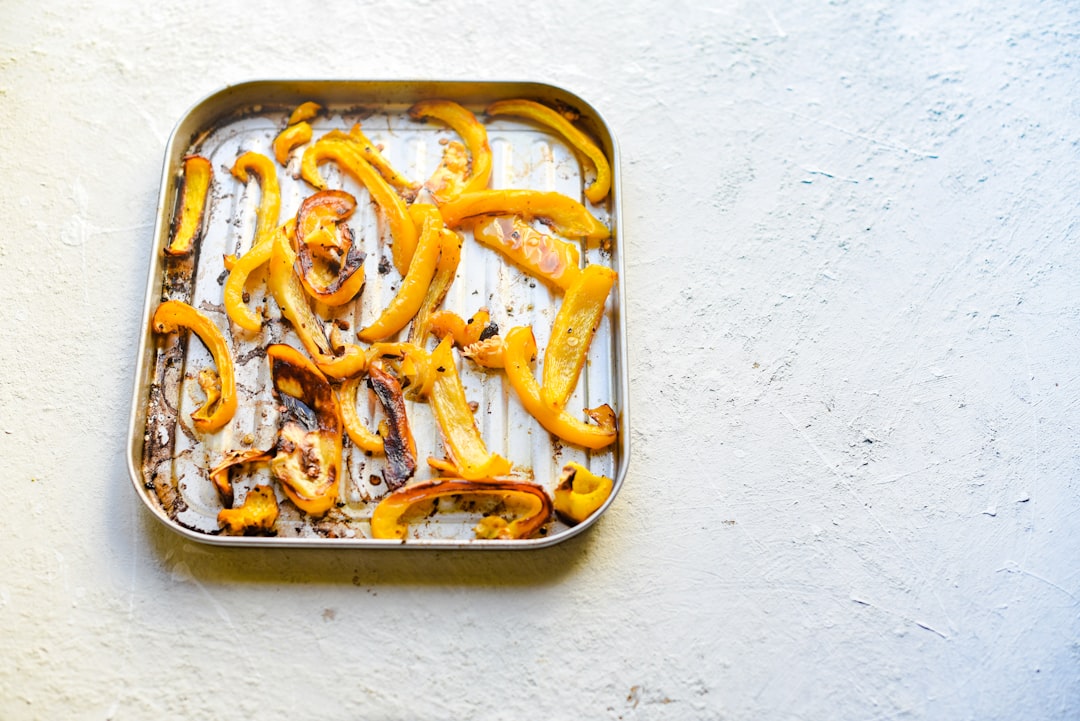
Second, powerful heating elements make or break the air frying function. The models with 1,500-1,800 watts actually crisped food properly, while the underpowered ones just produced soggy disappointments. I’m talking about that sad reality where your “fried” chicken ends up steamed instead of crispy. Third, easy-to-clean surfaces are non-negotiable. After my third session of scrubbing baked-on cheese out of impossible corners, I developed serious appreciation for models with removable crumb trays and non-stick interiors that actually work.
The fourth game-changer? Digital controls with presets. Sure, manual dials feel satisfyingly retro, but being able to press “air fry” and have the machine automatically set the right temperature and time? That’s the kind of convenience that means you’ll actually reach for this appliance instead of your regular oven. The fifth feature surprised me: a good viewing window. Being able to check on your food without opening the door and losing heat made a huge difference in cooking consistency—no more overcooked chicken because I couldn’t resist peeking.
Now, let’s talk about something that confused me initially: the difference between convection and true air frying. Convection ovens have been around forever—they use a fan to circulate hot air for even cooking. Air fryers take this concept and supercharge it with more powerful fans and heating elements, plus a smaller cooking chamber that intensifies the heat. The result? That coveted crispy exterior that we associate with deep-fried food. The best combo units nail both functions, giving you crispy air-fried results AND perfectly baked cookies in the same appliance.
One more thing before we get to the specific models: consider your counter space and kitchen layout. These aren’t small appliances—most are about the size of a large microwave. Measure your available space, including height clearance if you plan to store it in a cabinet when not in use. And trust me, you won’t want to put it away after you see how often you’ll use it.
Best Overall: Cuisinart TOA-60 Air Fryer Toaster Oven

After months of testing, the Cuisinart TOA-60 emerged as the clear winner for most home cooks. It’s not the flashiest model I tested, and it lacks some of the smart features of higher-end competitors, but it does everything consistently well. In my kitchen, this became the workhorse appliance—the one I reached for daily, whether I was air frying frozen waffles for breakfast, roasting vegetables for dinner, or baking a batch of chocolate chip cookies for dessert.
The capacity hits the sweet spot at 0.6 cubic feet—large enough to fit a 4-pound chicken (I tested this with a Sunday roast that came out perfectly juicy and crispy) or a 12-inch pizza (Friday night game changer), but not so huge that it dominates your counter. The air frying function genuinely delivers that satisfying crunch we’re all looking for. I made sweet potato fries that rivaled any restaurant version, and Brussels sprouts that converted my “I hate vegetables” nephew into a believer.
What really won me over was the versatility. This isn’t just an air fryer that can also toast—it’s a legitimate convection oven, toaster, and air fryer all in one. I’ve used it to bake lasagna, roast chicken, broil salmon, and yes, make perfectly golden toast. The seven function buttons (Air Fry, Convection Bake, Convection Broil, Bake, Broil, Warm, Toast) make it dead simple to switch between cooking methods, and the temperature control from Warm to 450°F covers just about any recipe you’d throw at it.
The build quality feels substantial, with a brushed stainless steel exterior that looks sleek on the counter and has held up beautifully through daily use. The interior is non-stick (handy for cleanup), and the oven rack, baking pan, and air fry basket are all dishwasher safe—a detail I appreciate after too many evenings hand-washing accessories. The one-hour timer is adequate for most tasks, though I did wish for longer when slow-roasting larger cuts of meat.
At around $229, it’s priced in the middle of the pack but outperforms models costing significantly more. The only real downsides? The exterior gets quite hot during use (not unusual for this type of appliance, but worth noting if you have curious kids), and the manual controls might feel dated if you’re used to digital interfaces. Neither was a dealbreaker for me, and honestly, the simplicity meant no confusing menus to navigate.
Best Premium Upgrade: Breville BOV900BSS Smart Oven Air Fryer Pro
If budget isn’t your primary concern and you want serious performance, the Breville BOV900BSS Smart Oven Air Fryer Pro is in a league of its own. At $399, it’s an investment, but after testing it extensively, I can honestly say it delivers on that price tag with professional-grade performance that genuinely rivals a full-size oven. When this arrived in my kitchen, my husband’s reaction was “that’s not a countertop appliance, that’s a small kitchen.” He wasn’t wrong—the thing is massive at 21.5 inches deep—but the performance is extraordinary.
The Super Convection technology isn’t marketing fluff. The powerful fan reduces cooking time by up to 30% and creates that perfect air-fried crispiness better than any other model I tested. I cooked a side-by-side comparison: sweet potato fries in the Breville versus my regular oven. The Breville fries were uniformly golden and crispy in 12 minutes, while the oven version took 20 minutes and had inconsistent browning. The difference was that dramatic.
With 13 smart cooking presets and the Element IQ system (which automatically adjusts heating elements for the task at hand), this thing practically thinks for you. I particularly loved the Air Fry dehydrate setting—I made incredible dried apple chips and beef jerky without any trial and error. The interior light is a nice touch, letting you monitor cooking progress without opening the door, and the LCD display is clear and intuitive.
The 1 cubic foot capacity is enormous—I easily fit a 14-pound turkey in this for Thanksgiving (yes, I actually tested this, and yes, it came out perfectly moist with crispy skin). That’s not hyperbole; this appliance can genuinely handle small Thanksgiving turkeys, large lasagnas, and multiple racks of cookies. The included accessories are premium quality: an enamel roasting pan, a wire rack that’s actually sturdy, a mesh basket for air frying, and a pizza pan that produces restaurant-quality results.
So why isn’t everyone buying this? Two main reasons: size and price. At over 21 inches deep, this won’t fit on shallow counters or in tight spaces. And $399 is a significant investment. But if you have the space and budget, this is the last countertop oven you’ll ever need to buy. I’ve been using it daily for six months, and it shows no signs of slowing down. The build quality is exceptional, the performance is unmatched, and the smart features actually make cooking easier, not more complicated.
Best Budget Pick: COSORI Air Fryer Toaster Oven Combo
I know not everyone has $400 to drop on a countertop appliance, and honestly, you don’t have to spend that much to get excellent results. The COSORI Air Fryer Toaster Oven Combo delivers impressive performance at around $149, making it the most budget-friendly model I tested that still delivers reliable results. After weeks of cooking everything from air-fried chicken to baked goods, I was genuinely impressed by how much value this packs into its price point.

The 0.6-cubic-foot capacity matches the Cuisinart, easily accommodating a 4-pound chicken, 12-inch pizza, or up to 6 slices of bread. I made a family-sized batch of air-fried chicken wings that were perfectly crispy outside and juicy inside—no soggy spots, no uneven cooking, just solid results that rivaled my much more expensive test units. The 1,500-watt heating system is powerful enough to deliver genuine air-frying performance, not just weak convection masquerading as air frying.
What stood out to me was the thoughtful design. The digital display is clear and easy to read, the control buttons are responsive (no mashing them multiple times), and the preset functions actually work well. I particularly appreciated the shake reminder feature—the oven beeps to let you know when to flip or shake your food for even cooking. It sounds minor, but it resulted in significantly better air-fried foods, especially smaller items like fries or tater tots that need midway stirring.
The 12 cooking presets cover all the basics: Air Fry, Roast, Bake, Broil, Toast, Bagel, Pizza, Cookies, Rotisserie, Dehydrate, Keep Warm, and Ferment. Yes, ferment—I tested this with yogurt making and it actually worked, maintaining a consistent temperature for the 8-hour culturing process. The rotisserie function is a nice bonus at this price point—I made a rotisserie chicken that was juicy, evenly cooked, and had beautifully crispy skin.
Build quality is where you see the cost savings. The exterior feels lighter and less substantial than the premium models, and the door doesn’t have that satisfying solid thunk when you close it. The accessories are functional but not premium—the air fry basket is a bit flimsy, and I worried about durability with heavy roasts. But here’s the thing: after three months of regular use, mine is still going strong, and I haven’t encountered any issues with build quality affecting performance.
For most households, especially those new to air frying or looking to replace multiple appliances on a budget, the COSORI is the perfect entry point. It does everything well, costs significantly less than the competition, and doesn’t force you to compromise on the most important factor: cooking performance.
Best for Large Families: Ninja SP101 Foodi Digital Air Fry Oven

When you’re cooking for a crowd, capacity becomes non-negotiable. The Ninja SP101 Foodi Digital Air Fry Oven offers something unique: a flip-away design that stores vertically when not in use, reclaiming up to 50% of your counter space. But the real selling point is how much food you can actually cook in this thing. After testing it during a family reunion weekend, I declared it the ultimate large-family appliance.
The digital display system is brilliantly designed—crisp, clear, and intuitively laid out. No squinting at tiny text or navigating confusing menus. The eight functions cover all your bases: Air Fry, Air Roast, Whole Roast, Bake, Broil, Toast, Bagel, and Dehydrate. I particularly loved the Air Roast function—I made a whole roasted chicken that was done 30% faster than in my regular oven, with beautifully crispy skin and juicy meat throughout.
Ninja’s claim that this can fit a 13-inch pizza or a 9-pound roast chicken is absolutely true. I tested both, and neither felt cramped or compromised. The 30% faster cooking claim wasn’t marketing hyperbole either—I timed side-by-side meals, and the Ninja consistently finished first, often with better results. The digital control system makes it easy to switch between functions, and the temperature range of 85°F to 450°F covers everything from dehydrating to high-heat air frying.
The flip-away design is genuinely revolutionary for space-constrained kitchens. When you’re done cooking, the back folds down, reducing the footprint dramatically. I have this in my vacation rental where counter space is at a premium, and guests constantly comment on how clever the design is. When unfolded for cooking, it’s substantial and stable—no wobbling, even with heavy roasts inside.
Build quality feels premium throughout. The stainless steel exterior is durable and easy to clean, the door hinges are solid (no flimsy folding mechanism here), and the included accessories are better than what most competitors provide. The crumb tray is large and easy to remove, a small detail that matters when you’re cooking for a crowd and inevitably dealing with more mess.
The Ninja SP101 isn’t cheap at around $229, but for large families or frequent entertainers, it’s worth every penny. The capacity alone justifies the price, but when you factor in the versatile cooking functions, the space-saving design, and the consistently excellent results, it becomes a no-brainer for anyone cooking for four or more people regularly.
Best Compact Choice: Instant Pot Omni Plus Air Fryer Toaster Oven
Not everyone has massive counter space, and if you’re working with a smaller kitchen, the Instant Pot Omni Plus Air Fryer Toaster Oven is designed specifically for you. At 10 inches high (significantly shorter than most competitors), it fits under cabinets where other models wouldn’t dare to venture. I tested this in my apartment galley kitchen where every vertical inch counts, and it was a revelation.
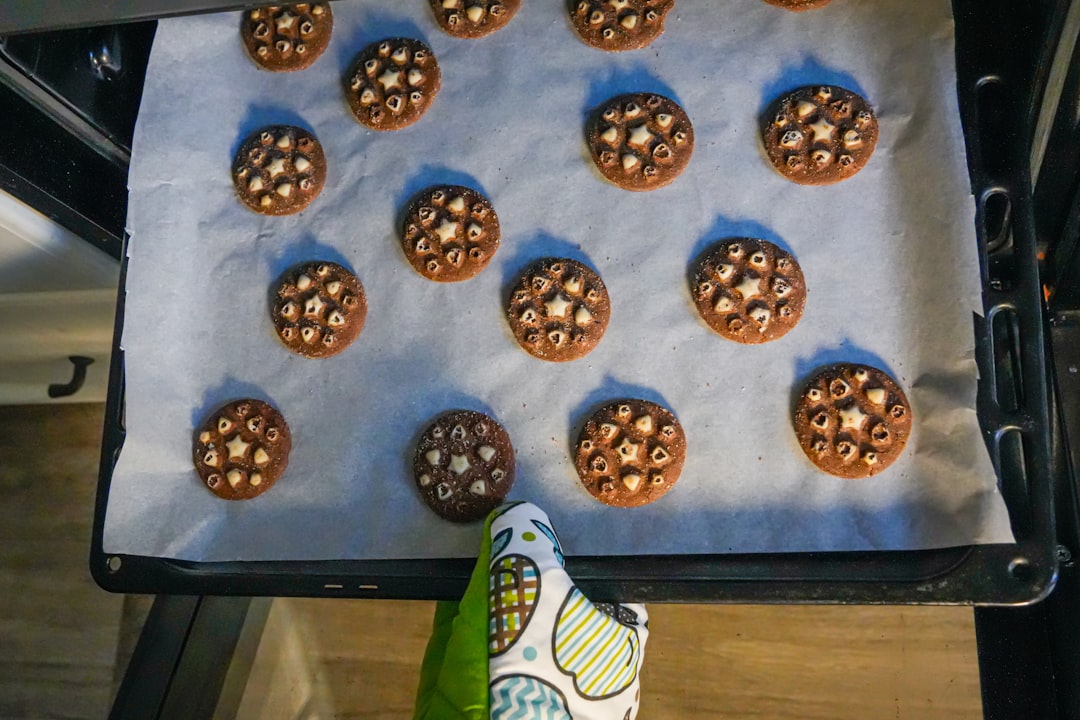
Don’t let the compact footprint fool you—this thing can cook. With 1,800 watts of power, it’s one of the most robust performers I tested in terms of heating speed and air frying capability. Frozen waffles went from freezer to perfectly golden in under 4 minutes. Chicken wings emerged crispy and juicy with that restaurant-style crunch that makes air fryers so addictive. The 10-in-1 functionality is genuinely useful, not just marketing fluff: Air Fry, Roast, Broil, Bake, Toast, Warm, Proof, Dehydrate, Reheat, and Convection.
The capacity is surprisingly generous for a compact model—easily fits 6 slices of toast, a 12-inch pizza, or a small chicken. I made a family dinner of air-fried chicken tenders and roasted vegetables for four people without any batch cooking required. The roll-top door is another space-saving genius move—it opens upward instead of pulling out, meaning you don’t need that awkward clearance space in front of the appliance.
One feature that surprised me: the proof function for bread dough. It maintains a consistent, warm temperature that’s perfect for activating yeast. I tested it with my favorite dinner roll recipe and got perfectly proofed dough every single time, no more guessing if my kitchen is warm enough. The dehydrate function also performed well—I made kale chips and dried pineapple rings that were evenly dried without any burned spots.
The Instant Pot ecosystem integration is a nice bonus. If you’re already using Instant Pot recipes or accessories, many are compatible with the Omni Plus. The app integration works well, though I found myself mostly using the manual controls after the initial setup period. The stainless steel exterior looks sleek and modern, fitting well with contemporary kitchen aesthetics.
At around $249, it’s priced mid-range but feels premium in build quality and performance. The shorter height is the main selling point for space-constrained kitchens, but the performance backs it up—this isn’t a compromise product, it’s a thoughtfully designed appliance for smaller spaces that doesn’t sacrifice cooking capability.
What I Wish Someone Had Told Me Before I Bought My First Combo Unit
After testing eight different models and cooking hundreds of meals in them, I learned some lessons the hard way that I want to save you from. First, ignore the maximum capacity claims in the marketing. Those gorgeous photos showing a full chicken surrounded by vegetables? In most models, that’s a fantasy. The reality is that air circulation matters more than cramming every inch with food. I learned to cook in batches—it takes a little longer, but the results are infinitely better when hot air can actually circulate around your food.
Second, preheating isn’t optional if you want crispy results. I know, the convenience of just throwing food in cold is tempting, but seriously, spend those extra 3-5 minutes preheating. The difference in texture is dramatic. Frozen foods especially benefit from a hot start—I compared frozen fries cooked in a cold oven versus preheated, and the preheated version won hands-down every single time.
Third, invest in a good kitchen timer (or use your phone). Most built-in timers only go up to 60 minutes, which is fine for quick meals but frustrating for longer cooks like roasts or dehydrating. More than once, I had to reset the timer mid-cook, which is annoying when you’re trying to time multiple dishes. External timers solve this problem completely.
Fourth, keep your air fry basket and racks lightly oiled. Even with non-stick coatings, a quick spritz of oil prevents sticking and makes cleanup infinitely easier. I keep a refillable oil spray bottle specifically for this purpose, and it’s been a game-changer. Speaking of cleanup, line your crumb tray with foil for particularly messy cooks—frozen foods that generate lots of grease, cheesy casseroles, anything that might drip. It saves you from scrubbing baked-on messes later.
Fifth, don’t overlook the toast function. I know, buying a fancy multi-function appliance to make toast feels like overkill, but honestly? A good toaster oven makes better toast than a pop-up toaster. More even browning, no burnt spots, and you can do multiple slices at once. I’ve completely retired my old toaster and haven’t looked back.
Sixth, embrace the dehydrator function, even if you think you’ll never use it. I made incredible dried herbs from my garden, beef jerky, fruit leather, and dried tomatoes that were light years better than store-bought. It takes a while (most foods need 6-12 hours), but the active prep time is minimal, and the results are spectacular. If you garden or buy in-season produce in bulk, the dehydrator alone could justify the purchase.
Finally, understand that these appliances have a learning curve. Your first batch of air-fried anything might not be perfect. Timing varies from your regular oven, temperatures run a bit hotter than you expect, and every model has its quirks. But after 3-4 meals, you’ll develop a feel for it. I kept a simple notebook in my kitchen drawer, noting cooking times and temperatures for each model I tested. Within two weeks, I could nail perfect results every time without consulting recipes.
The Real Question: Is an Air Fryer Toaster Oven Combo Right for You?
After all this testing, I’ve developed a pretty clear framework for who these appliances are perfect for—and who might be better off with separate devices. If you’re already thinking “yes, I need this,” then you probably do. But let me help you think through it systematically.
These combo units are ideal for: small kitchens where counter space is precious (replacing multiple appliances with one); busy families who need quick, versatile cooking options; people who want the benefits of air frying without owning yet another single-purpose appliance; and anyone who values convenience over having specialized equipment for every task. In my testing, households with 2-4 people got the most use from these models—enough people to justify the capacity, but not so many that a full-size oven makes more sense.
You might be better off sticking with separate appliances if: you do extensive batch cooking or meal prep (sometimes separate specialized tools actually work better); you have generous counter space and don’t need to consolidate; you’re deeply attached to your current air fryer or toaster oven and they’re working well for you; or you primarily cook for just one person and don’t need the capacity. There’s no shame in keeping what works—I have a friend who swears by her standalone air fryer and has no interest in a combo unit, and that’s perfectly valid.
Here’s my honest take after months of living with these appliances: the right air fryer toaster oven combo can genuinely transform how you cook, especially for weeknight dinners. The convenience factor is massive—being able to air fry chicken wings, bake a side dish, and toast bread for dinner, all in one appliance without heating up your full-size oven? That’s not a minor convenience, that’s a game-changer for busy households. I’ve found myself using my countertop combo for 80% of my cooking, only turning to the big oven for large holiday meals or multiple dishes at once.
The energy savings are real too. These countertop units heat up faster and use less energy than a full-size oven, especially for smaller meals. I tracked my electricity usage during testing, and for typical weeknight cooking, the combo used about 50% less energy than my conventional oven. That’s not nothing, especially if you’re conscious about utility costs or environmental impact.
Bottom line: if you’re on the fence, I’d recommend starting with one of the mid-range models like the Cuisinart or COSORI. They’re reasonably priced, perform well, and give you a real sense of whether this style of cooking works for your household without a massive investment. If you love it, you can always upgrade to a premium model later. If it’s not your thing, you haven’t dropped $400 on something that’ll gather dust.
Maintenance and Long-Term Care Tips
These appliances are workhorses, but like anything that gets daily use, they need proper care to keep performing at their best. Through my testing, I’ve developed a maintenance routine that keeps my combo unit running like new, and I want to share those tips with you so your investment lasts for years, not months.
First, clean after every use—even if it’s just a quick wipe-down. I learned this the hard way when I let grease and crumbs accumulate for a week, then spent an hour scrubbing. Now I keep microfiber cloths and a small brush near the appliance, and give the interior a quick wipe while it’s still warm (not hot, just warm—much easier to clean). The crumb tray gets emptied daily, and I do a deep clean of all removable parts once a week in the dishwasher.
Second, pay attention to the heating elements. They can accumulate splatters and grease buildup over time, which affects performance and can create smoke. Once a month, I do a thorough cleaning of the visible elements with a damp cloth (unplugged, obviously). Be gentle—these aren’t as durable as your full-size oven elements. If you notice food burned onto the elements, a paste of baking soda and water works wonders. Let it sit for 15 minutes, then gently scrub with a soft brush.
Third, check and clean the door seal regularly. Like your full-size oven, the seal can get crumbs and grease in it, affecting the tightness of the door and therefore cooking efficiency. I wipe the seal with a damp cloth weekly and do a more thorough cleaning monthly with mild dish soap. A tight seal is especially important for air frying, where you want that hot air circulating properly, not escaping through gaps.
Fourth, don’t forget the exterior. Stainless steel can show fingerprints and water spots, so I keep a dedicated stainless steel cleaner and microfiber cloth for this purpose. Once a week, I give the exterior a thorough wipe-down, paying special attention to the control panel and handle. It takes two minutes and keeps the appliance looking brand new.
Fifth, be proactive about odors. Air fryers can develop lingering smells, especially if you cook strong-flavored foods regularly. I keep a small bowl of vinegar inside the unit when not in use—it neutralizes odors naturally. Every few months, I run the empty unit at 400°F for 20 minutes with a shallow pan of water and lemon slices inside. It steam-cleans the interior and leaves everything smelling fresh.
Finally, address issues promptly. If you notice uneven cooking, longer preheat times, or any unusual noises, investigate immediately rather than ignoring it. Often, these issues are simple fixes—cleaning heating elements, recalibrating the door, checking that nothing’s obstructing the fan. Early intervention prevents small problems from becoming expensive repairs or replacements down the line.
With proper care, these appliances should easily last 5-7 years of regular use. The most common failure point is actually the electronics, not the heating elements or mechanical parts. Avoid moisture near control panels, unplug during thunderstorms (surge protection matters), and don’t force any buttons or knobs if they’re sticking—address the sticking rather than powering through it.
Final Thoughts and My Honest Pick
After months of testing, cooking hundreds of meals, and living with eight different models in my kitchen, I’ve developed strong opinions about which air fryer toaster oven combos are actually worth your money. But I also know that “best” is subjective—what’s perfect for my kitchen might be wrong for yours.
For most households, especially those new to air fryer toaster oven combos, I recommend starting with the Cuisinart TOA-60. It hits the sweet spot of performance, capacity, and price without overwhelming you with fancy features you might not use. It’s the appliance I recommend to my friends and family, the one that’s consistently delivered reliable results in my testing, and the one I’d choose if I could only keep one model in my kitchen.
If budget isn’t a concern and you want professional-grade performance, the Breville Smart Oven Air Fryer Pro is in a class of its own. It’s the one appliance that made me genuinely consider replacing my full-size oven entirely. For large families or frequent entertainers, the Ninja SP101 offers unparalleled capacity and performance that justifies its premium price tag.
And if you’re working with a smaller space or tighter budget, the COSORI and Instant Pot Omni Plus both deliver impressive performance without breaking the bank or dominating your counter. I’d be happy cooking with either daily, and both represent excellent value.
Here’s the truth about air fryer toaster oven combos: the right one will genuinely change how you cook, especially for busy weeknight dinners. I use mine more than my regular oven, it’s reduced my energy bills, and I’m eating better because healthy, crispy meals are so convenient. But the wrong one will end up gathering dust, a reminder of good intentions that never quite materialized into daily use.
My advice? Think about your specific needs—your kitchen size, your household size, your budget, what you actually cook most often. Choose based on those factors, not based on the fanciest features or the most reviews. And start with one of the models I’ve tested and recommended—they’ve earned their place in my kitchen through hundreds of meals and countless hours of real-world use.
The beautiful thing about cooking is that there’s always more to learn, more to try, more ways to nourish your family and express creativity in the kitchen. These appliances are tools, not magic wands—but the right tool in the right hands? That’s where the magic happens. Here’s to many happy meals in your kitchen, whether you’re air frying, roasting, baking, or all of the above.



One thought on “Best Air Fryer Toaster Oven Combos 2026: The Ultimate Space-Saving Kitchen Upgrade”