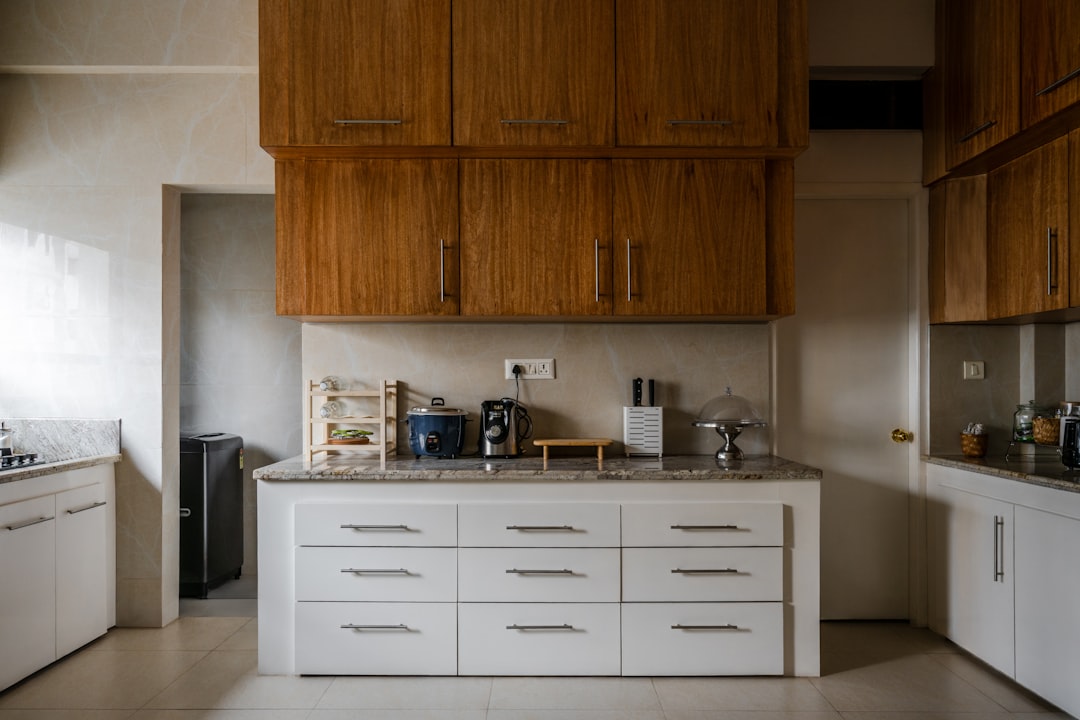
Every kitchen has them — those awkward, neglected spaces where Tupperware lids go to die, where you shove the slow cooker you use twice a year, where cleaning supplies tangle into a chemistry experiment you don’t want to think about. I’m talking about the dead zones. The spots you avoid organizing because they seem impossible, the corners that collect dust and regret in equal measure.
For years, I just accepted these zones as a fact of kitchen life. My grandmother’s kitchen had them, my mother’s kitchen had them, and surely mine would too. But then I spent a rainy Saturday last fall actually measuring every weird gap and forgotten shelf in my kitchen, and I realized something that changed everything: most dead zones aren’t design flaws. They’re just waiting for the right product. Here are the eight I finally conquered, and exactly what made the difference.
The Under-Sink Abyss
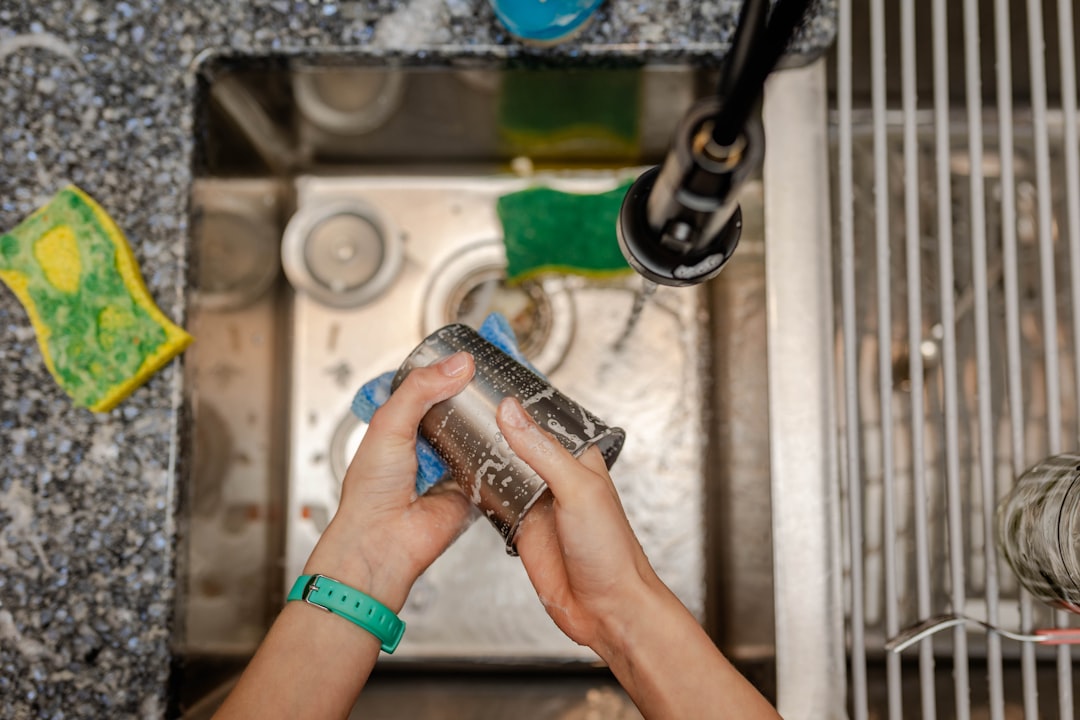
Let’s start with the worst one. Under my kitchen sink was a landscape of half-empty spray bottles, tangled sponges, and that one bottle of drain cleaner I kept knocking over every time I reached for dish soap. The plumbing pipes made it nearly impossible to use standard shelving, so everything just… sat there. Sad and chaotic.
The fix was embarrassingly simple: a tiered under-sink organizer with a U-shaped cutout that slides right around the pipes. Suddenly I had two levels of visible, accessible storage instead of a pile. I grouped cleaning supplies by frequency of use — dish soap and daily sprays on the front tier, less-used items behind — and added a small caddy for sponges and brushes on the side. Total transformation for under $25.
If your under-sink situation has gotten away from you (and let’s be honest, it has), an adjustable tiered organizer designed for plumbing clearance is the single fastest way to reclaim that space.
The Above-Fridge Wasteland
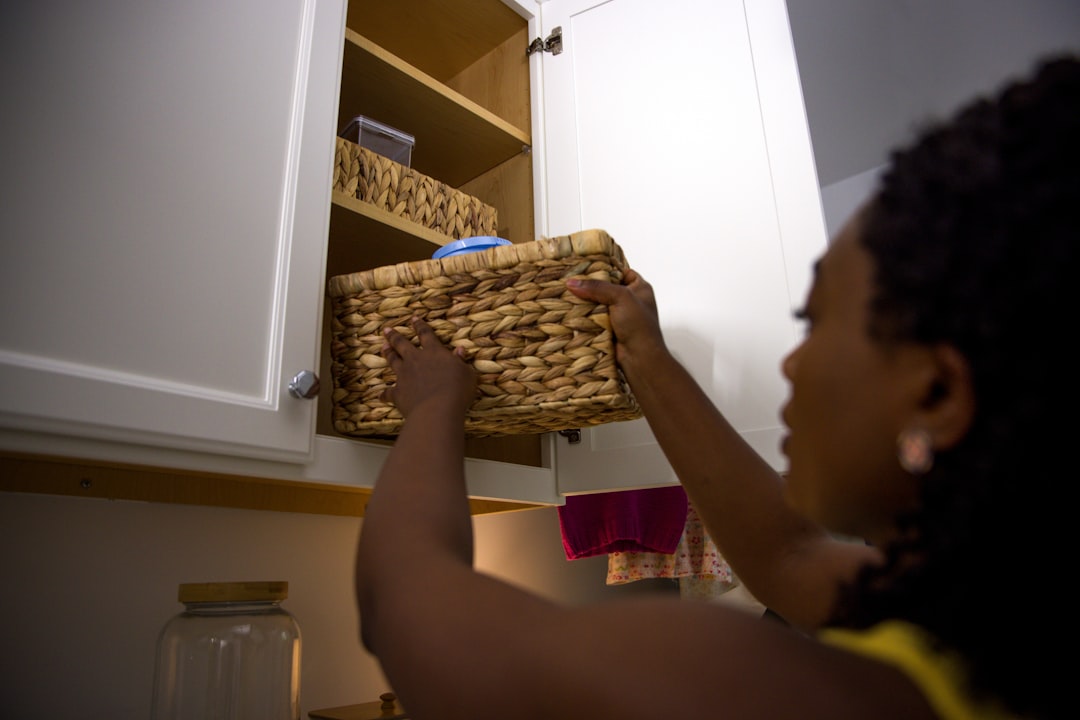
Above my refrigerator sat a collection of items I never used but couldn’t bring myself to donate: a fondue pot from 2019, three empty mason jars “for later,” and a bread machine I was definitely going to start using next week (I said that for two years). The problem with above-fridge storage is that it’s high, it’s deep, and it’s awkward to reach — which means it becomes a black hole of good intentions.
What changed my thinking was treating that space not as a storage overflow zone but as a dedicated, intentional shelf. I installed a set of woven storage baskets that look intentional rather than cluttered, and rehomed only items I genuinely use seasonally: holiday cookie cutters, my turkey baster, extra party napkins. Everything else got donated. The visual difference is remarkable — it went from “garage shelf energy” to something that actually looks like it belongs in a kitchen.

The Corner Cabinet You Can’t See Into
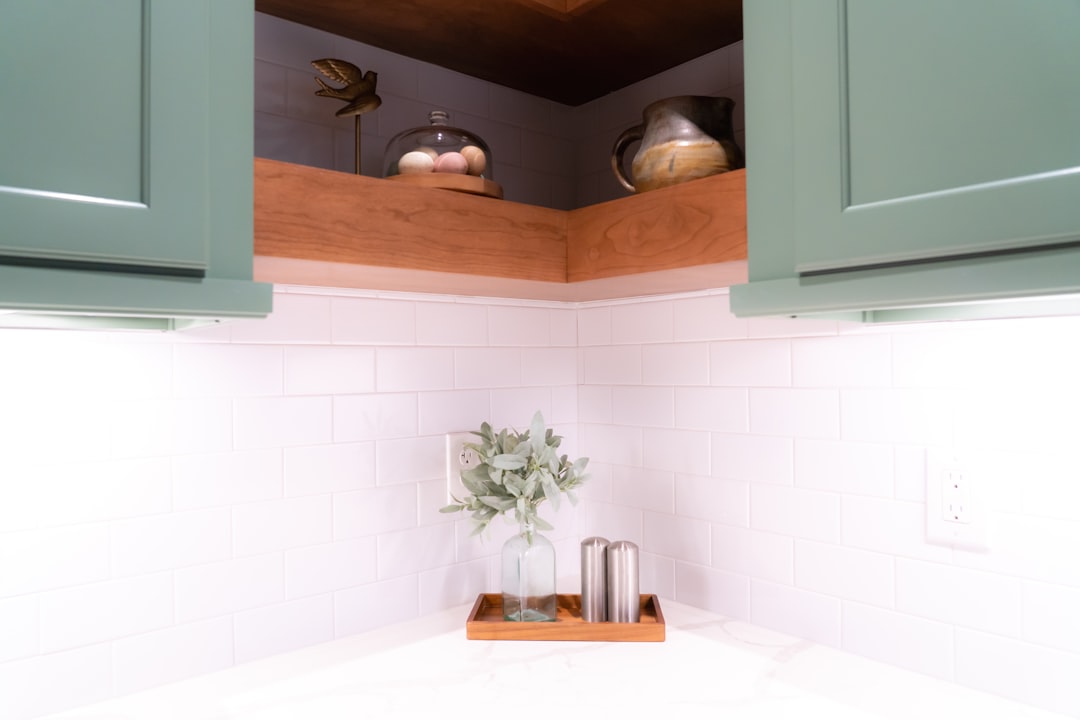
You know the one. You open it, reach your arm in up to the shoulder, and hope you grab the right pot. Corner cabinets are the classic kitchen dead zone — cavernous spaces where lids and small appliances go to become permanently lost. I once found a yogurt maker in mine that I didn’t even remember owning.
The solution that actually worked (after trying three different approaches) was a lazy Susan turntable organizer large enough to fill the space. I know, lazy Susans aren’t exactly cutting-edge. But the size matters here — a dinky 10-inch one just creates a smaller circle of frustration. I went with a 15-inch two-tier turntable, and now everything spins to me instead of me crawling into the cabinet like I’m exploring a cave.
For especially deep corners, I added a pull-out sliding shelf on the lower level for heavier pots. The combination of spin and slide turned my worst cabinet into my most organized one.
The Inside of Cabinet Doors
This was a face-palm moment for me. I’d been staring at the inside of my cabinet doors for years without once thinking of them as storage surfaces. Then I saw a TikTok where someone had mounted small racks to the inside of their pantry door for spices, and a lightbulb went off.
I started with my cleaning cabinet — I installed a set of mountable wire racks on the inside of the door for spray bottles and scrub brushes. Instant freed-up shelf space. Then I moved to my baking cabinet, where I attached a lid organizer rack to hold all those runaway pot lids and cutting boards that were previously stacked in a leaning tower of danger. The key is using over-the-door or screw-mounted options — nothing with weak adhesive that’ll give up after a month.
The Junk Drawer, Which We All Have
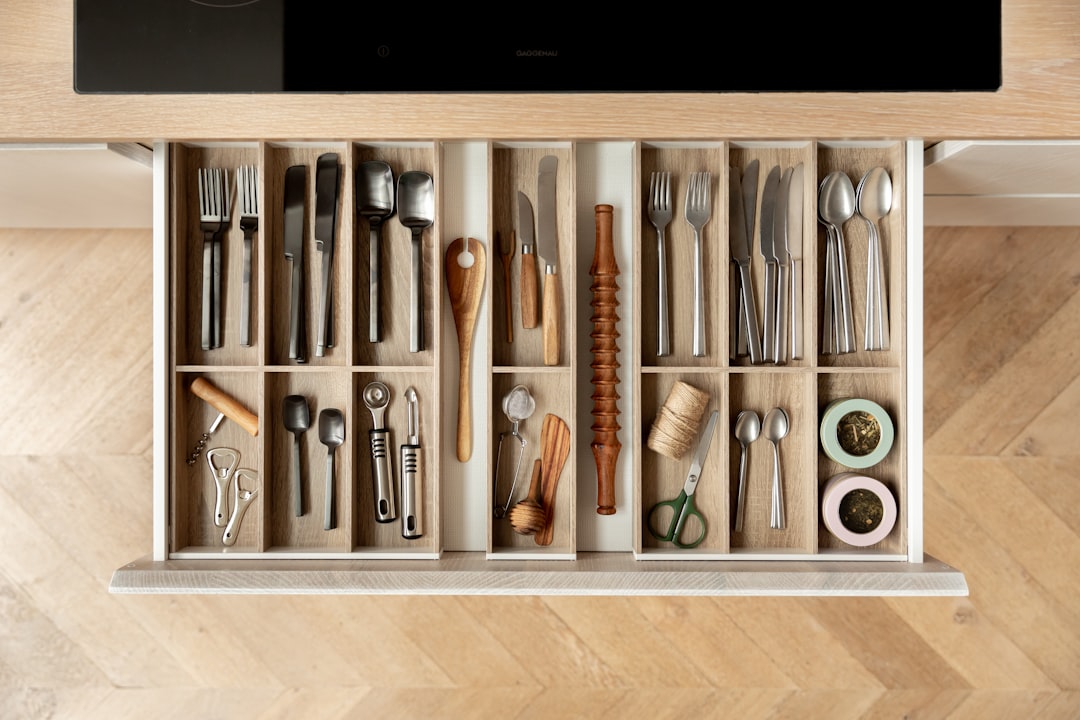
I refuse to be shamed for having a junk drawer. Every functional kitchen has one. The problem isn’t the junk — it’s that junk drawers become junk avalanches when nothing has a designated spot. Mine had batteries, rubber bands, takeout menus from restaurants that closed during the pandemic, and approximately forty-seven bread bag clips.
The fix was a customizable drawer organizer set with adjustable dividers. I dumped everything out, kept only what I actually needed, and gave each category its own compartment. Batteries together. Matches and lighters together. The random hardware that belongs in the garage? Relocated. It took maybe 45 minutes, and now I can actually find a measuring spoon without excavating.
This small project pairs beautifully with the $200 kitchen storage makeover I did last month — both are about making existing spaces work harder, not buying a bigger kitchen.
The Space Between the Fridge and the Wall
This gap — usually two to four inches wide — is useless, right? That’s what I thought for years. Then I discovered narrow rolling storage carts designed specifically for these slivers of space, and I’m not being dramatic when I say it changed how I cook.
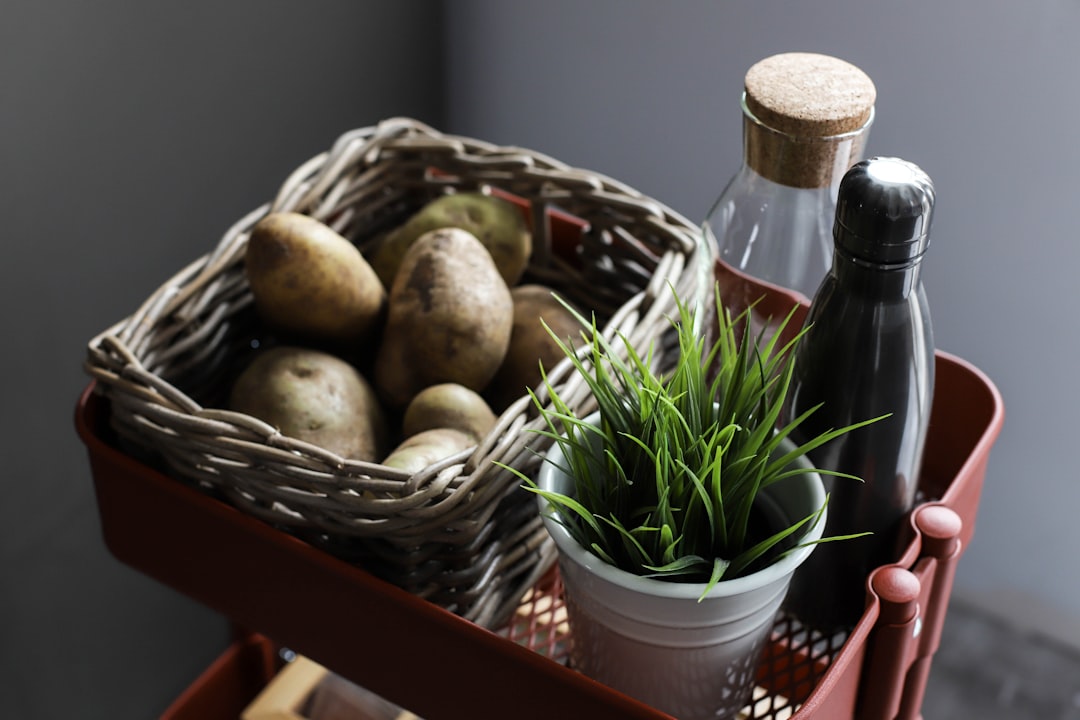
I found a slim rolling cart that fits in a 5-inch gap and filled it with the things I reach for most while cooking: olive oil, salt cellar, frequently used spices, kitchen twine, and my favorite spatulas. It rolls out easily, tucks back invisibly, and freed up an entire shelf in my pantry. If your kitchen has that awkward gap (and most do), this is the easiest win on the list.
The Top of the Cabinets
Different from above the fridge — I mean the whole run of upper cabinets that meets the ceiling (or doesn’t). In many kitchens, there’s a 6-to-12-inch gap between the top of the cabinets and the ceiling, and it collects dust, cookbooks you’ll never open again, and decorative items that looked good in a magazine but make your kitchen feel cluttered in real life.
I made the radical choice to clear mine completely and install a continuous shelf that extends the cabinets to the ceiling. It wasn’t a DIY project — I hired a handyman for half a day — but the result is a clean, enclosed storage zone for items I use rarely: large serving platters, the holiday china, my grandmother’s cake stand. If permanent cabinetry isn’t in the cards, matching storage baskets up top with a cohesive look achieves 80% of the effect for 10% of the cost.
Speaking of making your whole kitchen feel more intentional, clearing your counters of single-purpose gadgets goes hand in hand with taming these hidden zones.
The “Everything” Pot Lid Drawer
My pot lids had their own drawer, and it was a disaster. Every size jumbled together, sliding around, crashing like cymbals every time I opened it. I tried stacking them — they fell. I tried leaning them — they fell. I tried ignoring them — my blood pressure rose.
What finally worked was a vertical file-style organizer. I found a sturdy metal lid rack that stands lids upright like files in a cabinet, and it has been flawless. Each lid has its own slot, sorted by size, visible at a glance. I paired it with a set of adjustable drawer dividers to separate the remaining space for cutting boards and baking sheets.
Why These Small Wins Matter
I want to be honest about something: organizing these eight dead zones didn’t make me a different cook. My food didn’t suddenly taste better, and I still burn toast more often than I’d like to admit. But what it did do is remove a layer of low-grade frustration I didn’t even realize I was carrying. When I reach for a pot lid and it’s right there, when I open the under-sink cabinet and everything is visible, when the spice I need is on the door rack instead of buried three rows deep — cooking feels lighter. Easier. More like the joyful, creative act it’s supposed to be.
That’s the real lesson my grandmother taught me, even if she didn’t have lazy Susans and pull-out shelves. A kitchen that works for you — every corner, every cabinet, every awkward gap — isn’t a luxury. It’s the foundation. And it doesn’t require a renovation budget or a professional organizer. It just requires looking at your dead zones with fresh eyes and the right tools.
If you’re staring down a kitchen that feels like it’s working against you, start with the pantry organization principles I outlined earlier this year and then tackle these dead zones one by one. You don’t have to do them all in a weekend — I spread mine out over a month, one Saturday morning at a time. The momentum builds. Each small win makes the next one feel possible.
And if you’re wondering about the next frontier after storage? My seasonal pantry reset routine keeps everything from sliding back into chaos. Because the real secret of an organized kitchen isn’t the products — it’s the maintenance. These tools just make the maintenance easy enough that you actually do it.

One thought on “The 8 Dead Zones in Your Kitchen (And the Storage Solutions That Finally Fixed Mine)”