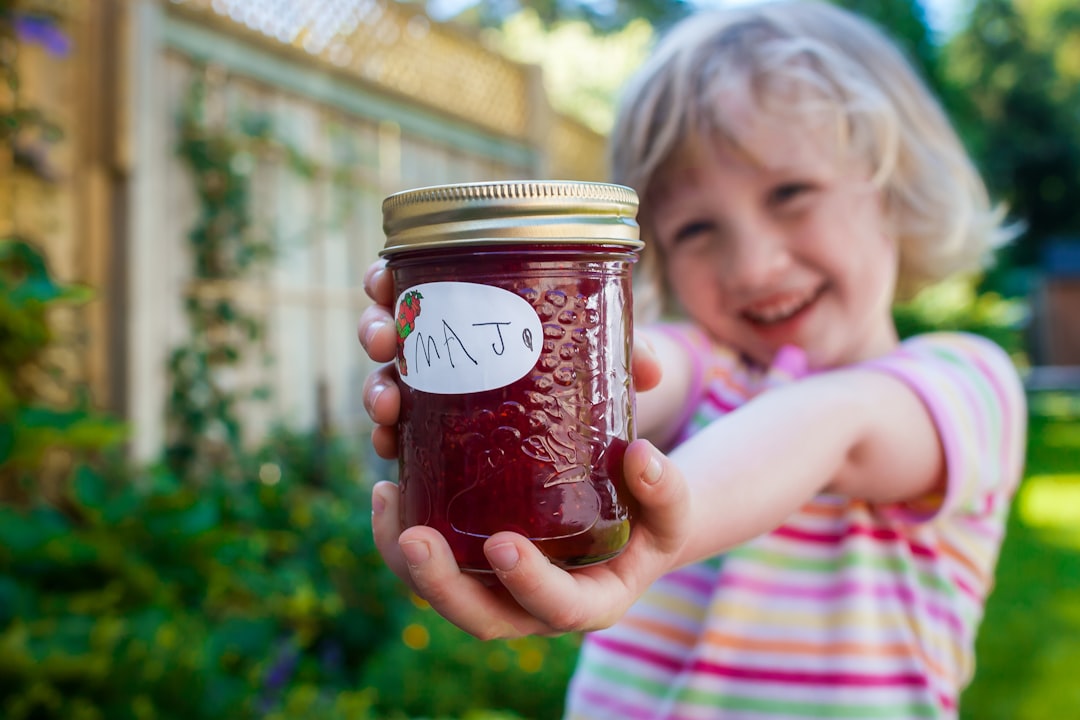
Every year, right around the time the first strawberries hit the farmers market and the peaches start softening on my counter, I feel it — that pull. The one my grandmother would have called “the putting-up feeling.” It’s the moment when the abundance of summer becomes so obvious, so overwhelming, that your hands start itching to preserve it. To capture that flavor in a jar, seal it tight, and line it up on a pantry shelf like a little promise of January dinner.
I learned to can standing on a step stool at age six, and I’ve written before about how that early apprenticeship shaped everything I know about food. But this June is different. This year, I finally looked around my kitchen and admitted that half my preserving tools were older than some of my readers’ children. The canner had a wobbly handle. My paring knife could barely break a tomato skin without slipping. The wooden spoons I’d been using since my twenties were splintering in places I didn’t want to think about.
So I did what any sensible home cook does when Amazon Prime Day is days away: I made a list. I evaluated every single tool in my preserving arsenal, researched what’s actually worth buying in 2026, and timed my replacements to land during the biggest sale window of the summer. Prime Day runs June 23rd through 26th this year, and if you’ve been putting off your own kitchen refresh, this is your sign to stop waiting.
The Canner That Changed Everything
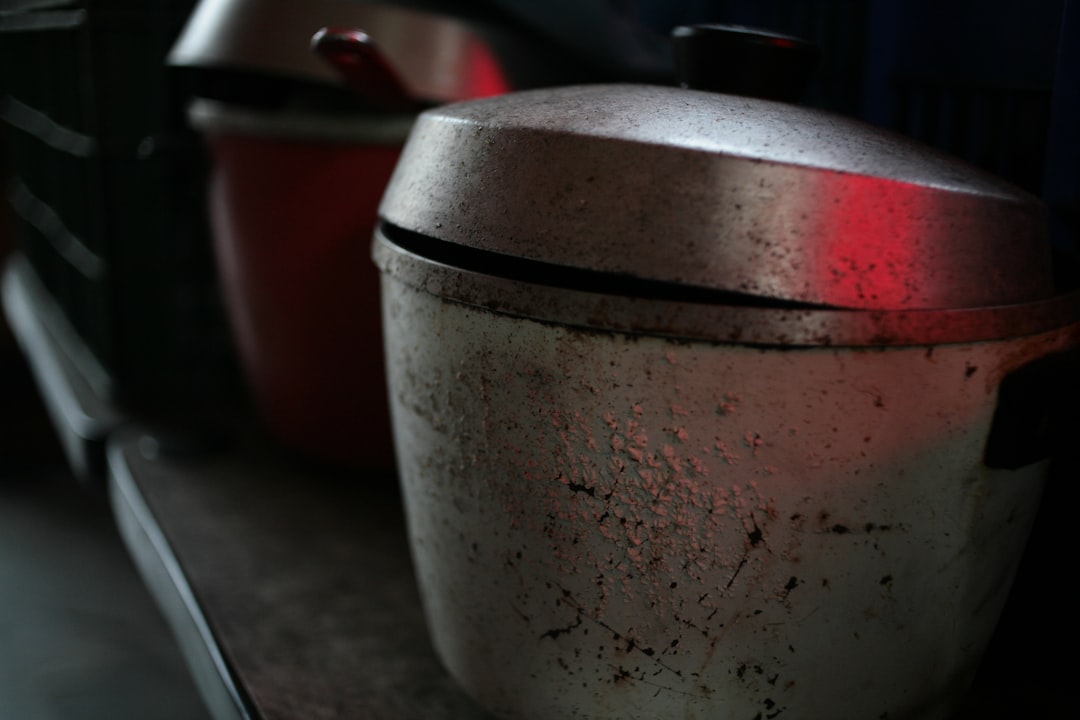
Let’s start with the centerpiece. A pressure canner is the single most important piece of equipment for safe home food preservation, and after years of making do with a hand-me-down aluminum pot that I honestly didn’t fully trust, I upgraded to the Presto 23-Quart Induction Compatible Pressure Canner. This thing is a beast in the best possible way. It holds seven quart jars at once, works on both my gas range and my induction cooktop, and has a pressure dial that actually reads accurately — which, if you’ve ever nervously eyeballed a jiggling weight regulator while wondering if your green beans are going to be safe to eat in December, you know is not a small thing.
The Presto doubles as a water-bath canner for high-acid foods like jams, jellies, and pickles, which means you don’t need two separate pots cluttering your kitchen. For someone like me who processes everything from strawberry jam to crushed tomatoes to chicken stock, that versatility is non-negotiable. If you’ve been on the fence about whether to invest in a proper pressure canner, the Prime Day pricing makes this the moment. Bookmark the product page now so you can grab it the second the deal drops.
The Knife You’ll Use Every Single Day
My grandmother kept exactly two knives in her kitchen — a butcher knife and a paring knife. She did everything with those two blades, from breaking down a whole chicken to peeling an apple in one long spiral. I’ve always been a bit more, shall we say, knife-hoarding in my tendencies, but when it comes to preserving season, I always reach for the same tool: a really good paring knife.
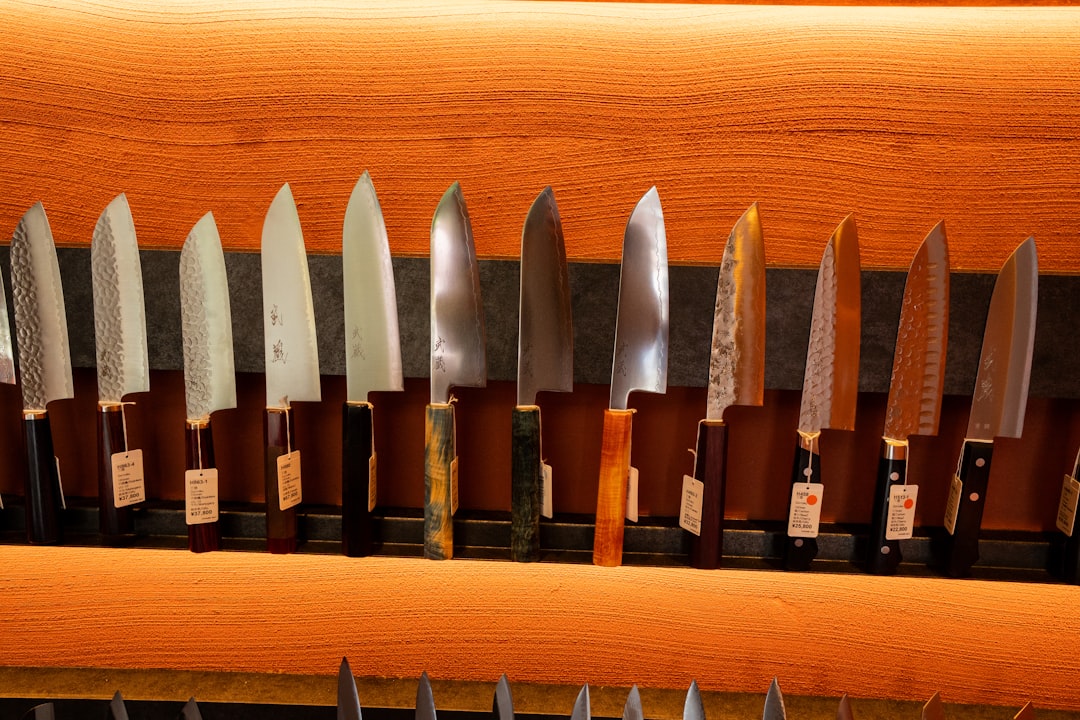
The Victorinox 3.25-Inch Swiss Classic Paring Knife is the one I recommend to everyone, and not just because it’s affordable. The edge holds beautifully through case after case of fruit prep — hulling strawberries, peeling peaches, scoring tomatoes for blanching. The handle is comfortable for long sessions, and the spear-point tip gives you precision when you’re corking around a bruise or removing a stem pit. I keep three of them in my knife drawer because I’m always washing one and reaching for a clean one. At this price point, that’s entirely reasonable.
Pair it with a proper OXO Good Grips Etched Zester and you’ve got your flavor-building bases covered. The zester is one of those tools I didn’t know I needed until I started using citrus zest in my jam recipes — a strip of orange zest in strawberry preserves or a generous grating of lemon over blueberry jam completely transforms the finished flavor. The OXO’s etched stainless steel surface produces fine, aromatic zest without any of the bitter pith, and it doubles as a hard-cheese grater, which means it earns its drawer space year-round.
Cookware Worth the Counter Space
Here’s the thing about preserving season: it generates a lot of cooking. Not fancy cooking — just big-batch, hours-on-the-stove cooking. Jam needs to simmer. Chutney needs to reduce. Tomato sauce needs to cook down until it’s thick enough to coat a spoon. For all of that, you need pots that conduct heat evenly and won’t scorch your carefully prepped produce.
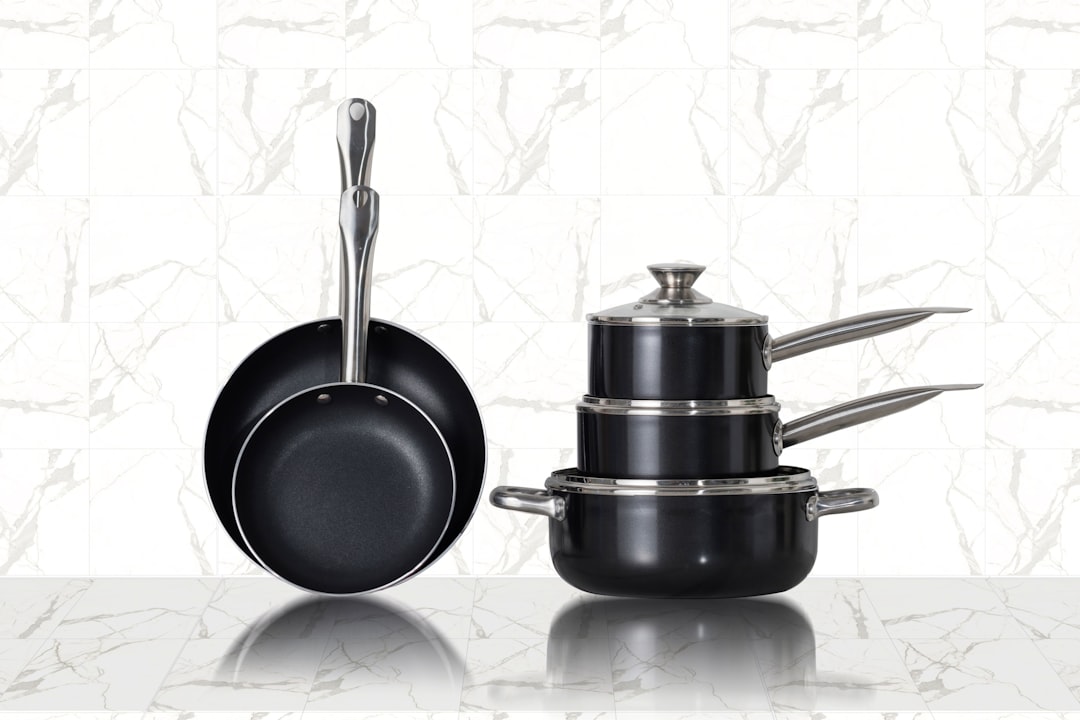
I’ve been cooking on the Cuisinart Multiclad Pro Triple Ply 7-Piece Cookware Set for the better part of a year now, and it has earned every inch of the cabinet space it occupies. The triple-ply construction — aluminum core sandwiched between layers of stainless steel — means heat distributes evenly across the entire pan surface, not just directly over the burner. That’s the difference between jam that simmers gently and jam that burns in a ring around the bottom of your pot while staying cool in the center.
If you’ve been curious about upgrading from nonstick to stainless, this set is the ideal entry point. It includes a skillet, saucepan, sauté pan, and stockpot with lids, which covers basically every preserving recipe I make. The set is also beautifully designed — clean lines, polished exterior, and a weight that feels substantial without being unwieldy. I wrote recently about how cookware has become part of kitchen decor, and this set absolutely fits that bill. It looks as good hanging from a rack as it performs on the stove.
The Quiet Tools That Do All the Work
Not every hero in a preserving kitchen is a major appliance. Some of the tools I reach for most during June and July are the humble, unglamorous ones that just make everything a little easier.
Take wooden spoons. I went through a phase where I thought silicone was the answer for everything, and while I still love my heatproof spatulas, there’s something about wood that no synthetic material can replicate. Wooden spoons don’t conduct heat, they don’t scratch your pans, and they develop a beautiful patina over years of use that tells the story of every meal you’ve made. The Zulay Kitchen Teak Wooden Spoon Set has become my go-to for stirring simmering jam and scraping down the sides of the pot. The teak is dense and smooth, with a soft grip that doesn’t slip even when your hands are wet from processing. They’re the kind of spoons that will still be in your kitchen twenty years from now, which is exactly the point.
Then there’s cooking twine. I know, I know — twine isn’t exciting. But if you’ve ever tried to truss a roast without it, or bundle herbs for stock, or tie off a cheesecloth bag of spices for chutney, you understand why having a reliable supply is essential. The Regency Wraps Cotton Butcher’s Twine is food-safe, oven-safe, and made in the USA. It’s the same twine I use to tie gift tags on jars of jam when I’m giving them as holiday gifts, which makes it a year-round staple.
And while we’re talking about maintenance, please — for the love of everything — oil your wooden cutting boards and spoons. A bottle of food-grade mineral oil costs less than a fancy coffee and will extend the life of every wooden item in your kitchen by years. I rub mine down once a month, more often during preserving season when everything gets washed more frequently. It prevents cracking, warping, and staining, and it keeps the wood looking rich and saturated.
Preserving Without the Canner: Dehydration Station
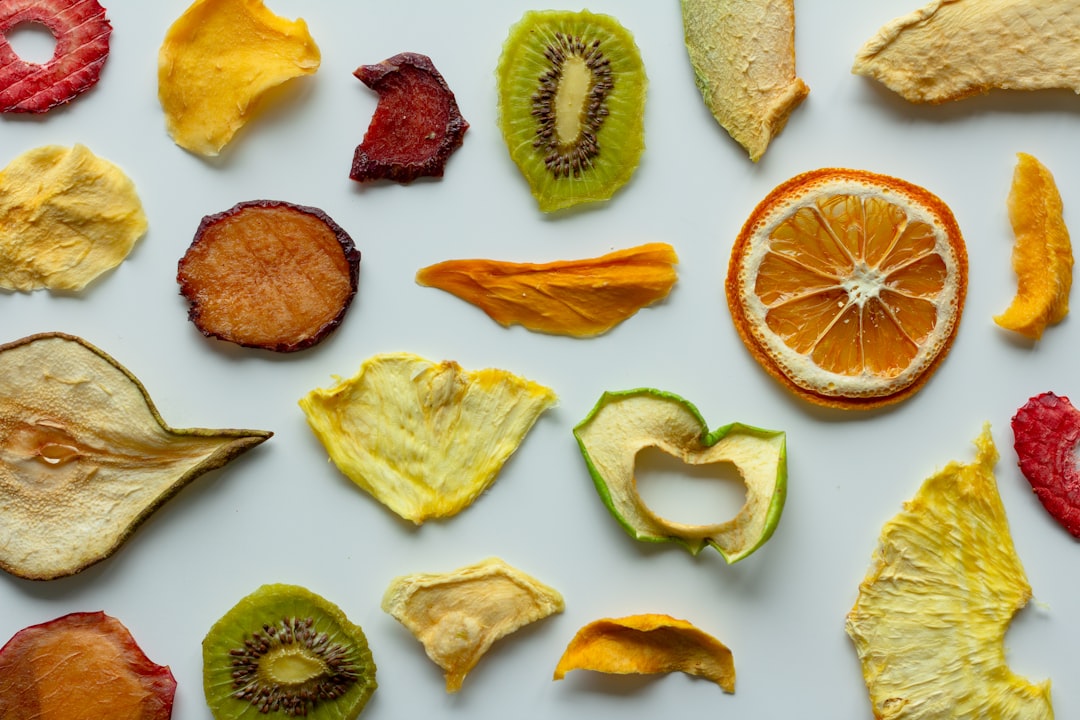
Not every preservation method requires a pressure canner and a case of Mason jars. One of the most underrated ways to capture summer flavors is dehydration. Dried strawberries in winter granola. Apple chips for after-school snacks. Sun-dried tomatoes in pasta. Beef jerky for hiking trips. Once you start, you’ll find yourself dehydrating everything.
The PSIIDAN Food Dehydrator caught my attention because of its 4.8-star rating and its thoughtful design — adjustable temperature control means you can dry delicate herbs at low heat without burning them, while cranking it up for jerky that needs to reach food-safe internal temperatures. The extra-tall trays accommodate larger items like full apple slices or thick-cut jerky strips, and the rear-mounted fan ensures even airflow so you don’t have to constantly rotate trays.
I’ve been drying herbs from my garden — basil, oregano, thyme — and the flavor comparison to store-bought dried herbs is staggering. Home-dried basil still smells like summer. It still has that sweet, anise-tinged brightness that commercial drying obliterates. If you grow even a small herb garden, a dehydrator pays for itself in a single season.
Storage Solutions for the Harvest
Once you’ve put up your jars, you need somewhere to put them. And somewhere to put the overflow tomatoes that didn’t quite make it into the canner. And somewhere to store the dried herbs, the jam-making supplies, the extra lids, the labels.
For freezer storage, I’ve become evangelical about the Ziploc Gallon Food Storage Slider Bags. The slider closure means you can actually trust the seal — no pressing a zip track shut with damp fingers and hoping for the best. I write the contents and date directly on the bag with a Sharpie, and the thick plastic holds up to months of freezer time without cracking or developing those mysterious tiny holes that ruin everything.
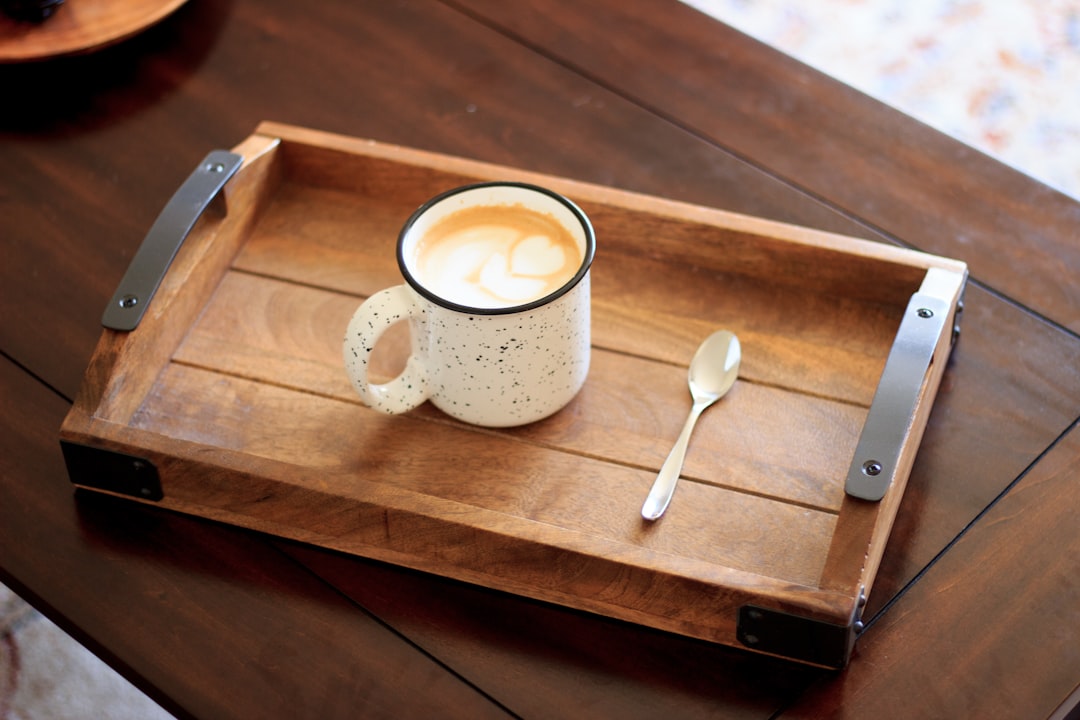
For dry storage on the pantry shelf, I’m partial to a mix of glass jars (obviously) and sturdy food-safe containers. And for serving all those preserved goods at summer dinners, a beautiful tray makes the difference between “pass the jam” and “oh my goodness, did you make this?” The Dofira Acacia Wood Serving Tray with Metal Handles is the one I reach for when I’m putting together a breakfast board or carrying a selection of homemade preserves to the patio table. The acacia grain is stunning — warm, varied, and naturally water-resistant. It’s the kind of serving piece that makes even a Tuesday morning feel deliberate.
The Comfort Upgrade You Don’t Know You Need
Here’s something nobody tells you about preserving season: it’s hard on your body. You’re on your feet for hours. Standing at the stove, leaning over the counter to prep fruit, bending to check the canner. By the end of a long Saturday of putting up tomatoes, my lower back used to scream at me.
The fix was embarrassingly simple: a good kitchen mat. I got the WiseLife Cushioned Anti-Fatigue Kitchen Mat and positioned it right in front of my main prep area. The difference is night and day. The cushioned PVC surface absorbs the pressure of standing, reducing strain on your feet, knees, and lower back. It’s waterproof, which is critical when you’re dealing with fruit juice and boiling water. And the non-slip backing means it stays put even on my slick tile floor.
If you spend more than thirty minutes at a stretch in your kitchen — and during preserving season, who doesn’t? — this is one of those upgrades that pays dividends in comfort every single day. Add it to your Prime Day cart and thank me in August.
Dinnerware That Handles the Harvest Table
When you’ve spent all summer preserving and cooking and filling jars, eventually you need to sit down and eat. The harvest table — that late-summer meal where everything comes from the garden and the pantry — deserves dinnerware that can handle the abundance. I recently switched to the Zulay Kitchen Luna Dinnerware Set for everyday meals and entertaining alike, and the chip-and-scratch resistance is what sold me. When you’re serving at a crowded table with kids reaching across for another spoonful of chutney, you need plates that can take a hit.
The set has a clean, modern profile that works equally well for a casual Tuesday dinner and a holiday table. The pieces feel substantial without being heavy, and the glazed surface cleans up beautifully — even after a night of cranberry sauce or beet pickling residue. If you’ve been making do with mismatched plates from your college days, this is the Prime Day upgrade that will quietly improve every single meal you eat at home.
The Temperature Tool That Removes Guesswork
I’ll confess: for years, I tested jam set point using the cold-plate method. You know the one — put a saucer in the freezer, dollop hot jam on it, push with your finger, and see if it wrinkles. It works, sort of, but it’s imprecise and stressful when you’re trying to process a big batch before the fruit overripens.
This year I finally started using a digital cooking thermometer, specifically the ThermoPro Digital Cooking Thermometer, and I will never go back to the saucer method. Jam reaches its set point at 220°F. That’s it. That’s the magic number. When your thermometer hits 220, you pull the pot. No guessing, no second-guessing, no overcooked rubbery jam. The ThermoPro gives you an instant, accurate reading, and the probe is long enough to reach deep into a stockpot without your hand getting anywhere near the steam.
It also lives in my oven during roasting season, which makes it a year-round tool rather than a single-purpose gadget. But during preserving season, it’s worth its weight in gold.
Making Your List Before the Deals Drop
Here’s what I’ve learned from years of timing kitchen purchases to Prime Day: the best strategy is to know exactly what you want before the sale starts. Prime Day deals move fast. Lightning deals sell out. If you’re browsing casually, you’ll miss the deep discounts on the items you actually need.
So here’s what I recommend: take stock of your kitchen this weekend. Open your drawers, test your knives, check your canner, evaluate your storage containers. Make a list of what needs replacing. Then look up the products, add them to your cart or wishlist, and wait for June 23rd.
The tools I’ve shared here aren’t random — they’re the ones I’ve tested, used, and genuinely believe make preserving season easier and more joyful. They’re the items I wish someone had told me about years ago, back when I was struggling along with dull knives and a questionable canner. And several of them are on that Prime Day promotion list, which means the pricing will be better than at any other point this year.
If you’ve been meaning to replace aging kitchen gear, or if this is the summer you finally want to try canning, or if you just want a kitchen that works a little harder for you — this is the week. Your future January self, opening a jar of sun-ripe strawberry jam while the snow falls outside, will thank you.