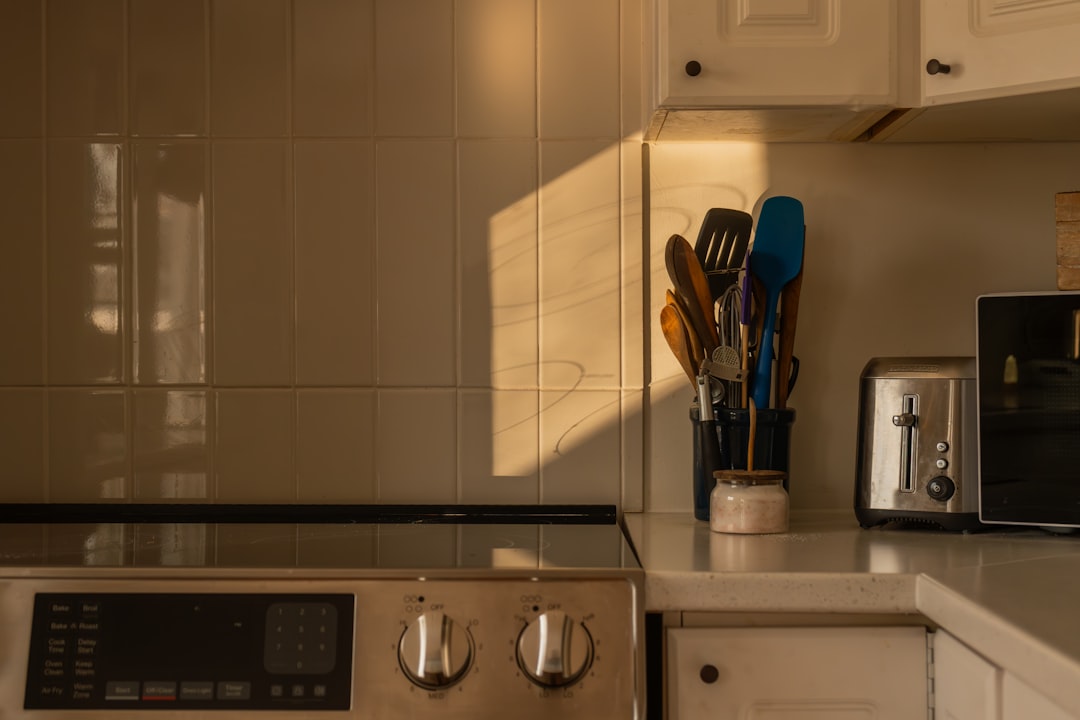
You know what I love most about testing kitchen gear? Those moments when a gadget actually lives up to the hype and becomes a genuine workhorse in my kitchen. After fifteen years of cooking professionally and writing about home kitchens, I’ve seen plenty of trends come and go. But air fryers? They’re not just a trend—they’ve earned their permanent counter space in millions of kitchens, including mine.
Let me be straight with you: I was skeptical at first. Another appliance claiming to fry food without oil? Sounded too good to be true. But after testing dozens of models over the past few years and using them in my daily cooking, I’m a convert. A good air fryer delivers crispy, golden results that rival deep-frying, with a fraction of the mess and practically zero cleanup. They’re faster than heating up your oven, more energy-efficient, and surprisingly versatile beyond just making fries.
Here’s the thing though: not all air fryers are created equal. Some are fantastic, some are overpriced, and some just take up valuable counter space without delivering results. After testing more than twenty models in my kitchen—cooking everything from frozen fries to fresh chicken wings, roasted vegetables to baked goods—I’ve narrowed down the absolute best air fryers for 2026.
I’ve organized this guide by how you actually cook, because the “best” air fryer depends entirely on your kitchen, your family size, and what you want to make. Let’s dive in.
Best Overall Air Fryer: Ninja Air Fryer Pro
If you want one air fryer that does everything well and doesn’t cost a fortune, the Ninja Air Fryer Pro is your best bet. This 5-quart model hits the sweet spot for most households—big enough for a family of four, compact enough to not dominate your counter, and consistently delivers perfectly crispy results.
What sets it apart is the cooking performance. The heating element and fan combination creates incredibly even circulation, so you don’t get those frustrating half-burnt, half-raw spots that plague cheaper models. I’ve tested it with frozen fries (crispy in 12 minutes), fresh chicken wings (perfect skin in 18 minutes), and even roasted vegetables (beautiful char in 15 minutes). Everything comes out evenly cooked with that satisfying crunch we’re all looking for.
The controls are dead simple: one dial for temperature, one for time, plus buttons for common presets like fries, chicken, and reheating. No confusing menus, no unnecessary bells and whistles. Just straightforward, reliable cooking. The basket is ceramic-coated nonstick (no PFOA), which I appreciate for both health and easy cleaning. Everything except the heating element is dishwasher-safe, though I find a quick hand wash is usually all it needs.
At around $99, it’s reasonably priced for the quality you get. I’ve had mine for two years now, using it 3-4 times per week, and it still performs like new. If you’re looking for your first air fryer or want to upgrade from a budget model that disappointed you, this is the one I’d recommend first.
Ninja Air Fryer Pro (5-qt) – Consistent performer, perfect size, great value
Best Budget Pick: Gourmia 4-Quart Air Fryer
Not everyone wants to spend $100 on an air fryer, and I get that. If you’re cooking for one or two people, or you just want to test the waters without a big investment, the Gourmia 4-Quart is an excellent entry point that doesn’t sacrifice performance for price.
At around $69 (or less, check the link!), this little workhorse surprised me. It has a slightly smaller capacity (perfect for 1-2 people or side dishes), but it cooks just as well as models twice its price. I’ve used it for single-serve meals, reheating leftovers (way better than your microwave), and making snacks for two. It’s also ideal if you have limited counter space—the footprint is remarkably compact.
The performance is solid. It doesn’t circulate quite as powerfully as the Ninja, so you might need to shake the basket once during cooking for perfectly even results. But that’s a small trade-off for the price, and honestly, good practice with any air fryer. The controls are digital rather than analog, which some people prefer, and it includes useful presets for common foods.
Build quality is where you’ll notice the cost savings—it’s lighter and feels less premium than higher-end models. But functionally, it does exactly what you need it to do. If you’re cooking for yourself, want a second air fryer for side dishes, or just don’t want to spend a lot, this is a fantastic choice.
Gourmia 4-Quart Air Fryer – Incredible value, compact size, solid performance
Best Dual-Zone: Ninja Foodi DZ550 DualZone Air Fryer
This is the air fryer for serious cooks, big families, and anyone who loves entertaining. The Ninja Foodi DZ550 has two independent 5-quart baskets that can cook at different temperatures and times simultaneously. Game changer? Absolutely.
Think about what this means: you can cook crispy fries in one basket while chicken wings cook in the other, both finishing at the same time. Or you can make dinner and a side dish simultaneously without using your stove. I’ve hosted parties where I kept appetizers warm in one basket while cooking the main course in the other. It’s incredibly flexible.
Each basket operates independently, so you’ve essentially got two air fryers in one footprint. There’s also a “Sync” feature that coordinates both baskets to finish cooking at the same time—brilliant when you’re cooking different foods with different cook times. The combined 10-quart capacity is enormous; I’ve easily cooked meals for six people in one go.
The performance is what you’d expect from Ninja—excellent. Both baskets cook evenly and consistently, and the Sync feature actually works as advertised. The only real downside is the size: this thing is big (17 inches wide), and at around $249, it’s a significant investment. But if you cook for a crowd or love the convenience of parallel cooking, it’s worth every penny.
Ninja Foodi DZ550 DualZone (10-qt total) – Two baskets, independent cooking, perfect for families and entertaining
Best Large Capacity: Cosori Turbo Blaze 6-Quart Air Fryer
Some households need more capacity than the standard 4-5 quarts, but don’t need the complexity of dual baskets. If you’re regularly cooking for 4-6 people or like to batch-cook meals for the week, the Cosori Turbo Blaze 6-Quart is an excellent single-basket option.
What I love about this model is the smart design. Cosori somehow managed to increase capacity to 6 quarts while keeping the footprint surprisingly compact—nearly the same size as many 5-quart models. The square basket design maximizes usable space, so you can fit more food without needing to cook in batches. I’ve easily fit a whole chicken (cut up), two pounds of wings, or a massive batch of fries in one go.
The “Turbo Blaze” heating system is powerful and responsive. This thing heats up faster than any other air fryer I’ve tested, and the circulation is excellent. It also has a unique “shake reminder” feature that beeps when it’s time to shake the basket for more even cooking—a small touch that makes a real difference in results.
At around $149, it’s mid-priced but justified by the performance and capacity. The interface is sleek and modern, with a clear digital display and plenty of presets. Cleaning is straightforward: everything except the base is dishwasher-safe, and the square basket is easier to hand-wash than round models. If you need more space without stepping up to the massive dual-zone models, this is your best bet.
Cosori Turbo Blaze 6-Quart Air Fryer – Large capacity, compact footprint, powerful heating
Best Compact Option: Chefman RJ38-2T 1.8-Quart Air Fryer
Not everyone has counter space to spare, and not everyone needs to cook huge batches. If you live in a small apartment, cook for one, or just want a personal-sized air fryer for quick meals, the Chefman RJ38-2T is perfectly sized for single-serving cooking.
This tiny 1.8-quart model is about half the size of standard air fryers, but it doesn’t sacrifice cooking quality. In my testing, it performed just as well as larger models for single portions: a perfect piece of salmon, a serving of fries, or a couple of chicken thighs. It’s ideal for quick lunches, late-night snacks, or anyone who doesn’t want to deal with leftovers.
What impressed me most was how quiet this model is compared to larger air fryers. The smaller fan motor makes significantly less noise, which matters if you’re cooking early in the morning or late at night. It also heats up incredibly fast—faster than any model I’ve tested—so you’re eating in under 10 minutes from start to finish.
At around $49, it’s also the most affordable option on this list. Build quality is basic but functional, and the small basket is incredibly easy to clean. If you’re cooking for one, have limited space, or want a secondary air fryer for quick personal meals, this little gem is perfect.
Chefman RJ38-2T 1.8-Quart Air Fryer – Ultra-compact, quiet, affordable, perfect for one
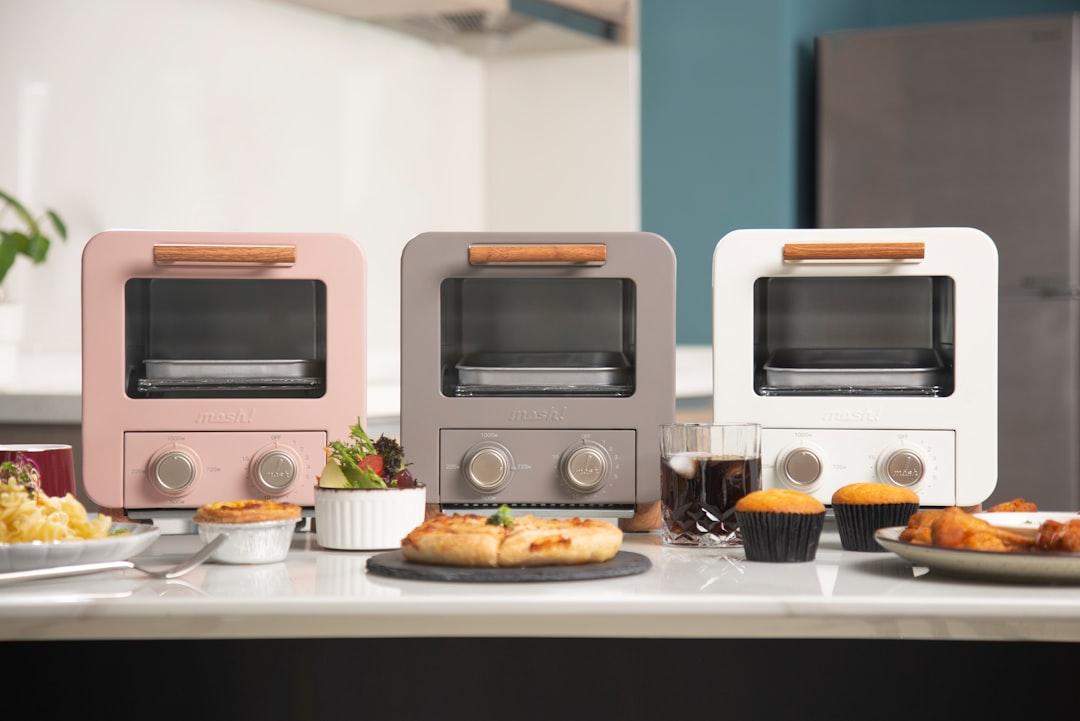
Best High-End: Philips Premium Digital Air Fryer
Sometimes you want the absolute best, regardless of price. If you’re a serious home cook who wants premium build quality, advanced features, and restaurant-quality results, the Philips Premium Digital Air Fryer is in a class of its own.
This is the air fryer I use for dinner parties and special occasions. The build quality is exceptional—solid stainless steel, substantial weight, and a level of fit and finish you just don’t see in cheaper models. It feels like a piece of professional equipment, not a toy.
The performance reflects the price. Philips’ proprietary “Rapid Air” technology is the most effective circulation system I’ve used, producing incredibly consistent results with no hot spots. The digital temperature control is precise to the degree (not just 25-degree increments like cheaper models), which matters for delicate foods like fish or pastries. There’s also a “keep warm” function that holds food at serving temperature for up to 30 minutes—perfect for entertaining.
At around $150, it’s a serious investment. But if you cook frequently, entertain often, or simply appreciate premium kitchen equipment, it’s worth it. I’ve had mine for three years, used it countless times, and it still looks and performs like new. This is the air fryer you buy once and keep forever.
Philips Premium Digital Air Fryer – Premium build, precise control, professional results
Air Fryer Buying Guide: What to Consider
Before you click “add to cart,” let’s talk about what actually matters when choosing an air fryer. Marketing will try to sell you on features you don’t need, so here’s what to focus on based on your real cooking needs.
Capacity: Match Your Household Size
Capacity is measured in quarts, and it matters more than you might think. Here’s my practical guide:
1-2 quarts: Single servings, sides, small households. Great for one person or as a second air fryer.
4-5 quarts: The sweet spot for most households. Feeds 2-4 people comfortably. Fits most counters.
6+ quarts: Large families, batch cooking, entertaining. Requires significant counter space.
Dual-zone: Two independent baskets. Perfect for cooking main + sides simultaneously or feeding crowds.
Remember: you can always cook less food in a larger air fryer, but you can’t cook more food in a smaller one. When in doubt, size up.
Basket Design: Square vs. Round
Square baskets fit more food and accommodate larger items (like a whole chicken breast or more fries at once). Round baskets are more traditional but waste corner space. I always prefer square baskets for practical reasons—more usable space in the same footprint.
Controls: Analog vs. Digital
Analog dials (like the Ninja Air Fryer Pro) are simple, durable, and intuitive. Digital controls (like the Cosori) offer precise temperature settings and more presets. Both work fine—it’s personal preference. I personally prefer analog for everyday use; there’s something satisfying about turning a dial.
Cleaning: Dishwasher-Safe Parts
This matters more than you think. Look for models with dishwasher-safe baskets and trays. Nonstick coating quality varies—ceramic coatings (like Ninja’s) are generally safer and more durable than traditional PTFE. Avoid models where the heating element can’t be removed for cleaning.
Power: Wattage Matters
Higher wattage (1500-1800 watts) means faster heating and better crisping. Budget models often skimp on power, resulting in soggy food. Look for at least 1500 watts for decent performance.
What Can You Actually Make in an Air Fryer?
Here’s where air fryers really shine: they’re incredibly versatile once you get past the “just fries” mindset. Here are my go-to recipes that showcase what these appliances can really do.
Perfect Crispy Wings
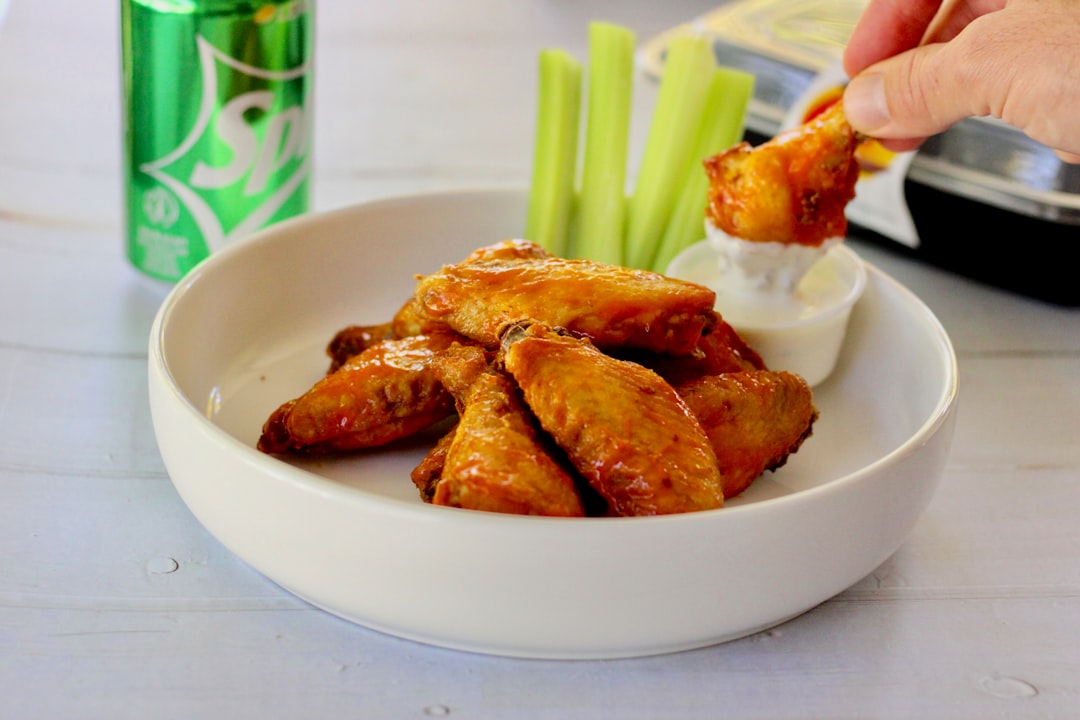
Toss wings in a little oil and seasoning, then cook at 400°F for 18-20 minutes, shaking once. They come out crispy outside, juicy inside—better than most restaurants, honestly. No deep frying required.
Roasted Vegetables
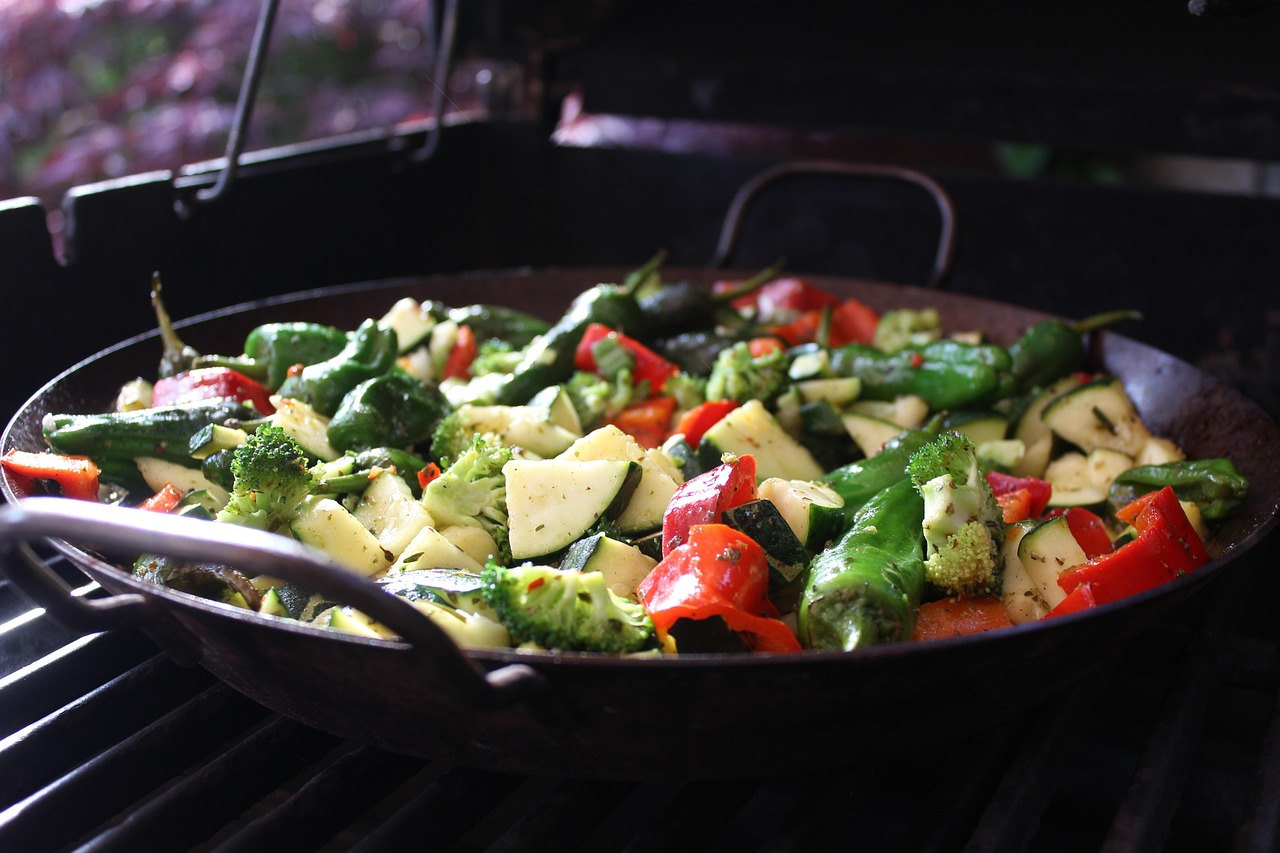
Broccoli, cauliflower, Brussels sprouts, carrots—toss with olive oil and salt, air fry at 375°F for 10-15 minutes. They’re caramelized and tender with way less oil than roasting in your oven. Plus, they cook faster and don’t heat up your kitchen.
Fresh or Frozen Fries
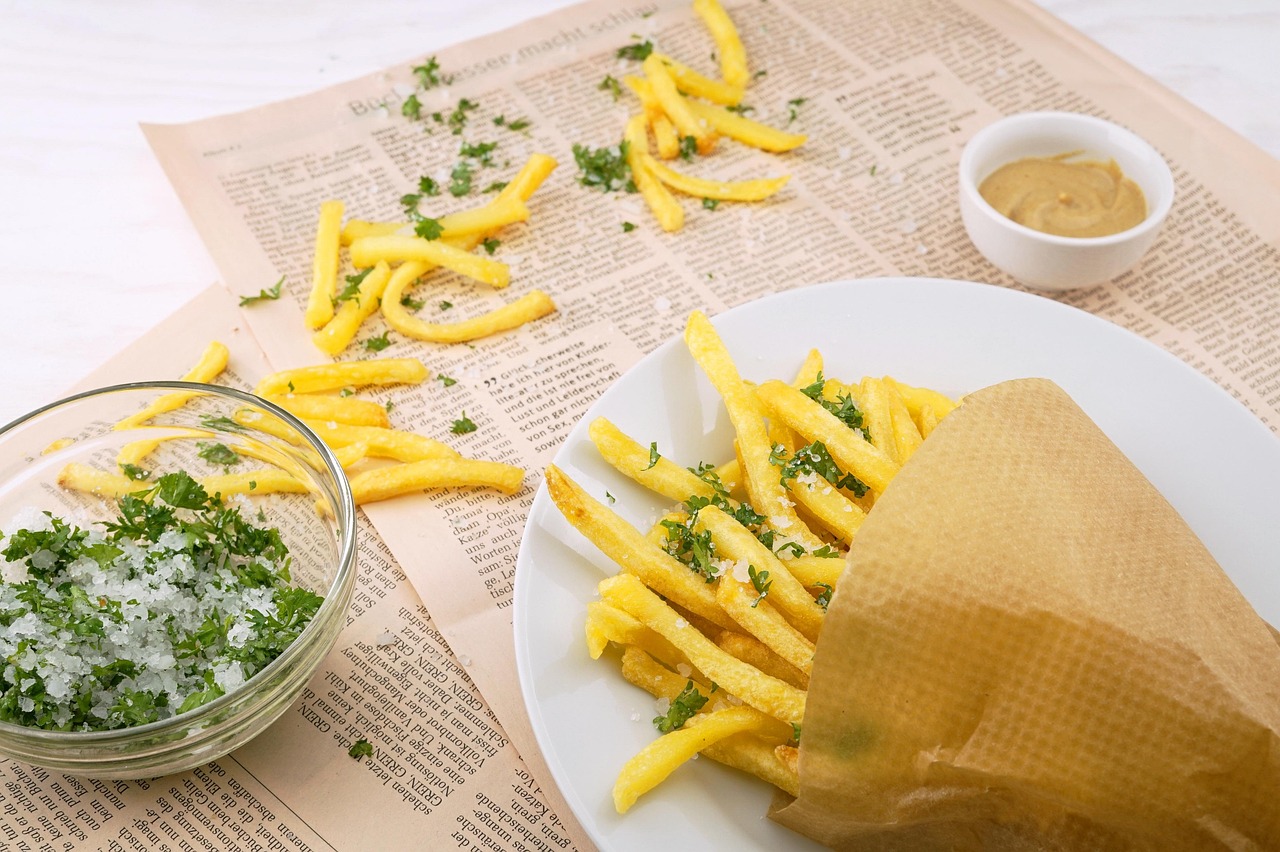
The classic for a reason. Fresh fries need a light coating of oil and cook at 380°F for 15-20 minutes. Frozen fries? Even easier—no oil needed, just cook at 400°F for 12-15 minutes. Shake once for even crisping.
Crispy Chicken
Whether it’s tenders, thighs, or breasts, air frying gives you beautifully crispy skin without the mess of pan-frying. Season your chicken, cook at 375°F for 12-18 minutes depending on thickness. Use a meat thermometer to ensure 165°F internal temperature.
Reheating Leftovers
This is a game-changer. Pizza, fries, fried chicken, even burritos—reheat at 350°F for 3-5 minutes and they come out crispy and delicious, not soggy like the microwave. It’ll change how you feel about leftovers.
Baking
Yes, you can bake! Small batches of cookies, muffins, even cakes. Air fryers are essentially small convection ovens, so anything you’d bake in a conventional oven works here—just in smaller portions. Fresh cookies in 8 minutes? Yes please.
Common Air Fryer Mistakes to Avoid
I see new air fryer owners make the same mistakes repeatedly. Avoid these and you’ll get better results from day one.
Overcrowding the Basket
This is the number one mistake. Air fryers work by circulating hot air around food, and overcrowding blocks that circulation. Cook in batches if necessary—food cooks better with space around it. Better to make two perfect batches than one mediocre one.
Not Shaking the Basket
Most foods need to be shaken once during cooking for even browning. Set a timer for halfway through the cooking time, give the basket a good shake, and return it to cook. This simple step makes a huge difference in results.
Skipping Oil
Yes, air fryers use less oil than deep frying, but that doesn’t mean no oil. Most foods need at least a light coating of oil to crisp properly and prevent drying out. Use a spray bottle for even coverage—about one teaspoon per pound of food is usually plenty.
Ignoring Smoke Points
Air fryers cook at high temperatures, so use oils with high smoke points: avocado, peanut, canola, or refined olive oil. Extra virgin olive oil and butter can burn and smoke at air fryer temperatures.
Not Using a Meat Thermometer
Don’t guess when meat is done—use a thermometer. Chicken should be 165°F, pork 145°F, beef 130-135°F for medium-rare. Air fryers cook quickly, so overcooking happens fast.
Is an Air Fryer Worth It?
After years of testing and daily use, my answer is a resounding yes—for most people. An air fryer isn’t essential like a good chef’s knife or cutting board, but it’s one of those appliances that once you have it, you wonder how you lived without it.
Here’s who I think will get the most use out of an air fryer:
Families: Quick weeknight meals, easy sides, reheating leftovers like magic. Kids love air-fried everything.
Busy professionals: Fast meals, minimal cleanup, energy-efficient compared to heating your big oven.
Health-conscious cooks: All the crispy satisfaction of fried food with a fraction of the oil. You really can make healthy versions of comfort foods.
Small households: Perfect portion sizes, no need to heat a full oven for one or two people.
Entertainers: Keep appetizers warm, cook sides while your main dish rests, impress guests with perfectly crispy food.
Here’s who might not need one:
Minimalist cooks: If you rarely cook or prefer simple methods, it might just take up space.
Tiny kitchens: If counter space is nonexistent, the footprint might not be worth it unless you get a compact model.
Deep fryer enthusiasts: If you already deep fry regularly and love the results, an air fryer might not replace your setup entirely.
For everyone else? An air fryer is one of the most genuinely useful small appliances you can buy. It delivers on its promises, saves time and energy, and makes cooking genuinely more enjoyable. The right model for you depends on your household size, budget, and counter space, but there’s a perfect air fryer out there for nearly every kitchen.
Final Thoughts
After all this testing, what’s my personal pick? For most people, I’d recommend the Ninja Air Fryer Pro as the best all-around choice. It’s reliable, well-priced, perfectly sized, and just works. If you’re cooking for a crowd or love parallel cooking, step up to the Ninja Foodi DZ550 DualZone. If you’re on a budget or cooking for one, the Gourmia 4-Quart or Chefman 1.8-Quart (depending on your size needs) will serve you well.
The best air fryer is the one you’ll actually use. Think about how you cook, what you want to make, and choose accordingly. Any of the models on this list will serve you well—they’ve all earned their place in my kitchen through months (or years) of real-world testing.
Happy cooking, and may your fries always be perfectly crispy.

3 thoughts on “Best Air Fryers of 2026: The Ultimate Buyer’s Guide for Every Kitchen and Budget”