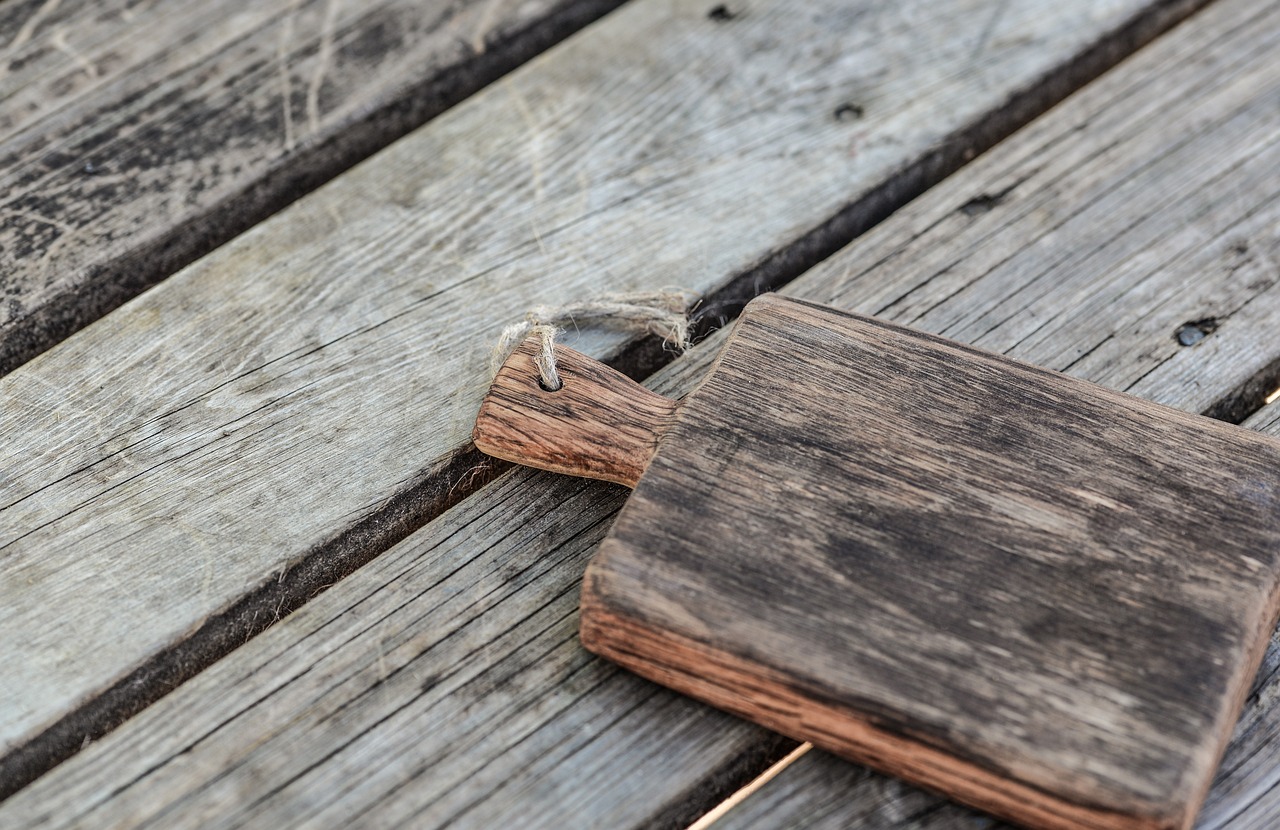
I’ll be honest with you – for years, I treated cutting boards as an afterthought. I’d grab whatever plastic board was on sale at the grocery store, chop away, and toss it in the dishwasher. But after decades of cooking in my test kitchen and comparing dozens of boards side by side, I’ve learned that the right cutting board can transform your daily cooking experience. A great board protects your knives, makes prep work safer, and yes – it even makes chopping feel less like a chore and more like a ritual.
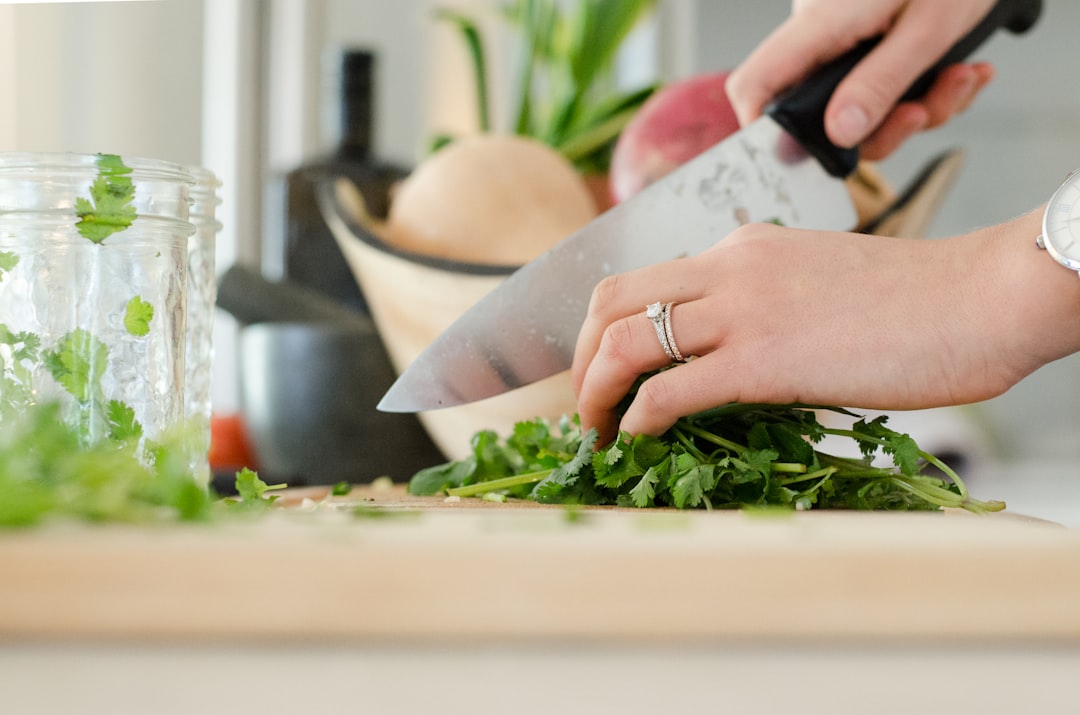
Let’s talk about what actually matters when you’re choosing a cutting board, because I know how overwhelming the options can be. I’ve tested everything from inexpensive plastic sets to handcrafted hardwood boards that cost more than my first car, and I’m here to help you find the perfect match for your kitchen, your cooking style, and your budget.
The Big Question: Wood, Plastic, or Something Else?
Here’s where most people get stuck, and honestly? It’s the most important decision you’ll make. Each material has real strengths and weaknesses, and the “best” choice depends entirely on how you cook.
Wooden Cutting Boards: The Classic Choice
There’s something deeply satisfying about chopping on a beautiful wooden board. I still remember the first hardwood board my grandmother gave me when I moved into my first apartment – it felt like passing down a piece of culinary heritage. But beyond sentiment, wooden boards offer genuine advantages that keep me coming back.
Wood is naturally forgiving on your knife edges, which means your prized chef’s knife stays sharper longer. Those shallow cuts that inevitably develop over time? They actually close up on their own as the wood fibers swell and contract, giving wooden boards remarkable longevity. I’ve got maple boards in my kitchen that have been going strong for over a decade, developing a gorgeous patina that tells the story of thousands of meals.
That said, wooden boards demand some respect from you. They need regular oiling (I’ll teach you my simple routine in a bit), they shouldn’t go in the dishwasher, and you’ll want to swap boards when you’re working with raw meat to avoid cross-contamination. But treat them well, and they’ll serve you faithfully for years.
Bamboo Boards: The Eco-Friendly Contender
I’ll admit I was skeptical about bamboo when it first hit the market. It seemed like a trend – lightweight, inexpensive boards that looked good on store shelves but might not hold up in a real kitchen. But after testing bamboo boards in my test kitchen for the past few years, I’ve come around.
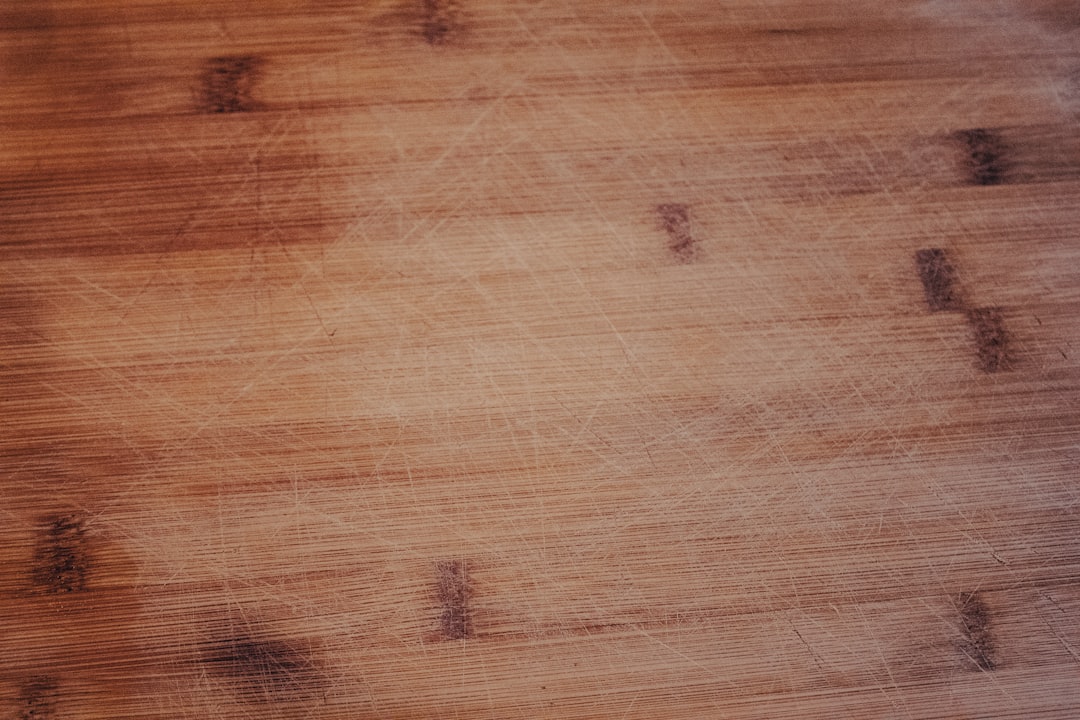
Bamboo has genuine advantages: it’s harder than many traditional hardwoods (which means it resists deep cuts), it’s naturally antimicrobial, and it’s one of the most sustainable materials you can choose. The boards I’ve tested have held up remarkably well, maintaining their shape better than some cheaper wood boards that warped after a few months of use.
The trade-off? Bamboo can be tougher on knife edges than maple or walnut, and some of the cheaper boards use glues that concern me. Look for boards that use food-grade formaldehyde-free adhesives, and consider bamboo a middle-ground option – harder on knives than hardwood, but more durable and more sustainable than many alternatives.
Plastic Boards: The Workhorse Option
Here’s the truth about plastic boards: they’re not glamorous, but they’re genuinely useful, especially if you cook a lot of meat or you’re hard on your equipment. I keep at least two thin plastic boards in my kitchen specifically for raw meat and poultry – I can toss them in the dishwasher for thorough sanitizing, and I don’t stress about deep cuts and grooves that might harbor bacteria.
The key is quality. Those flimsy plastic boards that flex like wet cardboard? They’re dangerous and frustrating. I’ve tested dozens of plastic boards, and the ones worth your money are substantial enough to stay put while you’re working, thick enough that they won’t warp in the dishwasher, and made from high-density polyethylene that resists deep scoring.
Consider plastic boards as part of a cutting board rotation rather than your only board. They’re perfect for messy jobs, but for everyday vegetable prep, bread slicing, and serving? Wood or bamboo will make the experience so much more pleasant.
Sizes: What You Actually Need (Not What Stores Want You to Buy)
Before you drop money on that seven-piece board set that looks impressive in the box, let me save you some space and money: most home cooks don’t need more than two or three well-chosen boards. Here’s what I recommend based on years of watching real people cook in real kitchens.
The Everyday Board: 14×17 to 18×24 Inches
This should be your workhorse – the board that lives on your counter and handles 80% of your cutting tasks. I’ve found that a board in the 14×17 to 18×24 inch range is ideal for most home cooks. Large enough that you’re not constantly sweeping ingredients off the edges, but not so massive that it’s a pain to clean and store.

My current favorite is a 16×20 inch maple board that I’ve used daily for three years. It’s large enough for breaking down a chicken or chopping a mountain of mirepoix, but it still fits in my sink for easy cleaning. If you’re tight on counter space, you can go smaller – just know you’ll spend more time clearing space and less time cooking.
The Small Board: 8×10 to 10×14 Inches
You need a small board for quick tasks – slicing a lemon, mincing a couple cloves of garlic, chopping herbs for garnish. Keep this one within arm’s reach of your stove for those last-minute prep tasks while something’s simmering. I like having a small hardwood board that doubles as a serving piece – nothing beats bringing a charcuterie spread straight from kitchen to table on the same board.
The Specialty Board: Whatever Fits Your Cooking Style
Beyond the basics, consider what and how you cook. Love baking bread? You’ll want a board that’s at least 18×24 inches with ample room for shaping and scoring. Do lots of Asian cooking with extensive vegetable prep? Consider a rectangular board that’s longer rather than wider. Break down whole chickens or fish regularly? A board with a juice groove and a well to catch liquids will save you cleanup time.
Think about your actual cooking patterns, not what you imagine you might do someday. The best board collection is the one that matches your real life in the kitchen.
What to Look for When Shopping: My Quality Checklist
After testing dozens of boards over the years, I’ve learned to look for specific details that separate quality boards from the rest. Here’s my checklist – print this out or screenshot it next time you’re shopping for cutting boards.
Thickness Matters: I look for boards that are at least 1 inch thick, preferably 1.5 inches for larger boards. Thin boards warp and flex, which is dangerous when you’re applying knife pressure. They also don’t have the mass to stay put while you’re working. A thick, substantial board feels stable and secure – you’ll feel more confident with your knife work.
Flat and Stable: Place the board on a flat surface and press down on all four corners. Does it rock? Any wobble is a deal-breaker for me. Check that the board lies completely flat, and look for boards with rubber feet or a design that keeps the board elevated slightly from your counter surface. The last thing you want is your board sliding around while you’re working with a sharp knife.
Edge Grain vs. End Grain: This is where things get a little technical, but it genuinely matters. Edge-grain boards are made by gluing together long strips of wood with the grain running parallel to the surface – they’re beautiful, durable, and more affordable. End-grain boards are made with wood pieces oriented vertically, so you’re cutting into the ends of the wood fibers rather than across them. They’re incredibly gentle on knives and self-healing, but they’re also substantially more expensive. For most home cooks, a quality edge-grain board is perfectly adequate – save the end-grain board if you invest heavily in high-end knives and do serious amounts of prep work.
Surface Finish: Run your hand across the board surface. It should feel smooth, not rough or splintery, but also not slick like it’s been coated with something. For wooden boards, I look for a finish of food-safe mineral oil or beeswax – avoid boards with synthetic finishes that might chip or flake. For plastic boards, the surface should have some texture to grip food, but not so much that it’s difficult to clean.
Care and Maintenance: How to Make Your Board Last
Here’s the thing that nobody tells you about cutting boards: the difference between a board that lasts five years and one that cracks in six months is almost entirely about how you care for it. I’ve learned these lessons through painful trial and error, so let me save you the same mistakes.
Wood and Bamboo Board Care
Every month (or more often if you use your board daily), give your wooden or bamboo board a thorough oiling. I use a simple mixture of food-grade mineral oil and a little beeswax – the oil penetrates deep into the wood fibers, and the beeswax adds a protective layer that helps repel water and stains. Warm the board slightly (I put mine in a 170°F oven for 10 minutes), apply the oil generously with a soft cloth, let it soak in for at least an hour, then wipe off any excess.
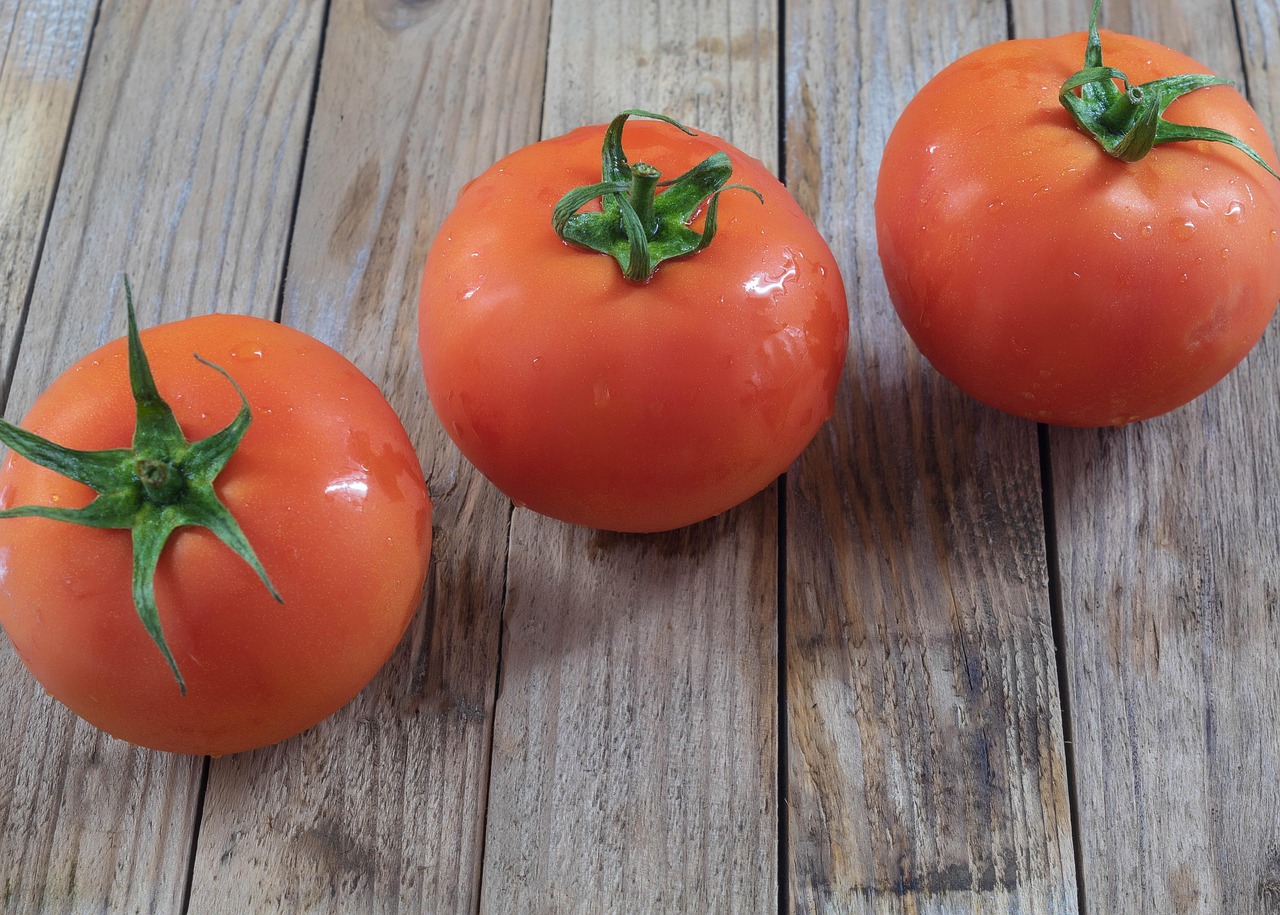
Cleaning is straightforward but important: hand-wash with hot, soapy water after each use, and never – I repeat, never – put a wooden board in the dishwasher. The combination of harsh detergents, high heat, and prolonged water exposure will warp, crack, and ruin even the finest board. For stubborn odors (raw onion, garlic, fish), sprinkle coarse salt across the board, cut half a lemon, and use it to scrub the salt into the surface. Let it sit for 10 minutes, then rinse. It’s like magic.
Plastic Board Care
The advantage of plastic boards is that they can go in the dishwasher, which I love for raw meat boards. Run them through the hottest cycle with a quality detergent, and they come out sanitized and ready for the next use. That said, even plastic boards benefit from hand-washing sometimes – the high heat of a dishwasher can eventually warp thinner boards, and some plastic boards develop deep knife scars that trap food particles. If your plastic board looks like a topographic map of knife cuts, it’s time to replace it.
When to Replace Your Board
No cutting board lasts forever, even with excellent care. Replace wooden boards if they develop deep cracks that trap food, severe warping that prevents them from lying flat, or if they’ve absorbed strong odors that won’t go away despite deep cleaning. Plastic boards should be replaced when deep knife grooves become difficult to clean thoroughly – those grooves are a bacterial playground that you don’t want in your kitchen. I replace my plastic boards every year or two, while my quality wooden boards have been with me for a decade or more.
My Top Recommendations for Every Budget
After testing dozens of boards in my kitchen, here are the ones I actually use and recommend. I’ve included options at every price point, because I believe every cook deserves a board that makes prep work a pleasure rather than a chore.

Budget Pick: Totally Bamboo 3-Piece Set – For under $40, you get three boards that cover all your basic needs. The large board (14×21 inches) is perfect for everyday prep, the medium board (10×14 inches) handles quick jobs, and the small board (7×10 inches) is ideal for garnishes and serving. They’re not as refined as premium hardwood boards, but they’re durable, gentle on knives, and eco-friendly. I keep a set in my vacation home and they’ve held up beautifully through years of use.
Mid-Range Pick: John Boos Chop-N-Slice Maple Board – This is the board I recommend to serious home cooks who want quality without spending hundreds. The edge-grain maple construction is hard enough to resist deep cuts but gentle on knife edges, and at 1.25 inches thick, it’s substantial enough to stay stable while you work. I’ve used this board for everything from breaking down chickens to shaping bread dough, and it’s performed beautifully. It requires regular oiling like any wooden board, but the payoff is a workhorse that will last for years with proper care.
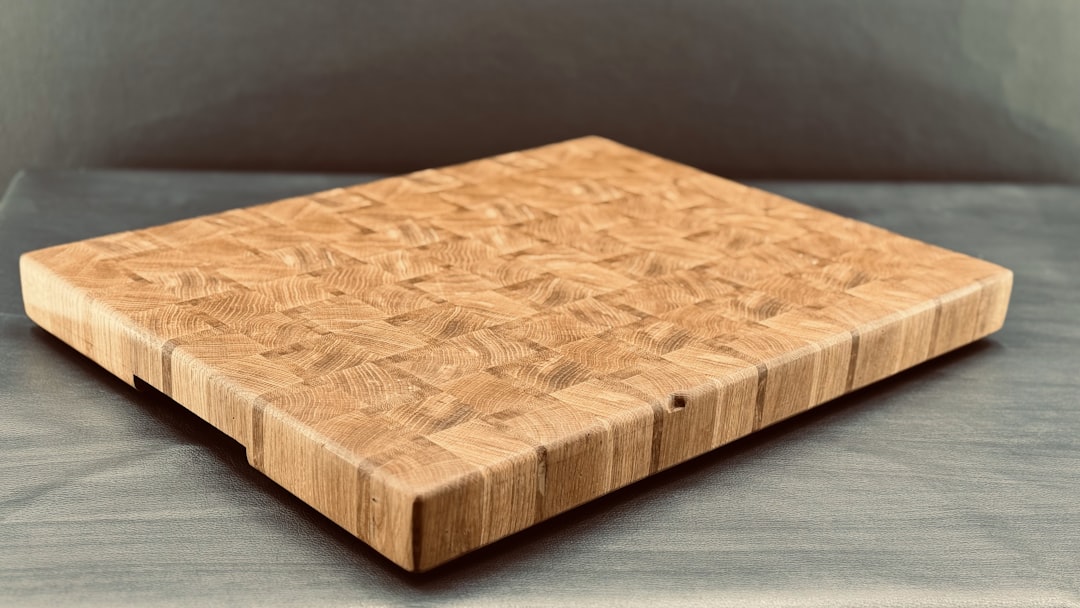
Premium Pick: BoardSmith Black Walnut Board – If you’re ready to invest in a board that will last a lifetime, this is the one. The black walnut is stunningly beautiful, with rich grain patterns that make the board a showpiece even when it’s not in use. But beyond aesthetics, this is a serious cutting tool – the dense walnut fibers are exceptionally gentle on knife edges, and the 2-inch thickness gives it rock-solid stability. I gave one to my daughter when she bought her first house, and I have no doubt it will be passed down to her children someday. It’s an investment, but one that pays off every single time you step into the kitchen.
Meat Prep Board: OXO Good Grips Carving Board – For raw meat, poultry, and fish, I want a board that’s dishwasher-safe and easy to sanitize. This OXO board has been my go-to for years – it’s substantial enough that it doesn’t flex, the juice groove keeps your counter clean, and the non-slip corners keep it stable. It’s not pretty, but it’s incredibly practical. I run mine through the dishwasher after every use, and it still looks new after years of service. Every kitchen should have at least one board like this for meat prep.
The Bottom Line: Finding Your Perfect Board
Here’s what I’ve learned after all these years of testing boards in my kitchen: the perfect cutting board is the one that matches how you actually cook, not how you imagine you might cook someday. If you’re mostly chopping vegetables for weeknight dinners, a quality mid-sized wooden board will serve you beautifully. If you cook a lot of meat and value easy cleanup, add a dishwasher-safe plastic board to your rotation. If you’re a serious foodie who spends hours on elaborate prep work, consider investing in a premium board that will make every chop feel luxurious.
Don’t overthink it, but do choose thoughtfully. Your cutting board is one of the few tools in your kitchen that you’ll use virtually every single day, often multiple times a day. It’s worth getting right. And when you find that perfect board – the one that feels right under your knife, that stays stable while you work, that brings a little joy to something as mundane as chopping onions – you’ll understand why something so simple matters so much.
Now, if you’ll excuse me, I’m off to chop vegetables for tonight’s dinner. And I can’t wait to use my favorite board – the one that’s been with me through thousands of meals, the one that fits perfectly in my hands, the one that makes every chop feel like coming home. That’s the magic of a great cutting board, and I hope you find yours soon.
Related Articles: If you loved this guide to cutting boards, you might enjoy my complete buyer’s guide to chef knife sets, my tips on kitchen organization solutions, or my guide to essential kitchen tools for beginners.


One thought on “Best Cutting Boards for 2026: A Complete Buyer’s Guide for Every Kitchen”