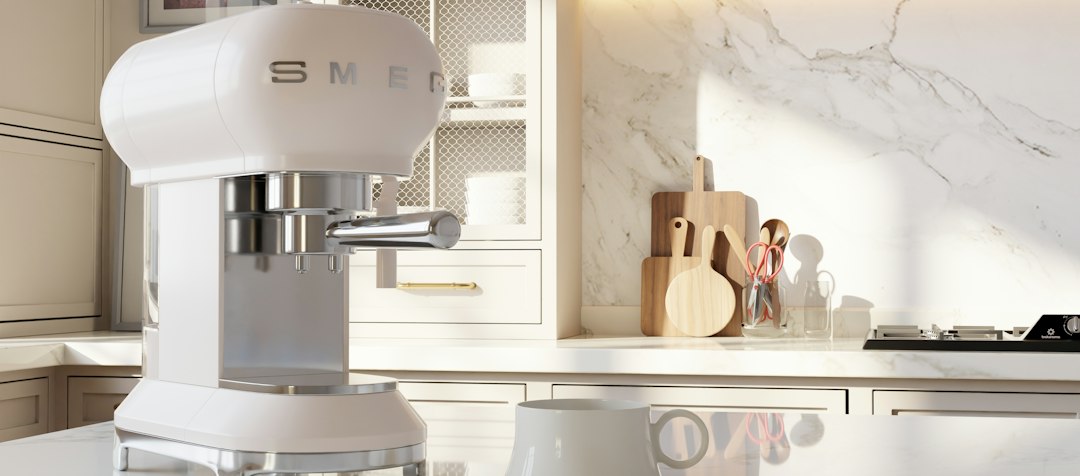
The first genuinely cold morning of September arrived at my house this week the way it always does — quietly, through a window left open overnight. I stood at the counter in my robe, watched my breath fog the glass over the sink, and realized the iced coffee carafe had quietly retired itself for the season. Coffee, in my family, has always been the signal that the year is turning. My grandmother ran a battered aluminum moka pot every Sunday afternoon of my childhood, and the gurgle it made near the end — that little cough of steam — still lives somewhere in my ribs. I have written before about how a corner of my kitchen quietly became a coffee bar, but this fall I finally finished the thought. I brought real espresso home.
I want to be honest about what this journey was, because it was not one clean decision. It was eighteen inches of counter space, a shoebox of receipts I saved like evidence, three machines that came and went, and a patient crew of taste testers who drank a lot of mediocre shots so you would not have to. What follows is everything I know now that I wish I had known a year ago, when I stood in an aisle arguing with a spec sheet.
The Receipts That Finally Convinced Me
Let’s do the uncomfortable math first, because it is the reason most of us start down this road. A proper latte in my town runs about six dollars before the tip jar shames you into rounding up. Two of those a day, and you are staring at more than three thousand dollars a year walking out the door in paper cups. That number is dramatic, but I will tell you a secret: it is also slightly dishonest, because nobody who buys a home espresso setup actually stops buying café coffee entirely. The road trip still happens. The meeting-you-arrived-early-for still happens.
The real case for home espresso is not the arithmetic. It is the Tuesday-ness of it. It is being able to pull a genuinely good shot at 6:40 in the morning while the toast is going, in your socks, with the porch door open to the cold. Once I framed it that way — as buying a daily ritual instead of canceling a monthly bill — the decision made itself. My grandmother would have called that expensive nonsense, and she would also have been first in line for a cappuccino, so we will count her as a mixed vote.
Five Things That Actually Matter (and Three That Do Not)
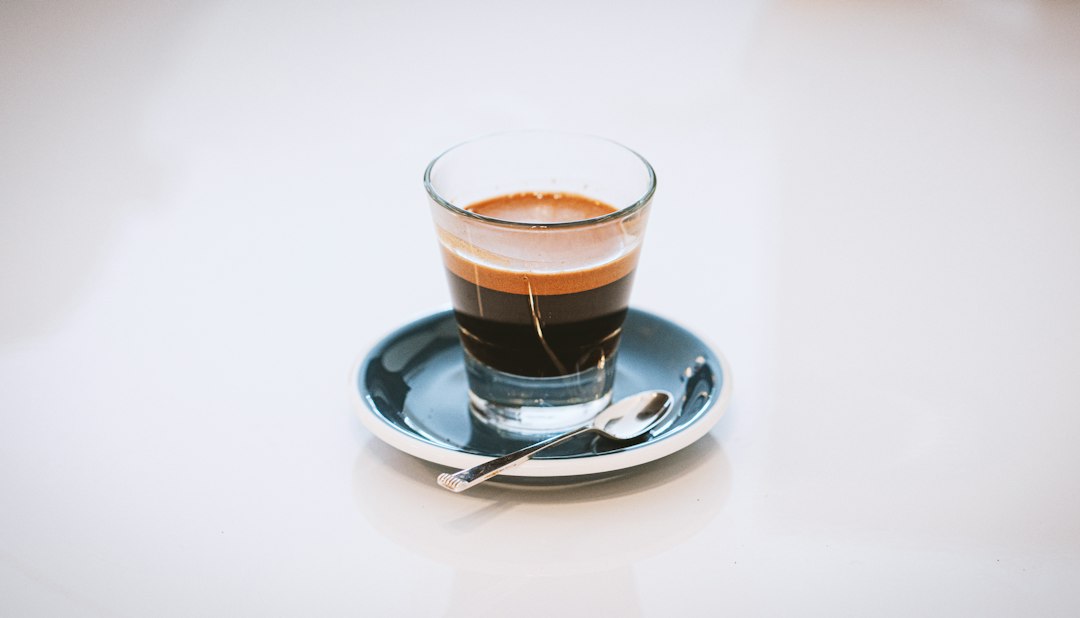
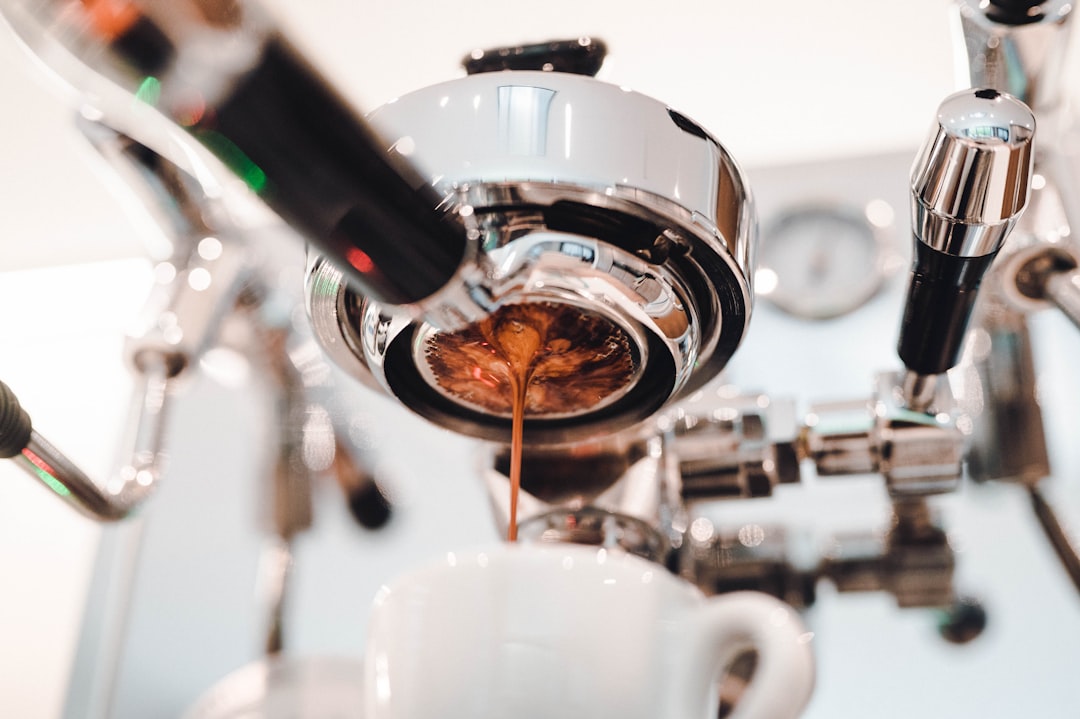
Before we talk machines, you deserve the short course in espresso physics, because the marketing will absolutely try to confuse you. A shot of espresso is roughly fifteen to thirty grams of water pushed through finely ground coffee at about nine bars of pressure, at a temperature held stubbornly close to 200°F, in around twenty-five to thirty seconds. That is the whole liturgy. Everything a machine does either serves that liturgy or decorates it.
What matters: temperature stability, because coffee that brews five degrees hot one minute and five degrees cold the next tastes like two different cafés fighting in your cup. Heat-up time, because a machine that takes twenty-five minutes to wake up will quietly train you to skip it on weekdays. A real portafilter — the handle-and-basket assembly that holds the coffee — sized at 54 or 58 millimeters, because that is where the shot actually lives. A steam wand with genuine power. And repairability, because a machine you cannot fix is a machine you will eventually throw away, and I cannot bear that anymore than you can.
What does not matter: the “15-bar” and “20-bar” claims plastered across boxes, which describe a pump’s maximum pressure, not what your coffee ever experiences — nine bars is the target, full stop. A built-in cup warmer, which sounds luxurious and does almost nothing your kitchen faucet cannot do faster. And touchscreen menus, which are lovely in a showroom and maddening at 6:40 in the morning with wet hands. My testing crew kept gravitating back to the machines with two buttons and excellent bones.
The Machines That Survived My Kitchen’s Audition
Over several months, my counter hosted a rotating cast of espresso machines, and my family and neighbors became an unpaid tasting panel with strong opinions and increasingly high standards. Here is the honest tier list we landed on.
First, the One Most People Should Buy
The Breville Bambino Plus is the machine I now recommend to almost everyone who asks, and the one that surprised me most. It is barely bigger than a toaster, heats in about three seconds thanks to its ThermoJet boiler, pulls a genuinely sweet, balanced shot through a proper 54mm portafilter, and its automatic milk steaming produces microfoam so good it felt like cheating. If you want to shave the price and steam milk yourself, the standard Bambino uses the same guts and is one of the best values in coffee, period. This is the machine my sister now owns, which is the strongest endorsement I can give.
The All-in-One Answer
If you would rather not think about grinders and gadgets at all, the Breville Barista Express Impress folds the grinder, an assisted tamper, and the machine into one footprint. The assisted tamp is the quiet genius here — it presses the coffee puck to a consistent pressure every single time, which removes the single biggest variable that ruins beginner shots. My brother-in-law, a man who reads no instructions and respects no recipe, pulls better espresso than I do on this thing, and I have made peace with it.
The Enthusiast’s Machine
Then there is the Gaggia Classic Evo Pro, the cast iron skillet of espresso machines: a simple, heavy, commercial-grade 58mm workhorse that rewards technique and will apparently outlive us all. It demands more of you — you are the temperature control, you are the tamping consistency — and the ceiling of what it can produce is higher than anything else at its price. Buy this one if you want a hobby as much as a beverage. Somewhere, my grandmother is nodding.
The Under-$100 Experiment
Can you get into real espresso for the price of a nice dinner out? Almost. The De’Longhi Stilosa became my most-recommended starter machine this year — it is honest, compact, and with fresh beans and a little patience it makes a far better shot than its price has any right to promise. Its plastic tamper and steam wand are its compromises. The surprise middle contender was the Casabrews compact machine, which packs a PID temperature controller — real temperature stability — into a genuinely tiny footprint. One of my testers lives in a studio apartment and swears by hers.
The Grinder Is Half the Machine
Here is the truth nobody in the espresso aisle tells you: your grinder matters as much as your machine, maybe more. Espresso needs coffee ground fine and — this is the important word — consistently. A grinder that produces boulders and dust together will give you shots that run fast and taste sour one day, then choke and taste bitter the next, no matter how lovely your machine is. I learned this the expensive way, with a blade grinder and a lot of confusion.
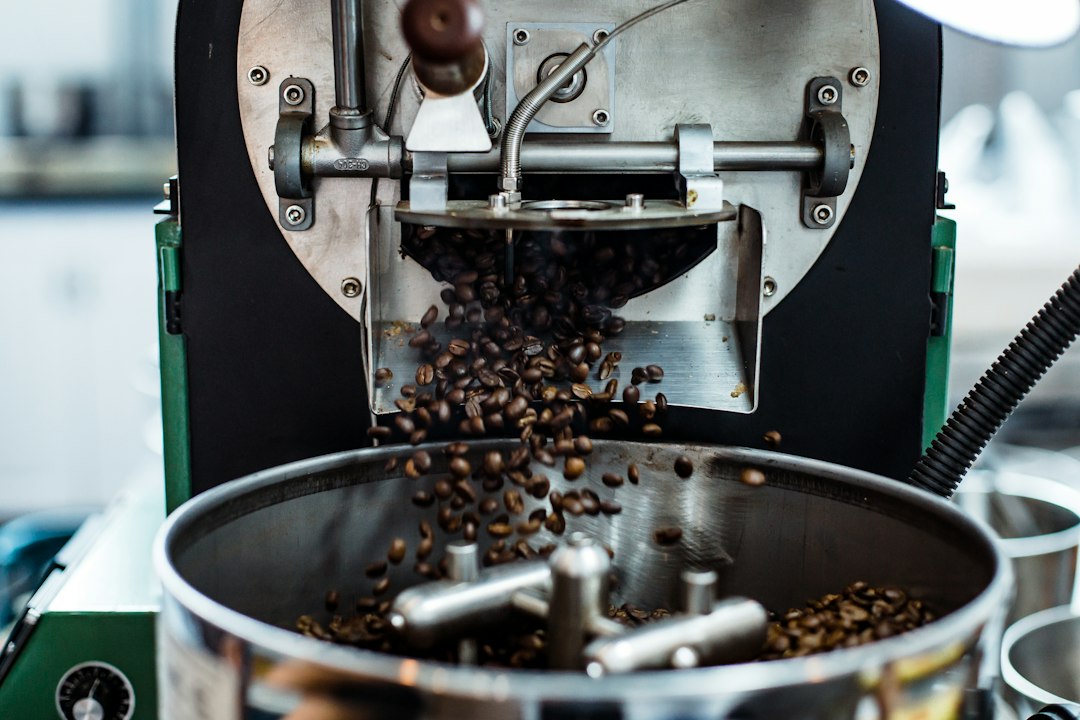
The good news is that burr grinders have come a long way. The Baratza Encore ESP is the one I now recommend without hesitation — it is quiet, it is repairable down to individual burrs and gears, and it grinds fine enough for true espresso straight out of the box. If you want more programmability and dose-by-dose convenience, the Breville Smart Grinder Pro earned its spot on my counter for two years before the Baratza arrived. Either one will outclass the grinder built into most all-in-one machines under a thousand dollars.
The Little Tools That Do the Heavy Lifting
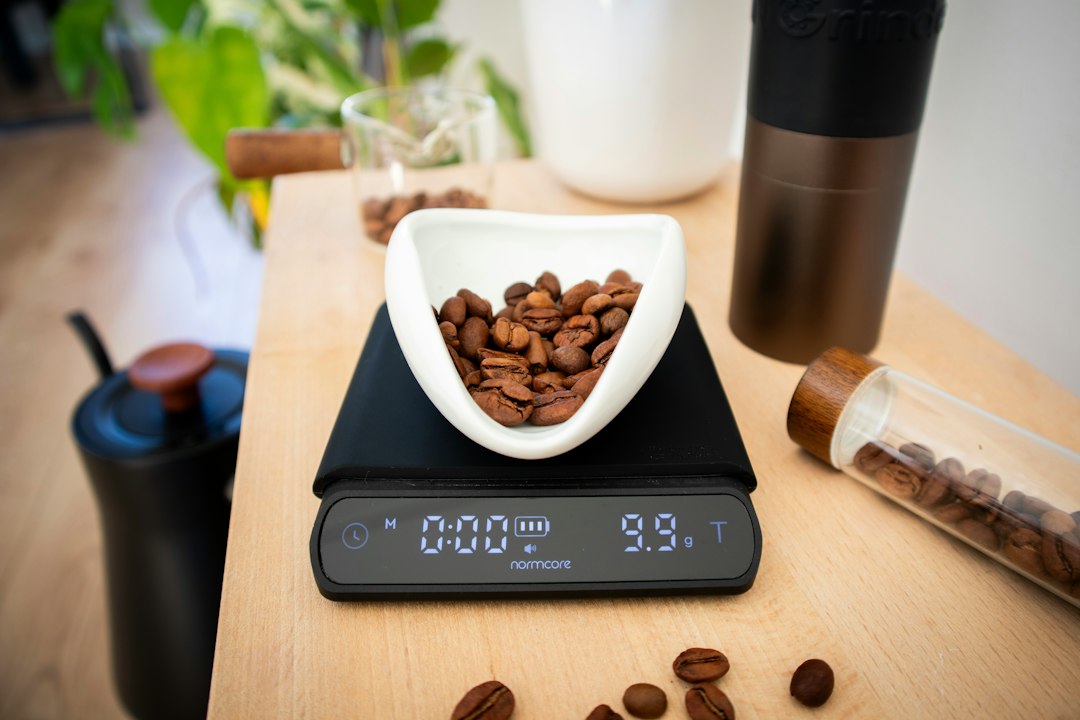
Espresso is a precision drink pretending to be a casual one, and a few small tools quietly carry the whole production. The first is a scale that reads to the tenth of a gram, because eyeballing an eighteen-gram dose is like eyeballing a tablespoon of yeast in bread — technically possible, spiritually defeating. I wrote a whole love letter to my kitchen scale earlier this year, and if you want the long version of why grams changed my cooking, it lives here. For the coffee corner specifically, the Greater Goods coffee scale with a built-in timer has become my panel’s favorite — the timer is not a luxury, it is how you learn what “dialing in” actually means.
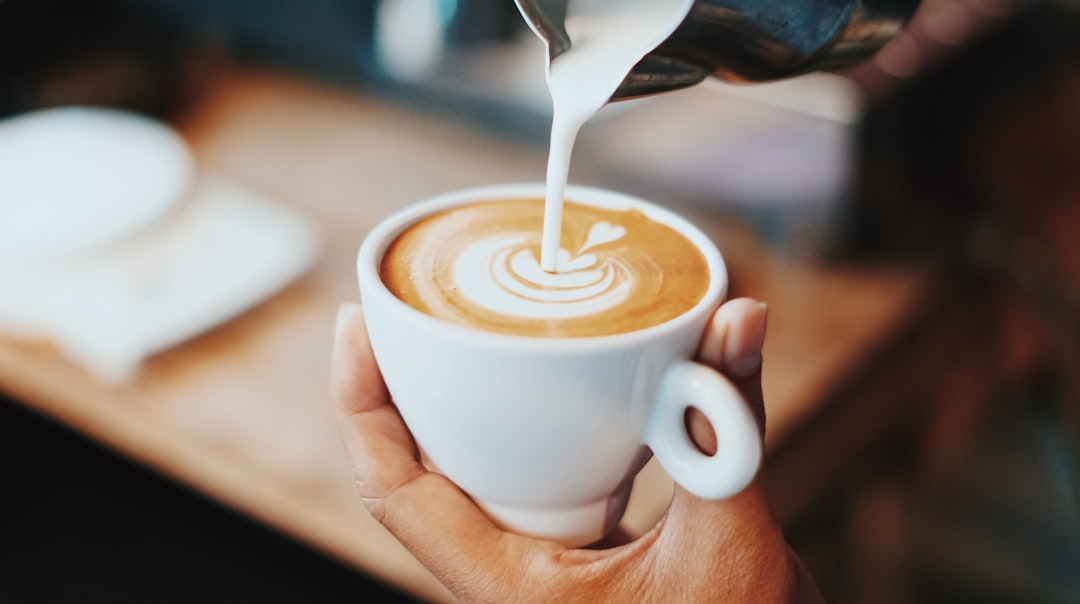
The second is a proper milk pitcher. Steam wand technique is mostly about the angle of the pitcher and the sound the milk makes — a hiss at the start, a paper-tearing whisper while stretching, then silence while texturing — and a well-balanced stainless jug makes that learning curve half as steep. This frothing pitcher set with a latte-art pen is the one my test kitchen reaches for. If milk drinks are your whole reason for this journey, I also put together a full field guide to frothers for cozy season, including the standalone gadgets that save the day when your machine has no wand at all.
Finally, a tamping station and knock box — the humble little tray that holds your portafilter steady while you tamp and catches the spent pucks — turned out to be the upgrade nobody expects to love. This 54mm accessories kit matches the Breville machines perfectly and has survived months of daily abuse in my kitchen without wobbling. Small thing. Big difference in how the morning feels.
Eighteen Inches, Zero Regrets
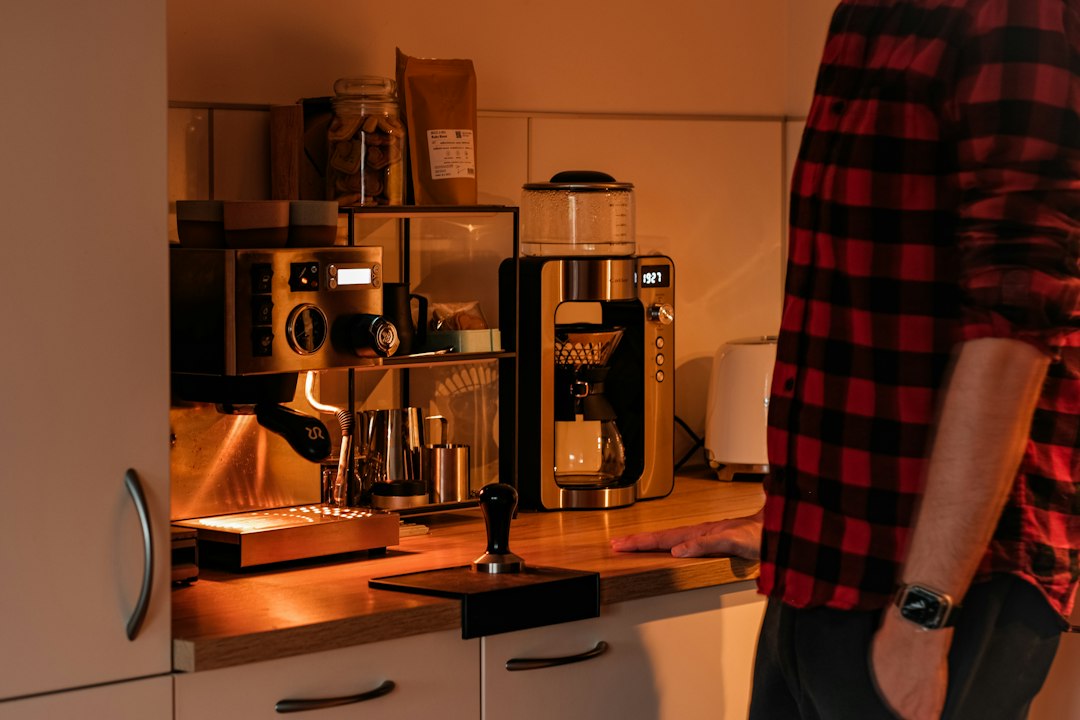
So how does all of this fit in a real kitchen? Mine needed exactly eighteen inches: the machine takes about seven, the grinder four, and a small tray corrals the scale, tamper, and knock box into the rest. Everything lives on one stretch of counter near the kettle, beans in an airtight canister within arm’s reach and no closer to the oven than it has to be — heat is coffee’s second-worst enemy, right behind time. If your counter is fighting you on space, the same rules apply at any scale; it is a corner, not a room, and it wants to be yours.
One honest word about expectations before you click anything. Your first week of home espresso will include at least two shots you pour down the sink, one milk texturing mishap that sounds like a helicopter, and one morning you briefly consider the whole endeavor a mistake. This is normal, and it ends. Around week two, something clicks — the grind settles, your wrist learns the tamp, the pitcher starts hissing on cue — and then one gray Tuesday you hand someone a cappuccino with a rosetta on top, made in your socks, and they look at you like you have performed a small miracle. You have. That is the whole point.
The moka pot still comes out on Sundays. Some rituals you do not replace; you just make room beside them. But these days, when the cold comes through the window and the year starts to turn, I know exactly where I will be standing — eighteen inches of café, my grandmother’s gurgle in my ribs, and a shot worth staying home for.
One thought on “The Café That Fits in Eighteen Inches: Everything I Learned Bringing Espresso Home”