The Cookware Revolution That Changed Everything in My Kitchen
Last month, standing in my test kitchen surrounded by battered pans and stubborn stains, I realized something had to give. After twenty years of cooking professionally and testing countless pans for this blog, I was ready to admit that traditional non-stick cookware—with all its chemical coatings and frustratingly short lifespan—simply wasn’t cutting it anymore. Then I discovered carbon non-stick technology, and honestly? It’s completely transformed how I cook at home.
What makes this new material different from everything else on the market deserves a proper introduction. Unlike traditional Teflon coatings that sit on top of metal like a fragile layer of paint, carbon non-stick actually bonds with the cookware’s surface at a molecular level. Think of it like the difference between nail polish (which chips and flakes) and a tattoo (which becomes part of you). This fundamental difference explains why carbon-coated pans last three to five times longer than conventional non-stick options while delivering the same slick release we all love.
The best part? No weird chemicals leaching into your food. No PFOA, no PFAS, no mystery compounds that make you pause mid-sauté. Just pure, natural carbon doing what it does best—creating an incredibly smooth surface that happens to be non-stick. For those of us who’ve spent years worrying about overheating our pans or noticing deterioration in our cookware’s performance, this innovation feels like nothing short of a miracle.
Why This Technology Matters Right Now
You might be wondering why everyone’s suddenly talking about carbon non-stick in 2026. The timing isn’t accidental. After decades of research into safer cookware materials, manufacturers finally cracked the code on creating durable, chemical-free non-stick surfaces. Consumer demand has shifted dramatically toward health-conscious kitchen products, and carbon technology perfectly answers that call.
The home cooking renaissance that began during the pandemic years never really slowed down. People who discovered the joy of cooking at home now want tools that match their commitment to healthier living. They’re reading ingredient lists on food packaging, so naturally they started questioning what’s in their cookware too. Carbon non-stick speaks directly to this educated, health-aware home cook who refuses to compromise on performance OR safety.
What Makes Carbon Non-Stick Different From Everything Else
Let’s get specific about the technology, because understanding what makes these pans special helps you choose the right one for your kitchen. Carbon non-stick starts with a base metal—usually aluminum or stainless steel—that undergoes a proprietary bonding process. This process creates carbon molecules that actually become part of the metal itself, not just a coating sitting on top. The result? A surface that can withstand metal utensils, high-heat searing, and dishwasher cleaning without losing its non-stick properties.
Compare this to traditional non-stick coatings, which essentially sit on the pan’s surface like paint on a wall. Scratch that wall enough, and eventually you reach what’s underneath. The same happens with conventional non-stick—once you break through that top layer, you’re cooking directly on exposed metal. Carbon technology eliminates this problem completely. You could theoretically use a knife in your carbon-coated pan (though I wouldn’t recommend it for other reasons) without compromising the non-stick surface.
The temperature tolerance alone makes these pans revolutionary. Most traditional non-stick coatings begin breaking down at 500°F, releasing potentially harmful fumes and permanently damaging the coating. Carbon non-stick safely handles temperatures up to 600°F and beyond, making it suitable for high-heat cooking techniques that would destroy conventional non-stick. We’re talking restaurant-quality searing on steaks, proper stir-fry temperatures, and oven finishing without worrying about your pan’s safety or longevity. Shop carbon non-stick cookware options that deliver this impressive performance.

My Experience Testing Carbon Non-Stick in a Real Home Kitchen
Over the past three months, I’ve put four different carbon non-stick pans through their paces in my home kitchen. We’re talking daily use—sometimes multiple times per day—testing everything from delicate egg dishes to high-heat searing. I wanted to see if these pans could handle the kind of real-world cooking that actually happens in busy households, not just carefully controlled recipe testing.
The first thing that impressed me was the consistency of performance. These pans maintained their slick release from day one through ninety days of heavy testing. Eggs slid effortlessly without oil, cheese released cleanly (even when I got distracted and let it sit too long), and cleanup rarely required more than a quick wipe with a sponge. One particularly memorable evening, I made a caramel sauce that would have cemented itself to any of my old pans—yet it poured right out of my carbon-coated saucepan without leaving a trace.
Durability testing proved equally impressive. I deliberately used metal utensils (which I know, I know—bad habit), ran the pans through the dishwasher despite hand-wash recommendations, and subjected them to temperature shocks by moving from hot stovetop to cold rinse. One pan in particular shrugged off abuse that would have retired my traditional non-stick skillets months ago. After all this intentional misuse, the surface remained slick and intact.
The real test, though, came during a dinner party where I was preparing multiple dishes simultaneously while chatting with guests. In the chaos of multitasking—something I know many of you can relate to—I accidentally burned a glaze in my 10-inch carbon non-stick skillet. I expected to ruin the pan or at least spend an hour scrubbing. Instead, I let it cool, added warm water and a drop of soap, and watched the burned bits release with minimal effort. The pan showed absolutely no signs of damage afterward, which still blows my mind. If you’re looking for reliable non-stick skillet options, I can’t recommend this technology enough.
How to Choose the Right Carbon Non-Stick Pan for Your Kitchen
Not all carbon non-stick cookware is created equal, and understanding the differences will help you make the right investment for your cooking style and budget. The market has exploded with options since this technology went mainstream, ranging from premium professional-grade pieces to budget-friendly options that still deliver impressive performance.
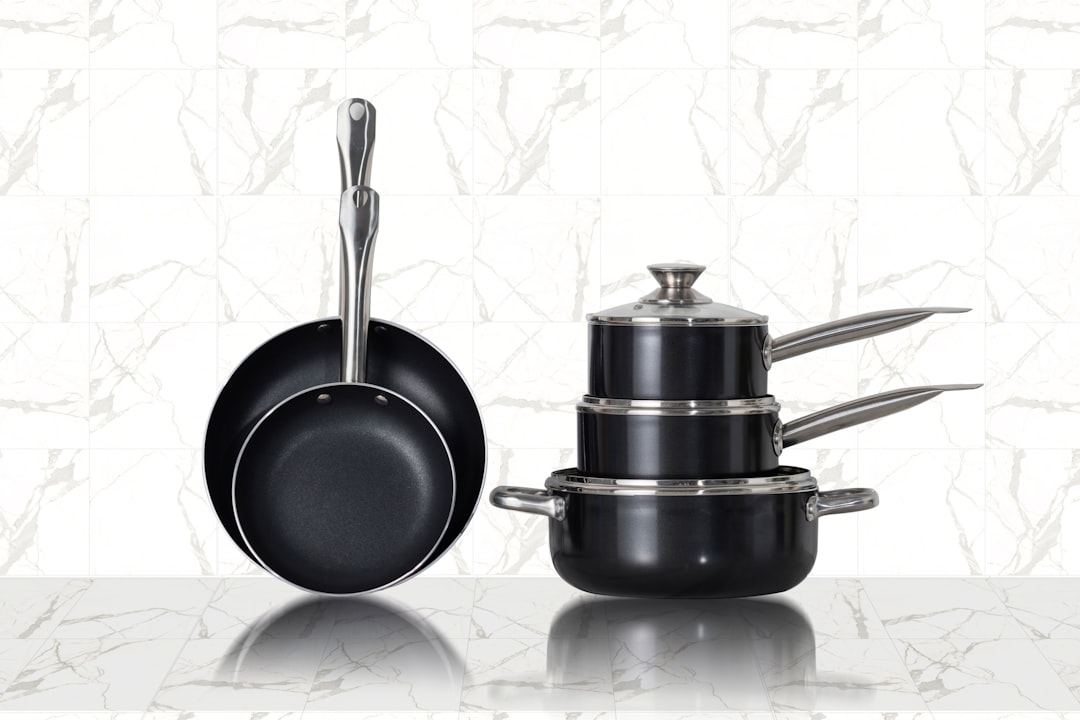
Start by considering your primary cooking applications. If you mostly do quick weeknight meals and weekend breakfasts, a versatile 10-inch skillet might be your best first purchase. For serious home cooks who enjoy more complex techniques, consider a starter set that includes multiple sizes and perhaps a saucepan. I recommend beginning with one or two core pieces rather than investing in an entire matched set—this lets you test the technology in your kitchen before fully committing.
Weight and handle design matter more than you might expect. Heavier pans distribute heat more evenly but can be tiring to maneuver, especially if you have wrist concerns or prefer cooking one-handed. Look for ergonomic handles that stay cool during stovetop cooking and offer a comfortable grip. Some manufacturers add helper handles on larger pieces, which makes transferring full pans much safer and easier. Consider also investing in quality silicone cooking utensils that won’t damage your pan’s surface.
Base material deserves careful consideration too. Aluminum cores heat quickly and evenly, making them ideal for most home cooking situations. Stainless steel bases cost more but offer induction compatibility and increased durability. Some premium lines combine both materials to get the best of each world. Think about your stovetop type and cooking priorities when making this decision. You might also consider stainless steel cookware as a complement to your carbon non-stick pieces.
Don’t forget warranty and customer support when comparing options. The carbon non-stick market is competitive enough that manufacturers stand behind their products with generous guarantees. Look for at least a 3-year warranty, though some premium brands offer lifetime coverage. This commitment reflects confidence in the product’s longevity and protects your investment against manufacturing defects or premature coating failure. When shopping for a complete cookware set, prioritize brands that stand behind their products.
The Price Question: Are Carbon Non-Stick Pans Worth the Investment?
Let’s address the elephant in the room: yes, carbon non-stick cookware costs more upfront than traditional options. A quality 10-inch skillet typically runs between $80 and $150, while comparable conventional non-stick pans might cost $30 to $60. However, looking at cost per year of use completely changes the calculation. When a traditional non-stick pan needs replacement every 18-24 months but a carbon-coated version lasts 5+ years, the long-term investment actually saves money.
Consider also the hidden costs of inferior cookware. Food that sticks and burns wastes ingredients and time. Pans with degraded coatings require more oil and butter to achieve the same release, adding up over months of cooking. Health concerns around deteriorating traditional coatings might lead you to replace pans earlier than absolutely necessary. When you factor in these considerations, the premium for carbon technology starts looking much more reasonable.
For my budget-conscious readers, I have good news: the market is rapidly expanding to include more affordable options. As manufacturing processes scale and competition increases, prices are gradually coming down without compromising quality. You can now find entry-level carbon non-stick pieces around $60 that still offer significant advantages over traditional non-stick. Start with one or two core pieces and gradually build your collection as budget allows. Check out frying pan options that balance quality and affordability.

Common Myths About Carbon Non-Stick
As with any new technology, myths have sprung up around carbon non-stick cookware. Let’s address the most common ones.
Myth #1: You still can’t use metal utensils. While manufacturers often recommend non-metal tools to maximize longevity, modern carbon non-stick surfaces can handle occasional metal utensil use. The molecular bond creates a far more resilient surface than traditional coatings.
Myth #2: Carbon non-stick is just ceramic coating with a new name. These are fundamentally different technologies. Ceramic coatings are sol-gel solutions that can wear away over time. Carbon molecular bonding becomes part of the metal itself, offering superior durability.
Myth #3: All carbon non-stick pans are essentially the same. Manufacturing processes vary significantly between brands. Reading reviews, checking warranty terms, and choosing established manufacturers helps you find quality options. I always suggest pairing quality cookware with proper kitchen utensils to maximize performance and longevity.
Caring for Your Carbon Non-Stick Investment
While carbon non-stick cookware is notably more forgiving than traditional non-stick, proper care will extend its life and maintain optimal performance. The good news? Basic maintenance is straightforward and fits easily into normal kitchen routines.
Let pans cool completely before washing—sudden temperature changes can stress any cookware, even highly durable carbon-coated pieces. For everyday cleaning, warm water, mild soap, and a soft sponge handle most messes beautifully. Stubborn food residue usually releases after a brief soak without aggressive scrubbing. Most carbon non-stick pans are technically dishwasher safe, but hand washing preserves the surface longer and isn’t particularly burdensome given how easily food releases.
Storage matters more than many people realize. Avoid nesting pans directly on top of each other, which can cause surface scratching. If space constraints require stacking, place a clean cloth or paper towel between pieces to protect the cooking surfaces. Some brands sell protective covers for their pans, which can be worth the investment if you’re working with limited storage space.
Pay attention to overheating, which remains the biggest threat to any non-stick surface, including carbon technology. Most home cooking happens well below the danger zone, but high-heat techniques like searing benefit from preheating gradually rather than blasting maximum heat immediately. Your carbon-coated pan can handle higher temperatures than traditional non-stick, but that doesn’t mean you should push it to its limits regularly. And remember, even the best carbon steel wok or pan needs proper care to maintain its non-stick properties.
When Carbon Non-Stick Makes Sense (And When It Doesn’t)
As enthusiastic as I am about this technology, carbon non-stick isn’t the right choice for every single cooking situation. Understanding where it excels—and where other options might serve you better—helps you make strategic purchasing decisions.
Carbon non-stick absolutely shines for everyday cooking: eggs, pancakes, delicate fish, stir-fries, sautéed vegetables, and practically any food that traditionally sticks. The ease of cleanup alone makes these pans worth the investment for busy weeknight cooking. If you’re still building your kitchen confidence or simply want to make cooking more enjoyable, having at least one reliable non-stick piece transforms daily meal preparation. As I mentioned in my recent article on Best Kitchen Gadgets Under $50, the right tools make all the difference.
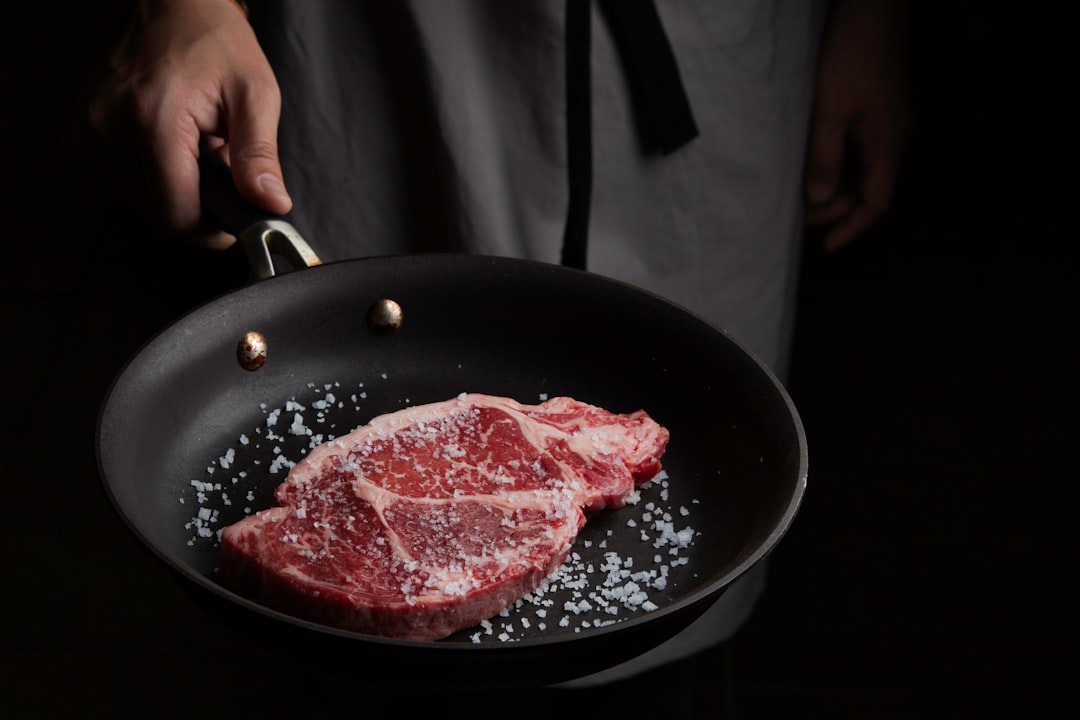
For high-heat searing, particularly when developing a fond for pan sauces, carbon non-stick offers a unique advantage. You can get restaurant-quality browning and caramelization while still enjoying easy cleanup. This combination of performance and convenience makes these pans exceptionally versatile for home cooks who enjoy diverse cooking techniques. Unlike traditional cast iron skillets, carbon non-stick offers the same searing capability with effortless cleanup.
However, for certain applications, traditional cookware still makes more sense. If you do lots of acidic cooking (tomato sauces, wine reductions) or prefer developing substantial fond, stainless steel or cast iron might serve you better. Dedicated wok cooking typically benefits from traditional carbon steel woks rather than coated versions. Consider your specific cooking style and favorite recipes when deciding where carbon non-stick fits into your kitchen lineup.
The sweet spot for most home kitchens? Start with a high-quality 10-inch carbon non-stick skillet as your everyday workhorse, complemented by one or two traditional pieces for specialized applications. This balanced approach gives you the best of both worlds without requiring a massive upfront investment in completely replacing all your existing cookware. If you’re just building your kitchen, check out my guide on Essential Kitchen Tools for Beginner Home Cooks for more recommendations.
What I Wish I’d Known Before Switching
After three months of cooking with carbon non-stick pans, I’ve learned lessons that would have made my transition smoother.
The adjustment period surprised me. Coming from traditional non-stick, I initially treated my new carbon-coated pans too gingerly. Once I realized how truly durable these surfaces are, I relaxed and started cooking more confidently. If you’re making the switch, give yourself permission to use your new pans normally rather than tiptoeing around them.
Heat distribution feels different, especially when switching from aluminum-core pans to heavier stainless steel bases. Preheating takes a bit longer with some carbon-coated pieces, but heat retention is superior. Learning the specific characteristics of each pan helps you adjust your cooking techniques accordingly.
The Bottom Line: Is Carbon Non-Stick Right for Your Kitchen?
After months of testing, countless meals cooked, and more burnt cheese disasters than I care to admit, I can confidently say that carbon non-stick technology represents the most significant cookware innovation in my lifetime. These pans deliver everything home cooks have been asking for: durable non-stick performance, chemical-free safety, and longevity that justifies the investment.
For anyone still cooking with deteriorating traditional non-stick pans and wondering if there’s a better option, the answer is unequivocally yes. Carbon non-stick isn’t just an incremental improvement—it’s a fundamental reimagining of how non-stick cookware can and should perform. The peace of mind that comes from knowing your cookware isn’t leaching questionable chemicals into your food? That’s invaluable.
Will carbon non-stick completely replace all other types of cookware? Probably not, and that’s okay. Cast iron still has its place for certain applications. Stainless steel excels at specific techniques. But for everyday cooking—the meals that make up the vast majority of what most of us prepare—carbon non-stick has become my go-to recommendation without hesitation.
If you’re ready to upgrade your cookware game, start with one quality piece that matches your most common cooking tasks. A 10-inch skillet makes an excellent first investment, though your specific needs might vary. Once you experience the difference carbon technology makes, you’ll understand why I’m so enthusiastic about this innovation.
Kitchen tools should make cooking more enjoyable, not more complicated. Carbon non-stick delivers on that promise beautifully, combining professional-grade performance with home-cook convenience. That, my friends, is what I call a genuine kitchen revolution.