My grandmother had exactly six kitchen tools she considered irreplaceable: a worn wooden spoon, a heavy cast iron skillet, a paring knife with a taped handle, a dented metal colander, a hand-crank egg beater, and a bent wire whisk she’d received as a wedding gift in 1952. That was it. No food processor, no stand mixer, no Instant Pot. She turned out Sunday roasts, lattice pies, and holiday feasts that my entire extended family still talks about decades later. Her secret wasn’t fancy equipment — it was knowing that the right simple tool, used well, beats an expensive gadget collecting dust every single time.
That lesson stuck with me through culinary school, years in professional kitchens, and over fifteen years of testing literally thousands of tools in my own home kitchen. And here’s what I’ve learned: the most transformative kitchen purchases are rarely the priciest ones. In fact, some of the tools I reach for daily cost less than a week’s worth of lattes. Meanwhile, the $300 sous vide circulator I convinced myself I needed has been used exactly twice.
So today I’m sharing ten kitchen tools under $40 that genuinely outperform gadgets costing ten times as much. Not novelty items. Not things that look cute on Instagram and then disappear into a drawer. These are the workhorses I use constantly — the ones that make me wonder why anyone would spend more when these get the job done beautifully.
The Bench Scraper: Your $8 Food Processor Replacement
If there’s one tool on this list that pays for itself on day one, it’s the humble bench scraper. That flat piece of metal with a handle costs about eight bucks and does the work of three gadgets. Chopping vegetables? The wide blade scoops and transfers diced onions, minced garlic, and chopped herbs in one swift motion — faster than pulling out a food processor, assembling it, and washing all those parts afterward.
I use mine to portion dough, scrape stuck bits off my cutting board, transfer chopped ingredients directly to the pan, and even clean my countertops. Professional bakers have known about this forever — it’s essentially a wide, dull knife that gives you incredible control over anything on your work surface. When my kitchen gadget drawer starts overflowing, the bench scraper is the last thing I’d ever give up.
Compare that to a food processor at $150 to $400 that takes up permanent counter space, requires blade changes for different tasks, and means washing multiple fiddly parts every time you use it. The bench scraper does 80% of what a processor does for prep work, and you can clean it with one rinse. A solid bench scraper belongs in every kitchen, period.
A Digital Kitchen Scale: The $15 Precision Tool That Outsmarts Every Measuring Cup
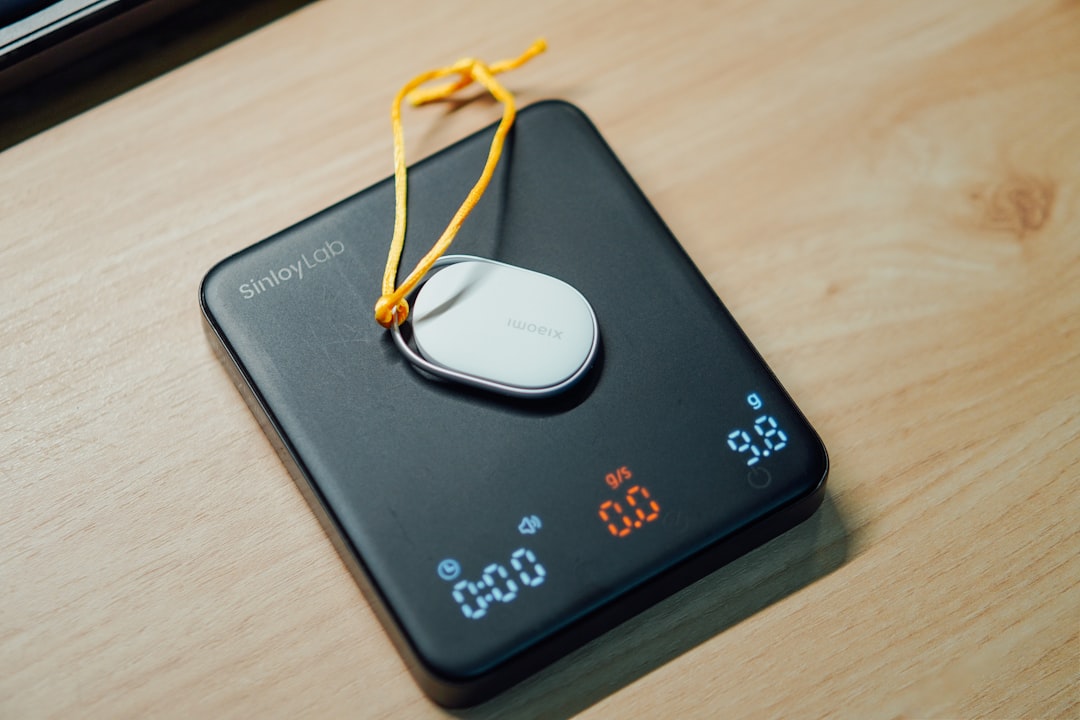
Here’s a truth bomb that took me too long to learn: measuring cups are wildly inaccurate. Scoop flour with one and you might get 30% more or less than the recipe intended, depending on how densely you packed it. That’s why your cookies spread one week and stay puffy the next. A digital kitchen scale eliminates all that guesswork for about fifteen dollars.
I resisted buying one for years, thinking it was unnecessary for home cooking. Then I started using one and suddenly my baking went from “pretty good, mostly” to “consistently excellent, every time.” Pie crusts became flaky reliably. Bread dough behaved the way recipes promised. Even simple things like rice and oatmeal turned out better when I weighed instead of measured. Professional bakers use scales exclusively, and there’s a reason for that. A $15 scale gives you the precision of a $400 professional setup.
What it replaces: Multiple sets of measuring cups and spoons, and the frustration of inconsistent results. Find a reliable digital kitchen scale here.
Silicone Spatula Set: Heat-Proof Versatility for Under $20
My grandmother’s generation had rubber spatulas that melted near anything hot and retained smells from last week’s tomato sauce. Modern silicone spatulas are a completely different animal. They withstand temperatures up to 600°F, don’t absorb odors or colors, and flex just enough to scrape every last bit of batter from a bowl — something no spoon or rigid scraper can do.
A good set of three to four silicone spatulas in different sizes runs about fifteen to twenty dollars and handles tasks I used to reach for multiple tools to accomplish. The small one scrapes jars clean (no more wasted peanut butter stuck to the sides). The medium one folds delicate batters without deflating them. The large one stirs stews and sauces on the stovetop without warping or melting. I even use mine to spread frosting, flip delicate fish fillets, and mix salad dressings directly in the jar.
What does this replace? Wooden spoons that crack and harbor bacteria in the grain. Metal utensils that scratch your non-stick pans. Plastic tools that warp in hot pans. One silicone set handles all of it for less than you’d spend on lunch. Grab a versatile silicone spatula set and you’ll toss half your old utensils.
Box Grater: The $12 Multi-Tool That Replaces Four Appliances
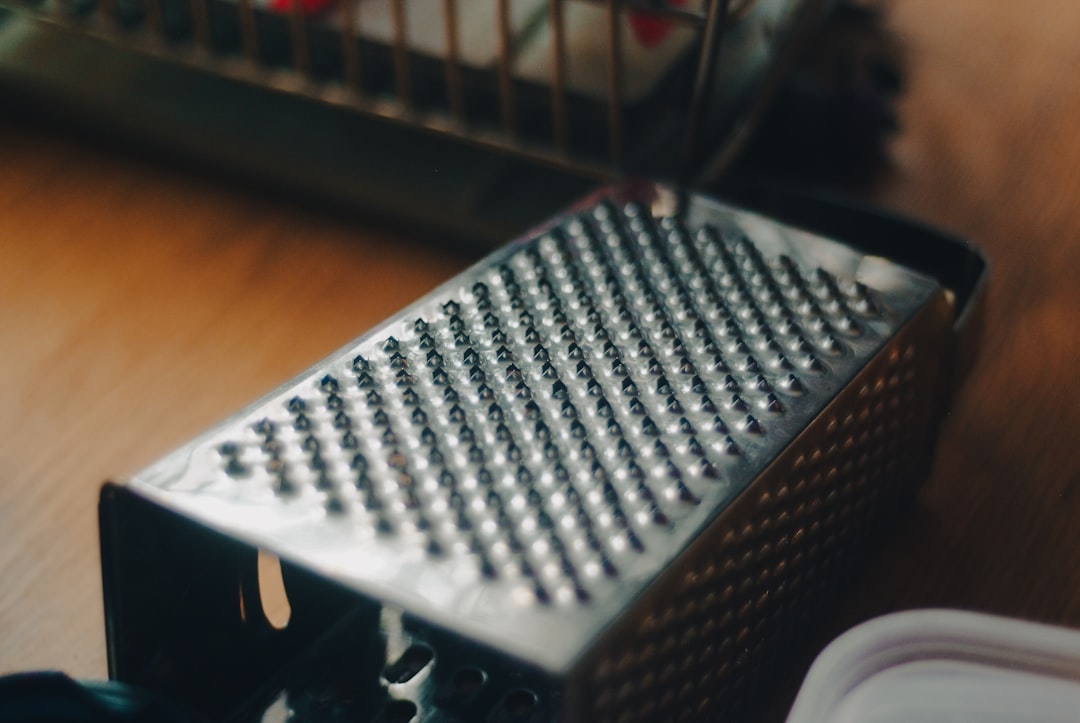
I know, I know. A box grater isn’t exciting. It doesn’t have a motor or a touchscreen or Bluetooth connectivity. But before you scroll past, hear me out. This four-sided piece of stainless steel replaces a cheese grater, a vegetable shredder, a zester, and — in many cases — a food processor’s shredding disc. All for about twelve dollars.
Every side does something different. The largest holes shred cheese in seconds (and pre-shredded cheese costs twice as much and contains anti-caking additives that affect melting). The medium holes create perfect vegetable shreds for slaws and fritters. The small holes zest citrus and grate hard cheeses like Parmesan into fluffy clouds. The slicing side creates even slices of vegetables for gratins and casseroles.
I use my box grater daily — for cheese, for vegetables, for zest, for chocolate. When I see people pulling out a $200 food processor just to shred a cup of cheddar, I genuinely wince. The box grater is faster to set up, faster to clean, and honestly gives you more control over the texture. A solid stainless steel box grater will last decades.
Instant-Read Thermometer: The $20 Tool That Makes You a Better Cook Instantly
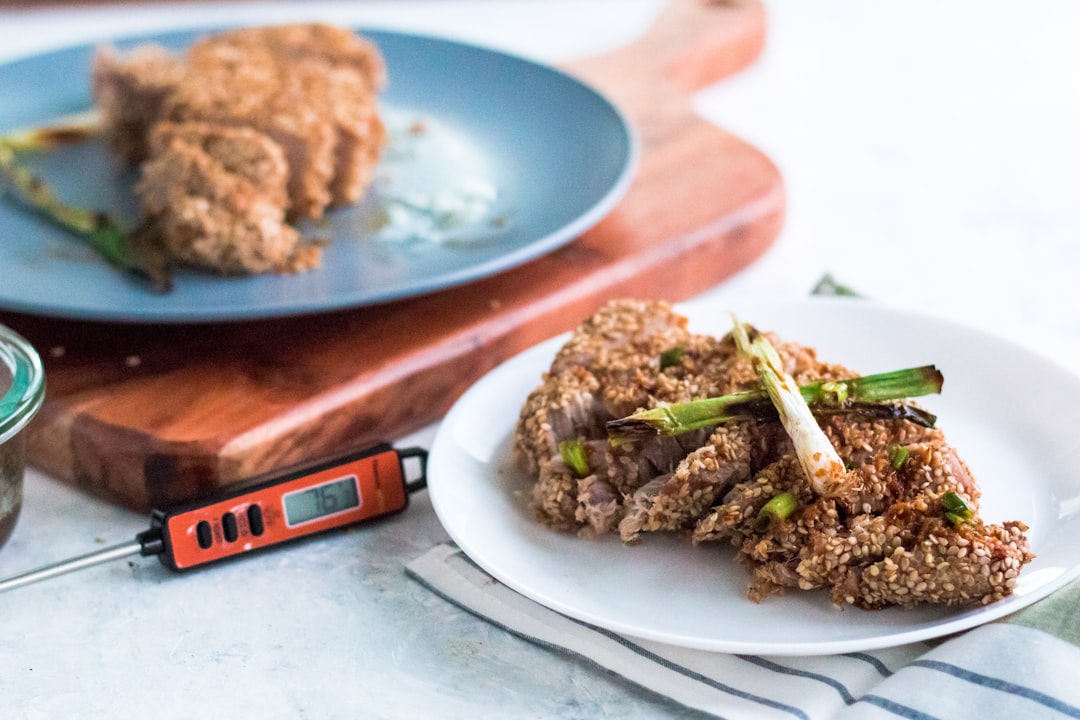
If there’s one purchase on this list that will immediately, dramatically improve your cooking, it’s an instant-read thermometer. Twenty dollars. That’s it. And suddenly you’ll never overcook a chicken breast again, never serve a steak that’s more well-done than you intended, and never wonder if your pork is safe to eat.
For years I relied on the “press the meat and see how it feels” method for steaks and the “juices run clear” method for poultry. Both are notoriously unreliable. The moment I started using a thermometer, my roast chicken went from “sometimes great, sometimes dry” to “perfectly juicy every single time.” My steaks went from “hoping for medium-rare” to “exactly medium-rare, always.”
Professional chefs use thermometers religiously. The idea that real cooks just “know” when something is done is a myth that leads to a lot of overcooked, dried-out dinners. A $20 instant-read thermometer gives you the same precision as the $100 professional models — the difference is speed and build quality, not accuracy. Pick up a reliable instant-read thermometer here and watch your cooking transform overnight.
Mesh Strainer Set: The $15 Trio That Outperforms a $100 Salad Spinner
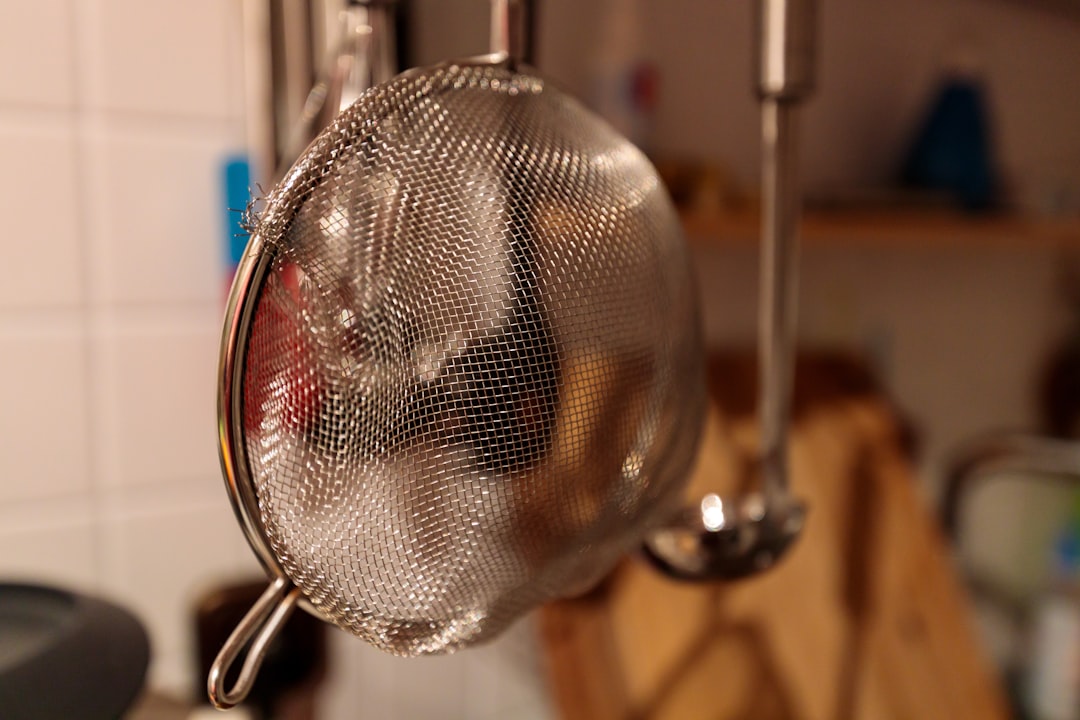
Most home cooks own one colander — usually a large plastic or metal bowl with big holes — and use it for everything. But a set of three fine-mesh strainers in different sizes, costing about fifteen dollars total, is genuinely one of the most versatile tool sets in my kitchen.
The small one strains tea, sifts powdered sugar, and rinses quinoa (those tiny seeds slip right through a regular colander). The medium one drains pasta, rinses berries without crushing them, and strains homemade broths. The large one washes greens, drains blanched vegetables, and serves as a make-shift sifter for dry ingredients. I even use mine to make ricotta cheese — just line the strainer with cheesecloth, pour in whole milk that’s been heated and curdled with lemon juice, and let it drain.
What about a salad spinner, you ask? I owned one for years. It took up an absurd amount of cabinet space for something I used twice a month. Now I wash greens in my large mesh strainer, spread them on a clean towel, and roll it up. Takes thirty seconds, costs nothing, and stores flat. Here’s a great mesh strainer set that covers all your needs.
Cast Iron Skillet: The $25 Pan That Outlasts Everything
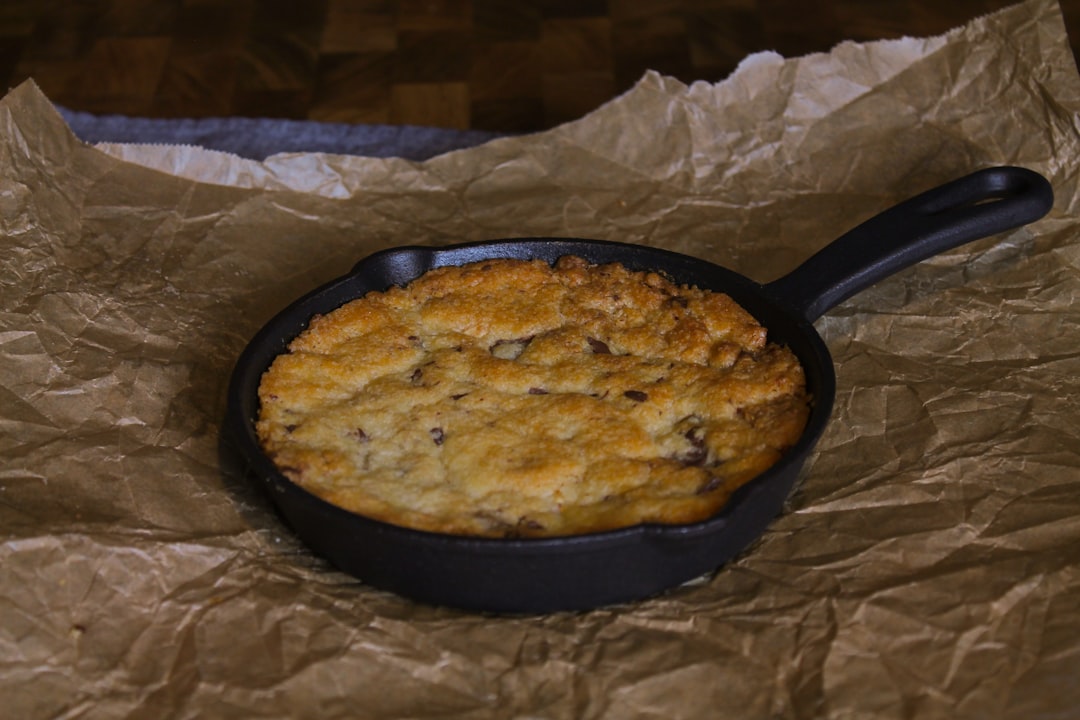
I’ve written about cast iron care before, and I’ll keep singing its praises because a twelve-inch cast iron skillet might be the single best value in all of cookware. Twenty-five dollars buys you a pan that sears steaks better than a $200 stainless steel pan, bakes cornbread better than a specialty baking dish, fries chicken better than a dedicated deep fryer, and moves seamlessly from stovetop to oven to grill to campfire.
The reason cast iron outperforms expensive pans comes down to thermal mass. Those heavy walls hold heat like nothing else, which means a screaming-hot sear that doesn’t drop in temperature the second cold meat hits the surface. That’s the secret to restaurant-quality crusts on everything from salmon to smashburgers.
My own cast iron skillet has been with me for over a decade. It’s smoother than glass, naturally non-stick from years of seasoning, and has cooked literally thousands of meals. I’ve used it in place of a grill press, a baking stone, a wok, and even a pie dish in a pinch. When comparing cast iron to stainless steel, the cast iron wins on value every time. Start with a classic 12-inch skillet — it’s the only size most home cooks need.
Wooden Cutting Board: The $30 Surface That Protects Your Knives and Looks Beautiful
After years of testing every type of cutting surface — plastic, glass, bamboo, composite — I’ve landed firmly in the wooden board camp, and it’s not even close. A good end-grain wooden cutting board costs about thirty dollars (more for showpiece sizes) and does something no other surface can: it protects your knife edges while providing a stable, beautiful workspace.
End-grain boards are the gold standard because the wood fibers stand vertically, allowing your knife to slip between them rather than cutting across them. This means your blades stay sharper longer, and the board itself self-heals over time. Compare that to plastic boards that develop deep grooves that harbor bacteria, or glass boards that dull your knives with every single cut.
I wrote about this in detail when I compared cutting boards, but the short version is this: one good wooden board replaces the cycle of buying cheap plastic boards every few months. It’s the kind of board that becomes a family heirloom — my grandmother’s is still in use at my mother’s house.
Citrus Press: The $15 Gadget That Replaces a $100 Juicer
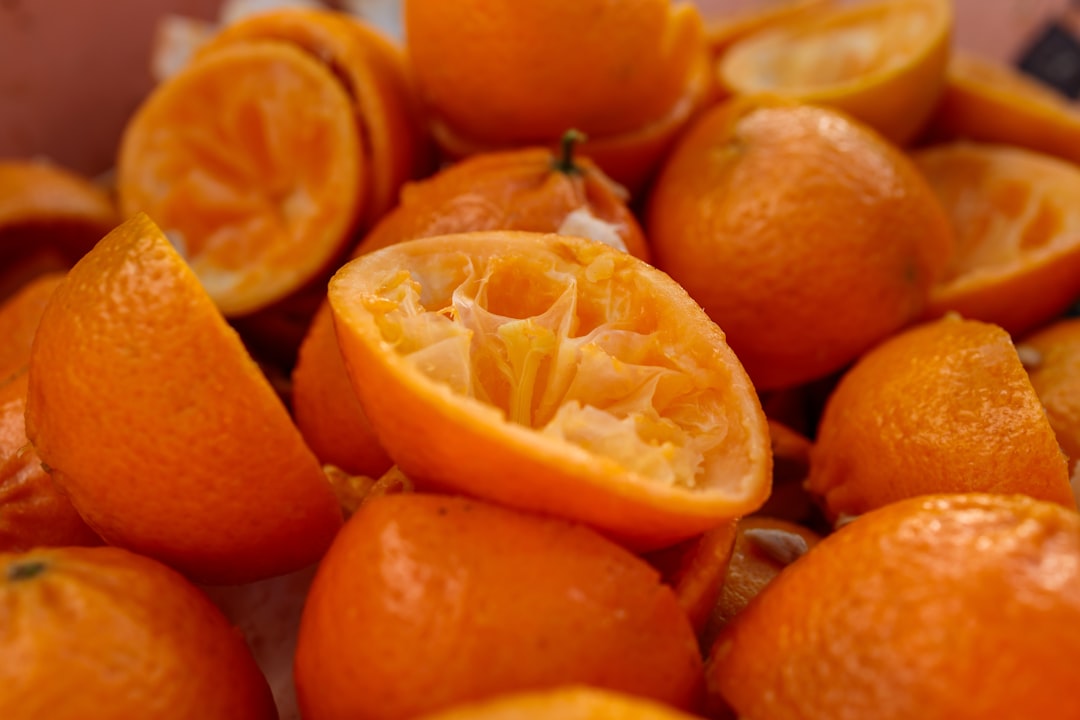
I went through a phase where I was convinced I needed a masticating juicer. I researched models, read reviews, almost pulled the trigger on a $300 machine. Then I remembered that 90% of my “juicing” consists of squeezing lemons for salad dressings, limes for cocktails and marinades, and oranges for weekend pancakes. A heavy-duty citrus press handles all of that for fifteen dollars and takes up roughly the space of a coffee mug in my cabinet.
The lever-style press extracts every drop of juice — significantly more than you’d get by hand — and strains out seeds and pulp automatically. I use mine for fresh lemonade in the summer, quick marinades for weeknight chicken, homemade Caesar dressing, and margaritas that taste dramatically better than anything made with bottled juice.
Bottled citrus juice costs two to three dollars per small bottle and tastes flat and lifeless compared to fresh. If you use even two lemons a week, this press pays for itself within a month. And unlike an electric juicer, there are no parts to assemble, no motor to burn out, and virtually nothing to clean. Here’s the style I recommend — the heavy cast iron ones last forever.
Parchment Paper: The $8 Secret Weapon That Replaces Non-Stick Everything
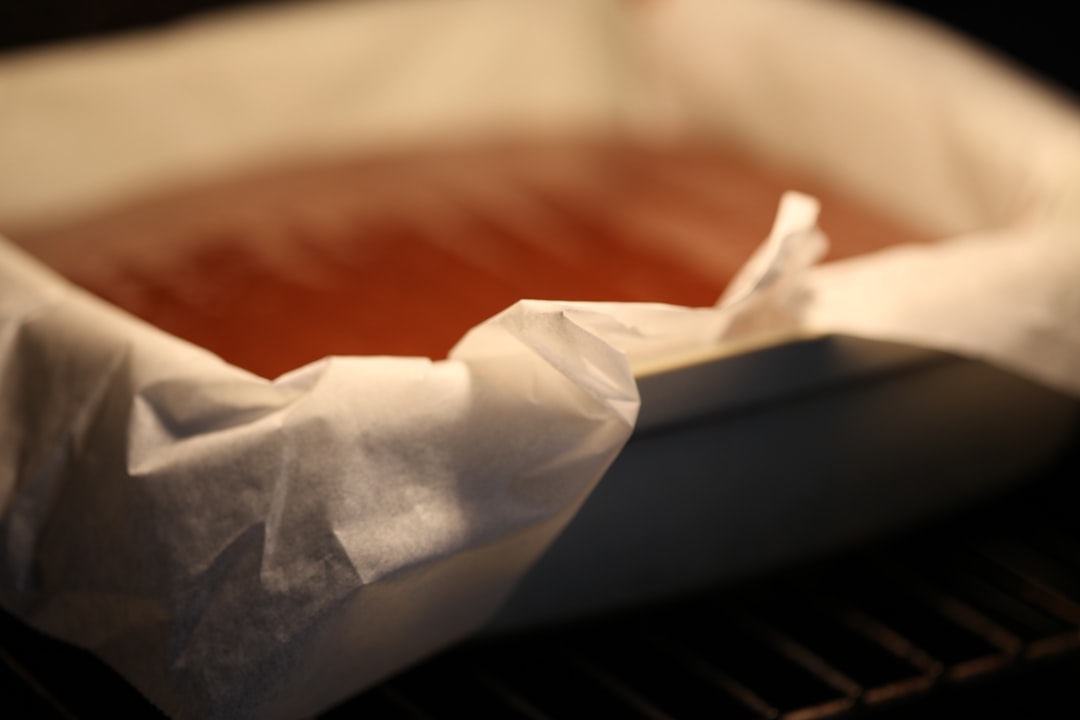
This one almost feels like cheating because parchment paper is so simple and so cheap that people overlook it entirely. But an eight-dollar roll of parchment paper is genuinely one of the most transformative things in my kitchen. It turns any baking sheet into a non-stick surface, eliminates the need for greasing pans, makes cleanup nearly instant, and can even be used to create packets for steaming fish and vegetables.
I line my sheet pans with parchment for roasting vegetables, baking cookies, and reheating leftovers. I cut circles for cake pans instead of greasing and flouring. I fold packets of salmon with lemon and herbs that steam perfectly in the oven. I even use it to separate layers of frozen foods so they don’t stick together.
What does this replace? Non-stick baking mats that cost $20 and eventually wear out. Cooking spray that leaves residue on your pans. The waste of scrubbing baked-on messes. It even reduces the need for non-stick cookware altogether — when I’m using parchment, I don’t need a special pan. Stock up on unbleached parchment paper and you’ll wonder how you managed without it.
Why Simple Tools Win Every Time
There’s a pattern here that’s worth noticing. Every one of these tools shares the same traits: they’re simple, they’re versatile, they last for years (or decades), and they solve real problems without creating new ones. No motors to break, no electronics to fail, no proprietary parts to replace, no apps to update. They just work, every single time you reach for them.
My grandmother was onto something with her six trusty tools. She understood that cooking well isn’t about having every gadget — it’s about having the right ones and knowing how to use them. You can spend two thousand dollars outfitting a kitchen with appliances and still feel uninspired every time you walk in. Or you can spend two hundred dollars on tools like these and feel genuinely excited to cook dinner tonight.
If you’re building your kitchen from scratch, my guide to essential kitchen tools for beginners is a great starting point. But even if you’ve been cooking for decades, I bet at least a few of these affordable workhorses would earn permanent spots in your rotation. Sometimes the cheapest tool in the drawer is the one you can’t live without.