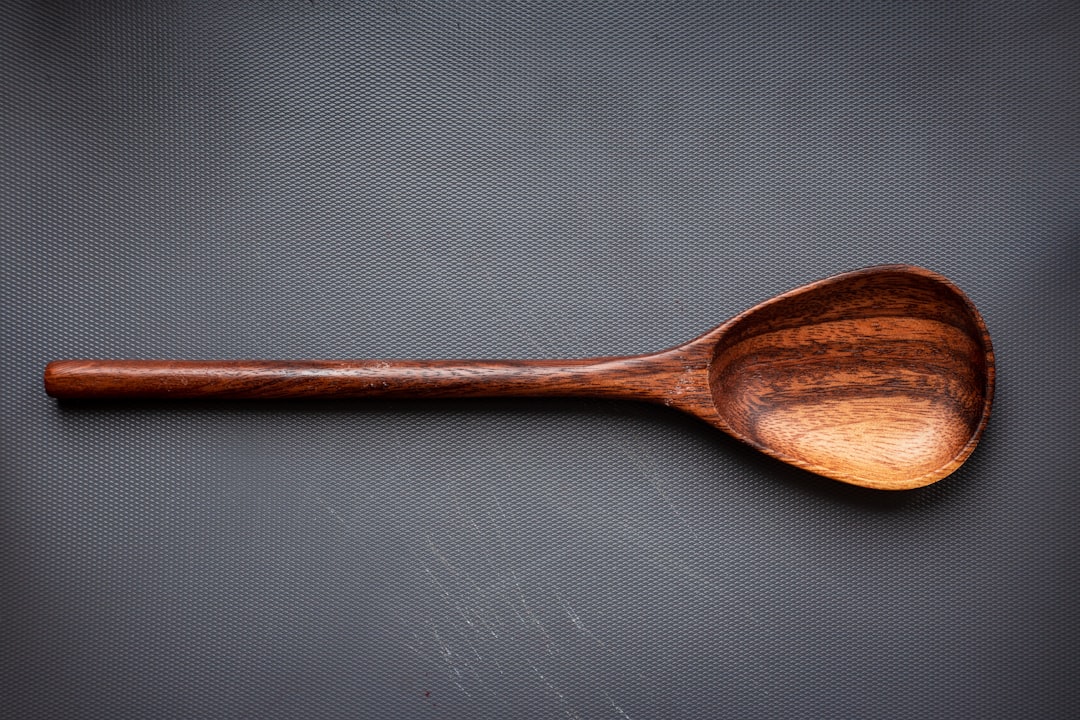
You know that feeling when you’re halfway through cooking dinner and you hit a wall — not because the recipe is hard, but because some tiny, annoying kitchen task is slowing you down? I lived in that state for years. I’d curse under my breath at garlic that wouldn’t peel, meat I couldn’t quite read, and herbs that turned to slime before I could use them. And yet I kept putting up with it, the way you tolerate a squeaky door you never seem to get around to fixing.
Then one day I realized something: I spend more time in my kitchen than almost any other room in my house. Why on earth was I making it harder than it needed to be? So I started replacing the friction, one frustration at a time. Not with expensive appliances or complicated gadgets, but with simple, targeted tools that solved one specific problem each. Here are the eight kitchen annoyances I finally kicked to the curb — and the one thing that fixed every single one.
1. Garlic That Laughs at You While You Struggle to Peel It
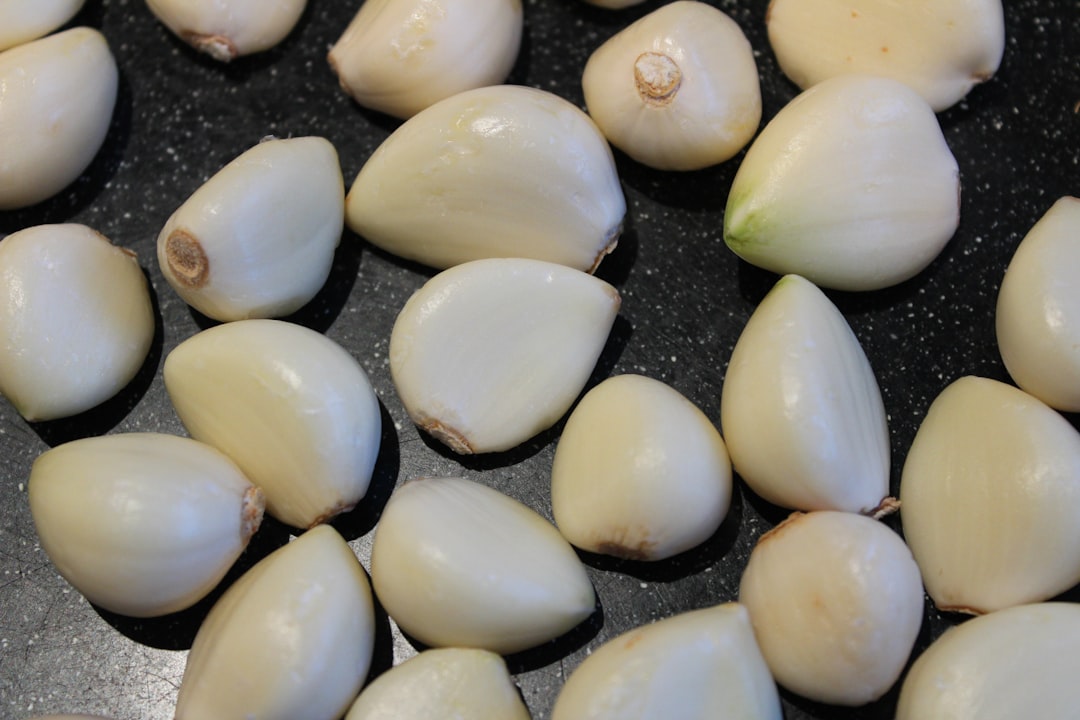
Garlic and I have a love-hate relationship that goes back decades. I love what it does for a dish — my grandmother’s Sunday sauce wouldn’t be the same without a generous handful of cloves — but peeling it? Pure tedium. I tried the smash-and-peel method, the two-bowl shake trick, even microwaving cloves (don’t do that, by the way — it cooks the garlic and changes the flavor). Nothing worked consistently or quickly.
Then a friend who runs a catering business handed me one of those silicone garlic peeler rollers, and I was genuinely annoyed I hadn’t bought one sooner. You pop a clove inside, roll it on the counter for a few seconds, and out slides a perfectly naked clove. No sticky fingers, no little papery bits stuck to everything. I process a whole head of garlic now in about 90 seconds. If you cook with garlic more than twice a week — and honestly, who doesn’t? — this little silicone roller is one of the best kitchen investments you’ll ever make.
2. The “Is It Done?” Meat Guessing Game
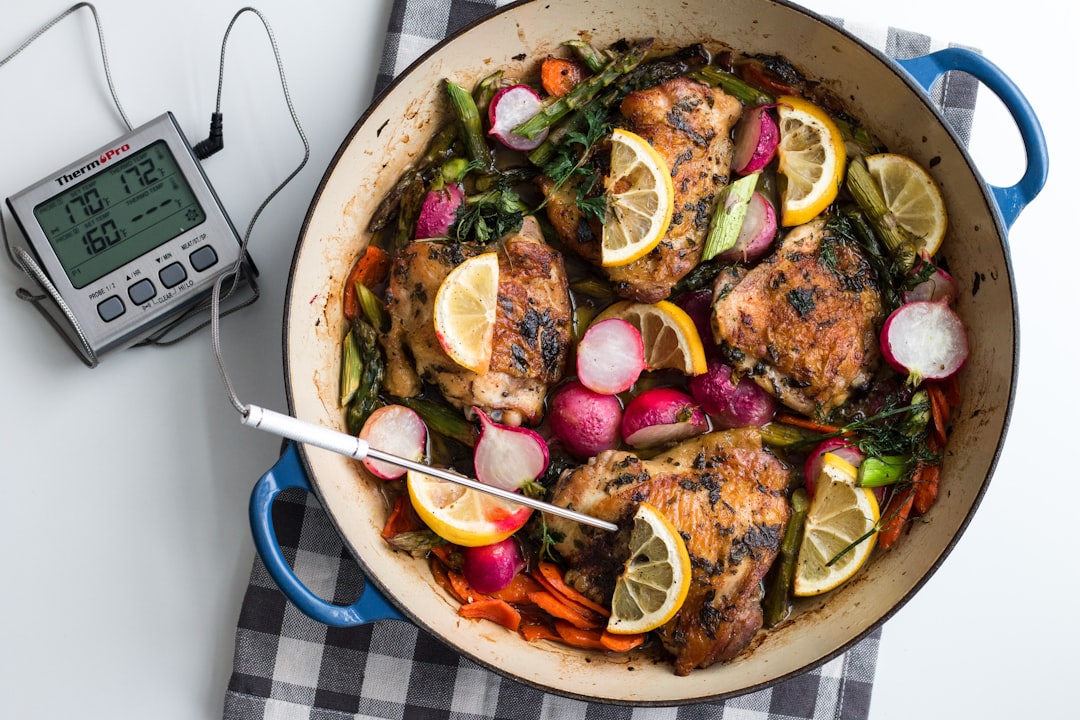
I used to judge doneness by pressing on meat and comparing it to the fleshy part of my palm. You know the trick — rare feels like the base of your thumb, medium is the center, well-done is the tip. It’s a decent approximation if you’ve been cooking for thirty years and have calibrated hands. For everyone else, it’s basically fortune-telling.
I cannot count the number of beautiful steaks I overcooked or the chicken breasts I sliced open “just to check” (and then watched all the juices run out). The solution is embarrassingly simple: an instant-read digital meat thermometer. Not the old analog dial kind your parents had — a fast, accurate digital one that gives you a reading in two to three seconds. I now pull perfectly medium-rare steaks every single time, and my roast chicken hits exactly 165°F without a single cross-section cut. It’s the single most confidence-boosting tool in my kitchen, and a good one costs less than a mediocre takeout dinner. If you’re curious about the broader knife and tool upgrades that make prep work easier, check out my deep dive on the kitchen knives that actually changed how I cook.
3. Soggy Salads That Drown in Their Own Wash Water
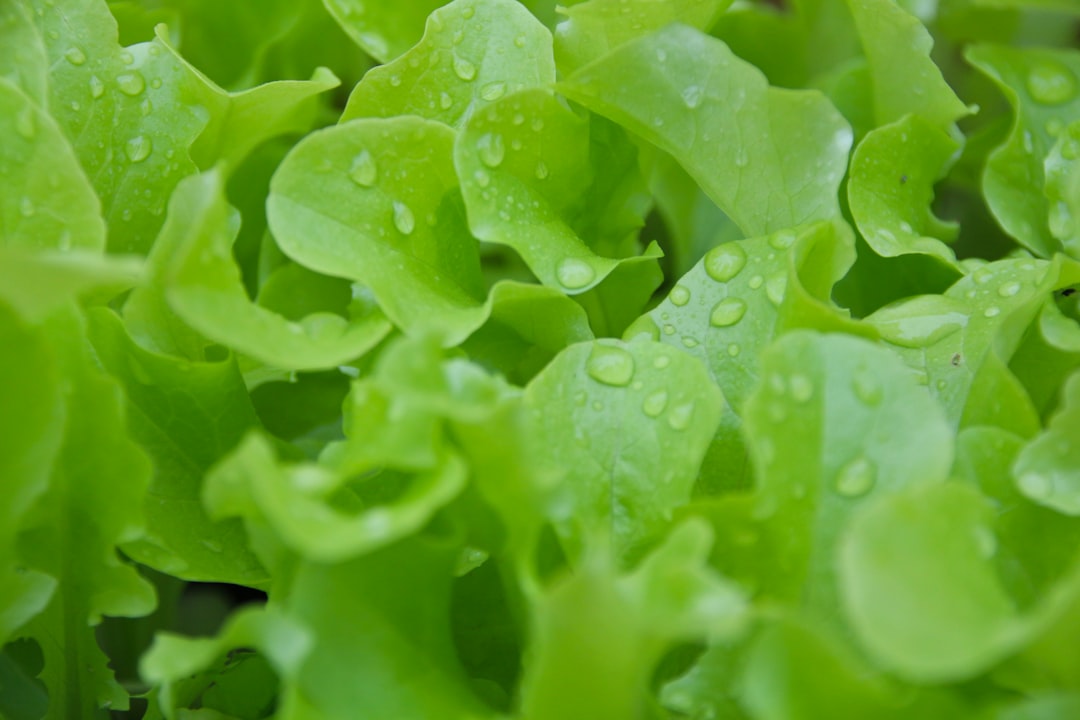
There is nothing sadder than a carefully composed salad that wilts into a watery puddle because your greens weren’t properly dried. I used to wash lettuce, shake it off over the sink like a wet dog, and pat it with paper towels. The result was always the same — damp leaves that turned my vinaigrette into a thin, flavorless soup.
A salad spinner is one of those tools that seems unnecessarily bulky until you use one and realize it’s actually essential. You load your washed greens in the basket, give the handle a few pumps, and centrifugal force does the rest. The greens come out genuinely dry — dry enough that your dressing clings to every leaf instead of pooling at the bottom of the bowl. I also use mine to dry fresh herbs after washing, and I’ve even been known to spin excess moisture off shredded vegetables before frittering. Get one with a brake mechanism — it stops the spinning instantly so you’re not chasing your lettuce around the counter.
4. Spices That Have Lost the Will to Live
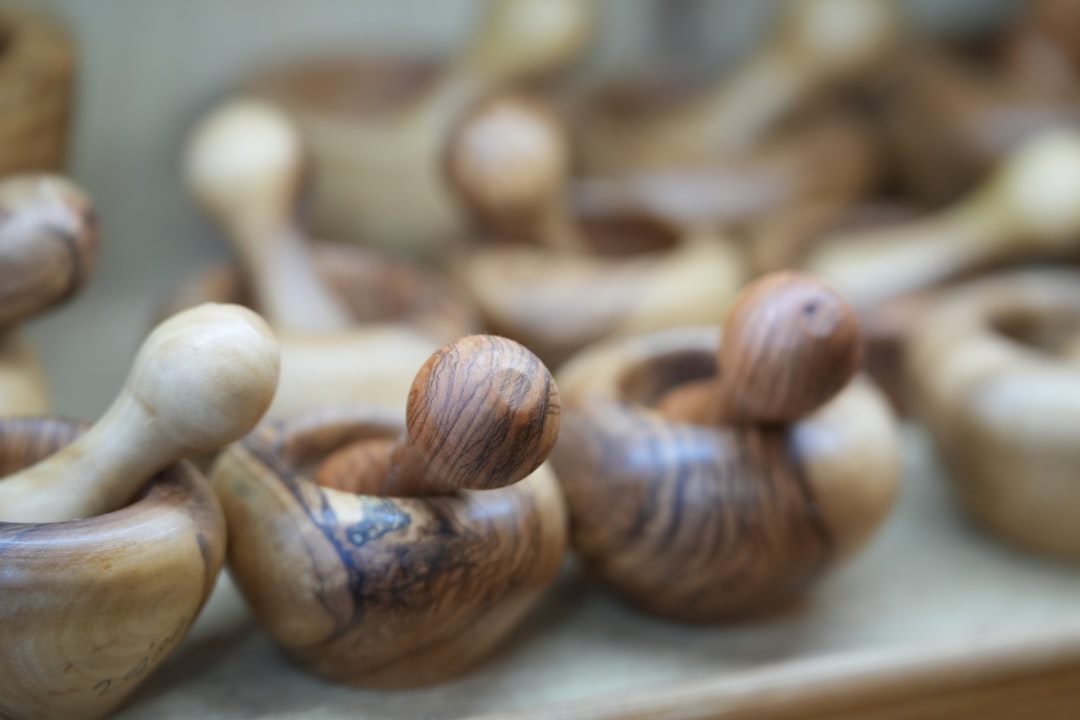
Here’s something I learned the hard way: those pre-ground spices sitting in your cabinet? They’re shadows of their former selves. Ground cumin from a jar that’s been open for eight months tastes like dusty nothing compared to cumin you’ve freshly ground yourself. The difference is not subtle — it’s the difference between a dish that sings and one that just kind of exists.
I started buying whole spices and grinding them as needed, and my dedicated electric spice grinder became one of the most-used tools in my kitchen. I say “dedicated” because you absolutely do not want to use the same one for coffee — unless cardamom-flavored coffee is your thing (actually, that sounds pretty good, but still). I grind coriander for curries, toast and grind cumin for chili, crack peppercorns for steak rubs, and even pulse dried chiles for custom hot pepper blends. The aroma alone is worth the counter space. Fresh-ground spices are so much more fragrant and potent that you’ll end up using less of them, which means they actually save you money over time.
5. The Blender-to-Pot Transfer Disaster
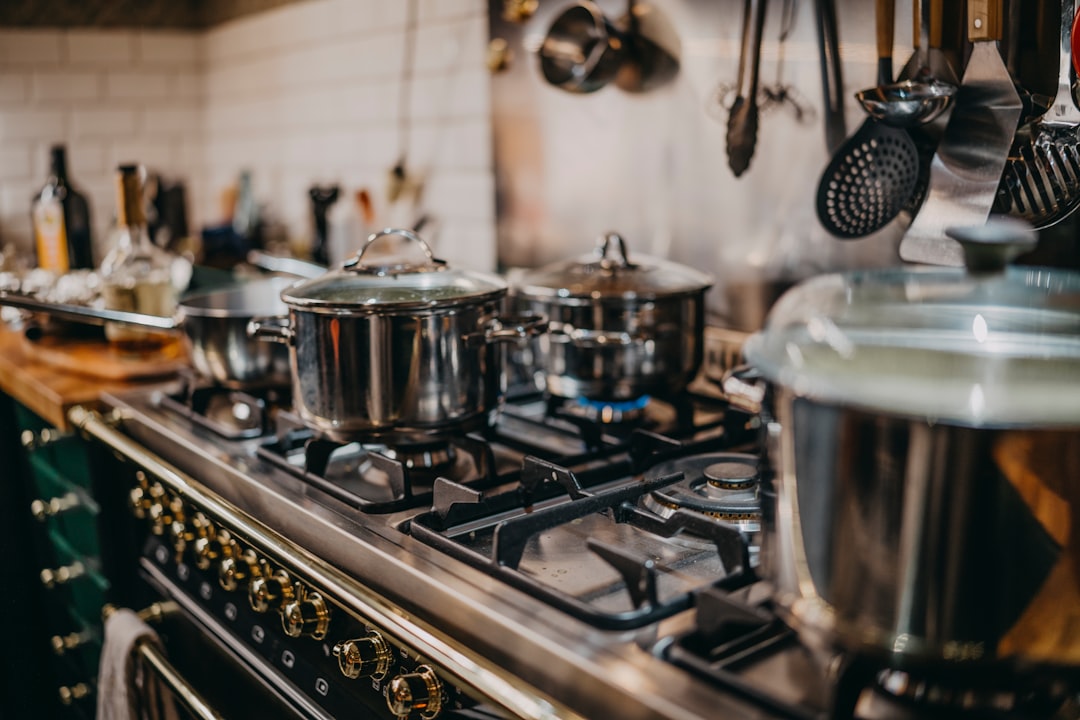
If you’ve ever made soup from scratch, you know the dance. You cook your vegetables until they’re tender, then you have to transfer that hot, messy mixture into a countertop blender in batches, blend each one, and pour it back into the pot. It takes forever, it splatters everywhere, and there’s always that terrifying moment when you overfill the blender and hot liquid shoots out the top. I have a burn scar on my wrist from exactly this scenario.
An immersion blender — also called a hand blender or stick blender — eliminates the entire dangerous transfer. You stick it right into the pot and blend in place. Soups, sauces, even smoothies (blend directly in the cup). I use mine for creamy tomato soup, silky butternut squash, whipped up pesto without hauling out the food processor, and perfectly smooth gravy on Thanksgiving. It takes up a fraction of the storage space of a regular blender, most come with a whisk and chopper attachment, and cleanup is as simple as running the blade end under hot water. For more appliance recommendations that actually earn their counter space, I put together a list of affordable kitchen tools that punch way above their price.
6. Fresh Herbs That Turn to Black Slime in Three Days
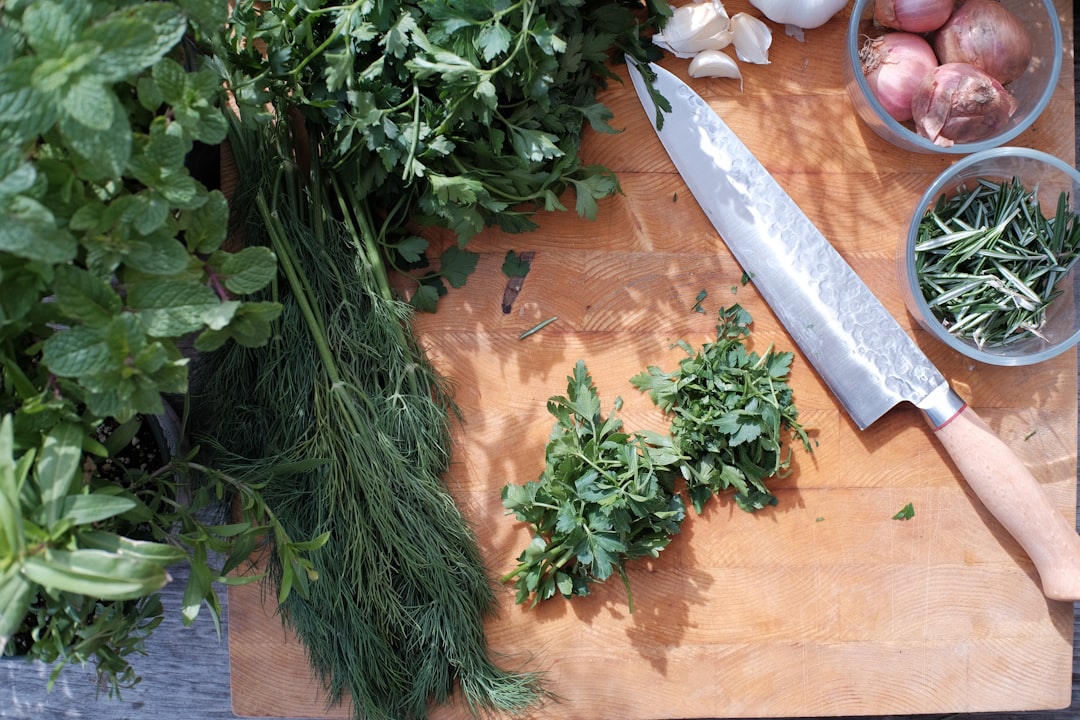
I have murdered more fresh herbs than I care to admit. I’d buy a beautiful bunch of cilantro for tacos on Tuesday, store it in the crisper drawer in its original plastic bag, and by Friday it would be a dark, slimy, slightly horrifying science experiment. Parsley, basil, thyme, chives — they all met the same fate. I was essentially throwing money into the compost bin every single week.
Then I discovered herb saver keepers — specially designed containers that keep fresh herbs viable for up to three weeks. The good ones have a water reservoir in the base that keeps the stems hydrated (like a little vase) while the vented lid prevents the trapped moisture that causes rot. My cilantro now lasts two full weeks. My parsley stays perky and green for nearly three. I even use mine for green onions and asparagus. If you’ve ever tossed out wilted herbs and felt that particular pang of guilt, this is the tool that pays for itself within a month just in herbs you stop wasting.

7. Cookies That Burn on the Bottom and Stay Raw on Top
For the longest time, I thought I was just bad at baking cookies. Every batch would come out with dark, almost-black bottoms while the tops were still pale and soft. I tried lowering the oven temperature, rotating the sheets halfway through, even switching from the middle rack to the upper third. Nothing worked consistently.
The real culprit? My old, warped, dark-colored baking sheets that created hot spots and conducted heat unevenly. The fix was twofold. First, I invested in heavy-gauge aluminum half sheet pans — the kind commercial bakeries use. They heat evenly, they don’t warp in a hot oven, and they last basically forever. Second, I lined them with silicone baking mats, which provide a nonstick surface that distributes heat more evenly than parchment paper and eliminates the burning-on-contact problem. My cookies now come out golden on the bottom and perfectly set on top every single time. I also use the sheet pans plus mats for roasting vegetables, toasting nuts, and making sheet-pan dinners. A set of commercial-grade sheet pans costs less than a single fancy baking dish, and if you’re doing a full kitchen reset, don’t miss my guide on safer cutting board swaps — another easy upgrade that makes a real difference.
8. The Measuring Cup Nightmare With Sticky Ingredients
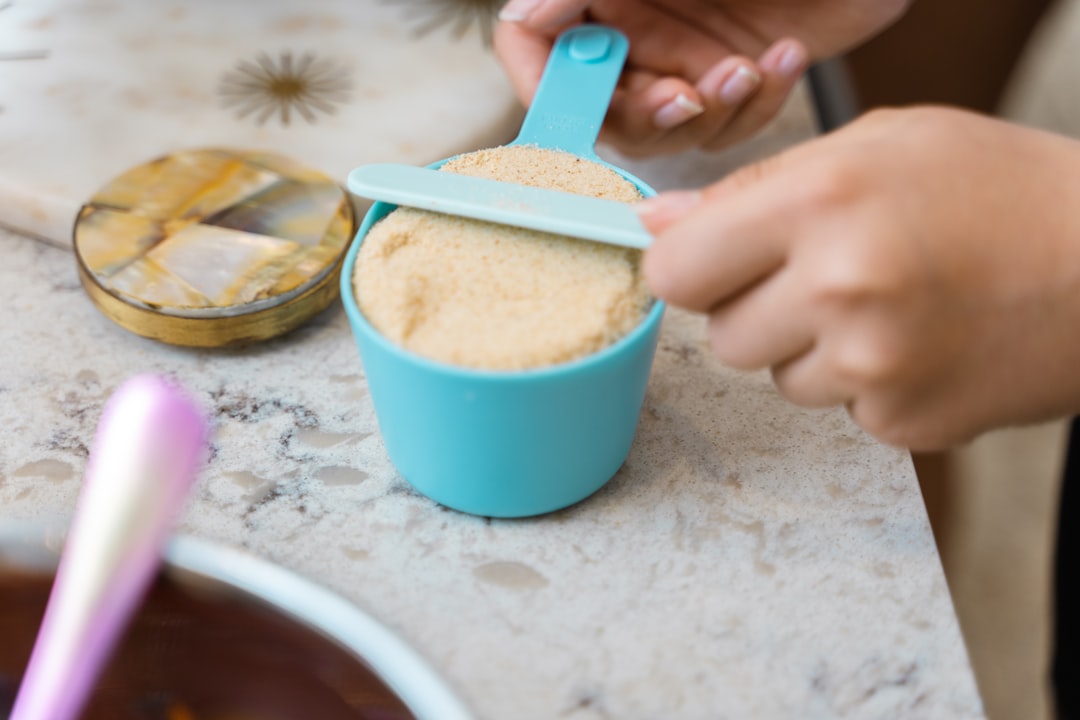
Peanut butter. Honey. Molasses. Maple syrup. These are the ingredients that make measuring a complete and utter mess. You scoop them into a measuring cup, then you spend the next five minutes scraping every last bit out with a spatula while the stuff gets all over your fingers, the counter, and somehow the inside of your wrist. And you still never get all of it — which means your recipe is off by a tablespoon or two.
Two tools changed this entirely. First, adjustable measuring cups — the kind with a plunger that pushes the ingredient out cleanly. You fill it, then push the bottom up like a syringe, and every bit of sticky ingredient slides right into your bowl. Zero waste, zero mess. Second, a good set of silicone spatulas that are actually flexible enough to scrape bowls clean. Not the stiff rubber kind — real, pliable silicone that conforms to the curve of any bowl. Between these two tools, I haven’t left a smidge of peanut butter behind in months. My baking is more accurate, my cleanup is faster, and I no longer have sticky hands every time I make cookies.
The Best Part? These Small Changes Add Up Fast
Here’s what surprised me most about this whole process: none of these tools were expensive, but every single one removed a little bit of friction from my cooking routine. And when you remove enough small frustrations, cooking stops feeling like a chore and starts feeling like a pleasure again. That’s really the whole point, isn’t it?
I think back to those evenings when I’d dread making dinner because I knew the garlic would fight me, the meat would be a guessing game, and the cleanup would take longer than the cooking. Now I walk into my kitchen and everything just… works. Not because I upgraded to professional-grade equipment or gutted my whole setup — just because I identified the specific things that made cooking harder than it needed to be and replaced them with the right tool for the job.
If you’re tolerating kitchen frustrations you don’t have to, start with the one that annoys you most. You don’t need to overhaul everything at once. Just fix one thing this week, and I promise you’ll be back for another fix next week. Your kitchen should work for you — not against you.

One thought on “8 Kitchen Frustrations I Finally Stopped Tolerating (And the One Tool That Fixed Each)”