I need to confess something embarrassing. For years, I rolled my eyes at sous vide. There, I said it. The whole concept — sealing food in plastic bags and floating it in a water bath like some kind of culinary science experiment — felt pretentious, unnecessary, and honestly a little silly. My grandmother would have laughed me out of the kitchen.
But then my sister brought her immersion circulator to our annual Fourth of July cookout last summer, and I watched her pull the most absurdly perfect steaks off a grill that had previously only produced hockey pucks and charcoal. My husband looked at me with that knowing grin, and I knew I’d be eating crow for dinner — metaphorically, anyway. The actual dinner was the best ribeye I’d ever had in my life.
Within a week, I owned one. Within a month, it lived on my counter permanently. And now, almost a year later, I’m that annoying person who won’t stop talking about it. So let me save you the skepticism phase and walk you through exactly what changed my mind — and which sous vide cookers are actually worth your counter space.
What Sous Vide Actually Does (In Plain English)
Forget the fancy French name for a second. Sous vide means “under vacuum,” and the concept is beautifully simple: you seal your food in a bag, drop it in a pot of water, and a small device called an immersion circulator heats that water to a precise temperature and keeps it there. The food cooks gently, evenly, and — here’s the magic — it’s literally impossible to overcook.
Think about cooking a chicken breast on the stovetop. You’re racing against time, hoping the center is done before the outside turns into shoe leather. With sous vide, you set it to 165°F, walk away for an hour or two, and every single bite comes out exactly 165°F from edge to edge. No guessing. No poking. No anxiety.
Then you give it a quick sear in a cast iron skillet for that gorgeous crust, and you’ve got restaurant-quality protein in your own kitchen. My twelve-year-old nephew made perfect medium-rare steak his very first try. My twelve-year-old nephew.
The Five Meals That Made Me a Believer
1. The “I Can’t Believe This Is Chicken” Breast
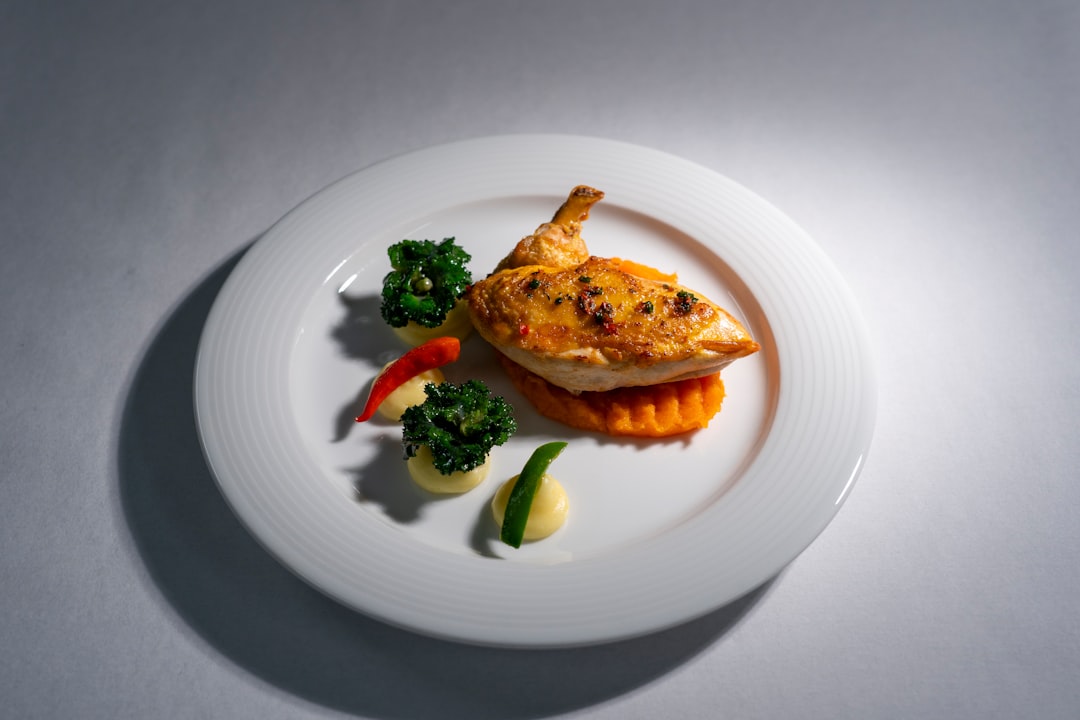
I know, I know — chicken breasts are boring. That’s exactly my point. The first thing I cooked sous vide was a plain boneless chicken breast, seasoned with nothing more than salt, pepper, and a sprig of thyme. Set it to 150°F for an hour and a half. When I opened that bag, the juices were still inside the meat where they belonged instead of swimming around the pan. Every slice was juicy, tender, and actually had flavor. I’m not exaggerating when I say it was the best chicken breast I’d ever cooked in twenty-plus years in the kitchen. Now I meal-prep a dozen at a time using reusable silicone bags and my family thinks I’ve taken a cooking class.
2. Pork Chops That Don’t Taste Like Punishment
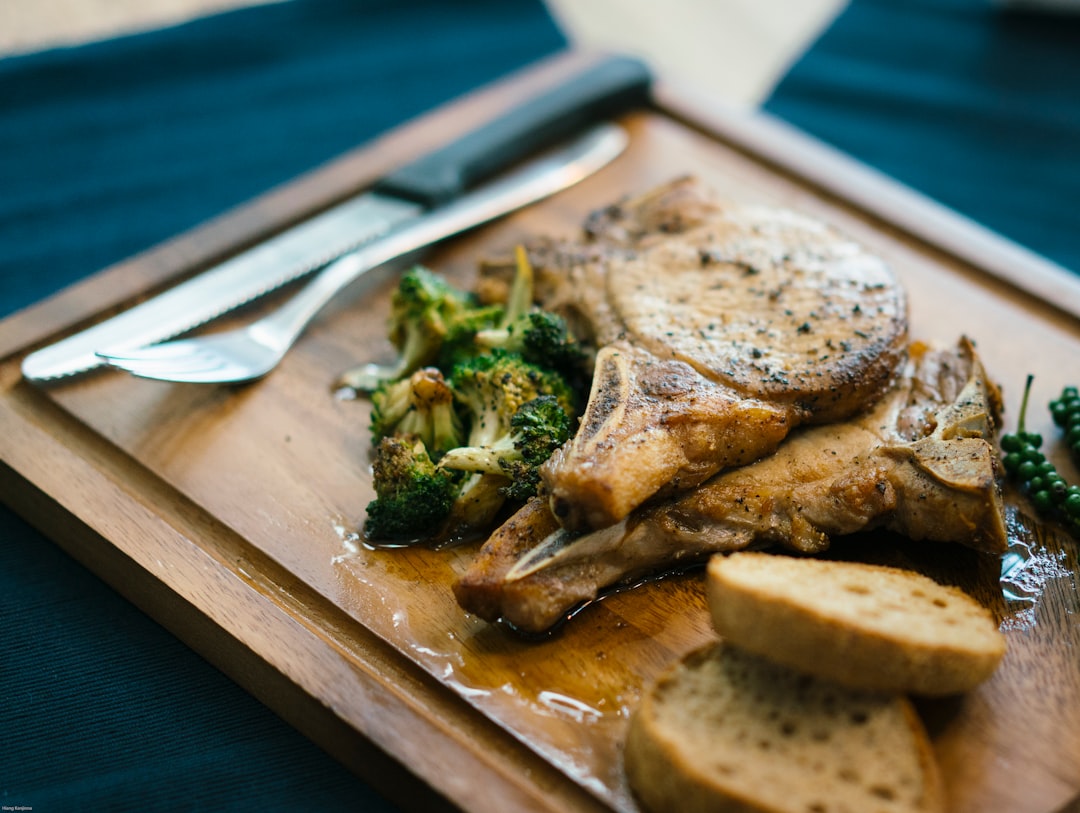
Here’s a hot take: most home cooks ruin pork chops. We’ve been so conditioned to fear trichinosis (which has been virtually eliminated in commercial pork since the 1990s, by the way) that we cook them to 180°F and wonder why they taste like the kitchen sponge. I cook my pork chops at 140°F for two hours, finish them with a butter baste in the skillet, and they come out blushing pink in the center with a caramelized exterior that makes my husband actually excited about pork night. A good dry rub before sealing takes them over the top.
3. Eggs That Feel Like Cheating
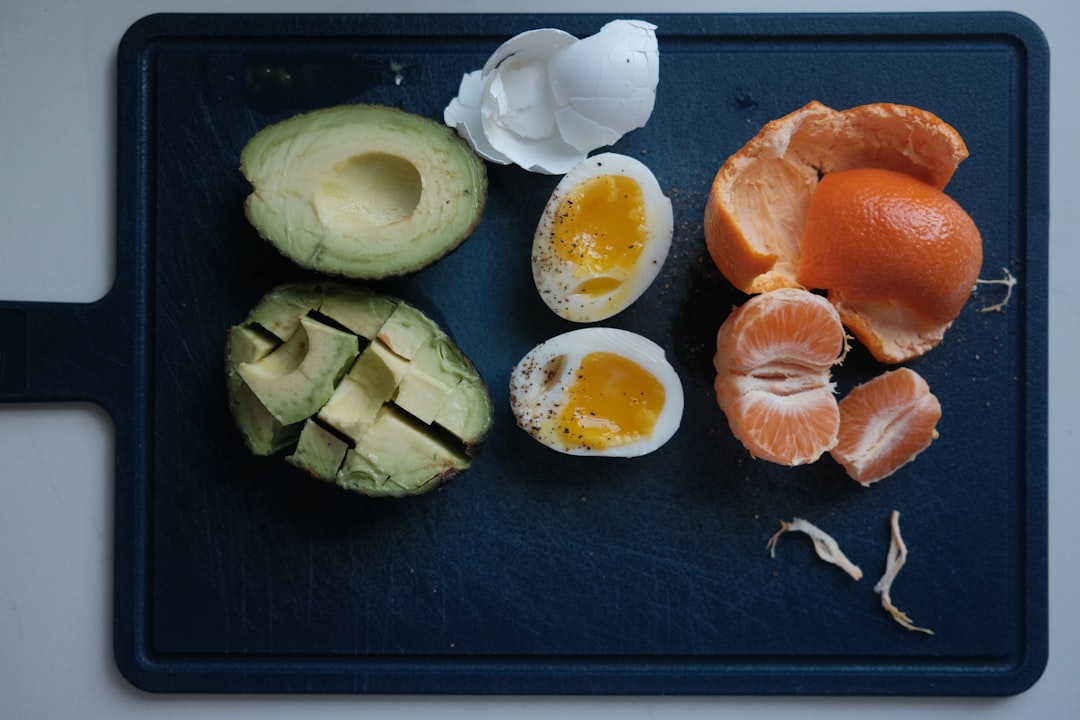
This one sounds silly, but hear me out. Soft-boiled eggs cooked at exactly 167°F for 13 minutes come out with a white that’s barely set and a yolk so silky it should be illegal. I pop them onto toast with some avocado and flaky salt, and suddenly my Tuesday breakfast looks like it came from a café that charges $22 for avocado toast. The precision is what gets me — every single egg turns out exactly the same. No more guessing if the water’s boiling hard enough or timing it wrong by thirty seconds and ending up with chalky centers.
4. Salmon That Would Make a Pacific Northwest Chef Weep
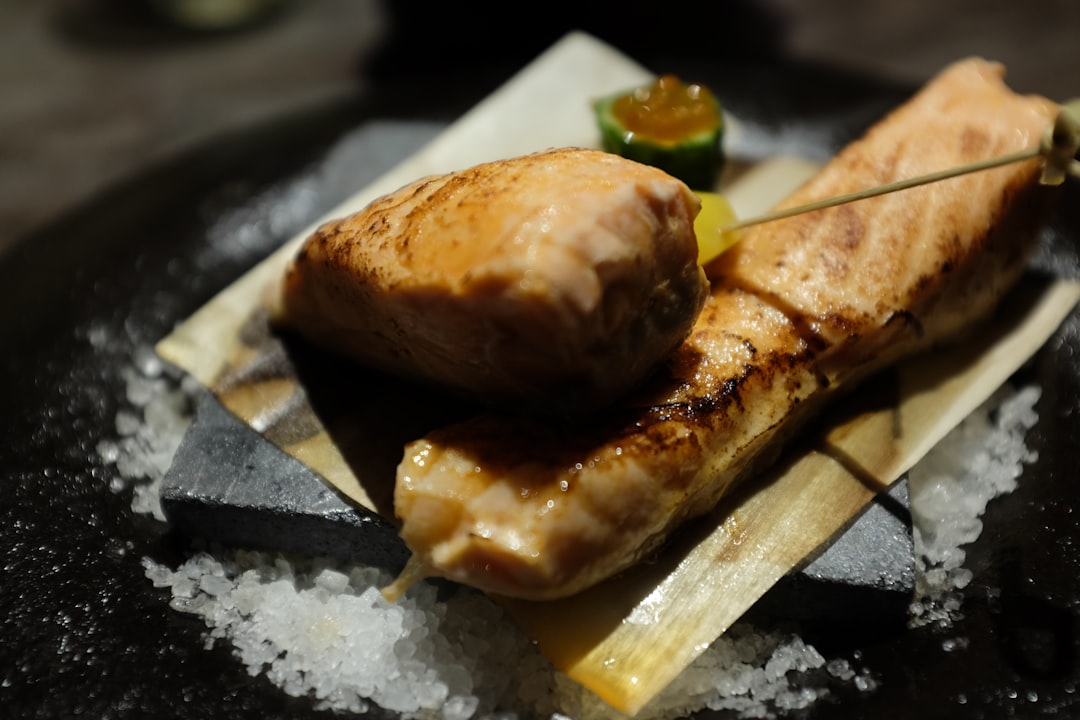
If you’ve ever struggled with salmon — and if you’re human, you have — sous vide is the answer you’ve been looking for. I cook filets at 125°F for 45 minutes, then sear the skin side in a hot pan for exactly 90 seconds. The result is a translucent, buttery, melt-in-your-mouth piece of fish that’s cooked to the exact same doneness from one end to the other. No more dry edges and raw centers. I served this to my mother-in-law, a woman who has never complimented my cooking in fifteen years, and she asked for seconds. I nearly fell out of my chair. A quality salmon seasoning makes it even better.
5. The Make-Ahead Dinner Party Hero: Short Ribs
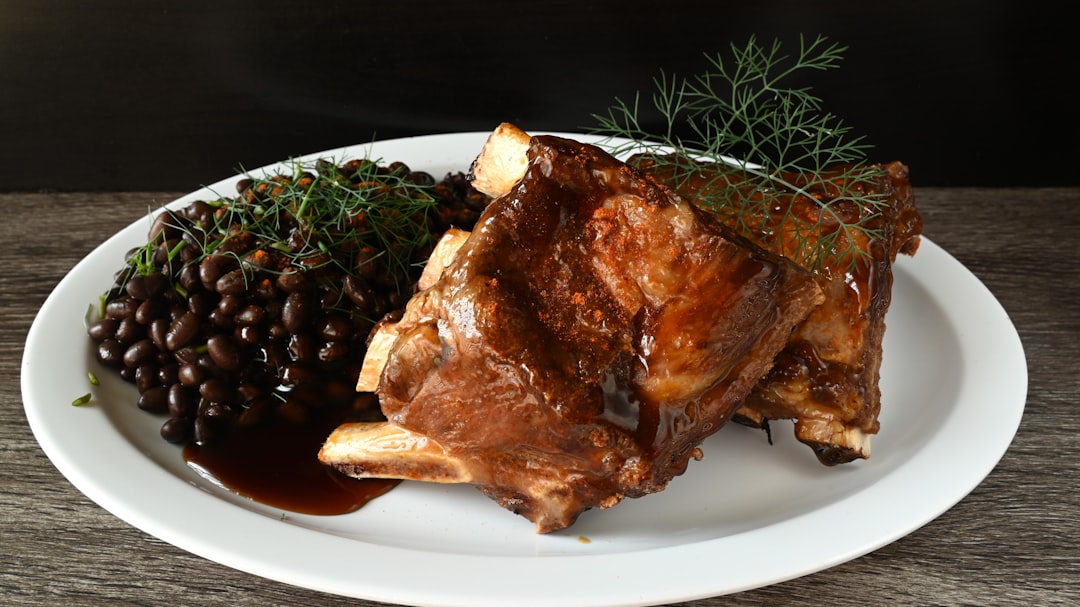
This is where sous vide earned its permanent counter spot. I can cook beef short ribs at 165°F for a full 24 hours — yes, overnight — and they emerge so tender that the bone slides out clean with zero effort. The connective tissue breaks down into pure gelatin while the meat stays beautifully intact. I can do this two days before a dinner party, chill everything in the bag, and just reheat and sear when guests arrive. It’s the ultimate “I totally just whipped this up” flex. I pair them with perfectly smooth mashed potatoes and everyone thinks I spent all day in the kitchen.
Which Sous Vide Cooker Should You Actually Buy?
After testing four different models over the past year (my kitchen doubles as a very enthusiastic testing lab), I have strong opinions. Here’s what matters: heating power, temperature accuracy, noise level, and whether the app is useful or just annoying. Much like when I was deciding which food processor earned its counter space, the answer depends on how often you actually cook.
The Entry-Level Champion: If you’re just dipping your toes in the sous vide waters, start with a budget-friendly immersion circulator under $100. The technology has gotten so good across the board that even entry-level models maintain temperature within a single degree. You don’t need Bluetooth. You don’t need Wi-Fi. You need a device that heats water accurately and has a clear display. Period.
The Sweet Spot: This is where most home cooks should land. A mid-range sous vide circulator in the $100-$200 range gives you faster heating, quieter operation, and an app that actually helps with timing and temperature recommendations. I currently use one in this range, and the app’s visual doneness guide for different meats has saved me from more than one Google rabbit hole at 6 AM when I’m prepping dinner before work.
The “I’m All In” Option: If you cook sous vide multiple times a week (and you might, once you start), a premium immersion circulator with dual sensors and a more powerful heating element handles larger volumes and maintains temperature more consistently during long cooks. Worth it if you’re doing those 24-hour short ribs regularly or cooking for a crowd.
The Accessories You’ll Actually Use (And the Ones You Won’t)
The beauty of sous vide is that you don’t need much to get started. A pot, some bags, and your circulator. But after a year of daily use, I’ve found a few extras that genuinely improve the experience. This fits right into my philosophy of only keeping multi-tasking tools that earn their counter space.
Must-have: A dedicated container with a fitted lid is a game-changer. Using your stockpot works fine, but a container with a cutout for the circulator means less evaporation during long cooks and a more stable setup. Mine lives next to my stand mixer and I don’t even try to hide it anymore.
Nice-to-have: A vacuum sealer isn’t strictly necessary — the water displacement method with zip-top bags works great — but for longer cooks and meal prep, it’s convenient. I use mine mostly for freezing marinated proteins that I can drop straight into the water bath from frozen.
Skip it: Those fancy sous vide racks and organization systems. Your food floats in a bag. It doesn’t need a special holder. Save your money for better ingredients.
Tips I Wish Someone Had Told Me on Day One
First, always pat your protein completely dry before searing. The surface moisture is the enemy of a good crust, and after sitting in a bag of juices, there’s a lot of it. Paper towels are your best friend here. If you’ve read my piece on why a digital scale changed my kitchen, you know I’m all about precision — and drying your meat thoroughly is precision cooking 101.
Second, don’t skip the ice bath if you’re cooking ahead. Plunging your sealed bag into ice water immediately after the cook stops the cooking process instantly and keeps your food at peak quality for days in the fridge.
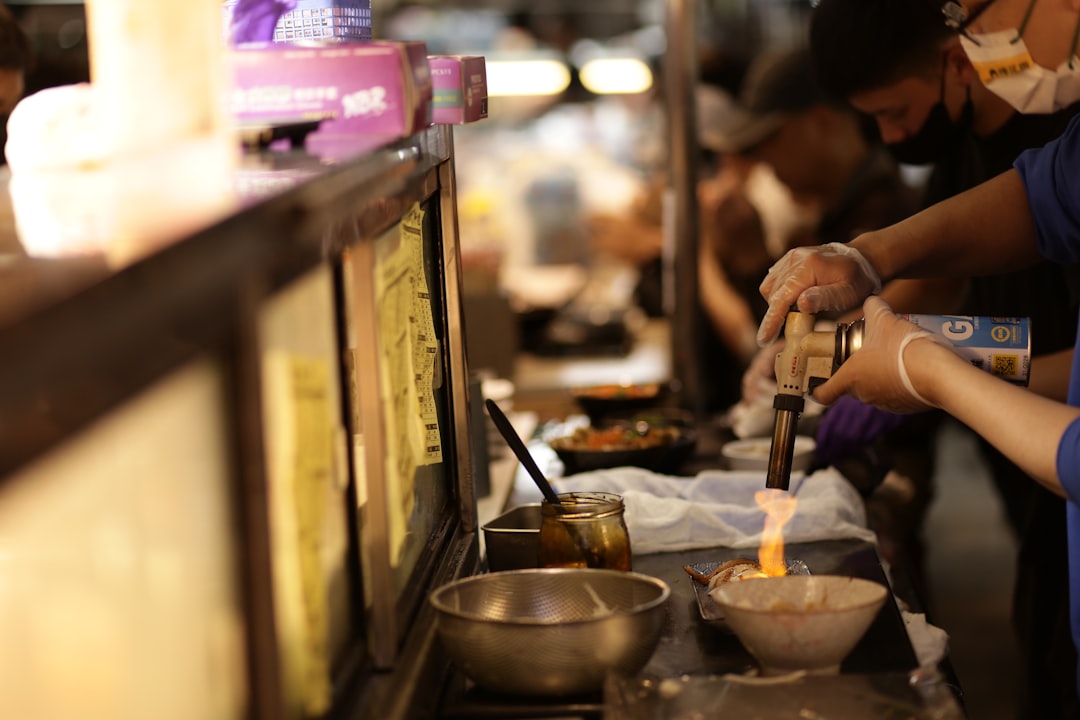
Third, a kitchen torch isn’t just for crème brûlée. I use mine to finish sous vide fish and thinner cuts where a pan sear would risk overcooking the interior you just worked so hard to perfect. Thirty seconds with a torch and you’ve got a beautiful Maillard reaction without any of the anxiety.
Fourth, season generously but go easy on the salt. The sealed environment means flavors concentrate, and what seems like the right amount of salt on raw meat can taste much saltier after an hour in the bag. I typically use about three-quarters of what I’d normally apply.
Why I’m Not Going Back
Here’s what surprises me most about sous vide: it hasn’t replaced my other cooking methods — it’s made me better at all of them. Understanding exactly what temperature does to different proteins has made me a more confident stovetop cook, a better griller, and way more relaxed about entertaining. I know that if the main course is cooking sous vide, I can focus my energy on the sides, the sauce, and actually enjoying my guests instead of hovering over a pan with a meat thermometer.
Last weekend, I had eight people over for dinner. The lamb chops were finishing their two-hour sous vide bath while I sat on the porch with a glass of wine and my friends. Ten minutes before serving, I seared them in batches, tossed together a quick salad, and dinner was on the table. My guests thought I was some kind of culinary wizard. I didn’t correct them.
If you’ve been on the fence, consider this your official push. Grab a sous vide starter kit, cook a chicken breast, and prepare to have your mind quietly but thoroughly blown. Your kitchen confidence is about to go through the roof — and your dinner guests are going to start inviting themselves over a lot more often.