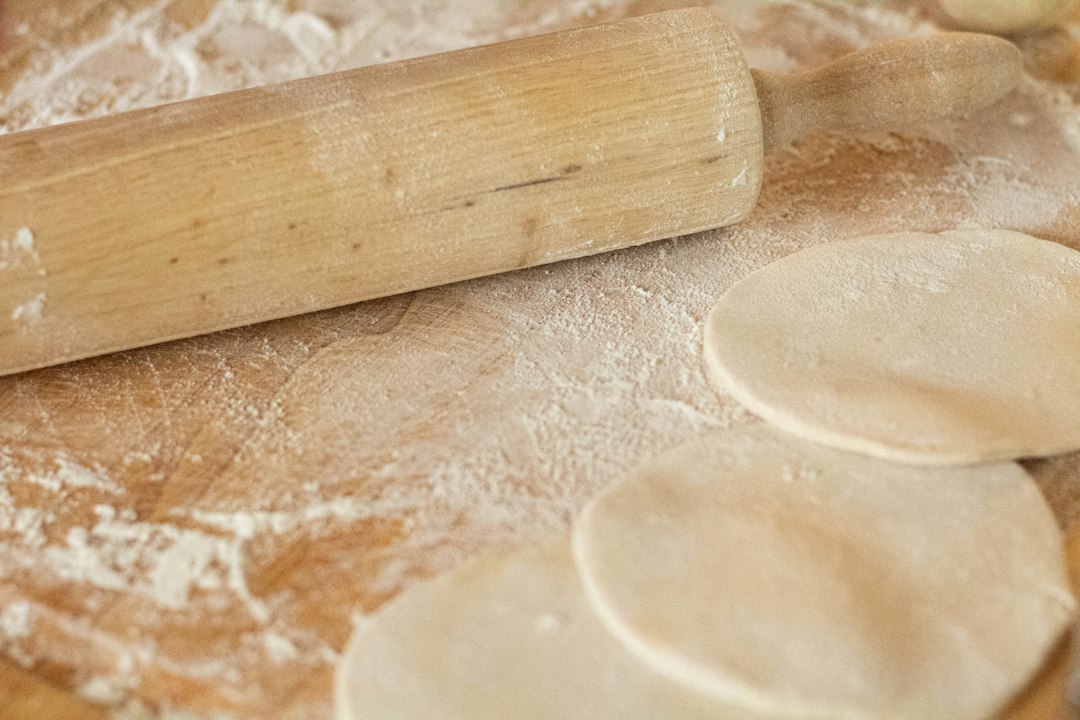
My grandmother kept her rolling pin on a pegboard by the back door, right between the apple picker and the cast-iron skillet that outlived two stoves. It was maple, dark as pecan pie by the time I came along, and it had a worn spot in the middle where forty years of dough had passed under her hands. Nobody in my family ever bought a rolling pin. You inherited one, or you married into one, or you stood next to somebody who had one and made do.
So it surprised even me when, last week, my team and I cleared the test kitchen counter and ran nine different rolling pins through two days of sugar cookie, pie crust, and gingerbread dough. Cookie season starts the second week of October in my house — the same week the hand mixer got its own bake-off last year — and I wanted to walk into it knowing exactly which pin deserves the flour. Because here is the truth nobody puts on the box: the rolling pin touches every dough you will make between now and January. It deserves more thought than we give it.
Thickness Is a Recipe, Not a Vibe
The first thing I tell any new baker in my kitchen is that dough thickness is an ingredient. A quarter-inch sugar cookie and a three-eighths-inch sugar cookie are two entirely different cookies — one shatters, one bends, one burns at eleven minutes, one needs fourteen. When my team rolled the same batch of dough to three different thicknesses and baked them side by side, the thin sheet scorched at the edges while the middle row stayed pale and doughy. Same oven. Same dough. Same afternoon. The only variable was the pin and the hands behind it.
That is the whole argument for caring about this tool. An oven can only bake what you give it, and what you give it is determined by what happens between the pin and the board. Everything else — the cutters, the sprinkles, the frosting bags — is decoration. The pin is structural.
The Tapered Pin That Rewired My Hands
I grew up on straight-handled pins, the kind my aunts swore by, so culinary school was the first place anyone put a tapered French pin in my hands. It is a simple thing: a smooth wooden cylinder, no handles at all, narrower at both ends like a very lazy spindle. For the first week I hated it. By the second week I understood that my palms were steering the dough instead of my shoulders, pivoting and stretching pie crust the way you would press playdough flat as a child, only with precision.
The taper lets you feel the dough. You can tell from the resistance when one side is thicker, and you correct it with a slight lean of the wrist instead of rolling the whole pin flat across the counter. Pastry chefs reach for tapered pins because pie dough responds to them. Our testing backed it up — the tapered maple pin like the ones turned out by Vermont woodworkers for generations rolled the most even crusts of anything we tried, and it doubled beautifully on cookie dough once we stopped pressing so hard. If you bake a lot of pie, this is your pin.
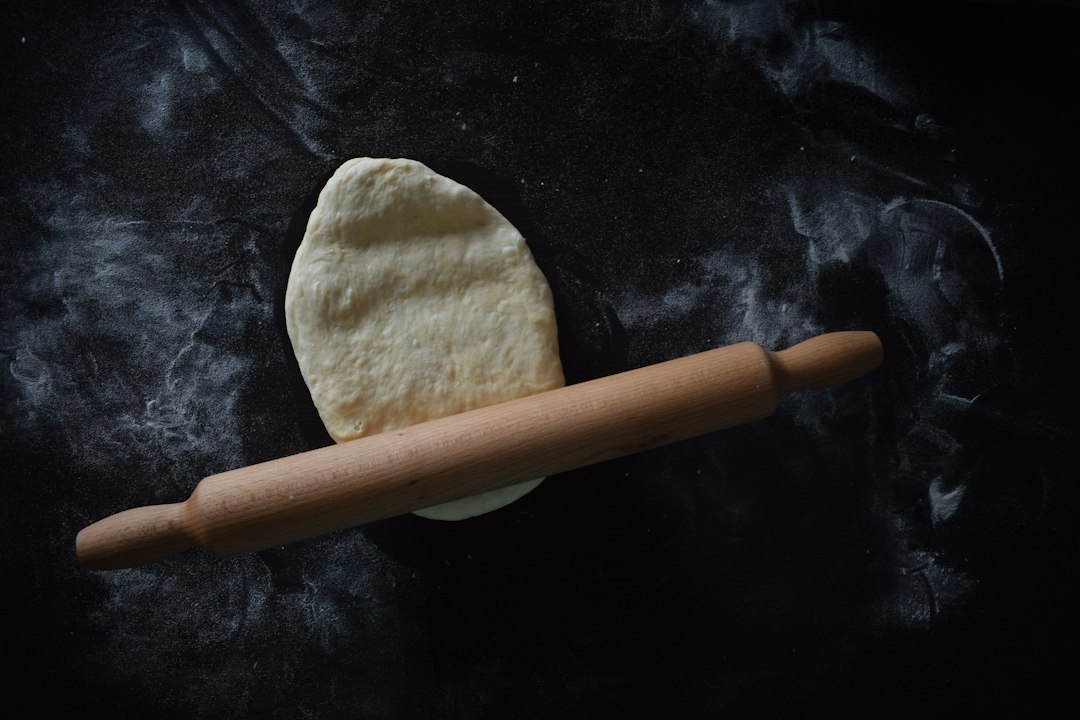
Straight-Sided and Stubborn: The Classic American Workhorse
Now, before my aunts rise up in defense of family tradition — the classic American pin is not wrong. It is a straight barrel with a handle through the middle and a ball-bearing mount at each end, which means the barrel spins while your hands stay still. For stiff gingerbread dough and big batches of cut-out cookies, that mechanical advantage matters. My shoulders know the difference after two hundred Christmas cookies.
It is also the pin I hand to children. The handles give small hands something to grip, and the barrel rolls predictably in a straight line. When my youngest niece visits in December, she gets the ball-bearing pin and the low counter, and her cookies come out lopsided and beloved. The handled pin most of us grew up watching our mothers use is still the friendliest pin in the drawer, and the maple ones last long enough to become somebody’s inheritance.
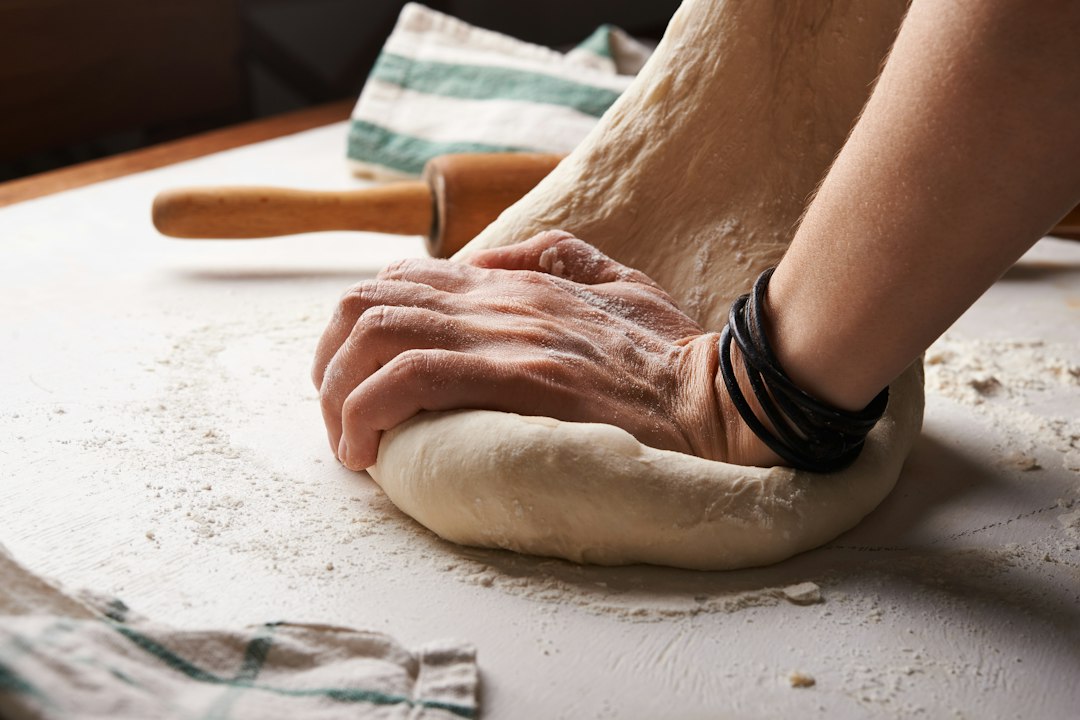
Cold Hands, Colder Marble
Every October I restock my pie kit before apple season, and every year I reconsider whether a marble pin belongs in it. Marble holds cold the way a cast-iron skillet holds heat. Park it in the refrigerator for an hour and it keeps butter firm through a full laminating session, which is exactly what flaky pastry demands. My team’s pie day confirmed it — dough rolled on the chilled marble pin stayed workable a good ten minutes longer than dough under wood.
The tradeoffs are real, though. Marble is heavy enough that a long cookie session becomes an upper-body workout, and it will chip the first time you drop it on tile. A marble pin with its own wooden cradle solves the storage problem, but it is a pie-and-pastry pin, not an all-rounder. If you want the cold advantage without the weight, a seamless steel pin chills in the fridge in fifteen minutes, rolls clean, and shrugs off dishwater in a way wood never will. My mother-in-law has rolled nothing but steel for thirty years, and her shortbread is proof enough for me.
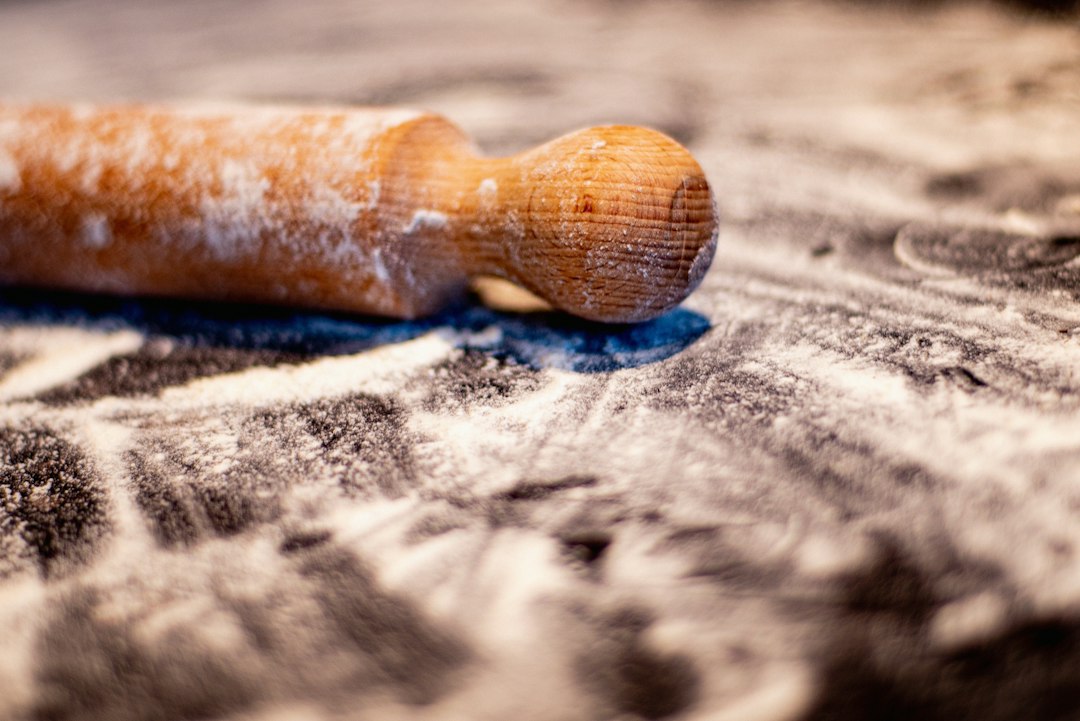
Rings on a Pin: Training Wheels I Refuse to Apologize For
Here is where I lose the purists, and I am at peace with it. The adjustable pin — a straight pin with removable silicone rings on the ends — is the single greatest thickness equalizer ever sold for under thirty dollars. Slip on the quarter-inch rings and the pin physically cannot roll the dough thinner. Every cookie on the sheet bakes at the same rate. Every gingerbread wall stands the same height. My team called it the “no-excuses pin,” and the newest baker among us produced a flawless batch of cut-outs on her first try.
The sets that ship with a whole nest of rings, from two millimeters up to ten, cover everything from delicate springerle to chunky slab pie. An adjustable pin with a graduated set of rings is also my standing gift for new bakers, right alongside a good scale. Is it cheating? My grandmother would have said so, and then she would have quietly borrowed it for the church cookie exchange.
The Patterned Pin That Makes Strangers Think You’re Gifted
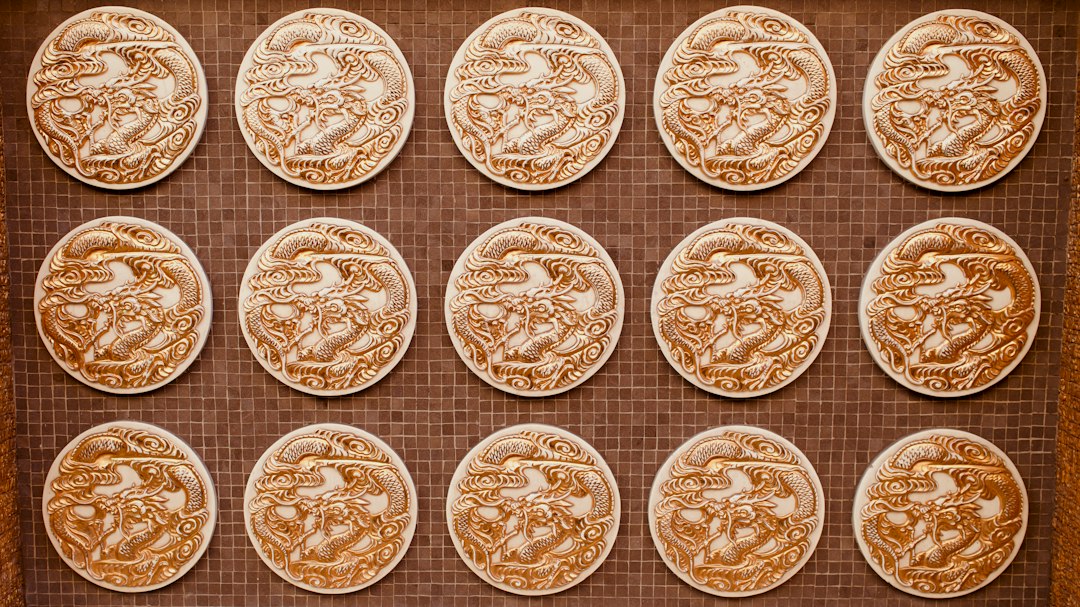
Two winters ago, a friend brought me an embossed pin back from a trip — carved with winter scenes along the barrel, made in a Polish workshop where they have been engraving pins since before my grandmother was born. You roll it over the dough once, and every cookie carries the pattern. No piping bags. No royal icing disasters. Just deep-pressed snowflakes and pine boughs, ready for a flick of luster dust or a brush of egg wash.
The team’s verdict after a testing afternoon: the deep-carved designs transfer cleanly into a firm, chilled dough, and the effect on a platter is out of all proportion to the effort. If you are the one who gets asked to bring the cookie table every single year, an engraved pattern pin will do half your decorating before the icing bowls even come out. Pair it with a plain pin for the everyday work — one decorated, one honest, side by side in the drawer.
The Supporting Cast on the Bench
A pin works best with a small entourage. First, a surface: a silicone pastry mat printed with measurement rings gives you a nonstick rolling zone and a built-in gauge for circle size — my counter has worn the same one through three cookie seasons. For those who learned from grandmothers instead of catalogs, a cotton pastry cloth with its stretchy knit cover is the old-school pairing, dusted with flour so dough never once thinks about sticking to the pin itself.
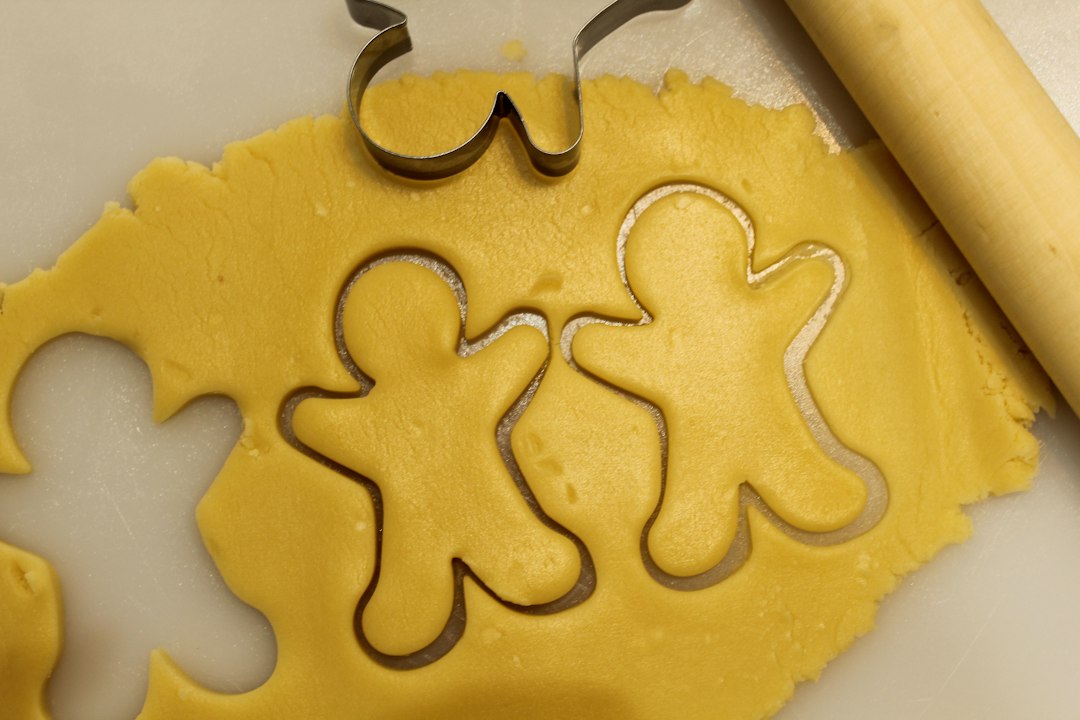
Then the portioning. If your cookies vary from golf ball to shooter marble, no pin on earth will save the batch. A nesting set of three cookie scoops keeps every ball identical, and identical dough balls are what make a pin’s even thickness actually visible on the sheet. Last, the shapes: a big tin of cutters earns its cabinet space every October through December, and the tin itself becomes part of the family lore. All of it lives together in my baking cabinet, which I rearranged for exactly this season during last month’s great September reset.
Never the Dishwasher, Ever
Wooden pins ask for almost nothing, and we repay them by ignoring the one rule. Never submerge a wooden pin, and never — never — run it through the dishwasher. Hot water and soap strip the wood, raise the grain, and loosen ball-bearing mounts. Wipe the barrel with a damp cloth, dry it immediately, and if the surface ever feels fuzzy or draggy, a light sanding with fine grit followed by a rub of food-safe mineral oil brings it right back. My grandmother’s pin got oiled every fall whether it needed it or not, the same week the heat came on.
Marble and steel are simpler — warm water, a wipe, done. But check the marble for hairline cracks each season, because a chipped pin will happily shave white dust into your dough. Ask me how I know.
So Which Pin Earns the Flour?
If you bake more than four batches a season and pie shows up on your calendar, buy the tapered maple pin and learn its ways — it is the one that will still be rolling when your grandchildren fight over it. If your October through December is wall-to-wall cut-out cookies, the ball-bearing classic or a ringed adjustable pin will carry the load, and the rings will make a new baker out of whoever shares your kitchen. Marble belongs to the pie people, steel belongs to the shortbread loyalists, and an embossed pin belongs to whoever always ends up hosting.
My grandmother’s maple pin hangs on my pegboard now, worn spot and all. I have rolled with it every season since she hung up her apron, and someday it will hang in somebody else’s kitchen with my worn spot next to hers. Buy the pin you can imagine saying that about. The cookies will taste the difference, and so will the people who inherit the drawer.