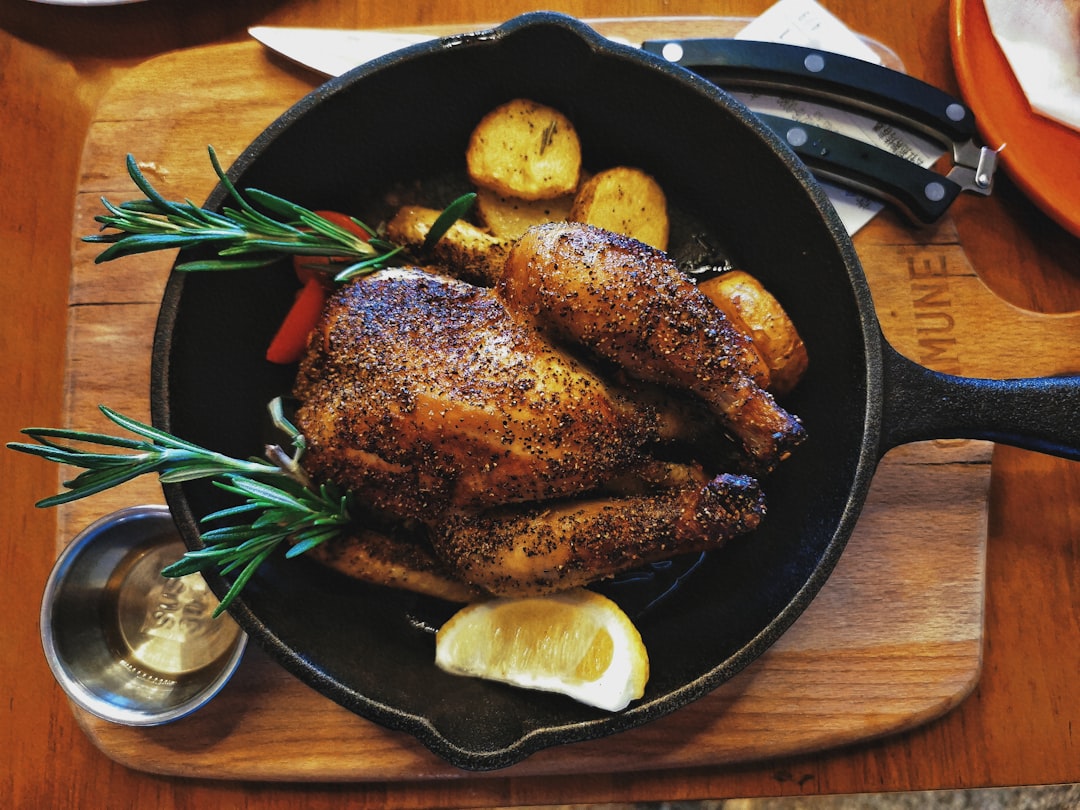
My grandmother could press a palm against a roasting chicken and tell you — with eerie precision — whether it was five minutes from done or twenty. She’d poke a steak with one finger, tilt her head, and pull it off the fire at the exact second the interior hit medium-rare. I spent eighteen years watching her do this, and for a long time, I thought that was the goal: develop the instinct, trust the instinct, cook like the women who raised me.
Here’s what nobody tells you about instinct: it’s wrong roughly one out of every four times. And the one time it fails you spectacularly will be Christmas Eve with twenty people watching.
I learned this the hard way with a $90 prime rib that I served as a very expensive piece of shoe leather. That was the day I swallowed my pride, bought a digital thermometer, and discovered that the single most transformative tool in my kitchen cost less than a bag of decent coffee. In the years since, I’ve tested dozens of thermometers — instant-reads, leave-ins, wireless probes, infrared guns, the ones that sync to your phone and the ones that just have a little screen and a stubborn attitude. What follows is everything I’ve learned about which ones matter, which ones don’t, and why this is the category of kitchen gear I nag every single person about.
The Number That Changes Everything

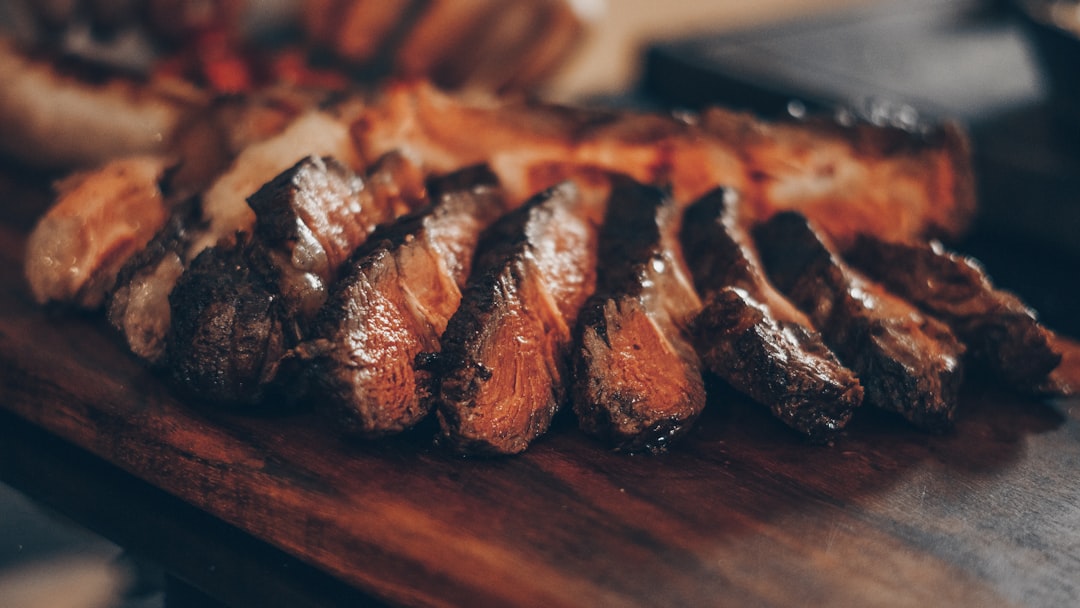
Let me get the science out of the way quickly, because it matters more than you think. Food safety and food quality are both functions of internal temperature, not time. The USDA publishes temperature guidelines for a reason — chicken breasts hit safe doneness at 165°F, ground meat at 160°F, whole cuts of pork and beef at 145°F with a rest period. But here’s what those numbers don’t tell you: the difference between a juicy 150°F pork chop and a desiccated 165°F pork chop is about ninety seconds on a hot pan. That’s it. One minute and change between “this is the best pork chop I’ve ever made” and “did you leave this in the dryer?”
If you’ve ever wondered why restaurant steaks taste better than the ones you make at home, it’s probably not the seasoning or the butter or the fancy pan. It’s because the line cook has a thermometer in their apron pocket and they pull the meat at the right moment, every single time. They’re not guessing. They’re not pressing the meat with their thumb and interpreting firmness like some kind of culinary palm reader. They’re reading a number.
Once I started thinking in numbers instead of vibes, my cooking improved more in three months than it had in the previous ten years. Not because I became more skilled — I just stopped being wrong.
Instant-Read Thermometers: The One You Need First
An instant-read thermometer is exactly what it sounds like: you poke it into the thickest part of whatever you’re cooking, and within one to three seconds, it gives you a temperature reading. You don’t leave it in during cooking. It’s a check-in tool — the culinary equivalent of glancing at your watch.
The gold standard in this category is the ThermoWorks Thermapen ONE, and I’m going to be honest with you: it costs over a hundred dollars, and it’s worth every penny. I bought mine four years ago, and it has lived in my apron pocket every single day since. It reads in under one second. It’s accurate to within half a degree. The probe is thin enough that it barely leaves a mark in delicate fish or pastry. It auto-rotates so you can read it from any angle. And it has survived being dropped into sink water, dropped onto a tile floor, and once — memorably — dropped into a vat of frying oil. If you cook a lot, this is the one.
But here’s the thing I love most about this category: you don’t have to spend Thermapen money to get a genuinely good tool. The Lavatools Javelin Pro Duo reads in two to three seconds, is accurate to within about a degree, and costs roughly thirty dollars. I keep one in my camper kitchen and another in the drawer at my mother’s house, and they’ve been chugging along faithfully for years. For most home cooks — people who roast a chicken on Sunday, grill on Saturday, and want to check the temperature of reheated leftovers on Wednesday — this is all the thermometer you need.
The ThermoPro Lightning sits in the middle of that range at around fifty bucks and adds a couple of features I genuinely like: a backlight for grilling after dark and a slightly more rugged housing. It’s a solid choice if you spend a lot of time outdoors. And if you’re looking for something even more budget-friendly, the ThermoWorks Sizzle is a newer entry that brings real accuracy at a price point that makes it a no-brainer stocking stuffer.
Wireless Leave-In Thermometers: Set It and Forget It (Sort Of)
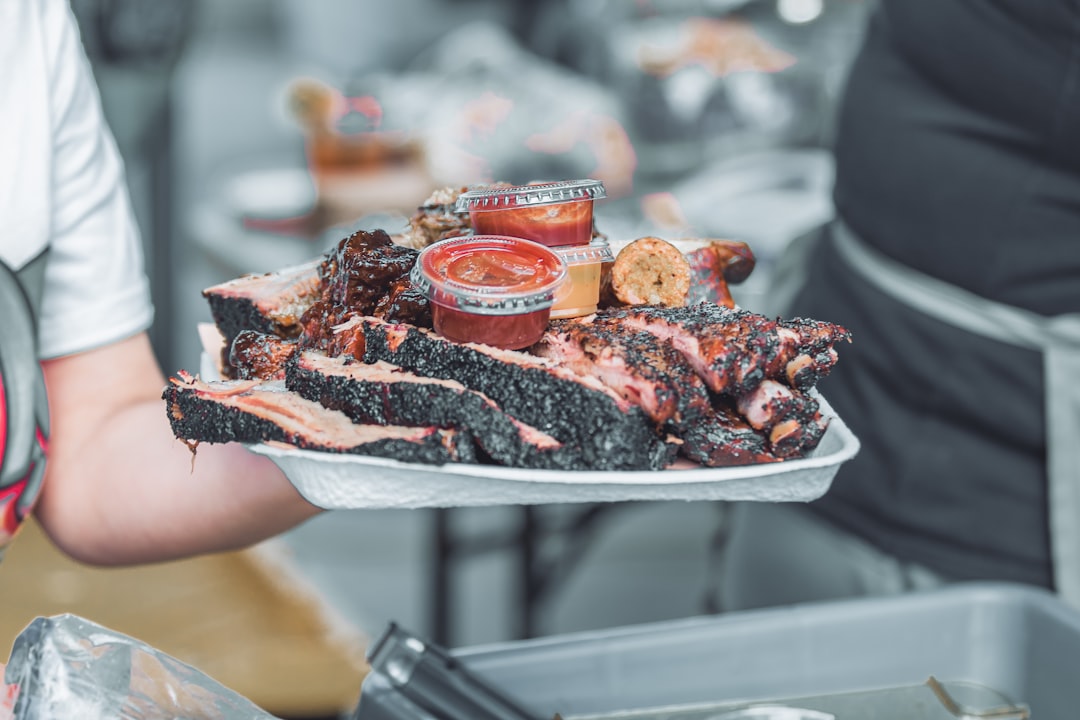
Instant-read thermometers answer a specific question: “Is it done right now?” Wireless leave-in thermometers answer a different question: “When will it be done, and can I stop babysitting this thing?” These are probes that stay inside the meat while it cooks, transmitting temperature data to your phone or a separate display. If you’ve ever stood in front of a smoker for six hours obsessively checking a brisket, you understand the appeal.
The MEATER Plus is the one that gets all the attention, and after using it through an entire summer of smoking and grilling, I understand why. It’s a single wireless probe — no wires, no dangling cables — that pairs with an app on your phone. You insert it into the meat, set your target temperature, and the app walks you through estimated cook time, ambient temperature, and resting recommendations. It’s genuinely delightful for long, slow cooks where you’d otherwise be chained to the grill.
What I appreciate about the MEATER is that it tracks both the internal meat temperature and the ambient cooker temperature, which means it can actually adjust its time estimate if your grill runs hotter or cooler than expected. That’s a level of intelligence that a basic wired probe simply can’t match. The range is solid — I can walk inside, pour a glass of wine, set the table, and still get alerts on my phone when the temperature hits my target zone.
If the MEATER price feels steep, the ThermoPro TempSpike offers similar wireless functionality at a lower price point, with a dual-probe design that lets you monitor two pieces of meat simultaneously. I’ve used it for big barbecues where I’m cooking chicken thighs on one side of the grill and pork shoulder on the other, and being able to track both on a single screen is a quiet luxury I didn’t know I needed.
The one caveat with all wireless probes: they require care. The internal sensors are delicate, and the probes need to be cleaned and stored properly. I killed my first MEATER block by leaving it outside in August humidity, and the bamboo charging block warped. Lesson learned. These are precision instruments, not cast iron — treat them accordingly.
Your Oven Is Lying to You
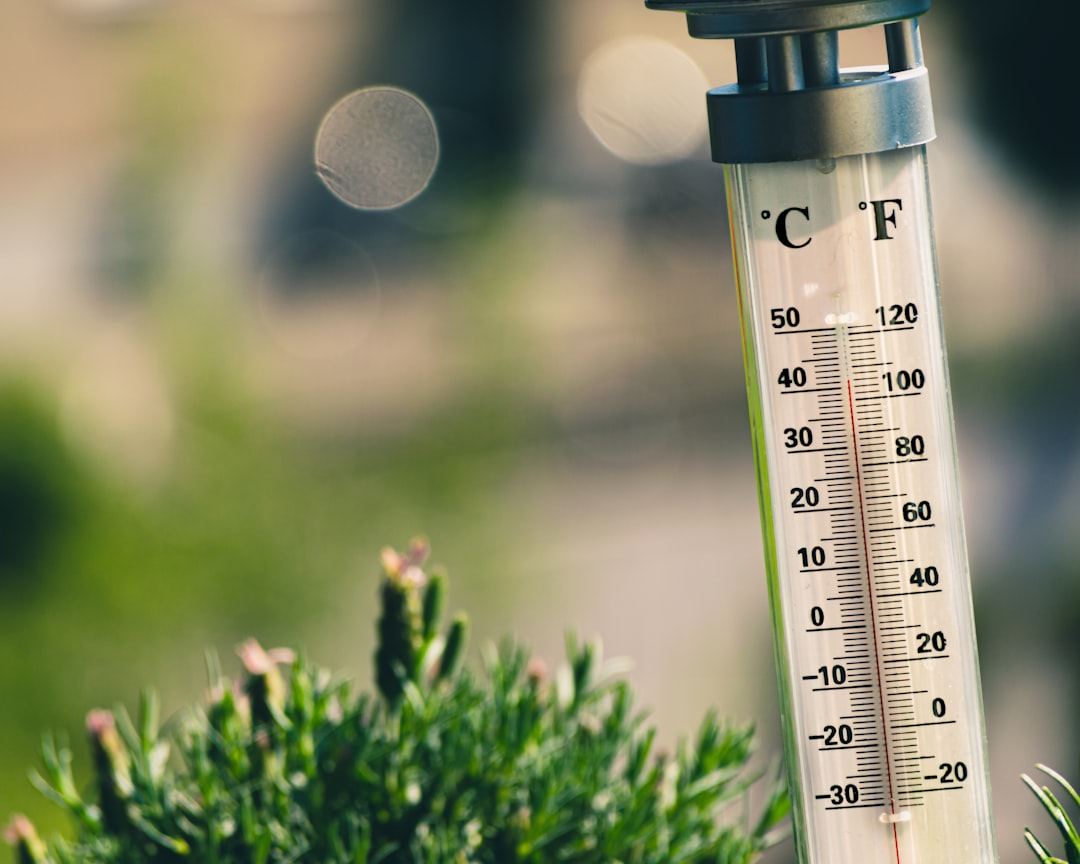
This is a hill I will die on: your oven’s built-in temperature dial is not telling you the truth. I have tested ovens in six different kitchens over the past five years — rentals, my own home, friends’ homes, a vacation cabin — and every single one was off by at least fifteen degrees. One was off by forty. Forty degrees! That’s the difference between cookies that are golden and cookies that are burned on the bottom and raw in the middle.
An oven thermometer costs about ten dollars and will fundamentally change your baking. You place it inside the oven, let it preheat, and then adjust your oven dial until the thermometer reads the temperature you actually want. That’s it. That’s the whole trick. I have one permanently stationed on the middle rack of my oven, and I check it every single time I bake.
If you bake bread — and if you don’t, you should, because there’s nothing more satisfying than pulling a crusty loaf out of your own oven — an oven thermometer is non-negotiable. As I wrote about in my deep dive on how sourdough took over my summer kitchen, the difference between a good loaf and a great one often comes down to oven temperature during the first twenty minutes. You can’t hit 450°F if your oven thinks 450°F means “somewhere in the neighborhood of 415°F.”
Specialty Thermometers for the Adventurous
Once you have an instant-read and an oven thermometer, you can cook almost anything with confidence. But if you venture into specific territory — candy making, deep frying, bread baking — there are specialized thermometers that earn their keep.
A candy and deep-fry thermometer is designed for the high-temperature range where sugar and oil live. Sugar work is unforgiving: the difference between soft ball stage (234°F) and hard ball stage (250°F) is sixteen degrees and the entire texture of your fudge. I tried making caramel with an instant-read probe for years, and it works, but a dedicated candy thermometer that clips to the side of the pot and stays there through the whole cook is infinitely less stressful. You can read the temperature without hovering.
For grilling and surface temperature checks, an infrared thermometer lets you point and shoot to get a surface reading without touching the food. I use mine primarily for pizza stones and grill grates — getting a sense of where the hot spots are on a new grill is invaluable. It’s also surprisingly useful for checking whether a cast-iron pan is properly preheated before adding food, which, as I discussed in my piece on the cast iron vs. stainless steel debate, is the single most important step in getting a good sear.
How I Actually Use Thermometers Every Day
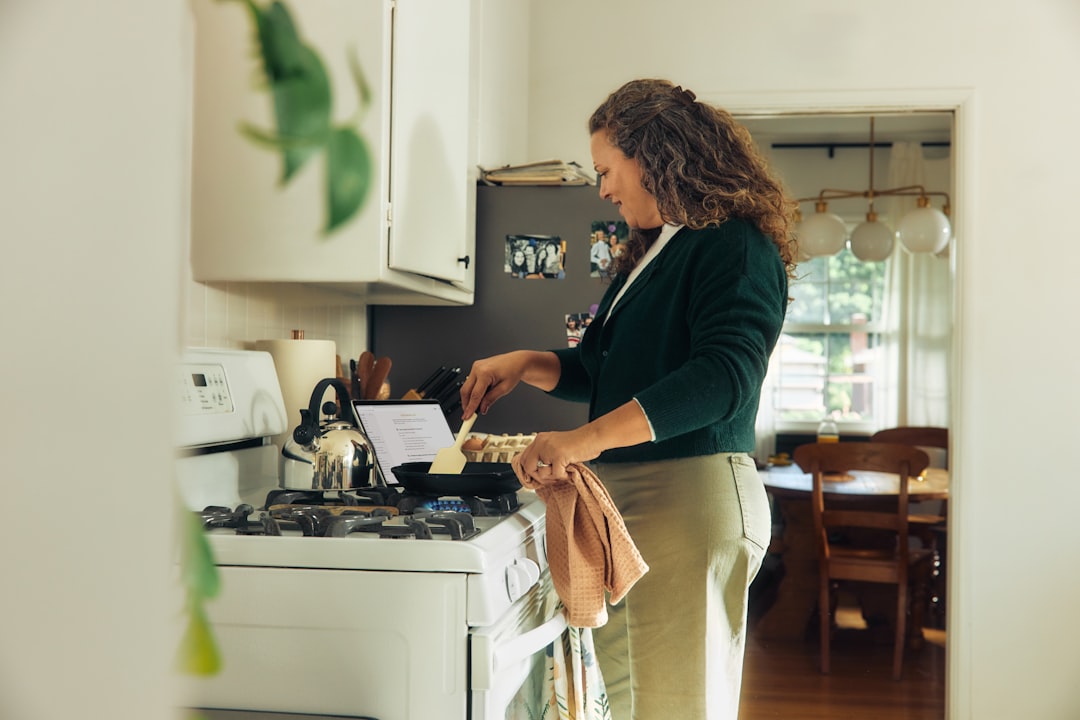
People sometimes ask me, with genuine concern, whether using a thermometer makes cooking feel clinical or joyless. I find this deeply funny, because the opposite is true. Using a thermometer has made cooking more relaxed, more confident, and more fun. I’m not anxious about whether the chicken is safe. I’m not cutting into a steak to “check” and releasing all the juices. I’m not poking at a roast and second-guessing myself for ten minutes while it slowly overcooks on the counter.
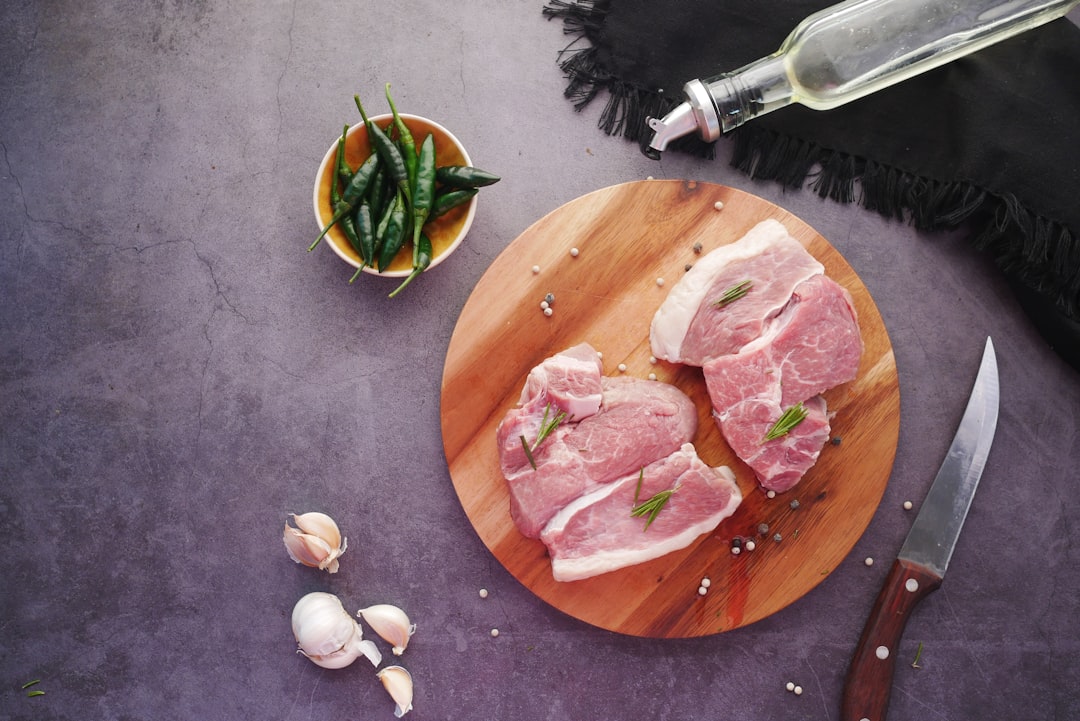
Here’s my actual routine. For weeknight cooking — pork chops, chicken breasts, pan-seared fish — I use the instant-read. I cook until I’m about five degrees below my target temperature, pull the meat off the heat, and let it rest. The residual heat carries it up to the final temperature during the rest. This is called carryover cooking, and it’s the reason your steak keeps cooking after you take it out of the pan. A thermometer lets you account for it precisely.
For bigger projects — holiday roasts, whole turkeys, smoked briskets — I use a wireless leave-in probe so I can monitor progress without opening the oven or smoker. As I detailed in my July 4th cookout guide, being able to track a pork shoulder’s internal temperature from across the yard is the difference between enjoying your own party and spending the whole afternoon chained to the smoker.
For baking, I check my oven thermometer before every loaf, every batch of cookies, every roast. It takes three seconds and has eliminated an entire category of failure from my kitchen.
What to Look For When You Buy
If you’re shopping for your first kitchen thermometer, here are the four things that actually matter, ranked by importance:
Speed. An instant-read should give you a reading in three seconds or less. Anything slower than that means you’re standing there with the oven door open, losing heat, while you wait for numbers to settle. The difference between a one-second read and a five-second read is the difference between checking your meat twice and checking it once.
Accuracy. A thermometer that’s off by three degrees isn’t a thermometer — it’s a random number generator. Look for models rated to within ±1°F. If you want to test yours, fill a glass with ice, top it with water, stir for thirty seconds, and insert the probe. It should read 32°F. If it doesn’t, and it’s not adjustable, return it.
Durability. This tool will live near heat, moisture, and food. It will get splashed, dropped, and forgotten on a counter overnight. Look for waterproof ratings, sturdy hinge designs, and probes thick enough to survive real use but thin enough not to leave gaping holes in your food.
Readability. You will be reading this number while leaning over a hot grill in fading light. The display should be large, backlit, and ideally auto-rotating so you can read it from any angle without performing a wrist contortion.
A good magnetic grill thermometer or instant-read will last you five to ten years. Amortized over a decade of dramatically better cooking, even the expensive ones cost pennies per meal. I have never once met someone who regretted buying a quality kitchen thermometer. I have met hundreds who regretted not owning one — usually standing over a dry, overcooked piece of meat at a holiday dinner.
The One Tool I Won’t Cook Without
In my kitchen, the tools I reach for daily are surprisingly few: one good chef’s knife, a wooden cutting board, a cast-iron skillet, and my thermometer. Everything else is supporting cast. The knife does the work, the board gives me a surface, the pan applies the heat, and the thermometer tells me when to stop. That’s the conversation. That’s the whole craft of cooking reduced to four objects.
I still cook by instinct sometimes. I can tell when bread dough has risen enough by pressing a finger into it and watching how slowly the dent springs back. I know when onions are about ten minutes from caramelized by the sound they make in the pan and the color creeping around the edges. Those instincts matter, and they’re worth developing. But temperature? Temperature is not a feeling. It’s a fact. And the difference between a good cook and a great one often comes down to a willingness to check the facts instead of trusting the feeling.
My grandmother would have loved these tools. She was a woman who measured nothing and got everything right — until she didn’t. I think about her pressing her palm against that roasting chicken, confident and unerring, and I wonder how many meals she served that were slightly overdone and she simply never mentioned it. She didn’t have the option of a $30 probe that reads in two seconds. I do. And not using it would be the most stubborn, least practical thing in my kitchen — which is really saying something, given the number of unitaskers I’ve tested over the years.
Start with one instant-read. Use it for a month on everything you cook. I promise you’ll never go back to guessing — and your dinners will never be the same.