I’ve owned more cookware sets than I care to admit. There was the bargain bin special I bought for my first apartment — warped within three months. The celebrity-branded collection that looked gorgeous on the package and cooked like a dream for exactly six weeks. And the professional-grade set I saved up for over an entire summer that, honestly? I’m still using twelve years later. That journey taught me something: the right cookware set isn’t just a purchase, it’s a relationship. And like any good relationship, you want to choose wisely from the start.
Summer 2026 feels like the perfect time to talk about this, because if you’re anything like me, warmer weather means more cooking — more weekend brunches, more farmers market hauls that need searing and sautéing, more impromptu dinners that start with “I’ll just whip something up.” Having a reliable set of pans that you actually trust makes all of that possible without the second-guessing.
What Actually Makes a Cookware Set Worth Buying
Before we get into specific materials and brands, let’s talk about what separates a set you’ll love from one you’ll quietly donate to the thrift store two years from now. The biggest mistake I see people make — and I made it myself, more than once — is shopping by piece count. A 15-piece set sounds impressive until you realize you’re paying for four lids that fit nothing, a teeny butter warmer you’ll never use, and a stockpot so thin it heats about as evenly as a campfire.
What matters more than quantity is whether every single piece in the set serves a purpose in your real, everyday cooking. A great set typically includes a small and large skillet, a couple of saucepans (one with a lid), a sauté pan or Dutch oven, and maybe a stockpot. That’s it. If a set has pieces you can’t immediately picture yourself using, that’s a red flag.
The Material Question: One Pan to Rule Them All?
Here’s where cookware gets personal, and where I’ll gently push back against the idea that one material is universally “best.” I’ve written before about the cast iron versus stainless steel debate, and my answer hasn’t changed: the best material is the one that matches how you actually cook. That said, let me walk you through the main contenders.
Stainless Steel: The Workhorse
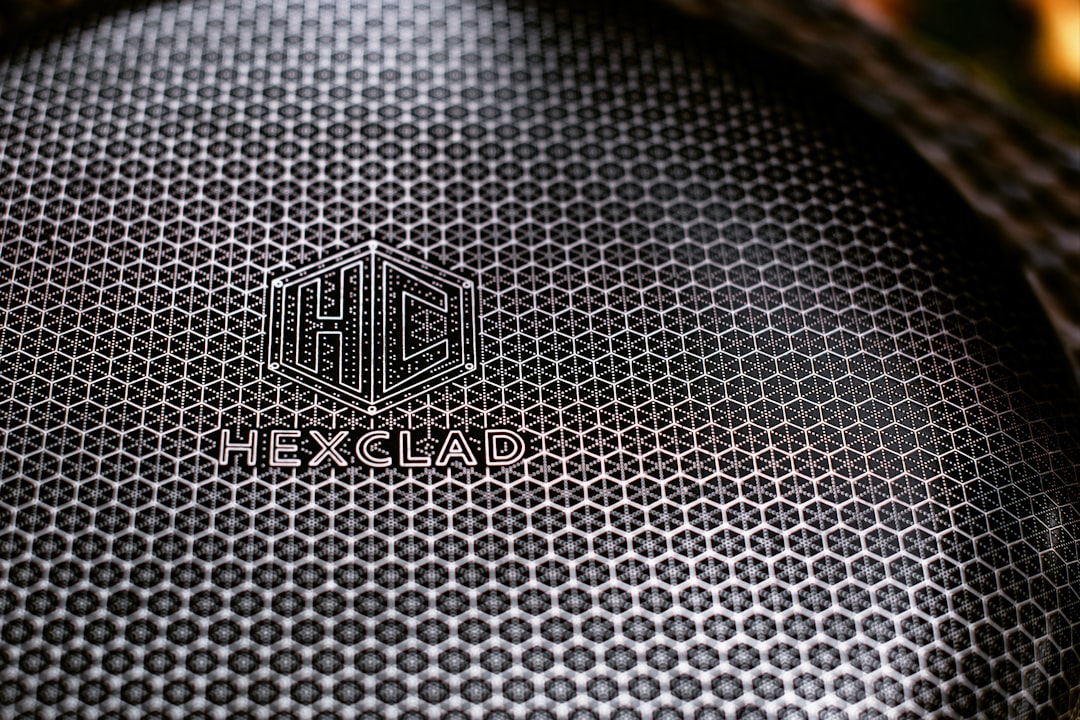
If I could only have one material in my kitchen, it would be tri-ply stainless steel. These pans have an aluminum or copper core sandwiched between stainless steel layers, giving you the durability and dishwasher-safety of stainless with the heat responsiveness of aluminum. They sear beautifully, deglaze like a dream for pan sauces, and can go from stovetop to oven without blinking. The learning curve is real — you need to preheat properly and use enough fat — but once you get the hang of it, nothing is more versatile. You can find excellent stainless steel cookware sets across a range of price points.
Nonstick: The Morning Hero
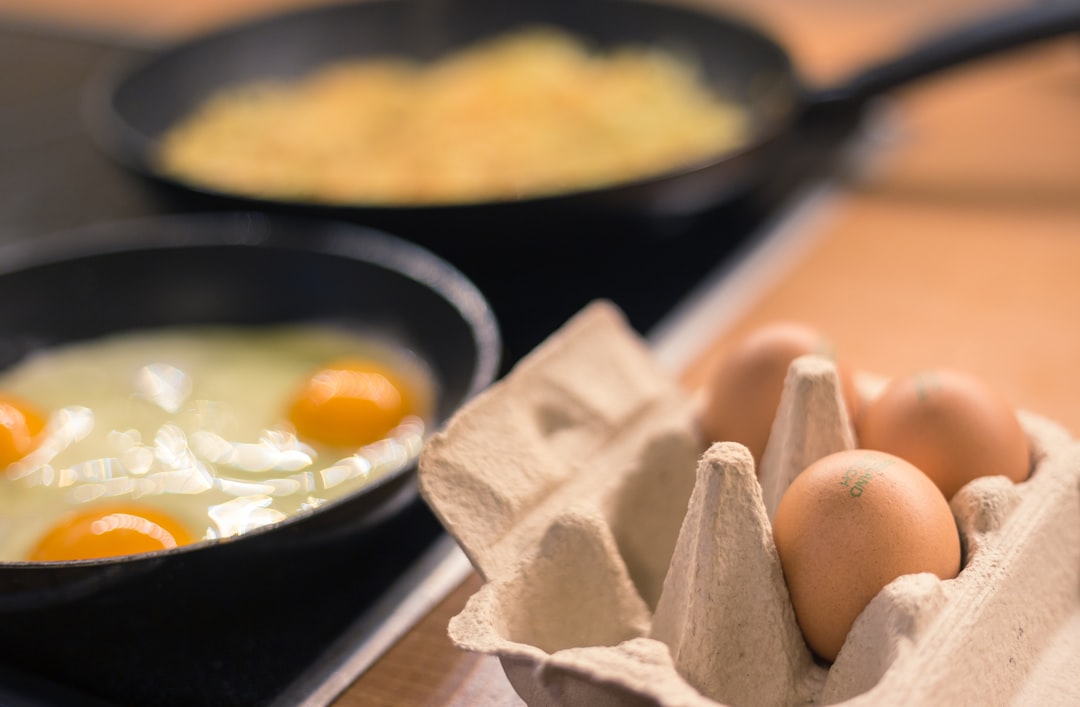
I know, I know. Nonstick gets a bad reputation, and some of it is deserved. But a good nonstick pan for eggs, delicate fish, and quick pancakes? Non-negotiable in my kitchen. The key is buying quality and treating it right — no metal utensils, no high-heat searing, and replace it when the coating starts to degrade. If you’re curious about the newer, safer coatings, check out my piece on why ceramic and titanium pans are replacing Teflon. For a solid nonstick option, browse these ceramic nonstick cookware sets.
Hard-Anodized Aluminum: The Quiet Overachiever
This is the material most people skip right past, and I think that’s a shame. Hard-anodized aluminum is essentially aluminum that’s been electrochemically hardened to create a surface that’s denser than stainless steel. It heats fast, resists scratching better than traditional nonstick, and tends to be lighter than clad stainless. Several mid-range sets use this as their base, and for the money, it performs admirably. These hard-anodized cookware sets are worth a serious look if you want durability without the weight.
Price Tiers: What You Actually Get for Your Money
Cookware pricing can feel like a mystery, so let me demystify it based on what I’ve personally tested and what’s held up in my kitchen over the years.
Under $150: The Smart Starter
Yes, you can get a decent cookware set for under $150. No, it won’t be heirloom quality, but it will cook your food just fine if you choose wisely. Look for sets from brands like Cuisinart, T-fal, or Rachael Ray in this range. You’re getting aluminum construction with nonstick coatings or basic stainless. The handles might not be as comfortable, the lids might not fit as snugly, and you’ll likely replace them in three to five years. But for a first apartment, a tight budget, or a vacation home kitchen, they get the job done. Here are some solid affordable cookware sets under $150.
$150–$400: The Sweet Spot
This is where cookware gets genuinely exciting. Sets in this range typically offer tri-ply or hard-anodized construction, better warranty coverage, oven-safe handles, and tighter-fitting lids. Brands like Calphalon, Anolon, and All-Clad’s entry-level lines live here. I cooked on a Calphalon Contemporary set for four years before upgrading, and honestly? I sometimes miss how lightweight those pans were. If you’re cooking four or more nights a week, this tier will serve you well for a decade with proper care. These tri-ply cookware sets in the mid-range are where value and quality intersect.
$400 and Up: The Investment
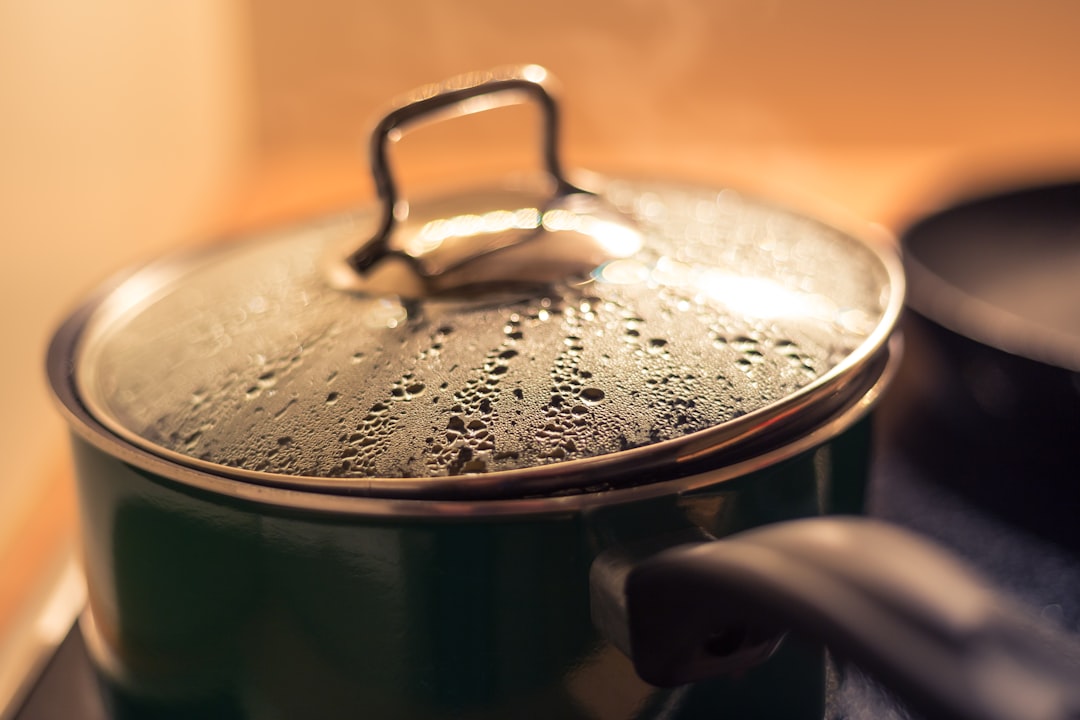
At this price point, you’re paying for premium materials, flawless construction, and the kind of heat distribution that makes you a better cook almost instantly. All-Clad D5, Demeyere, and Hestan make sets in this category that will outlast your kitchen counters. The pans are heavier, the edges are rolled for drip-free pouring, and the handles stay cooler longer. I saved for my All-Clad set the way some people save for a designer handbag, and I have zero regrets. If you’re ready to invest, check out these premium cookware sets.
The Pieces You Need (And the Ones You Don’t)
Regardless of which set you choose, let me save you some drawer space and buyer’s remorse by telling you which pieces you’ll actually reach for day after day.
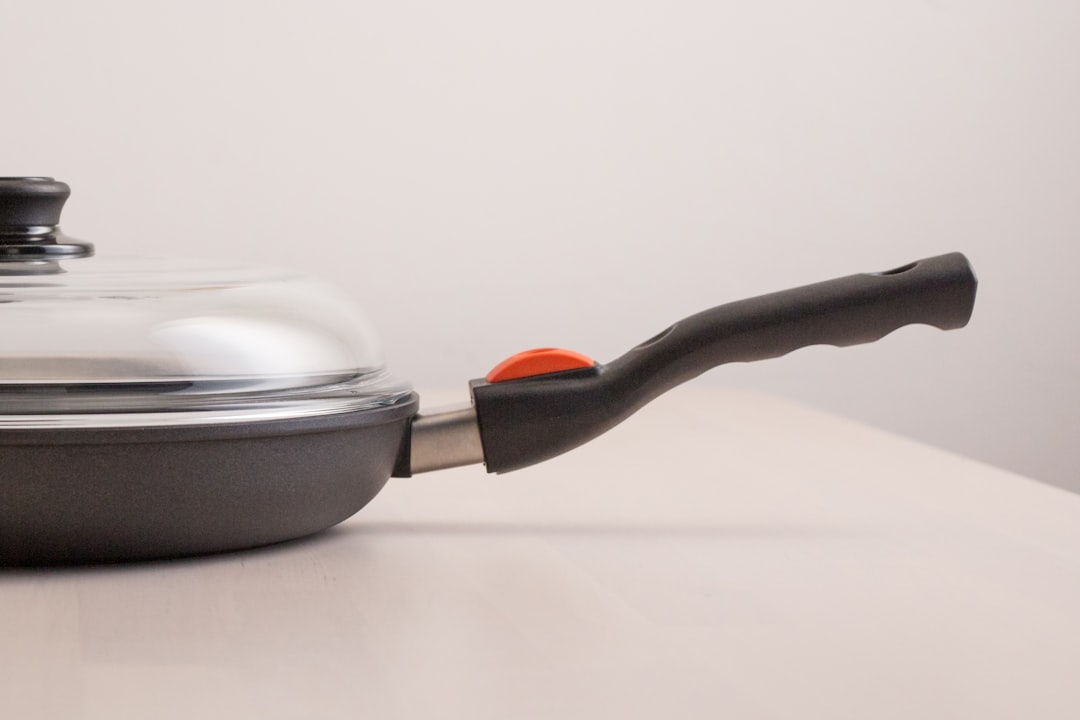
The 10- or 12-inch skillet is your daily driver. This is the pan that lives on your stove. It handles everything from a Tuesday night chicken breast to a Saturday morning frittata. Make sure it has a good, heavy bottom and a comfortable handle — you’ll be holding it a lot.
A 2-quart saucepan for rice, oatmeal, reheating soup, making a quick pan sauce. Mine gets used at least twice a day. Look for one with a tight-fitting lid and a pour spout if you can find it.
A Dutch oven is technically a standalone piece, but many sets include one now, and I highly recommend going for it. I wrote an entire Dutch oven buying guide because I believe in them that strongly. They braise, they bake bread, they make chili for a crowd. If your set includes one, count that as a win.
What to skip: The tiny 6-inch skillet (too small to be useful), the double boiler insert (a metal bowl over a saucepan works fine), and any piece that feels redundant with something else in the set. If you want to stretch your budget, I’ve also rounded up kitchen tools under $40 that replace expensive appliances — sometimes the smartest move isn’t buying more, it’s buying smarter.
Caring for Your Cookware So It Lasts
The most expensive cookware set in the world will disappoint you if you treat it poorly, and a modest set will reward you for years if you take care of it. Here’s my non-negotiable maintenance routine, which applies across all materials.
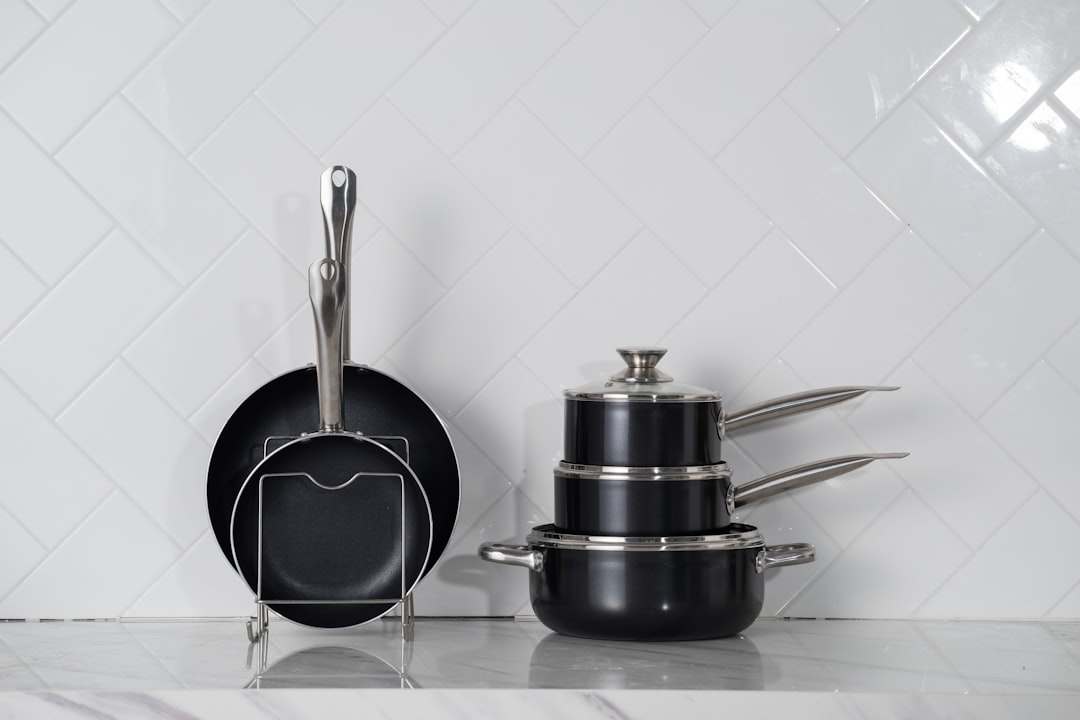
Never put cold water in a hot pan. Thermal shock warps even the best cookware, and once a pan warps, it never sits flat on your burner again. Let it cool naturally, then wash it. For stainless steel, a paste of baking soda and water removes most discoloration. For nonstick, a soft sponge and dish soap is all you need — skip the abrasive scrubbers entirely.
Storage matters more than people think. Stacking pans directly on top of each other scratches surfaces and damages nonstick coatings. Use pan protectors (those felt or silicone pads) between layers, or — my preference — hang them on a rack if your kitchen allows it. Not only does hanging prevent damage, but it also keeps your most-used pans within arm’s reach while cooking. Here are some great cookware organizer solutions that protect your investment. And if you’re setting up a new kitchen from scratch, a good complete kitchen cookware set can save you significantly over buying pieces individually.

My Honest Take After All These Years
If you pinned me down and asked for one recommendation, I’d say this: buy a quality tri-ply stainless set in the $200–$400 range, and add one good nonstick skillet separately for eggs and delicate items. That combination gives you the versatility to cook almost anything, the durability to last a decade or more, and the sense that you spent your money on something that genuinely makes your daily life better.
The best cookware set is the one that disappears into your cooking routine — reliable enough that you never think about it, responsive enough that everything you make turns out just a little bit better. That’s the bar. And I promise you, it’s achievable at almost any budget if you know what to look for. Happy cooking, friends. Your summer kitchen deserves this upgrade.

One thought on “The Cookware Sets Worth Your Counter Space: A Real-Kitchen Buying Guide for 2026”