
I need to confess something that will probably cost me my reputation among the women who raised me. For over a decade, I made fun of rice cookers. Openly, loudly, and with the kind of smug confidence that only comes from having grown up watching your grandmother produce perfect pots of rice in a dented aluminum pot on a gas burner that sounded like a jet engine.
My grandmother didn’t need a machine. She had her knuckle — the old trick where you rest your index finger on top of the rice and fill water to the first joint. That was her measuring cup, her timer, and her thermocouple, all in one weathered finger. The rice came out flawless every single time.
So when a friend brought a Zojirushi rice cooker to a dinner party in 2014 and raved about it like she’d discovered fire, I smiled politely and changed the subject. Then another friend got one. And another. I watched people I respected — home cooks whose palates I trusted — suddenly devote entire kitchen real estate to what I considered a one-trick appliance. I remained firm in my stubbornness.
Then last summer, everything changed.
The Night I Finally Caved
It was one of those sticky July evenings where the kitchen already felt like a sauna before I turned on a single burner. I had planned a simple Japanese-inspired dinner: miso-glazed salmon, quick-pickled cucumbers, and a pot of short-grain rice. Simple, except that I got distracted helping my neighbor’s kid with a science project, lost track of time, and came back to a kitchen that smelled like scorched starch and disappointment.
The rice was destroyed. The bottom was a blackened disc. The top was somehow both gummy and crunchy. My grandmother would have wept.
I stood there, fanning smoke toward the window, and thought: maybe it’s time. Within an hour, I’d ordered my first rice cooker. Within a week, I couldn’t remember how I’d lived without one.

What a Rice Cooker Actually Does (That Your Stove Can’t)
Here’s what I didn’t understand during my twelve years of condescension: a rice cooker isn’t just a pot with a heating element underneath. The good ones are essentially miniature computers that manage temperature, moisture, and timing with a precision no human standing at a stove can match — especially not when that human is also trying to sear salmon, simmer a pan sauce, and keep a child from setting the curtains on fire.
The entry-level models — like the trusty, budget-friendly options from Aroma — use a simple thermostat that clicks off when the water is absorbed and the temperature rises above 212°F. That’s the basic mechanism, and honestly, even that basic version produces more consistent results than most home cooks achieve on a stovetop. I’ve watched my friend’s $25 Aroma turn out perfectly acceptable jasmine rice dozens of times.
But the machines that changed my mind occupy a different category entirely. The Zojirushi 3-cup models use microcomputer fuzzy logic — essentially, the cooker adjusts cooking time and temperature on the fly based on what it senses happening inside the pot. Are the grains absorbing water faster than expected? It dials back the heat. Is the rice still slightly firm in the center? It extends the steam phase. You walk away, and the machine does the thinking.
Then there’s the top tier: induction heating. Models like the Zojirushi induction rice cookers don’t just heat from the bottom — they create a magnetic field that heats the entire inner pot simultaneously, surrounding the rice from every direction. The result is restaurant-level texture: each grain distinct, slightly chewy, with a gentle sweetness that stovetop cooking almost never coaxed out. These cost significantly more, but after eating from one for three months, I understand the cult.

Why I Should Have Bought One Years Ago
What I didn’t expect was how a rice cooker would reorganize my entire cooking rhythm. On a typical weeknight, I used to sequence everything around the rice — get it started first, then race to prepare everything else while keeping one ear trained on the pot. If the rice finished before the main dish, it went cold. If the main dish finished first, the rice sat in its own steam and turned gummy. Every meal was a tiny juggling act.
The rice cooker eliminated that stress entirely. I rinse the rice, add water, press start, and then I simply forget about it. The machine switches to a keep-warm mode that holds the rice at serving temperature for hours without degrading the texture. I can focus entirely on the rest of the meal, or, more accurately, on the fourteen other things that need my attention between five and seven o’clock.
And the rice itself is better than what I produced on the stove. Not slightly better — noticeably, unmistakably better. The grains are plumper, more evenly cooked, with none of the crispy-bottom or soggy-top problems that plagued my stovetop attempts. Even my mother, who inherited my grandmother’s skepticism about kitchen gadgets, admitted the rice was excellent. She’ll never say it again, so I’m recording it here for posterity.
For anyone who eats rice more than once a week, this appliance pays for itself in reduced stress alone. And if you’re exploring the world of multicookers like the Instant Pot, which can also cook rice — yes, they can, but they don’t do it as well as a dedicated machine. I’ve tested both extensively, and for rice specifically, nothing beats a purpose-built cooker.
The Three Brands That Actually Matter
After six months of ownership and far too many conversations with other rice cooker devotees, I’ve narrowed the field to three brands worth your money. Each serves a different type of cook.
Zojirushi is the gold standard — the brand that essentially invented the category and continues to dominate it. Their machines range from the diminutive 3-cup models perfect for one or two people up to the induction-heating powerhouses that serious rice enthusiasts treat like heirloom jewelry. What sets Zojirushi apart is consistency: every batch comes out exactly like the last, whether you’re cooking basmati, arborio, or sticky sweet rice. If you want to explore what makes this brand special, browsing their full lineup is worth your time.
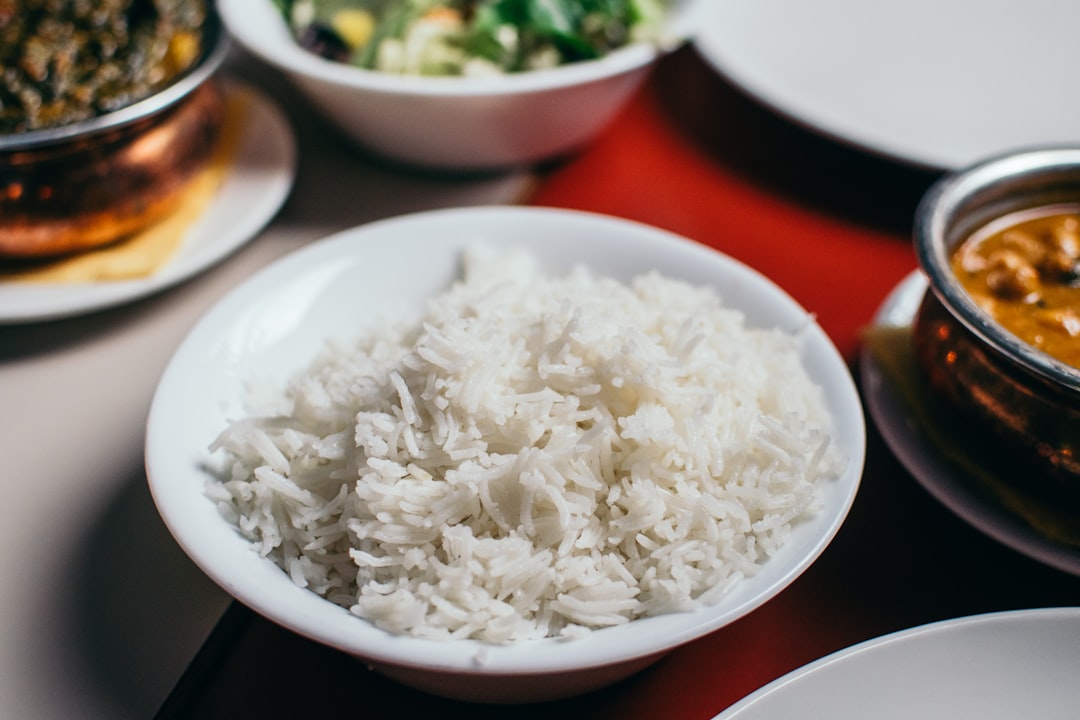
Tiger sits in the sweet spot between price and performance. Their Tiger rice cookers offer many of the same microcomputer features as Zojirushi at a slightly lower price point. I’ve found their plain-rice settings to be nearly indistinguishable from Zojirushi’s, though Zojirushi pulls ahead on specialty grains and porridge settings. For most home cooks who want great everyday rice without spending $400+, Tiger is the practical choice.
Cuckoo is the Korean powerhouse — a brand that dominates its home market the way Zojirushi dominates Japan. Cuckoo rice cookers are known for their speed (many cook rice in half the time of competitors), their distinctive voice announcements, and their exceptional handling of mixed-grain and seasoned-rice dishes. If your cooking leans Korean — or if you simply want something fast and loud and excellent — Cuckoo is a fantastic option.
The Accessory I Didn’t Know I Needed
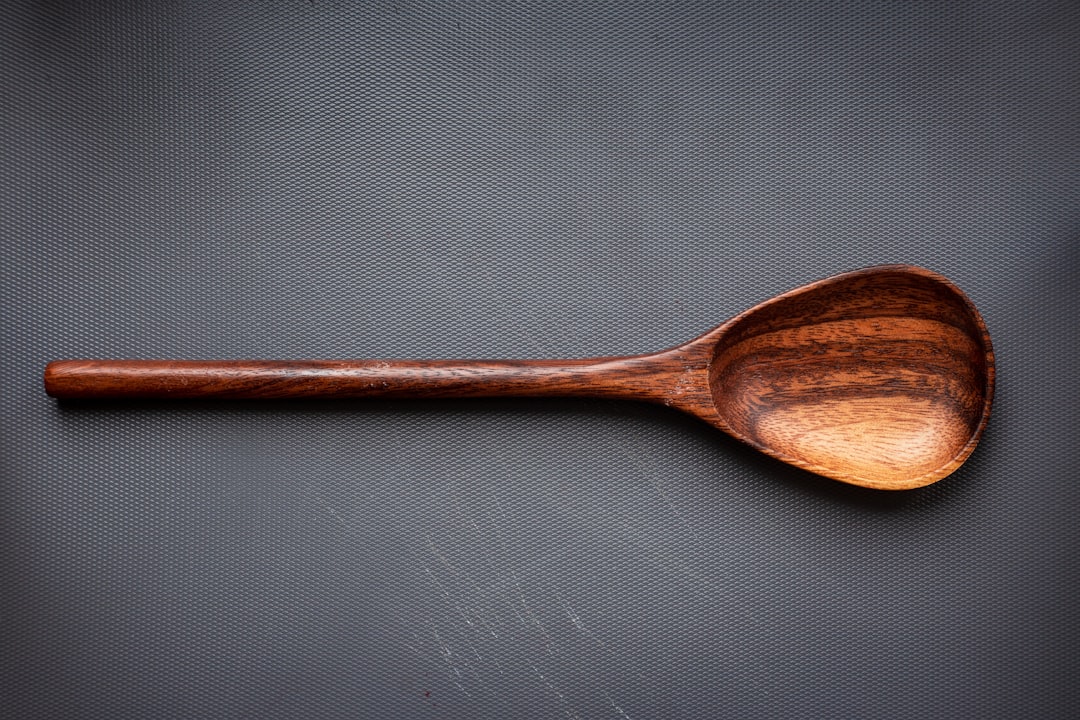
Here’s something nobody tells you when you buy a rice cooker: the rice paddle matters. Most machines come with a plastic paddle, and it’s fine — functional, adequate, nothing to complain about. But the first time I used a proper Japanese rice paddle (shamoji) with a textured surface that prevents rice from sticking, I felt like I’d been using a shoe horn to serve dinner. The difference in how cleanly the rice releases is almost comical.
And before you even cook the rice, you need to wash it properly. I mean really wash it — three or four rinses until the water runs nearly clear. I used to do this in a regular bowl, sloshing water around and inevitably losing grains down the drain. Then I discovered the dedicated rice washing bowls from Japan, with their fine drainage holes and side ridges that make rinsing almost effortless. It’s a $10 tool that has improved my rice more than any technique adjustment I’ve ever made.
The quality of the rice itself matters enormously, too. I switched from whatever was on sale at the grocery store to a proper short-grain Kokuho Rose or Nishiki rice, and the flavor difference was immediate. Good rice has a faint sweetness and a clean, almost floral aroma that cheap rice simply lacks. If you’re going to invest in a machine that cooks rice perfectly, investing in good rice to put in it seems like the logical next step.

It Cooks More Than Rice (Much More)
One of the reasons I resisted buying a rice cooker was the counter space. My kitchen isn’t huge, and every appliance has to earn its footprint — I wrote about this struggle extensively when I evaluated every appliance on my counter last spring. But what I’ve discovered is that the rice cooker has quietly become one of the most versatile tools I own.
It makes extraordinary oatmeal — steel-cut, creamy, ready when I wake up because I set it the night before. It steams dumplings and vegetables in the basket that came with it, turning out beautifully steamed dishes while the rice cooks underneath. It produces polenta so smooth and hands-off that I’ve retired my constant-stirring method entirely. It makes congee — the soothing rice porridge that’s been my go-to comfort food since childhood — better than any stovetop method I’ve tried.
I’ve even used it for cakes. Yes, cakes. There’s a whole genre of Japanese rice-cooker baking that produces dense, moist creations using the slow, even heat of the cooking cycle. My first attempt was a cheesecake that my neighbor — the same one whose kid I was helping with science homework when I burned the rice — declared better than any restaurant version she’d had.
This is why I now tell anyone who will listen that a rice cooker isn’t a unitasker. It’s a miniature, precision-controlled oven that happens to excel at grain cookery. Once you start thinking of it that way, the counter space becomes a non-issue.
Storage: Because Rice Deserves Better Than the Bag
One more thing I learned the hard way: once you start buying good rice in larger quantities, you need somewhere to put it. The bag it comes in is not a storage solution — it tears, it spills, and if you live anywhere humid, it invites pantry moths, which is a sentence I never want to write again after the Great Moth Invasion of 2024.
A proper rice storage container with an airtight seal keeps grain fresh for months and makes dispensing easy. I keep mine on a shelf near the rice cooker, so the workflow is seamless: scoop from the container, rinse in the washing bowl, dump into the cooker, press start. The whole ritual takes under two minutes, and dinner is on autopilot.
If you want to get really organized — and trust me, once you experience the satisfaction of a rice routine that runs like clockwork, you will — check out the pantry storage systems I wrote about earlier this year. A well-organized pantry with labeled containers for different rice varieties has genuinely improved my daily cooking life more than any gadget I’ve ever reviewed.

What I’d Buy Today If I Were Starting Over
If you’re standing where I stood last July — skeptical, slightly embarrassed by the idea of buying a dedicated rice appliance — here’s my honest advice after a full year of daily use.
Start with what matches your cooking. If you eat rice a few times a month and mostly want it for convenience, a basic Aroma model under $40 will absolutely transform your meals. It won’t have the fuzzy-logic brains of the premium machines, but it will produce consistent, reliable rice with zero babysitting, and that alone is worth the price of admission.
If you eat rice multiple times a week and care deeply about texture, skip straight to a mid-range Tiger or entry-level Zojirushi. These machines will spoil you within a week. The jump from stovetop to a microcomputer-controlled cooker is the single biggest quality improvement I’ve experienced in any kitchen appliance, and I’ve tested hundreds of them over the years — as I documented in my roundup of must-have small appliances for modern kitchens.
And if you’re the kind of person who reads food blogs at midnight and has strong opinions about grain cultivars — no judgment, you’re among friends — treat yourself to an induction-heating Zojirushi. It’s an investment, yes. But I can promise you this: the first time you lift the lid and see a pot of rice so perfect it looks like it was arranged grain by grain, you’ll forget all about the price tag. You’ll also forget about me and my twelve years of stubborn wrongness. Which, frankly, I’d appreciate.
My grandmother would still say she doesn’t need one. But I’ve seen her eyeing mine when she visits. The knuckle method is safe for now — but I give it until Thanksgiving before she asks for one of her own.

One thought on “The Appliance I Ridiculed for Twelve Years — Until It Earned the Best Spot on My Counter”