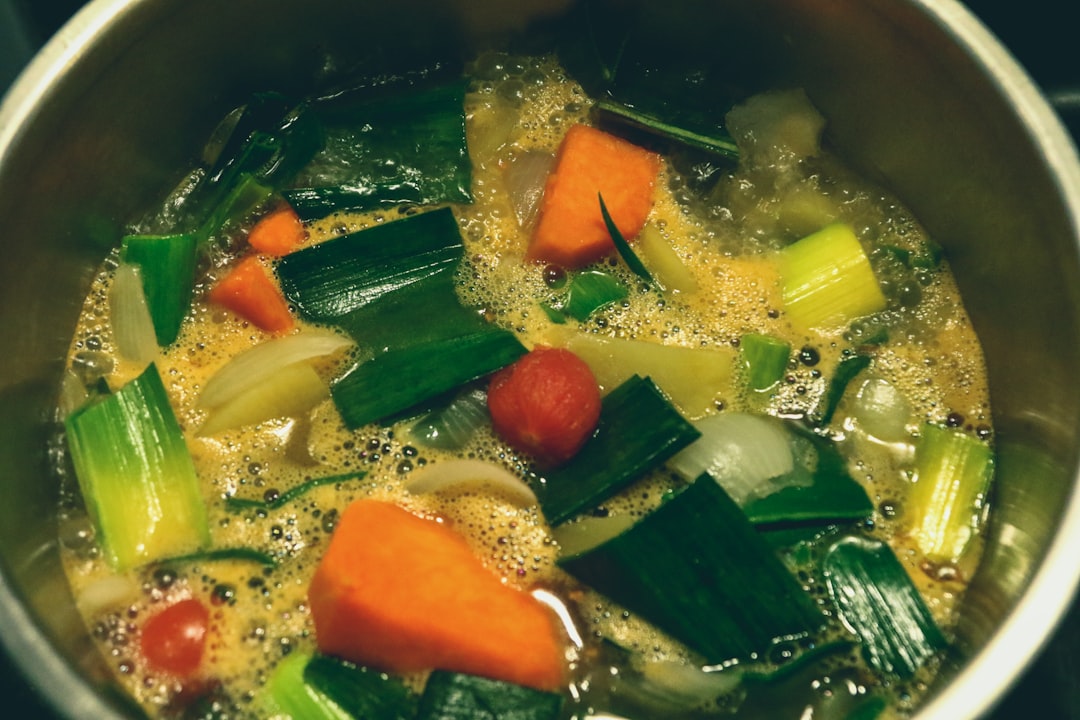
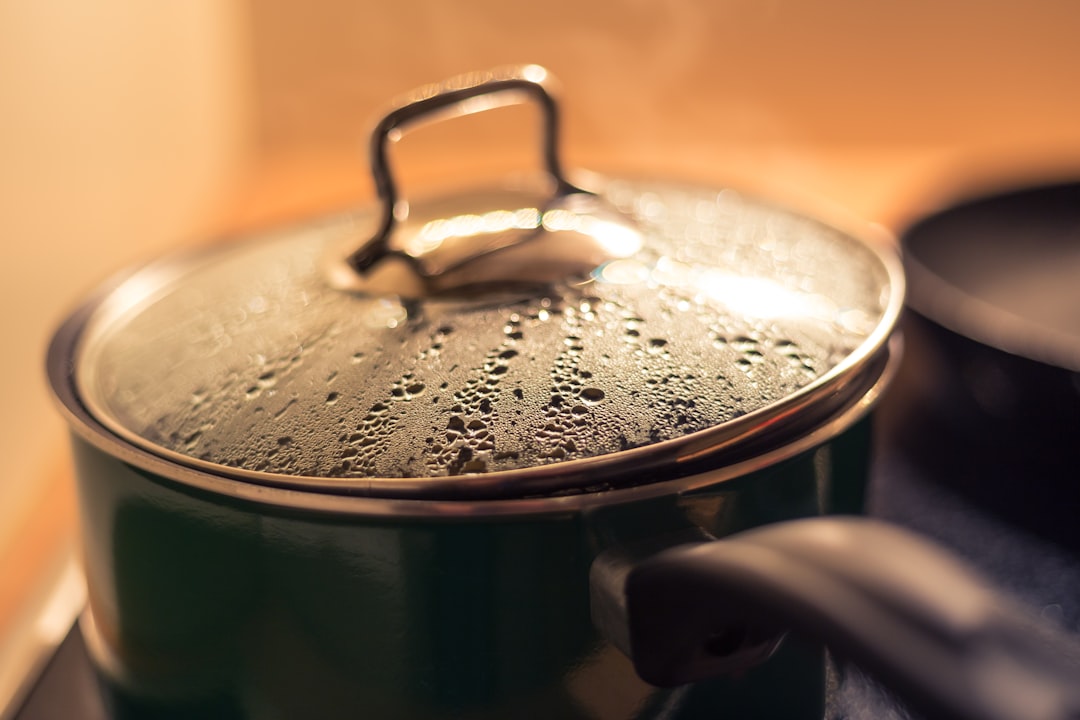
My grandmother had a pot on the back burner of her stove so often that I genuinely thought it was a permanent fixture, like the burners themselves. Some weeks it was chicken bones and a bay leaf. Other weeks, shrimp shells she’d saved from Friday night’s seafood boil. During tomato season, it was a towering heap of roasted vegetable ends that filled the whole house with something between soup and memory.
I didn’t understand what she was doing back then. I was four, then seven, then fourteen — and the pot was just always there, quietly doing its thing while the real cooking happened up front. It wasn’t until I had my own kitchen and my own grocery budget that the genius of it hit me like a freight train: she was turning garbage into gold. Every onion end, every carrot peel, every bone from a roast that would have gone in the trash was being transformed into the most versatile ingredient in her entire kitchen.
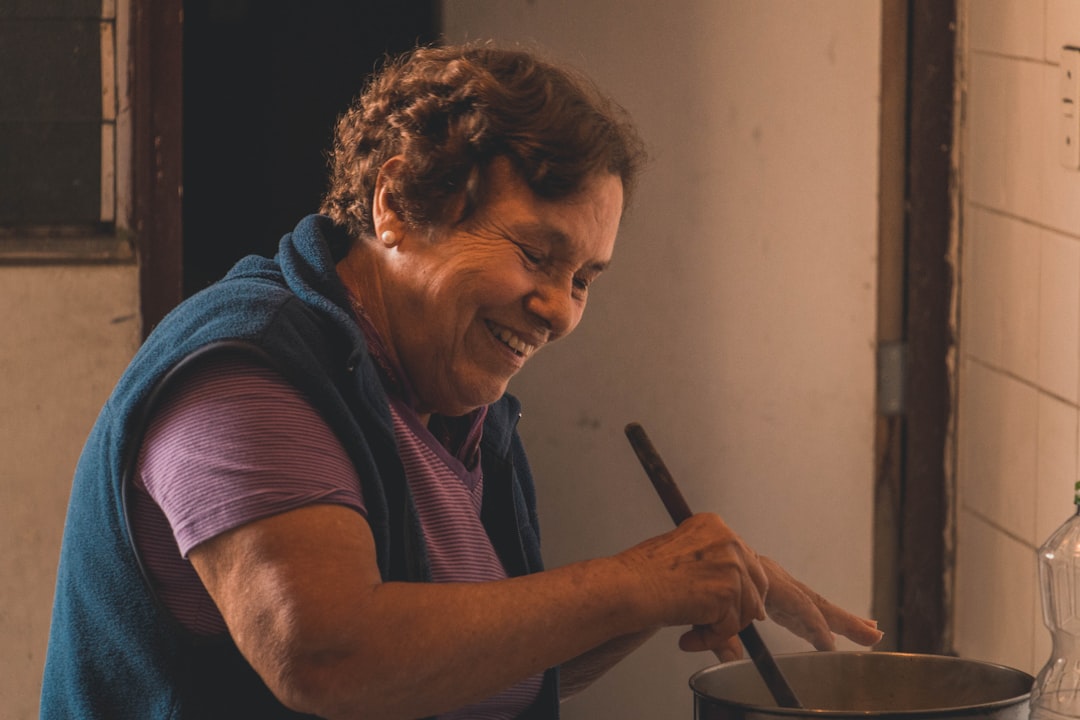
These days, there’s always something simmering on my back burner too. And if you’d told me ten years ago that a stock pot would become the hardest-working item in my kitchen — more essential than my stand mixer, more daily-use than my Dutch oven — I would have laughed. But here we are. Let me tell you how it happened, and more importantly, how you can make it happen in your own kitchen without turning your Sunday into a chore.
The Scrap Bag That Started Everything
It began with a gallon-size freezer bag and a single onion end. I was making soup one October evening, and I felt that familiar pang of guilt as I tossed the root end, the papery skin, and the top trimmings into the compost. My grandmother would have given me the look. You know the one — eyebrows raised, lips pressed, a quiet disappointment that stings worse than any scolding.
So I started keeping a bag in the freezer. Every onion end, every garlic paper, every carrot peel, every celery base, every parsley stem went in. Mushroom stems. Bell pepper tops. The tough green parts of leeks. Corn cobs after the kernels were cut off. Tomato cores. Herb stems that were too woody to chop but too flavorful to discard. Within a week, I had a full bag of scraps that would have cost me nothing — and that’s the key word here. Nothing.
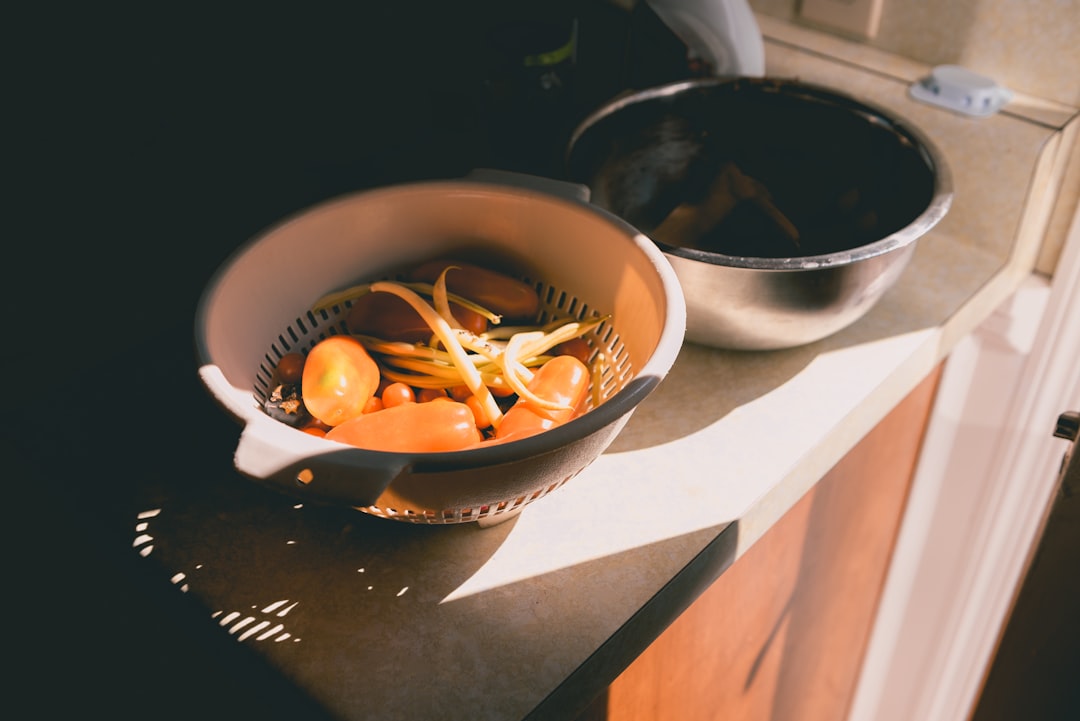
If you’re just starting this habit, keep it simple. A large freezer-safe container or bag is all you need. I eventually upgraded to a dedicated set of glass containers with snap lids that stack neatly in the freezer, because — as I wrote about when I finally retired the last plastic container in my kitchen — the right storage changes everything. But a freezer bag works perfectly while you’re building the habit.
The rule is simple: if it’s aromatic and would otherwise be composted, save it. The only things I exclude are brassica scraps (cabbage, broccoli, Brussels sprouts — they make stock bitter), anything moldy, and citrus rinds in large quantities (a little lemon peel is lovely; a lot is soap).
The Pot That Does the Heavy Lifting
Here’s where I’m going to be direct with you: you need a big pot. Not a saucepan. Not your soup pot that you use for chili on game day. A proper stock pot — twelve to sixteen quarts, tall and narrow, heavy-bottomed enough that it won’t scorch after four hours of low simmer.
I spent years using a thin, dented aluminum pot I’d picked up at a restaurant supply store, and it worked, but everything stuck to the bottom and I’d lose a quarter of my stock to scorching every time. The day I invested in a proper heavy-gauge stainless steel stock pot was the day my stock went from “pretty good” to “I could open a restaurant.” Even heat distribution matters more than you’d think when you’re simmering bones and vegetables for hours.
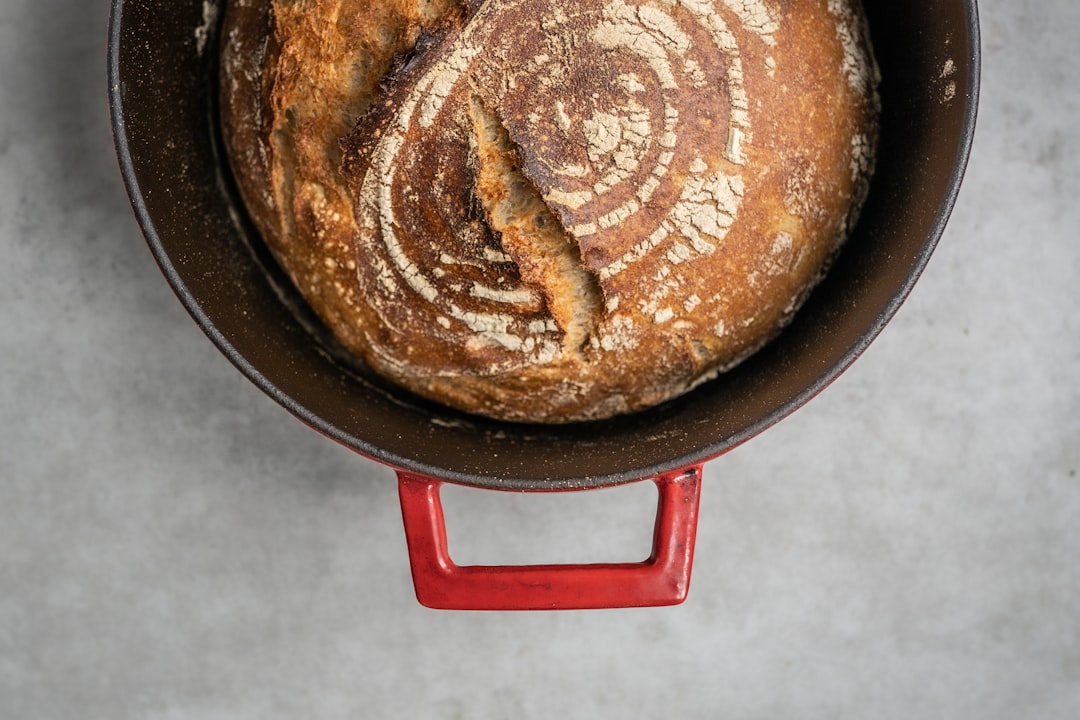
For smaller batches, I use my enameled cast iron Dutch oven — the same one that handles my braises and bread baking. It holds heat beautifully for a two-to-three quart batch and looks handsome enough to go straight from stovetop to table if I’m serving soup that night. If you’ve been on the fence about adding one to your collection, this is your sign.
The Sunday Morning Ritual
Every Sunday morning, while the coffee is brewing, I pull the scrap bag from the freezer and dump it into the pot. If I’ve roasted a chicken during the week — and I usually have — the carcass goes in too. Then I add a few aromatics that I keep on hand: a halved onion (skin on for color), a few smashed garlic cloves, a tablespoon of peppercorns, a couple of bay leaves, and a generous pinch of salt. Not too much salt — you can always add more later, but you can’t take it out.
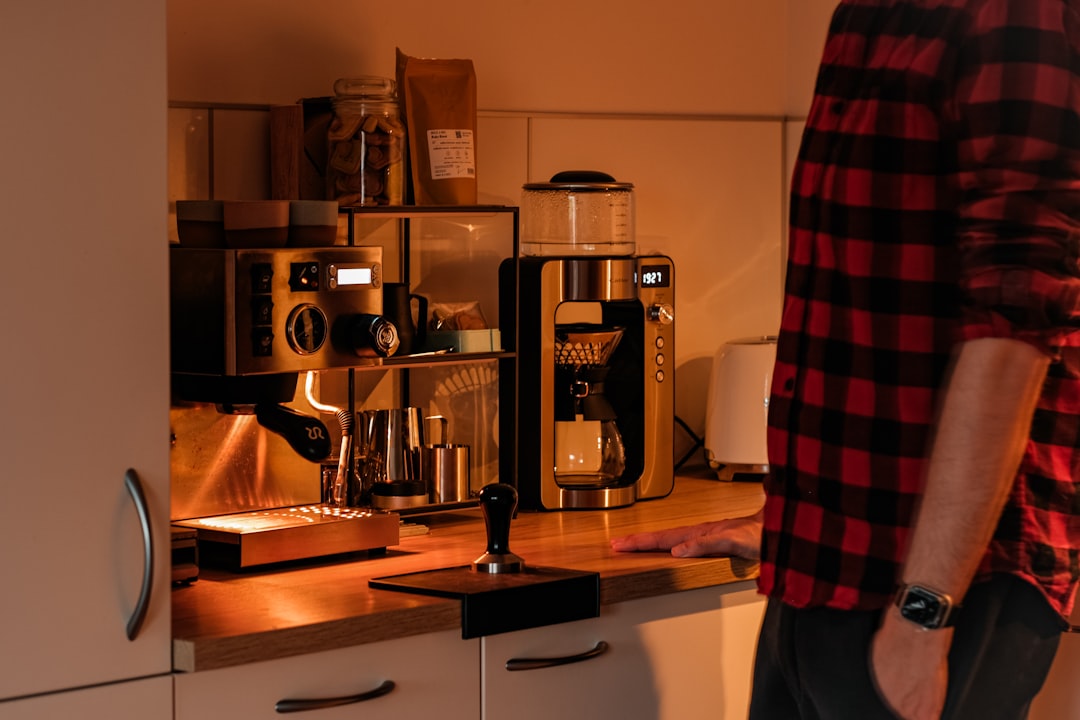
I fill the pot with cold water — about an inch above the solids — and bring it to the gentlest simmer I can manage. Not a boil. Not even a vigorous simmer. We’re talking the occasional bubble rising to the surface, like the pot is sighing contentedly. For the next three to four hours, I go about my morning. I read. I prep the week’s meals. I tidy the kitchen. Every forty-five minutes or so, I skim the foam and fat that rises to the top with a long-handled ladle and toss it into a bowl I keep beside the stove.
The smell that fills the house during those hours is something I wish I could bottle. It’s warm, savory, and deeply homey — the olfactory equivalent of being wrapped in a quilt. My partner says he can tell it’s stock day from the driveway.
The Shortcut I Swore I’d Never Use (And Now Love)
Let me tell you about the Sunday I was running behind, had twenty people coming for dinner at noon, and zero interest in babysitting a pot for four hours. I pulled out the pressure cooker — the same appliance I publicly ridiculed for over a decade before it earned permanent counter space — and had rich, gelatinous stock in forty-five minutes. Forty-five minutes! The same depth of flavor that used to take an entire morning.
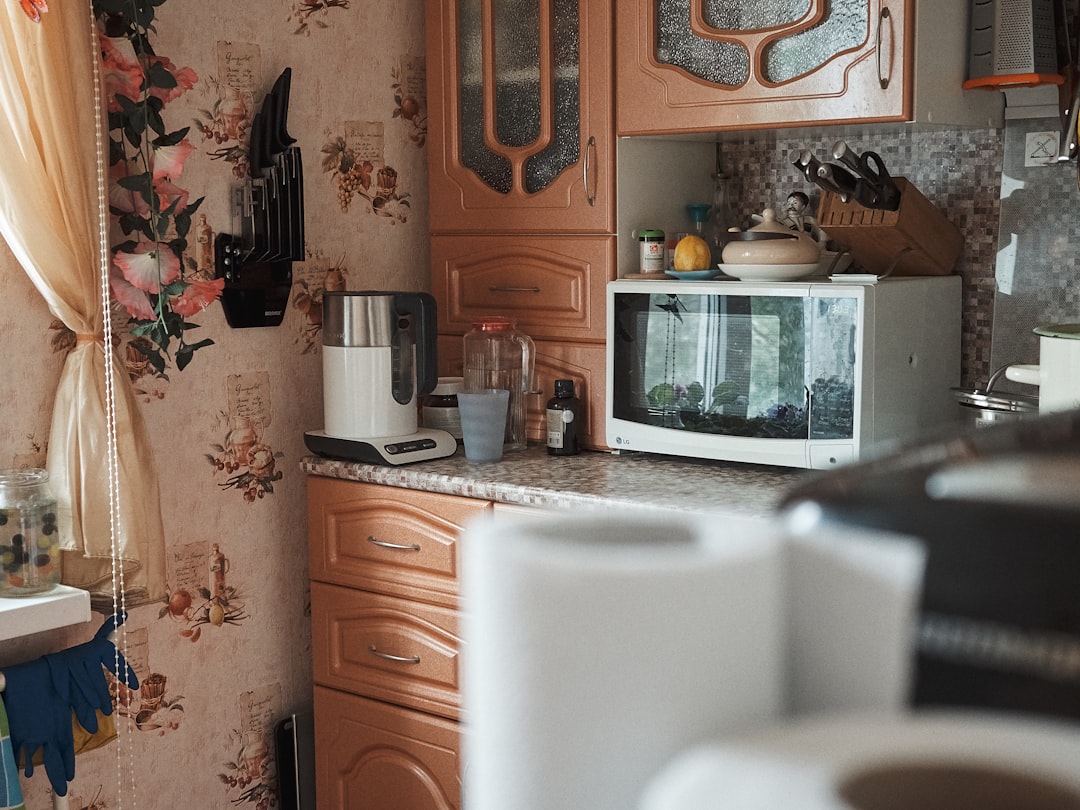
The pressure cooker doesn’t replace the slow simmer entirely — there’s a certain meditation to the Sunday ritual that I’m not willing to give up — but for weeknight emergency stock, it’s a game-changer. Toss everything in, lock the lid, set it to high pressure, and go deal with whatever crisis is unfolding in the rest of your life. When it’s done, you’ve got stock that’s actually better than what most people make on the stovetop, because the pressurized environment extracts more collagen from the bones.
The Art of Straining
Here’s where most home cooks get sloppy. You’ve spent hours building this beautiful, fragrant liquid, and then you pour it through a colander with big holes and end up with a cloudy, gritty mess. The vegetables have broken down. The herbs have disintegrated. There are little bone fragments floating around like unwelcome guests.
A fine-mesh conical strainer is non-negotiable. I set mine over a large heatproof bowl or directly into a second pot, and I ladle the stock through slowly, letting gravity do the work. If I want an especially clear stock — for consommé or a delicate soup — I’ll line the strainer with a double layer of grade 90 cheesecloth and let it drip through without pressing. Pressing pushes particles through the mesh and clouds the liquid. Patience is the secret ingredient here, same as in the rest of cooking.
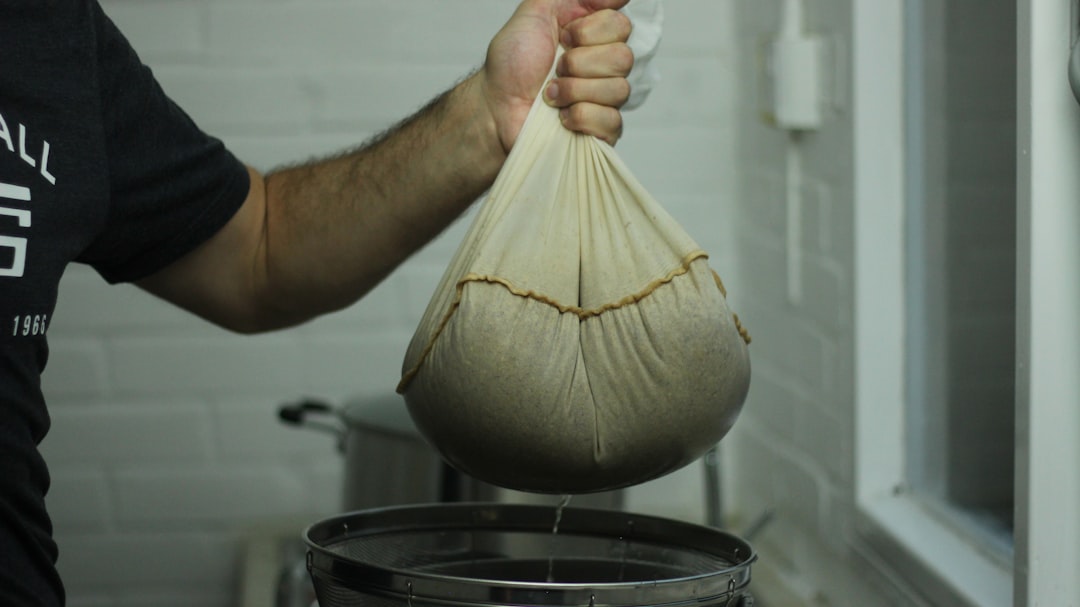
Once strained, I let the stock cool to room temperature, then transfer it to the fridge overnight. The next morning, any remaining fat will have solidified into a clean disc on top that lifts off in one satisfying piece. If I’m planning to use the stock within a few days, I’ll sometimes use a glass fat separator instead — pour hot stock in, the fat rises to the top, and you pour the clean stock out through the spout from the bottom. Either method works; the point is that layer of fat has flavor you can use for sautéing, so don’t toss it.
Freezer Strategy: From Big Batch to Daily Use
The real magic of stock happens after it’s made — when you’ve got a freezer full of liquid gold ready to deploy at a moment’s notice. My system is simple and it’s worth setting up properly.
First, I freeze stock in large silicone ice cube trays — each cube is about two tablespoons, perfect for deglazing a pan, thinning a sauce, or adding moisture to a stir-fry. Once frozen, I pop the cubes into a freezer container so the trays are free for the next batch. This was a trick I picked up from a line cook at a farm-to-table restaurant in Vermont, and it genuinely changed how I cook day-to-day. Need to rescue a pan sauce that’s reducing too fast? Grab a stock cube. Want to cook rice that tastes like it came from a restaurant? Replace half the water with stock cubes.
For larger portions, I freeze two-cup amounts in straight-sided glass containers — the kind that go from freezer to microwave without cracking, and that I’ve slowly replaced my entire pantry with since I did that $50 kitchen reset last month. Label them with the date and what kind of stock it is (chicken, vegetable, beef, fish) using a piece of tape, because I promise you — three weeks from now, you will not remember which amber liquid is which.
Stock keeps in the freezer for up to six months, though it never lasts that long in my house. In the fridge, it’s good for four days. If it gels when cold, congratulations — you’ve made a properly collagen-rich stock, and your soups and risottos are about to level up in ways you didn’t know were possible.
What Changes When You Always Have Stock
I want to tell you about the ripple effects, because they’re bigger than you’d expect. When there’s always stock in the freezer, cooking becomes easier in a fundamental way. A pot of beans simmered in stock instead of water becomes a side dish that tastes intentional. Grains — rice, farro, quinoa, millet — cooked in stock go from bland backdrop to something you actually want to eat. Soups come together in twenty minutes instead of two hours. A splash of stock in a pan sauce after searing chicken turns a weeknight dinner into something that feels almost ridiculous for a Tuesday.
And the money. Oh, the money. I did the math once, and I was spending close to $300 a year on boxed stock and broth — most of it tasting like lightly salted dishwater. Now that cost is effectively zero, because I’m using ingredients I already paid for and would have thrown away.
The deeper change, though, is harder to measure. Having stock on hand makes you a more intuitive cook. You stop following recipes step by step and start cooking by feel, the way my grandmother did. A handful of this, a splash of that, a ladle of stock from the pot that’s always on the back burner. You begin to trust your instincts, and your kitchen becomes a place of abundance rather than a place of rules.
A Few Final Notes Before You Start
If you’re just beginning, don’t overthink it. Start with a single freezer bag and a weekend you’re already planning to be home. Roast a chicken for dinner, save the bones, combine them with whatever vegetable scraps you’ve accumulated, and simmer it all on a Saturday morning while you putter around the house. That’s it. No recipe required. No special equipment beyond a pot and a strainer.
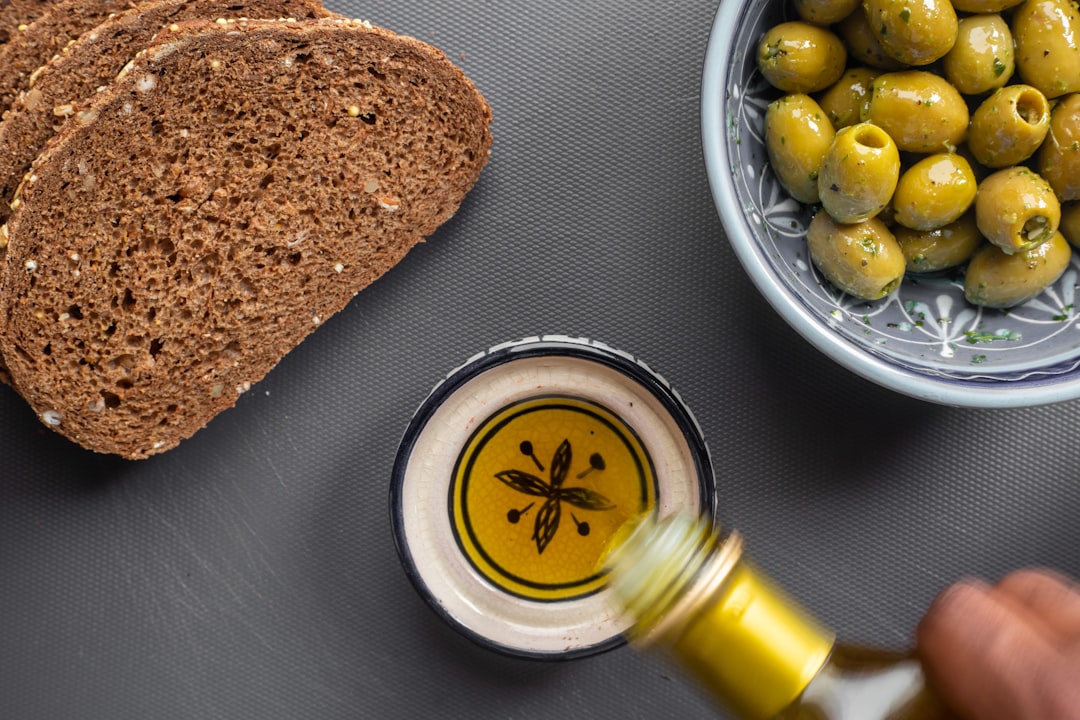
An olive oil dispenser on the counter, a good pot on the stove, a strainer in the rack, and glass containers in the freezer — these are the bones of a kitchen that feeds you well and wastes almost nothing. Not because you bought expensive gadgets, but because you learned a habit that runs underneath everything else, quiet and essential, like a pilot light that never goes out.
My grandmother never wrote down her stock recipe. She didn’t have one. She had a pot, a back burner, and the knowledge — passed down through three generations of women who understood that the best cooking isn’t about perfection. It’s about making something beautiful from what you already have.
I think she’d be proud to know the pot is still simmering.
2 thoughts on “Why There’s Always a Pot of Something Simmering on My Back Burner”