I thought I’d done it. After three years of chipping away at my kitchen’s plastic footprint, I’d swapped every storage container for glass, replaced my tattered Tupperware with sturdy jars, and even convinced my husband that the stainless steel straws were staying. My pantry looked like a Pinterest board for zero-waste living. Then I opened the freezer, and there they were — a dozen Ziploc bags full of marinara, a sleeve of plastic wrap hugging a brick of cookie dough, and a sad little pile of single-use freezer bags leaking thawed chicken stock onto the shelf.
The truth I hadn’t wanted to admit was that glass containers only solved half the problem. They’re brilliant for the fridge and the microwave, and they make leftovers look like something you’d actually want to eat. But glass is heavy, it doesn’t always fit the freezer, and nobody wants to microwave soup in a mason jar at 6 a.m. when they’re half asleep. The gaps in my plastic-free kitchen weren’t in the obvious places — they were in the in-between moments, the batch-cooking sessions, the late-night freezer raids. And the two things that finally closed those gaps cost me less than a single takeout dinner.
The Freezer Was My Last Plastic Frontier
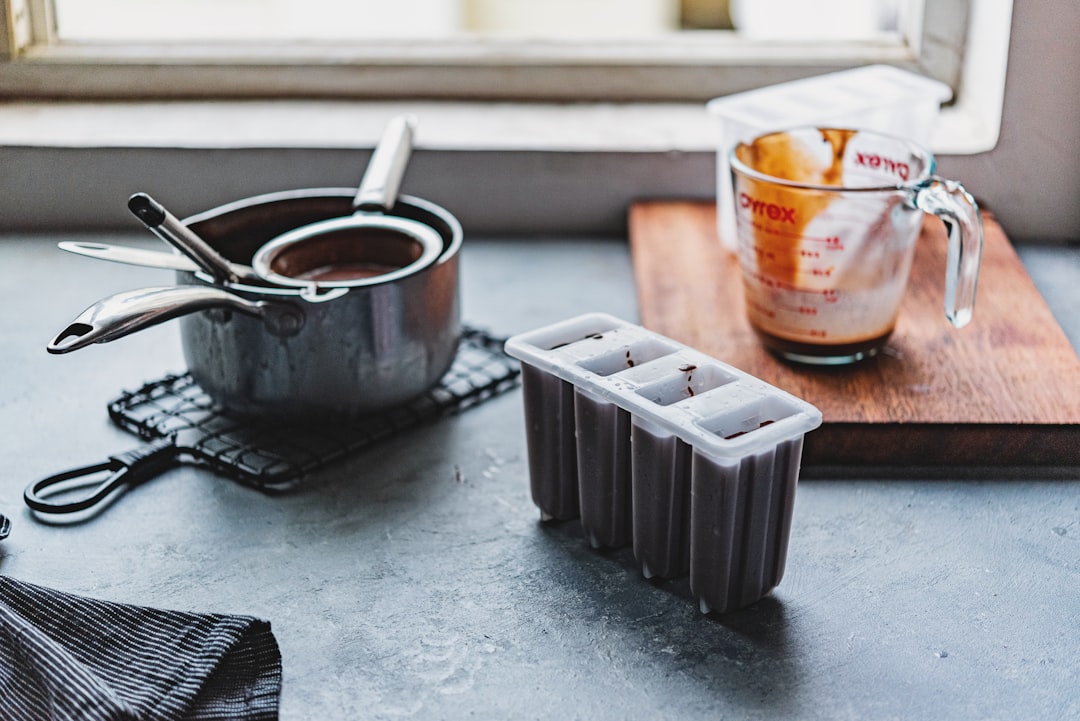
Let me paint the picture. Every September, I spend a weekend making roughly forty quarts of tomato sauce from the garden’s final haul. It’s a family tradition that started when I was barely tall enough to see over the counter, and it’s non-negotiable. For years, I froze those quarts in gallon-sized freezer bags, laid flat like little red bricks on the wire shelves. It worked. It was efficient. It was also, as I eventually realized, an absurd amount of plastic passing through my kitchen every single year.
I tried freezing in glass jars. Some survived. Others did not — and the sound of cracking glass at 2 a.m. as the contents expand is something you only need to hear once. I tried rigid plastic containers, which defeated the entire purpose. Then a friend who runs a meal-prep business mentioned Souper Cubes silicone freezer trays, and I’ll be honest — I was skeptical. Another kitchen gadget promising to change my life. But I ordered a two-pack anyway, and within one freezing cycle, I was converted.
The concept is almost embarrassingly simple: food-grade platinum-cured silicone trays with rigid walls and snug-fitting lids, sized in perfect one-cup or half-cup portions. You pour in soup, sauce, stew, even shredded meat. Pop the lid on. Freeze. When it’s solid, you push the flexible bottom and out pops a perfect little brick that stacks neatly in a container or bag — though at that point, you can use a reusable silicone storage bag instead of plastic, and you’re done. The trays go straight into the dishwasher. No soaking, no scraping, no residue. If you’ve already started retiring the last plastic containers from your kitchen, these trays are the logical next step for everything that still relies on freezer bags.
What sold me, though, wasn’t just the convenience. It was the portion control. My grandmother would have loved these. She always said the secret to not wasting food was freezing it in the amount you’d actually eat — not the amount you cooked. These trays do exactly that, and the portions thaw faster than a giant frozen block because they’re already the right size. If you’ve ever tried to quickly defrost a quart of frozen chicken stock for a weeknight risotto, you understand why this matters.
Stretch Lids: The Unsexy Hero My Kitchen Needed
If silicone freezer trays were the solution I didn’t know I needed, stretch lids were the solution I didn’t even know existed. Here’s the scenario that played out in my kitchen at least twice a week: I’d open a can of beans, use half, and then do the walk of shame to the plastic wrap drawer. You know the one — fumbling with that serrated edge, tearing a piece that’s either too small or comically large, draping it over the bowl, and hoping it clings. It never clings properly. And twelve hours later, the beans are dry on top and the plastic wrap is half-sagging into them.
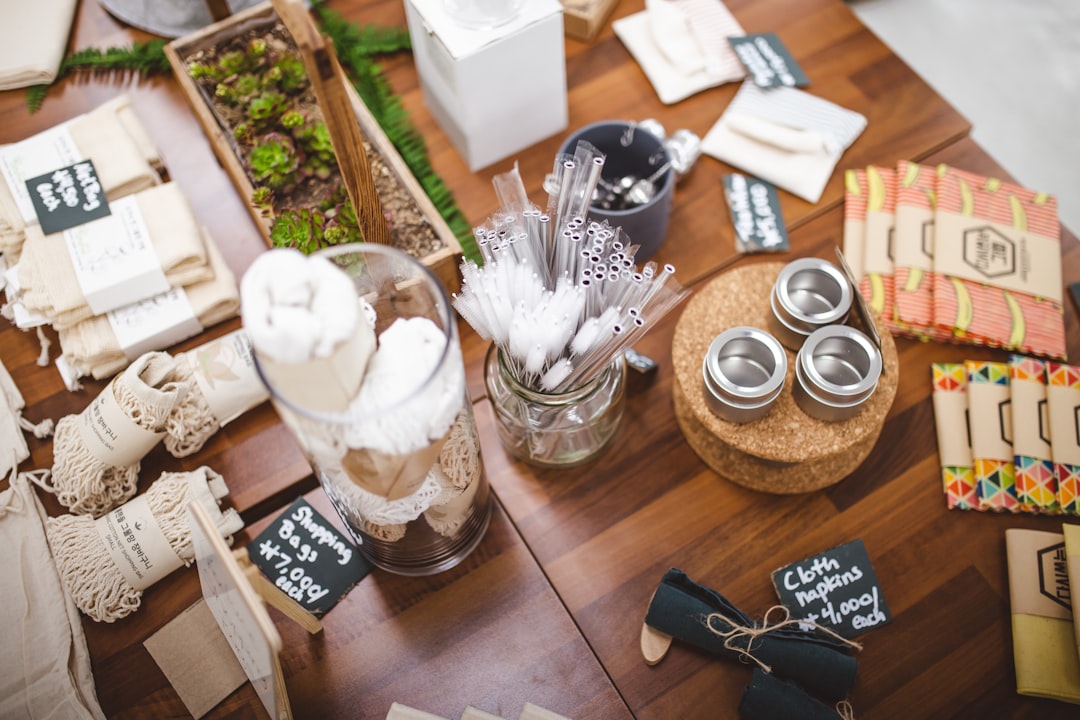
Stretch lids fixed this indignity permanently. These are thin, flexible silicone circles in graduated sizes that stretch over bowls, cups, jars, even half-cut onions and lemons. You pull one on, it seals airtight, and it stays that way. I bought a seven-piece variety pack almost as an afterthought, and within a week, the plastic wrap roll went into the recycling bin for good. Stasher also makes a premium stretch lid set that’s worth every penny if you want something with a noticeably tighter seal on oddly shaped containers.
What I appreciate most is how they handle the weird stuff. Half a cantaloupe? There’s a lid for that. A Mason jar missing its ring? Stretch lid. A mixing bowl of rising bread dough? Lid stretches right over it and pops off cleanly four hours later. They’re dishwasher-safe, microwave-safe, and they don’t absorb color or smell the way plastic wrap silently does. After six months of daily use, mine still look new.
Filling the Remaining Gaps Without Plastic
Once I had the freezer situation and the bowl-covering situation sorted, the remaining plastic in my kitchen became suddenly, almost comically visible. It was like cleaning out a closet and finally seeing what’s actually in there. The plastic went from being background noise to being a specific, solvable list.
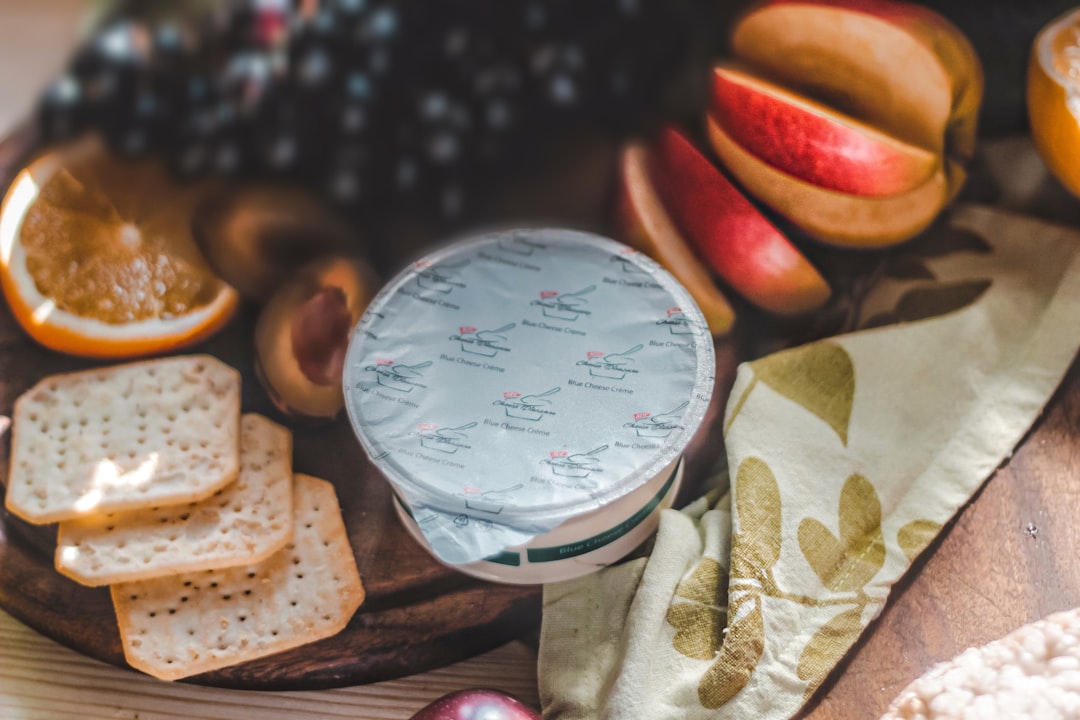
First on the list: cheese storage. I go through a lot of cheese — it’s a personality trait at this point — and for years I kept it in plastic wrap because that’s what the deli gave me and I didn’t know better. Then I switched to beeswax food wraps, and not only does the cheese breathe properly instead of sweating in plastic, but it actually lasts longer. The wrap forms a seal around the block using the warmth of your hands, and after a quick rinse in cool water, it’s ready for the next round. I keep three sizes in a drawer next to the foil, and I haven’t bought plastic wrap in over a year.
Next: baking. If you’ve ever peeled a stubborn batch of cookies off a metal pan, you understand the appeal of silicone baking mats. They replace both the aluminum foil and the parchment paper I was running through at an alarming rate, and they produce a more even bake than either. I line my half-sheet pans with them, and cleanup is a rinse and a wipe. No more scrubbing burnt-on sugar while questioning my life choices.
The Glass Container Problem I Hadn’t Anticipated

Here’s something nobody warned me about when I switched to glass containers a few years ago: they don’t solve every storage problem equally. Glass is perfect for structured meal prep — the kind where you portion out Monday’s lunch on Sunday afternoon and stack it neatly in the fridge. But for the chaotic, real-life version of cooking? The kind where you made too much rice, or you have a cup and a half of leftover caramelized onions, or you need to stash a single chicken breast in the freezer for next Thursday?
That’s where glass gets awkward. The containers are heavy, they take up more space than their contents warrant, and the lids — no matter how much you pay — eventually warp in the dishwasher. I’ve owned at least four different brands, and the story is always the same: six months of perfect airtight seals, then a slow decline into “is this actually closed?”
Silicone fills those micro-gaps that glass can’t. A set of sturdy glass containers with snap-locking lids handles the big-picture storage — your weekly prep, your leftovers, your potluck transport. Then the silicone trays handle the freezer, the stretch lids handle the bowls, and the bags handle the loose items that don’t fit a container shape. Together, they create a system that’s genuinely plastic-free in practice, not just in theory.
What About the Cost?
I’m not going to pretend this transition was free. Quality silicone costs more than the cheap plastic it replaces — that’s just the reality of buying things designed to last twenty years instead of twenty minutes. But the math has genuinely surprised me. I tracked my kitchen spending for six months before and after the switch, and here’s what I found.
In the six months before, I spent roughly $18 a month on plastic wrap, freezer bags, sandwich bags, and parchment paper. Not catastrophic, but not nothing — that’s over $200 a year on things I use once and throw away. In the six months after, that number dropped to under $3 a month, and that’s only because I buy replacement beeswax wraps every few months when the old ones lose their stick. The silicone freezer trays, stretch lids, baking mats, and storage bags I purchased once. They’re still going strong. At this rate, the entire setup will have paid for itself by month ten, and everything after that is savings.
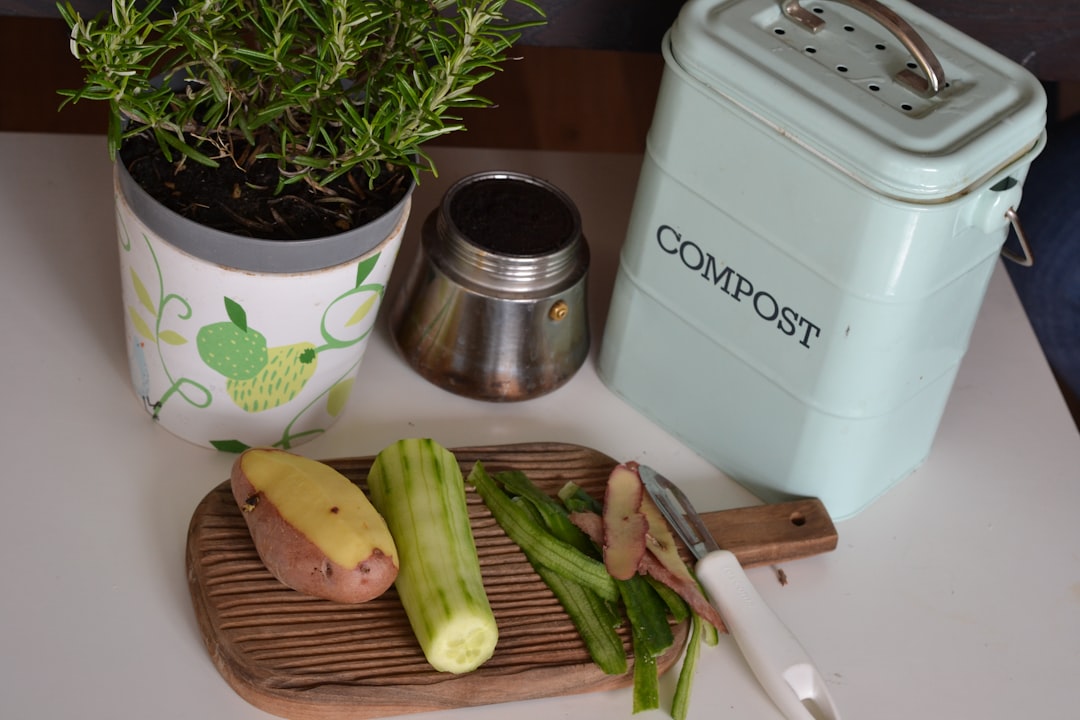
There’s also the food-waste angle, which I didn’t expect. When I can see my leftovers through clear glass and silicone instead of foggy plastic, I actually remember to eat them. When my freezer is organized into neat labeled portions instead of a frozen avalanche of mystery bags, nothing gets buried and forgotten. I added a small countertop compost bin for the scraps I do generate, and even that has been a quiet revelation — my trash output dropped by more than half, and the bin doesn’t smell if you empty it regularly.
The Vacuum Sealer Question
I’ll address this because three people have already asked me about it: yes, I own a vacuum sealer, and yes, I still use it — but differently than before. Before the silicone switch, the vacuum sealer was my primary freezer tool, and I went through an embarrassing amount of proprietary bag material. Now, it’s a specialty tool. I use it for long-term storage — the kind of thing I’m freezing for three months or more — and I pair it with Mason jars using a jar vacuum sealer attachment that lets me seal dry goods, nuts, and grains in jars I already own.
For everyday freezing — the Sunday batch-cooking sessions, the leftover sauce, the portioned-out soup — the silicone trays have completely replaced the vacuum sealer. They’re faster, simpler, and there’s no consumable cost. The sealer sits in the cabinet and comes out maybe once a month instead of every weekend. If you’re trying to decide where to invest first, start with the trays. The sealer can wait.
The System That Actually Works
After two years of refining this, here’s what my plastic-free kitchen storage actually looks like on a random Tuesday. In the fridge, everything lives in glass containers with snap-locking lids — leftovers, chopped vegetables, prepared sauces. Bowls of things-in-progress (soaking beans, rising dough, a half-eaten watermelon) are covered with stretch lids that take up almost no drawer space. Cheese, butter, and cut produce are wrapped in beeswax. In the freezer, portions of soup, stock, sauce, and stew live as neat silicone-tray bricks inside large silicone storage bags, labeled with a grease pencil. The baking mats stay on the sheet pans permanently because I use them that often.
The plastic that remains in my kitchen is down to two items: the bag my bread comes in (working on it) and the seal on a certain brand of pasta sauce jar (out of my control). Everything else has been replaced by things that wash clean, stack neatly, and don’t end up in a landfill after a single use. The freezer burn epiphany I had last year was the beginning of this journey, but the silicone trays and stretch lids were what actually got me across the finish line.
If you’re in the spot I was — glass containers in the fridge, plastic everything else in the freezer, and a nagging feeling that you’re only halfway there — the answer isn’t another expensive gadget or a lifestyle overhaul. It’s two small, unassuming tools that fill the exact gaps glass leaves behind. Pair them with a solid summer pantry reset to use up what you already have, and once you pop your first perfect portion of frozen soup out of a silicone tray at 6 p.m. on a Wednesday, you’ll wonder what took you so long.