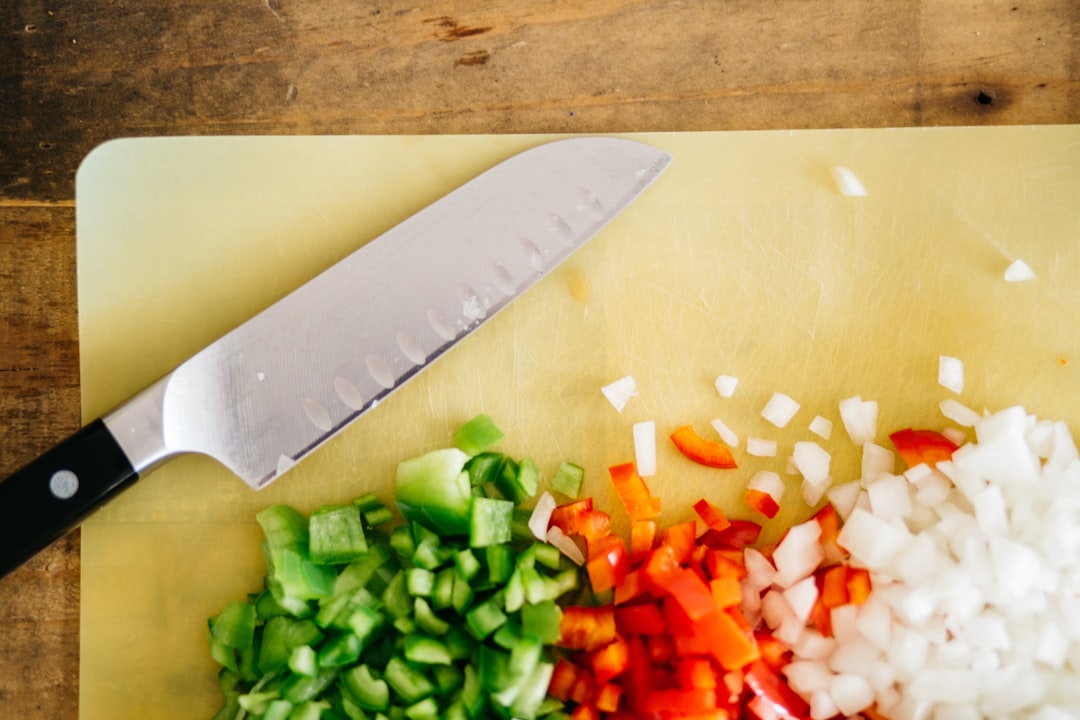
The garlic burned while I was hunting for the soy sauce. That’s the honest beginning of this story. It was a Tuesday, the pan was screaming hot, the onions were already past golden and heading for charcoal, and there I was — elbow-deep in a cabinet, knocking over vinegars, trying to find a bottle that had migrated three shelves away from where it lived last week. By the time dinner hit the table, I’d been darting around that kitchen for forty minutes and the stir-fry tasted like regret with a side of sesame oil.
I tell that story because I suspect some version of it happens in your kitchen too. And because the fix — the real fix, not the “meal plan harder” fix — turned out to be a French phrase I’d been rolling my eyes at for twenty years.
The Phrase That Finally Followed Me Home
Mise en place. “Everything in its place.” I first heard it in culinary school, where instructors said it with the reverence my grandmother reserved for pie crust. Every dish we prepped began the same way: vegetables chopped and sorted into containers, proteins portioned, sauces mixed, tools laid out like a surgeon’s tray before a single burner clicked on. I understood it intellectually and completely ignored it at home. Home cooking was improvisation! Freedom! Cooking by the seat of my apron!
Here’s what took me two decades to admit: my grandmother — the woman who could feed twenty people from a kitchen the size of a closet — was doing mise en place her entire life without once using the phrase. Before she lit the stove, the onions were diced, the tomatoes were quartered, the salt pig was open, and a bowl for peels sat at her elbow. She called it “getting ready.” The French just gave it a fancier name and, in my case, a century of stubborn resistance.
The concept itself is simple, which is exactly why it’s powerful: prep and cooking are two different jobs, and doing them at the same time is why dinner feels like a fire drill. Separate them and both get easier. If you’ve read my piece on the six kitchen reflexes I rely on daily, you know I’m a believer in small habits over big overhauls. This is the mother of all of them.
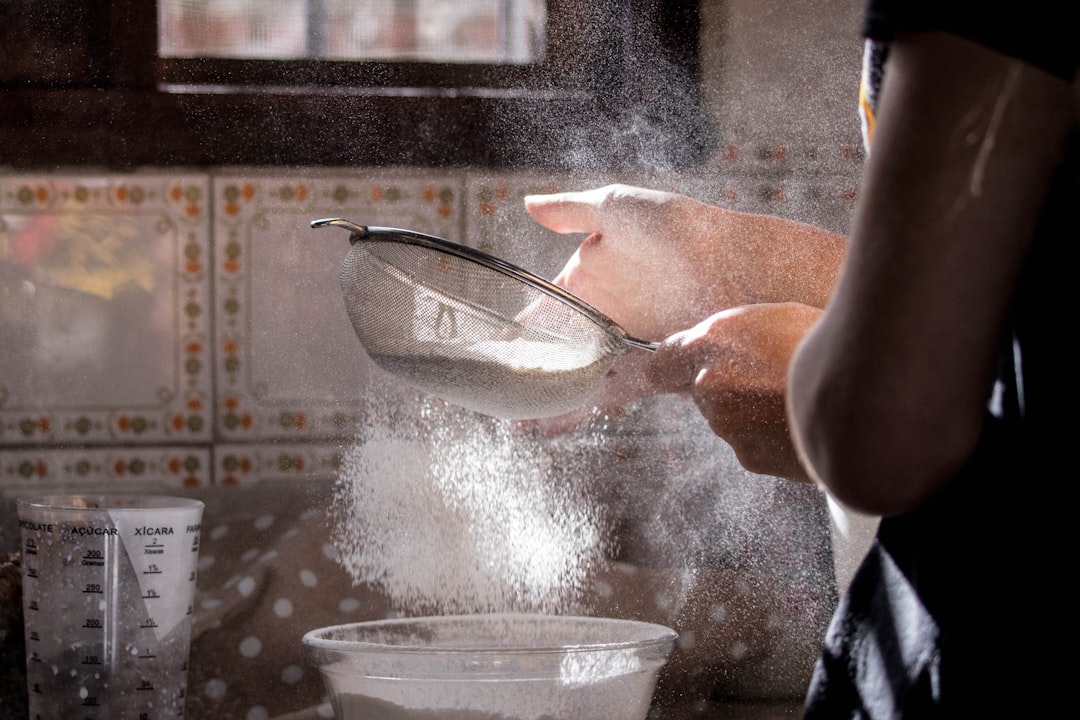
Flour measured and sifted before anything else happens — my grandmother’s law, still enforced.
Two Weeks of Cooking Backwards
After the Great Garlic Incident, I decided to run an experiment, and I dragged my test kitchen crew into it with me. For two weeks, none of us were allowed to turn on a burner, press a toaster, or plug in so much as an electric kettle until every single ingredient in the recipe was washed, chopped, measured, and sitting in view. Recipe read twice before the knife came out — once to catch surprises like “chill overnight,” once to do the timing math.
The first few nights felt absurd. Bowls everywhere. Counter cluttered. I kept thinking, I could be eating by now. But by night four, something shifted. My hands stopped panicking. When the oil shimmered, the aromatics were already waiting in their little glass dishes, and I tipped them in like a woman who had her life together. Dinners that used to take me fifty frantic minutes were landing on the table in thirty calm ones — because the actual cooking time was always short. It was the mid-recipe scavenger hunts that had been eating my evenings.
My crew reported the same thing, especially the parents among them. One of my testers, cooking with a toddler on one hip, said the sentence I’ve now heard a dozen times since: “It’s the first time dinner didn’t make me want to cry.” That’s not marketing talk. That’s just what happens when you stop doing two jobs at once.
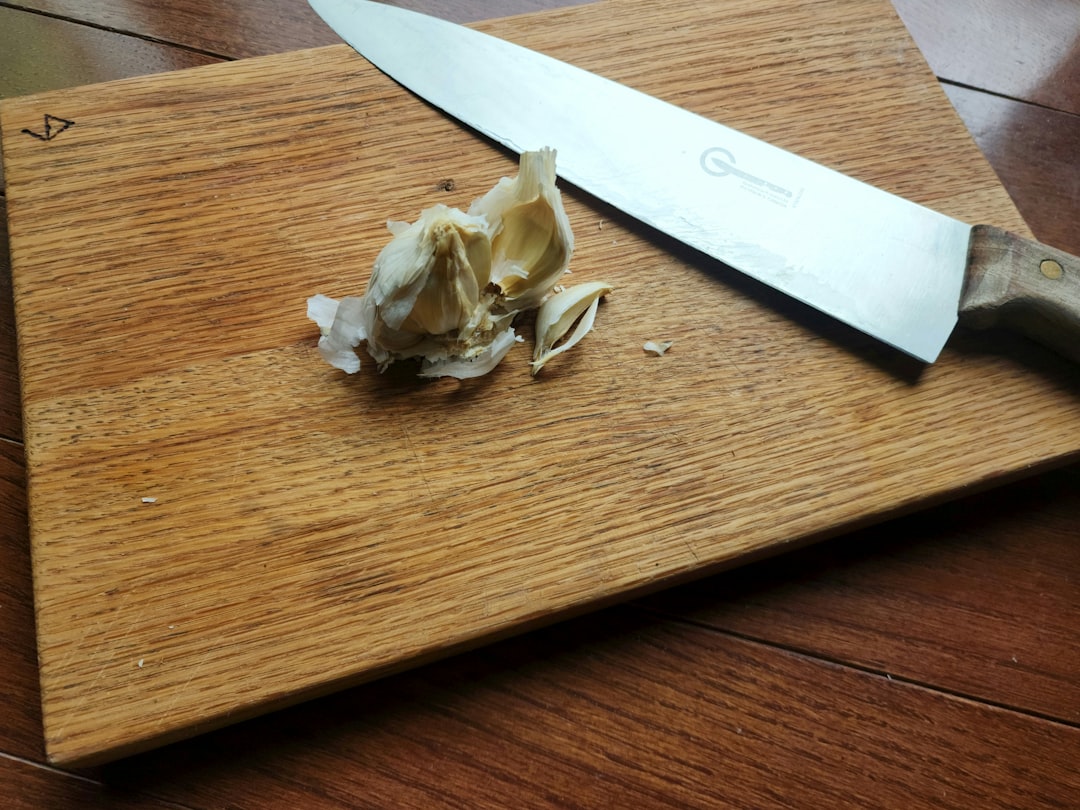
Garlic minced first, not mid-sizzle. The whole philosophy in one photo.
The Bowls That Run My Counter Now
Big Steel, Little Glass
You don’t need fancy equipment for mise en place — my grandmother used saucers — but two sets of bowls changed how often I actually keep the ritual. The first is a nesting stainless steel mixing bowl set: six sizes that stack into one footprint, so they’re always within reach when I start pulling ingredients out of the pantry. The big ones hold chopped vegetables for a whole stir-fry; the small ones corral the aromatics that go into the pan in sequence. Steel takes a beating, goes in the dishwasher, and doesn’t shatter when a bowl of onions gets bumped mid-chaos.
The second set is glass, and honestly, it’s the one I reach for first. A set of small glass prep bowls in graduated sizes lets you see exactly what’s where — the red pepper flakes don’t hide the way they do in ceramic. Mine get used for everything from cracked eggs to the two tablespoons of tomato paste a recipe always seems to demand at the worst moment. And when I’m working from a recipe by weight instead of volume — which I do more every year, ever since my three-year quest for the perfect kitchen scale — glass bowls tare beautifully on the scale, one ingredient after another, all lined up and ready before the stove earns its keep.
Pinch Bowls for the Small Stuff
Then there’s the jewelry of the operation. A row of colorful melamine pinch bowls holds the tiny measures: the teaspoon of cumin, the pinch of pepper flakes, the salt you’ll want at three different moments. When spices are portioned and visible, you season with intention instead of shaking a jar over a moving pan and hoping. It pairs beautifully with blooming spices in hot oil for ten seconds — everything measured and standing by, so nothing scorches while you dig through the cabinet.
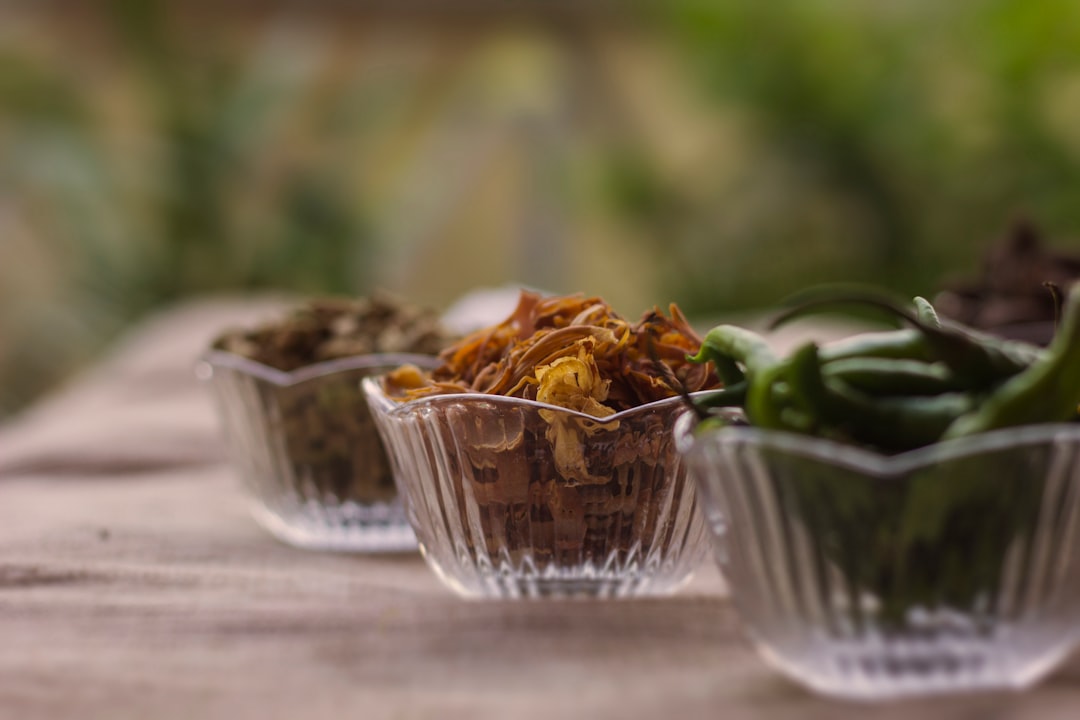
Spices portioned and visible — seasoning becomes a decision, not a reflex.
Moving Food Without Spilling Your Composure
Here’s the unglamorous truth nobody mentions: mise en place is also a transportation system. All that chopped food has to get from board to bowl to pan, and the tool that quietly revolutionized mine is the humble bench scraper. I scoop minced herbs and garlic off the board in one clean pass, sweep them into their waiting bowl, and the board is instantly ready for the next vegetable. No more herding onions across the counter with the flat of a knife like some kind of barnyard chase.
If you’re prepping several ingredients at once — and with mise en place, you are — a set of flexible cutting mats keeps everything honest: onions on one mat, peppers moving to the next, no cross-contamination, no rinsing a heavy board between tasks. I wrote a whole confession about my relationship with cutting boards after testing eleven of them, and the flexible mats are the supporting cast I didn’t know that story needed. They bend into a chute and deliver chopped food exactly where it’s headed.
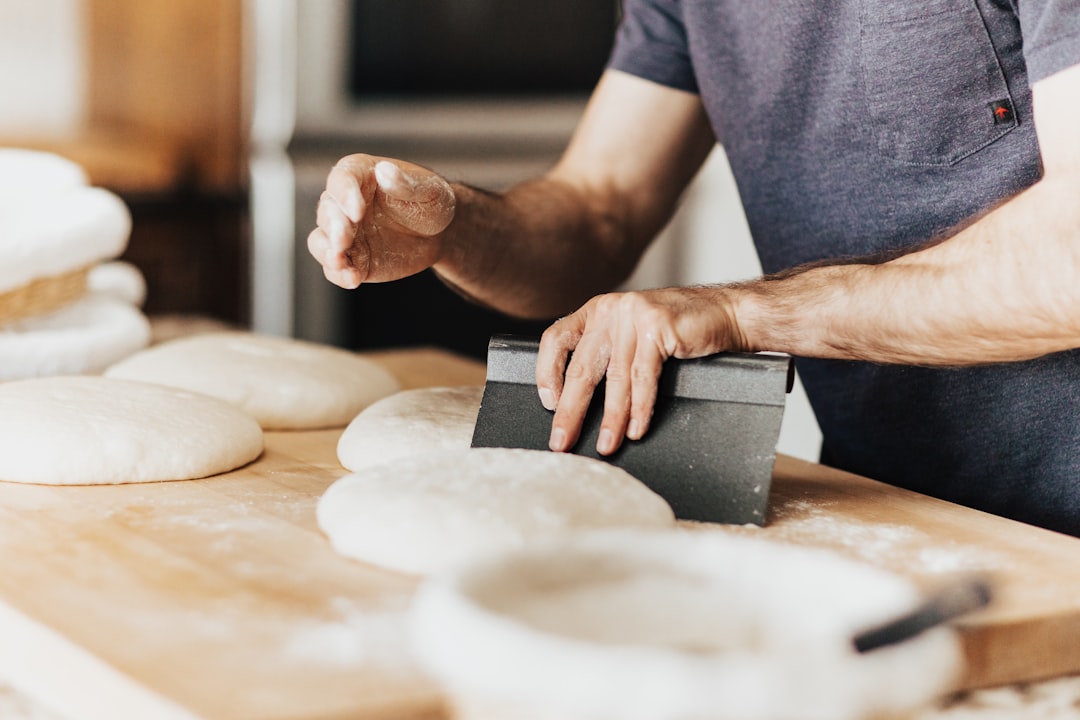
The bench scraper: part shovel, part bench brush, entirely underrated.
Four Quiet Accessories That Changed the Ritual
Once the core habit stuck, a handful of small purchases made it pleasant instead of merely disciplined. I offer these the way a friend offers a good book — take what sings to you.
An open salt cellar. Mine is a lidded ceramic salt cellar that lives beside the stove. When salt is a pinch away instead of a grind away, you season throughout cooking, and every dish improves. This was my grandmother’s single non-negotiable, and I finally understand why.
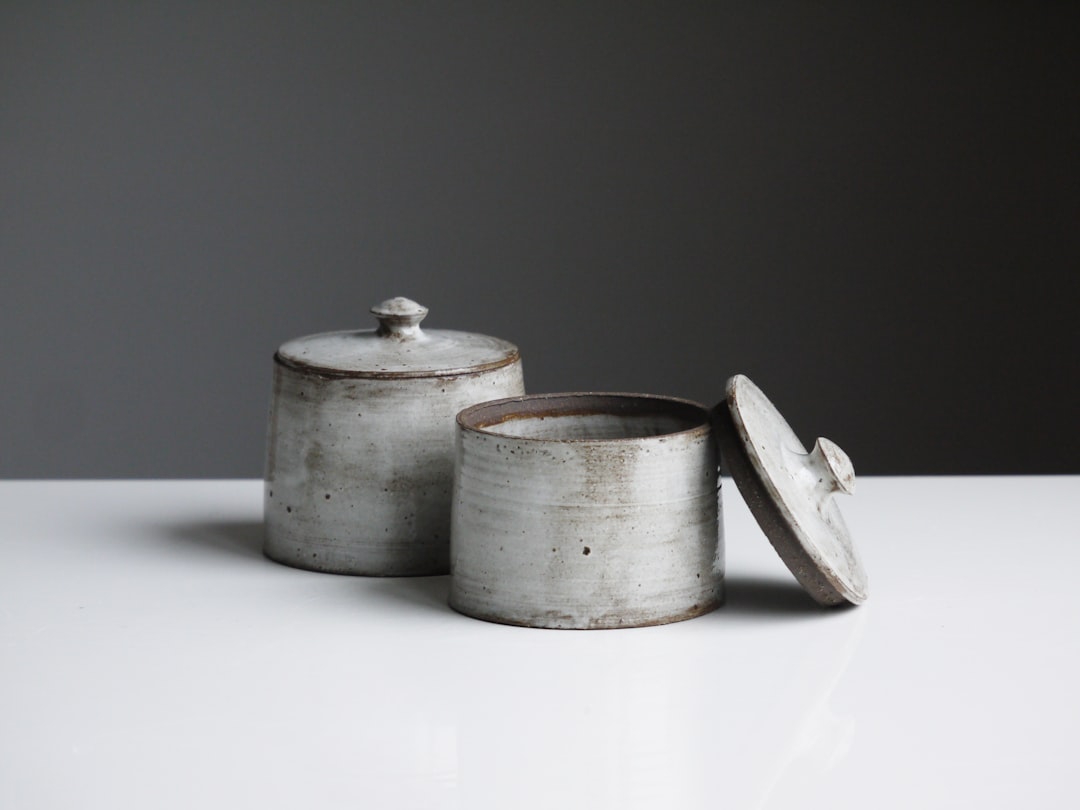
The salt cellar earns its counter real estate every single day.
Squeeze bottles for oil and acids. A set of chef’s squeeze bottles holds my cooking oil, vinegar, and soy sauce. One-handed, measured drizzles — no bottles clattering off the counter mid-sear, no glug-glug disasters. The soy sauce from that fateful Tuesday now lives in one, clearly labeled, and it cannot hide from me.
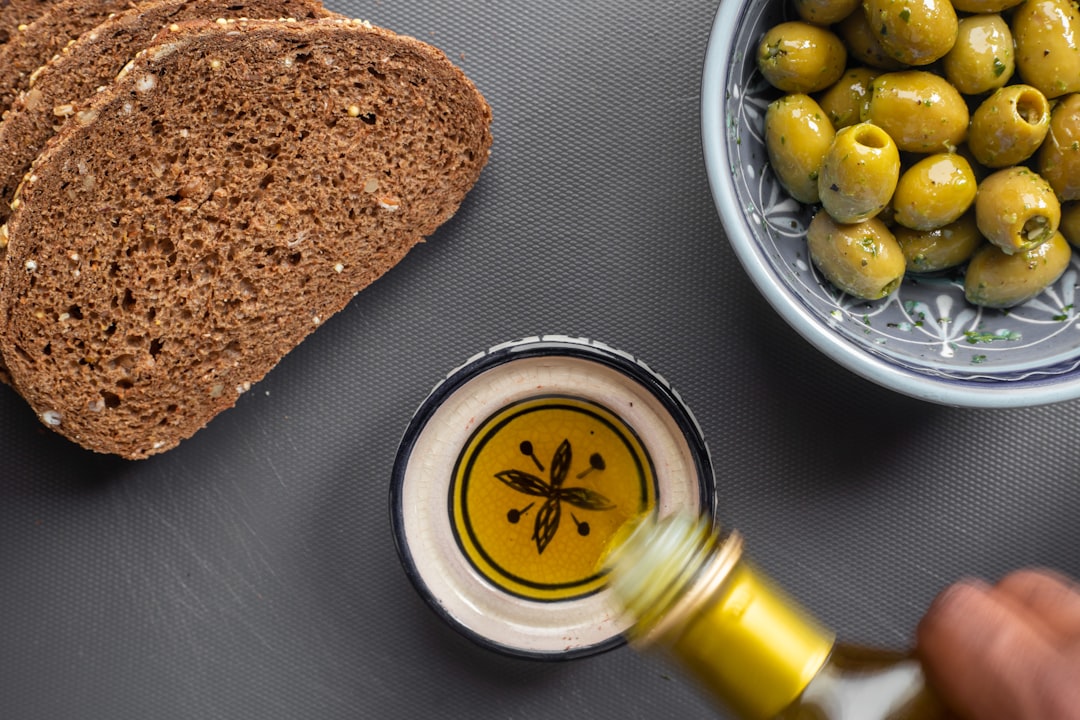
Oil at the ready — measured drizzles instead of mid-recipe bottle hunts.
A timer you can hear from the porch. Doing the timing math is part of the ritual, and a loud, simple digital kitchen timer tracks the potatoes while you focus on the pan sauce. Mise en place freed my hands; the timer freed the back of my mind.
A scrap bowl, or better, a compost keeper. Instead of shoving peels and ends into the sink or trotting to the trash can with dripping hands, everything lands in one place. A one-gallon ceramic compost keeper by the cutting board collects it all and keeps the counter clean, which brings me to the last domino in the chain: a tidy station makes you want to cook again tomorrow.
The Order of Operations I Teach Now
After months of living this way, here’s the sequence I teach anyone who’ll listen. Read the recipe twice, all the way through — once for surprises, once to imagine the timing. Pull every ingredient to the counter before you open a single container. Preheat nothing yet. Prep in the order the recipe lists ingredients, because that’s usually the order things hit the pan. Zest the lemon while the lemon is out; a good rasp-style microplane zester makes it thirty seconds of work instead of a wrestling match. Group the finished bowls by dish or by pan. Set your trash bowl and salt cellar at your elbow. Then, and only then, let the heat in.
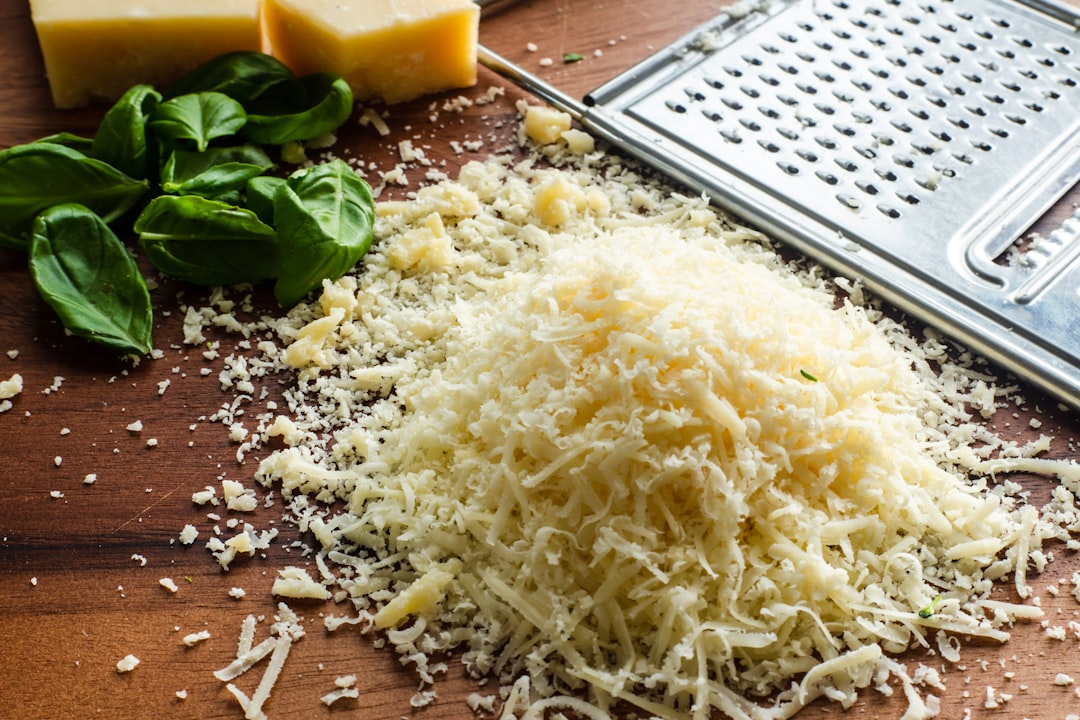
Cheese grated before the pasta water boils — future you is grateful every time.
When I Skip It on Purpose
Let me be honest about the edges, because nothing in a real kitchen is absolute. On scrambled-egg mornings, I don’t stage bowls; the ritual would outlast the meal. A simple salad doesn’t need seventeen vessels. And some ingredients refuse to wait — sliced avocados brown, cut apples weep, fresh herbs wilt — so those get prepped last, or at the moment, by design. Mise en place is a servant, not a religion. The point was never a magazine-photo counter. The point is that when heat meets food, your attention belongs to the cooking, not the scavenging.
Three Weeks Later, Still Standing
The experiment officially ended weeks ago; nobody in my house got the memo, including me. The bowls come out before the burners do, every time, because calm is a habit that defends itself. Dinner takes less time, tastes better, and — this is the part that still surprises me — cleans up faster, because a cook who isn’t scattering debris mid-panic leaves a kitchen that’s already half tidy.
Start smaller than you think. One recipe this week, read twice, everything in bowls before the stove clicks on. Notice how your shoulders sit differently while the onions cook. My grandmother was right about the crust, the Sunday roasts, and this. She was right about nearly everything — she just called it getting ready.
2 thoughts on “Everything in Its Place: How a French Ritual Ended My Weeknight Fire Drills”