
Let me tell you about the Sunday I served pink chicken to twelve people. It was July, it was ninety-six degrees, and I had volunteered to host our annual neighborhood potluck because — and I quote myself here — “After thirty years of cooking, I could do this in my sleep.”
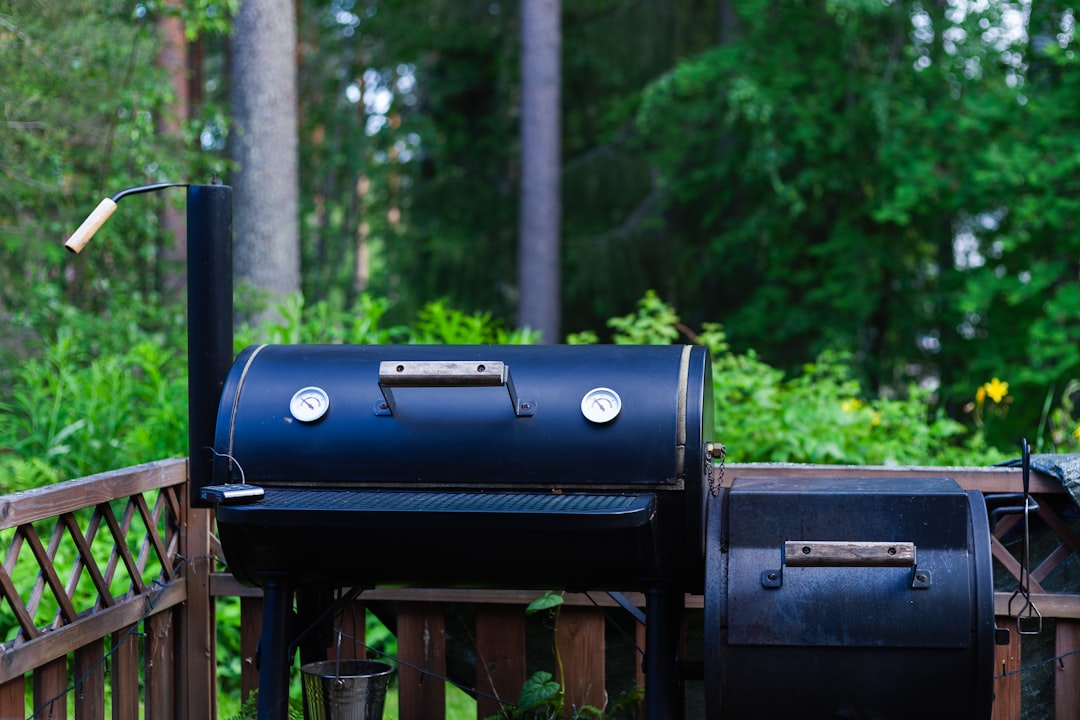
Well. I was half right. I did manage to sleepwalk through six hours of grilling. What I failed to do was notice that the thickest part of a whole spatchcocked bird on a screaming-hot grill does not cook at the same rate as the thin edges, no matter how many times you’ve done it before. I was winging it. Poking the thing with my finger, pressing the breast, doing the old “juices run clear” test that every food safety expert would like to retire permanently. Twelve plates went out. Three came back with a polite, horrified whisper to check the chicken.
I have never recovered from the embarrassment. But I did recover from the problem.
The Noise I Made When Wireless Thermometers Finally Clicked
For years, I’d watched the wireless meat thermometer category explode from behind a wall of skepticism. I grew up with a candy thermometer clipped to the side of a pot and an instant-read dial that my grandmother calibrated by dropping it in ice water. The idea of sticking a Bluetooth probe into a roast and watching numbers scroll across my phone felt like substituting a screen for instinct. And instinct — the kind you build over decades of standing next to open flame — is not something I give up lightly.
But raw chicken has a way of rearranging your priorities.
The week after the potluck, I ordered five wireless thermometers. Then two more arrived from our testing team, who had been waiting for me to come around. I spent the next six weeks grilling, smoking, roasting, and air-frying with a probe in nearly everything that would hold still. What I found surprised me more than anything I’ve tested this year — and I’ve tested a lot.
What a Wireless Thermometer Actually Does (And Why It’s Different From What You Think)
Here’s the thing most people misunderstand: a wireless meat thermometer is not the same as the leave-in probe with a cable that your uncle clips to the side of his Oklahoma Joe’s. Those are wired — a metal probe connected by a heat-resistant cable to a base station that sits on your counter and beeps. They work. I’ve used them for years, and a solid rechargeable Bluetooth model from TempPro still rides shotgun on my smoker for long brisket sessions.
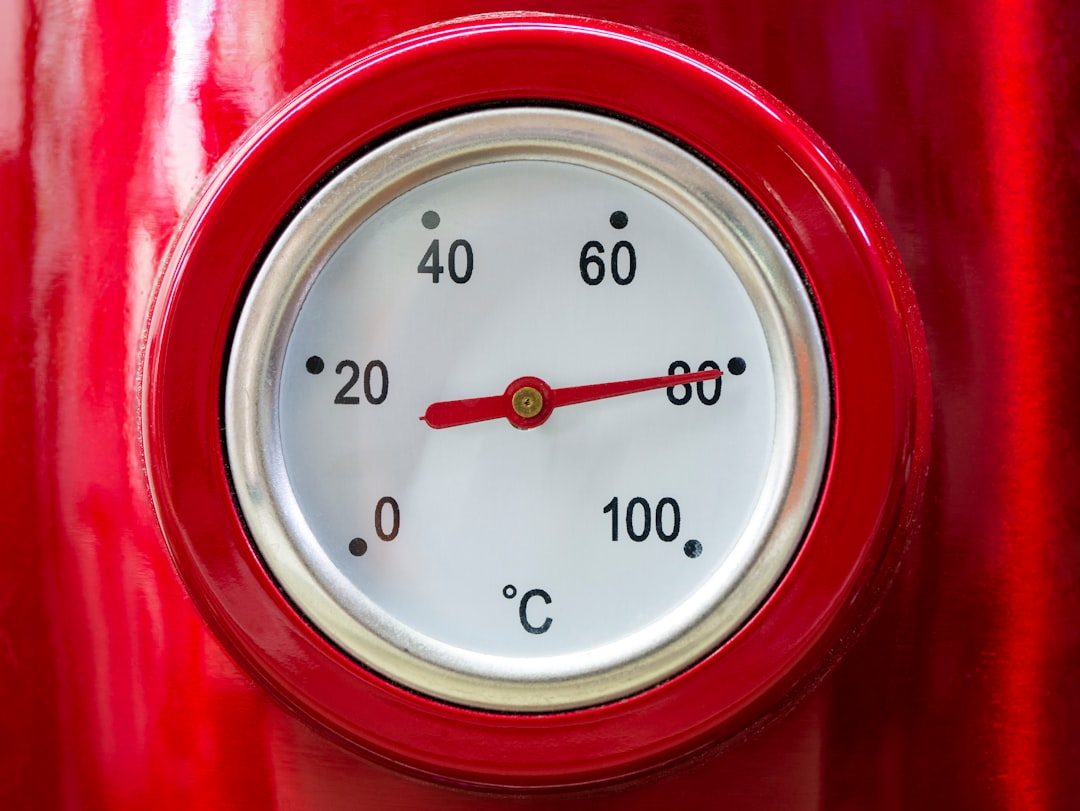
But a true wireless thermometer is a completely self-contained probe. No cable. No clip. You insert it into the meat, close the lid, and walk away. The probe transmits temperature data — usually via Bluetooth or WiFi — to a base station, your phone, or both. Some models track internal meat temperature and ambient cooker temperature simultaneously. The good ones do it with NIST-certified accuracy within half a degree.
The first time I inserted a fully wireless probe into a pork shoulder, closed the smoker lid, and walked inside to make coleslaw while watching the temperature climb on my phone, I made a noise that my husband described as “concerning.” It was the sound of someone realizing a problem they’d been fighting for twenty years had quietly solved itself.
The Five Contenders: What I Tested and What Actually Earned the Counter
I tested each thermometer across three cooking scenarios: a high-heat grill session (550°F+ for steaks and burgers), a low-and-slow smoke (225°F for eight hours on a pork shoulder), and an indoor roast (a whole chicken at 375°F). Here’s what separated the tools I kept from the ones I boxed up.
The One That Started the Revolution
The MEATER Plus is the probe most people have heard of, and for good reason — it was the first fully wireless thermometer to genuinely work for home cooks. A single probe houses five sensors (four for internal meat temperature at different depths, one for ambient). Setup takes about ninety seconds. The app is clean, the guided cook feature walks you through target temperatures for everything from medium-rare strip steak to pulled pork, and the Bluetooth range honestly surprised me — I could walk to the far end of my backyard (about 165 feet from the grill) and still get live readings.
Where it struggles: the MEATER Plus tops out at around 527°F for ambient heat, which means it’s not ideal for searing over open flame. The charger block is also a bit finicky — if the probe isn’t seated just right, it won’t charge, and you’ll discover this at the worst possible moment.
For most home grilling, though? It’s the gateway drug, and I still reach for it first when I’m doing a simple weeknight chicken or tri-tip.

The Upgrade That Earned Its Price Tag
When I tell you the MEATER Pro Duo solved every complaint I had about the Plus, I’m not exaggerating. Higher heat tolerance — up to 1,000°F — which means you can use it for deep frying, high-heat grilling, and even pizza oven sessions. Dual probes means you can track two cuts simultaneously (enormous when you’re running a mixed grill). The accuracy is certified, the battery life nearly doubled, and the updated app includes a “cook estimator” that tells you exactly how much time remains before you hit your target temperature.
I used the Pro Duo for a twelve-hour brisket smoke in June, and the estimator was within seven minutes of the actual pull time. Seven minutes. On a twelve-hour cook. I would have been thrilled with thirty.
The One That Doesn’t Need Your Phone
The ThermoMaven Smart Bluetooth Wireless Thermometer earned a permanent spot in my kit for one reason: it comes with a standalone display base. If you cook with your phone in another room — or, like me, you’ve had it die mid-smoke — having a dedicated screen on the counter that shows live temperatures is genuinely freeing. It uses a Sub-1G signal that’s more stable than standard Bluetooth, with WiFi for unlimited range. The probes are NIST-certified to ±0.5°F, and the base doubles as a charger.
For a multi-probe setup where you’re tracking four cuts at once (say, a holiday cookout), the ThermoMaven’s base station approach is cleaner than juggling app screens.
The Smart Kitchen All-Rounder
The CHEF iQ Sense takes a different approach — an ultra-thin probe (the thinnest I tested) that houses five sensors. It connects via WiFi for genuinely unlimited range, meaning I could check my smoker temperature from the grocery store. The companion app includes guided recipes, and the wireless charging dock is magnetic, which solves the seating issue I had with the MEATER.
Where the CHEF iQ shines is in a smart kitchen ecosystem — if you already have connected appliances, it integrates beautifully. It felt like the thermometer equivalent of a thermostat that learns your schedule.
The One Built for the Backyard Pitmaster
The Ninja ProChef Wireless Probe is specifically designed for outdoor and high-heat cooking. It’s flame-resistant, waterproof, and has the longest battery life of anything I tested — easily surviving a full fourteen-hour brisket session with charge to spare. The Bluetooth range is excellent, and the app’s “doneness” presets are well-calibrated for real-world cooking (their medium-rare is actually medium-rare, not “hope you like grey meat”).
If you cook primarily on a grill or smoker and want something that can take abuse — heat, flare-ups, grease, rain — the ProChef is built for the battlefield.
The Instant-Read Question: Do You Still Need One?
Yes. Absolutely, unambiguously yes.
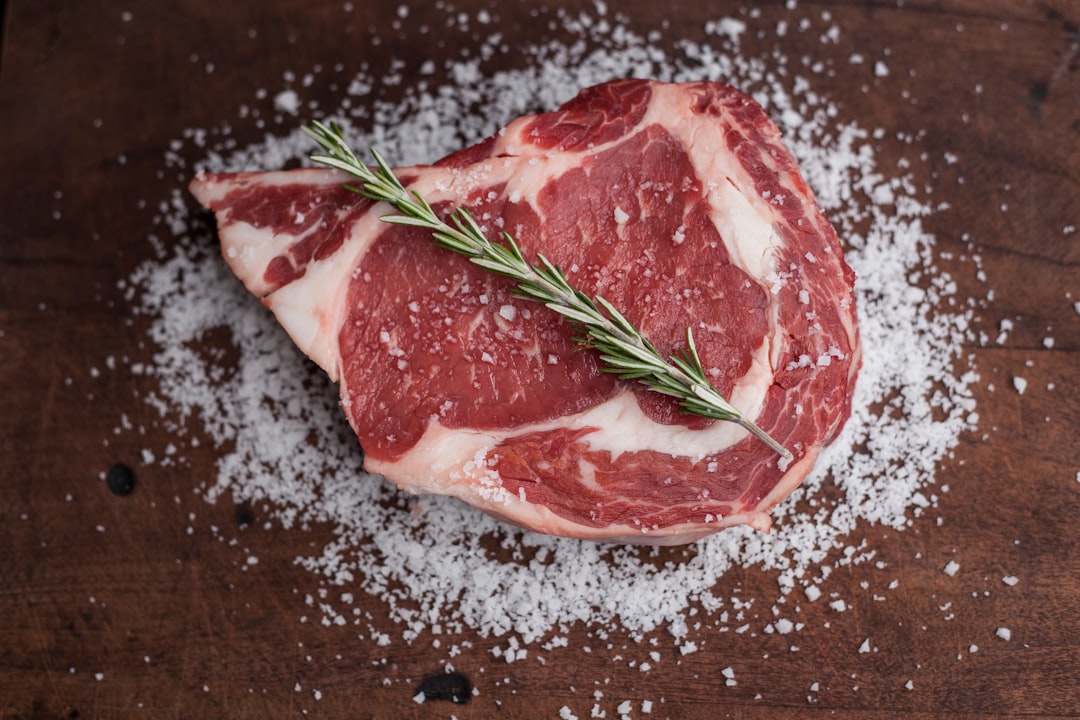
A wireless thermometer tells you what’s happening inside the meat over time. An instant-read thermometer tells you what’s happening at a specific moment — when to pull a steak off the grill, when the bread is done, when the oil is hot enough to fry. They serve different purposes, and every kitchen needs both.
The ThermoWorks Thermapen ONE remains the gold standard for instant-read. It’s the thermometer that every serious cook I know eventually buys, and the one I’ve owned in three different colors. It reads in under one second, is accurate to ±0.5°F, and the auto-rotating display means you never have to tilt your head at a weird angle while your arm is over a 600°F grill. If you want something more budget-friendly, the Alpha Grillers instant-read is a solid runner-up that costs about a third as much.
What I Actually Use: The Real-World Setup
After six weeks of testing, here’s what stuck. For everyday grilling — weeknight burgers, a quick steak, a spatchcocked chicken — the MEATER Plus lives in my knife drawer next to the salt cellar. It’s fast, simple, and the guided cook feature means I don’t have to remember target temps for eleven different proteins.
For weekend smoking sessions, the MEATER Pro Duo comes out because dual probes mean I can track a brisket flat and a pork shoulder at the same time without mentally dividing attention. The TempPro four-probe wireless thermometer is what I hand to anyone running a big cookout — the OXO grilling set comes out, four probes go in, and I can manage a full cookout for twenty without anyone sending back a plate.
And the instant-read Thermapen never leaves my apron pocket. When the timer beeps, when the edges look right but the center is a question mark, when a recipe says “cook until done” — that’s when you pull it out. Two tools, two jobs, zero guesswork.
If you’re wondering where to start: pick one. Any one of these will make you a better cook on day one, not because the technology is magic, but because it removes the single biggest variable that ruins good food. You stop guessing. You stop overcooking to be safe. You stop slicing into a beautiful piece of meat only to find it’s not ready.

The Cookout That Changed My Mind
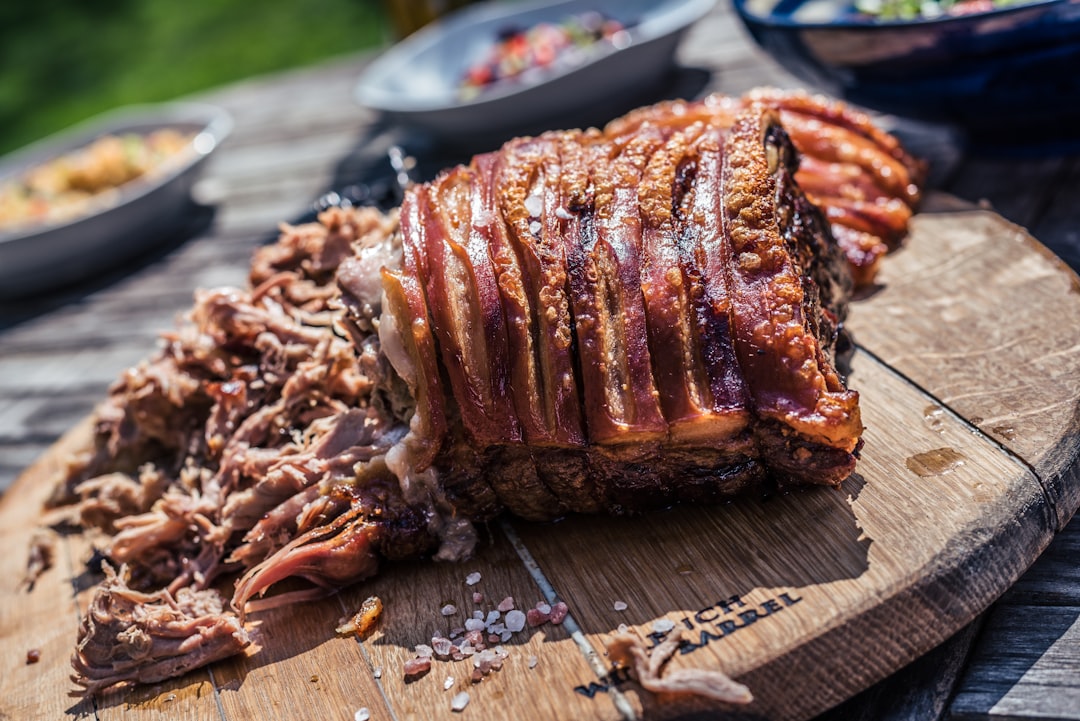
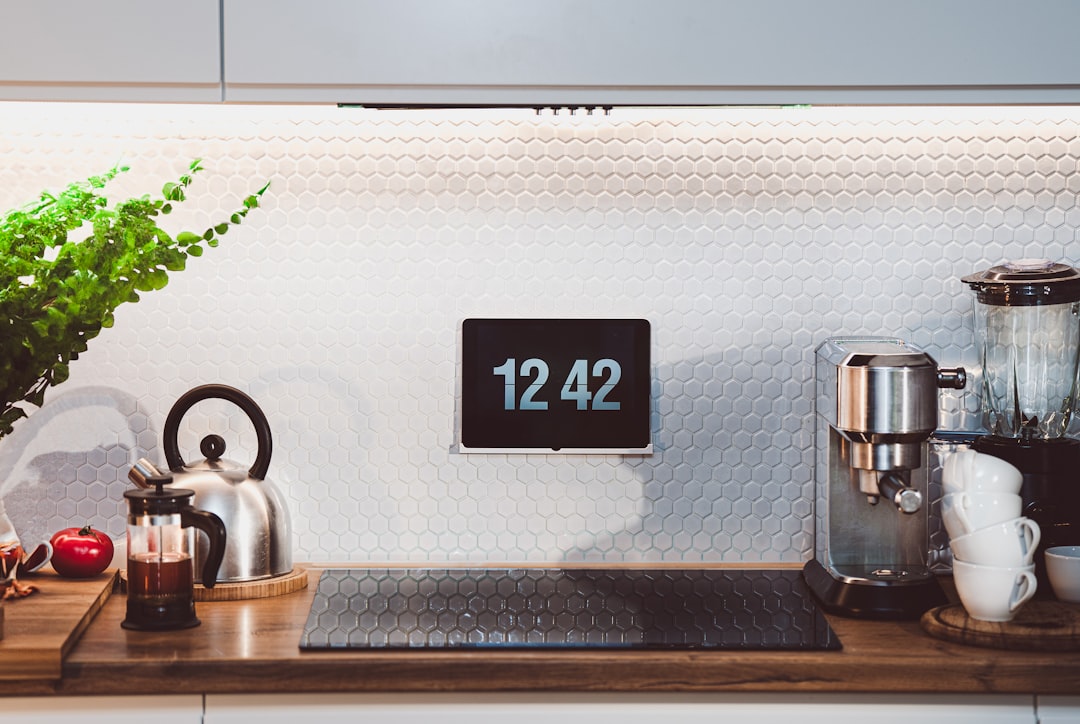
Three weekends ago, I hosted a backyard dinner for fourteen. I grilled three whole spatchcocked chickens, two racks of ribs, and enough corn and zucchini to fill a sheet pan. The probe went into the thickest part of the largest bird. I closed the lid. I went inside, made the dressing, set the table, arranged flowers — all while watching the internal temperature climb steadily on the screen propped against the salt shaker on my counter. At 162°F, the app told me I had four minutes. At 165°F, I pulled everything.
Every plate came back empty. Not one whisper. Not one concerned glance.
I’ve spent decades trusting my hands, my eyes, and the old squeeze test to tell me when meat is done. And honestly, those skills still matter — they’re what make the difference between a cook who follows a temperature and a cook who understands one. But I’m done pretending instinct alone is enough when twelve people are counting on my chicken.
The right thermometer doesn’t replace your instincts. It gives them data. And in my experience — after twenty summers of cookouts and a fair share of gadgets I swore I’d never need — the data is always worth listening to.
So if you’ve been on the fence, consider this your sign. Your grill is ready. Your guests are hungry. And for the first time in the history of outdoor cooking, you actually get to enjoy the party instead of babysitting the bird.



One thought on “The Sunday I Served Pink Chicken to Twelve People (And the Wireless Thermometers That Saved My Reputation)”