My grandmother would have called it witchcraft. Standing in her kitchen at age eighty-three, she could tell when a roast was done by pressing her thumb into the meat and watching how slowly the indentation sprung back. She didn’t need a probe, an app, or a camera. She had fifty years of muscle memory and a relationship with her oven that bordered on the spiritual.
I loved that woman more than breathing, but I’ll tell you something she’d never admit: half the time, she was winging it. And the roasts that came out tough? Those got shredded into stew and never spoken of again.
So when the first wave of “smart” kitchen gadgets hit the market a few years back — Bluetooth spoons, app-connected egg timers, a toaster that wanted my Wi-Fi password — I rolled my eyes right alongside every other cook who’d grown up elbow-deep in real food. Most of it was noise. Solutions hunting for problems. A pressure cooker with a touchscreen the size of a paperback novel and the processing power of a 2003 flip phone.
But something shifted in 2026. The technology finally caught up to the promise. And after spending six months testing the newest wave of AI-assisted kitchen tools in my own test kitchen — the kind with flour on the counter and a sink full of dishes — I’m genuinely surprised by what works.

The Scale That Actually Knows What You’re Eating
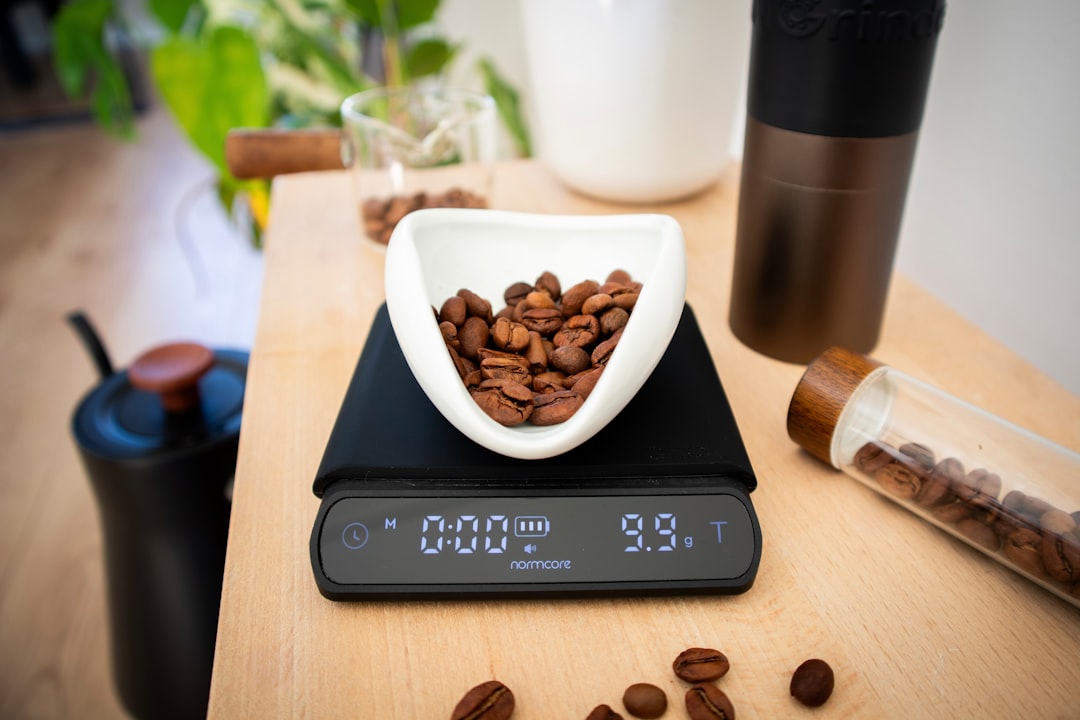
I’ve owned probably nine kitchen scales in my life. Every single one did exactly one thing: it told me how much something weighed. That’s useful if you’re a pastry nerd who lives by gram measurements, but for everyone else? You weigh the chicken, then you go look up the chicken, then you do math in your head about what a four-ounce portion actually means nutritionally. It’s tedious enough that most people give up by Thursday.
The new generation of smart scales changes that conversation entirely. I’ve been testing the Cosori Smart Food Scale for about four months now, and it does something I didn’t know I needed: it identifies the food you’re weighing, pulls nutritional data automatically, and tracks everything through a companion app. You set it on the counter, place your salmon fillet on the platform, and the scale already knows it’s looking at Atlantic salmon — calories, protein, omega-3 content, all of it populated before you’ve even decided on a cooking method.
My team ran a head-to-head comparison with the Ultrean Smart Food Kitchen Scale, which brings an AI scanning feature and a 33-pound capacity to the table. For anyone who meal-preps in bulk — and in summer, when the farmers market haul is ridiculous, that’s most of us — the larger platform matters. Both scales sync with fitness apps like Apple Health and Fitbit, which means the data actually goes somewhere useful instead of dying in a standalone app you’ll delete in three months.
Here’s the thing that surprised me most: I started cooking differently. Not because the scale told me to, but because seeing the actual nutritional breakdown of my go-to meals — the ones I’d been making on autopilot for years — gave me enough information to make small adjustments. A little less oil here. An extra ounce of protein there. It’s the kind of quiet feedback loop that my grandmother got from her body over decades. Now you can get it from a $35 device on your counter.
Thermometers That Read the Meat, Not the Room
If I had to pick one piece of kitchen technology that’s improved more dramatically than any other in the last two years, it would be the wireless meat thermometer. Not because the concept is new — probe thermometers have existed since my mother was a girl — but because the 2026 versions have solved the problems that made the old ones unreliable and frustrating.
I grilled through forty pounds of chicken, brisket, and pork shoulder this spring testing the newest models. The AYMDKI 2026 Smart Wireless Meat Thermometer caught my attention first because it runs six — six! — independent sensors in a single probe, giving you a temperature map across the entire cut of meat rather than one tiny dot in the center. That matters more than you’d think. Anyone who’s pulled a chicken off the grill with a “perfect” 165°F reading only to slice into a pink thigh knows the heartbreak of the cold spot.
For a higher-end option, my team also tested the ThermoMaven Smart Bluetooth Wireless Thermometer, which uses a sub-1GHz signal for dramatically better range and stability. I walked halfway down my driveway — a good hundred feet from the grill — and the reading never dropped. The standalone display base means you don’t have to keep your phone nearby, which I appreciate because my phone screen is already a magnet for greasy thumbprints.
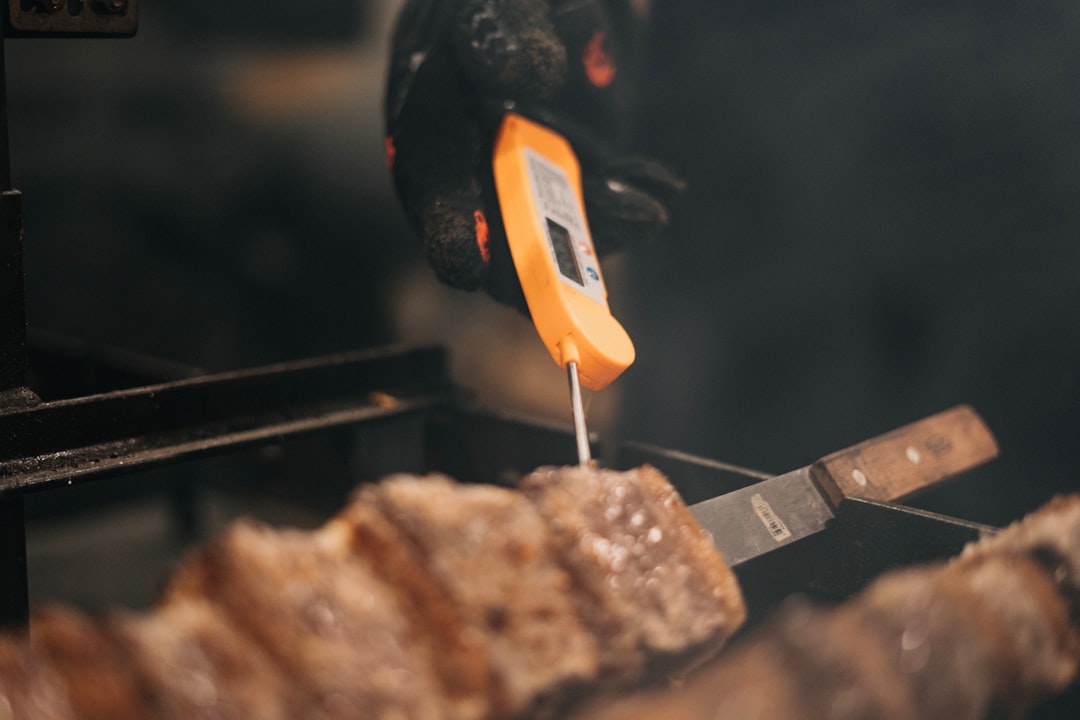
What these tools actually give you isn’t just accuracy. It’s freedom. You can step away from the grill. You can set up a side dish. You can actually sit down with your guests instead of hovering over a fire like a nervous parent. The thermometer sends an alert to your phone when the meat is five degrees from target, and again when it’s done. That’s the kind of intervention that doesn’t replace cooking skills — it removes the anxiety that keeps people from trying in the first place.
The Air Fryer That Watches Your Food So You Don’t Have To
Alright, this is the one I was most skeptical about. An air fryer with a camera inside. Sounds like a gadget reviewer’s fever dream, right? But here’s where I landed after three months of regular use: it’s the first air fryer I’ve owned that I don’t have to babysit.
The Typhur Sync 8QT AI Smart Air Fryer has a built-in wireless meat thermometer probe that works in tandem with its cooking algorithm. You tell it what you’re making — let’s say chicken thighs — insert the probe, and the machine monitors the internal temperature while circulating heat around the food. It adjusts time and temperature on its own based on what the probe reports. You don’t open the basket. You don’t flip. You don’t guess. When it’s done, it’s done.
For a family-size option, the Typhur Dome 2 takes a different approach — no probe, but dual top-and-bottom heating with fifteen cooking modes and a self-cleaning function that genuinely works (I tested it with burned-on cheese, which is my personal gold standard for “is this actually self-cleaning”). It’s large enough to fit a twelve-inch pizza, which means it functionally replaced my toaster oven for everything except bagels.
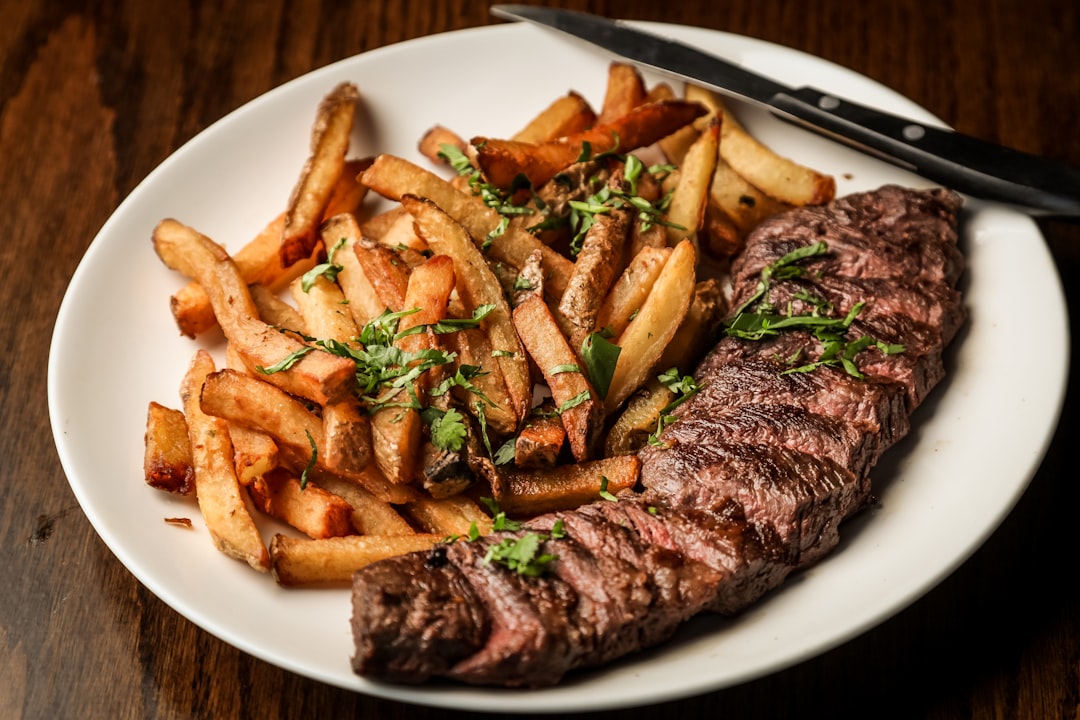
And then there’s the one that feels most like science fiction: the AI-driven air fryer with a built-in food-identifying camera. You put food in the basket, the camera recognizes what it is — steak, fries, chicken wings, a dozen other items — and automatically selects the cooking program, time, and temperature. No preset buttons. No scrolling through menus. I’ll be honest, the first time I dropped a handful of Brussels sprouts in and it identified them correctly, I laughed out loud. But the sprouts came out perfectly roasted. The technology is real, and it works more reliably than I expected.
When Your Oven Earns Its Counter Space
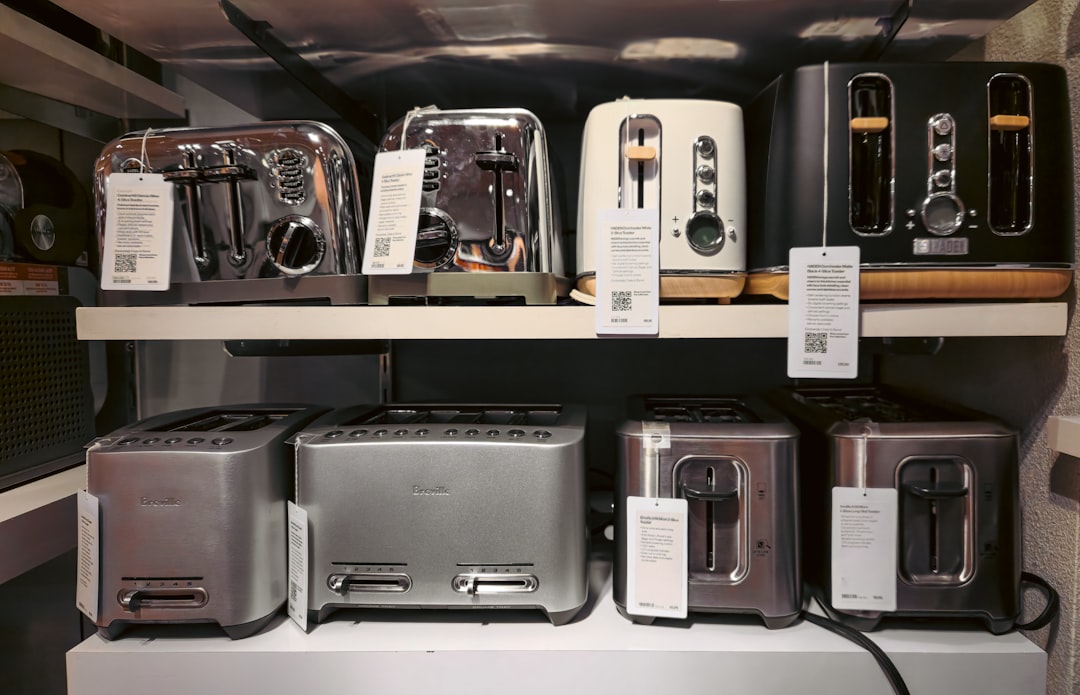
I’ve written before about the day my toaster oven became my real oven, and that evolution hasn’t slowed down. The Breville Smart Oven Air Fryer Pro remains the gold standard for countertop ovens that actually think — Element IQ technology redirects heat to where it’s needed most, adjusting the heating elements independently based on what you’re cooking. It’s the machine I reach for instead of my full-size oven about eighty percent of the time, especially in summer when turning on the big oven means turning my kitchen into a sauna.
The leap between a “good” countertop oven and an “AI-assisted” one is the difference between a tool that follows instructions and one that adapts to conditions. If your sourdough is browning too fast on top, the smart oven knows before you do and adjusts accordingly. That’s the kind of quiet intelligence that separates genuinely useful innovation from a marketing bullet point.
The Blender That Left the Counter Entirely
Not every innovation in 2026 is about AI. Some of the best developments are about removing friction from the daily routine in simpler ways. Portable blenders have gone from novelty to genuinely useful, and I’ve been keeping a Ninja Blast Portable Blender in my gym bag since January. It’s cordless, USB-C rechargeable, and powerful enough to crush ice — something I wouldn’t have believed from a battery-powered blender two years ago.
The beauty of a good portable blender isn’t the technology itself. It’s what it enables. I make smoothies in my car after the farmers market. I blend salsa at a picnic. I introduced my nephew to the concept of fresh fruit smoothies on a camping trip, and he looked at me like I’d performed a magic trick. Sometimes the best innovation is the kind that takes a kitchen appliance and makes it not a kitchen appliance anymore.

Coffee That Knows What Time It Is
I come from a family where the coffee maker was the first thing turned on in the morning and the last thing turned off at night. My grandmother’s percolator sat on the stove like a family heirloom. So the idea of a “smart” coffee maker felt mildly sacrileigious — until the Café Specialty Drip Coffee Maker earned a permanent spot on my counter.
This machine connects to your phone and lets you program brew times down to the minute, adjust brew strength, and even use voice commands through Alexa or Google. But the feature that actually sold me? The precision temperature control. Water temperature is the single most overlooked variable in home brewing — too hot and you scorch the grounds, too cool and you under-extract. The Café maintains exactly 198°F throughout the entire brew cycle, which is the temperature the Specialty Coffee Association says is ideal. My morning cup went from “fine” to genuinely restaurant-quality, and I didn’t change my beans.
This pairs beautifully with what I’ve discovered about how induction cooking changed my kitchen — precise temperature control transforms everything. Coffee, chocolate, caramel, a gentle simmer. When you take the guesswork out of heat, the food (and the coffee) gets better on its own.

What Actually Matters
Here’s where I’ve landed after six months of living with these tools: the best technology in the kitchen is the kind you forget is there. The scale that quietly logs your nutrition. The thermometer that pings your phone so you can stop hovering. The air fryer that recognizes your food and cooks it right. The coffee maker that has your cup ready before your feet hit the floor.
None of these tools replaced my instincts. None of them replaced the feel of dough under my hands, or the sound of onions hitting a hot pan, or the smell that tells you a pie crust is done before the timer goes off. What they did was clear away the noise — the anxiety, the second-guessing, the hovering — so I could focus on the parts of cooking that are actually joyful.
My grandmother didn’t need any of it. She had five decades of practice and a kitchen that smelled like Sunday dinner every day of the week. But she also had tough roasts she never talked about, and a pot of stew that appeared mysteriously the next day. If a $35 scale or a wireless thermometer can help the rest of us skip a few of those silent stews? I think she’d have come around eventually.
The kitchen of 2026 isn’t about robots cooking your dinner. It’s about tools that pay attention so you can relax. And after a lifetime in the kitchen, I think that’s worth paying attention to.



2 thoughts on “When the Kitchen Started Thinking for Itself: My Six Months With the Smartest Appliances of 2026”