My grandmother owned an avocado-green fondue pot from 1974 that she picked up at a church rummage sale for a dollar, and for the first fifteen years of my cooking life I treated it like a joke. It lived in the back of a lower cabinet, behind the roasting pan, gathering dust and the occasional sarcastic comment from me about bell bottoms and disco. Then one cold October evening about twenty years ago, I pulled it out on a dare from my sister, grated a pile of Gruyere, and watched six adults go completely silent around a pot of bubbling cheese. Nobody checked a phone. Nobody offered to help me in the kitchen. We just sat there, spearing bread on long forks, talking until the candle burned down. I have spent two decades since turning that accident into a system, and every September, when the evening air gets its first bite, the cheese pots come out in my house.
I want to pass that system along, because raclette and fondue are quietly the most underrated way to host in America, and the gear market has gotten genuinely good. What follows is everything my test kitchen crew and I have learned about raclette grills, fondue pots, and the small equipment that makes a melted-cheese dinner run without a hitch — including the mistakes that cost me money and one fuel error that nearly cost me a dinner party.
The Swiss Farmhouse That Rewired My Brain
I understood fondue from childhood. Raclette took longer. I finally got it on a press trip to the Valais region of Switzerland, in a farmhouse dining room with low beams, where the host propped half a wheel of cheese by the fireplace and slid the melting edge onto my plate with a motion so casual it looked like brushing hair off a forehead. The cheese hit a boiled potato, I added a spoon of pickled onion, and I remember thinking: this is the whole meal. No courses, no plating, no performing. Just fire, cheese, and a table that takes care of itself.
The home version of that ritual — the tabletop raclette grill — was invented so the rest of us could have the farmhouse fireplace without the fireplace. And it works. My crew has run well over a hundred raclette nights since then, for crowds of four to sixteen, and the machine has never once let a host down the way an oven can on a big holiday.
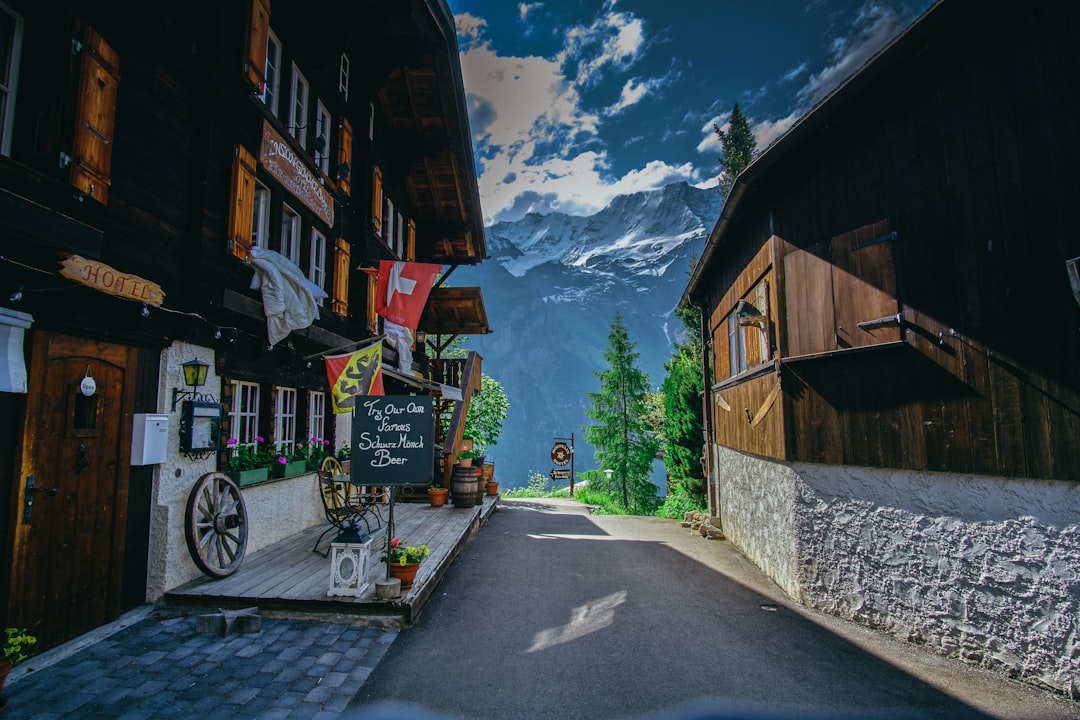
If you have ever wished dinner could feel more like a campfire — everyone gathered around one warm thing, feeding themselves at their own pace — that is exactly what this gear buys you. It is why I rank a good raclette grill alongside the appliances I have given permanent counter space, and why I keep writing about tabletop cooking the way other people write about grilling.
How Raclette Actually Works at Your Table
A tabletop raclette grill is a simple, brilliant machine. A heated top surface cooks vegetables, sliced meats, and shrimp while, underneath, each guest gets a small nonstick pan called a coupelle. You slide your pan under the element with a wedge of raclette cheese in it, and in about ninety seconds you have molten cheese to scrape over your plate. Everybody at the table cooks their own dinner at their own speed. The host’s entire job is putting out the raw materials and keeping the wine poured.
After years of heavy use, my anchor recommendation is still the classic eight-person machine I bought after Switzerland: the Swissmar Classic in fire-truck red with a cast iron top. The cast iron top holds heat like a dream for searing vegetables, and it is the machine my family has beaten on for years without a wobble. If your entertaining skews bigger or you want an outdoor option for a screened porch, the Swissmar Verso with its reversible granite and grill top handles eight people and moves outside without complaint, which matters if your fall includes a covered patio the way mine does.
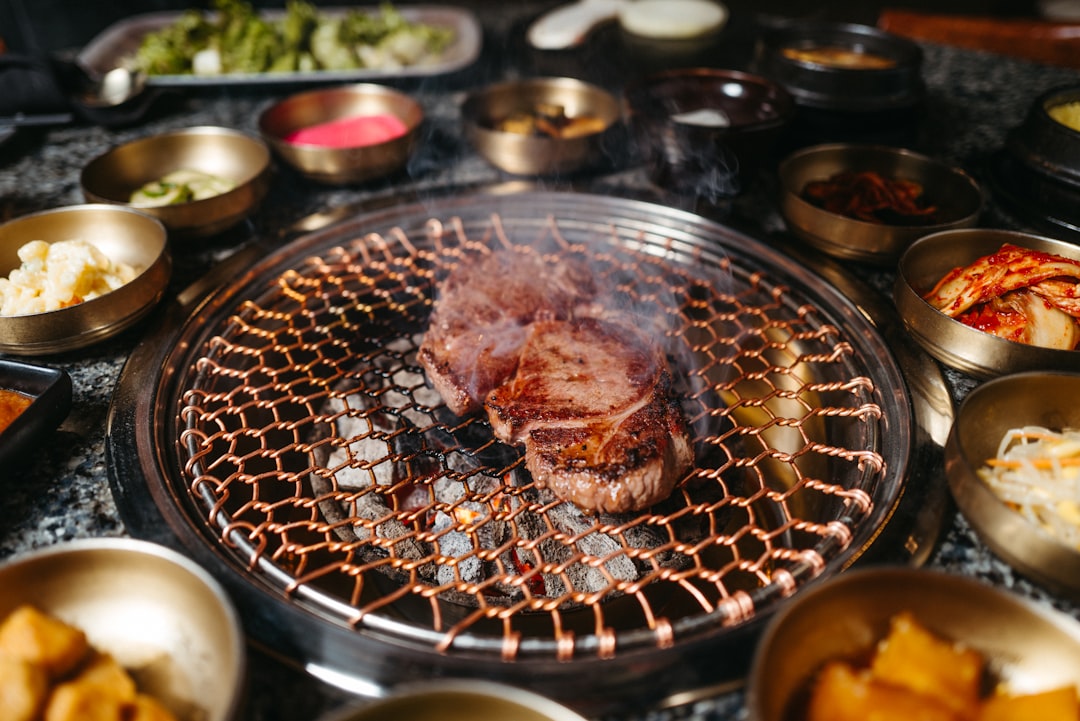
There is also a whole category of two-in-one machines that swap between raclette and Korean barbecue, with a griddle top for bulgogi and marinaded vegetables. My niece runs one of these — the HBN 2-in-1 grill and griddle — and it has turned her Sunday dinners into half raclette, half tabletop barbecue, which the teenagers in her house treat like a sporting event. If your crowd is more meat than cheese, this is the route I would point you down.
The Specs Worth Your Money (And the Ones Worth Ignoring)
Buyer-intent time, because raclette grills range from sixty dollars to north of two hundred, and the differences are not always where the marketing says they are. Here is what my crew learned the expensive way.
- Pan count beats everything. Eight pans is the standard for a reason — raclette is a party format, and a four-pan machine strands half your table. Buy for the crowd you actually host, not the crowd you cook for on Tuesdays.
- Variable temperature control is non-negotiable. Single-setting machines scorch cheese and stall potatoes. A dial lets you run hot for grilling, low for melting, and somewhere in between once the party settles in.
- The top material is a lifestyle choice. Cast iron sears best and lasts decades but needs seasoning care. Granite holds heat beautifully and wipes clean. Nonstick griddles are easiest and least romantic. All three work.
- Ignore wattage anxiety. Anything from a reputable maker has plenty of power for cheese. You are not running a steakhouse flat-top.
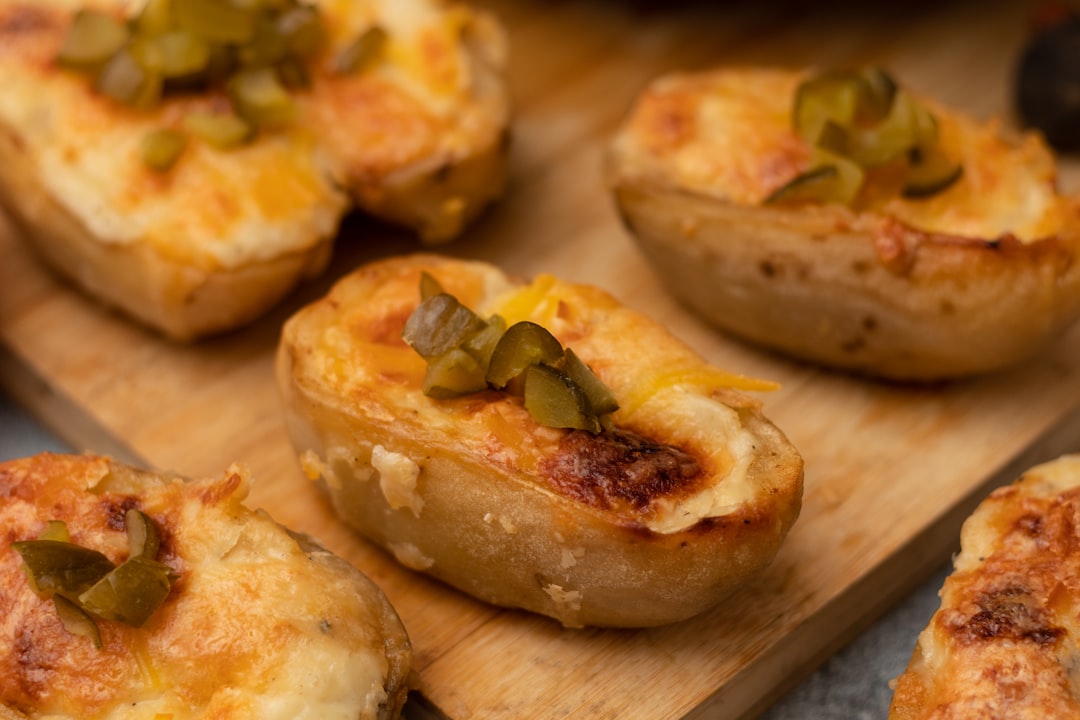
Every one of those specs exists to deliver the plate in that photo: a floury potato, a curtain of just-melted cheese, something sharp and pickled to cut through it. That plate is the entire point. I have watched people who “don’t really cook” make it beautifully on their first try, which is precisely why this format converts skeptics faster than anything else I host.
The Fondue Pot Decision: Fuel or Electric
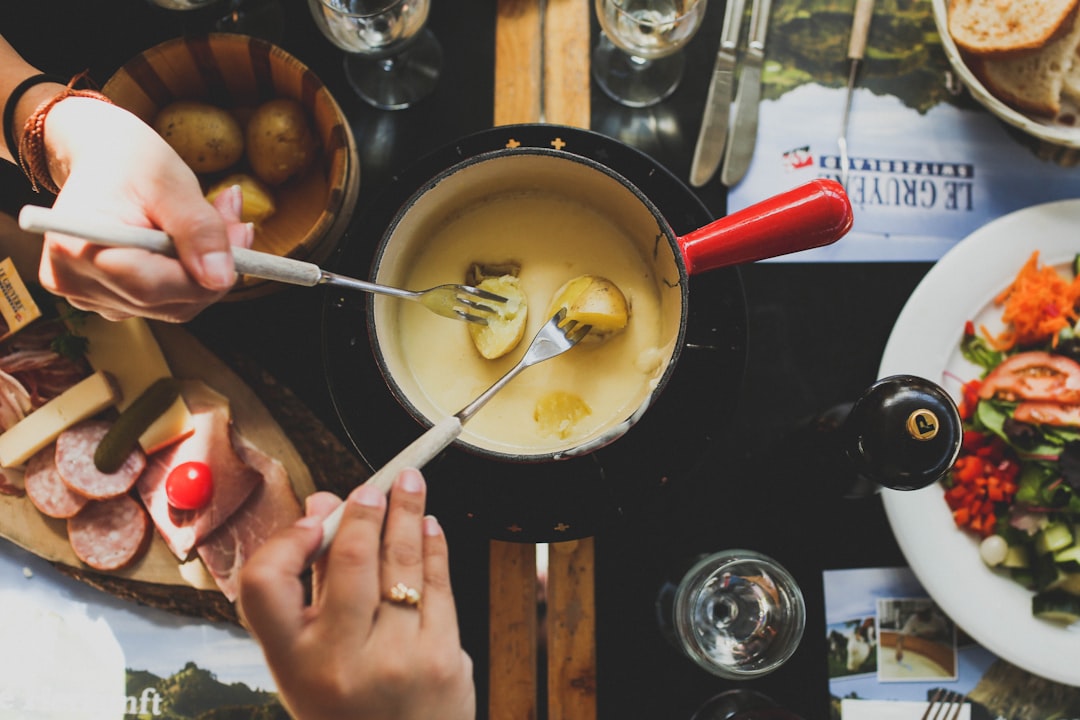
Fondue asks a different machine a different question — not “can it grill?” but “can it hold cheese at a low, steady murmur for ninety minutes?” Cheese fondue is an emulsion, and emulsions punish heat spikes. The traditional answer is a ceramic caquelon, which diffuses flame gently. The workhorse answer is enameled cast iron, which holds heat so evenly that breaking a fondue in one takes real effort.
My everyday pot is the Boska cast iron Party Pro set, which comes with a proper burner and four forks, and I have watched it rescue a fondue I started too hot. If you want the look without the price, my crew tested the Mabeeze enameled cast iron pot in cherry red last winter and it performed well above its weight class — it has become our loaner pot for friends hosting their first party.
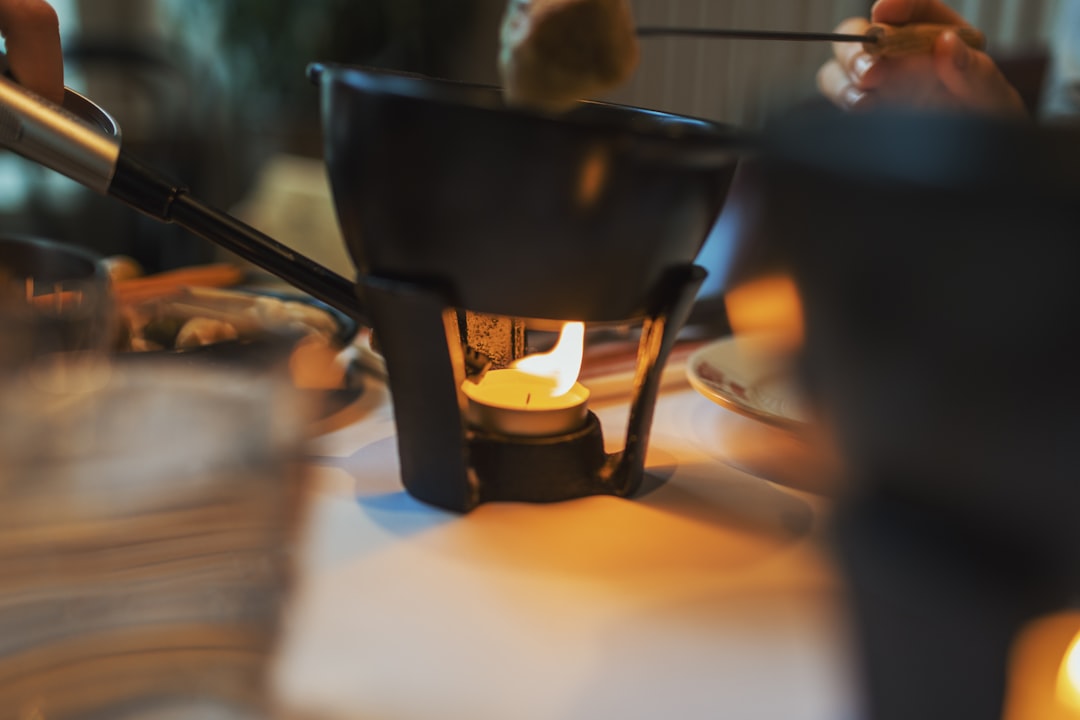
The electric camp deserves respect too, especially if open flame makes you nervous around kids or a wobbly table. A Cuisinart electric fondue set with an adjustable dial removes the fuel question entirely, and the dial honestly makes holding temperature easier for beginners. The tradeoff is aesthetic: no flame, no little blue glow under the pot, and I will admit that matters to me more than it should. My rule of thumb — fuel for romance, electric for reliability, and both make the same dinner.
The Small Gear That Saves the Night
The machines get the glory, but three cheap items determine whether the evening hums or stumbles. First, forks. Every pot comes with four or six, parties are eight, and long-handled forks migrate like socks in a dryer. A set of twelve color-coded fondue forks ended the “which fork is mine” problem in my house for about the price of a block of Gruyere. The color rings seem like a gimmick until the third glass of wine, at which point they are load-bearing engineering.
Second, fuel — and here is the error I promised to tell you about. Years ago I tried to stretch a dinner along on tea-light candles under a fondue pot, because I ran out of gel and figured close enough. Tea lights cannot hold cheese at serving temperature. The fondue tightened into a sad, scoopable lump while eight people politely pretended not to notice. Real fuel matters: I keep Swissmar fire gel on the shelf as my staple and a six-pack of Sterno canned heat in the party cupboard as backup, because both burn long, clean, and at an honest temperature. The lesson cost me a dinner; you can have it for free.
Third, scrapers — the little wooden paddles for sliding melted cheese off the coupelles. Most grills include them, but they crack and vanish like forks. They are a dollar apiece. Buy a handful.
What Belongs on the Table
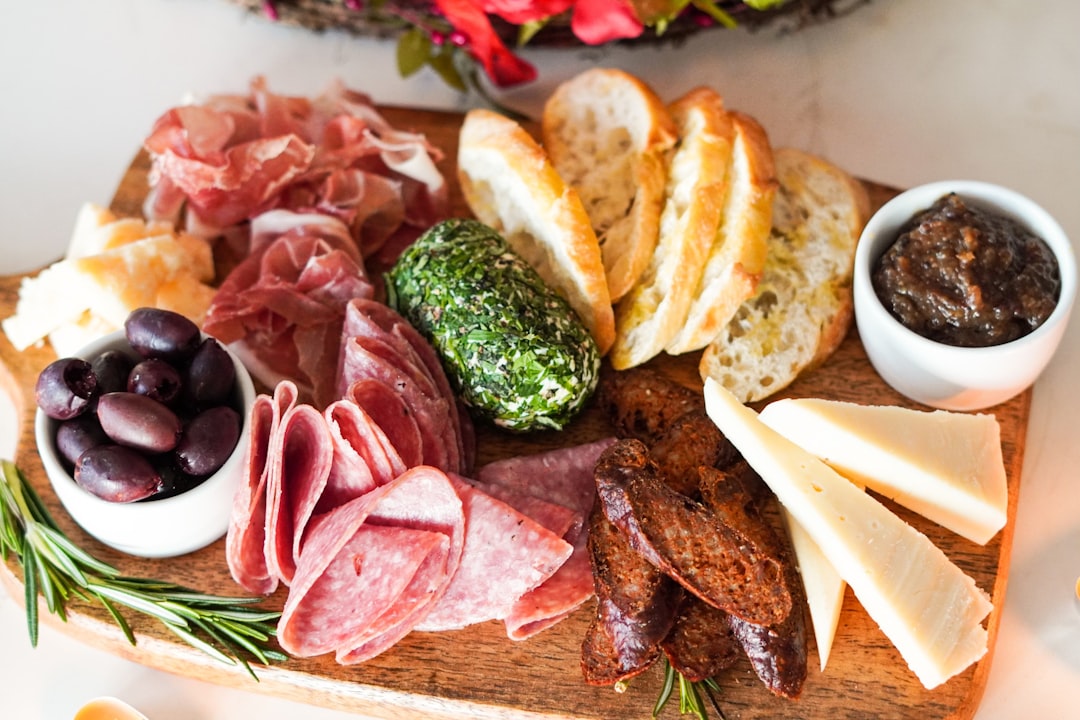
The menu is the easiest part, which is the entire genius of the format. For raclette: boiled baby potatoes as the foundation, a board of charcuterie and cheeses, bowls of cornichons, pickled onions, marinated mushrooms, cherry tomatoes, steamed broccoli, and thick bread. That is a complete dinner, and guests assemble it themselves. For fondue: a proper Gruyere-and-white-wine base, cubes of crusty bread, blanched vegetables, and apple slices for something fresh. I plan my board layout on a long acacia serving board that runs the center of the table, because one long board feeds eight without a traffic jam.
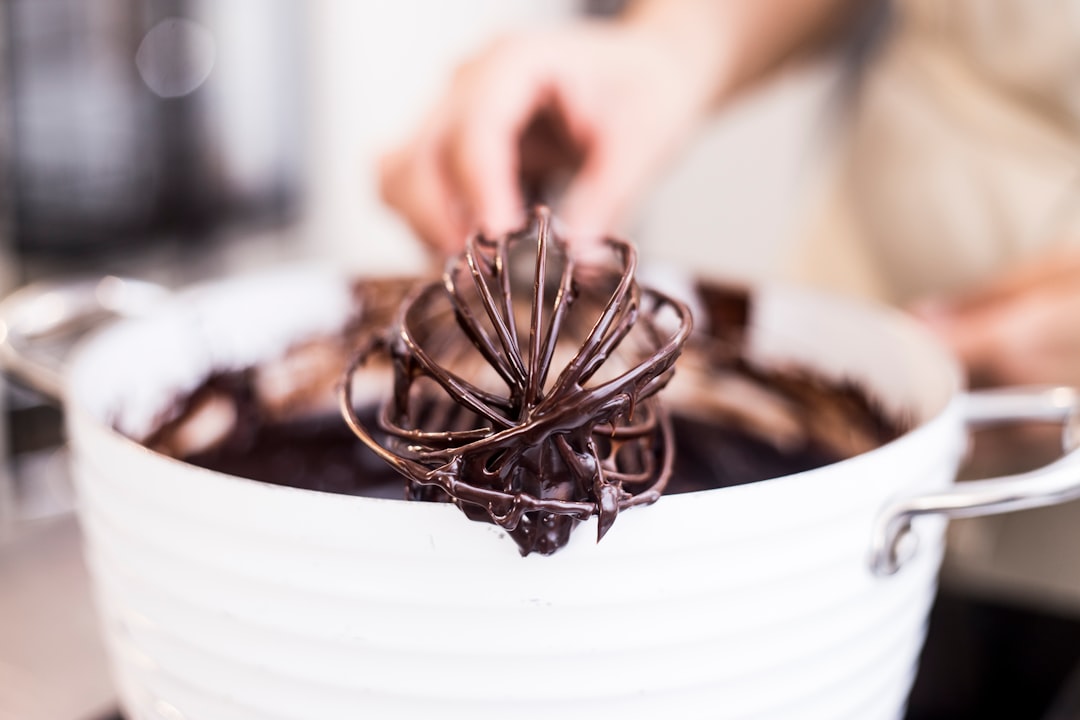
And do not skip dessert, because this is where the format got fun again. The dessert-raclette trend — stacks of cake, fruit, and cookies crowned with pan-melted chocolate — has been everywhere this year, and my crew can confirm it slays at a table full of adults who claim they are full. A pot of melted dark chocolate, a plate of strawberries and pound cake, and the same little pans you used for cheese close the night beautifully.
Keeping the Kit Alive for Twenty Years
Care is where cheese gear either lasts a decade or dies by November. The coupelles are nonstick: wash them by hand, warm and soapy, never the dishwasher, and they stay slick for years. Cast iron tops get wiped and lightly oiled like any skillet. The pot seasons with use and gratitude. And the cheese you buy ahead of the party — because good raclette cheese does sell out in October — deserves better than plastic wrap. I store my wheels and wedges in Formaticum cheese bags, which let the cheese breathe so it melts smoothly instead of sweating. Small thing. Real difference.
A Word for the Nervous Host
Here is my honest pitch, and then you can go shop. I have thrown dinner parties that required two days of cooking and parties that required a fireplace and a wheel of cheese, and I can tell you exactly which ones my guests still bring up. When the machine sits in the middle of the table, the host sits down. That never happens with a casserole. The same pull that makes people gather around a tailgate grill in a parking lot or a summer table under the maple works in October, pointed at melted cheese.
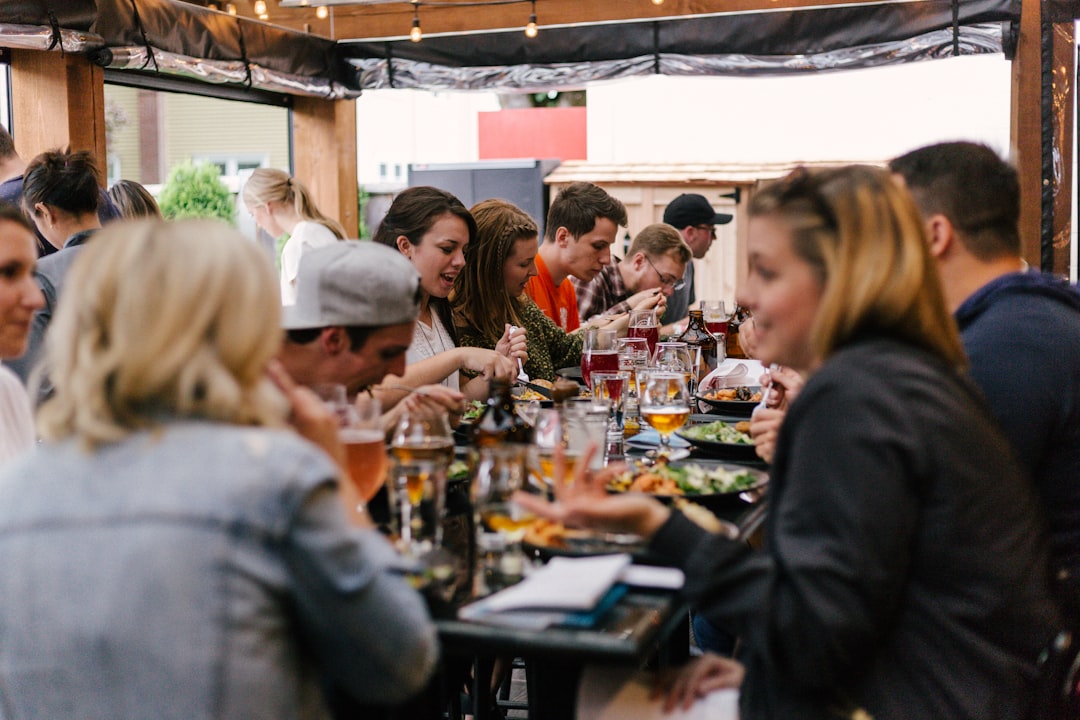
If it is your first time, keep it small: one machine, four friends, potatoes, one good cheese, one jar of cornichons, and the color-coded forks. Your only real job is the shopping, and even that is hard to get wrong. Twenty falls in, I still get a little thrill when the cheese starts sliding off the pan — and I have watched that same thrill land on the face of every skeptic I have ever seated. Pull the pot out of the back corner of the cabinet where it has been hiding. October is coming, and it deserves better than takeout.