There is a moment every late September when my kitchen switches seasons. The tomatoes stop coming, the first bag of apples shows up on the counter, and I start craving food that burbles instead of sizzles. This year the switch flipped on a Tuesday, of all days — two pork chops, one deep Dutch oven, and the nagging feeling that I was using a swimming pool to bathe a couple of cannonballs. The chops crowded the narrow floor, the liquid climbed too high, and by the time dinner hit the table I’d already pulled a different pan out of the cabinet to think about.
That pan was my braiser, and I’m a little embarrassed by how long it took me to give it the job. I spent years writing about Dutch ovens, stock pots, and skillets while this wide, shallow workhorse sat three shelves up, waiting. So this fall, my test kitchen crew and I decided to fix that: four weeks of braiser-first cooking, everything from Sunday short ribs to Wednesday salmon, with notes taken at every burner. Here’s what twenty-some braises taught us about the pan my Dutch oven never warned me about.
What a Braiser Actually Is
Strip away the marketing and a braiser is simple: a heavy pan, usually cast iron, that runs two to three inches deep and stretches eleven to thirteen inches wide, with a domed lid that sits low over the food. Where a Dutch oven is a deep well built for soup bones and stock, the braiser is a wide field built for anything that benefits from space and a lid. If you’re weighing the two for your own counter, my Dutch oven guide from earlier this summer covers the deep-pot side of the family in detail — because honestly, most kitchens eventually want both.
The domed lid is the part nobody talks about and everybody should. That gentle curve catches steam, condenses it, and rains it straight back down onto whatever you’re cooking. It’s a self-basting system disguised as a lid, and it’s why a braiser can turn out food that tastes like it was tended for hours when you were actually on the porch with a sweater and a cup of tea.
Weight is the honest trade-off. A good braiser is cast iron, which means a five-quart model can run twelve pounds before food goes in it. My crew’s advice after lugging them on and off burners for a month: grip-test the handles before you buy, and look for the wide, upright kind you can hold with a potholder in each hand. A helper handle on one side — standard on most Lodge and Staub models — turns an awkward two-handed hoist into a manageable carry, which matters most on the day you’re moving a full pan of short ribs from stovetop to oven.
The Searing Difference
Here’s where the braiser quietly wins weeks of my life back. Searing is a surface-area game, and a wide base gives you roughly two to three times the browning room of a Dutch oven’s floor. Four pork chops lie flat instead of stacking up like shuffleboard discs. A whole batch of mushroom caps browns in one pass instead of three, which matters because crowded pans steam food instead of searing it — a lesson I first learned the hard way with carbon steel.
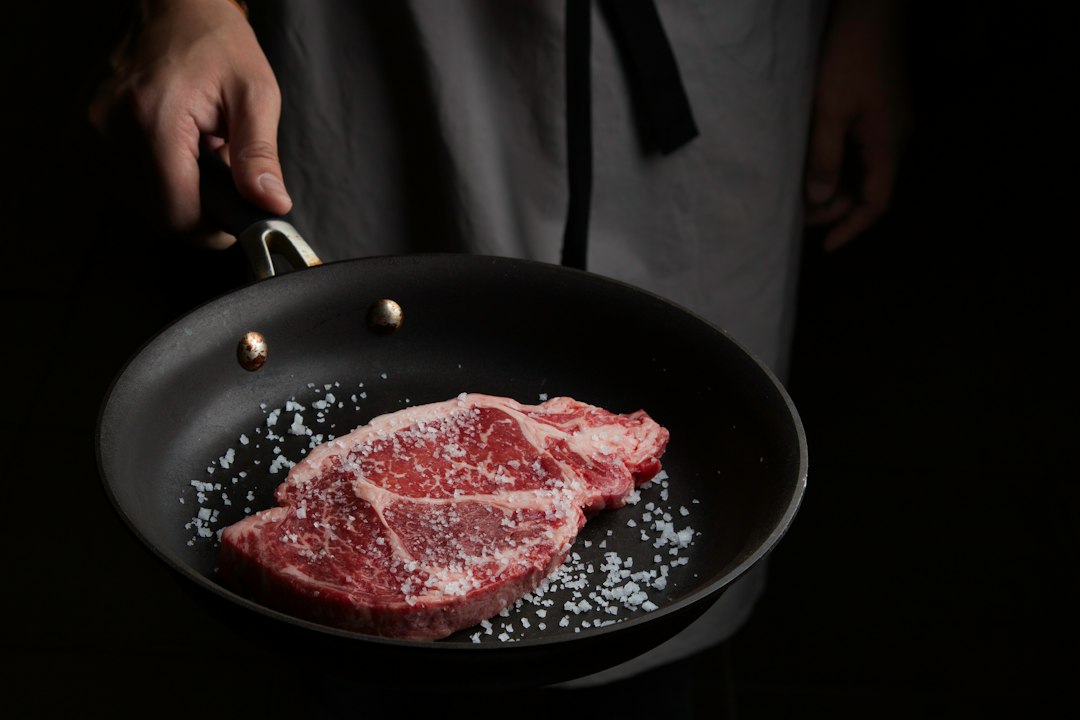
And because the sides slope low, you can actually reach in. Flipping short ribs with tongs in a Dutch oven always felt like a claw-machine game to me. In a braiser, your tongs, your spatula, and your wrist all have room to work. My crew timed it during testing: the same four-pound batch of chuck roast browned four minutes faster in the braiser, with measurably more fond stuck to the pan — and fond, as anyone who’s ever scraped it into gravy knows, is where the flavor lives.
What Mine Cooks All Season
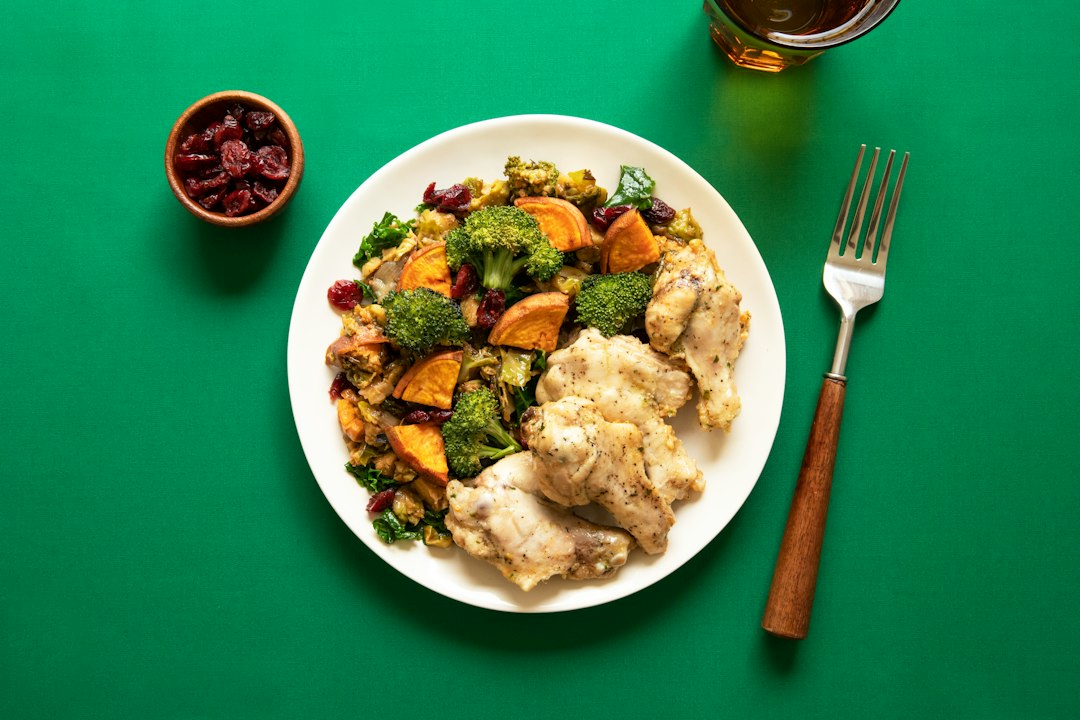
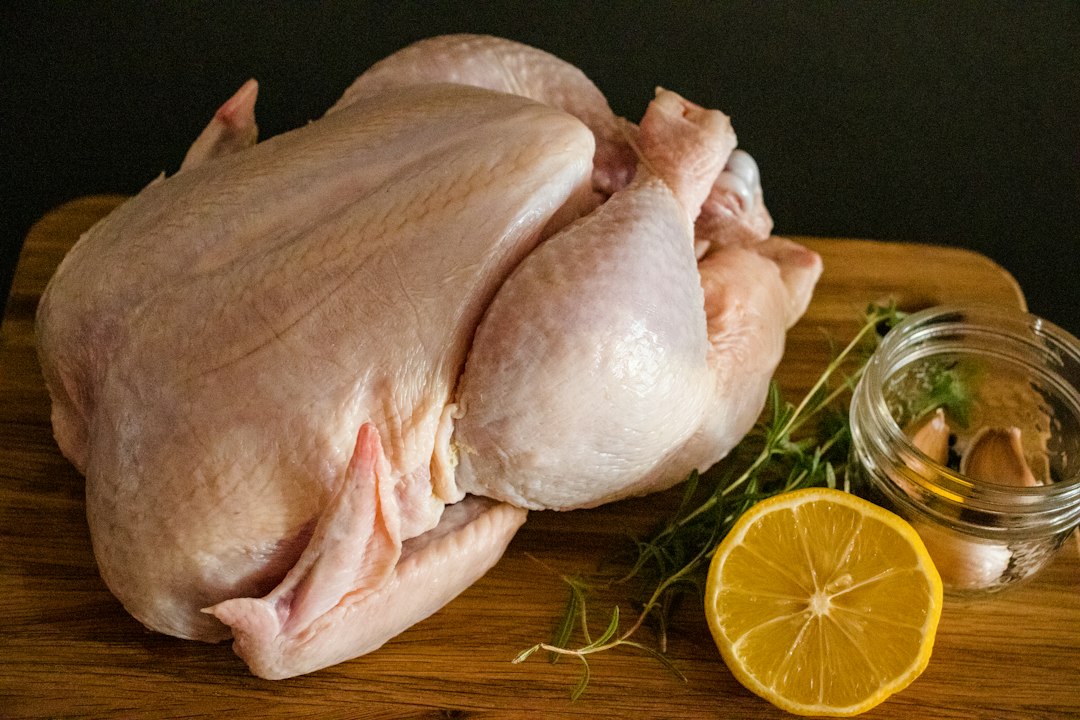
Once the weather turns, my braiser barely makes it back to the shelf. A whole chicken, seasoned the night before and settled in with lemon and garlic, might be its single greatest performance: the wide base crisps the thighs while the domed lid keeps the breast from drying out, and you get pan juices deep enough for a proper spoon gravy.
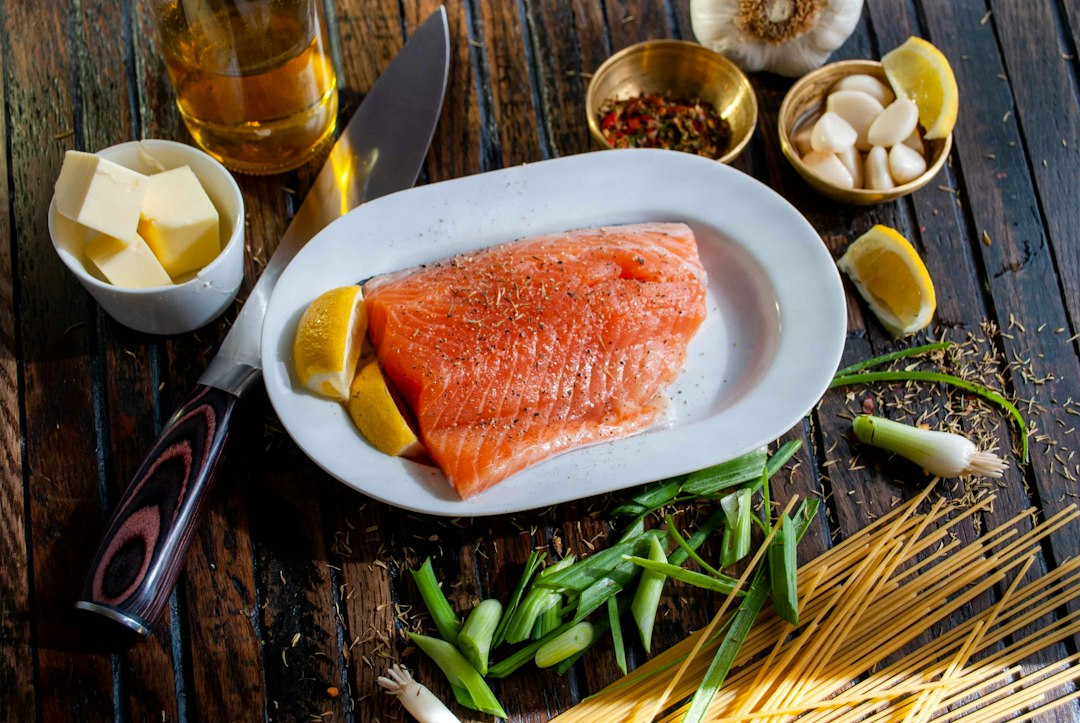
Weeknight salmon was the surprise. A film of oil, skin-side down, lid on, heat low — seven minutes later the fillets come out silky, with crisp skin and no fish-splatter situation on the stovetop. For a household of two, the three-and-a-half-quart size handles this kind of cooking beautifully; the Le Creuset 3.5-qt Signature Braiser is the one I reach for on those nights.
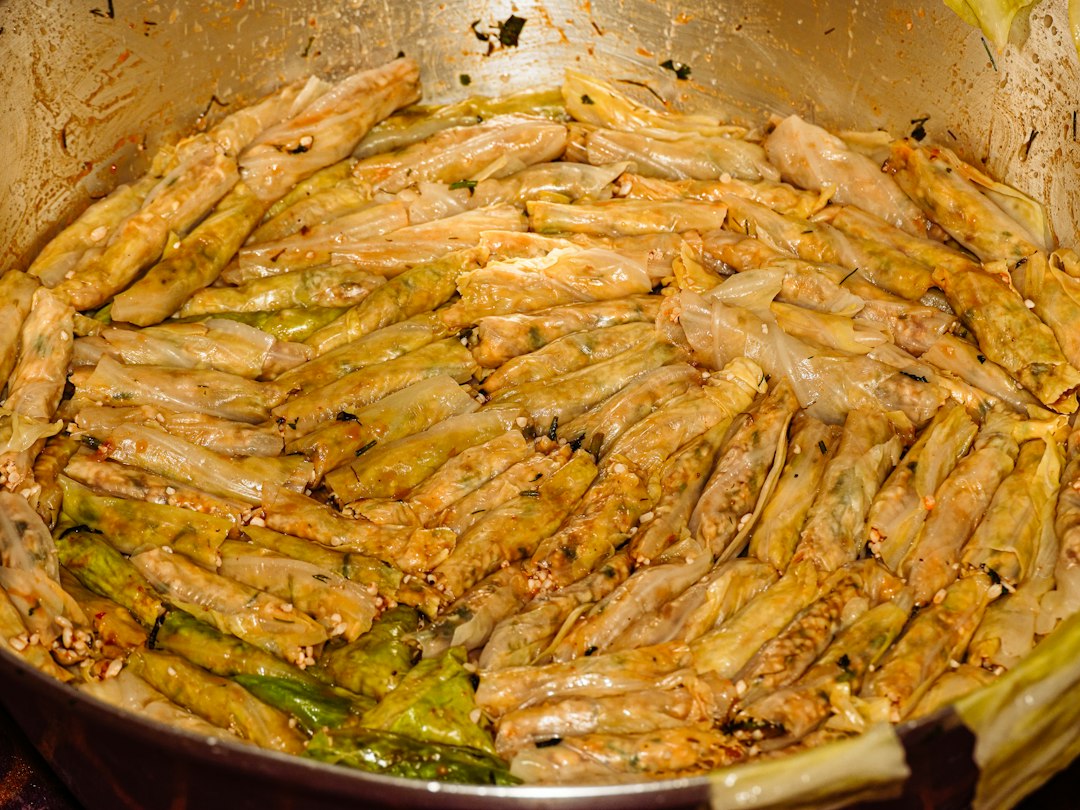
Then there are the vegetables people don’t expect. Cabbage wedges braised in apple cider, brussels sprouts cut-side down in chicken fat, fennel softening under a chicken thigh — the braiser treats all of them like the main event. If you’re feeding a table of six or seven, step up to a five-quart; the Crock-Pot Artisan 5-quart braiser has done Sunday duty at my house more than once without complaint.
Even breakfast pulls it off. Leftover potatoes cubed and crisped in a shallow layer, eggs cracked into wells, lid on for four minutes — a braiser makes skillet hash for a table of four without the take-turns awkwardness of a smaller pan. Mine has hosted more brunches than any single-purpose gadget I own, which is saying something in a kitchen with a drawer devoted entirely to gadgets.
Picking One That Fits Your Kitchen
After a month of testing, I can tell you the shopping part is simpler than it looks. Three decisions matter, and the rest is color.
Size first. The 3.5-to-3.75-quart range covers two to four people and stores easier in a narrow cabinet. Five quarts feeds six and doubles for party sides. Cook for one or two most weeks? Don’t let a sales page talk you out of the smaller pan — it heats faster, lifts lighter, and still fits a whole chicken.
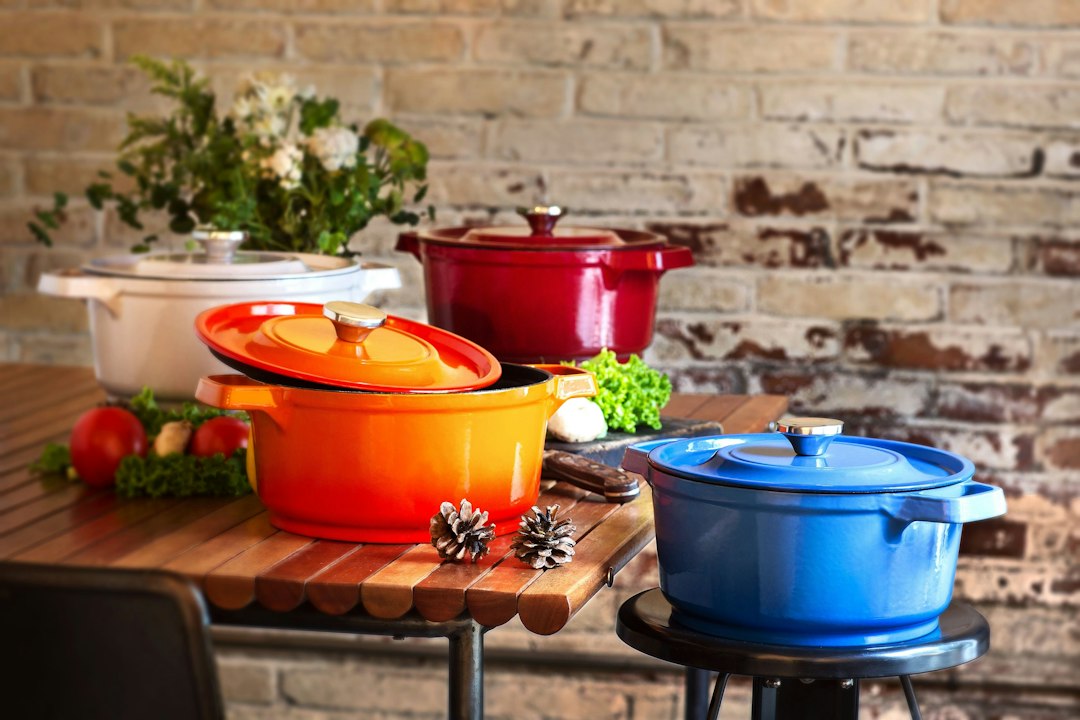
Then enamel versus raw. Enameled cast iron doesn’t need seasoning, tolerates tomato and wine braises without a flinch, and goes to the table looking like serving ware. The Lodge Essential 3.6-quart in Caribbean Blue remains the best value in the category — I’ve cooked in mine for two falls and it sears like pans triple the price. The Oyster White version is the same pan if blue clashes with your kitchen, and there’s no shame in choosing cookware to match the room. I do it constantly.
Finally, the lid. Look for a tight fit and a domed crown; a lid that wobbles is letting your basting steam escape. On the spendy end, the Staub 11-inch braiser in Basil has the best lid engineering I’ve handled — heavy, low, with that signature spike pattern doing real self-basting work — while the Staub glass-lid 3.5-quart is a nice compromise if you like watching your dinner without lifting the top. And if one splurge pan is going on a registry or a milestone gift list, the Le Creuset 5-quart in Cerise is the one my great-nieces will probably argue over someday. The Crock-Pot Artisan in Slate Gray splits the difference on price with genuinely good iron underneath.
One honest note from the budget aisle: the cheap no-name enameled braisers under forty dollars tend to have rougher interiors that snag a spatula and lids that arrive already loose. Cast iron is forgiving; thin enamel over rough casting is not. Buy the least expensive pan from a foundry you’ve heard of, and skip the mystery brands.
Two practical checks before you click buy, courtesy of my testers who learned them the annoying way. First, oven-safe ratings vary — most enameled lids top out around 500°F, but some knob materials quit at 375°F, so if you plan bread or high-heat finishes, look for a stainless knob. Second, if you cook on induction, confirm the base is fully cast iron with no aluminum cladding; every pan I’ve recommended above passes both tests, which is precisely why they made the list.
Keeping the Enamel Happy
Caring for one of these is easier than the folklore suggests, but there are two hard rules in my kitchen. Never drag a screaming-hot pan under cold water — thermal shock can crack enamel faster than you can say warranty claim. And keep the metal utensils for your skillets; wood and silicone are all a braiser ever needs.
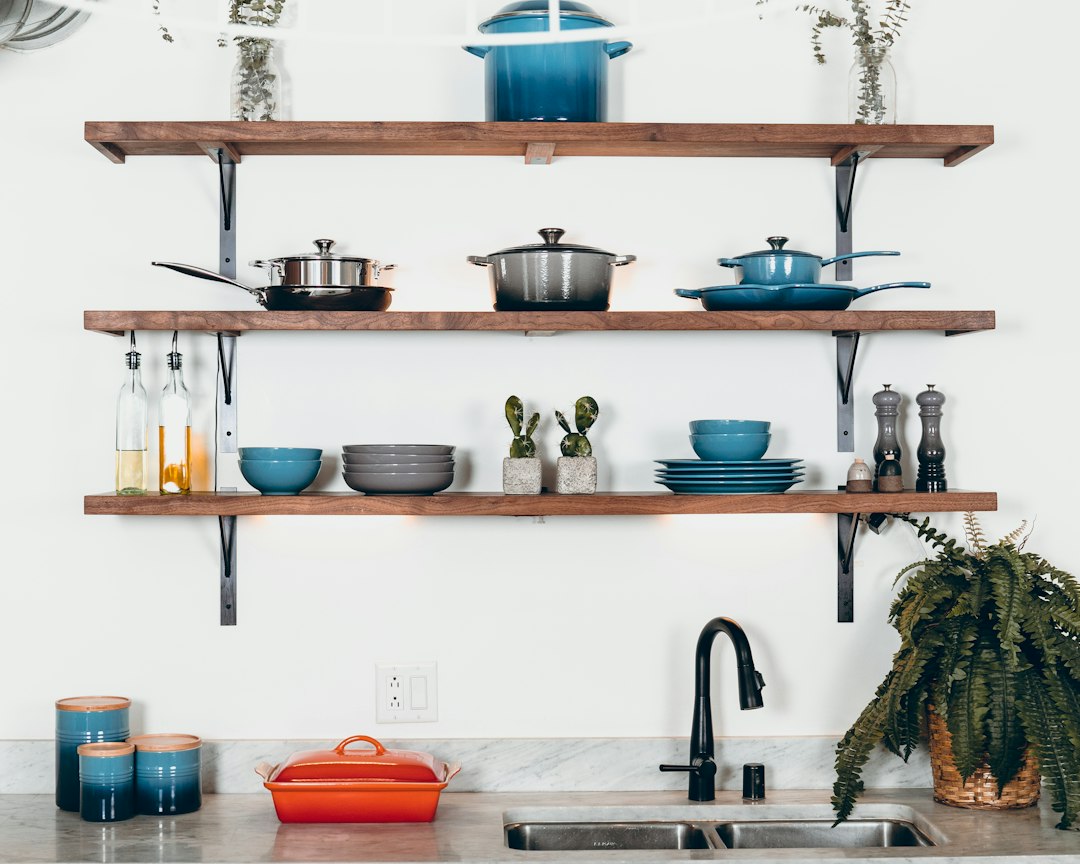
For the browned-on bits that dish soap won’t touch, a soak of warm water and a specialty cleaner does the work of scraping without the scraping. The Lodge enamel cleaner runs about the price of a fancy coffee and lasts a year, and the five-piece Lodge care kit is my standard housewarming gift now that half my friends own enamel. Stored on open shelves, they earn their footprint twice — as cookware and as the brightest thing in the room.
The Pan That Ends Up on the Table
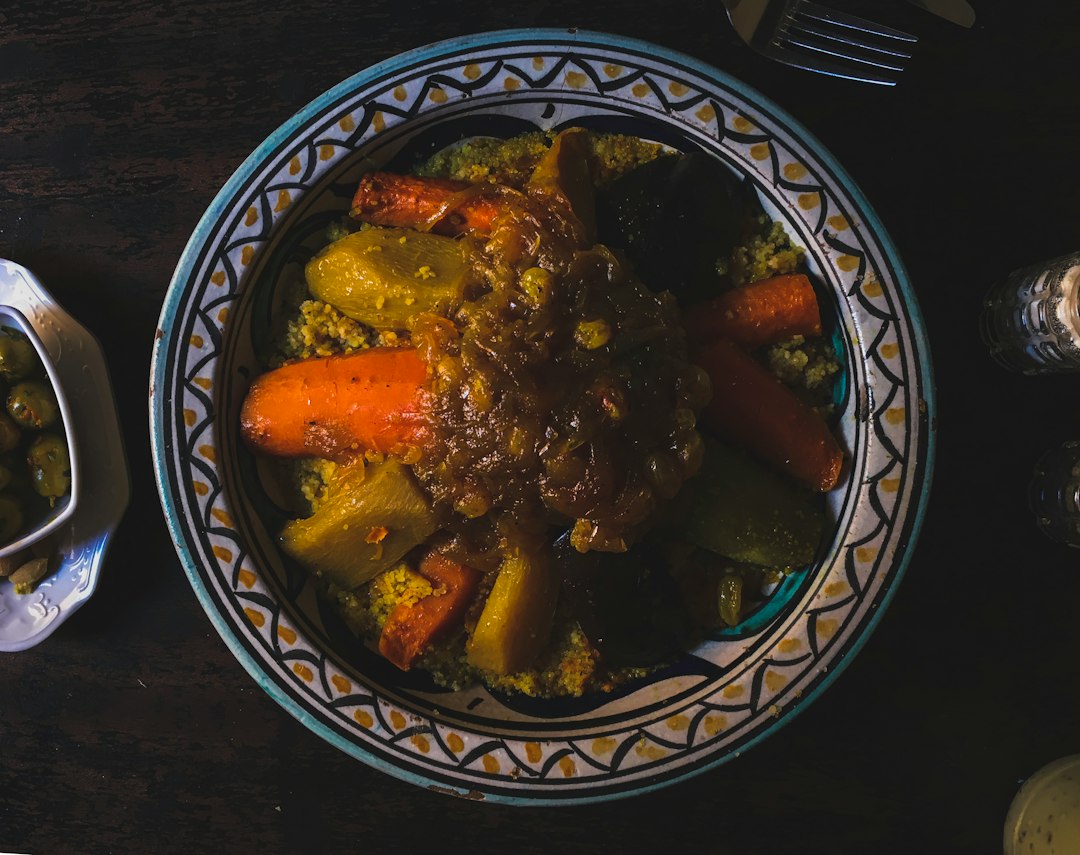
Here’s the thing I didn’t expect, the reason the braiser now lives on a hook instead of three shelves up: it’s a serving piece. Wide, handsome, lid-off — it comes to the table looking like the meal planned it that way. Stew ladled from a wide pan feels like a family dinner in a way a deep pot never quite manages, and on the long Sunday lunches that carry my fall, that presentation matters more than I can explain in a paragraph.
Do I still love my Dutch oven? Deeply, and for jobs the braiser can’t do — big batches of soup season, the stock-pot Sundays when twenty pounds of bones need swimming depth. But for the other hundred dinners between now and spring — the chops, the chickens, the cabbage, the salmon — the shallow pan wins. It just took one awkward Tuesday to remind me.