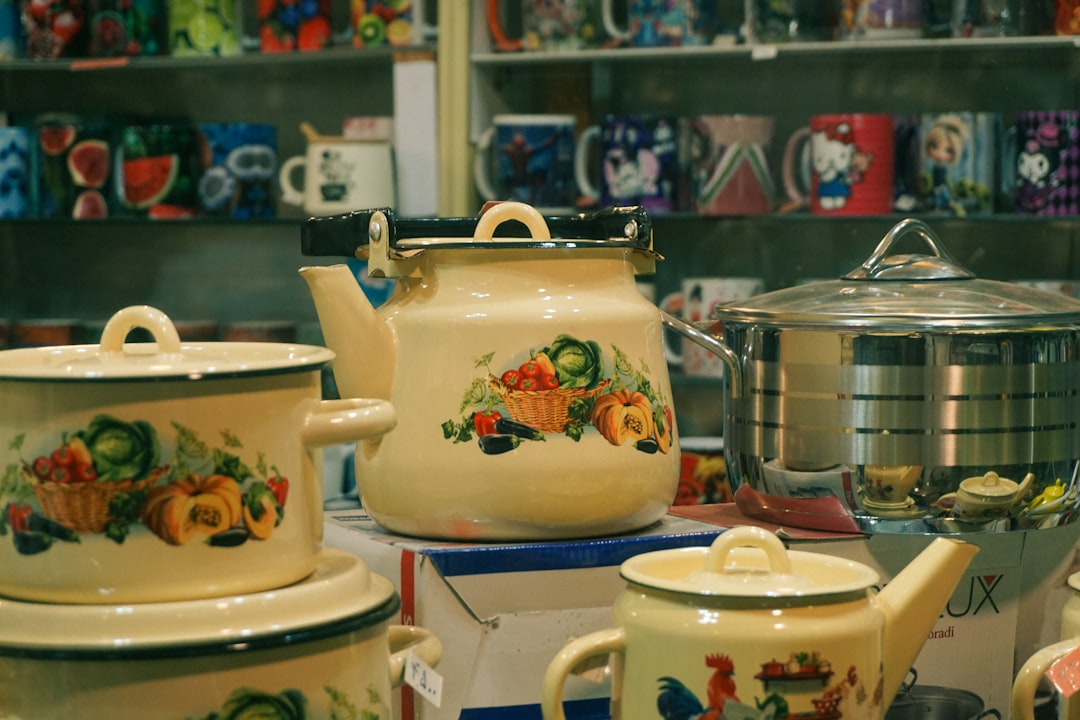
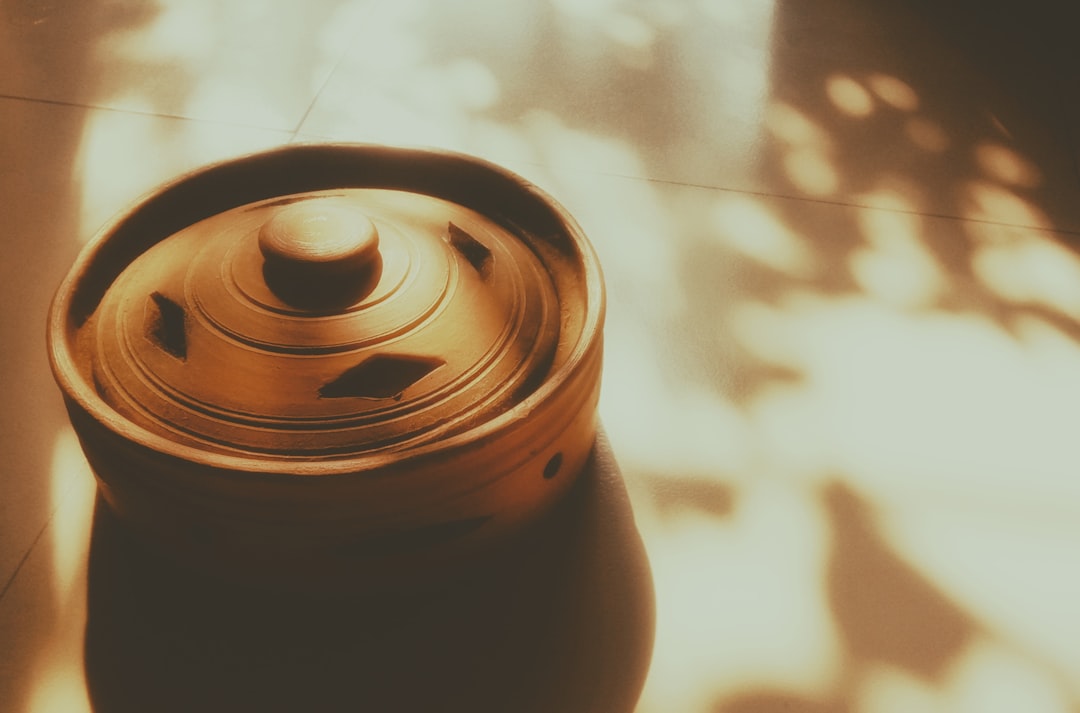
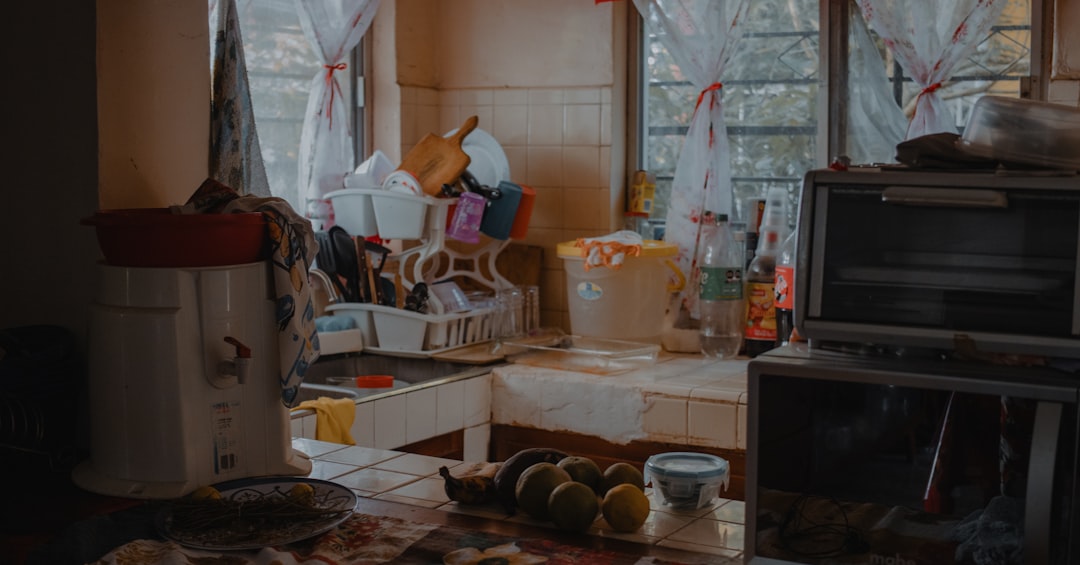
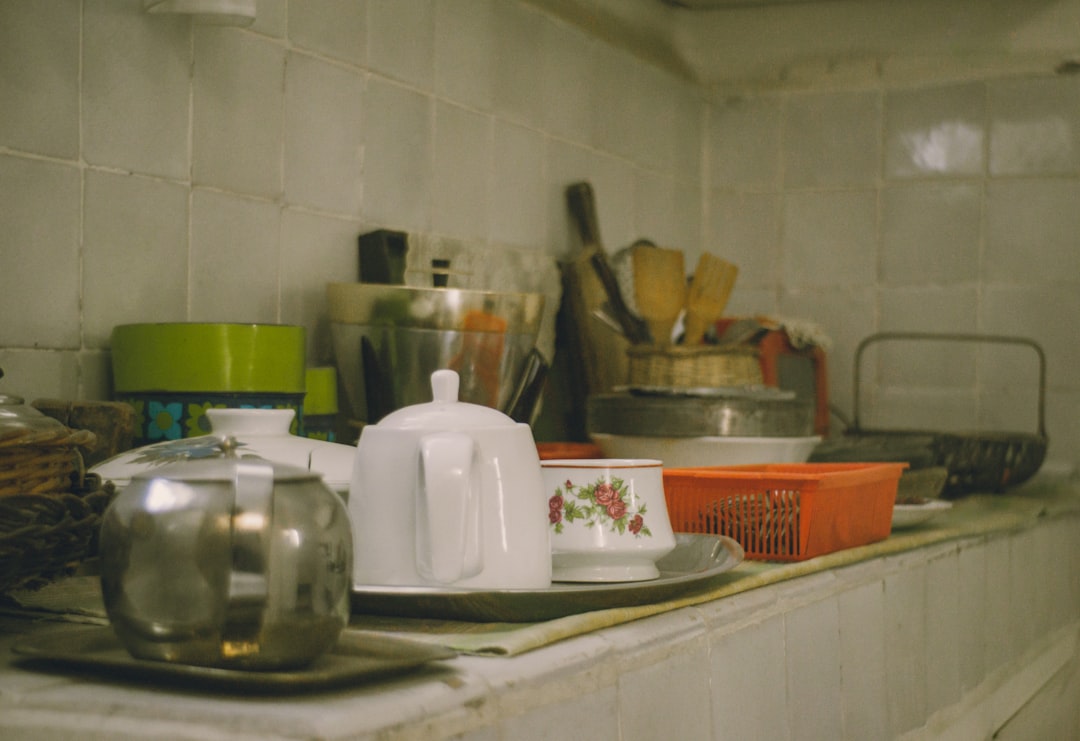
My grandmother kept exactly three pots in her kitchen. A thin aluminum saucepan for warming milk, a battered soup pot that had lost its handle sometime in the 1970s, and a Dutch oven so heavy I needed both arms to lift it when I was six. That last one sat on the back burner like a throne. It never moved. It didn’t need to. Every soup, every stew, every pot roast, every loaf of bread that came out of that kitchen passed through that pot. She’d bought it at a church rummage sale for two dollars, and it outlasted the church.
I think about that pot constantly — especially now, in an era where my own kitchen has become a rotating gallery of gadgets, specialty pans, and appliances that promise to revolutionize the way I cook. Most of them end up in the donation bin within a year. But the Dutch oven? The Dutch oven is forever. And after testing more of them than I care to admit, I want to walk you through what actually matters when you’re choosing one — because the right pot will quietly run your kitchen for decades, and the wrong one will sit in your cabinet like a very expensive paperweight.
What a Dutch Oven Actually Does (That Other Pots Can’t)
A Dutch oven is a thick-walled, usually cast-iron pot with a tight-fitting lid. That’s it. That’s the whole description. But those two design elements — thick walls and a sealed lid — create a cooking environment that no thin stockpot or stainless saucepan can replicate. The heavy cast iron absorbs and holds heat evenly, eliminating hot spots that scorch the bottom of a stew. The lid traps moisture so effectively that a covered braise becomes self-basting, with condensation raining back down onto whatever you’re cooking. It’s essentially a mini oven inside your oven.
I’ve baked bread in mine, slow-braised pork shoulder until it fell apart with a glance, deep-fried chicken without the oil temperature plummeting, and cooked an entire head of cabbage into something so tender and caramelized that my husband — a man who regards cabbage with suspicion — asked for seconds. No other single vessel in my kitchen can do all of that well.
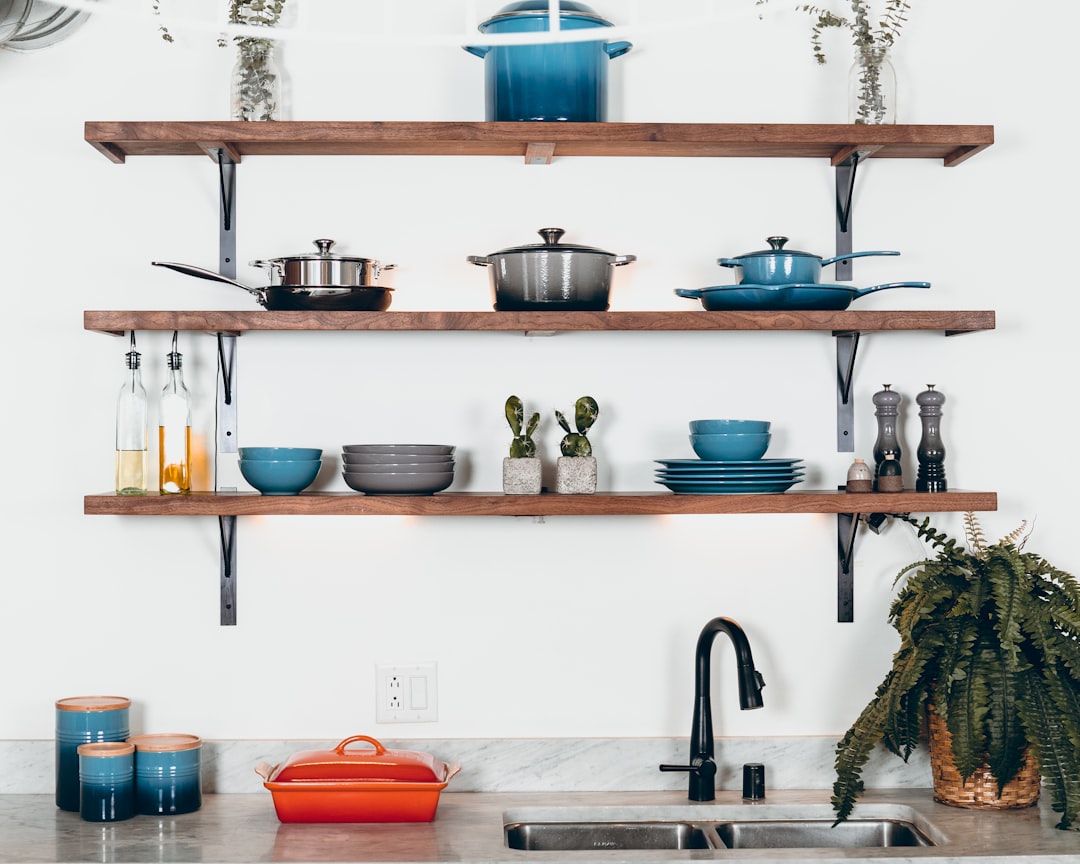
The versatility is what makes a Dutch oven the one piece of cookware I’d rescue in a fire. Okay, second piece. My grandmother’s cast iron skillet would come first. But the Dutch oven would be right behind it, and honestly, they’re close.
Bare Cast Iron vs. Enameled: The Great Debate
Walk into any kitchen store and you’ll find two camps staring at each other across the aisle. Bare cast iron Dutch ovens — dark, rugged, the kind my grandmother used — and enameled cast iron, which comes in jewel tones that make you feel like you’re shopping for jewelry rather than cookware. Both have their merits, and I own and use both. But they serve slightly different purposes.
Bare cast iron is virtually indestructible. You can take it from stovetop to campfire to oven without a second thought. It develops a natural nonstick surface through seasoning, and it costs significantly less. A good pre-seasoned cast iron Dutch oven can be had for under forty dollars, and it’ll outlive you. The downside? You can’t cook highly acidic foods — like tomato sauce or wine-based braises — in bare cast iron without stripping the seasoning and imparting a metallic taste. For a long braise with tomatoes, wine, or citrus, you need enamel.
Enameled cast iron solves the acid problem. The porcelain enamel coating creates a non-reactive barrier, meaning you can simmer a tomato ragù for four hours without a single metallic note. The enamel also makes cleanup dramatically easier — no seasoning required, no rusting if you leave it damp for a day. The trade-off is that enamel can chip if you’re careless, and enameled pots cost significantly more. The Le Creuset Signature 5.5-quart — that iconic volcanic red — runs upwards of $370. But I’ve owned mine for twelve years, used it four times a week, and it still looks better than most pans I bought last year.
Here’s my honest take after twenty years of cooking in both: if you cook a lot of acidic dishes — stews, braises, sauces, anything with tomatoes or wine — go enameled. If your cooking leans toward frying, baking bread, and campfire meals, bare cast iron is the smarter buy. And if you can only get one? Enameled. The versatility wins.
Size Matters More Than You Think
The most common question I get from readers is: what size should I buy? And the answer depends entirely on how you cook and who you’re feeding. But after years of testing, I’ve developed a pretty reliable framework.
A 5 to 6-quart round Dutch oven is the sweet spot for most households. It’s large enough to braise a whole chicken, cook a pound of dried beans into soup, or bake a beautiful round loaf of sourdough. It’s small enough to lift when full and store without rearranging your entire cabinet. If I could only own one, it would be a 6-quart enameled model like this Lodge Essential, which hits a remarkable balance of quality and value — typically under $100, with the same heat-retention properties as pots costing four times as much.
If you regularly cook for six or more, or you love batch-cooking soups and stews for the freezer, step up to 7 quarts or more. The Le Creuset 7.25-quart is the gold standard for large-batch cooking, and the Nuovva 6.4-quart in dark blue is a stunning budget alternative that performs well above its price point for bigger families.
For couples or solo cooks, a 3.5 to 4-quart may feel more manageable day-to-day. But here’s the thing — a too-small Dutch oven limits what you can make. You can’t braise a roast in a 3.5-quart. You can’t bake bread in most oval models under 4 quarts. When in doubt, size up. An oversized pot on a small burner wastes a little energy. An undersized pot wastes your whole dinner.
The Brands Worth Your Money
I’m going to be very specific here, because vague recommendations drive me crazy. After testing Dutch ovens ranging from $35 to $450, here’s where I’d spend my own money in 2026.
Le Creuset remains the undisputed benchmark. The enamel quality, the heat distribution, the knob design — every detail has been refined over a century of production. The 5.5-quart Flame finish is what sits on my stove right now, and the newer deep 6.5-quart in Sea Salt is the most beautiful piece of cookware I’ve ever placed in my kitchen. If you have the budget, buy one. Think of it as a lifetime purchase that averages out to pennies per meal over the decades you’ll own it.
Lodge is the working-class hero of this category. Their enameled 6-quart delivers roughly 85% of the Le Creuset experience for about 25% of the cost. The enamel is slightly thinner, the color options are more limited, and the lid fit isn’t quite as precise. But for most home cooks, the difference is academic. If you’re on a budget or buying your first Dutch oven, start here. You can always upgrade later, though many people never feel the need to.
The mid-tier surprises: I’ve been genuinely impressed by some of the newer entrants. The Mueller DuraCast 6-quart in Emerald offers excellent heat retention and a gorgeous matte finish for under $80. The Umite Chef 6-quart comes with heat-resistant gloves included, which is a thoughtful touch for bakers who handle hot cast iron regularly. Neither will last fifty years like a Le Creuset, but at this price, they don’t need to.
I’d avoid the ultra-cheap no-name enameled pots flooding certain marketplaces. The enamel on those tends to be thin and prone to cracking after a few high-heat cycles. A cracked enamel interior means the exposed cast iron beneath will rust — and the pot is essentially done. Spend the extra twenty dollars for a brand with at least some quality track record.
Bread Baking: The Gateway Drug
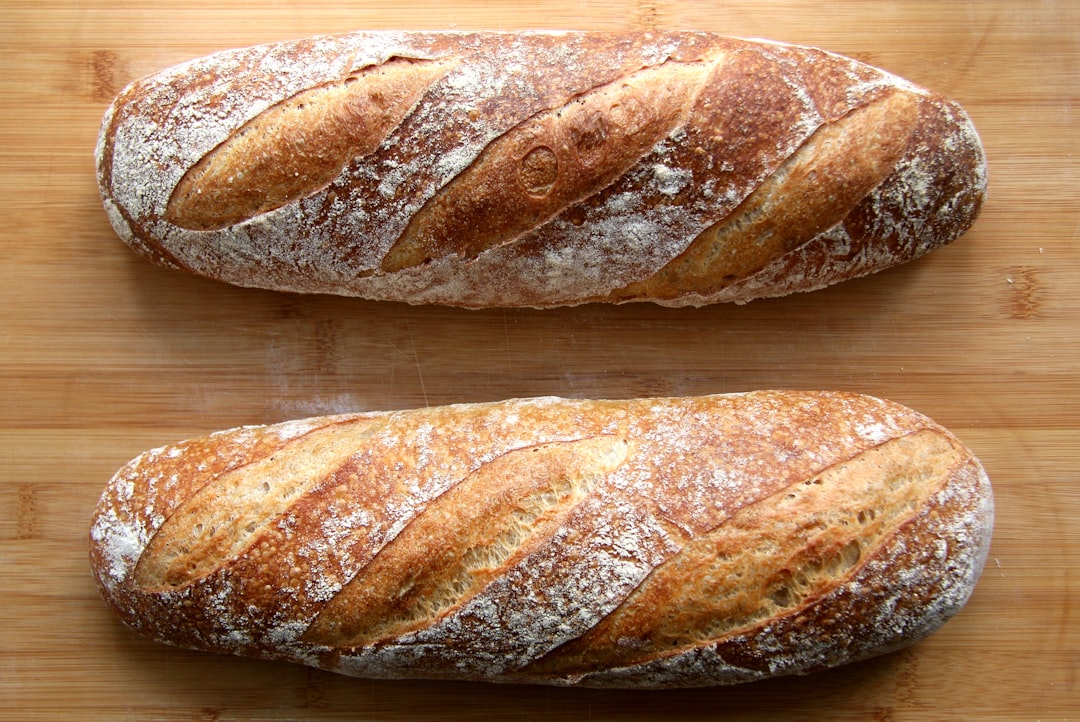
If you’ve never baked bread in a Dutch oven, you’re missing one of the great kitchen revelations of the past decade. The trapped steam creates bakery-level oven spring — that dramatic rise and crackling crust that home ovens usually can’t produce. It’s the technique that launched a thousand sourdough starters, and once you pull your first perfect loaf out of a screaming-hot Dutch oven, you’ll understand why people become obsessed.
For bread baking, you want a round pot at least 5 quarts, preheated to 450°F for a full hour before baking. A silicone bread sling makes transferring wet dough into a screaming-hot pot dramatically easier and safer — I burned the back of my hand twice before I started using one, and I haven’t looked back since.
If sourdough is your thing, check out my earlier deep dive on building a summer sourdough routine — the Dutch oven is the centerpiece of that entire workflow. The right pot turns a sticky, reluctant lump of dough into something with a dark, blistered crust that crackles audibly as it cools on your counter. That sound never gets old.
The Accessories That Actually Earn Their Drawer Space
A Dutch oven doesn’t need much in the way of accessories, but a few small additions will make your life significantly easier — and protect your investment.
Silicone handle covers are non-negotiable. That lid knob and those side handles get screaming hot in the oven, and the burn on your palm from grabbing a 450-degree lid is not something you forget. A set of heat-resistant silicone handle covers costs about ten dollars and saves you from weeks of muttered swearing. They slip on and off easily and work equally well on cast iron skillets.
A lid lifter sounds like a gimmick until you’re trying to check on a braise without letting all the trapped steam escape. The Lodge deluxe camp lid lifter was designed for outdoor cooking, but I use mine indoors constantly. It lets you peek under the lid with one hand while keeping the pot sealed with the other. For anyone who slow-cooks regularly, this is a quiet game-changer.
An instant-read thermometer isn’t specific to Dutch oven cooking, but it’s the tool that separates good braises from great ones. Knowing the exact internal temperature of a roast or loaf takes the guesswork out of timing. I’ve used the same Alpha Grillers instant-read thermometer for three years, and it has never let me down. For bread, you’re looking for 205-210°F internal. For braised meats, 195-205°F is the tender zone.
What I’d Buy If I Were Starting From Zero
If I were outfitting a kitchen from scratch tomorrow — no hand-me-downs, no inherited heirlooms — here’s exactly what I’d do. I’d buy one Lodge enameled 6-quart Dutch oven for everyday cooking. I’d add a Umite Chef 5-quart in red as a second pot for sides, sauces, or bread baking when the main pot is occupied. Total investment: under $150 for two pots that handle 80% of everything I cook.
Then, if the budget allowed and I wanted to treat myself, I’d save up for one Le Creuset — probably the deep 6.5-quart in Sea Salt because the color makes me happy every single time I walk into my kitchen. That pot becomes a lifetime companion. It becomes the thing your grandkids fight over in your will. It becomes the vessel that holds not just food but decades of meals, holidays, Sunday mornings, and Tuesday-night-something-from-the-pantry dinners.
One Pot, A Thousand Meals
My grandmother’s Dutch oven wasn’t special. It wasn’t a designer brand. It wasn’t enameled in a photogenic color. It was a dented, seasoned, well-used vessel that she’d probably forgotten was even remarkable — because to her, it was just the pot. The pot you reach for without thinking. The pot that’s always on the stove because putting it away would mean getting it back out in an hour anyway.
That’s the real test of a Dutch oven. Not how it looks on Instagram, not how many colors it comes in, not the name stamped on the bottom. The test is simple: is this the pot you reach for first? Is this the one that earns the back burner, the permanent spot, the prime real estate in your kitchen? If the answer is yes — whether you spent $50 or $500 — you’ve found the right one.
A great Dutch oven doesn’t just cook dinner. It makes you a better cook, because its forgiveness and versatility give you the confidence to try things — a braise you’ve never attempted, a bread recipe that seemed intimidating, a soup built from whatever’s wilting in the crisper drawer. It meets you where you are and quietly makes everything a little better, meal after meal, year after year.
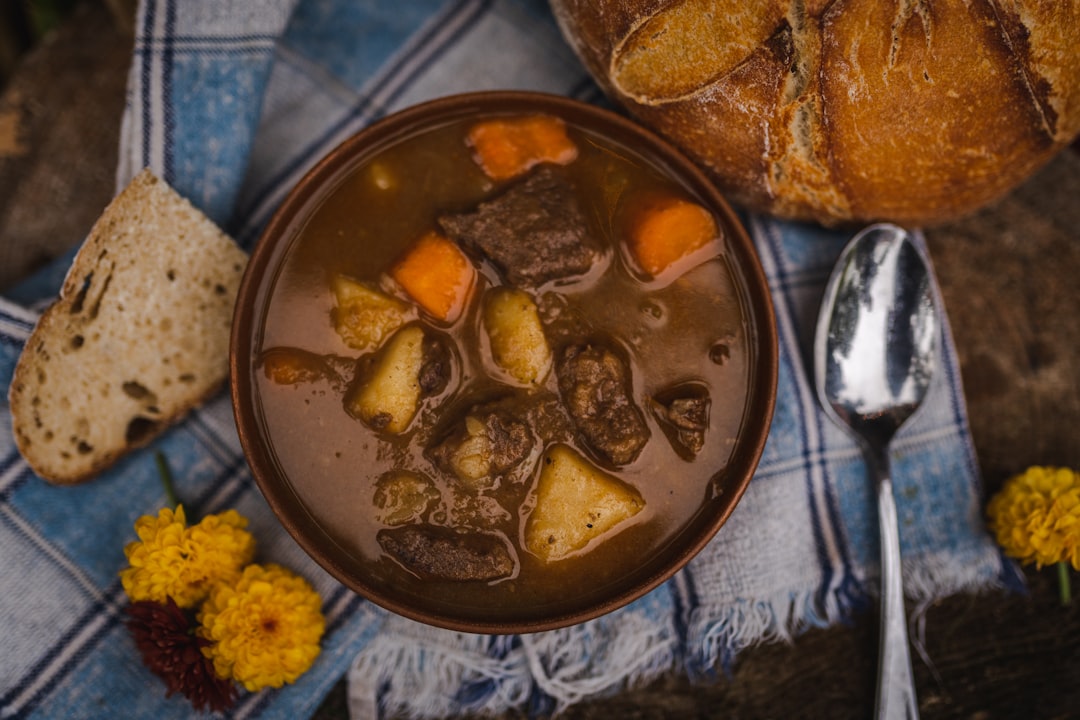
My grandmother’s pot is in my kitchen now. I use it for cornbread, for chili, for the same beef stew she made every October. And every time I lift that heavy lid, I think about her hands doing the same thing fifty years ago. That’s the thing about a good Dutch oven. It doesn’t just hold food. It holds memory.

If you’ve been on the fence about buying one — or upgrading the one you have — consider this your permission slip. Start where your budget allows. The Lodge will serve you beautifully. The Le Creuset will become an heirloom. Either way, you’re not buying a pot. You’re buying the center of your kitchen, the anchor of a thousand future meals, the one thing in your cabinet that will never, ever let you down.
And if you’re already set on cookware, I covered the full cookware landscape in my earlier buying guide — skillets, saucepans, stockpots, and how to build a collection that actually covers your bases without duplicating pieces. Because the goal isn’t to own everything. It’s to own the right things, and use them well.
5 thoughts on “The One Pot My Grandmother Never Replaced (And the Dutch Ovens Worth Your Counter in 2026)”