There is a week in late October when the kitchen changes jobs. The blender stops earning its counter space, the iced tea pitcher retires to the top shelf, and a medium pot takes up permanent residence on the back burner. Ours went on last Sunday evening, right as the first hard frost was due: apple cider, a fistful of whole spices, one long curl of orange peel. By the time the porch thermometer gave up and read 29 degrees, the whole first floor smelled like a baking project nobody had to babysit.
My mother ran a version of this pot all through my childhood, usually starting the week of Halloween and not really stopping until the bowl games in January. She called it “the welcome pot,” which I thought was folksy nonsense until I grew up and realized it was strategy. A house that smells like warm cider and cinnamon does not need a hostess. People pour themselves a mug, find a chair, and stay. Thirty-odd years later, my team and I still reach for the same trick every year when the guest list gets long and the daylight gets short.
This is everything that pot has taught me, from the one temperature rule that matters to the fifteen-dollar accessories that quietly make the whole ritual foolproof.
The One Rule That Runs the Whole Pot
Never let it boil. Not a rolling boil, not a lazy one, not even a hopeful shimmer that looks like it might become one if you turn your back. Mulled cider and mulled wine want to live between 150 and 170 degrees Fahrenheit, which is steam at the edges and a surface that barely trembles. It is the same lesson I had to relearn with my kettle in September: boiled is not a temperature, it is a flavor decision, and for mulling it is always the wrong one.
Boiling does two ugly things. In cider, it cooks the fresh apple character into something flat and appley-in-name-only, the difference between an orchard and a juice box. In wine, it boils off the alcohol right at 172 degrees and roughs up the tannins while it is at it, leaving you with a hot, prickly cup that tastes more like a punishment than a greeting. The spices also over-extract when pushed too hard, and clove in particular turns from warm to medicinal in a heartbeat.
So the method is patience, on the lowest flame your burner will hold. My crew and I ran timing tests last weekend with a probe thermometer clipped to the pot: a gallon of cider with the spices in takes about 25 minutes to reach 160 on low, and it is ready the moment it steams when stirred. That is the whole skill. Everything after this is just shopping.
Start With Cider, Graduate to Wine
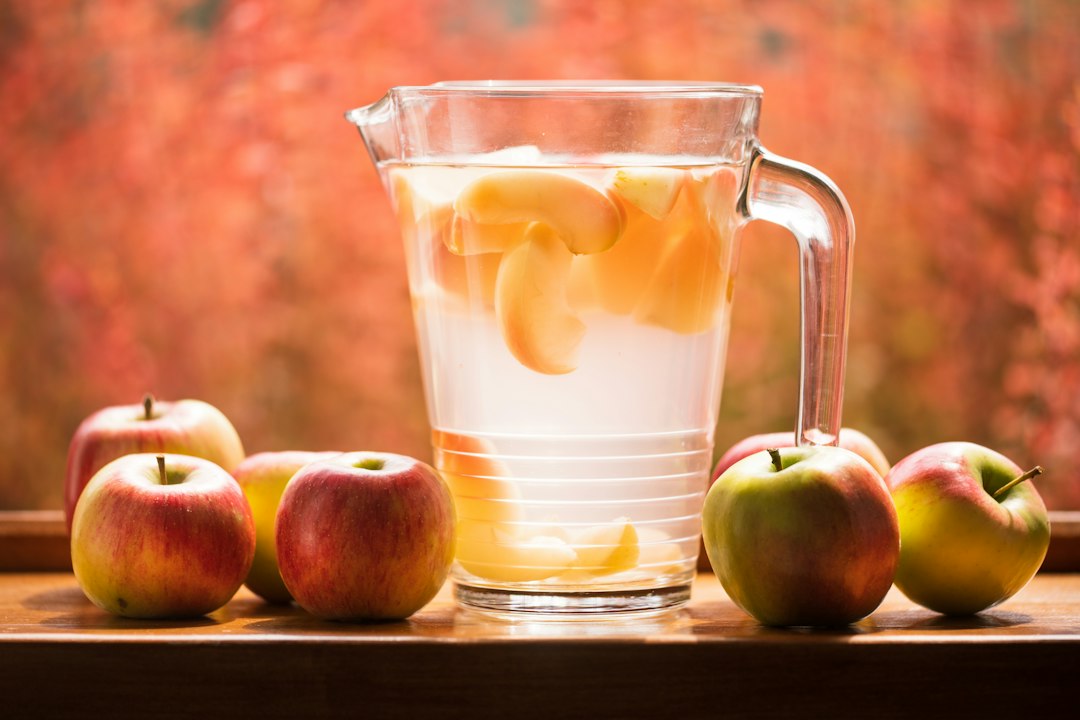
If you are new to mulling, begin with cider, because cider forgives. Buy the best unfiltered apple cider you can find — the cloudy stuff from a local orchard if you have one, and if you spent a Saturday at a farm stand this fall, this is exactly what those jugs were for. Cider has enough sweetness and body that you can season it generously without much risk. Heat it low, spice it well, and even a first attempt tastes like a tradition.
Wine wants a slightly steadier hand. Skip the “cooking wine” aisle entirely and skip the expensive bottle too; the honest sweet spot is an inexpensive, dry, fruity red — a zinfandel, a merlot, a grenache — something around ten or twelve dollars that you would still drink if the mulling went sideways. My favorite party trick is the hybrid: half a bottle of red topped up with apple cider, which softens the tannins, stretches the servings, and makes the whole pot feel more like harvest than ski lodge.
For planning, count on about half a cup per guest per hour for a two-hour gathering, which in real English means a gallon of cider comfortably warms ten people through an afternoon. A 750-milliliter bottle of wine mulled with cider serves six small mugs. When in doubt, round up — day-old mulled cider has never once gone to waste in this house.
The Spice Cabinet Goes Whole or It Goes Home
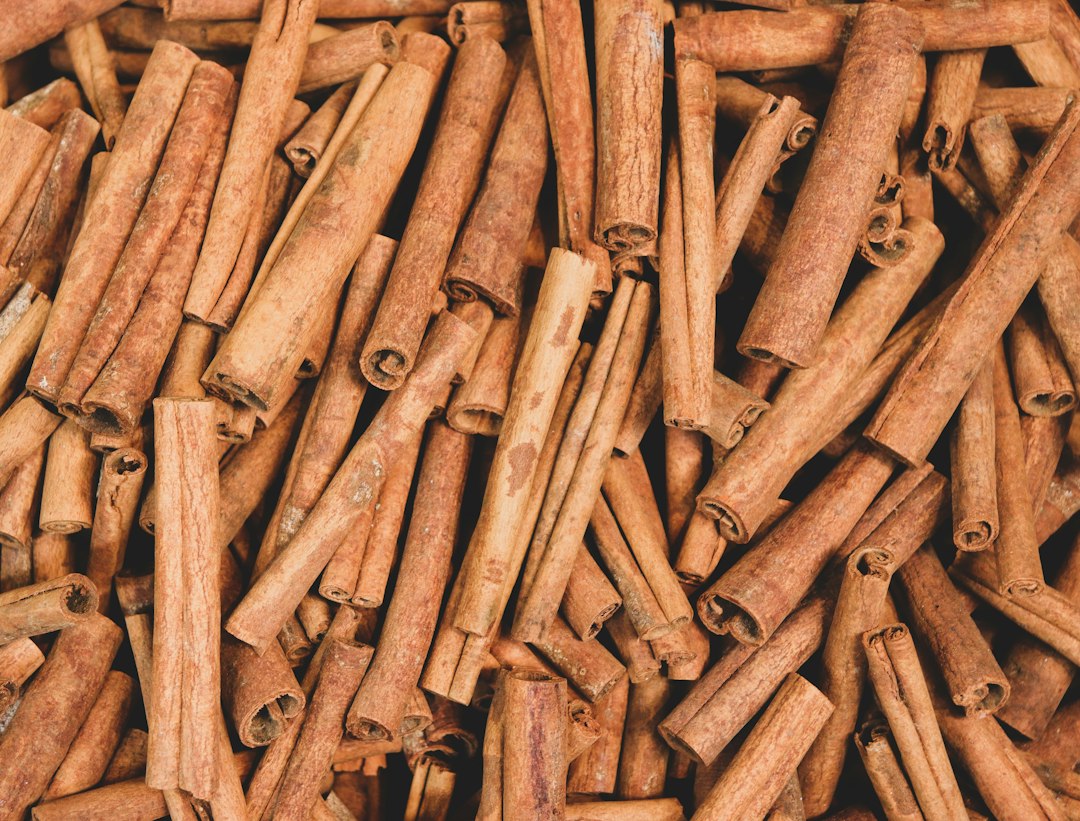
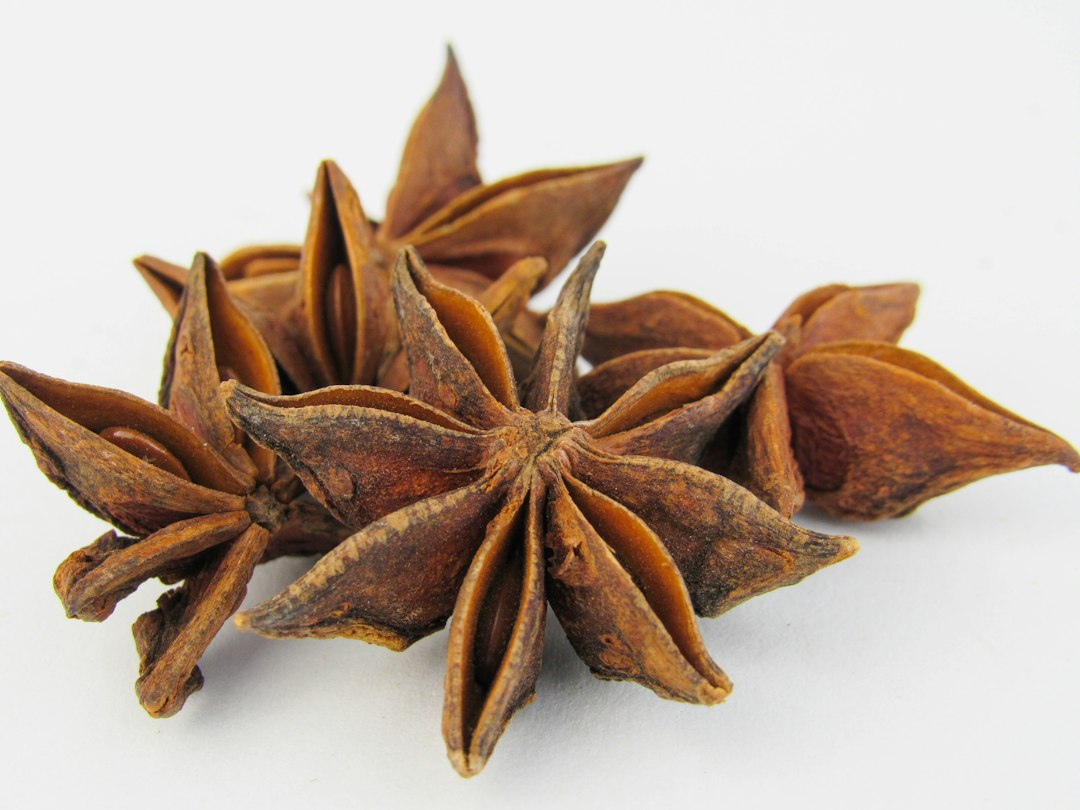
Ground spices have no place in a mulling pot. They cloud the liquid, cling to every strainer, and go from fragrant to bitter long before your party ends. Whole spices steep gently, look gorgeous floating in the pot, and can be fished out whole when they have given everything they have. Cinnamon sticks, whole cloves, allspice berries, a cracked star anise, a few cardamom pods opened with a knife edge — this is the wardrobe. Black peppercorns sound strange until you try them; three or four, cracked, give the pot a low hum of heat that people cannot quite identify and always ask about.
If your spice drawer is a graveyard of half-empty jars from three apartments ago, a pre-mixed mulling spice blend is a completely honorable shortcut, and I keep one in the pantry as party insurance. For building your own kit at a sane price, buy whole cinnamon sticks in bulk — you will use more of them than you expect between now and January, and they store for a year in a jar.
One refinement worth the extra minute: toast the whole spices in the dry pot for thirty seconds before the liquid goes in. Just until you can smell them. It is the same wake-up trick my grandmother used on cumin seeds, and it nudges a good pot toward a great one without a single extra ingredient.
Contain the Evidence
The difference between a rustic pot and a gritty one is containment. Those cloves and cardamom seeds will find their way into every mug otherwise, and nobody wants to negotiate a floating star anise with their front teeth at a party. The old-school solution is a cheesecloth spice bag tied with kitchen twine — fill it, dunk it, yank it out whole when the steeping is done, exactly like a giant tea bag. For smaller batches, a stainless spice infuser ball does the same job and clips open for easy refills.
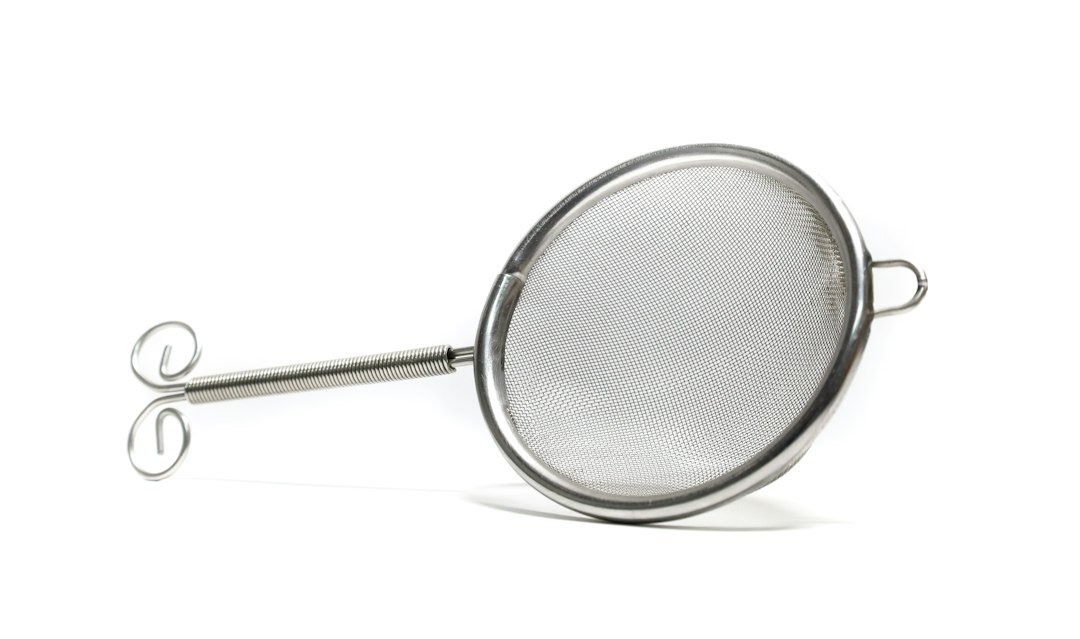
Even with containment, a fine-mesh strainer earns its place at the pour station. Cider throws sediment and citrus throws little threads of peel no matter how careful you are, and one pass through a fine mesh strainer turns every mug crystal clear. Mine lives next to the ladle from October onward and gets used for stocks, tea, and strained custard the rest of the year, which is exactly the kind of dual citizenship I want from a tool before it earns drawer space.
The Citrus Question
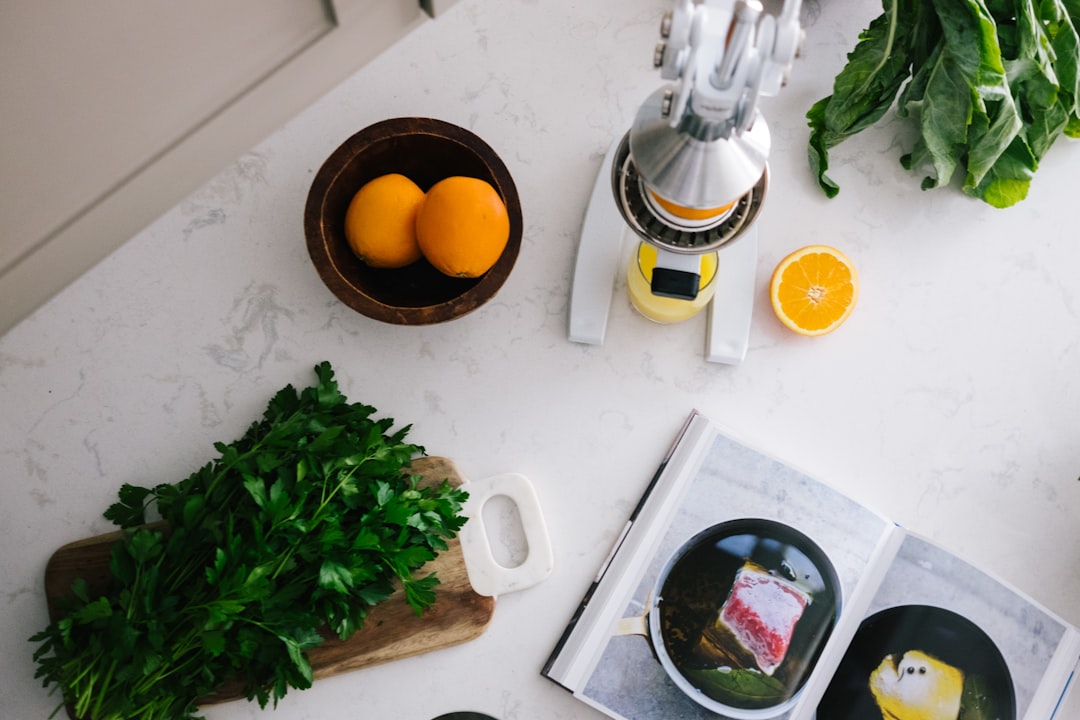
Every mulling argument eventually arrives at the orange. Slices look beautiful in photographs and bitter the pot if they steep too long, because the pith — the white spongy layer — is where the unpleasantness lives. Strips of peel are the better instrument: use a swivel peeler or a Microplane-style zester to take long, thin ribbons off the fruit, leaving the pith behind, and you get pure orange oil in the pot with none of the regret.

For a gallon of cider, I use about a third of a large orange in ribbons and drop the rest of the fruit, sliced thin, into individual mugs at serving time. You get the pretty visual without cooking the pith into the batch. A lemon twist added in the last five minutes brightens the whole pot the way a splash of vinegar wakes up a soup — you would not guess it is there, and you would miss it if it were gone.
Sweetness and the Slow Cooker Endgame
Sweeten late and sweeten less than you think. Cider barely needs anything; wine usually wants honey, maple syrup, or brown sugar, and all three behave differently. Honey dissolves beautifully in warm liquid and reads floral; maple leans woodsy and loves the apple in a hybrid pot; brown sugar adds a roundness that flatters spices but can nudge things toward dessert. Start with two tablespoons for a bottle of wine, taste at the twenty-minute mark, and climb slowly. You can always add sweetness; you cannot take a pot back from syrup.
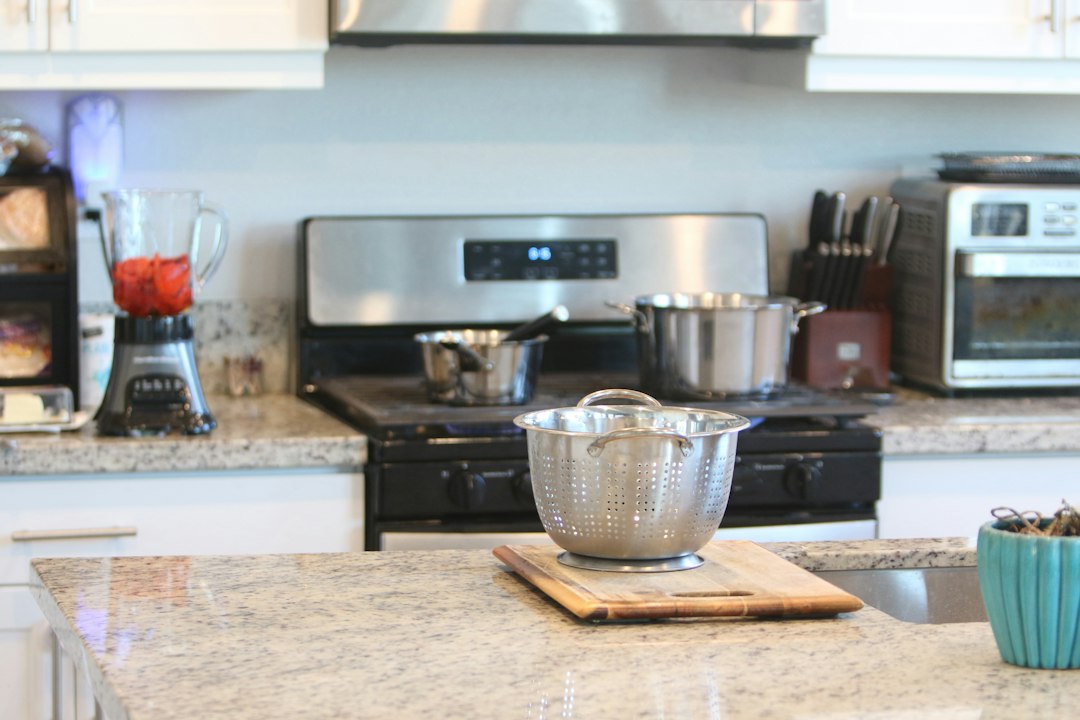
For parties, the slow cooker is the mulling pot’s best understudy. Once the flavors are developed on the stove, transfer everything to a small slow cooker set to warm or low, and it will hold a drinkable 150-ish degrees for about three hours without any attention at all — no scorched bottom, no boil-over, no host tethered to the stove. I wrote a whole treatise on the slow cooker feature I refuse to shop without anymore, and a true “warm” setting is high on that list; check it before you trust a new one with a party.
The Pour and the Cups
Serving gear for mulling is simple to the point of suspicion: one ladle, one trivet, and enough cups. A long-handled stainless ladle keeps knuckles away from the steam and portions honestly — one full ladle is a generous mug. Park the pot on a heavy cast iron trivet on the counter or sideboard and let people serve themselves; the ritual of ladling is half the charm, and self-serve frees you to actually talk to the people you invited.

The cups matter more than you would think. Clear or semi-clear glass mugs show off the amber color and the floating cinnamon stick, and a set of mulled wine glasses with handles is one of those small purchases that makes an annual tradition feel deliberate. Fill a small bowl with garnish options — extra cinnamon sticks, orange slices, a star anise or two, whole cranberries for the December stretch — and guests will customize their mugs like it is a topping bar. It is the cheapest bit of theater my kitchen puts on all year.
The Weekday Pot
Not every batch needs an occasion or a guest list. The weekday version in this house is straight cider, spices, and citrus, no wine — it makes the after-school hours feel like an event and gives anyone who does not drink the same warm mug in their hands as everyone else. A cranberry-and-apple pour (half cranberry juice, half cider) turns the pot crimson for the weeks between Thanksgiving and New Year’s and tastes like the holidays in a way that is hard to describe without using the word garland.

Mulled cider also keeps better than you would guess. Cooled and refrigerated in a jar, it is good for about three days and reheats gently on the stove or by the mug in the microwave with zero loss of character. I have stopped being precious about it; the pot has become a weekly habit rather than a production, which is, I suspect, exactly what my mother intended all along.
A Small Standing Invitation
Every fall I watch the same minor miracle: a pot of cider on the low burner does more for a gathering than any appetizer board or playlist I could spend an afternoon assembling. The house does the inviting. All you have to do is keep the heat under 170, keep the spices contained, and keep the ladle within reach.
So consider this your nudge. Buy the good cider while the orchards still have it, spend the four dollars on spice bags, and put the pot on this weekend. The first frost already did the marketing for you — all your kitchen has to do is answer the door smelling like cinnamon.