
Every August, my kitchen turns into a shipping department. There are boxes on the floor, bubble wrap on the table, and a running list taped to the fridge — the same list I’ve been refining for fifteen years. My nephew goes next week. My cousin’s twins left Monday. And somewhere between the bedding aisle and the shower caddy display, every family forgets the same thing: the kitchen.
I learned this the hard way when my oldest nephew called from his dorm room in 2014 to tell me he’d been eating gas station sandwiches for nine days straight. Nine days. I shipped him a box that week, and I’ve been shipping variations of it every August since — to nieces, neighbors’ kids, my goddaughter, and last fall, my own assistant’s youngest, who was headed to her first apartment with nothing but a single fork and a lot of optimism.
Here’s what I’ve learned after equipping more first kitchens than I can count: twelve square feet is enough. A hot plate, a plug, and a sink are enough. But only — and I cannot stress this enough — if you bring the right things and leave the wrong ones behind.
The Philosophy of Cooking Small

Before I tell you what goes in the box, let me tell you what doesn’t: single-use gadgets. The banana slicer. The strawberry huller. The quesadilla maker. Anything with the word “as seen on” printed on the box. I have watched more college kitchens collapse under the weight of novelty items than from actual cooking failures.
The rule in my family — handed down from my grandmother, who once cooked Thanksgiving dinner for fourteen in a kitchen the size of a parking space — is this: every tool must do at least two things, and every appliance must earn its counter space. In a dorm or a first apartment, counter space isn’t just limited. It’s mythical. You have to treat it like the precious resource it is.
When I built my $50 kitchen reset list earlier this summer, I realized that the tools I’d replace first in my own kitchen are almost identical to the ones I pack in those August boxes. The principles don’t change just because the square footage shrinks. They get more important.
The One Appliance That Earns Its Plug
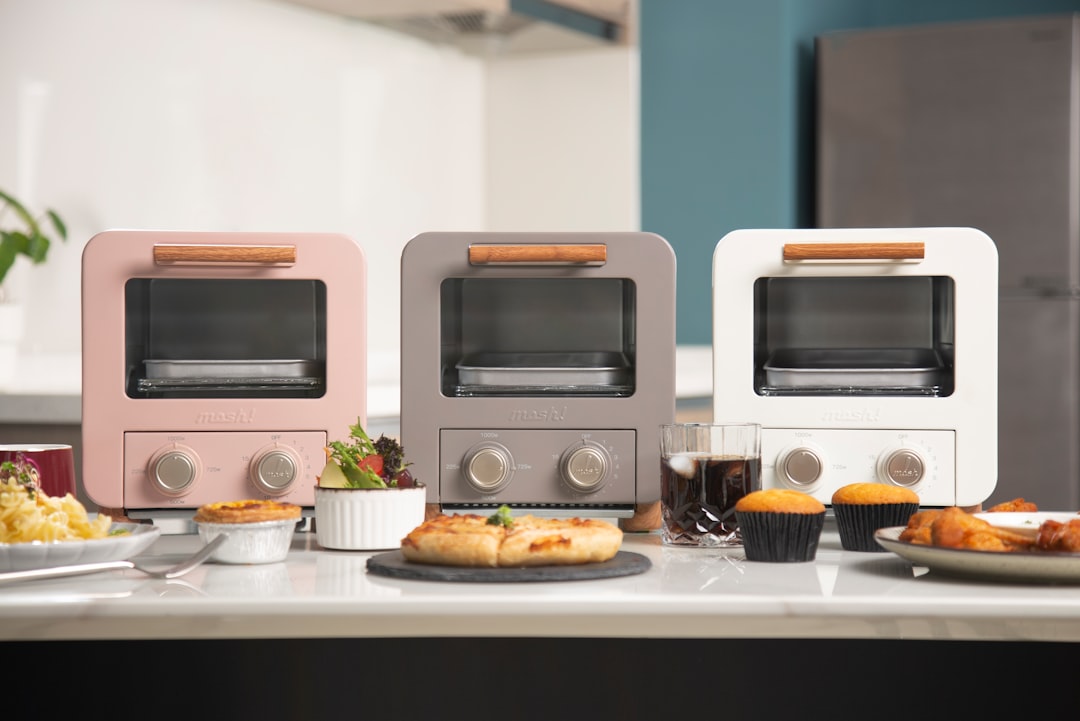
If I could only send one thing in the college kitchen box, it would be an air fryer. Not the full-size one I use at home — that thing is the size of a small dog crate — but a compact model designed for one or two portions. My team tested six of them this past spring for a gear roundup, and the CHEFMAN 2-Quart Mini Air Fryer kept coming out on top for dorm and apartment use.
Here’s why: a small air fryer is actually six appliances in one. It roasts vegetables. It reheats leftovers better than a microwave. It bakes a single chicken breast in twelve minutes. It makes frozen food actually crispy instead of soggy. And it does all of this without heating up a dorm room the way an oven would — which matters more than you’d think when you’re sharing 200 square feet with another human in late August.
The mistake I see most often is size. Parents buy the biggest air fryer they can find, thinking more capacity is better. In a dorm room, it isn’t. A 2-quart model fits on a desk, heats up fast, and makes exactly enough food for one hungry person. If your student is sharing an apartment with a roommate, bump up to a 3-quart model like the 35-piece kitchen utensil set — wait, no. Let me redirect. If they need more capacity, look at a compact digital model that still fits under a cabinet.
I wrote earlier this summer about the air fryer guide I wish I’d read before owning four of them, and the same advice applies here: buy small, buy simple, and let the machine do the work.
The Electric Kettle: The Most Underrated Appliance in Any First Kitchen
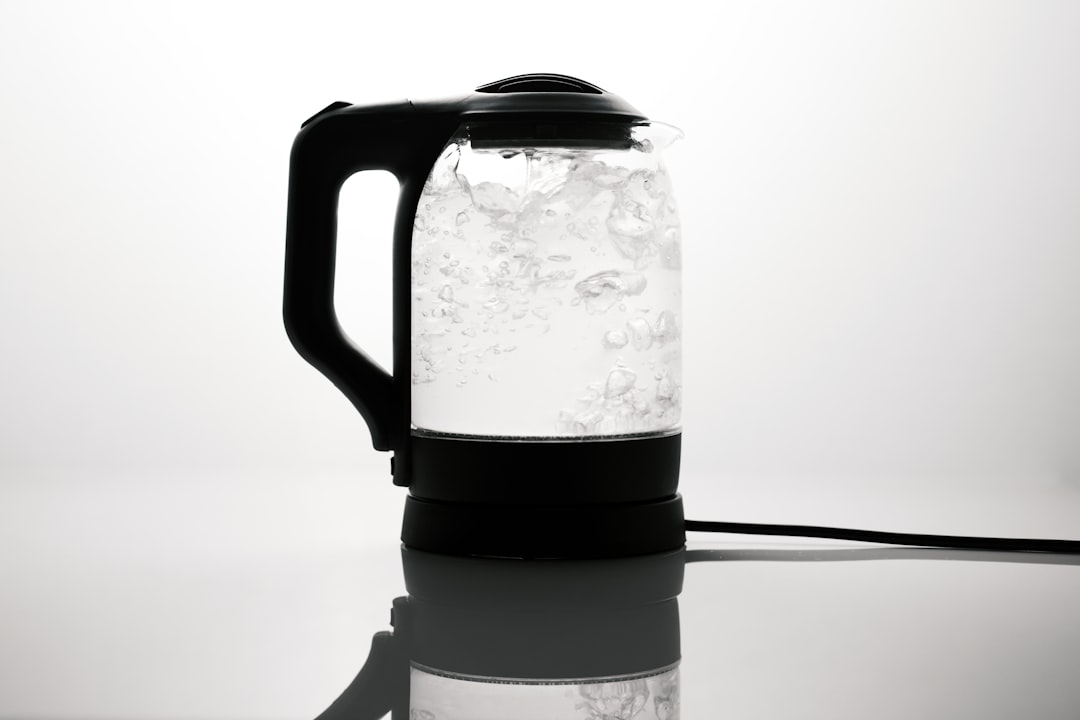
My grandmother had a copper kettle that sat on her back burner from 1962 until the day she stopped cooking. She would have found an electric kettle frivolous. I find it essential — especially for a college student.
An electric kettle boils water in under three minutes. That means instant coffee that doesn’t taste like regret. It means ramen elevated with fresh ginger and scallions. It means tea before an exam, oatmeal before an 8 a.m. class, and hot chocolate at midnight when the dorm radiator isn’t keeping up. I’ve packed the Amazon Basics Electric Kettle in more boxes than I can count because it’s inexpensive, reliable, and small enough to live next to a laptop on a desk.
For students who want something with a bit more precision — temperature control for different types of tea or French press coffee — the 0.8L stainless steel electric kettle is a lovely upgrade that still takes up almost no space. I sent one to my goddaughter last year, and she tells me it’s the most-used item in her entire apartment.
The Rice Cooker That Thinks for You
My grandmother called rice cookers cheating. I’ve already written about her position on this, so I won’t rehash the whole family debate. But I will say this: for a college student, a rice cooker isn’t just a rice cooker. It’s a meal machine.
The Dash Mini Rice Cooker with its 2-cup ceramic pot is the one I’ve been packing in boxes for the last three years. It makes enough rice for two generous portions, switches to warm automatically, and the ceramic insert means no worrying about scratched nonstick coatings leaching into food. But here’s what the instructions don’t tell you: you can also cook quinoa in it, steam dumplings above the water line, make a single serving of mac and cheese, or throw in oats and milk before bed for something close to overnight oatmeal by morning.
In a dorm room with no stove access, a rice cooker plus an electric kettle can cover an astonishing amount of culinary ground. I’ve watched my nephew make full jambalaya in his — not great jambalaya, but jambalaya nonetheless, and he was proud of it, which is the point.
The Tool Kit: What Actually Goes in the Drawer
Most college kitchen kits come with everything and include nothing useful. I’ve opened boxes that contained a pastry brush, a meat thermometer, and a pasta server — for a student with no oven, no stove, and exactly one pot. The first time I helped my cousin’s daughter unpack her kitchen, we threw away two-thirds of what her well-meaning aunt had shipped.
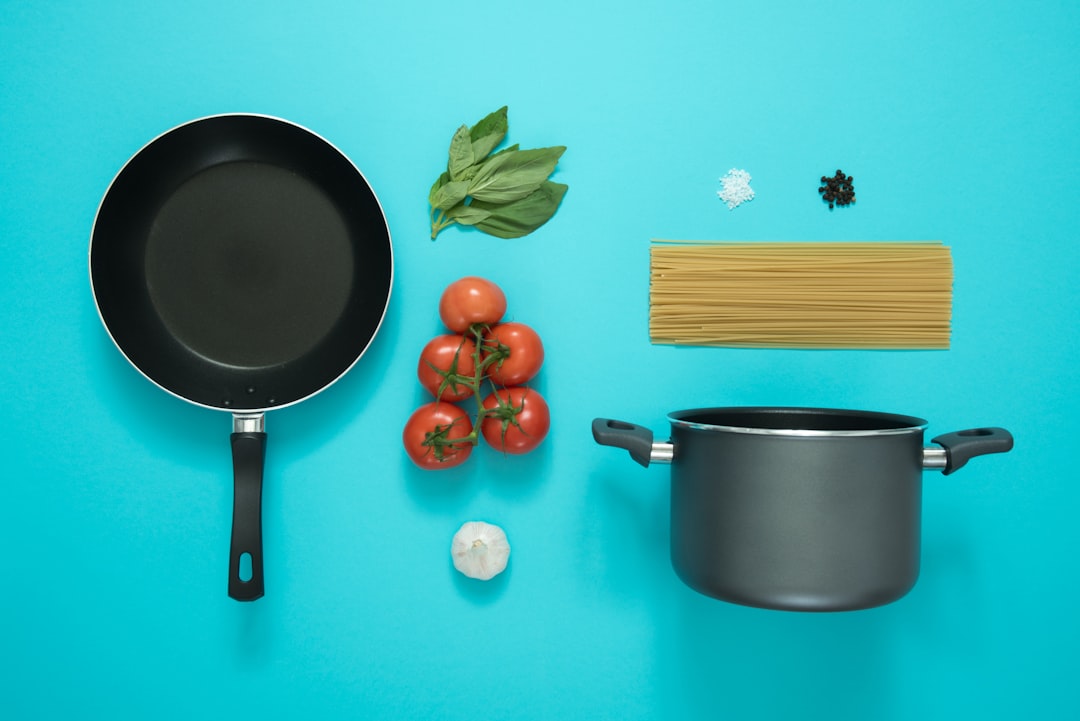
What you actually need: a sharp knife (just one), a cutting board, a silicone spatula, a pair of tongs, a ladle, and a can opener. That’s it. The RAXCO 18-piece utensil set covers all of this and includes a knife — not a great knife, but a perfectly serviceable one — in a single compact package. For students who want a more complete setup, the 35-piece silicone utensil set includes everything they’ll need through graduation and into their first real kitchen.
The one tool I always add separately is an immersion blender. I wrote an entire guide to immersion blenders a few weeks back, and my position hasn’t changed: in a small kitchen, nothing beats a stick blender for soups, sauces, smoothies, and the kind of one-pot meals that get a student through finals week. The KOIOS 1000W immersion blender is the one I’ve been sending lately — powerful enough to actually blend, compact enough to live in a drawer.
The Storage Situation
If there’s one area where I see college kitchens fail, it’s food storage. Not the containers themselves — those are easy to find — but the system. A student with no plan will buy groceries, put them in the fridge, and discover them as science experiments two weeks later. I know this because I’ve done it. My refrigerator looked like a terrarium by midterms my sophomore year.
The fix is simple: portion-sized containers that are microwave-safe, stackable, and clear enough to see what’s inside. The Bentgo Prep containers are my go-to for the boxes I ship — they’re budget-friendly, come in a 20-piece set, and they’re designed for exactly one meal each. For students who want to avoid plastic entirely (and more of them do every year, which I love), the M MCIRCO glass containers are the same concept in borosilicate glass with snap-locking lids.
I also pack a roll of masking tape and a Sharpie in every box. Label your leftovers. Date everything. This is not optional. I learned this from the freezer burn epiphany I had a few months back, and it applies double in a tiny fridge where everything gets shoved to the back and forgotten.
The Refrigerator Reality Check
Most dorms provide a micro-fridge — that combination microwave-and-mini-fridge unit that colleges rent to students for roughly the cost of a small car over four years. They work, but they’re the bare minimum. If your student is in an apartment instead of a dorm, or if they have the option to bring their own, the Upstreman 1.7 cubic foot mini fridge with freezer is a significant upgrade. It actually keeps things cold (a low bar that many dorm fridges fail to clear), the small freezer compartment holds a pint of ice cream and a bag of frozen vegetables, and it runs quietly enough that it won’t keep a light sleeper awake.
One thing I always tell parents: don’t oversize the fridge. A bigger fridge in a small space just means more room for food to go bad. In a well-organized kitchen, even a small fridge works beautifully if you’re disciplined about what goes in it.
What I’ve Stopped Packing

Every year, the box gets smaller. Not because I’m cutting corners, but because I’ve learned what collects dust. Here’s what I’ve removed from the list over the years:
- The toaster. An air fryer makes better toast. I’m sorry, but it does.
- The full knife set. One good chef’s knife and a paring knife. That’s all.
- The blender. Too bulky, too loud for dorm walls, and an immersion blender handles most of the same jobs.
- The coffee maker. A French press and the electric kettle make better coffee with less cleanup and no hot plate to forget about before rushing to class.
- Matching dinnerware sets. They break. They take up space. A few sturdy bowls and plates from home are better than anything from a big-box store.
The Box I’m Shipping This Year

My nephew heads to university next week. He’ll have a shared apartment with a real kitchen — a luxury, I know — but the principles are the same. His box is already taped shut and labeled on my dining room table. Inside it: a compact air fryer, an electric kettle, a mini rice cooker, a set of glass storage containers, an immersion blender, a good knife, a cutting board, and a hand-written card with five recipes he can make using only what’s in the box.
That last piece is the secret ingredient I almost forgot to mention. Tools are only as good as the recipes that go with them. When my oldest nephew called in 2014, starving and defeated, I didn’t just ship him appliances. I shipped him a one-page guide: five meals, each with five ingredients or fewer, each using only the tools I’d packed. That piece of paper is still taped to his refrigerator. He’s twenty-eight now, and he still makes the rice cooker jambalaya.
The thing about a first kitchen is that it sets the tone for every kitchen that comes after. I’ve spent my career testing appliances and tools in a kitchen that’s far bigger and better equipped than any college student needs. But the truth? Some of the best meals I’ve ever eaten came out of a dorm room made possible by a well-packed cardboard box and someone who cared enough to think about what goes in it.
So before you load the car and point it toward campus, take it from someone who’s been shipping these boxes for fifteen years: skip the matching towel sets, skip the novelty gadgets, and skip the giant appliances. Pack the things that actually feed people. Everything else is just stuff.
3 thoughts on “Twelve Square Feet and a Cardboard Box: Equipping the First Kitchen That Actually Works”