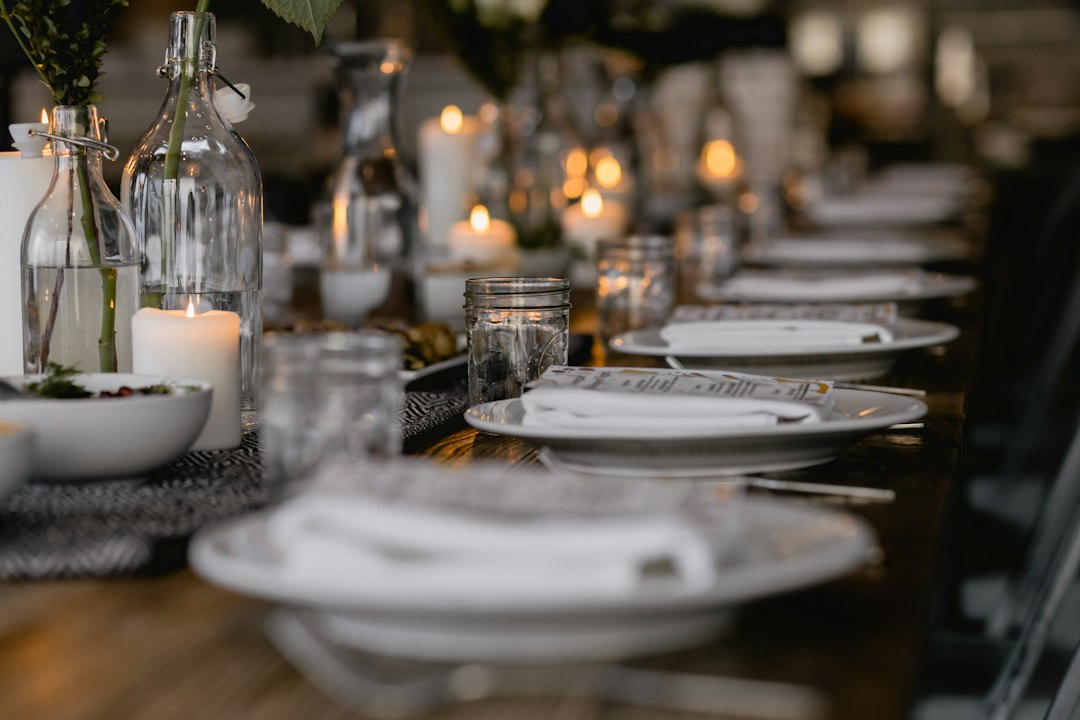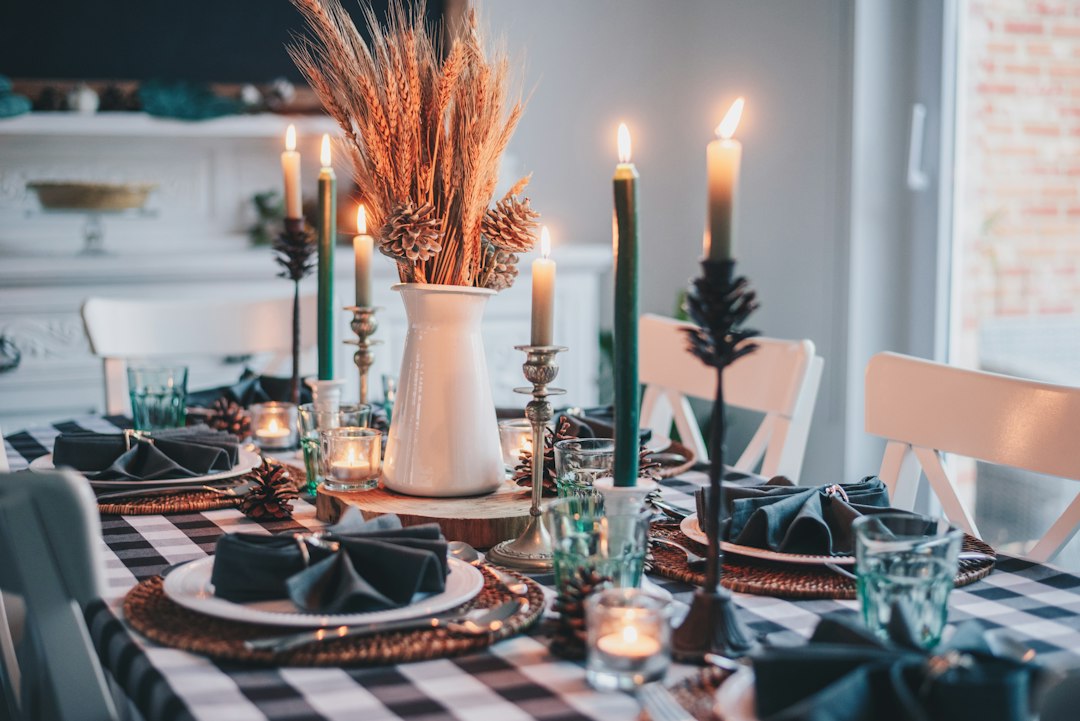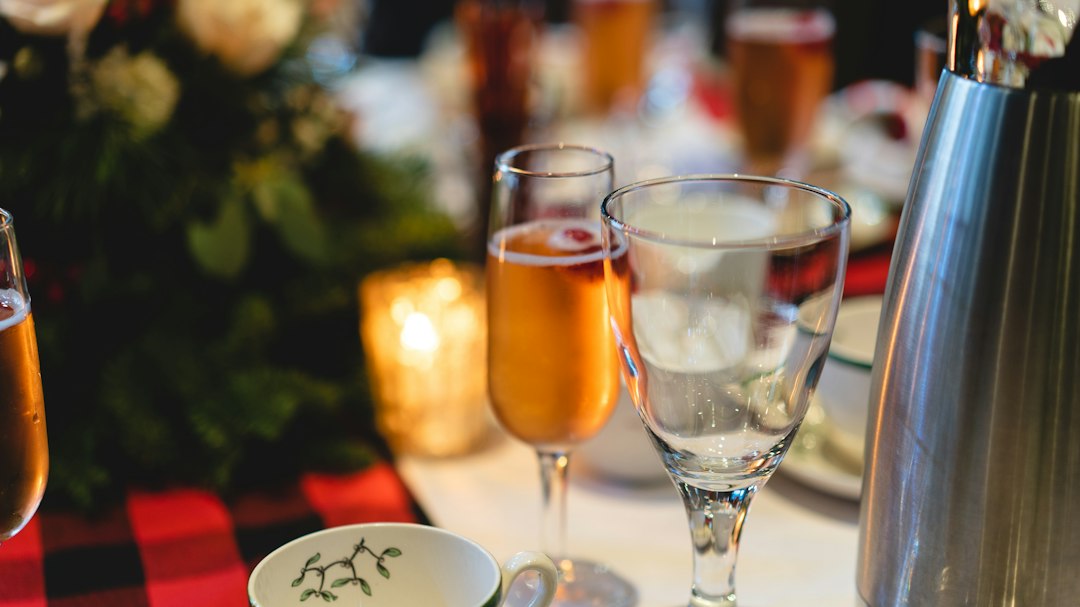
Last Thanksgiving, I did a count I hadn’t meant to do. I was standing at the sideboard with a bottle of red in one hand, and I watched four people in a row turn down the pour. My nephew is training for a spring marathon. My oldest friend quit drinking two years ago and doesn’t make a thing of it. My sister-in-law was on a new medication. A neighbor just said, “Not tonight, honey.” Each of them ended up holding a tumbler of tap water with one sad ice cube, while everyone else got a stemmed glass, a toast and a little ceremony. Nobody complained. But I saw it, and it bothered me all the way through pie.
So this year my small team and I did something about it. Before the first invitation of the season goes out, I’m setting up a holiday bar that treats the zero-proof glass as the main event, not the consolation prize. That turns out to be the right call. Recent holiday surveys keep landing on the same number: about half of consumers say they won’t drink, or aren’t sure they will, at this season’s gatherings. Cocktail shakers have been climbing the Amazon kitchen charts all fall. People want the ritual. Plenty of them just don’t want the alcohol.
Here’s the setup I’ve landed on after six weeks of Sunday-afternoon testing: a handful of tools, three batchable drinks that taste like a party, and one honest cocktail for the guests who want one. Everybody holds the same glass, and everybody gets the same clink.
The Real Problem Was Never the Recipe
I assumed I needed better mocktail recipes. I didn’t. The sad tumbler of water comes from a lack of setup, not imagination. When the host has to hunt for a shaker and a lime mid-evening, the easy answer is “water okay?” every time.
So the fix is mostly logistics. If the tools sit out, the citrus is already juiced and two drinks are already batched in the fridge, a zero-proof drink takes about as long to pour as a glass of wine. My grandmother’s gravy wasn’t better because she had a secret. It was better because the roux was made at noon.
Four Tools on the Tray (and Nothing More)
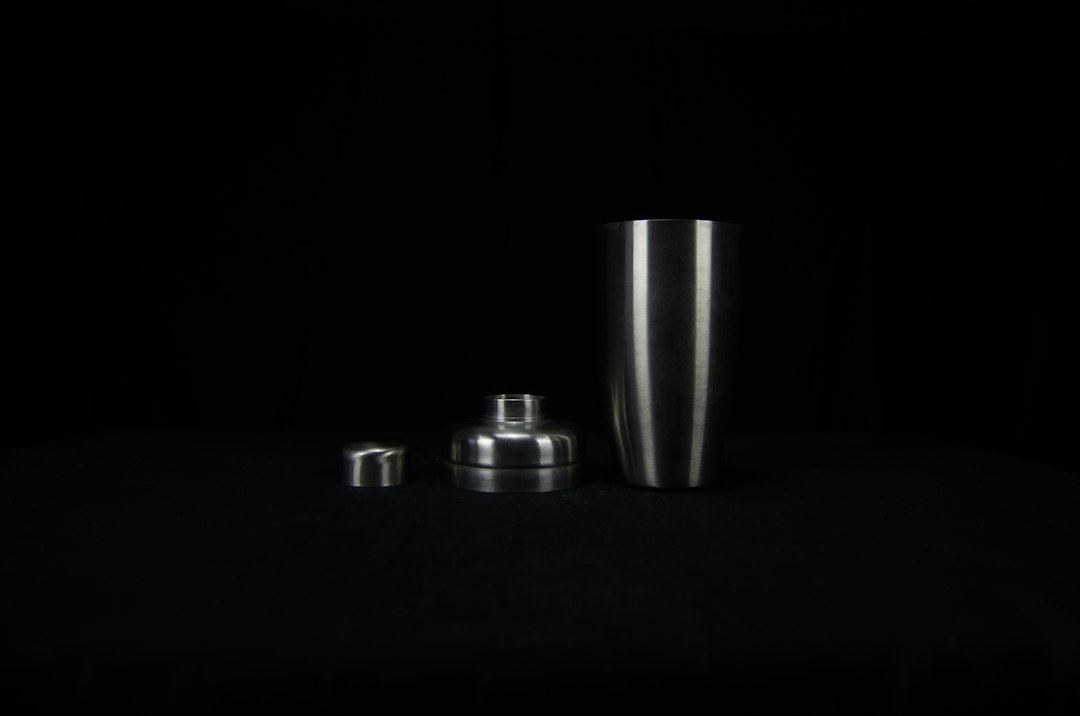
Skip the twenty-piece bar kit with the flamingo muddler. My tray holds four tools, and every one gets used every time.
A shaker that doesn’t leak or stick. I’ve owned cheap cobblers whose caps freeze on so hard you need a dish towel and a prayer. The OXO Good Grips Steel Cocktail Shaker has a double-walled tin, so your hands don’t freeze, and a cap that comes off with a twist even after a long hard shake. For a zero-proof drink that hard shake matters. It adds air and a little dilution, which gives a mocktail body. Without it you’re drinking cold juice.
A jigger you can read in low light. Holiday parties happen at candle-level lighting, and that’s exactly when I used to free-pour and make one drink syrupy and the next one sour. The OXO Steel Angled Double Jigger has markings inside the cup that you can read from above. With those I can measure a quarter-ounce of syrup without bending down to squint at it.
A real strainer. If your shaker has a built-in strainer, it works fine for a while, then clogs on the first sprig of rosemary. A Stainless Hawthorne Cocktail Strainer sits over the open tin and catches the herbs, the ice shards and the cranberry skins. It’s a small thing, and it’s the difference between a drink that looks like a drink and one with debris in it.
A citrus press with leverage. Fresh citrus is the single biggest upgrade to any zero-proof drink. Bottled lime juice tastes flat, but squeezing twenty limes by hand is how hosts end up with sore wrists. The Chef’n FreshForce Citrus Juicer has gears inside the hinge that do the work for you. One of my helpers juiced two dozen limes in about eight minutes with it and didn’t once mention her hands.
Citrus Is the Whole Secret
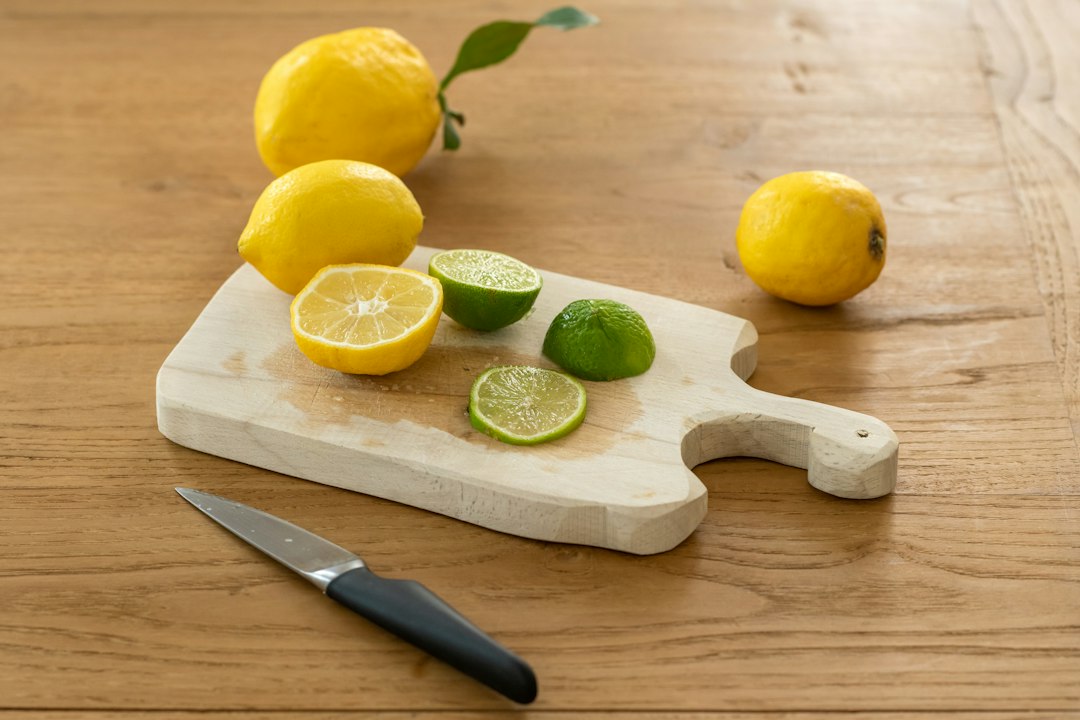
Alcohol gives a cocktail its bite and warmth. Take it out and you have to replace it with acid and bitterness, or the drink tastes like a juice box. Most of that comes from citrus.
Here’s the routine I follow for every party now. About three hours before guests arrive, I juice the lemons and limes, strain them and pour them into small lidded jars in the fridge. Fresh juice tastes best on the day you squeeze it and starts to fade by the next morning, so there’s no point doing this two days ahead. Next, I peel wide strips of orange and grapefruit zest with a plain vegetable peeler, leaving the bitter white pith behind. They go into a small bowl with a damp paper towel over the top. Those strips are my garnish, and their oils are my “bite.” Twist one over the glass and the whole drink smells like a bar.
My rule of thumb for building any zero-proof drink from scratch is two parts something with flavor (juice, tea, a shrub), one part citrus, a half part of sweetness, and a long top of something fizzy and a little bitter. Ginger beer, tonic, and grapefruit soda are my three workhorses. Shake the base with ice, strain it over fresh ice, then top it off. Once you can do that, you can make a drink out of whatever’s in your fridge.
Ice That Doesn’t Water Everything Down
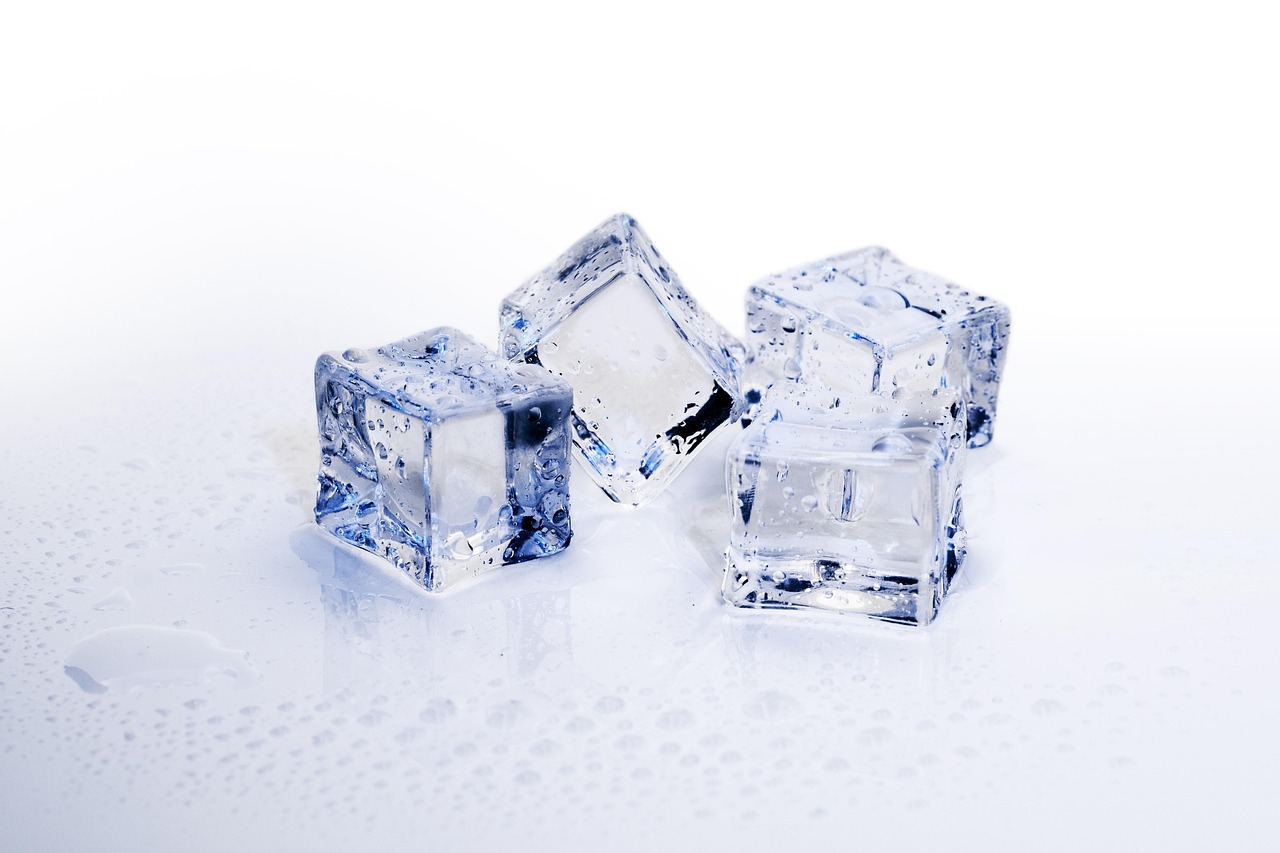
Nobody thinks about ice until the punch turns pale pink and watery an hour in. Small fridge-door cubes are fine in a shaker, where you want dilution, but they melt fast in a glass that sits through a long story.
For serving I switched to big cubes. The W&P Peak Extra-Large Ice Cube Tray makes two-inch cubes that last through a whole conversation. It has a silicone lid, so the ice doesn’t pick up the smell of whatever is in my freezer. I start filling trays on the Wednesday before a party and bag the cubes as I go, so by Saturday I have about sixty. If you need serious volume, my countertop machine is still pulling its weight. I wrote about it back in May, in the countertop ice maker I bought on a whim, and it’s the reason I never run out on Thanksgiving.
One trick guests always notice: freeze a few cranberries and a tiny rosemary sprig into some of the big cubes.
Three Batch Drinks That Taste Like a Party
If I’m shaking drinks one at a time, I’m not hosting, I’m bartending. So two of my three zero-proof drinks wait in the fridge, and only the third is mixed to order.
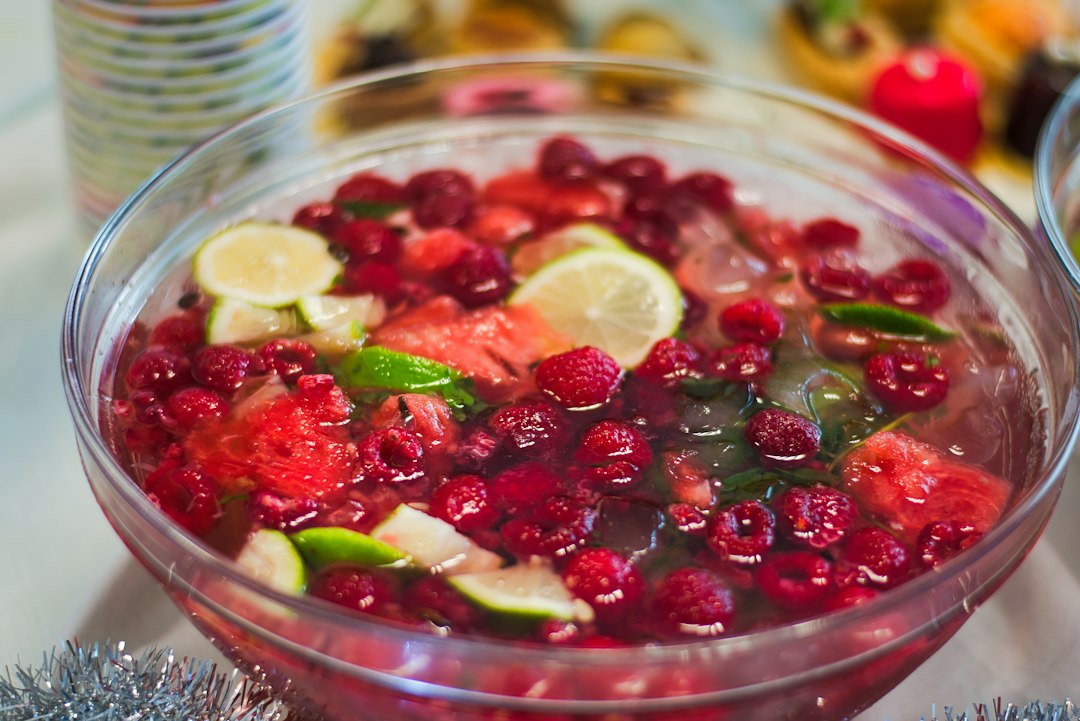
1. Cranberry–rosemary punch (the crowd-pleaser). Simmer two cups of fresh cranberries with a cup of sugar, a cup of water and three rosemary sprigs until the berries pop. Strain and chill the syrup. On party day, stir one cup of that syrup into four cups of unsweetened cranberry juice, a cup of fresh lime juice and a cup of brewed and cooled hibiscus tea. The tea adds a tannic, almost wine-like dryness. Right before guests arrive, pour it into a 2-Gallon Glass Beverage Dispenser with Spigot, add big cubes and top it with a liter of cold sparkling water. With a spigot, guests serve themselves, and the color does its own advertising from across the room.
2. Spiced pear ginger mule (the one people ask about). In a 2-Quart Glass Pitcher with Lid, stir together three cups of pear nectar, a half cup of fresh lemon juice, a quarter cup of maple syrup and a cinnamon stick. The pitcher lives in the fridge, covered, for up to a day. To serve, fill a glass halfway with the base, add ice and top with a sharp ginger beer. I like Fever-Tree Premium Ginger Beer here because it has real heat. The sweeter supermarket brands turn this into dessert. Garnish with a thin pear slice.
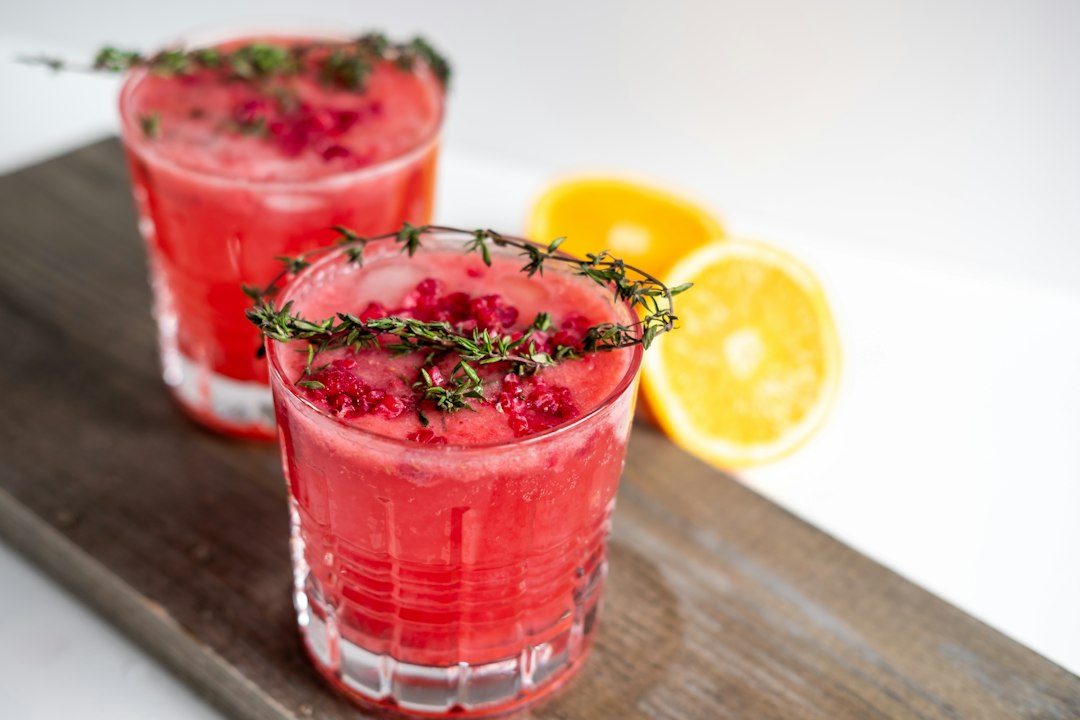
3. The grapefruit-thyme sparkler (made to order). In the shaker go an ounce and a half of fresh grapefruit juice, a half ounce of lime and a half ounce of honey syrup (equal parts honey and warm water). Add a small handful of thyme leaves, shake hard over ice, double-strain into a coupe, and top with an ounce or two of plain soda. It’s bright, a little bitter, and it looks very grown-up. This is the drink I make for the guest who looks hesitant, because it shows them they’re getting a real drink.
If you’d rather serve something warm, a slow cooker of cider steeping with cinnamon and orange peel covers that crowd beautifully. My method, and the rule about never letting it boil, is in the mulled cider pot that keeps my kitchen company until New Year’s. On cold nights I put it right next to the punch.
Bubbles on Tap Change the Math
The biggest surprise of my testing was how much sparkling water a zero-proof bar goes through. At our first test dinner we emptied eleven bottles of club soda, and I spent Monday recycling glass and grumbling.
Now a SodaStream Terra Sparkling Water Maker sits at the end of the bar, with two bottles chilling in the fridge. Carbonate cold water (it holds the fizz much better than room-temperature water) and you can make the next liter in fifteen seconds. Guests love doing it themselves, too. That button makes grown adults giddy.
The Glass Makes the Guest Feel Included
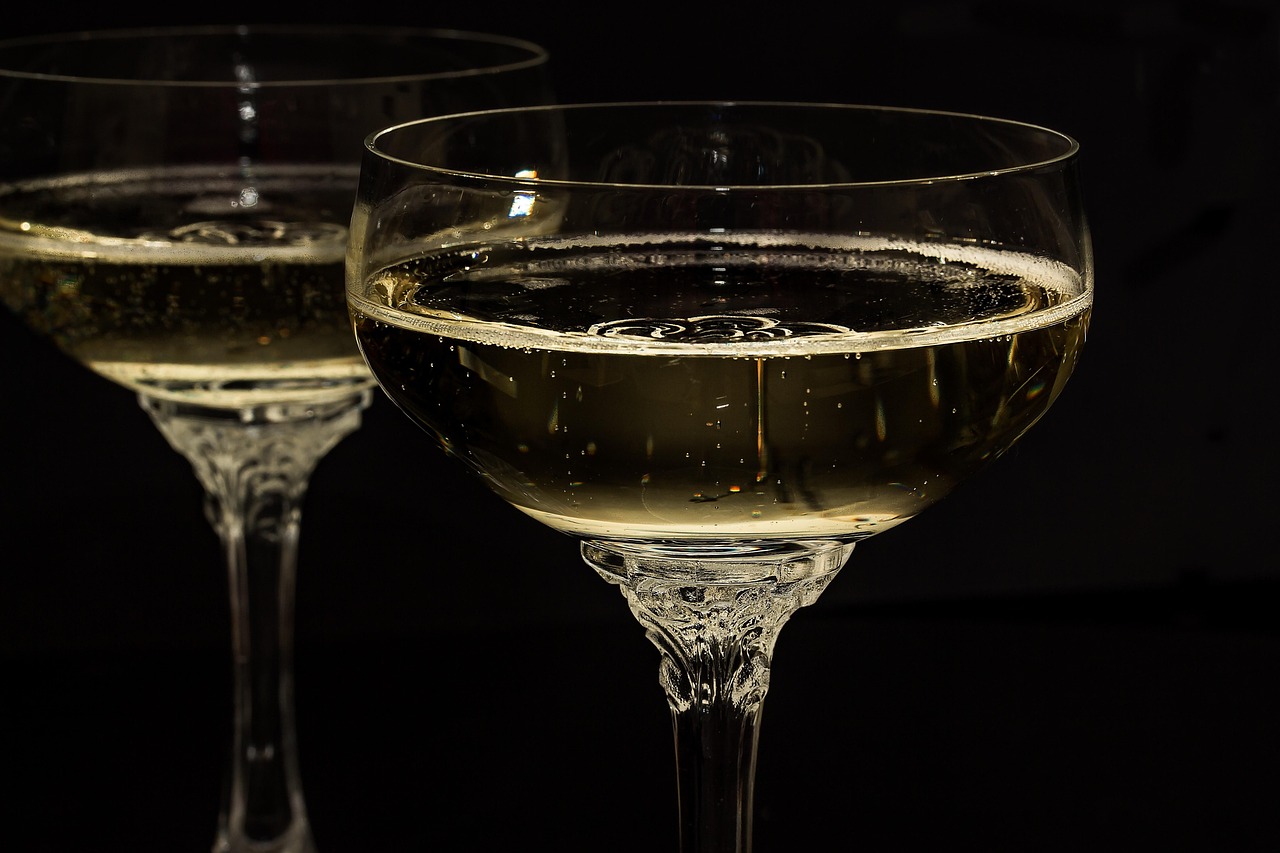
This is the heart of the whole setup: when everyone holds the same glass, nobody has to explain themselves. The guest who’s pregnant, the one in recovery, the teenager, the one who’s driving and the one who simply doesn’t feel like it all disappear into the crowd, toasting with the same crystal coupe as the host.
I set out a single style of glass for all the shaken drinks, and the Libbey Coupe Cocktail Glasses are what I keep coming back to. They’re pretty enough for the table, sturdy enough for the dishwasher and cheap enough that a broken one doesn’t ruin the night. Tumblers handle the batch drinks with big cubes, and the coupes handle everything shaken.
I also don’t label anything “mocktail.” The drinks get names, like “Cranberry Punch” or “Pear Mule,” so nobody feels sorted into a separate group.
One Honest Cocktail for the Guests Who Want One
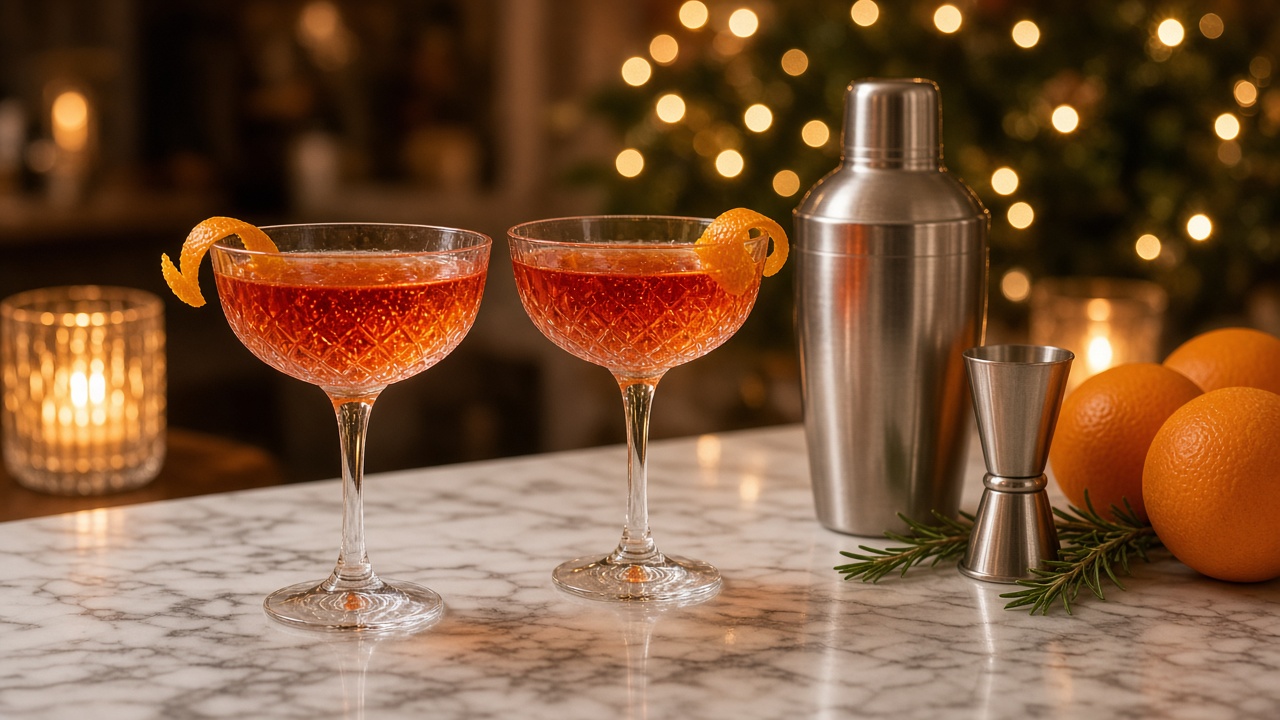
A zero-proof bar doesn’t mean a dry party. Plenty of my guests do enjoy a drink, and I want them to have something lovely too. The trick is to pick one real cocktail that has a zero-proof twin, so both crowds are holding the same color and the same garnish.
My pick this year is the Negroni. Gin, sweet vermouth and a bitter red aperitif go in equal parts, stirred over ice and finished with an orange twist. It’s easy to batch: mix a bottle’s worth in a pitcher in the morning, keep it in the fridge and pour it over one big cube. For the zero-proof version I’ve been using Lyre’s Italian Orange Non-Alcoholic Aperitif. Mix an ounce and a half of it with half an ounce of fresh orange juice, a splash of brewed black tea for tannin, and a few drops of the grapefruit-thyme base, then stir it over ice. It has the same bitter-orange glow and the same twist. Set it on the bar right next to the real thing, in its own labeled pitcher.
Two practical notes from the testing. First, in the United States “non-alcoholic” on a label can still mean up to 0.5 percent alcohol. If you have a guest for whom zero really must mean zero, look for bottles labeled 0.0, or stick to the juice-and-tea drinks above. Second, keep the real-alcohol pitcher clearly labeled and a step away from the zero-proof one. It’s a small courtesy that matters a great deal to some people at your table.
If you’re curious what a few dry weeks actually do for sleep and training, my colleague over at our health site wrote a thoughtful piece called The Lemon Stays on the Counter. Her “5:07 p.m. handoff” is the most useful thing I’ve read about why the glass in your hand matters more than what’s in it.
Setting the Bar So It Runs Itself
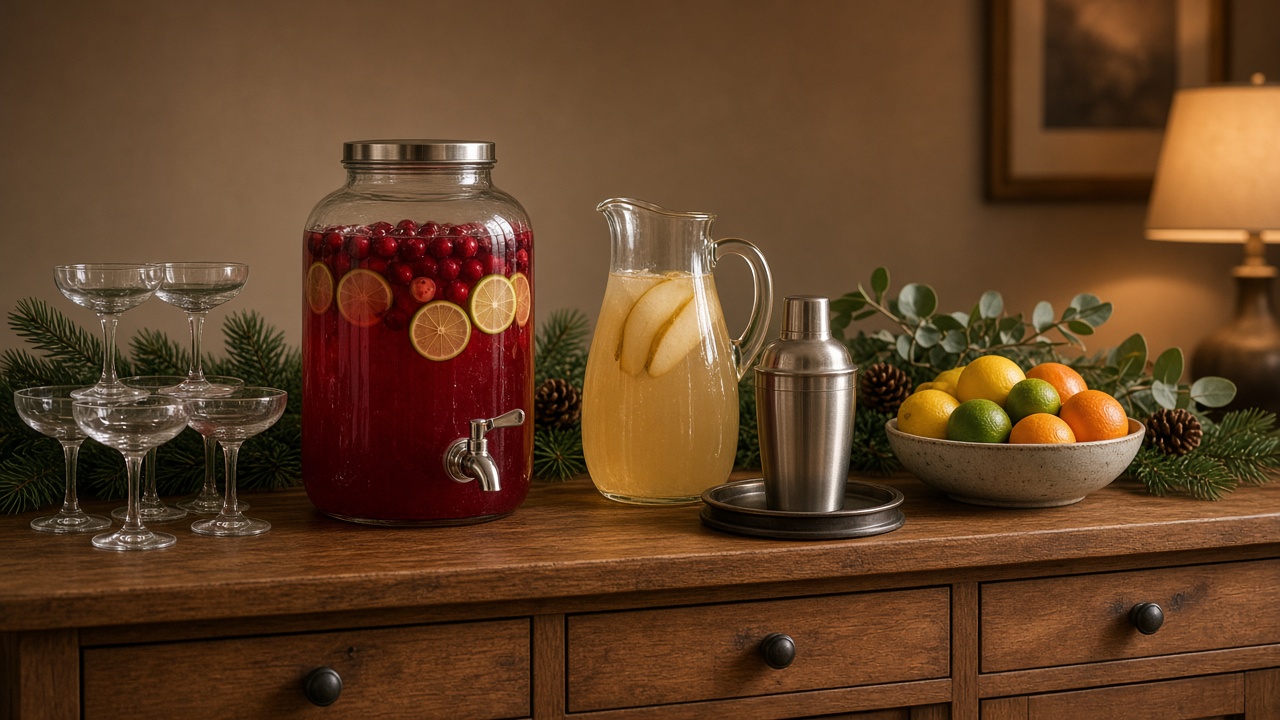
The setup matters almost as much as the drinks. I set up on a sideboard away from the kitchen, so guests aren’t crowding the stove while I’m making gravy. From left to right it goes: glasses, then the punch dispenser and the ice bucket, then the pitchers, then the shaker tray with the citrus jars and garnish bowls, then the soda maker at the very end. A guest can move down the line without bumping into anyone, which is the same principle I used for the counter in my one-oven Thanksgiving plan.
A folded linen towel under the shaker tray catches drips, a small bowl collects spent citrus, and a card with the drink names gives guests something to point at. Set out one and a half glasses per guest, because people put a glass down to hug someone and never find it again.
For timing, I batch the punch syrup and the pear base the day before. I juice citrus and cut garnishes three hours out. Ice goes in the dispenser and bucket thirty minutes before the doorbell. Sparkling water gets added to the punch right as the first guest arrives, so the fizz is still lively when the room is full.
My Shopping List, All in One Place
If you’re building this from scratch, here’s everything I used for this bar, in the order I’d buy it:
- The shaker: OXO Good Grips Steel Cocktail Shaker, which won’t leak, won’t stick and won’t freeze your hands.
- The jigger: OXO Steel Angled Double Jigger, so you can measure in candlelight.
- The strainer: Stainless Hawthorne Cocktail Strainer, to catch every herb and ice shard.
- The citrus press: Chef’n FreshForce Citrus Juicer, for two dozen limes without sore wrists.
- The ice: W&P Peak Extra-Large Ice Cube Tray, whose big cubes last through long stories.
- The punch vessel: 2-Gallon Glass Beverage Dispenser with Spigot, so guests can serve themselves.
- The make-ahead pitcher: 2-Quart Glass Pitcher with Lid, which keeps the pear base covered in the fridge.
- The glasses: Libbey Coupe Cocktail Glasses, one style for everyone.
- The bubbles: SodaStream Terra Sparkling Water Maker, so you never run out of fizz.
- The mixer: Fever-Tree Premium Ginger Beer, which brings real heat for the mule.
- The zero-proof aperitif: Lyre’s Italian Orange Non-Alcoholic Aperitif, the Negroni’s twin.
What I’d Tell You Over a Cup of Coffee
You don’t need to overhaul your entertaining to make room for guests who aren’t drinking. You need a tray, a bowl of citrus, a pitcher in the fridge and a stack of matching glasses.
The first time I ran this bar for real, my oldest friend took the grapefruit-thyme sparkler and held it up to the candle. “This is the first holiday party in two years where I didn’t have to ask,” she said. I’ll be honest, I had to step into the pantry for a minute.
That’s what this is about. Make every guest feel like the drinks were planned with them in mind, because now they were. Set up the bar before the first invitation arrives, and you’ll spend the season raising a glass with everyone instead of apologizing for the water.