My grandmother owned two kinds of dishes. There were the everyday plates — heavy cream-colored things with a hairline scratch or two — and then there was the china, kept in a cabinet with a little brass lock, washed by hand in a dishpan, and carried to the table exactly twice a year. I grew up believing that was the natural order: pretty dishes were fragile, and sturdy dishes were humble. Somewhere in the last few years, the porcelain makers called our bluff. The sets arriving this season claim to do both jobs at once — elegant enough for Christmas dinner, tough enough for the dishwasher and the meatloaf on Tuesday. I did not believe them. So for the past six weeks, my team and I have been trying to break them.
The timing was not an accident. Between now and New Year’s, most of us will set the table for company at least three or four times, and every one of those nights ends the same way: a sink full of plates and a decision about whether the “good” ones can survive the machine. I wanted an answer before the first guest arrived, not after the first chip.
The Season That Broke My Excuse
Here is the test I designed, with more stubbornness than science. Five sets of dinnerware — porcelain, stoneware, and one “everyday” set I threw in as a control — went into regular rotation in my kitchen from the last week of August through the first week of October. Every plate rode the dishwasher at least thirty times. Every bowl took a turn under gravy, cranberry sauce, and a turmeric-heavy chicken stew I make when the evenings turn cool. And every stack got measured against the one thing most reviews ignore: the actual cabinet it has to live in. My test kitchen has one cabinet over the counter with a shelf clearance of eleven and a half inches, and I made no allowances. If a stack of six dinner plates and four bowls did not fit, the set was failing at a job it would genuinely be asked to do.
I also enlisted help, because one cook cannot generate enough holiday mess alone. A neighbor hosted her book club on the new plates. My sister-in-law ran the stain trials with the patience of a lab tech. One of my test-kitchen helpers photographed every piece under the same window light each week, so we could catch crazing and scratching we’d otherwise miss. By the first week of October, we had a notebook full of chips, water marks, and one small heartbreak.
What Thirty Dishwasher Cycles Really Do
Let me start with the machine, because it is where most holiday dishes go to die. Thirty cycles is roughly what a set endures between Halloween and New Year’s if you actually use it — not display it. The everyday control set came through fine, as expected. The surprise was the porcelain. Modern glazed porcelain from reputable makers shrugged off all thirty cycles with no clouding and no crazing, the fine spiderweb of cracks that betrays older glazes. The set that started the whole investigation — a twelve-piece MALACASA set in glossy white, the one everyone kept sending me links to this fall — looked on cycle thirty exactly as it did on cycle one. For the record, so did the comparable bright-white porcelain service for four we ran alongside it.
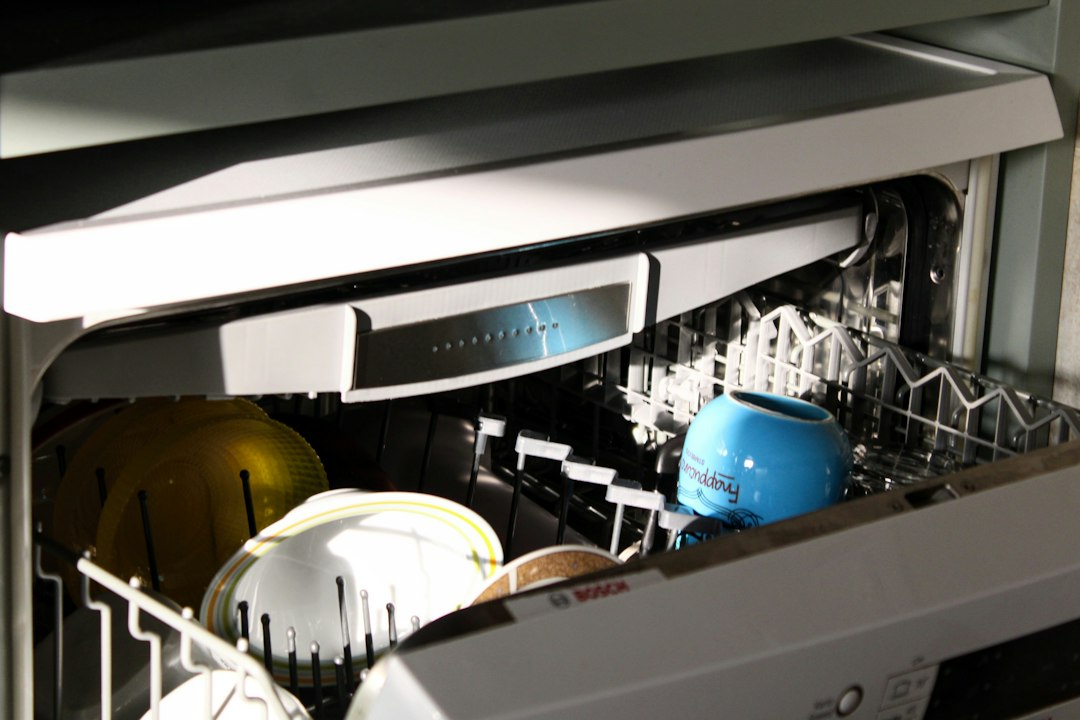
Two warnings, though, and I would tattoo them on the box if I could. Anything with a metallic rim — gold, platinum, that “champagne edge” — should never see the inside of a dishwasher, no matter what the listing implies. Heat and detergent eat metal trim, slowly and then all at once. And if your kitchen is small enough that you are weighing a countertop machine, I wrote a whole field guide about that decision — the capacity math changes which plates you should own at all.
One more note from the trenches: dishwashers chip more plates at loading than at washing. Rattling is the enemy. Plates that stack tightly and evenly in the rack — which, not coincidentally, are the plates that stack tightly in the cabinet — survived everything. My countertop dishwasher guide covers the loading tricks if you’re fighting that battle this season.
The Gravy Trials
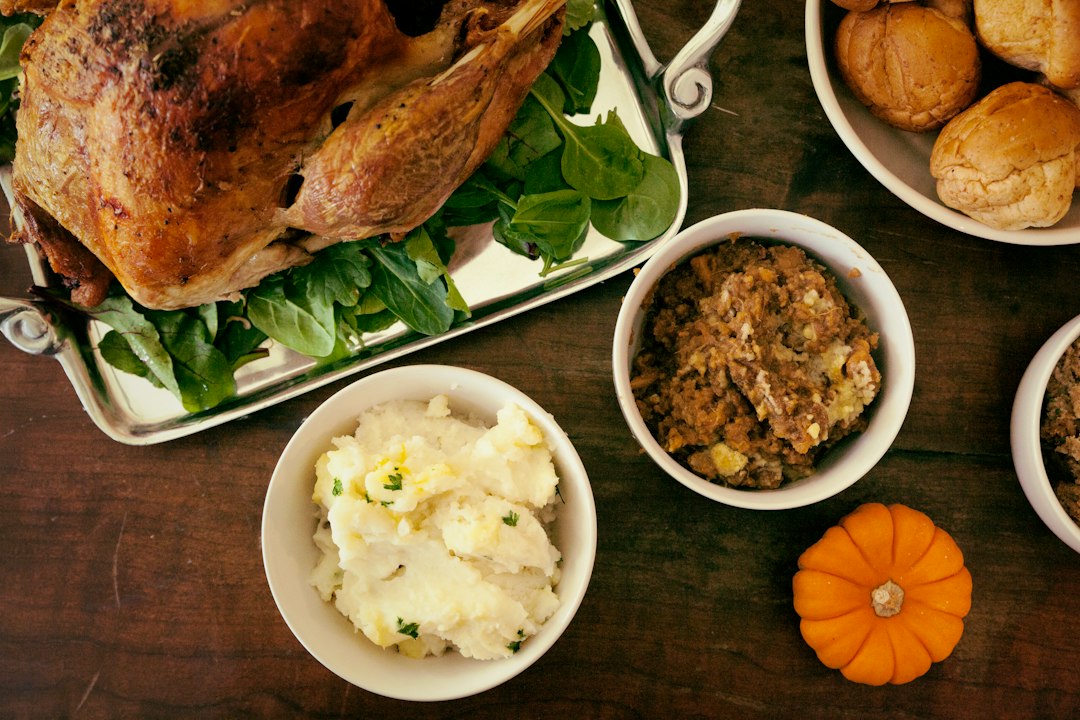
Now the stains, because a holiday plate’s real job is to sit under gravy for an hour while someone tells a long story. My sister-in-law left gravy, cranberry sauce, and turmeric stew on test plates overnight — not because anyone plans to do that, but because on the third glass of wine, everyone does. Fully glazed, glossy porcelain released every single stain with ordinary dish soap and a soft cloth. The cranberry surrendered in seconds. The turmeric, which has permanently tattooed two of my older baking dishes, faded completely from the good glazes.
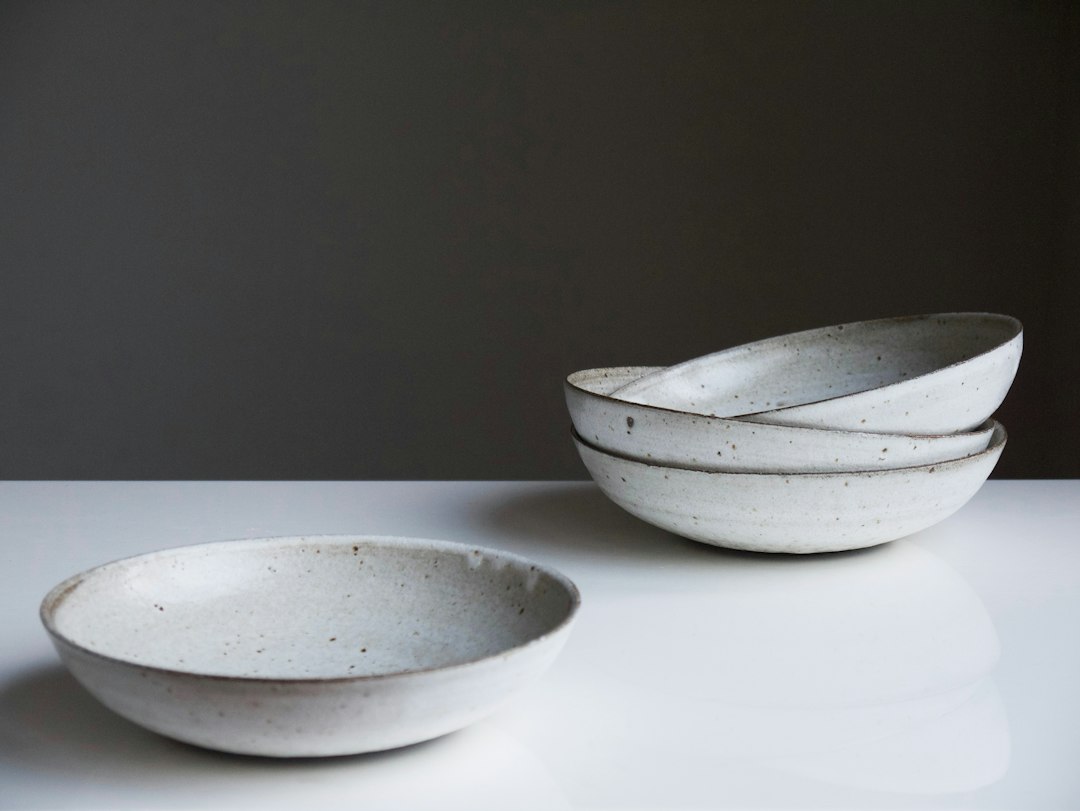
Reactive and matte glazes — the speckled, handcrafted look I admit I love — were a different story. They held faint shadows of the turmeric even after scrubbing. If your heart is set on that aesthetic for the holidays, keep those pieces for salads and bread, and let the glossy porcelain do the heavy lifting underneath. That division of labor is not a compromise; it is how most well-set tables actually work. The same logic applies to my casserole dishes — the pretty ones serve, the workhorses bake — and a lifetime of potlucks taught me which is which.
How High a Stack Your Cabinet Forgives
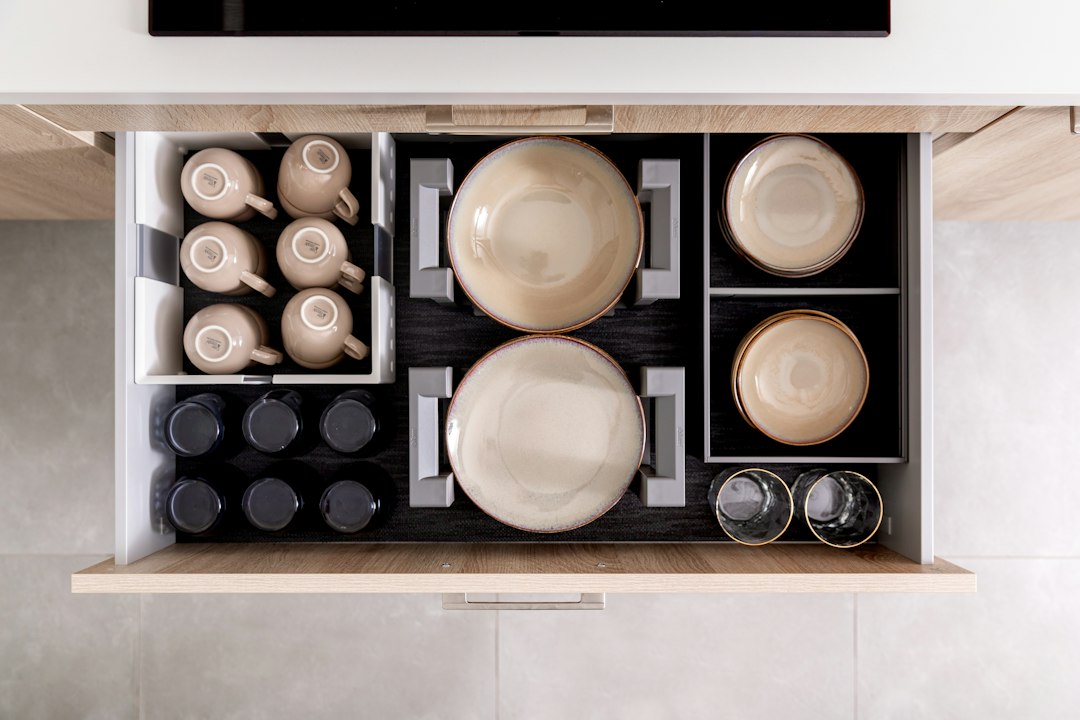
This is the test no showroom ever mentions, and it is the one that sent one set home. A twelve-piece service for four — four dinner plates, four salad plates, four bowls — sounds modest until you measure. Wide rims and tall foot rings can push a six-plate stack past eight inches. Add bowls on top and you are negotiating with the shelf every morning. The plates that earned cabinet space all shared one trait: they were designed to nest, with shallow rims and low feet, each stack staying slim enough that two full services fit on one shelf with room for a pitcher behind them.
If you are storing heirloom or rarely-used pieces up high — and most of us are — do what the museums do and cushion the stack. Thin felt separators between plates cost less than a single replacement dinner plate and prevent the sliding clink that slowly chips rims in storage. My grandmother would have called them fussy. My grandmother also lost two salad plates to a wobbly stack in 1987, and I heard about it for a decade.
One Set or Two: The Tuesday-Meatloaf Problem
Here is the question underneath all of this, the one readers write to me about every October: do I buy one nice set and use it year-round, or keep the beaters and buy a holiday set I hide from myself? My answer, after this season, is firmly one set — with one upgrade and one add-on. The upgrade: wide, shallow pasta bowls instead of the deep soup bowls most sets include. A pasta bowl holds stew, pasta, salad with sliced chicken, and yes, a scoop of ice cream when the pie runs out. It is the single most versatile piece on the table. The add-on: a few deep, microwave-safe dinner bowls for the weeknight rotation, because reheating chili in a rimmed plate is a sport I do not recommend.
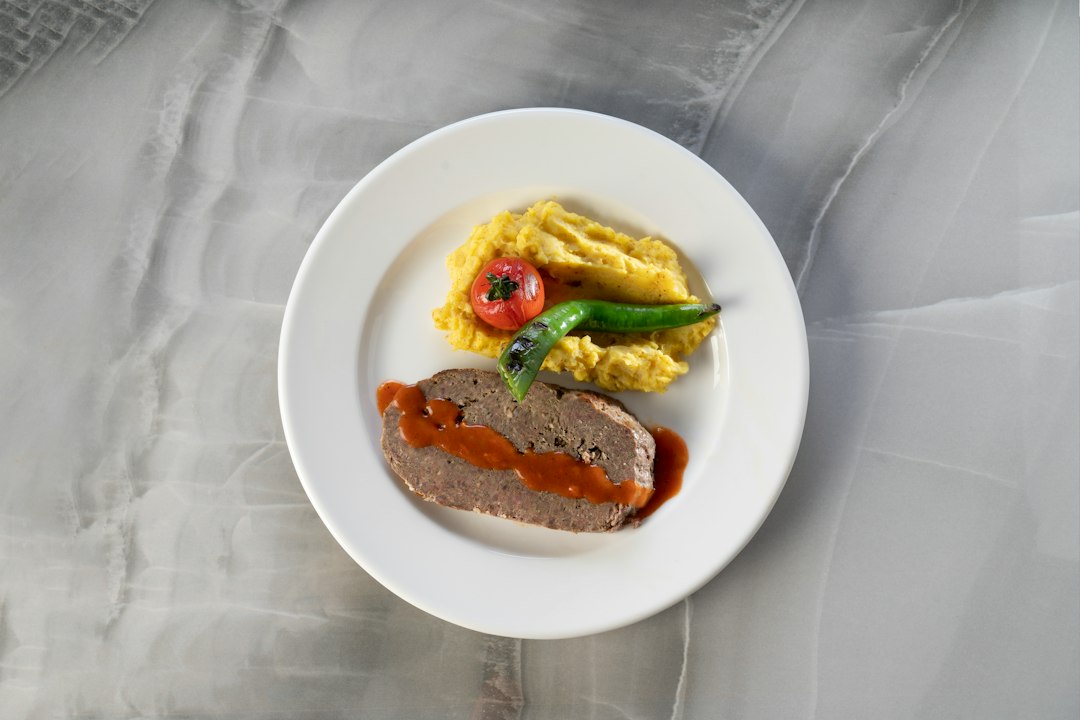
Using the good porcelain on a Tuesday sounds reckless until you try it, and then it sounds like the whole point. A plate that can carry a holiday is not diminished by carrying meatloaf. If anything, the Tuesday dinners are the rehearsals that make the December table feel easy instead of staged — by the time the guests arrive, your hands know the weight of every piece.
The Mix-and-Match Escape Hatch
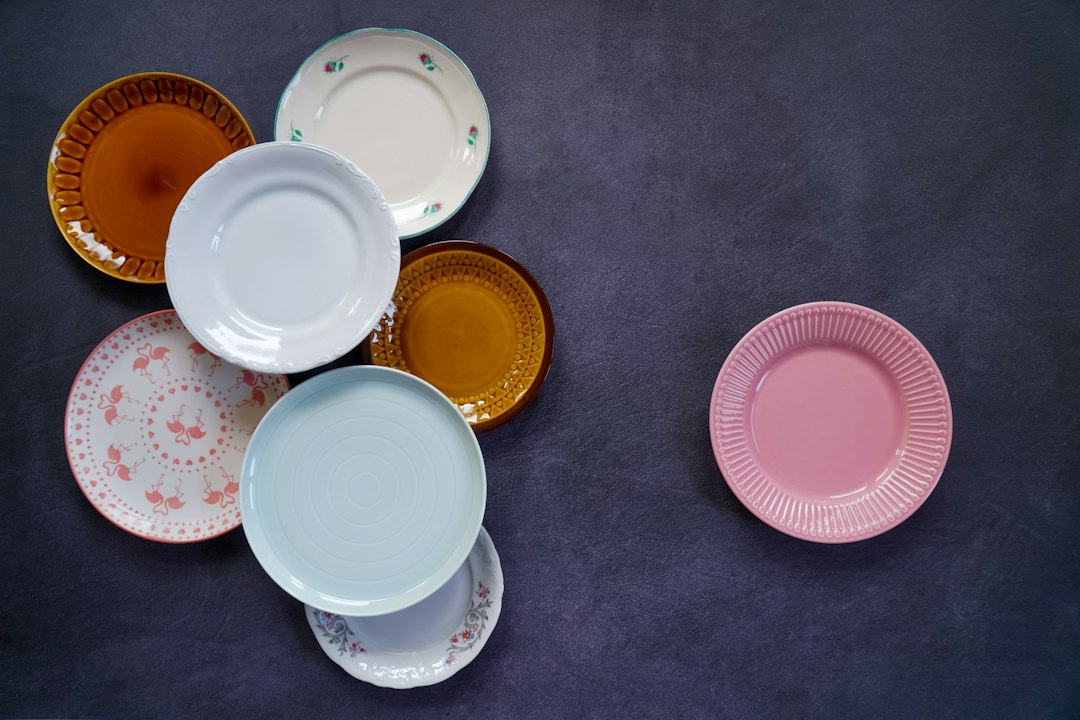
Now, the part where I loosen my own rules. Not every holiday table wants one matching set, and some of the prettiest tables I have ever set were built from deliberate mismatch — white porcelain underneath, personality on top. Keep the foundation neutral and let the accent pieces carry the season. A stack of patterned salad plates in fall colors turns plain white dinner plates into a themed table for about the cost of a centerpiece, then retires quietly in January. If you want more commitment to the look, bohemian stoneware sets bring the whole personality themselves — just remember the matte-glaze stain math from the gravy trials.
Mugs are the other mix-and-match opportunity people overthink. Unless your set comes with cups and saucers you genuinely love, skip them and buy stoneware mugs in a color that nods to the season. After-dinner coffee in a mug people can wrap both hands around beats a dainty saucer every single December. When the party turns communal — fondue night, raclette night, the evenings the table stops being formal — none of this matters anyway, and twenty falls of hosting have taught me those are the nights people remember.
Dressing the Table Without Buying a Second Set
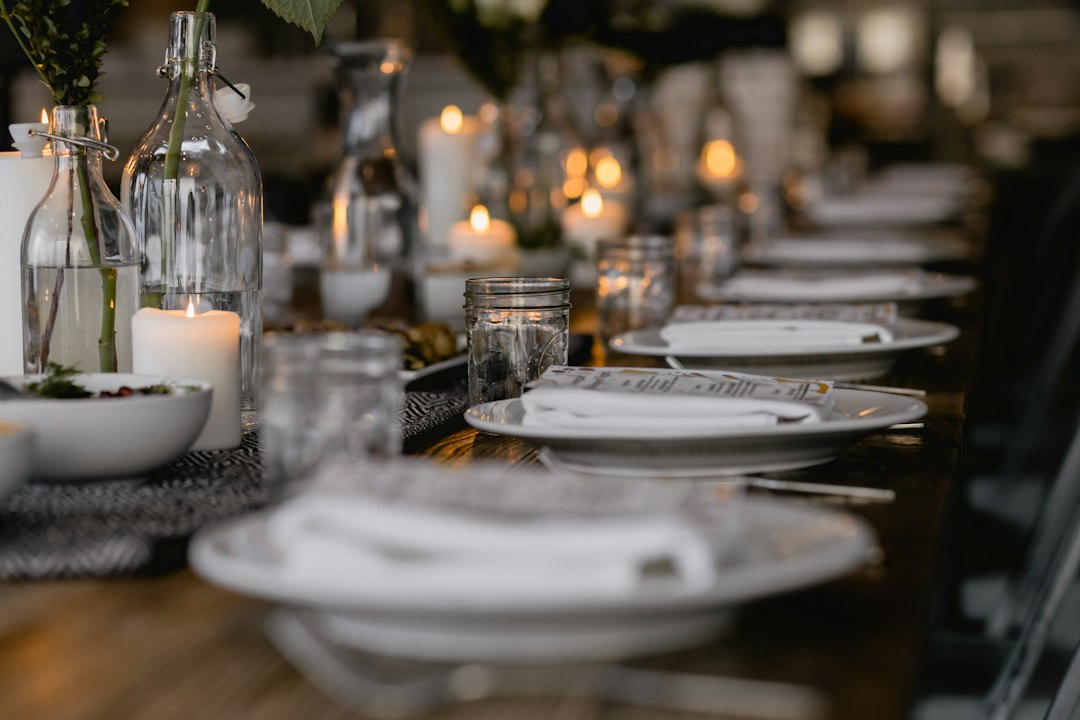
If your porcelain is white — and mine is, deliberately — you never need holiday-specific dishes at all. You need lighting, greenery, and one or two pieces that change the mood. A set of chargers under the white plates does more table-transforming per dollar than anything else I know: gold or deep green under plain white reads as formal the moment guests sit down, then goes back in a box. And a long white porcelain serving platter earns its shelf space all year — turkey in November, cookies in December, tomato sandwiches in July.

The cookie-table crowd already knows this math. Every October I build the Halloween spread my street expects — googly eyes and all — and it has never once required special dishes, just clever staging. If you want the full playbook, my Halloween cookie table guide breaks down exactly how few pieces you actually need.
The Verdict: What Earned My Cabinet Space
Final tally, chips and all. Four of the five sets survived the season without a single chip. One stoneware set took a flake off a rim in the dishwasher — a loading error, honestly, but also a stack that never sat quite true in the rack. The glossy porcelain sets came through thirty cycles, the gravy overnighter, and the eleven-and-a-half-inch shelf test looking like they could do it all again, which is precisely the plan for them.
So here is my buying advice, distilled from a notebook of stains and a tape measure that lived in my apron pocket. Count your real seats, not your dream seats — if you host twelve, buy three four-person services, not one big set that serves eight and haunts you. Buy glossy and fully glazed if machine-washing is in the plan, and save the matte, handcrafted pieces for bread and salad. Measure the shelf before you fall in love; low feet and nesting rims are worth more than any pattern. And buy before Thanksgiving, not after, because the good white sets sell out on exactly the week you finally decide.
My grandmother kept her china under a little brass lock, and I understand now that the lock was the point — those dishes meant a moment she only visited. But I cook for people on Tuesdays too, and I have decided the celebration is worth having more often. The plates came out of the cabinet in September. Unless something changes dramatically, they are not going back in.