Standing in my test kitchen last weekend, watching my trusty stand mixer effortlessly knead a batch of honey whole wheat bread dough while I sipped my coffee and flipped through a cookbook, I found myself reflecting on just how much this single appliance has transformed my baking life. Twenty years ago, I was that person mixing bread dough by hand, my arms aching after ten minutes, wondering if there was a better way. Then I invested in my first stand mixer, and honestly? I never looked back. If you’re on the fence about whether a stand mixer deserves a spot on your counter (and in your budget), or if you’re ready to upgrade from a basic model to something that’ll truly last, let me walk you through everything I’ve learned from years of testing, using, and sometimes yes, obsessing over stand mixers.
Here’s the truth: a good stand mixer isn’t just about convenience—it’s about consistency, capacity, and opening up baking possibilities that feel impossible when you’re mixing by hand. The difference between hand-whipped cream and stand mixer whipped cream? It’s not just about saving your arm. It’s about achieving perfect peaks every single time, without variation. The difference between hand-kneaded dough and stand mixer kneaded dough? It’s about developing gluten structure that creates the kind of bread that makes people say, “Wait, YOU made this?” So let’s dive into what makes a great stand mixer, which models are genuinely worth your money in 2026, and how to choose the right one for your kitchen and your baking dreams.
Why a Stand Mixer Matters More Than You Think
Before we get into specific models, let’s talk about why a stand mixer is worth the investment. I know—they’re not cheap, and they take up significant counter space. But here’s what I’ve discovered after two decades of baking with and without one: a stand mixer doesn’t just make baking easier, it makes it BETTER. When you’re creaming butter and sugar for cookies, a stand mixer incorporates air so thoroughly that your cookies bake up lighter and more tender. When you’re kneading bread dough, the mixer develops gluten structure that creates better rise and texture. When you’re whipping egg whites for meringue, you get consistent, stable peaks that hold their shape beautifully.
There’s also the consistency factor. When you mix by hand, your energy levels naturally fluctuate. You might start strong but get tired halfway through. A stand mixer doesn’t get tired—it delivers the same result at minute one as it does at minute ten. This consistency is huge for baking, where precision matters. I’ve noticed that my baked goods are more reliable, more professional-looking, and just plain better since I started relying on my stand mixer for the heavy lifting.
And let’s be honest: there’s something luxurious about being able to start a recipe and walk away. Toss ingredients in the bowl, turn on the mixer, and use those ten minutes to clean up, prep the next step, or just sip your coffee and relax. That kind of multitasking freedom? It’s priceless when you’re juggling a busy life but still want to bake from scratch.
What to Look For in a Stand Mixer: The Non-Negotiables
After testing stand mixers extensively over the years, I’ve developed strong opinions about what actually matters. Power is obviously important—look for at least 300 watts for home baking, and more if you plan to regularly make bread dough. But here’s what most people don’t realize: motor placement matters just as much. Bowl-lift mixers (where the bowl locks into place and lifts up to meet the mixing attachment) generally handle heavy doughs better than tilt-head mixers (where the head tilts back). If you’re planning to bake bread regularly, I’d strongly recommend a bowl-lift model.
Capacity is another big consideration. Five-quart bowls are standard and work great for most home bakers—you can easily mix double batches of cookies or standard loaf recipes. But if you regularly bake for large families, bake sales, or holiday gifting, consider stepping up to a six or seven-quart model. The extra capacity means fewer batches when you’re doing big production bakes, which is a huge time saver.
Attachments matter too. Most stand mixers come with a flat beater (for general mixing, creaming, and cookie dough), a dough hook (for bread and pizza dough), and a wire whip (for egg whites, cream, and light mixtures). But the real magic happens when you look at optional attachments. Pasta rollers, food grinders, spiralizers, and even ice cream makers can transform your mixer into a multi-purpose kitchen workhorse. When choosing a model, consider which attachments are available and whether they align with how you actually want to cook.
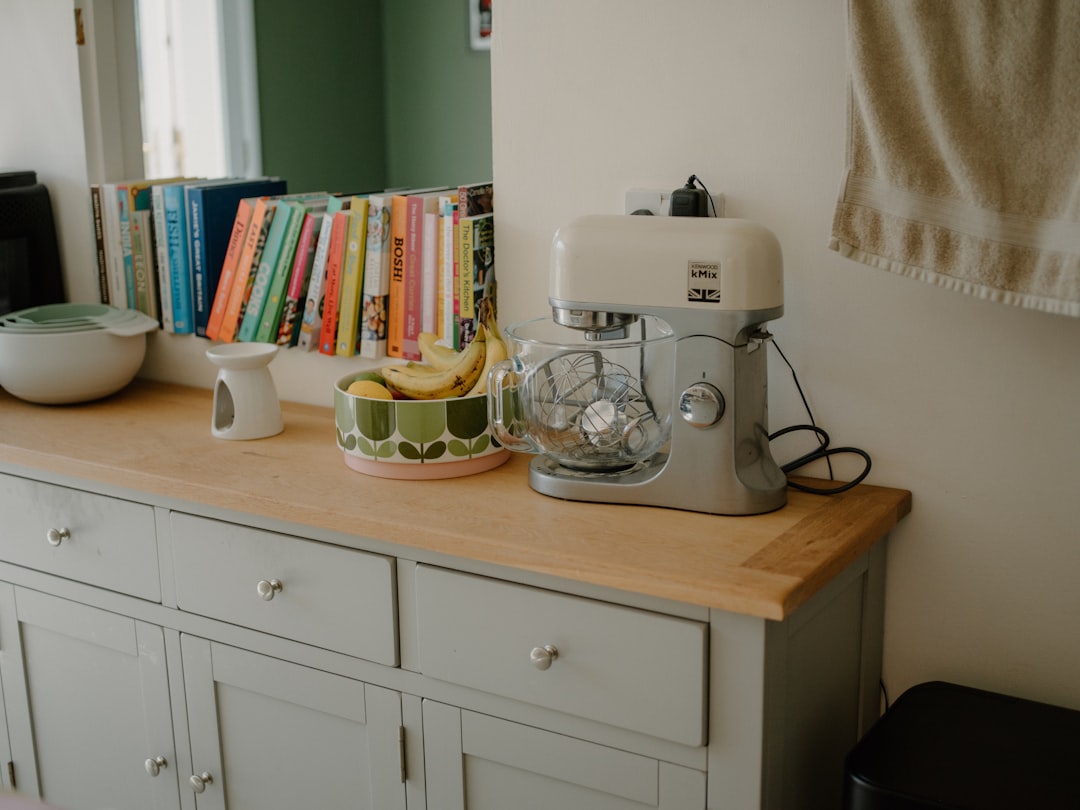
Build quality is the last critical factor—and honestly, it’s where I see the biggest difference between models that last decades and models that struggle after a few years. Look for all-metal construction (especially in the gears and transmission), heavy-duty bases that don’t walk across the counter during heavy mixing, and solid-feeling controls. A good stand mixer should feel like a piece of commercial equipment, not a toy. My first stand mixer, which I bought fifteen years ago, is still going strong—and it’s been through everything from holiday cookie marathons to weekly bread baking. Quality upfront literally pays for itself over years of reliable use.
The Classics: Models That Have Earned Their Reputation
Some stand mixers have been around so long, and performed so consistently, that they’ve become essentially the default choice for home bakers. There’s a reason these models have staying power—they work, year after year, recipe after recipe. If you want something proven and reliable, you can’t go wrong with these classics.
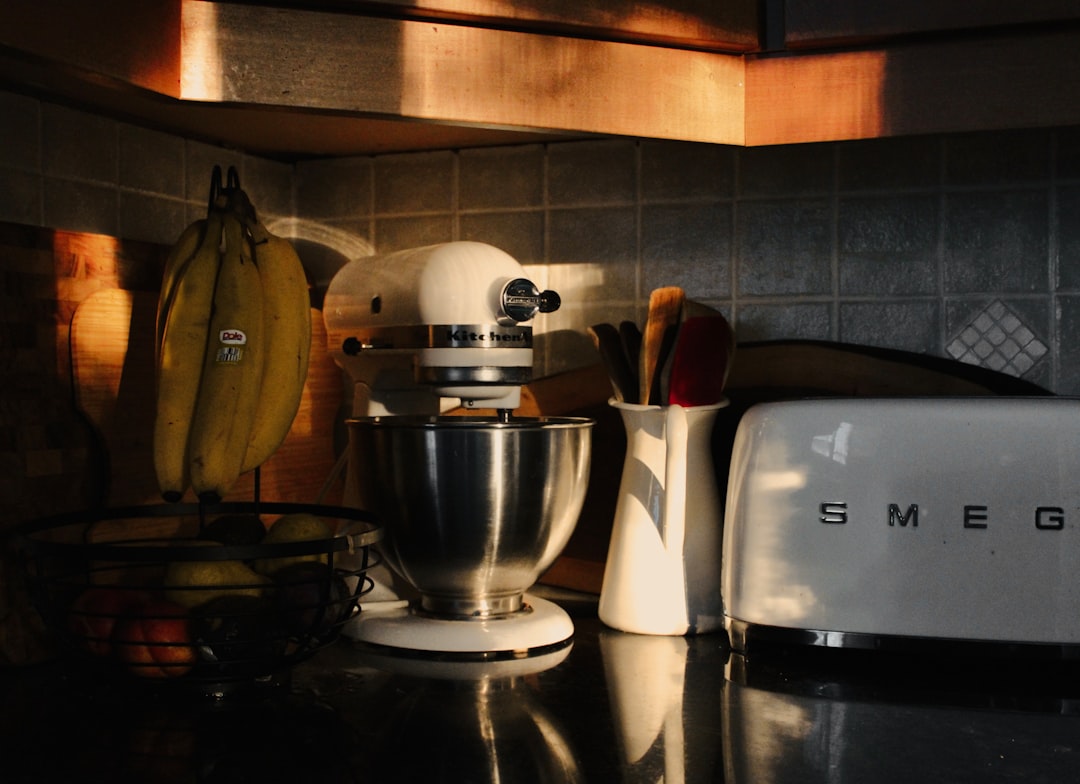
The KitchenAid Artisan series is practically iconic, and for good reason. I’ve used one as my daily driver for over a decade, and it’s handled everything I’ve thrown at it. The 5-quart capacity is perfect for most home baking, the 325-watt motor powers through bread dough without complaining, and the tilt-head design makes it incredibly easy to add ingredients and swap attachments. What I love most about the Artisan is how smoothly it operates—there’s none of the jerky start-up you get with cheaper mixers, and even at high speeds, it stays remarkably stable on the counter. Plus, with dozens of colors available, you can actually match it to your kitchen (I’ll admit it, I chose my KitchenAid in aqua blue specifically because it makes me smile every time I look at it).
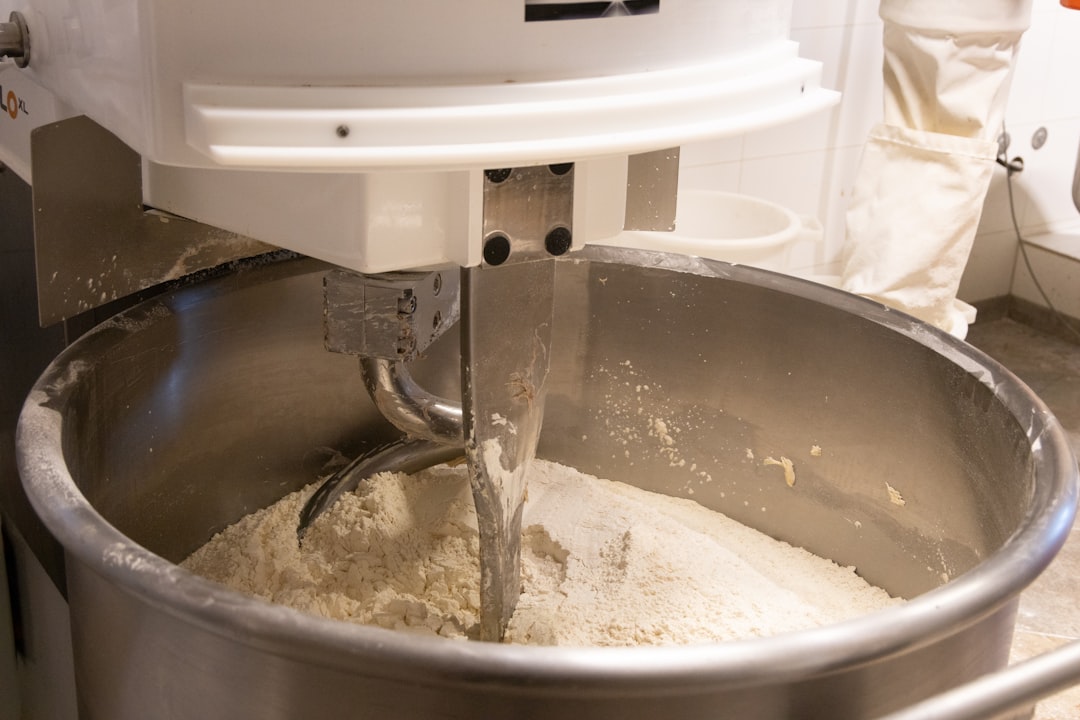
For serious bread bakers, the KitchenAid Professional series (bowl-lift models) is worth every penny of the step-up price. The more powerful motor (500+ watts), the bowl-lift design that keeps everything stable during heavy kneading, and the slightly larger capacity (6 quarts) make it ideal for anyone who bakes bread regularly. I borrowed a friend’s Professional model during a bread-baking phase, and the difference in how it handled heavy whole grain doughs was noticeable—no straining, no overheating, just consistent, thorough kneading that produced some of the best bread I’ve ever made.
The Modern Contenders: New Features for 2026
While the classics will always have a place in my heart, I’ve been genuinely impressed by how stand mixers have evolved in recent years. The 2026 models include some smart features that actually enhance the baking experience, not just gimmicks that look good in marketing materials.
One trend I’m seeing and loving: built-in timers. It seems simple, but being able to set a mixer to run for exactly seven minutes for kneading, then walk away and trust it’ll stop automatically, is genuinely useful. Some models now include Bluetooth connectivity that lets you monitor mixing from your phone—a feature I was skeptical about until I tried it. Now I can start a cake batter mixing, go unload the dishwasher, and get a notification when it’s done. It’s not necessary, but it’s genuinely convenient.
Another innovation I’m seeing: more powerful, efficient motors that run quieter and use less energy. My first stand mixer sounded like a small airplane taking off—especially when kneading bread. Newer models, even budget-friendly ones, are remarkably quieter, which matters if you bake early in the morning or have family members working from home. Some manufacturers are also incorporating slow-start features that gradually ramp up speed, preventing the dreaded flour cloud when you turn on the mixer.
Quieter stand mixers are particularly appealing if you have an open-concept home where kitchen noise carries. I’ve tested several 2026 models that are genuinely whisper-quiet compared to mixers from even five years ago. The technology has come a long way, and it’s worth listening to a model in person if you can—if a mixer’s noise level bothers you, you simply won’t use it as often.
Budget-Friendly Options That Actually Perform
Not everyone can—or wants to—spend several hundred dollars on a stand mixer. And honestly? You don’t have to. I’ve tested several budget-friendly models that perform surprisingly well for casual bakers. They might not have the longevity or power of the high-end models, but if you’re mostly making cookies, cakes, and occasional bread, they’ll absolutely get the job done.
The Hamilton Beach Eclectrics series is a perennial favorite in the budget category, and after testing one extensively, I get why. For roughly a third of the price of a premium model, you get a respectable 400-watt motor, a 4-quart bowl, and surprisingly solid performance. I made cookie dough, whipped cream, and even a simple bread dough in it, and it handled everything without complaint. Is it as smooth or quiet as a high-end KitchenAid? No. But will it serve you well for years of occasional baking? Absolutely.
Another budget option that’s been improving dramatically: Cuisinart stand mixers. Their EvolutionX series includes features that used to be premium-only, like soft-start technology and more powerful motors, at a mid-range price point. I tested one for a month of regular baking, and I was impressed by how well it handled heavy cookie doughs and even bread. The build quality isn’t quite as robust as the premium brands, but for the price, it’s an excellent value.
Here’s my advice on budget mixers: buy based on how you actually bake. If you mostly make cookies, cakes, and quick breads, a budget model will serve you beautifully. If you’re planning to bake weekly whole grain bread doughs, you’ll eventually want to upgrade to something more powerful. There’s no shame in starting with a budget model and upgrading later—I know plenty of bakers who did exactly that.

Attachments That Transform Your Mixer into a Kitchen Workhorse
One of the best investments you can make after buying a stand mixer is a few quality attachments that expand what it can do. I’ve accumulated quite a collection over the years, and some have genuinely changed how I cook, not just bake.
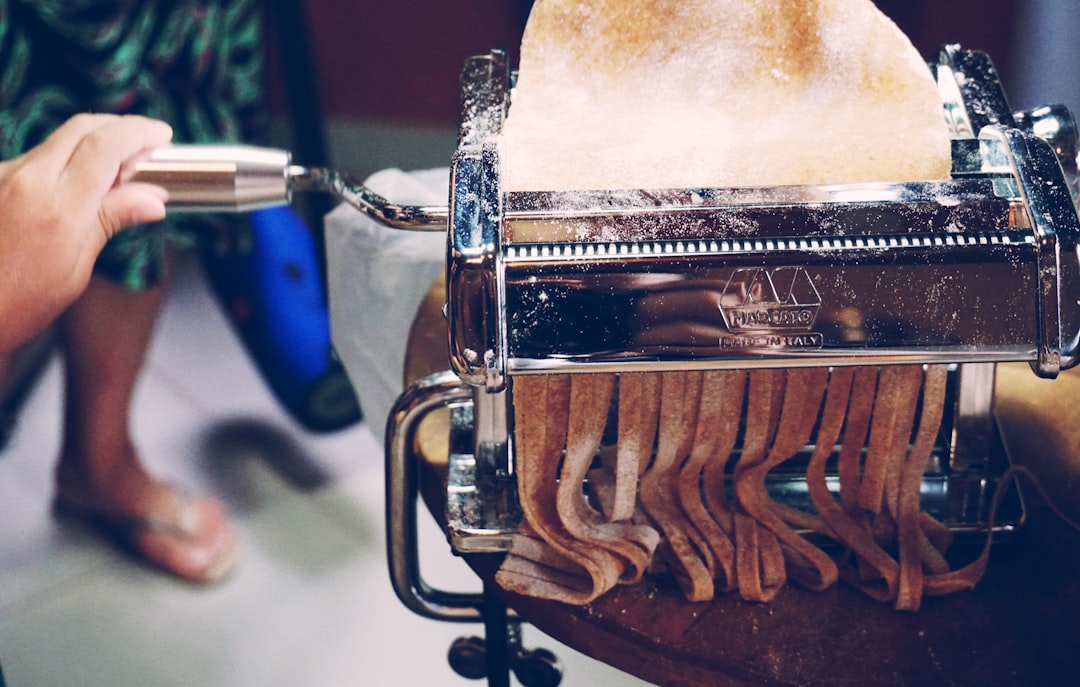
The pasta roller attachment was a game-changer for me. I used to make pasta by hand, rolling it out with a rolling pin and never getting it quite thin enough. The pasta roller attachment produces perfectly thin, uniform sheets every time, and it’s turned pasta-making from a special occasion project into something I do on random Tuesdays because it’s just that easy. Fresh fettuccine with homemade sauce? Weeknight doable. Ravioli for a dinner party? Totally manageable. If you love Italian food, this attachment alone might justify the mixer investment.
The food grinder attachment is another I reach for constantly. I use it to grind my own burger meat (game-changing flavor when you grind your own blend of chuck, brisket, and short rib), to make fresh sausage, and even to grind vegetables for relishes and spreads. There’s something incredibly satisfying about controlling exactly what goes into your ground meat—no mystery cuts, no fillers, just exactly what you choose. Plus, fresh-ground meat cooks and tastes noticeably better than pre-ground.
Stand mixer attachment sets often include a spiralizer, which I initially thought was gimmicky until I tried it. Now I spiralize zucchini for low-carb “noodles,” make sweet potato curly fries for my kids, and create vegetable ribbons for salads. It’s become one of those tools I didn’t know I needed until I had it, and now I use it weekly.
Not all attachments are equally useful, though. I bought an ice cream maker attachment that I’ve used exactly twice—it’s just more hassle than my standalone ice cream maker. A juicer attachment was similarly disappointing. My advice: start with one or two attachments that align with how you actually cook, and add more based on real needs, not impulse buys. The pasta roller and food grinder are the two I’d recommend starting with—they’re versatile, genuinely useful, and pay for themselves in how much they enhance your cooking.
Choosing the Right Model for Your Baking Style
After all this testing, here’s what I’ve learned: the “best” stand mixer is entirely dependent on how you bake. A perfect mixer for a cookie enthusiast is different from a perfect mixer for a bread baker, which is different from a perfect mixer for someone who mostly wants to make birthday cakes for their kids.
If you’re a casual baker who mostly makes cookies, cakes, and quick breads, you don’t need the most powerful model on the market. A tilt-head mixer with 300-325 watts will serve you beautifully. Look for a 4-5 quart bowl capacity, and prioritize models that come with the basic three attachments (flat beater, dough hook, wire whip). You’ll be perfectly happy with a mid-range model, and you can put the money you save toward quality baking pans or ingredients.
If you’re a bread baker, especially if you work with whole grains or make large batches, power and stability matter more. Look for a bowl-lift model with at least 500 watts, preferably more. The bowl-lift design keeps everything locked in place during heavy kneading, and the extra power ensures the motor won’t strain or overheat when working with dense doughs. A 6-quart bowl gives you room to grow into larger recipes as your skills develop.
If you bake in large quantities—whether for a big family, regular entertaining, or holiday gifting—capacity should be your top priority. A 6-7 quart bowl means fewer batches when you’re doing production baking, which saves both time and energy. Look for models with powerful motors that can handle full-capacity loads without struggling, and consider a bowl-lift design for stability with heavy loads.
And if counter space is at a premium, consider that tilt-head mixers are generally slightly shorter than bowl-lift models, which might matter if you need to store yours under upper cabinets. Some models also offer bowl-lift designs that are more compact than others—worth measuring your space before you buy.
Care and Maintenance: Making Your Mixer Last Decades
A quality stand mixer should last for decades—literally. I still see vintage KitchenAid mixers at estate sales that are going strong after 40+ years. But longevity depends entirely on how you care for your mixer. Here’s what I’ve learned from years of maintaining mine.
First: don’t overload it. Every mixer has a maximum capacity, and exceeding it strains the motor and gears. If you’re making a triple batch of cookie dough, do it in two batches rather than one overflowing bowl. Your mixer will thank you, and honestly, the results are better when you don’t crowd the bowl.
Second: pay attention to strange noises or behaviors. If your mixer starts making a grinding sound, or if it’s struggling with loads that used to be easy, something might be wrong. Early intervention can prevent more serious damage. Most manufacturers offer replacement parts and repair services, and it’s worth addressing issues rather than continuing to use a struggling mixer.
Third: clean it properly. Most bowls and attachments are dishwasher safe, but the mixer body should be wiped down with a damp cloth, never submerged. Food particles can get trapped in the hub where attachments connect—use a small brush or toothpick to clean this area regularly. A clean mixer runs smoother and lasts longer.
Finally: store it properly. If you’re keeping your mixer on the counter (which I recommend, because you’ll use it more often), cover it to protect it from dust and grease. If you’re storing it in a cabinet, make sure it’s completely cool before covering, and store attachments in the bowl or a dedicated container so they don’t get lost or damaged.
The Bottom Line: Is a Stand Mixer Worth It?
After two decades of baking with stand mixers ranging from budget models to premium brands, here’s my honest assessment: a good stand mixer is one of the best investments you can make in your kitchen if you bake even semi-regularly. It’s not just about convenience—it’s about better results, more consistency, and opening up baking possibilities that feel out of reach when you’re mixing by hand.
But—and this is important—you don’t need to spend a fortune to get a great mixer. Buy based on how you actually bake, not how you wish you baked. If you mostly make cookies and cakes, a mid-range model will serve you beautifully for years. If you’re a serious bread baker, invest in the power and stability of a high-end bowl-lift model. The right mixer is the one that matches your actual baking style and budget.
The joy of baking shouldn’t be limited by your tools. A stand mixer removes the physical barriers that make some baked goods feel intimidating, and it adds consistency and reliability that makes every baking session more successful. Whether you’re making your grandmother’s cookie recipe, experimenting with sourdough bread, or just whipping up a simple cake for a weeknight dessert, a stand mixer makes the process smoother, easier, and frankly, more fun.
Better tools don’t make you a better baker—but they do make baking more accessible, more consistent, and more enjoyable. And that’s something worth investing in. Happy baking, friends. May your cookies be perfectly creamed, your breads beautifully kneaded, and your kitchen filled with the warmth of homemade goodness.



One thought on “Best Stand Mixers for Home Bakers in 2026”