When Every Minute Counts: The Time-Saving Kitchen Gadgets That Actually Save Your Sanity
Let me be honest with you—there was a time in my life when I thought multitasking small appliances were just marketing fluff. I’ve stood in my test kitchen, surrounded by gadgets promising to shave minutes off meal prep, and wondered how many of them would end up gathering dust in the back of a cabinet. But after years of testing (and more than a few impulse purchases that taught me expensive lessons), I’ve learned something crucial: the right time-saving tools don’t just cook food faster—they reclaim your evenings.
As a home cooking expert who’s also navigated the chaotic reality of family dinners, sports practices, and the perpetual question “what’s for dinner?” shouted from the other room, I know that time isn’t just money. It’s moments with your family, energy for tomorrow, and the difference between a peaceful evening and a frantic one. Over the past year, I’ve put dozens of time-saving gadgets through their paces, measuring not just how quickly they cook, but how seamlessly they integrate into real family life.
The truth about time-saving kitchen gadgets: Most fail because they solve problems you don’t actually have. The ones worth your hard-earned money solve the exact problems busy families face every night—limited prep time, mountains of dishes, and the perpetual challenge of getting dinner on the table without losing your mind. Let me walk you through the tools that have genuinely earned a permanent spot in my kitchen, and help you avoid the ones that sound brilliant but end up as expensive paperweights.
The 15-Minute Dinner Game Changers
If there’s one category of gadget that transforms weeknight cooking, it’s the tools that reduce prep time from 30 minutes to under 15. I’m talking about the appliances that let you walk in the door at 6 PM and have a real dinner on the table by 6:15—without relying on processed food or takeout. After testing countless options, these are the ones that consistently deliver on that promise.
High-speed air fryers with smart presets have completely revolutionized how I approach quick dinners. The latest models don’t just fry—they roast, bake, and reheat with shocking efficiency. I’ve tested dozens of air fryers over the years, and the 2026 models have finally nailed the sweet spot between capacity and speed. What used to take 45 minutes in a conventional oven now takes 12-15 minutes, with results that are often better—crispier chicken, more evenly roasted vegetables, and reheated leftovers that actually taste fresh. The latest generation air fryers have finally solved the two problems that plagued earlier versions: limited capacity and confusing controls. New basket designs hold enough for a family of four, and smart presets mean you’re not constantly consulting a manual. For family-sized air fryers, look for at least 5-6 quart capacity.
What I love most about modern air fryers isn’t just the speed—it’s the versatility. Last week alone, mine handled crispy chicken thighs on Monday, roasted broccoli on Tuesday, and perfectly reheated pizza on Wednesday. When you’re juggling work, school pickups, and the inevitable homework meltdowns, having one appliance that handles three different cooking tasks without dirtying multiple pans is genuine magic. If you’re wondering whether an air fryer belongs in a busy family kitchen, my answer is an emphatic yes—provided you choose one with at least 5-6 quart capacity and intuitive controls.

Electric pressure cookers (yes, we all know which one I mean) have graduated from gimmicky to essential. I was skeptical for years—after all, how different could they be from the stovetop pressure cookers I’d used for decades? The answer, it turns out, is “completely different.” The set-it-and-forget-it nature of modern electric pressure cookers means you can start dinner before you leave for work, or program it while you’re helping with homework, without hovering over a hissing stovetop pot. I’ve made everything from fall-apart pot roasts to risotto that actually works in the pressure cooker, and the time savings are consistently impressive.
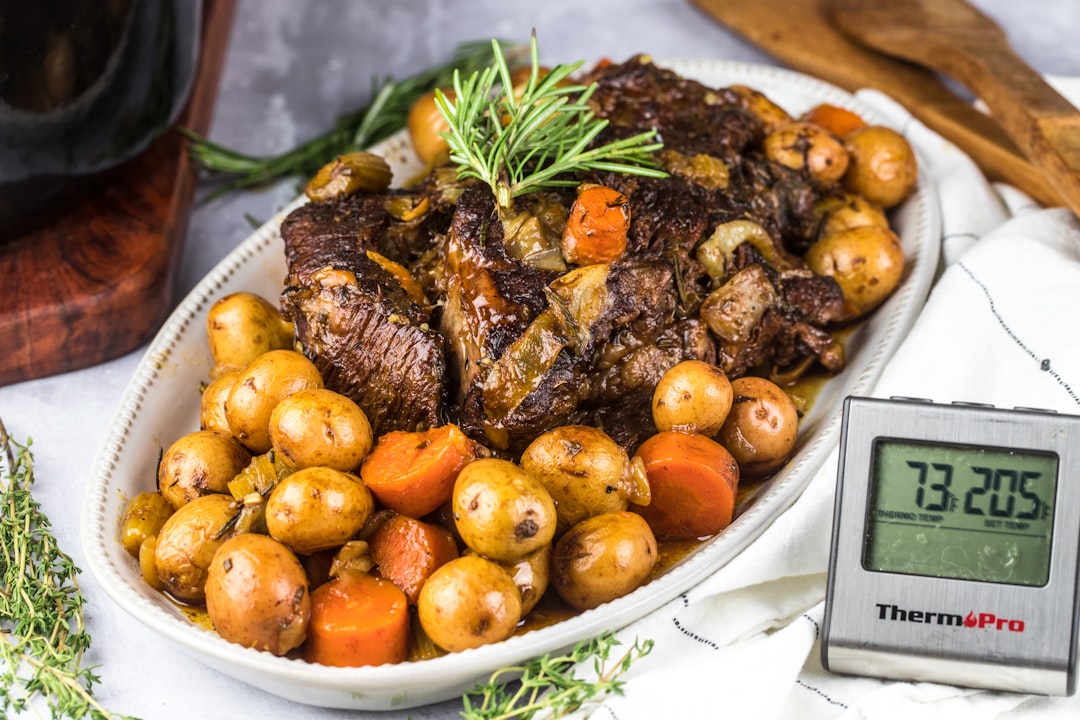
Here’s what nobody tells you about pressure cookers in family kitchens: they shine with tough cuts of meat that normally require hours of braising. A chuck roast that would take 4 hours in the oven takes 60 minutes in the pressure cooker, and the results are indistinguishable. For busy families, this means you can buy less expensive cuts of meat without sacrificing quality or time. I’ve also discovered that the pressure cooker is brilliant for “set it and forget it” grains—steel-cut oats that normally take 30 minutes of stirring are done in 5, with exactly one button press. If your weeknights involve any amount of braising, stewing, or grain cooking, this tool will pay for itself in time saved within the first month.
The Prep-Time Slashers That Actually Work
Before you even start cooking, there’s the prep work—the chopping, slicing, and dicing that can turn a 30-minute recipe into an hour-long ordeal. I’ve tested every gadget promising to reduce prep time, and most end up creating more work (hello, food processor that takes longer to clean than to use). But a few have genuinely transformed how I approach ingredient prep.
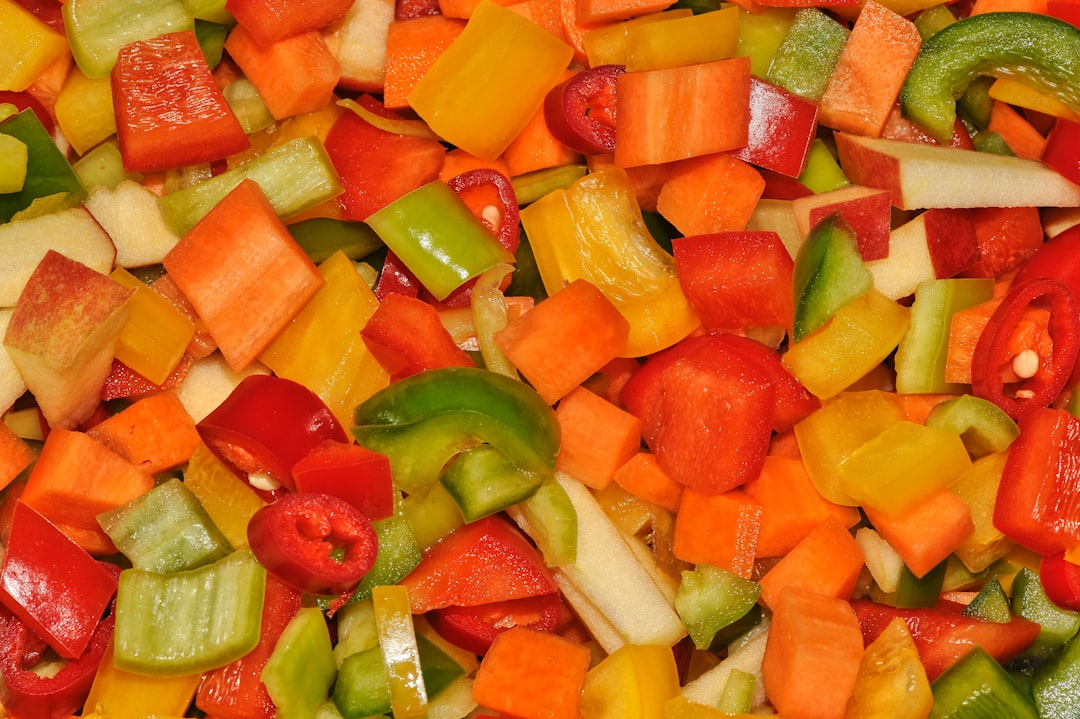
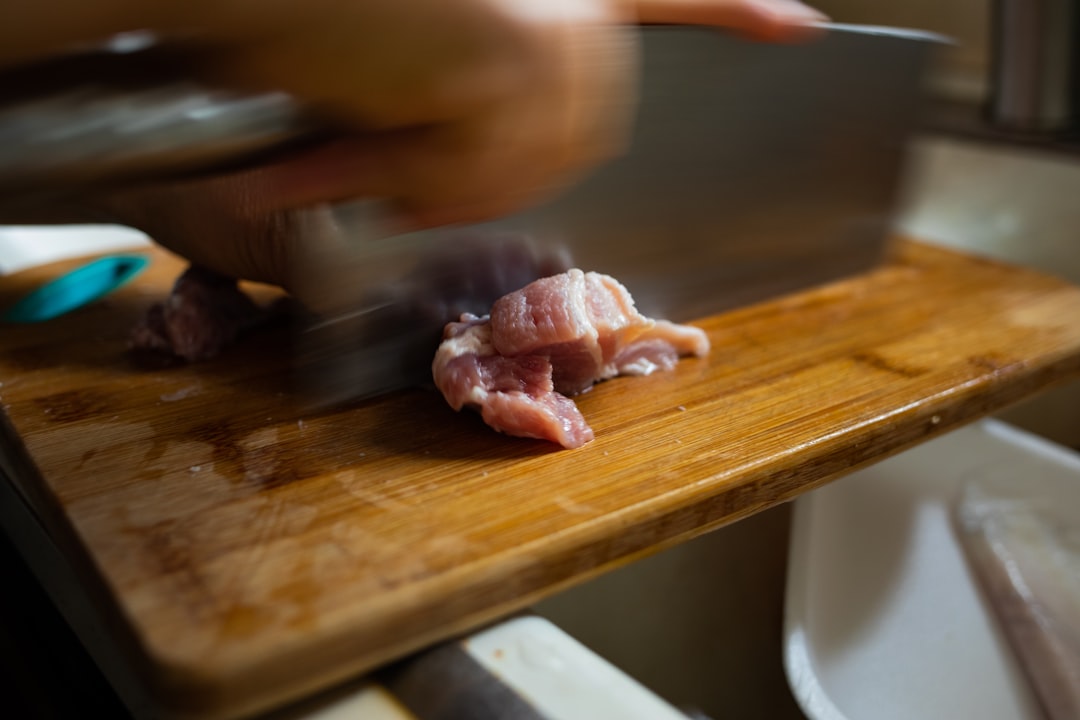
Quality vegetable choppers have finally evolved beyond the infomercial gadgets that break after three uses. The latest generation features commercial-grade blades, ergonomic handles, and—crucially—dishwasher-safe designs that don’t require a PhD to reassemble. I’m particularly fond of the models that offer multiple blade sizes, letting you switch between dicing onions for sauce and rough-cutting vegetables for roasts with a simple blade swap. What used to take me 10 minutes of knife work now takes 2 minutes of pressing down with commercial-grade choppers, and the cleanup is genuinely simple.
The real game-changer with these choppers isn’t just speed—it’s consistency. When vegetables are cut uniformly, they cook evenly, which means better results and less “some pieces are raw while others are mush” frustration. For families with picky eaters, this matters: uniformly diced vegetables are less detectable in sauces and soups, which can be the difference between “I hate this” and “seconds, please.” If you frequently make dishes with lots of chopped vegetables—think pasta sauce, soups, or stir-fries—a quality chopper will save you hours every week.
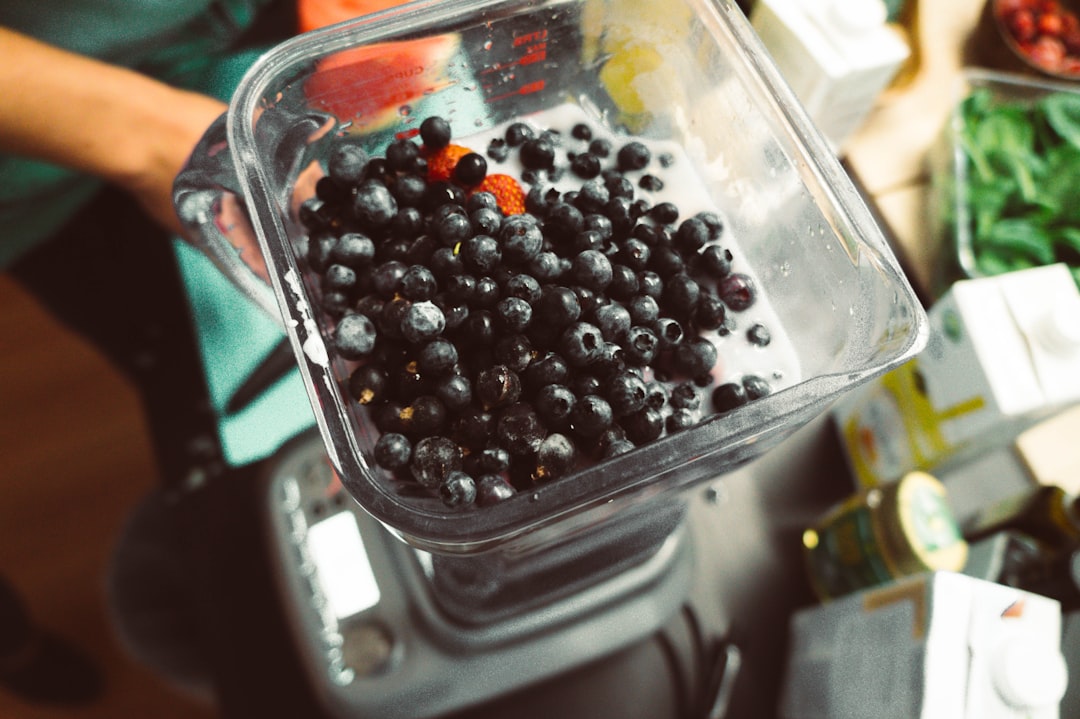
Multi-function handheld immersion blenders are the unsung heroes of quick family cooking. I resisted them for years, convinced they were just single-purpose gadgets, but I couldn’t have been more wrong. A good immersion blender handles everything from smoothie prep (no transferring hot soup to a countertop blender) to quick salad dressings to baby food prep (if you’re in that stage of life). The time savings come from not having to transfer foods between containers—everything blends directly in the pot, bowl, or cup.
What I’ve learned after testing numerous models: look for variable speed controls and attachments. The basic single-speed models are frustratingly limited, but models with multiple speeds and whisk attachments can handle everything from delicate sauces to whipped cream. My current model has a small chopping attachment that’s perfect for quick herb prep or mincing garlic—tasks that used to involve finding a cutting board, knife, and cutting surface, and now take 30 seconds. For smoothies, the immersion blender is genuinely faster than a countertop model because there’s less cleanup—just rinse the attachment and you’re done.
The Cleanup Time Savers Nobody Talks About
Here’s something I’ve learned from thousands of meals: the cooking time isn’t what makes weeknight dinners exhausting. It’s the cleanup. The pile of dishes, the utensils that need hand-washing, the cutting boards that scrubbing never quite cleans properly. The gadgets that reduce cleanup time don’t get the glory, but they’re the ones I’d replace first if my kitchen burned down.
Sheet pan liners and silicone baking mats seem laughably simple, but they’ve eliminated hours of scrubbing over the years. I was skeptical for a long time— parchment paper works fine, right?—but there’s a crucial difference: silicone mats don’t tear, don’t require greasing, and can go straight from oven to dishwasher. They’re brilliant for roasting vegetables, baking cookies with family, or reheating leftovers without creating a stuck-on mess. I keep six in rotation, and there’s rarely a meal where at least one isn’t in use.
The time savings here aren’t just in cleanup—they’re in cooking. Foods release easily from silicone mats, which means no half the vegetables sticking to the pan while the rest slide off. For families, this means less food waste and more appealing results. Roasted vegetables actually look appetizing instead of battered and torn, and cookie baking with kids becomes genuinely fun instead of an exercise in frustration. If you regularly roast vegetables, bake, or reheat foods in the oven, silicone mats will pay for themselves in saved scrubbing time within a month.
Dishwasher-safe cutting boards with juice grooves transformed my prep workflow. For years, I used wooden boards that required hand-washing and careful oiling—a lovely ritual for weekend cooking, but a nightmare on Tuesday nights when there’s already a sink full of dishes. Modern dishwasher-safe boards, particularly those with deep juice grooves, handle everything from carving meats to chopping juicy tomatoes without creating counter messes. The dishwasher-safe aspect is key—after prep, the board goes directly into the dishwasher, and the counter stays clean.
What I’ve learned after testing dozens of boards: look for models with non-slip edges and deep juice grooves. The non-slip feature means the board doesn’t slide around while you’re chopping (dangerous and frustrating), and deep grooves contain juices from tomatoes, meats, and fruits. I’ve also found that having two boards—one for raw proteins, one for produce—eliminates the cross-contamination worry that always nags at me during frantic weeknight prep. If cleanup is the part of cooking that makes you dread weeknight meals, these boards are genuinely life-changing.
Smart Storage Solutions That Actually Save Time
Storage might not sound exciting, but here’s the truth: the time you spend searching for ingredients, transferring leftovers, or re-washing containers adds up to hours every week. The right storage solutions aren’t just about organization—they’re about reclaiming that time for things that actually matter.
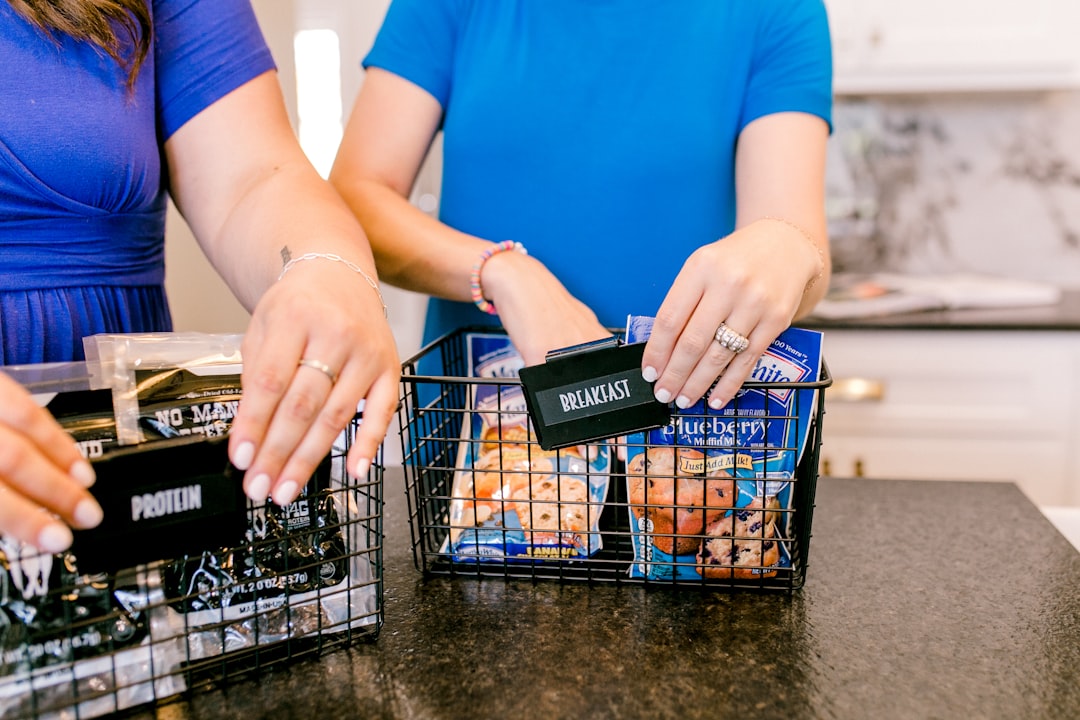
Stackable food storage containers with snap-on lids seem boring, but they’ve eliminated the “where’s the matching lid?” frustration that used to plague my kitchen. After testing countless systems, I’ve settled on containers that all use the same lid size—no more digging through a drawer to find the specific lid for the specific container. The snap-on design is crucial: they seal tightly enough to prevent leaks in lunchboxes, but open easily enough that kids can manage them independently.
The time savings here come from multiple places. First, there’s no more transferring food between containers—prep once, store directly, and reheat in the same container. Second, the uniform sizing means they stack efficiently in the refrigerator and freezer, creating actual usable space instead of the tower of leaning takeout containers that dominated my fridge for years. Third, the dishwasher-safe design means cleanup is straightforward—no hand-washing lids or worrying about warping. If your family meal prep involves making ahead for the week, these containers are non-negotiable.
Magnetic knife strips and utensil holders eliminated the drawer-digging that used to eat up minutes every time I cooked. I’ve tested magnetic strips, knife blocks, and drawer inserts, and nothing beats the efficiency of having frequently-used tools visible and accessible. The time savings come from not having to open three different drawers to find the vegetable peeler, or rummage through a knife block for the paring knife.
What I’ve learned after years of organizing: group tools by task, not by type. All prep tools go on one strip, all cooking tools on another. This means when I’m making pasta, everything I need—grater, peeler, shears—is in one place, not scattered across three different storage solutions. The magnetic strips also keep tools dry and sanitary, unlike drawer storage where blades can dull from contact with other utensils. If you frequently find yourself thinking “where did I put that thing?” while cooking, magnetic storage is genuinely transformative.
One-Pot Cooking Tools for Maximum Efficiency
Every busy family cook knows that fewer dishes mean less cleanup time. The category of gadgets that enable one-pot or one-pan meals has exploded in recent years, and some genuinely deliver on the promise of flavorful meals with minimal cleanup.
Multi-cookers with sauté functions have become my go-to for one-pot meals that don’t taste like compromise. The key difference between these and basic slow cookers is the ability to brown meat and sauté vegetables directly in the cooking vessel—no dirtying a separate pan. I’ve made everything from chili with caramelized onions to pasta dishes that start with sautéed garlic, and the depth of flavor rivals stove-top methods.
The time savings here are twofold: less active cooking time (you can start the sauté, then let the cooker finish unattended) and drastically reduced cleanup. Instead of a sauté pan, a pot, and a serving dish, you have one vessel that goes from cooking to serving to storing. For families, this is particularly valuable because these cookers often have “keep warm” functions that accommodate late arrivals—sports practice runs late, no problem, dinner stays warm without drying out. If weeknight dinners often involve multiple cooking vessels, a multi-cooker with sauté capability will transform your routine.
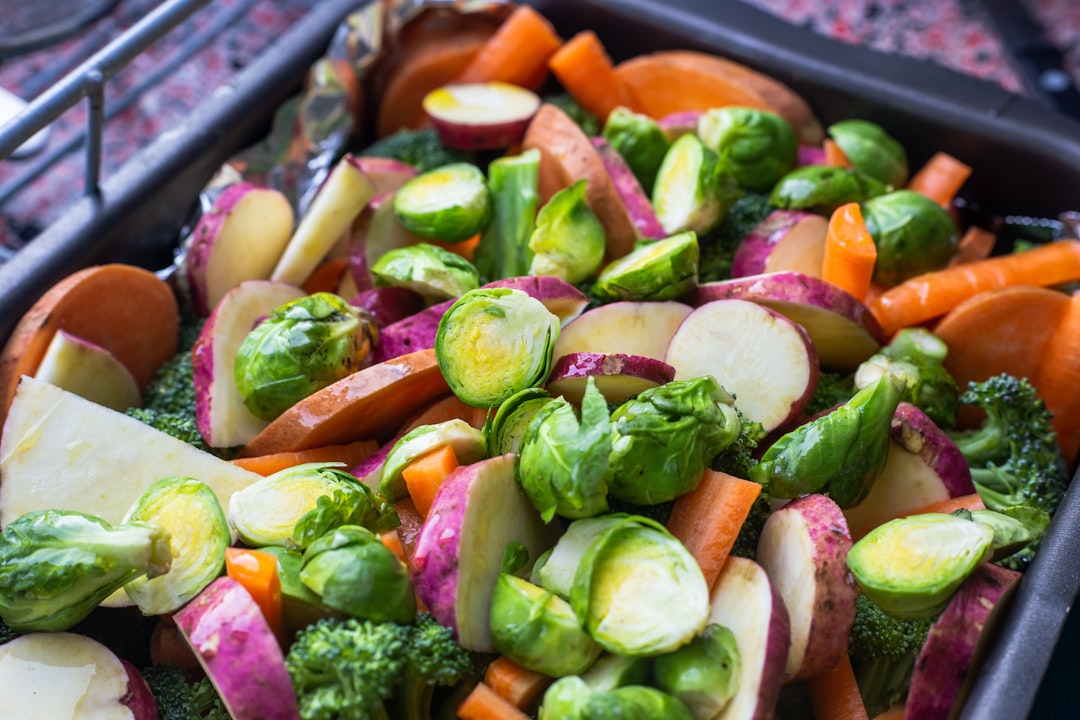
Family-sized sheet pans and roasting pans are the unsung workhorses of efficient family cooking. After years of using standard-sized pans and making multiple batches, I upgraded to larger “family size” sheets that hold everything for a meal of four in one batch. The time savings come from cooking everything at once—protein and vegetables on the same sheet, flavored similarly, with one pan to clean instead of three.
What I’ve learned after extensive testing: look for pans with raised edges (to contain juices) and heavy-gauge construction (to prevent warping at high temperatures). The raised edges are crucial for family cooking—they contain the juices from roasted meats and vegetables, creating natural pan sauces and preventing oven messes. I’ve also found that having two large sheets in rotation allows for efficient meal prep: while one batch roasts, the next batch is prepped and ready to go. If you frequently roast vegetables, bake proteins, or make sheet pan dinners, upgrading to large-capacity pans is genuinely transformative.
Making the Right Investment for Your Family
Here’s the thing about time-saving kitchen gadgets: the “best” ones aren’t necessarily the most expensive or the most feature-packed. They’re the ones that solve your specific family’s specific pain points. After testing dozens of gadgets and watching how real families use (or don’t use) them, I’ve developed a framework for choosing tools that will actually save you time instead of becoming clutter.
Start with your biggest pain point. For most families I’ve worked with, this falls into one of three categories: prep time, active cooking time, or cleanup time. Identify which one creates the most stress in your household, and start there. If cleanup makes you dread cooking, invest in dishwasher-safe tools first. If prep time is your bottleneck, start with choppers and processors. There’s no point buying a fancy pressure cooker if your real struggle is the 20 minutes of vegetable prep before you even start cooking.
Choose multi-function over single-purpose. The gadgets that earn permanent spots in my kitchen are the ones that handle multiple tasks. An immersion blender that also chops and whips beats a single-function blender every time. An air fryer that also roasts and reheats outperforms a dedicated fryer. Before buying any gadget, ask yourself: “Can this handle at least three different tasks I actually do?” If the answer is no, it’s probably not worth the storage space.
Consider your family’s specific routines. A tool that’s brilliant for a family that does big weekend batch cooking might be useless for a family that cooks fresh every night. A pressure cooker is fantastic for “set it and forget it” meals, but pointless if you prefer hands-on cooking. Think about how you actually cook, not how you wish you cooked, and choose tools that support your real routines.
The gadgets I’ve recommended here have earned their place in my kitchen through thousands of real meals, not controlled tests. They’re the tools that genuinely save time for busy families, reduce stress around dinner, and make it easier to put real food on the table without losing your mind. Start with one, see how it integrates into your routine, and build from there. Every family’s perfect system looks different—but the goal is the same: less time in the kitchen, more time for what actually matters.
For more ideas on creating efficient, joyful family kitchens, check out my guide to stand mixers that actually get used, or explore my favorite air fryer recipes for weeknight dinners. And if you’re looking to upgrade your entire kitchen toolkit, my comprehensive guide to practical kitchen gifts covers tools that work as hard as you do.