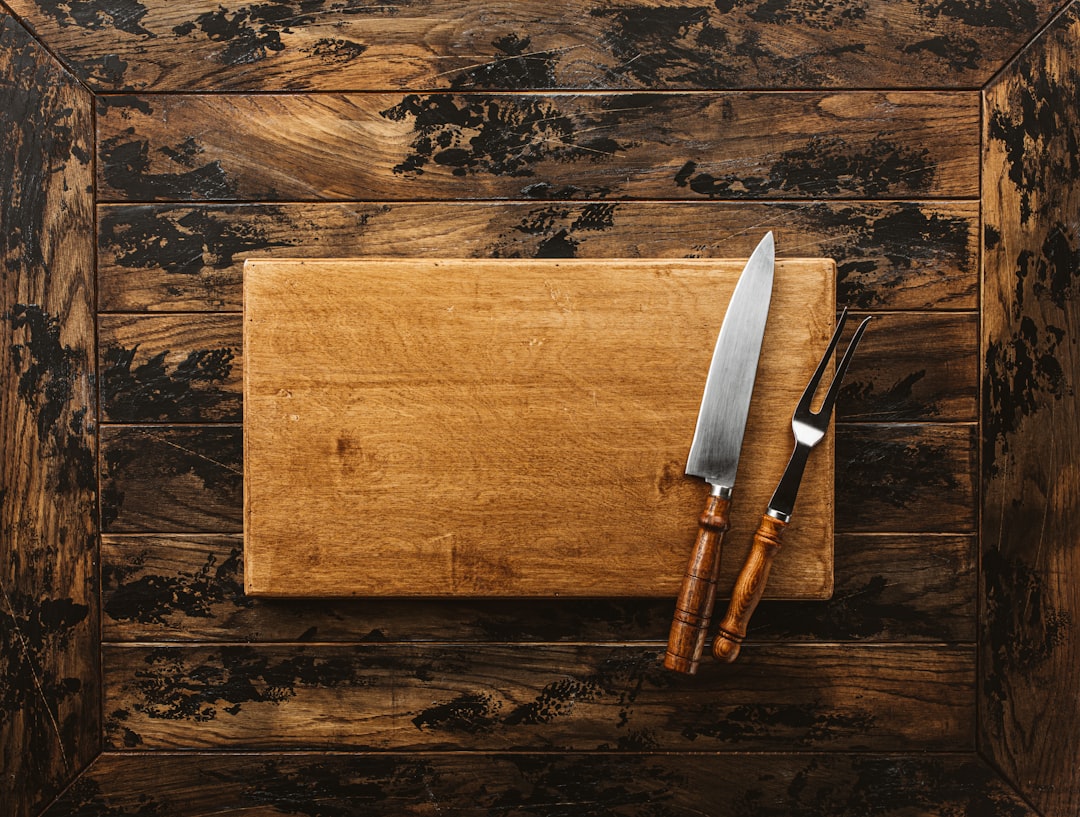
I’ll never forget the moment it clicked for me. I was prepping a big batch of pico de gallo — tomatoes, jalapeños, red onion — chopping away on the same plastic cutting board I’d been using for probably three years. The surface was gouged with knife marks, little valleys carved into the plastic from hundreds of meal prep sessions. And as I scraped the diced veggies into a bowl, I noticed something that stopped me cold. Tiny flecks of white. Mixed right into my fresh, beautiful salsa. That wasn’t salt. That wasn’t onion. That was my cutting board. In my food.
If you’ve ever looked down at a well-loved plastic cutting board and noticed those deep grooves, you already know where this is going. Recent studies have confirmed what many of us quietly suspected: plastic cutting boards shed thousands — sometimes millions — of microplastic particles directly into the food we prepare for our families. And once I learned that, I couldn’t unsee it. Every slice, every chop, every dice was leaving behind more than just knife marks.

Why the Cutting Board Conversation Matters More Than You Think
Here’s the thing about cutting boards: they’re one of the most-used tools in any kitchen, yet most of us give them almost zero thought. We grab whatever’s handy, maybe toss it in the dishwasher, and call it a day. But cutting boards are the literal surface where raw ingredients become meals. They touch everything — produce, proteins, herbs, cheese, bread. And the material they’re made from matters enormously, not just for food safety but for the longevity of your knives and, honestly, the quality of your cooking.
The microplastics issue was my wake-up call, but it led me down a rabbit hole of cutting board research that completely transformed how I stock my kitchen. After testing more boards than I care to count — wood, bamboo, composite, titanium, even glass — I’ve developed strong opinions about what belongs on your counter and what should go straight to the recycling bin. And the good news? The alternatives to plastic aren’t just safer — they’re genuinely better in almost every way.
Before we get into materials, if you’re on a broader journey to clean up what’s touching your food, I highly recommend checking out my deep dive into non-toxic cookware. That article covers ceramic and titanium pans, and the same philosophy applies here: the surfaces that contact your food should be as clean and inert as possible.
Wood: The Gold Standard That Never Went Out of Style
Let’s start with the material I believe belongs in every kitchen: wood. Specifically, hardwoods like maple, walnut, and cherry. There’s a reason professional chefs and home cooks alike have been reaching for wooden cutting boards for centuries, and it’s not just tradition. Wood is naturally antimicrobial — studies have shown that bacteria actually die off faster on wood surfaces than on plastic. The porous structure of wood wicks moisture away from the surface, creating an environment where germs simply can’t thrive.
But the real magic of a good wooden cutting board is how it treats your knives. Hardwood has just enough give to cushion the blade edge, meaning your chef’s knife stays sharper longer. If you’ve invested in quality blades — and after spending time with over thirty kitchen knives, I can tell you that a good blade is worth protecting — a wooden board is the kindest surface you can offer it.
Within the wooden board category, there’s one style that stands above the rest: end-grain cutting boards. These are constructed so the wood fibers run vertically, meaning your knife slides between the fibers rather than cutting across them. It’s like cutting into the top of a tightly packed bundle of straws — the fibers part and then close back up. This self-healing property means end-grain boards resist deep gouges far better than edge-grain boards, and they’re incredibly gentle on knife edges.
My personal favorite is a 16-inch maple end-grain board that lives permanently on my counter. Yes, it’s heavy. Yes, it requires occasional oiling with food-grade mineral oil. But it’s also the most beautiful and functional prep surface I’ve ever used, and I’ve had mine for over five years with virtually no deep scarring. You can find gorgeous end-grain boards in a variety of wood species, and they double as serving pieces for charcuterie and bread.
Bamboo: The Budget-Friendly Middle Ground
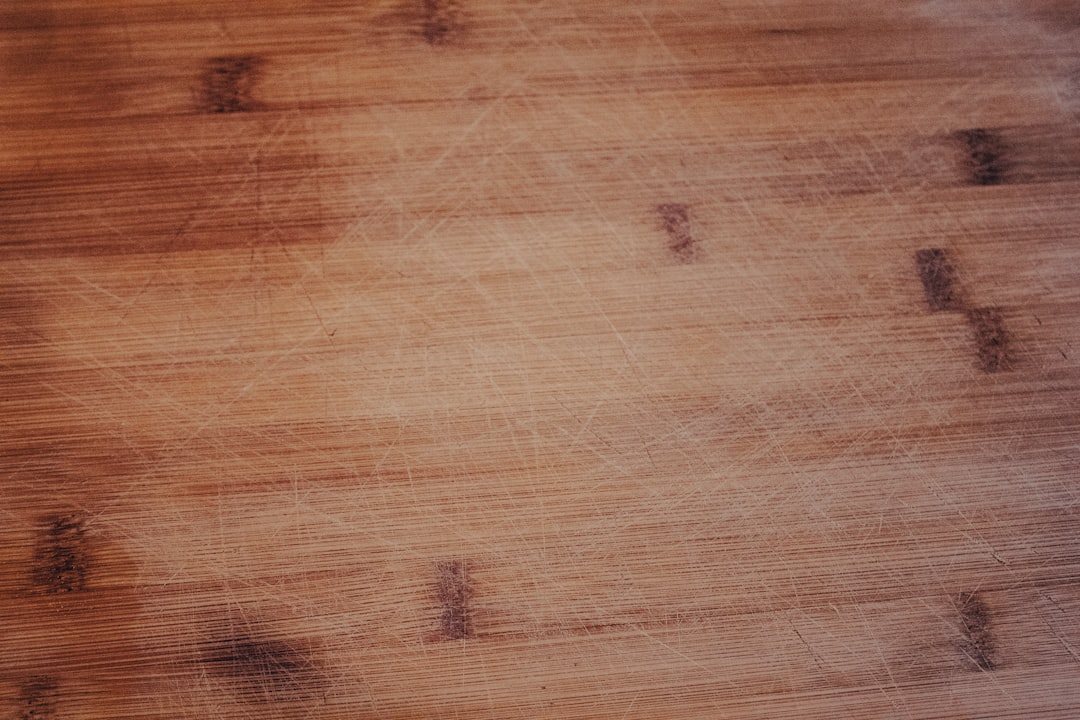
Bamboo cutting boards deserve a proper conversation because they’re everywhere — and for good reason. Bamboo is technically a grass, not a wood, which means it grows incredibly fast and is one of the most sustainable materials on the planet. Boards made from bamboo are affordable, lightweight, and naturally resistant to moisture and bacteria. They look great on a counter, and they’re easy to maneuver when you need to transfer chopped ingredients to a pan.
Here’s where I’m honest with you, though: bamboo is harder than most hardwoods used for cutting boards, which means it’s slightly tougher on your knife edges. It won’t destroy your blades by any means, but if you’re sharpening your knives every few months, you might find you need to touch them up a bit more often with bamboo versus maple or walnut. The trade-off is durability and price — bamboo boards tend to be significantly less expensive than quality hardwood options, and they hold up beautifully to heavy daily use.
I keep a large bamboo board specifically for cutting bread and rolling out dough. The slightly harder surface gives me a stable platform for kneading, and it doesn’t absorb moisture the way some softer woods can. Bamboo board sets are an excellent value — you can often get three different sizes for the price of a single hardwood board.
Titanium: The New Kid Making Serious Waves
This is where the cutting board conversation gets genuinely exciting. Titanium cutting boards have exploded onto the kitchen scene in 2025 and 2026, and they represent a fascinating option for home cooks who want the absolute lowest-maintenance surface possible. Titanium is completely non-reactive, meaning it won’t harbor bacteria, absorb odors, stain, or interact with acidic foods. You can chop onions, slice tomatoes, and prep raw chicken on the same board (though I still recommend washing between proteins, obviously).
The biggest advantage of titanium is also its most polarizing feature: it’s essentially indestructible. A quality titanium board will outlast every other tool in your kitchen, potentially by decades. It won’t warp, crack, split, or develop deep gouges. And since titanium is lighter than you’d expect, these boards are surprisingly easy to handle and clean. A quick wash with warm soapy water and you’re done — no oiling, no special maintenance, no worrying about whether it’s fully dry before storing.
The downside? Titanium is harder than knife steel, which means it will dull your blades faster than wood or even plastic. This isn’t a dealbreaker if you’re comfortable honing and sharpening your knives regularly, but it’s something to factor in. I use a titanium board primarily for messy, high-stain prep work — think beet slicing, turmeric grating, and anything with berries — where its complete stain resistance shines. Titanium cutting boards are still relatively new to the market, but they’re gaining a devoted following for good reason.
Composite Boards: Engineered for Consistency
Composite cutting boards — typically made from layers of paper or wood fiber compressed with food-safe resin — offer a compelling mix of properties. They’re dishwasher safe (a huge win over wood), gentler on knives than glass or titanium, and come in a range of attractive colors that can brighten up your prep space. Brands like Epicurean pioneered this category, and the boards have earned a loyal following among cooks who want something between wood and plastic.
What I appreciate about composite boards is their consistency. Unlike natural wood, which can vary in density and grain pattern, composite boards offer a uniform surface that performs predictably every time. They don’t require oiling, they don’t warp easily, and they’re thin enough to store easily in tighter spaces. I’ve found them especially useful as a secondary board — the one you grab for quick tasks like slicing a lemon or cutting a sandwich in half.
For anyone outfitting a kitchen from scratch or looking to upgrade, a quality composite board rounds out a cutting board collection nicely. They’re the practical workhorse that bridges the gap between beauty and convenience.
What About Glass and Marble?
I want to address these because they show up in kitchens all the time, usually gifted or purchased for their looks. Glass cutting boards are gorgeous, completely non-porous, and absolutely brutal on your knives. Every cut sends your blade against an unforgiving surface that will dull even the finest Japanese steel in short order. Marble boards are similarly hard and are really best reserved for pastry work — the naturally cool surface is wonderful for working with butter and dough, but please don’t chop vegetables on one unless you enjoy sharpening knives every week.
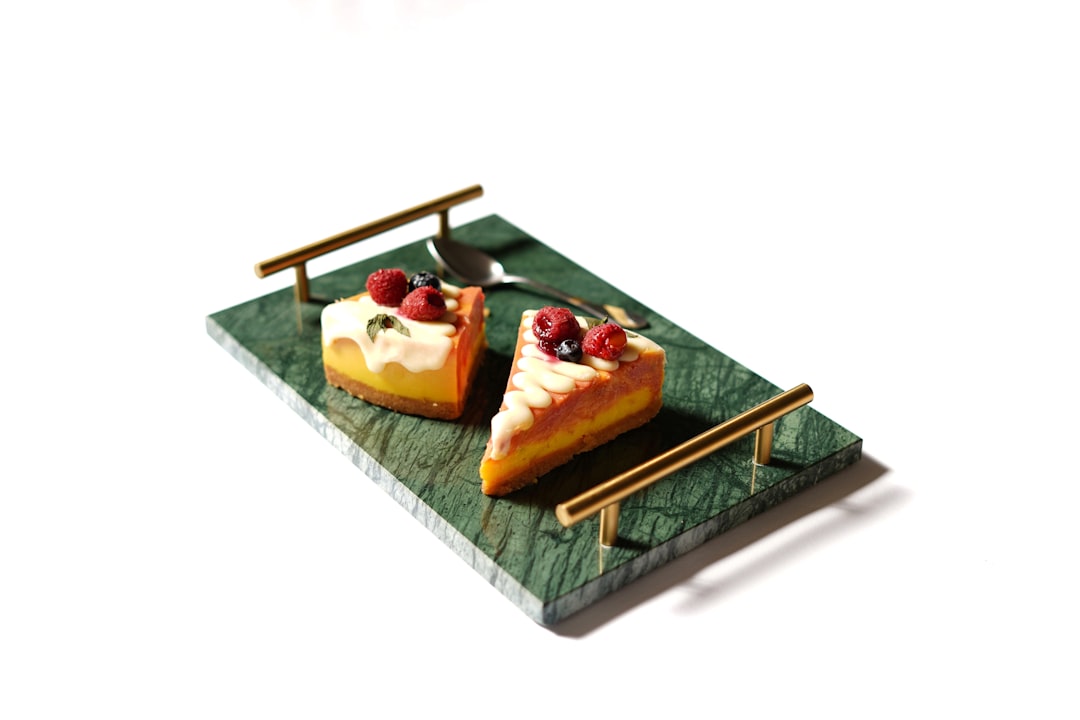
Both materials are easy to sanitize, which is why they’re often recommended for people with severe allergies. And visually, a marble slab or tempered glass board can be a stunning serving piece. Just keep them away from your everyday chopping routine and your knives will thank you. A marble pastry board is a lovely dedicated tool for bakers who work with temperamental doughs.
Building Your Cutting Board Collection
After years of testing and real-world use, here’s what I recommend for a well-equipped kitchen. You don’t need a dozen boards — three or four thoughtfully chosen ones will cover every situation beautifully. A beautiful walnut board is one of those purchases you’ll appreciate every single day.
The main event: One large, thick end-grain hardwood board for daily vegetable prep, herb chopping, and general cooking. This lives on your counter permanently. Maple and walnut are top choices, with cherry as a beautiful alternative. Budget at least $40-80 for a quality piece that will last years.
The utility player: A medium composite or bamboo board for quick tasks and as a backup when your main board is in the wash. This is also the board you hand to helpers in the kitchen — everyone needs their own surface. A mixed-material cutting board set can cover this role and more for great value.
The protein specialist: A dedicated board for raw meat, poultry, and fish. This is non-negotiable for food safety. I prefer a plastic board specifically for this purpose because I can run it through the dishwasher on high heat for thorough sanitization. Yes, I know I just spent thousands of words telling you to ditch plastic — but for raw protein prep, the ability to sanitize at high temperatures is worth the trade-off, and a dedicated meat board doesn’t get the heavy daily chopping that sheds microplastics into produce.
The specialty surface: Whether that’s a titanium board for stain-prone ingredients, a marble slab for pastry, or an extra-large bamboo board for entertaining, this is where you customize based on how you actually cook. Think about what you prepare most often and choose accordingly.
Speaking of kitchen investments that pay off, some of the best upgrades I’ve made haven’t been the most expensive ones. I wrote about kitchen splurges that were absolutely worth it — and a quality cutting board absolutely belongs on that list.
Caring for the Boards You Choose

A good cutting board is like cast iron — it gets better with age if you treat it right. For wooden boards, the routine is simple: wash with warm soapy water after use, dry thoroughly, and oil every few weeks with food-grade mineral oil or a board butter made from mineral oil and beeswax. Never soak a wooden board or put it in the dishwasher — water is wood’s natural enemy, and prolonged exposure will cause warping and splitting.
Bamboo needs similar care but is slightly more forgiving. A quick wash and dry is usually sufficient, with occasional oiling to prevent the surface from becoming brittle over time. Composite boards can go straight into the dishwasher, which is one of their biggest selling points for busy households.
Titanium, true to form, needs almost nothing. Wash it, dry it, done. It’s the cutting board equivalent of a succulent — thriving on neglect. Food-grade mineral oil is inexpensive and a single bottle lasts months, making board maintenance one of the cheapest kitchen habits you can adopt.
And one final tip that transformed my board care routine: keep a spray bottle of white vinegar nearby. A quick spritz and wipe after washing gives wooden and bamboo boards an extra antibacterial boost without any harsh chemicals. It’s what my grandmother used, and honestly, the woman was right about everything in the kitchen.
The Bottom Line
Your cutting board touches more of your food than almost any other surface in your kitchen. It deserves more thought than most of us give it. The microplastics revelation about plastic boards was the push I needed to overhaul my collection, and the result has been a genuinely better cooking experience. My knives stay sharper, my food looks cleaner on the plate, and my counter looks warmer and more inviting with beautiful wood grain instead of scarred plastic.
You don’t have to throw away every plastic board today — but I’d encourage you to start transitioning, starting with the board you use most for produce and everyday prep. A well-curated cutting board set makes an excellent gift for new homeowners, recent graduates, or anyone ready to upgrade their kitchen essentials.
A quality end-grain wooden board will run you less than a dinner out, and it will serve you faithfully for years. Your knives, your food, and honestly your aesthetic sensibilities will all thank you. And if you’re looking for more ways to maximize your kitchen’s potential without breaking the bank, my $200 kitchen storage makeover pairs beautifully with a cutting board upgrade — because great tools deserve a great space to live in.

2 thoughts on “Your Plastic Cutting Board Is Shedding Into Your Dinner — Here’s What I Switched To”