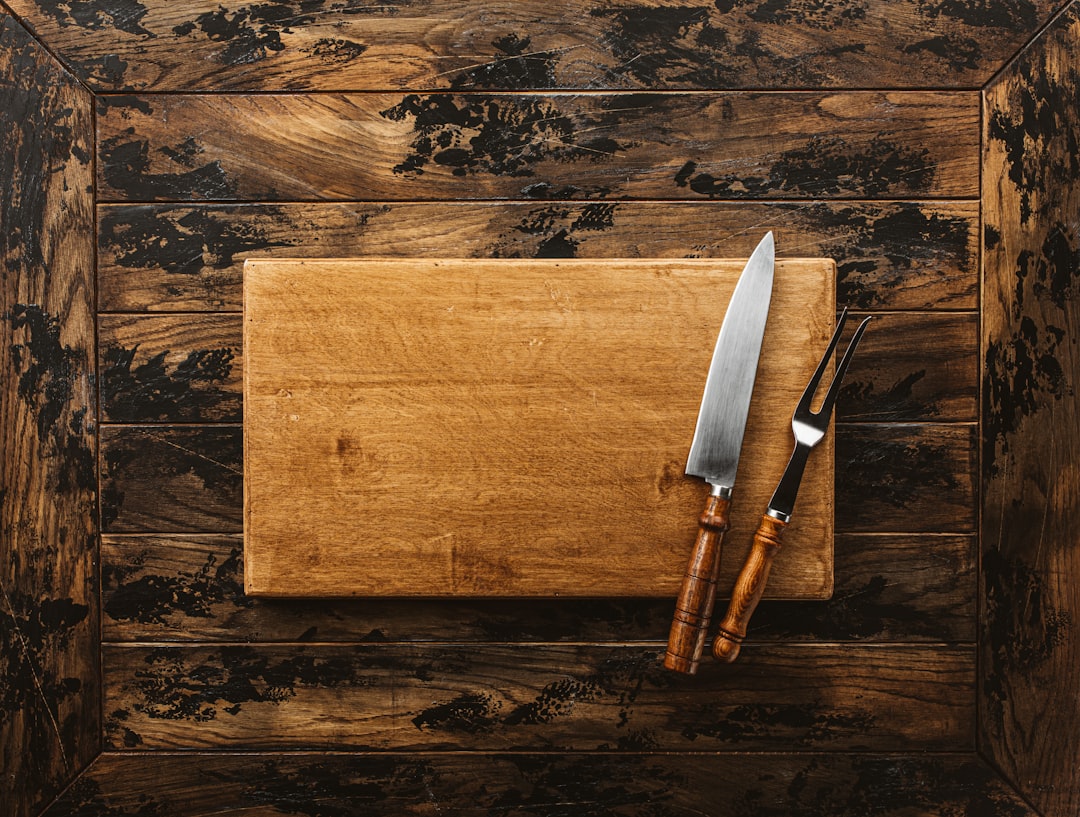
Let me tell you something embarrassing: I used to think all kitchen knives were basically the same. Growing up, we had one of those massive 18-piece block sets that took up half the counter, and I honestly couldn’t tell you the difference between the “bread knife” and the “carving knife” until I was in culinary school. Turns out, the right blade doesn’t just make cooking easier — it fundamentally changes the way you move through your kitchen. After testing more than thirty knives across fifteen years of professional and home cooking, I’ve narrowed it down to the ones that genuinely earned a permanent spot on my magnetic strip.
This isn’t a generic roundup where everything gets a participation trophy. These are the knives I reach for when I’m tired, when I’m rushed, when dinner needs to happen in twenty minutes and I don’t have patience for a blade that drags through an onion like it’s doing me a favor. Whether you’re outfitting your first real kitchen or finally ready to retire that dull set from your college apartment, here’s what actually matters — and what’s worth your money.
The Chef’s Knife: Your Kitchen’s MVP
If you only buy one knife in your entire life, make it an 8-inch chef’s knife. I know that sounds dramatic, but I mean it. A good chef’s knife handles 90% of everything you’ll ever do in a kitchen — chopping vegetables, slicing meat, mincing herbs, even smashing garlic if you’re feeling bold. The weight does the work for you, and once you learn a proper pinch grip, you’ll wonder how you ever survived without one.
My current daily driver is a Japanese-style gyuto with a thinner blade that glides through tomatoes like they’re made of air. Japanese knives tend to be lighter and sharper at steeper angles, which means less effort on your part. That said, if you prefer something heftier that can power through butternut squash without flinching, a German-style chef’s knife like the Wüsthof Classic is a workhorse that’ll outlast your kitchen itself.
The price range here is wild — anywhere from twenty dollars to three hundred. Here’s my honest take: you can get a genuinely excellent chef’s knife for under sixty bucks. The MAC Professional series has been my recommendation to friends for years because it punches way above its price class. Don’t let anyone convince you that spending more automatically means better — it usually just means prettier.
The Paring Knife: Small but Mighty
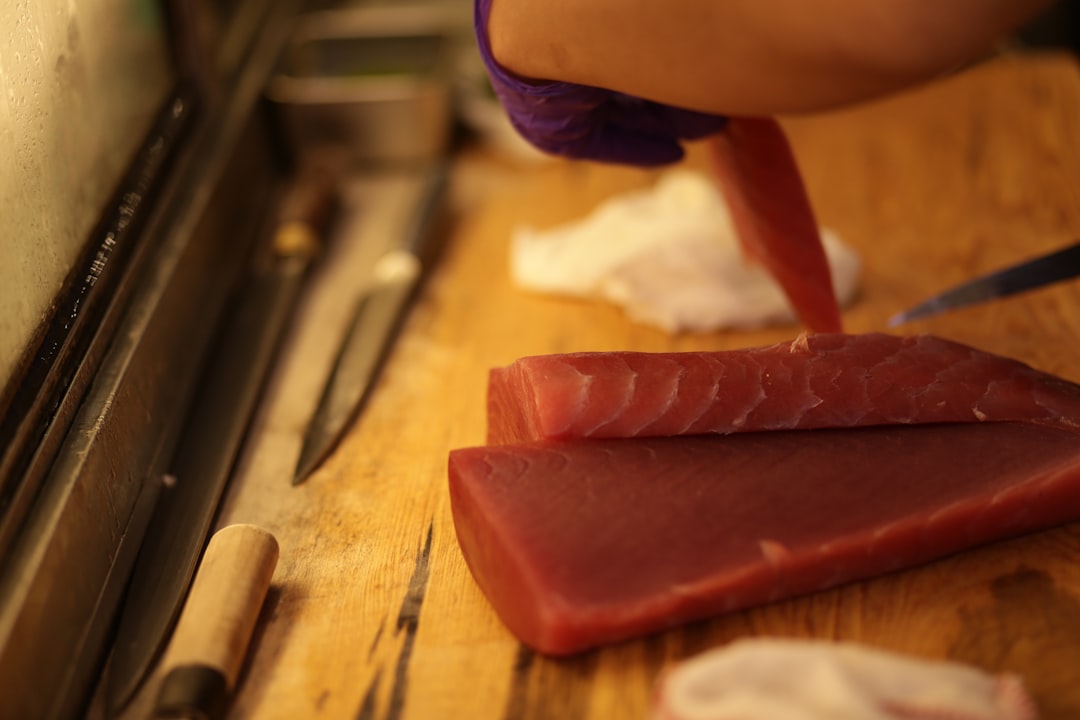
I didn’t appreciate a good paring knife until I spent a summer doing prep work at a catering company, peeling what felt like a thousand apples for a wedding. A paring knife is for the delicate stuff — hulling strawberries, peeling citrus in one long spiral, deveining shrimp, or scoring the top of a crusty loaf. It’s the scalpel to your chef’s knife’s broadsword.
My biggest piece of advice here: get two. Not because you need a backup, but because once you start using a sharp paring knife for detail work, you’ll reach for it constantly and having to wash it between tasks will drive you nuts. I keep a 3.5-inch high-carbon stainless paring knife by the cutting board and another near the coffee station for opening packages and slicing fruit for my morning yogurt. Yes, I’m that person.
Look for something with a comfortable handle that doesn’t slip when wet — because you will be handling slippery things with this knife, from peach skins to raw chicken. A blade that’s too flexible will frustrate you, and one that’s too thick defeats the whole purpose of having a precision tool.
The Serrated Bread Knife: Underrated and Essential
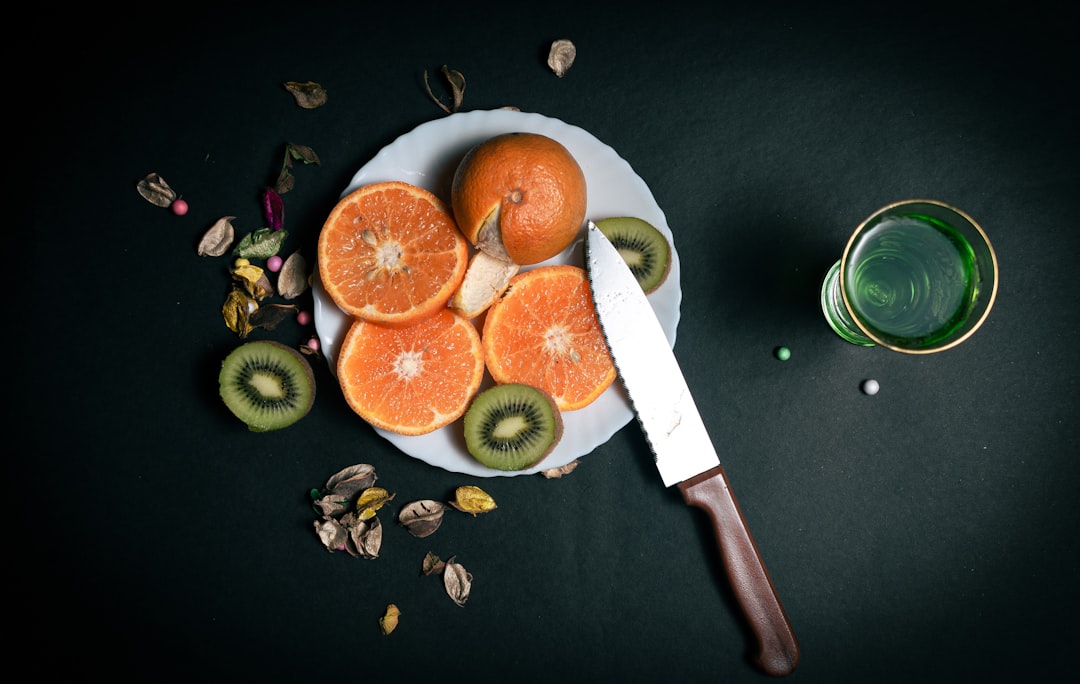
Here’s a hill I’ll die on: a bread knife is not just for bread. Try slicing a ripe tomato with a dull chef’s knife and then try it with a serrated blade — the difference will make you a believer. Serrated knives excel at anything with a tough exterior and soft interior: crusty bread, ripe tomatoes, layered cakes, even pineapple. The teeth grip the surface instead of compressing it, so you get clean slices without squishing everything into a mess.
I recommend a 10-inch offset bread knife for most home cooks. The offset handle keeps your knuckles from dragging on the cutting board, and the extra length means you can slice through wide artisan loaves in one clean motion. Don’t go shorter than eight inches or you’ll end up sawing back and forth like you’re trying to cut down a tree.
The beautiful thing about serrated knives is that they barely need sharpening. Those teeth hold their edge for years. I’ve had mine for over a decade and it still slices sourdough like it’s brand new. When it finally does dull, most people just replace them rather than trying to resharpen — and at twenty to forty dollars for a good one, that’s perfectly reasonable.
The Santoku: When You Want Something Different
Around my third year as a food writer, I went through what my husband kindly calls my “santoku phase.” I used one for everything — chopping, slicing, dicing, even tasks where a chef’s knife would’ve been better suited. I’ve since found balance, but I still think a santoku deserves a place in most home kitchens, especially if you do a lot of vegetable prep.
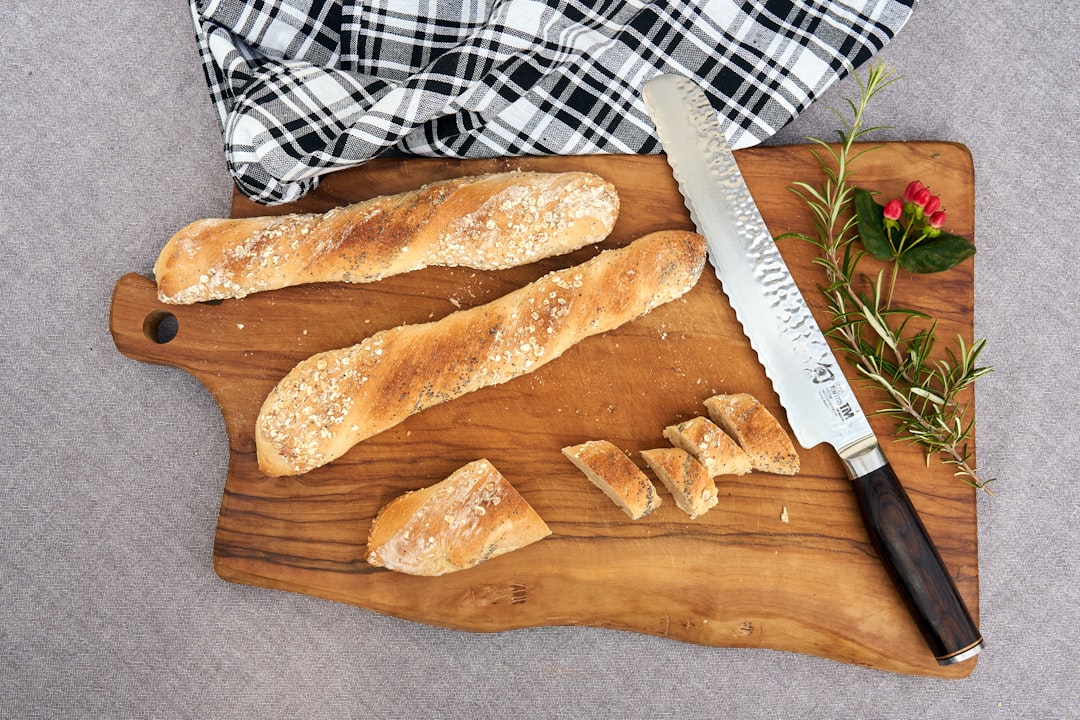
The santoku’s shorter, wider blade and flatter edge profile make it incredible for up-and-down chopping motions. The name literally translates to “three virtues” — slicing, dicing, and mincing — and it delivers on all three. Many models have a Granton edge (those little dimples along the blade) that creates air pockets so food doesn’t stick to the side. If you’ve ever fought with sliced potatoes clinging to your knife like cling wrap, you’ll understand why this matters.
Where a santoku falls short is with large, hard ingredients. Don’t try to split a squash or break down a chicken with one — the blade isn’t designed for that kind of leverage. But for everyday vegetable work and slicing proteins for stir-fries, it’s a genuinely joyful tool to use. The Shun Classic Santoku remains one of the most gorgeous knives I’ve ever handled, and it performs as beautifully as it looks.
The Nakiri: My Secret Weapon for Salad Season
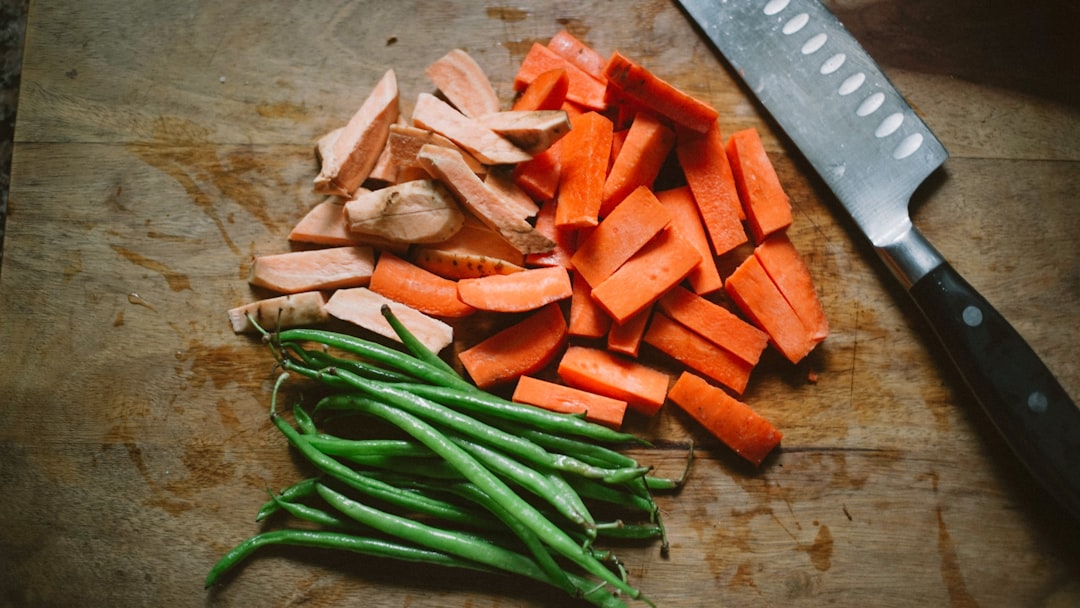
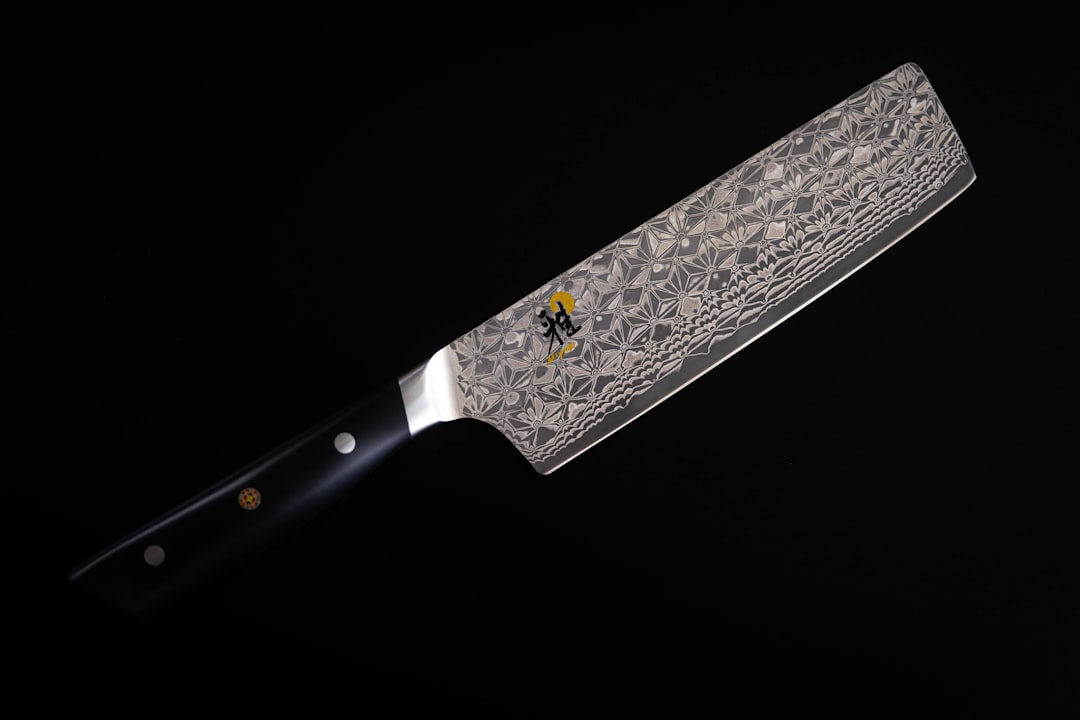
This is the knife most people have never heard of, and it’s the one I’m most evangelical about. A nakiri is a Japanese vegetable knife with a straight, rectangular blade designed for clean, full-contact cuts on a cutting board. No rocking, no sawing — just straight down, every time. If you eat a lot of vegetables (and I hope you do), this knife will change your prep game.
I pull out my nakiri every single night during summer when I’m making salads, cutting corn off the cob, slicing cucumbers paper-thin, or chopping herbs by the fistful. The straight edge means every cut goes all the way through the ingredient — no half-connected pieces to separate manually. A good nakiri knife will run you anywhere from thirty to eighty dollars, and it’s worth every penny if vegetables are a daily part of your cooking.
One thing to know: nakiri knives are almost always made with harder Japanese steel, which means they take a screaming-sharp edge but can be more brittle. Don’t use them on bones, frozen food, or hard squash. Treat this one like the precision instrument it is and it’ll reward you with years of perfect cuts. (And speaking of treating knives right — if you haven’t read my cast iron care guide, the same “respect your tools” philosophy applies to everything in your kitchen.)
What About Knife Sets?
I get asked this constantly, and my answer is always the same: most knife sets are a bad deal. You end up paying for six to eight knives when you’ll only regularly use two or three. Those steak knives, the utility knife, the “tomato knife” — they’re filler. You’re better off investing in three excellent individual knives than getting twelve mediocre ones in a wooden block.
If you absolutely must have a set — maybe you’re moving into your first place and want everything at once — look for a small three- or four-piece set that includes a chef’s knife, paring knife, bread knife, and maybe kitchen shears. That’s genuinely all most home cooks need. Skip the massive blocks with slots for every shape and size — they take up counter space and the extra knives just collect dust.
The one exception I’ll make is for magnetic knife strips for storage. Ditch the block entirely and mount a strip on the wall. Your knives stay accessible, visible, and — most importantly — their edges don’t bang against each other in a drawer. Plus, it looks undeniably cool. I wrote about this approach in my piece on giving my tiny kitchen a storage makeover, and it was one of the best changes I made.
Keeping Your Knives Sharp (The Part Nobody Wants to Hear)
A dull knife is more dangerous than a sharp one. I know that sounds counterintuitive, but hear me out: a dull blade requires more force, which means less control, which means you’re more likely to slip and cut yourself. I’ve seen more kitchen injuries from dull knives than sharp ones, and most of them happened because someone was pressing too hard on a blade that couldn’t do its job anymore.
You don’t need to become a sharpening expert. Get yourself a decent pull-through sharpener for quick touch-ups, and have your knives professionally sharpened once or twice a year. Many cookware stores and farmers’ markets offer this service for a few dollars per knife. If you want to level up, a whetstone sharpening system lets you maintain your own edges at home — it’s meditative once you get the hang of it.
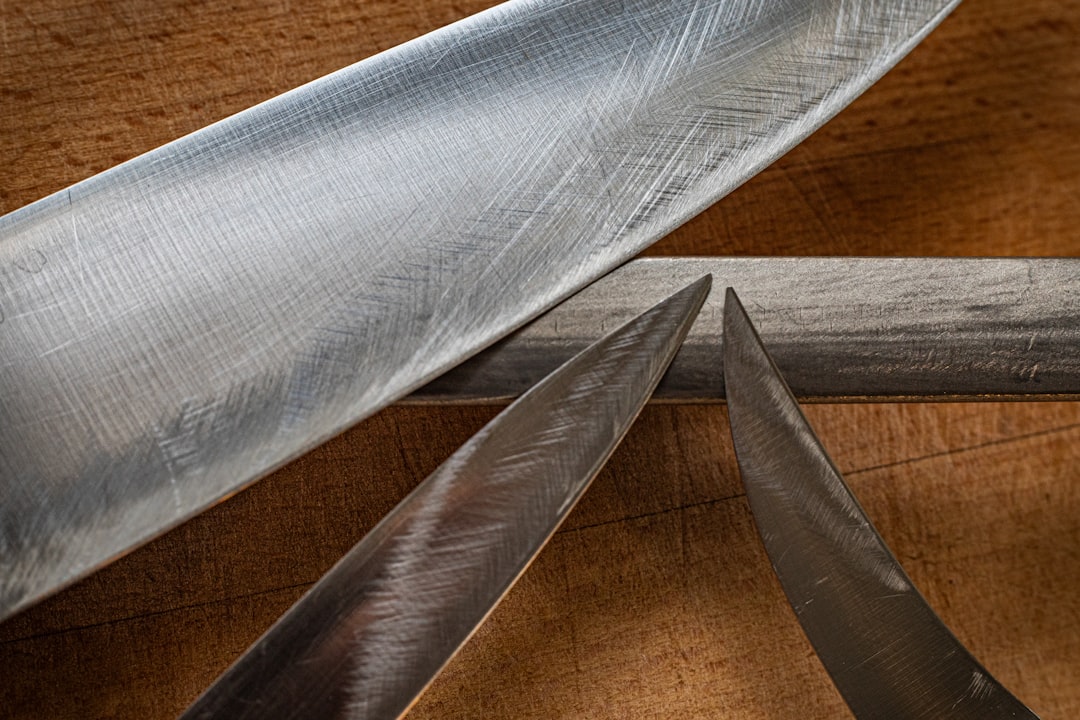
In between sharpenings, use a honing rod before every few cooking sessions. That’s the long steel rod you’ve seen chefs dramatically swiping their knives against. It doesn’t actually sharpen the blade — it realigns the edge, which gets microscopically bent during normal use. Think of it like combing your hair versus getting a haircut. A 10-inch honing steel costs about fifteen dollars and will extend the life of your edge dramatically.
My Final Take on Building Your Knife Collection
Start with an 8-inch chef’s knife that feels good in your hand. That’s not negotiable — the “best” knife on the market is useless if it feels awkward when you hold it. Go to a store if you can and actually grip a few options. The handle shape, the weight, the balance point — these things are deeply personal, and what works for my hand might not work for yours.
Add a paring knife and a bread knife when budget allows, and then stop. Seriously. Those three knives will handle virtually everything a home cook needs to do. Everything else — the santoku, the nakiri, the boning knife — is a wonderful luxury that you can add over time as you discover your own cooking style and preferences. (And if you’re the type who gets excited about discovering your cooking style, you might enjoy my article on kitchen habits I had to unlearn — some of those “rules” were holding me back more than any dull knife ever did.)
Your knives are the one area of kitchen gear where I firmly believe in buying less but buying better. One exceptional chef’s knife that you keep sharp and treat with care will outperform a drawer full of mediocre blades every single time. And if you take nothing else from this article, please, for the love of all things culinary — stop putting them in the dishwasher.