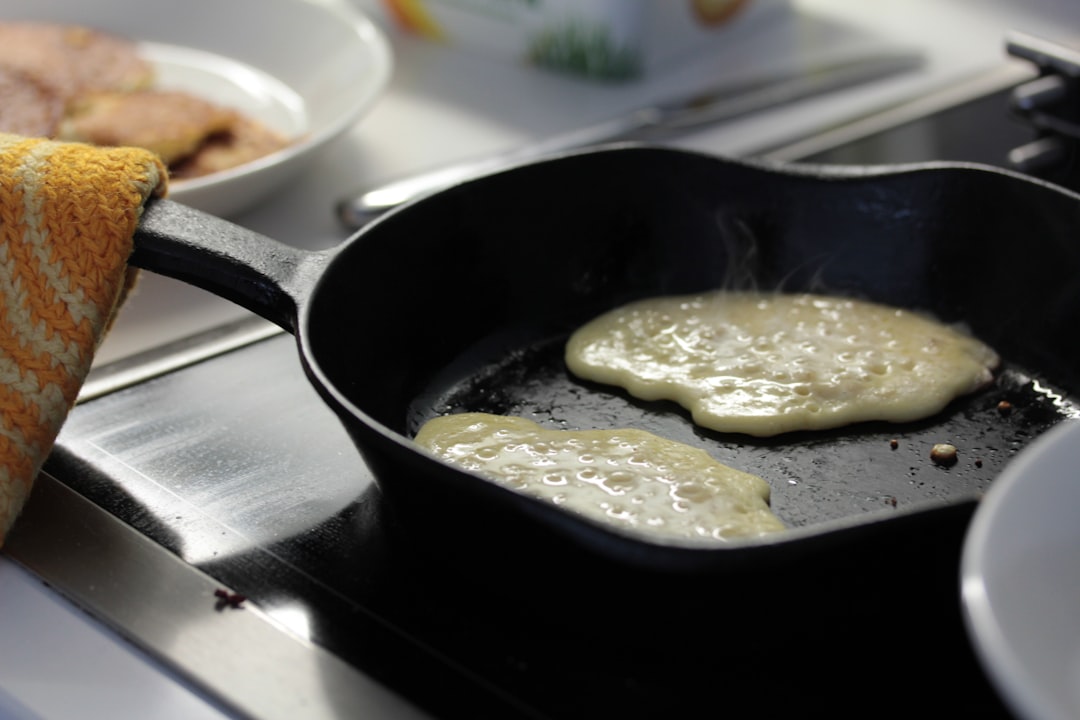
I have a confession. For years, I kept two cast iron skillets and one stainless steel pan in my kitchen, and I treated them like rival siblings — always favoring one, feeling vaguely guilty about neglecting the other. If you’ve ever stood in the cookware aisle wondering which material deserves your hard-earned money (and your precious burner space), you’re in good company. The cast iron versus stainless steel debate has been simmering in home kitchens for decades, and I’m here to tell you that the answer isn’t what most people think.
After cooking thousands of meals in both materials — from delicate fish fillets to bone-in ribeyes, from scrambled eggs to pan sauces that would make a French chef weep — I’ve learned that asking “which is better” is the wrong question entirely. The right question is: “which one is better for what I’m cooking right now?”
Let me walk you through everything I’ve discovered about these two kitchen workhorses, so you can stop second-guessing your cookware and start making better dinners tonight.
The Case for Cast Iron: My Grandma Was Right All Along
My grandmother’s cast iron skillet hung on a hook beside her stove for as long as I can remember. It was black as midnight, slick as glass, and could flip a cornbread without a single crumb sticking. She never called it “seasoning” — she just said the pan was “ready.” That skillet was probably older than my mother, and it cooked like it knew things the rest of us hadn’t figured out yet.
Here’s what cast iron does brilliantly: it holds heat like nothing else. When you set a cold steak onto a preheated cast iron skillet, the pan barely flinches. It delivers a sear so crusty and deep that you’d swear the steak house down the street has been lying to you all these years. That thermal mass is also why cast iron makes the best cornbread you’ll ever taste — the batter hits the screaming-hot pan and instantly forms a golden, crispy edge while the center stays fluffy and moist.
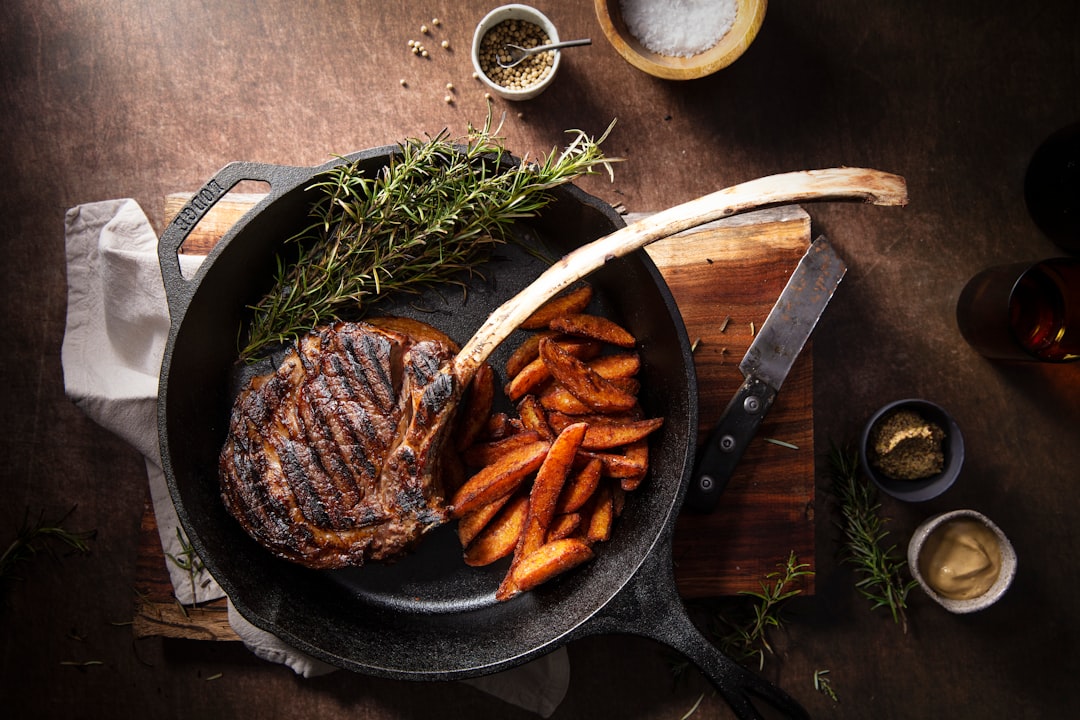
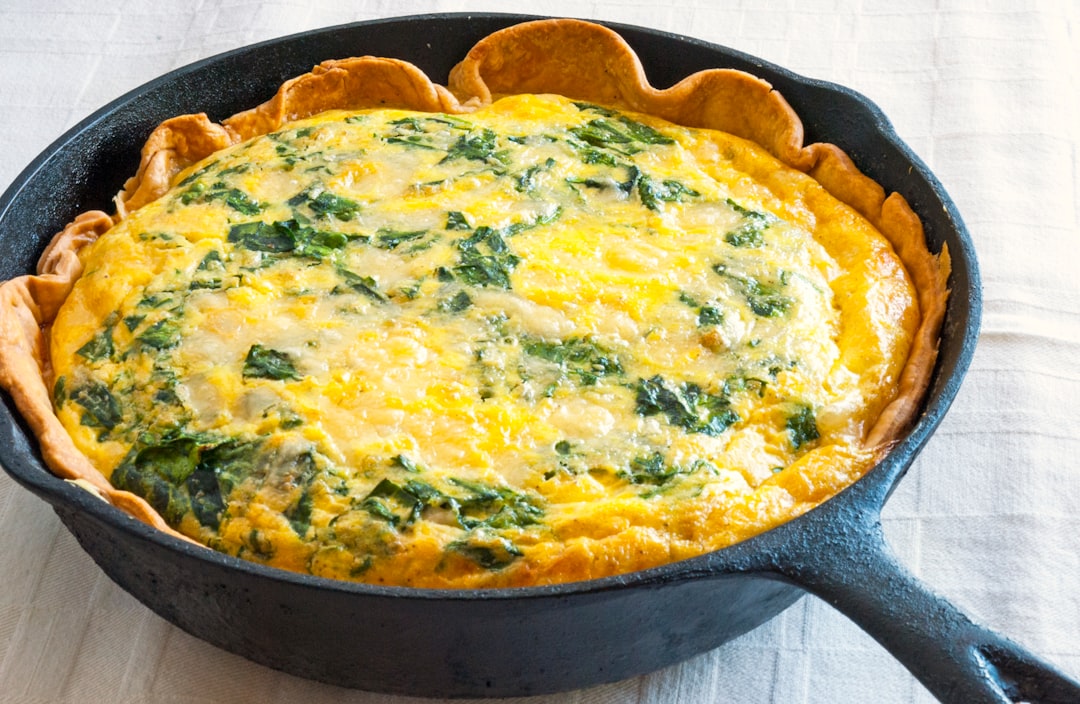
Beyond searing, cast iron moves seamlessly from stovetop to oven. Frittatas, Dutch babies, skillet pizzas, baked pasta — one pan, zero fuss. And the price? A well-made 12-inch cast iron skillet will run you somewhere between twenty and forty dollars and outlast your appliances, your furniture, and possibly your house. I’m partial to the classic Lodge, but there are gorgeous enameled cast iron options if you want something pretty enough to serve at the table. Try finding that kind of value anywhere else in the kitchen.
But I’d be lying if I said cast iron didn’t have its headaches. It’s heavy — my 12-inch Lodge weighs over eight pounds empty, which means flipping a pancake requires genuine wrist strength. It rusts if you look at it wrong. And despite what the internet’s cast iron evangelists claim, you really shouldn’t simmer tomato sauce in it for an hour unless you enjoy your marinara tasting faintly of pennies. Cast iron is reactive, meaning acidic foods break down the seasoning layer and can pull metallic flavors into your dish.
Stainless Steel: The Quiet Overachiever
If cast iron is the dramatic, loud cousin who shows up to every family cookout and dominates the grill, stainless steel is the sibling who quietly handles everything else with elegance and zero complaints. A good tri-ply stainless steel skillet heats evenly, responds to temperature changes almost instantly, and — here’s the part that changed my life — lets you build pan sauces that taste like they came from a restaurant kitchen.
The magic is in the fond. When you sear chicken thighs or pork chops in stainless steel, those browned bits stuck to the bottom of the pan aren’t a mess — they’re concentrated flavor gold. Splash in some wine or broth, scrape with a wooden spoon, and suddenly you have a glossy, savory sauce that elevates a Tuesday night dinner into something special. Cast iron’s dark surface hides the fond; stainless steel’s gleaming interior lets you see every beautiful bit of it.
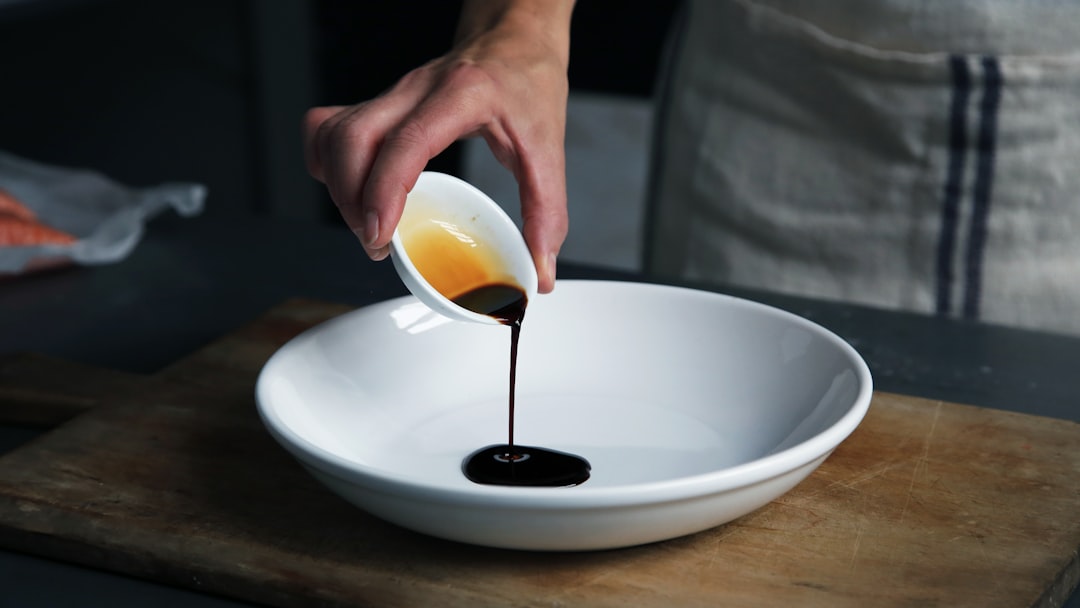
Stainless steel is also non-reactive, which means it plays nice with everything. Tomatoes, wine, citrus, vinegar — bring it all. I make my weeknight lemon-butter chicken in stainless steel without a second thought. Try that in a cast iron and you’ll be re-seasoning your pan by morning.
Cleaning is where stainless steel really pulls ahead. A quick soak, a swipe with a sponge, and you’re done. No delicate drying ritual, no thin coat of oil, no anxiety about rust spots appearing overnight. For someone like me who cooks three meals a day, that ease of cleanup matters more than I’d like to admit.
Where Each Pan Shines (And Where It Struggles)
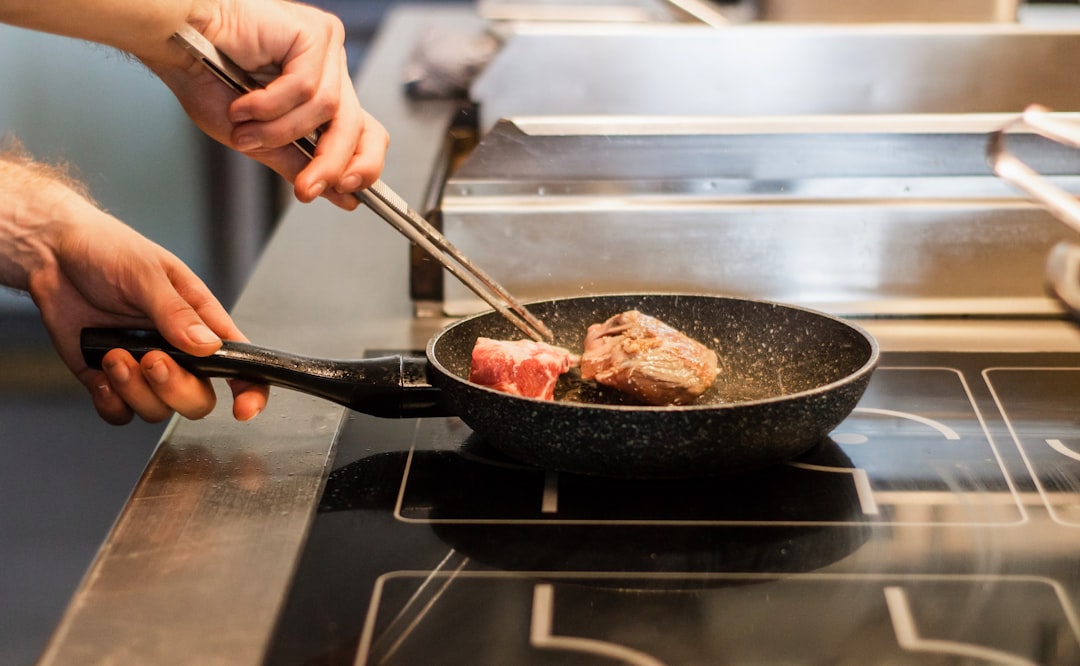
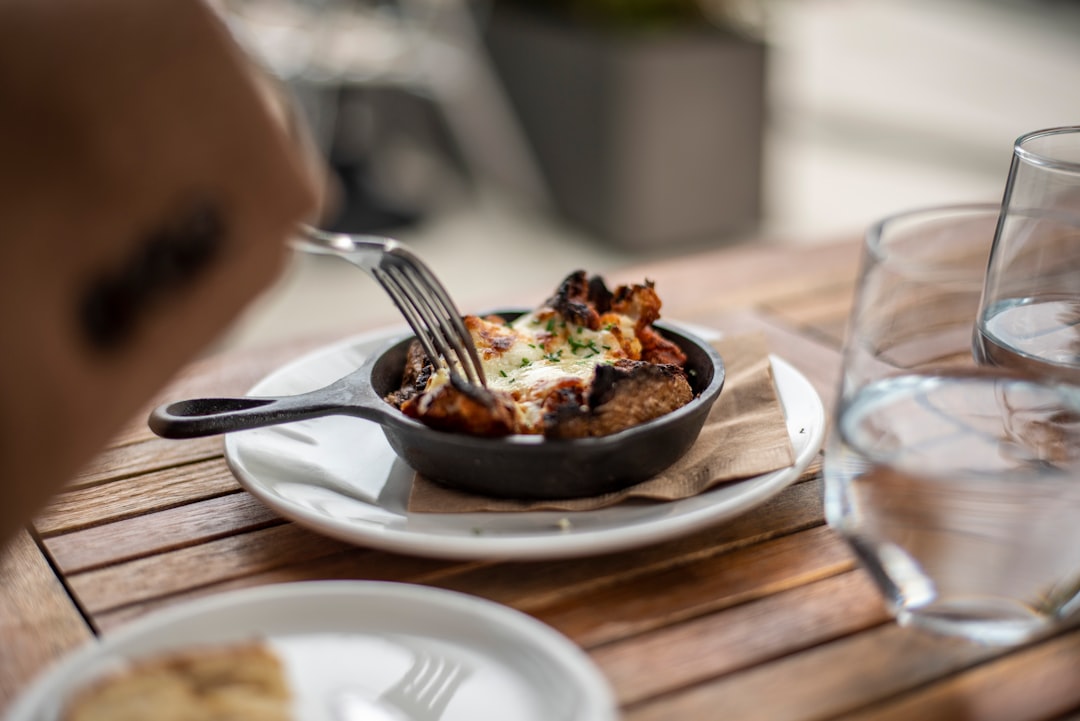
Let me save you years of trial and error with a straightforward breakdown. Cast iron is your best friend for anything that needs aggressive, sustained heat: searing steaks, frying chicken, baking cornbread or Dutch babies, roasting vegetables in the oven, and making smash burgers that get a crust like a diner dream. It’s also unbeatable for dishes that go from stovetop to oven — think skillet mac and cheese or shakshuka.
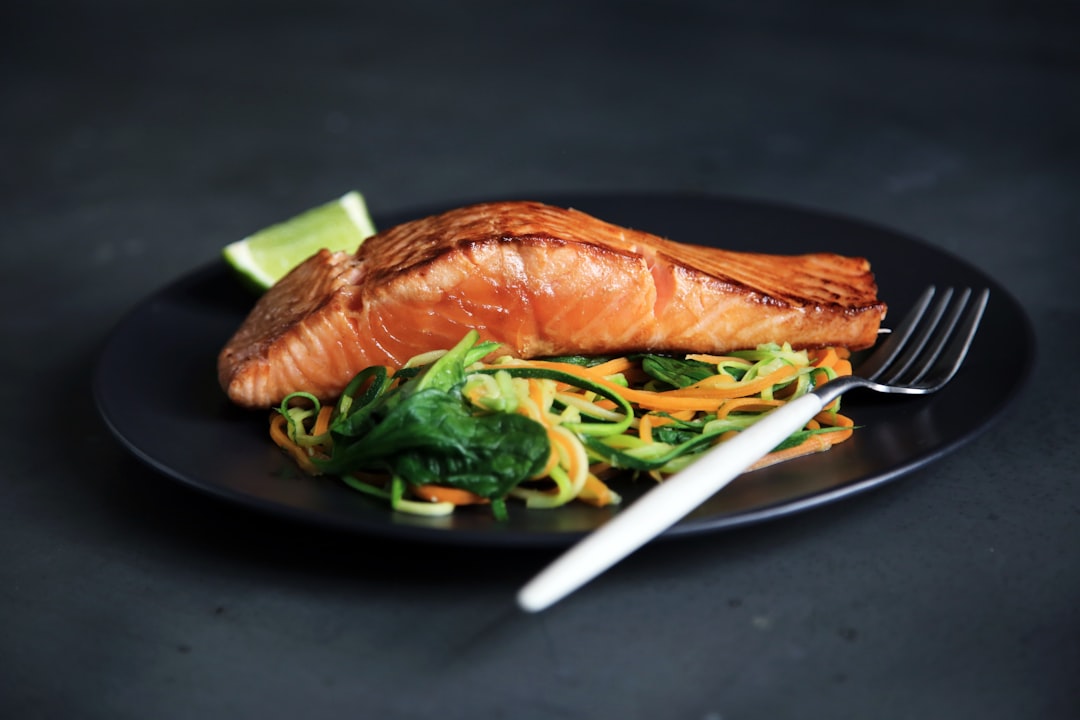
Stainless steel takes the crown for anything delicate or sauce-driven: sautéing fish, scrambling eggs (yes, even without nonstick coating if your heat control is decent), building pan sauces, braising with acidic liquids, caramelizing onions, and everyday sautéing of vegetables. It’s also lighter enough to toss ingredients with a flick of your wrist — a stir-fry in a stainless steel wok or large skillet feels effortless compared to manhandling a cast iron pan. I also keep a lidded stainless steel saucepan within arm’s reach for quick pan gravies, boiling grains, and whisking together weeknight sauces.
One thing I wish someone had told me earlier: stainless steel has a learning curve with sticking. The secret is patience. Heat the pan first, add your oil, wait until the oil shimmers, and then add your protein. If food sticks, it’s probably not ready to flip yet. Once that Maillard reaction does its thing, the food releases naturally. It’s like the pan is telling you when it’s time. Cast iron, once properly seasoned, is more forgiving on this front — but that seasoning process itself is where many home cooks give up.
The Seasoning Conversation: Less Scary Than You Think
People treat cast iron seasoning like it’s some ancient mystical art passed down through generations. Here’s the truth: it’s just oil that’s been heated past its smoke point until it polymerizes into a hard, slick coating. That’s it. You can achieve a decent seasoning by simply cooking with your skillet regularly — frying bacon, sautéing onions, making grilled cheese. The fat does the work for you.
If you’re starting from scratch or need to re-season, coat the pan with a paper-thin layer of flaxseed or canola oil, wipe off almost all of it (less is more — pooling oil turns sticky), and bake it upside-down at 450°F for an hour. Repeat two or three times and you’ll have a surface that eggs slide across like a curling stone on ice.
Stainless steel, bless its heart, needs none of this. Wash it, dry it, put it away. Done. There’s something deeply satisfying about that simplicity, especially on nights when the last thing I want to do is baby a pan before going to bed. I’ve also found that a stainless steel skillet is the best teaching tool for new cooks precisely because it gives you honest feedback — if your heat is wrong, the food tells you immediately. Cast iron’s mass can mask mistakes, which feels forgiving in the moment but doesn’t help you build better technique over time.
So Which One Should You Buy First?
If forced at knifepoint to choose — and honestly, I’ve had readers phrase it almost that dramatically — I’d say start with a 10-inch tri-ply stainless steel skillet. It handles 90% of everyday cooking with less maintenance and more versatility. You can sear, sauté, simmer, deglaze, and go from stove to oven without worrying about acid reactivity or rust.
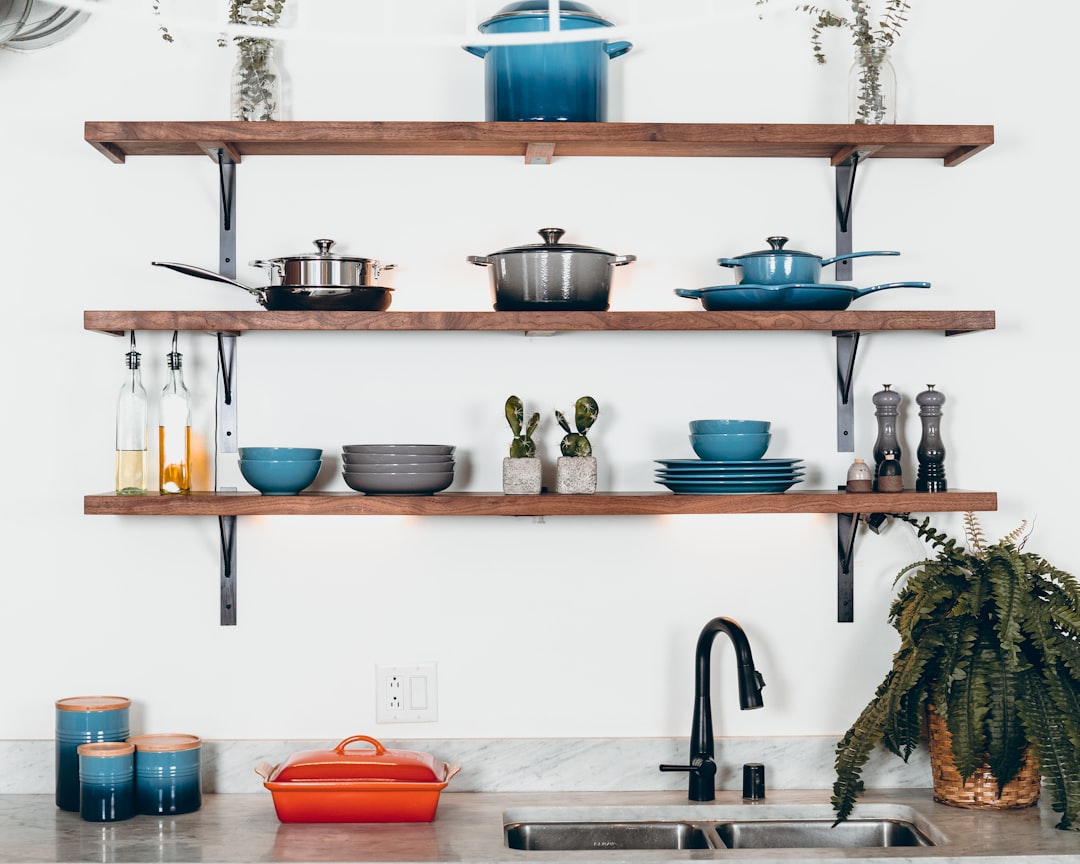
Then, as soon as your budget and cabinet space allow, add a cast iron skillet. A 10- or 12-inch pre-seasoned Lodge skillet costs less than a takeout dinner for two and will transform your steak game overnight. The two pans together cover virtually every cooking technique you’ll ever need at home.
One final note on weight and ergonomics that nobody talks about enough: if you have wrist issues, arthritis, or just don’t enjoy carrying heavy objects across a hot kitchen, stainless steel is dramatically easier to live with day to day. My 10-inch stainless skillet weighs about two and a half pounds. My 12-inch cast iron weighs nearly nine. That difference adds up when you’re draining hot fat, moving a pan from burner to oven, or simply washing up at the end of a long cooking session.
And if you want my honest, unsolicited opinion? Skip the “versus” framing entirely. My grandmother didn’t choose between her cast iron skillet and her stainless steel sauce pans — she used both, each for what it did best, and she fed a family of eight without ever reading a cookware review. Sometimes the old wisdom really is the best wisdom. Build your kitchen one intentional piece at a time, learn what each tool does well, and choose materials that will last instead of chasing trends.
If you’re rethinking your whole cookware setup, I wrote about kitchen habits I had to unlearn that might resonate — including why I stopped believing one pan could do it all. For more on how I paired down my cookware to the pieces that truly earn their keep, check out my counter space diet experiment and the kitchen splurges I wish I’d bought sooner.
3 thoughts on “Cast Iron vs. Stainless Steel: The Pan Debate That Changed My Kitchen Forever”