Standing in my tiny first apartment kitchen at twenty-two, I stared at a single sad skillet and a paring knife that couldn’t cut through butter, feeling completely overwhelmed. My grandmother’s voice echoed in my head: “You can’t make a masterpiece with the wrong brushes, Elena.” She was right, of course—she always was. But I also didn’t have a fortune to spend outfitting my kitchen from scratch. Sound familiar? If you’re just starting your culinary journey and wondering which tools are actually worth your hard-earned money, you’ve come to the right place. After twenty years of cooking in everything from cramped city apartments to my current test kitchen, I’ve learned that quality matters more than quantity, and the right tools can transform cooking from frustrating to joyful.
Let me save you the mistakes I made early on—like that cheap knife set that rusted after three months, or the gadget drawer full of single-use wonders I used exactly once. Here’s the truth about what you actually need to build a kitchen that works as hard as you do, with room in your budget for the good ingredients that matter most.
The Foundation: A Good Chef’s Knife
Everything starts here. A quality chef’s knife is the single most important tool in your kitchen—it’s your paintbrush, your sculpting tool, your best friend at the cutting board. I spent years using dull, frustrating blades that slipped and squashed instead of sliced. The day I finally invested in a proper 8-inch chef’s knife, my cooking transformed overnight. Suddenly, dicing onions wasn’t a chore to dread but a rhythmic meditation. Slicing through ripe tomatoes became effortless instead of a squishy disaster.
Look for a high-carbon stainless steel blade with a full tang (that means the metal runs all the way through the handle). It should feel balanced in your hand—not too heavy at the tip, not too light overall. You don’t need to spend hundreds, but do expect to invest $80-150 for something that will last decades with proper care. I still have my first good knife, fifteen years later, and it’s still going strong. Take care of it, keep it sharp, and it will take care of you through thousands of meals.
Cutting Boards: Your Daily Work Surface
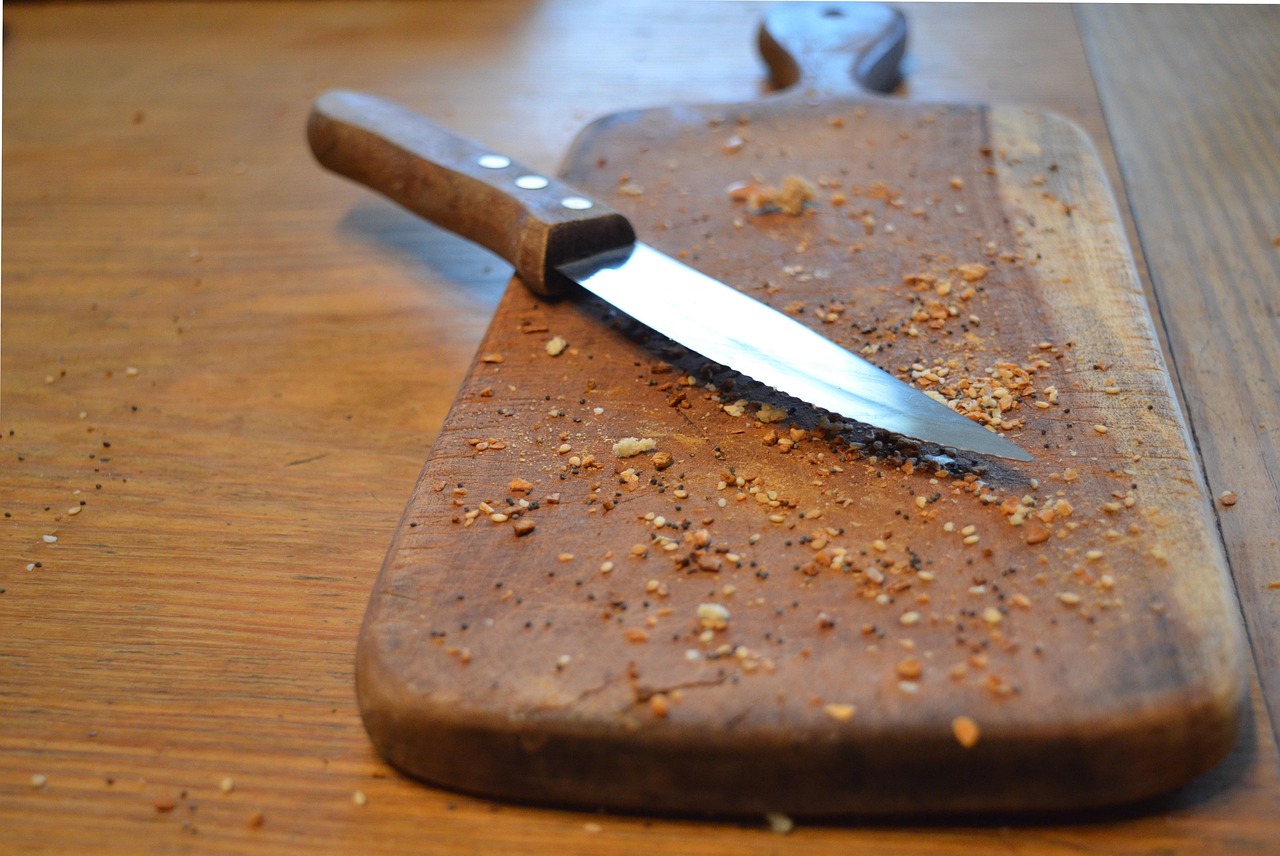
You might think any flat surface will do, but your cutting board choice affects everything from knife longevity to food safety. I learned this the hard way when I ruined my first good knife on a glass board that practically laughed at my blade’s edge. Here’s what I wish someone had told me: you need at least two boards—one for raw proteins, one for everything else. Wooden boards are gentle on knife edges and naturally antimicrobial, while plastic boards go directly into the dishwasher for sanitizing after meat prep.
Wooden boards develop a beautiful patina over time, telling the story of every meal you’ve made. I still use the board my grandfather gave me when I moved into my first place—it’s thinner now, darker with years of mineral oil treatments, but it’s got character you can’t buy. Look for edge-grain hardwood (maple, walnut, or cherry) that’s at least an inch thick. It won’t warp, it won’t dull your knives, and it’ll become one of your most beloved kitchen companions. Treat it monthly with food-safe mineral oil, and it’ll literally last generations.
Measuring: Precision Meets Practicality
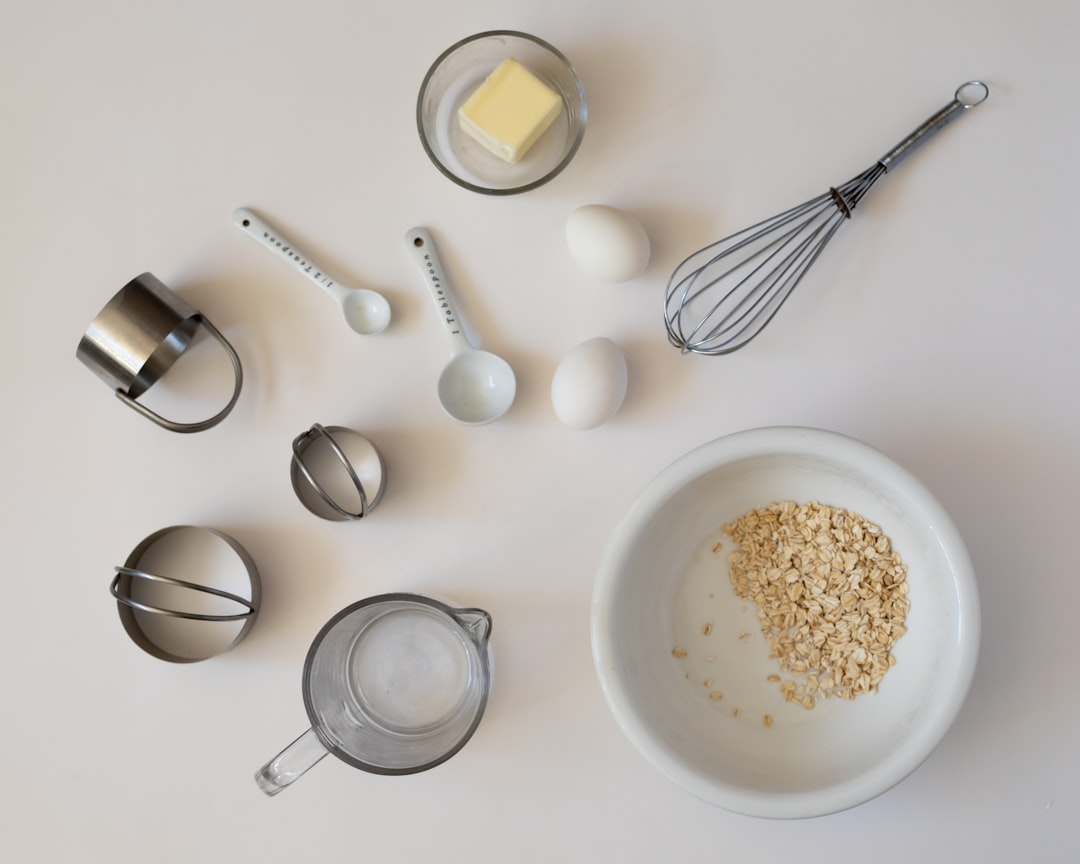
Baking is chemistry. Cooking is art. But both require some basic measuring tools, especially when you’re starting out. I can’t tell you how many early baking disasters I caused because I eyeballed “a cup of flour” that was actually more like “a heaping cup and a half.” Professional bakers measure everything by weight, and once you experience the consistency that brings, you’ll understand why. A digital kitchen scale costs about $25 and will revolutionize your baking—same recipe, same results, every single time.
For liquid ingredients, you’ll want clear measuring cups with pour spouts. I prefer glass over plastic because it doesn’t retain odors or stains, and you can see exactly what you’re measuring. For dry ingredients, nested metal cups are essential—you need to level off ingredients with a straight edge for accuracy, which you can’t do with liquid measures. Trust me, your chocolate chip cookies will thank you when you finally measure that flour correctly instead of packing it down and wondering why they turned into hockey pucks.
Skillets: The Workhorse Trio
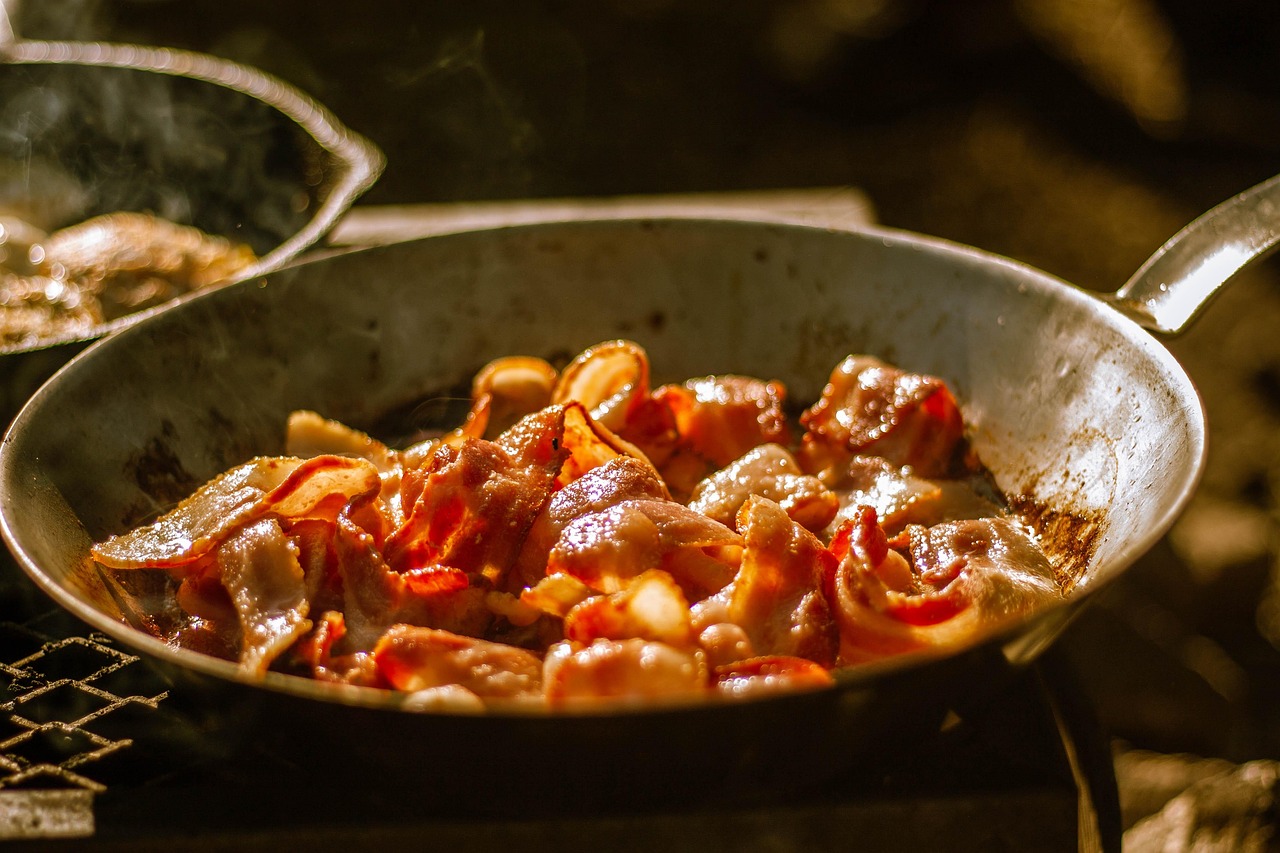
If you could only have three pans in your kitchen, make them these: a 10-inch cast iron skillet, a 12-inch stainless steel skillet, and a nonstick skillet for eggs and delicate fish. Each has its superpower, and together they cover 95% of stovetop cooking. Cast iron develops a naturally nonstick surface the more you use it, goes from stovetop to oven without complaint, and holds heat like nothing else. There’s a reason these pans last generations—my grandmother’s cast iron is still going strong after sixty years of daily use.
Stainless steel with an aluminum core is your workhorse for everything from searing steaks to building pan sauces. The stainless surface creates beautiful fond (those browned bits stuck to the pan after searing) that deglazes into incredible sauces. And when you need perfect sunny-side-up eggs or a delicate omelet that slides right out, nonstick is your friend. Just replace it when the coating starts to wear—usually every couple of years with regular use. This trio has served me through everything from weeknight stir-fries to dinner party risottos, and I’ve never felt limited.
Mixing Bowls: The Unsung Heroes
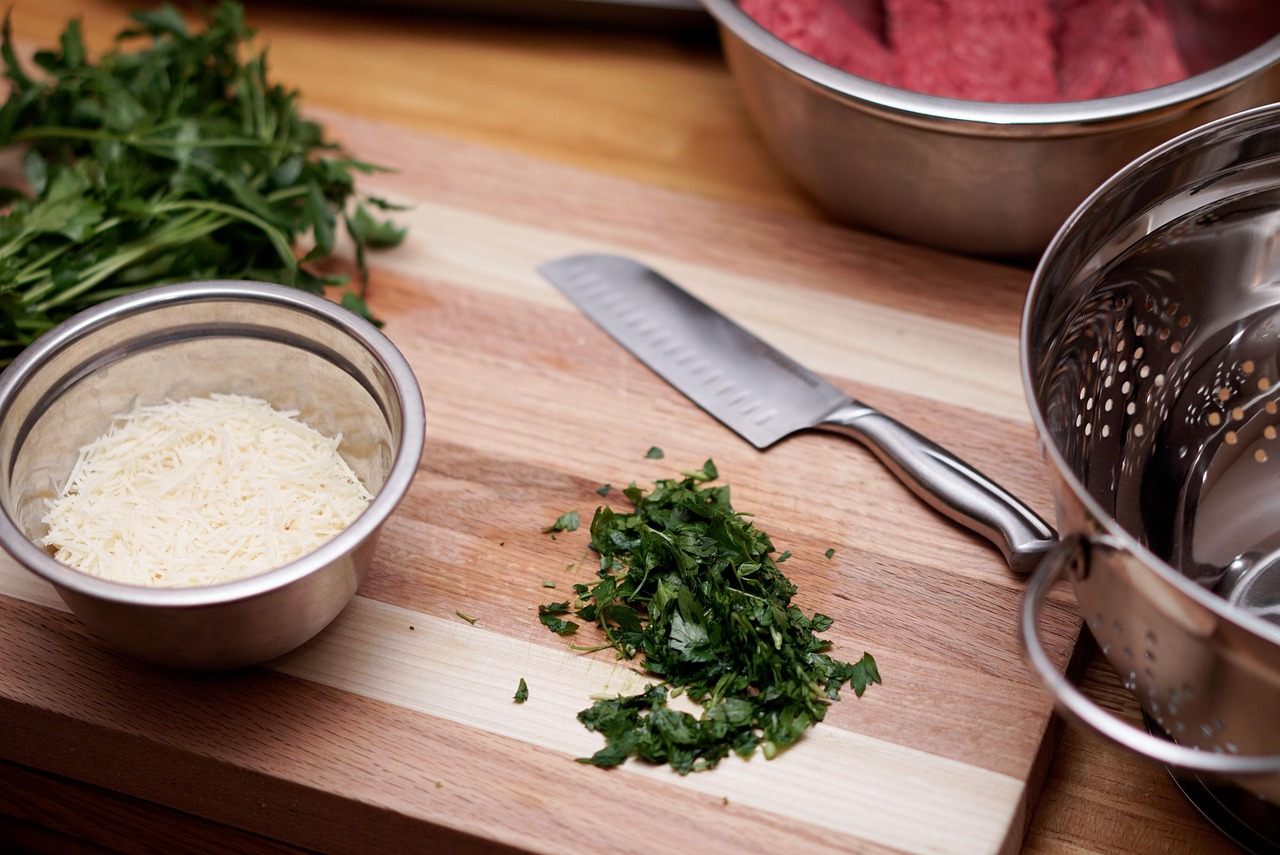
You’ll use mixing bowls for literally everything—tossing salads, marinating chicken, whipping cream, mixing cookie dough, rising bread dough, serving popcorn. I didn’t realize how much I’d use them until I finally upgraded from my mismatched collection to a proper set. Stainless steel is the gold standard: lightweight, unbreakable, odor-resistant, and they don’t retain stains from tomato sauce or turmeric. Look for a nesting set of at least four bowls—small, medium, large, and extra-large—and you’ll find yourself reaching for them daily.
The ones I use have measurements stamped inside, which is unexpectedly handy when you’re doubling recipes. They also double as serving bowls for casual meals or when you’re feeding a crowd and every serving dish is pressed into service. I’ve used my largest mixing bowl for everything from potato salad at summer barbecues to brining a Thanksgiving turkey. Trust me, you’ll wonder how you lived without them once you have a good set.
Utensils: The Everyday Essentials
You don’t need a gadget drawer full of single-use tools, but you do need a few high-quality utensils that will work hard every day. A sturdy silicone spatula is non-negotiable—it scrapes every last bit of batter from bowls, folds ingredients together gently, and handles heat like a champ. Metal tongs are essentially an extension of your hand at the stove, flipping meats, tossing pasta, and retrieving hot items from the oven. A wooden spoon is timeless, gentle on cookware, and perfect for stirring everything from soups to risotto.
Add a ladle for soups and sauces, a slotted spoon for serving, and a vegetable peeler that actually works without requiring forearm strength of steel, and you’re set for 99% of kitchen tasks. I’ve bought cheap utensils that bent or melted, and I’ve bought quality ones that are still in my utensil crock after years of daily use. The difference is about ten dollars per item and years of frustration-free cooking. Quality matters, especially for tools you use every single day.
Storage: The Organized Kitchen
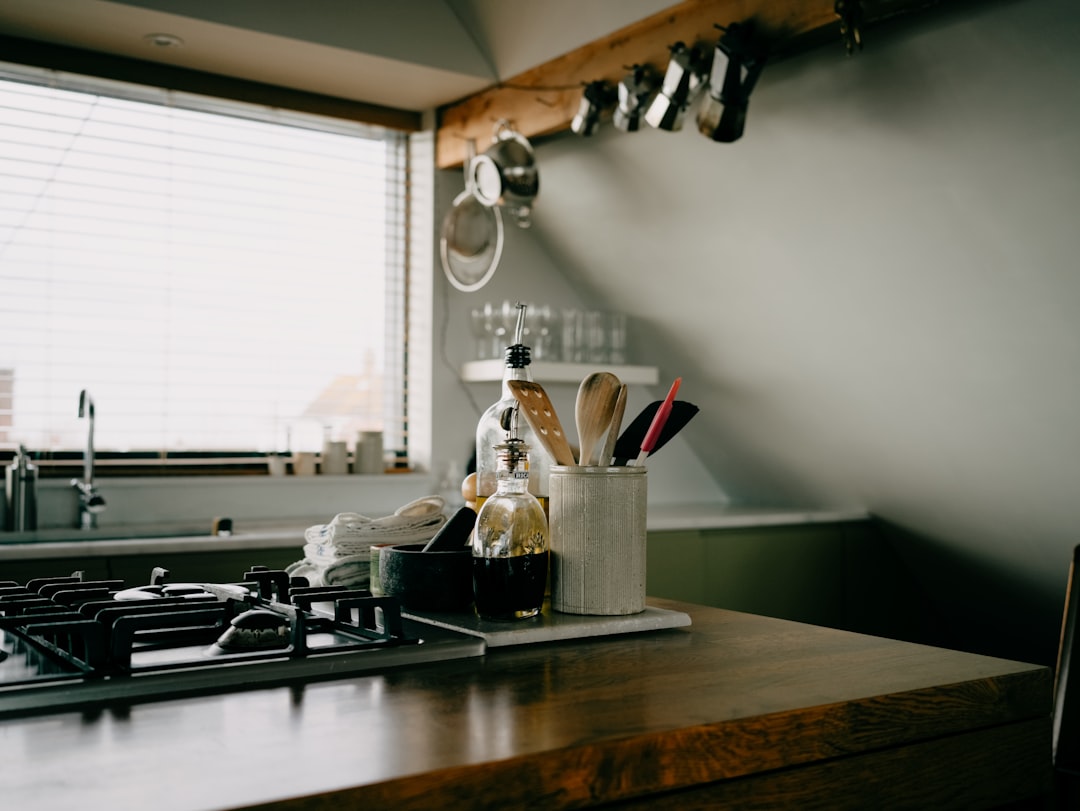
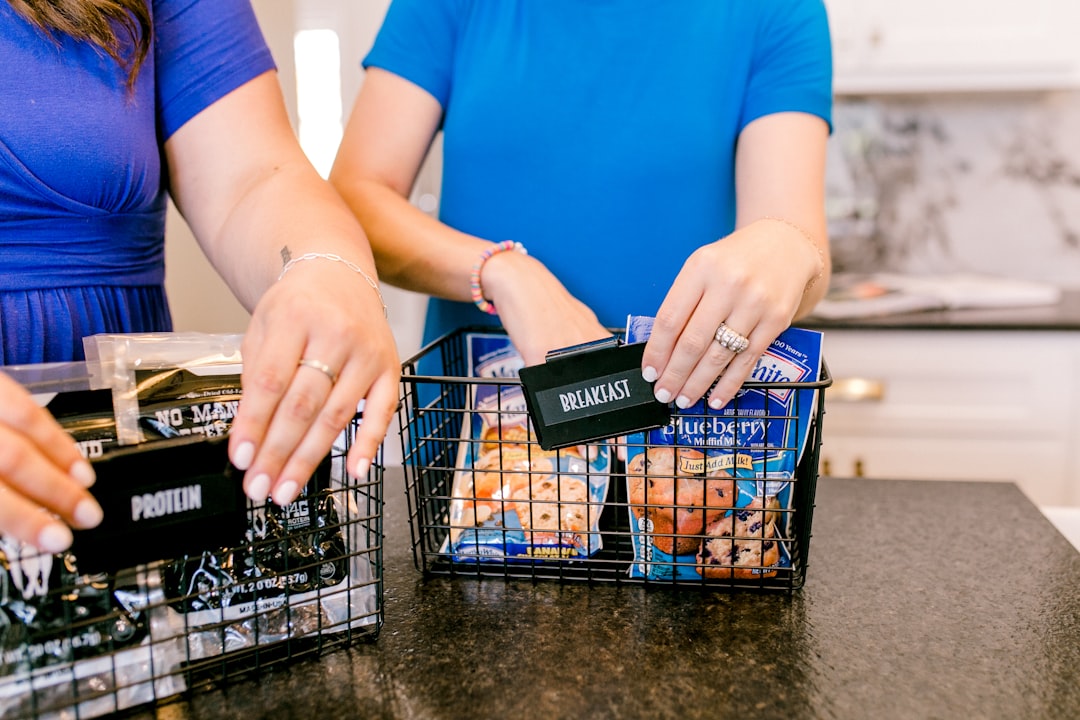
Nothing kills cooking joy faster than searching through a disorganized mess for the one ingredient you know you bought. Good food storage containers are worth every penny, keeping ingredients fresh and your sanity intact. I prefer clear glass containers—they don’t stain, they don’t retain odors, and you can see exactly what’s inside at a glance. Square or rectangular shapes stack efficiently in the fridge and freezer, unlike round containers that waste space with gaps.
For dry goods like flour, sugar, pasta, and grains, airtight containers are absolutely essential. I learned this lesson after weevils invaded my flour supply (a nightmare I wouldn’t wish on anyone). Now everything goes into airtight containers the moment it comes home from the store. It looks beautiful, stays fresh longer, and you can see exactly what you have at a glance, which prevents overbuying and food waste. Plus, opening an organized pantry every morning? It’s a little moment of joy that sets the tone for the whole day.
Small Appliances: Choose Wisely
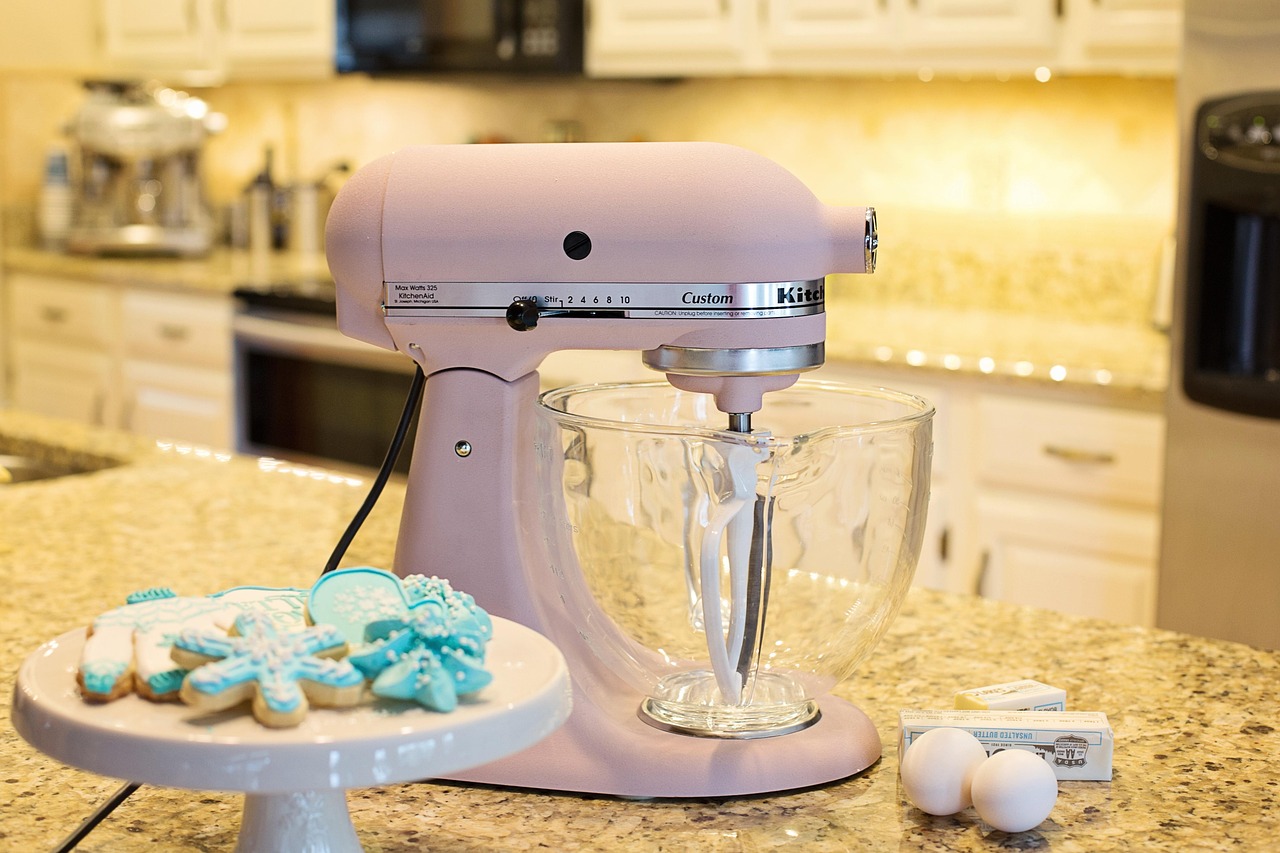
I’ve bought more small appliances than I care to admit, many of which gathered dust after the novelty wore off. But three have earned permanent counter space in my kitchen: a stand mixer, a food processor, and an immersion blender. A stand mixer is an investment, but if you bake even occasionally, it’s transformative—kneading bread dough in minutes, whipping cream to peaks without arm fatigue, creaming butter and sugar until perfectly light. Mine has paid for itself many times over in time saved alone.
A food processor makes quick work of tedious tasks: chopping onions without tears, shredding cheese in seconds, making pie dough from scratch without overheating the butter. And an immersion blender is pure magic for soups—puree directly in the pot without transferring hot liquids to a blender. I use mine more than I expected, for everything from creamy soups to quick salad dressings and even smoothing out lumpy gravy. Start with what you actually need, and expand gradually as your cooking interests develop. Your counters—and your wallet—will thank you.
Beyond the Basics: When You’re Ready to Grow
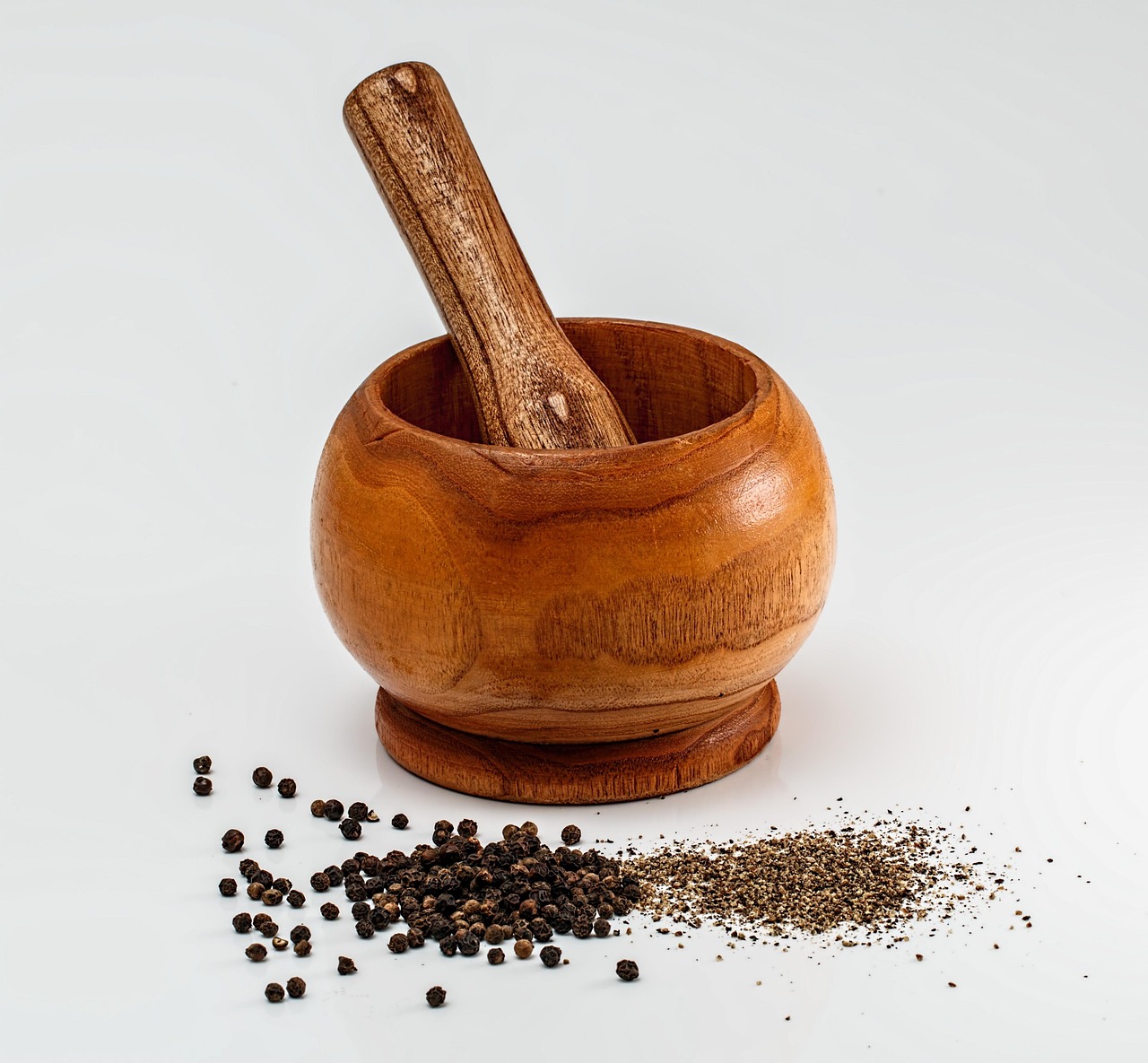
The tools above will serve you beautifully through years of cooking, and you absolutely don’t need anything else to create wonderful meals. But as your confidence grows and your interests expand, you might find yourself drawn to specialty tools. A kitchen scale for precise baking, a mortar and pestle for grinding fresh spices, a mandoline for uniformly thin slices—these aren’t essentials, but they can make specific tasks easier and more enjoyable.
The key is to add intentionally, based on what you actually cook and enjoy making. If you never bake bread, you don’t need a baker’s lame or a proofing basket. If you love stir-fries, a carbon steel wok might be your next great investment. My philosophy: buy when you hit a genuine need, not just because something looks cool in a catalog. That’s how you end up with gadgets gathering dust instead of tools that spark joy every time you use them.
Care: Protecting Your Investment
Quality tools last when you care for them properly, and a little maintenance goes a long way. Hand wash your good knives—dishwasher detergents are harsh on blades and can damage handles. Dry them immediately instead of leaving them in a wet sink. Store knives on a magnetic strip or in a knife block, never loose in a drawer where blades bang against each other. Wooden cutting boards need regular oiling—once a month if you use them frequently—to prevent drying and cracking. Cast iron needs to be kept dry and lightly oiled to maintain its seasoning.
Most importantly, use your tools. That’s what they’re made for, and there’s something deeply satisfying about watching a well-loved tool develop character over years of use. My grandmother’s wooden spoon is smooth from thousands of stirs, my favorite skillet has developed a dark, perfectly seasoned patina, and that first good chef’s knife has been sharpened so many times it’s slightly shorter than when I bought it. These tools tell the story of my cooking journey, and I wouldn’t trade them for brand-new replacements.
Building Your Kitchen: A Practical Approach
You don’t have to buy everything at once. Start with the absolute essentials—a good knife, a cutting board, one skillet, a mixing bowl, basic utensils—and add as you go. Each month, choose one tool to upgrade or acquire based on what you’ve been cooking and where you’ve felt limited. This gradual approach spreads out the cost and ensures every purchase is intentional and useful. Within a year, you’ll have a well-equipped kitchen that reflects your actual cooking style, not some generic wish list.
And remember: the most important tool in your kitchen isn’t something you can buy. It’s the confidence and experience you build with every meal you make. I’ve cooked with subpar tools in rental kitchens and created memorable meals. I’ve cooked with every possible gadget in a perfectly equipped kitchen and had dishes fall flat. Tools help, but they’re not what makes you a good cook. Practice, curiosity, and willingness to learn from mistakes—that’s what truly matters.
The Joy of a Well-Equipped Kitchen
Standing in my kitchen now, surrounded by tools that have served me faithfully through years of daily cooking, I’m grateful for the wisdom I’ve gained: quality matters more than quantity, the right tool makes all the difference, and building a kitchen intentionally is deeply satisfying. When I reach for my grandmother’s wooden spoon or the skillet I’ve used for a decade, I feel connected to all the meals that came before and all the meals still to come.
Cooking should be joyful, not frustrating. The right tools remove friction and let you focus on what matters: creating delicious food, nurturing yourself and the people you love, and building skills that will serve you for a lifetime. Start with the essentials, buy the best quality you can afford, care for your tools, and they’ll take care of you. Your kitchen is waiting. Let’s make something wonderful together.
3 thoughts on “Essential Kitchen Tools for Beginner Home Cooks: Build Your Kitchen with Confidence”