There’s a pot in my kitchen that’s older than I am. It’s a cream-colored enameled Dutch oven that belonged to my grandmother, and it has made thousands of meals across six decades — Sunday pot roasts, bubbling fruit cobblers, loaves of crusty no-knead bread, and enough soup to feed half the neighborhood during a blizzard. The enamel has a few tiny chips near the rim. The bottom has developed a warm, dark patina that no amount of scrubbing will remove. And honestly? That’s exactly how it should look.
I didn’t always appreciate that pot the way I do now. For years, it sat in the back of my mother’s cabinet while I gravitated toward lighter, flashier cookware — nonstick pans with silicone handles, anodized aluminum saucepans, a rainbow of enameled skillets from trendy brands. It wasn’t until culinary school, when a chef instructor dropped a massive cast iron Dutch oven onto the demo counter and said, “This right here is the only pot you truly need,” that something clicked. I went home that weekend, pulled my grandmother’s pot from the cabinet, and started cooking with it the way she always had — without fear, without fuss, and with complete confidence that whatever went inside would come out beautifully.
That’s the thing about a Dutch oven that most people don’t realize until they own one: it’s not just a pot. It’s a roasting pan, a bread oven, a deep fryer, a soup kettle, a braising vessel, and a stovetop-to-table showpiece all rolled into one heavy, gorgeous piece of cookware. And if you choose wisely, it will outlast every other item in your kitchen — maybe even you. If you’re in the market for your first Dutch oven or ready to upgrade from a flimsy imitation, here’s everything I’ve learned after two decades of cooking in them.
What Exactly Makes a Dutch Oven So Special?
The magic comes down to three things: thick walls, a tight-fitting lid, and material that holds heat like nothing else. A proper Dutch oven is made from either bare cast iron or cast iron coated in enamel, and both versions share the same superpower — they distribute heat evenly and retain it for a remarkably long time. That means no hot spots that burn the bottom of your stew while the top stays lukewarm. No temperature roller coasters when you add cold ingredients to a hot pot. Just steady, even, reliable heat that transforms tough cuts of meat into fork-tender masterpieces and turns simple dough into bakery-quality bread.
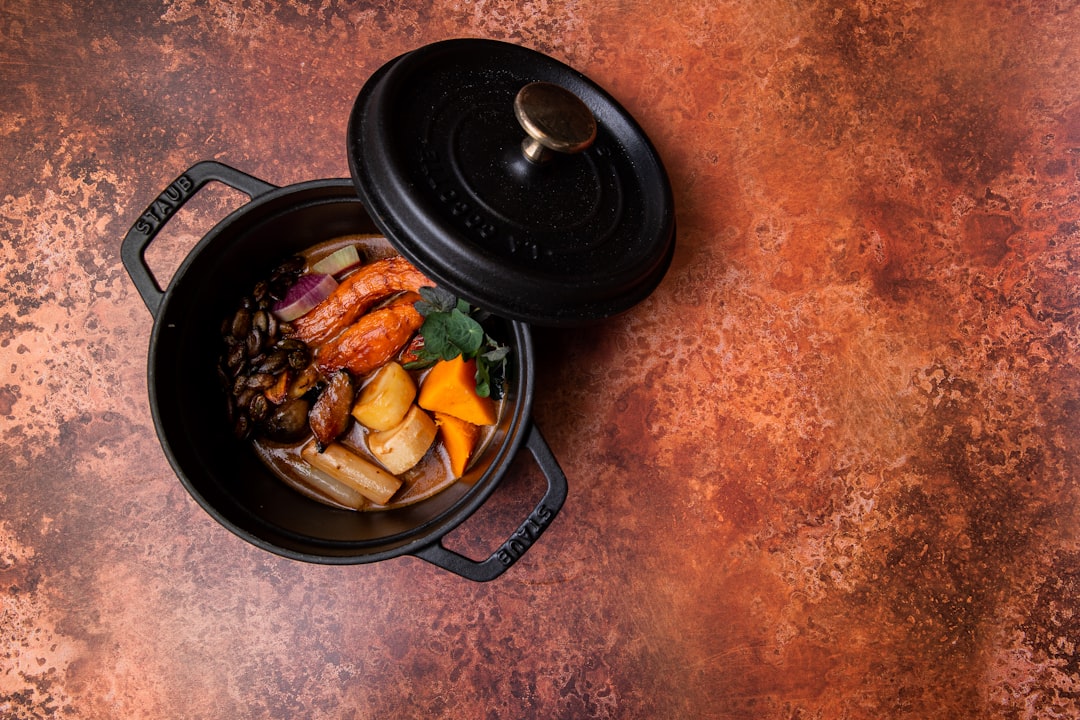
The heavy lid is the other half of the equation. When you put it on, it creates a sealed environment that traps steam and recirculates moisture back into whatever you’re cooking. That’s the secret to braising — the technique that turns a $4 chuck roast into something that tastes like it came from a fine dining kitchen. It’s also why Dutch oven bread works so beautifully; the trapped steam creates that crackly, shattering crust that home bakers spend years trying to achieve with tricks like spraying water into a hot oven or tossing ice cubes onto a preheated sheet pan.
Enameled vs. Bare Cast Iron: Which One Deserves a Spot on Your Stove?
This is the question I get asked more than any other, and the honest answer is: it depends on how you cook. Both materials cook identically — same heat distribution, same retention, same versatility. The difference is entirely in the maintenance and the experience of using them day to day.
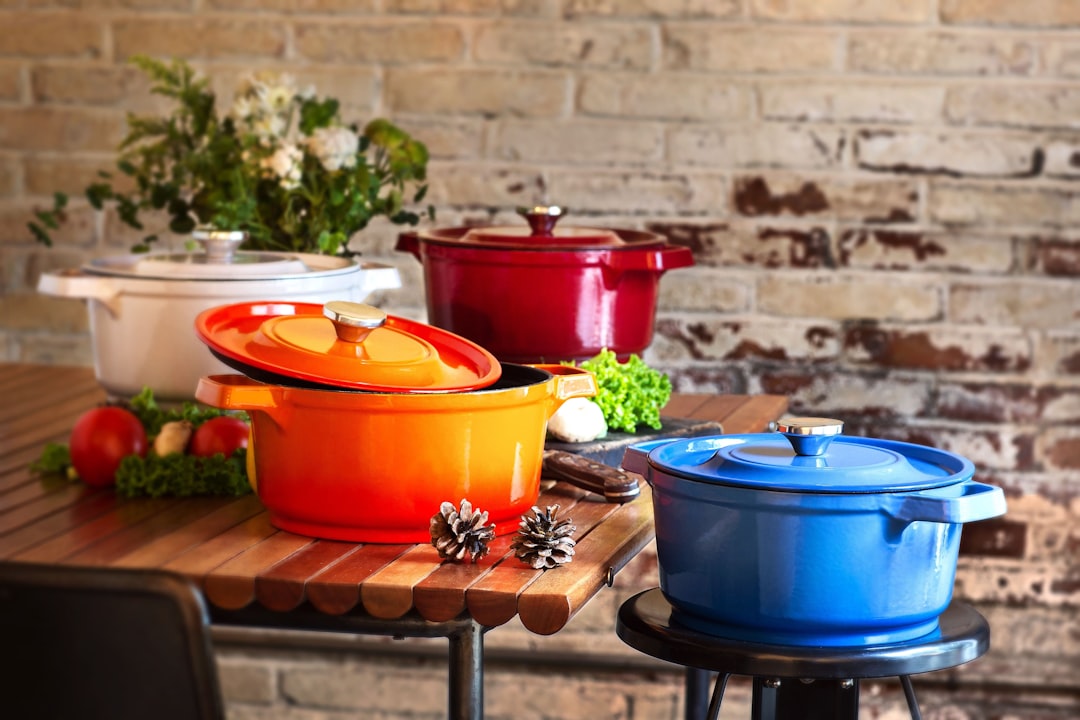
Enameled cast iron is what most people picture when they think “Dutch oven.” Brands like Le Creuset and Staub built their reputations on these gorgeous, colorful pots that look just as good on a dinner table as they do on the stovetop. The enamel coating means you don’t need to season the pot, you can cook acidic foods like tomato sauce and wine braises without worrying about a metallic taste, and cleanup is as simple as warm soapy water and a sponge. My grandmother’s pot is enameled, and it’s the type I recommend for most home cooks — especially anyone who wants low-maintenance cookware that still performs at the highest level.
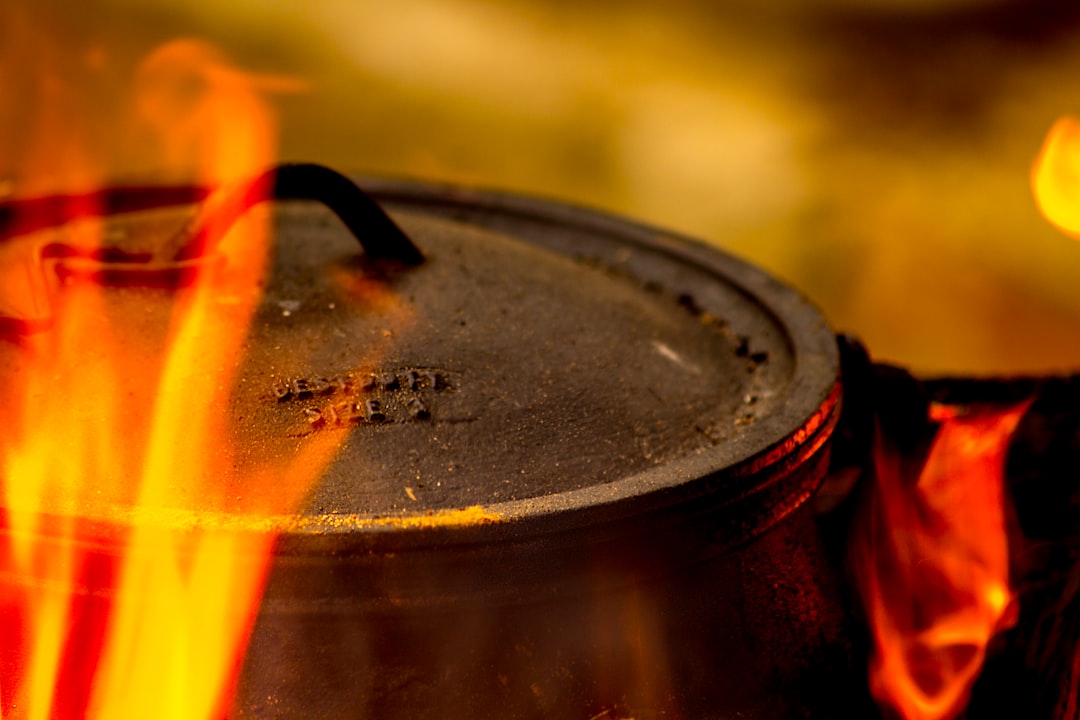
Bare cast iron Dutch ovens require the same seasoning routine as a cast iron skillet — something I covered in detail in my cast iron skillet care guide. You need to build up that natural nonstick seasoning, avoid prolonged contact with acidic ingredients, and dry thoroughly after washing to prevent rust. The payoff? Bare cast iron can go directly over an open flame or charcoal, making it the undisputed champion of outdoor cooking. If you love campfire cooking or want a pot you can take camping, a bare cast iron Dutch oven is your best friend. I wrote more about the broader cast iron conversation in my piece on cast iron vs. stainless steel, which dives into which material makes sense as your first major cookware investment.
Size Matters: Picking the Right Capacity for Your Kitchen
Dutch ovens range from cute 1-quart individual servers to massive 15-quart pots that could feed a small army. For most home cooks, the sweet spot is 5 to 7 quarts. A mid-size Dutch oven around 5.5 quarts hits the ideal balance of capacity and manageability. That’s large enough to hold a whole chicken, braise a pork shoulder, simmer a big batch of chili, or bake a generous round of bread. It’s small enough to still be manageable when full — because let me tell you, a 7-quart Dutch oven loaded with stew weighs enough to make you grateful for the helper handles on the sides.
If you’re cooking for one or two people most of the time, a 3.5 to 4.5 quart model will serve you well without taking up half your stove. If you regularly cook for crowds, batch cook for the week, or want to make stock from scratch, go for 7 to 9 quarts. I keep two Dutch ovens in my own kitchen — a 5.5-quart enameled pot for everyday cooking and a 7.25-quart bare cast iron version for outdoor cooking and big projects. They earn their cabinet space every single week.
The Shape Question: Round vs. Oval
This decision seems small, but it can genuinely affect how often you reach for your pot. Round Dutch ovens are the most versatile for general cooking — soups, stews, curries, bread, deep frying, you name it. They heat evenly from all sides, and their symmetrical shape makes them efficient on round burners.
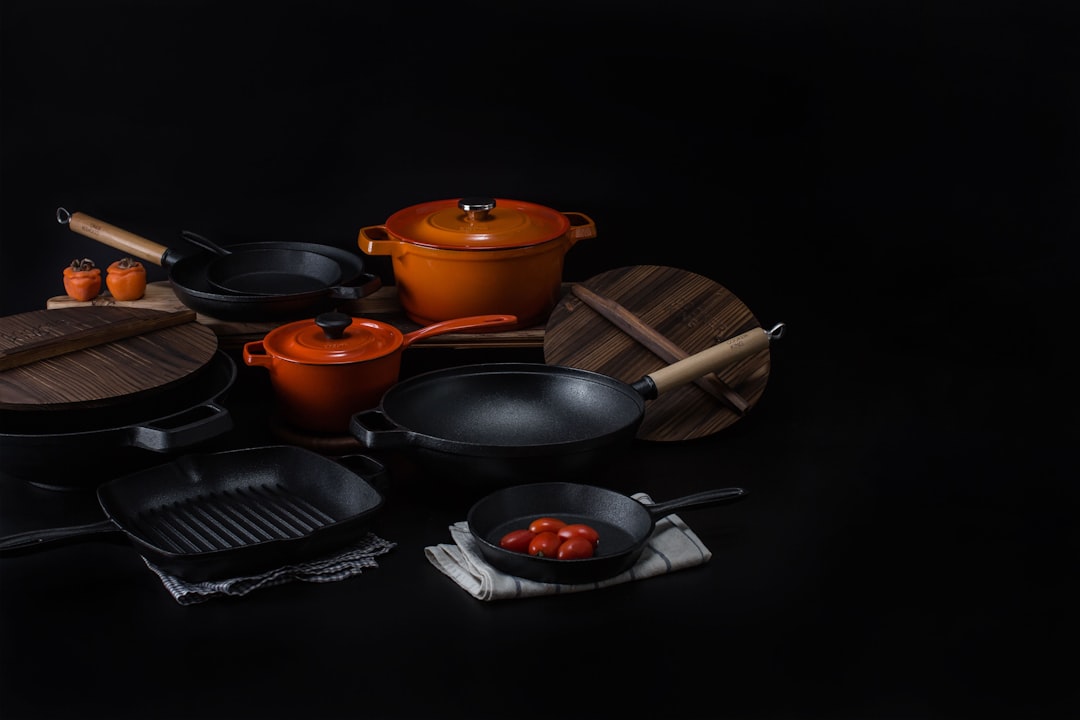
Oval Dutch ovens, on the other hand, are purpose-built for one thing they do phenomenally well: roasting whole cuts of meat. A whole chicken, a pork loin, a rolled roast — these fit beautifully in an oval pot with room to surround them with vegetables and braising liquid. An oval pot can do everything a round one can, but the shape doesn’t heat quite as efficiently on round burners, and it takes up more real estate on your stovetop and in your cabinet. My advice? If you roast whole poultry or large cuts regularly, go oval. Otherwise, round is your workhorse.
What to Actually Look For When Shopping
Beyond material, size, and shape, there are a few details that separate a Dutch oven you’ll love from one you’ll regret. First, check the lid. It should be heavy — noticeably heavy — and fit snugly with almost no gap around the edges. A lid that wobbles or rocks means steam will escape, and you’ll lose the self-basting magic that makes braised food so incredible. Some premium pots have self-basting spikes on the underside of the lid (Staub is famous for this), which catch condensation and drip it back down onto the food. It’s a small detail that genuinely improves results.
Next, look at the handles. You want large, sturdy handles on both sides of the pot, plus a substantial knob on the lid. When that pot is full of piping-hot stew, you need to be able to get a secure grip with thick oven mitts. Tiny decorative knobs might look elegant, but they’re frustrating in practice. Also, if you plan to bake bread in your Dutch oven (and you absolutely should), make sure the lid knob is oven-safe to at least 500°F — replacement stainless steel knobs are an easy fix if yours isn’t — some plastic and composite knobs melt at high temperatures, though many can be replaced with stainless steel knobs.
Finally, consider the interior finish. Light-colored enamel (cream or white) lets you see browning clearly, which is incredibly helpful when you’re developing a fond on the bottom of the pot. Dark enamel looks sleek but makes it harder to judge color. For bare cast iron, a smooth interior surface is what you want — rough, pebbly finishes are a sign of lower-quality casting.
How Much Should You Spend? (And When to Splurge)
Here’s where I’ll be completely honest with you: the price range for Dutch ovens is wild. You can spend $40 or $400, and the gap in performance is not as dramatic as the price tags might suggest. Budget-friendly options from brands like Lodge deliver genuinely excellent cooking results. Their cast iron is well-made, their enamel quality has improved dramatically in recent years, and a Lodge Dutch oven will cook a pot of beef bourguignon just as well as a pot that costs five times more.
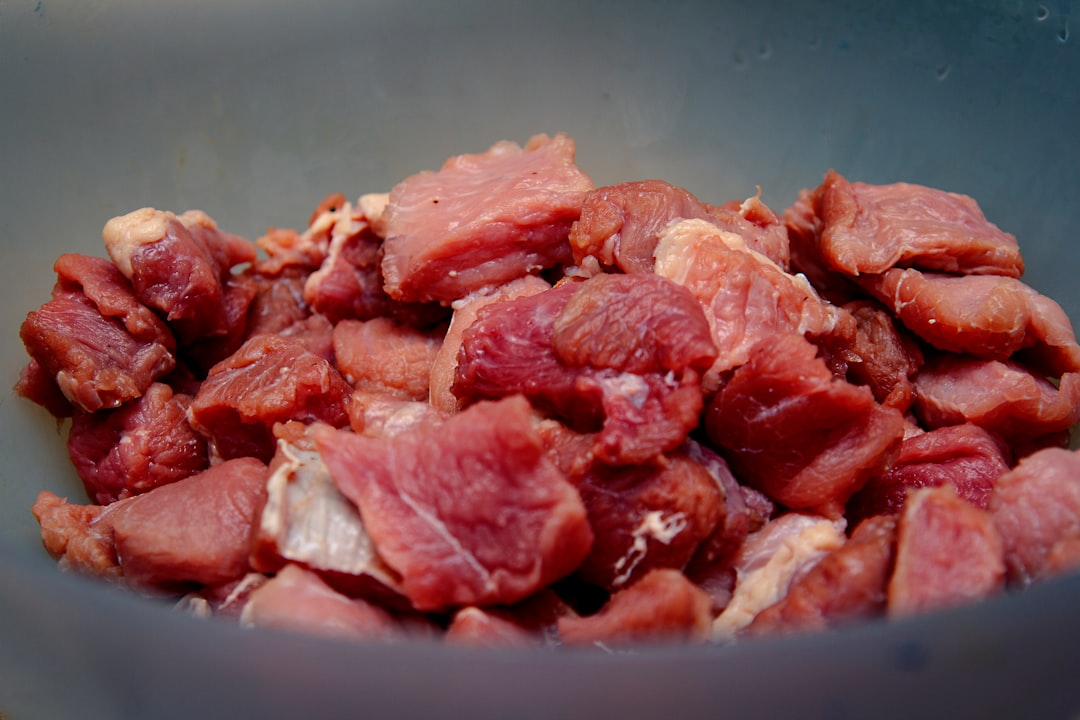
So what are you paying for when you invest in a premium brand? Primarily, it’s about the quality of the enamel. Higher-end pots have thicker, more chip-resistant enamel that holds up to decades of daily use. The fit and finish tends to be better — tighter lids, smoother edges, more consistent casting. And let’s be real: there’s an aesthetic component. A cherry red Le Creuset sitting on your stovetop brings a certain joy to cooking that a plain black pot simply doesn’t. As I mentioned in my piece on kitchen splurges worth every penny, a good Dutch oven is one of the few cookware investments that genuinely pays for itself over time.
My recommendation for most people: start with a mid-range enameled Dutch oven in the $60-$120 range. Cook with it for a year. If you find yourself reaching for it constantly — and you will — then consider upgrading to a premium pot that you’ll pass down to someone you love. That’s exactly what my grandmother did, and her pot is still the best one in my kitchen.
The Dishes That Will Make You Fall in Love With Your Dutch Oven
Once you have one, the cooking possibilities are genuinely staggering. Let me share the dishes that converted me from a casual user to someone who considers her Dutch oven the single most important tool in the kitchen.
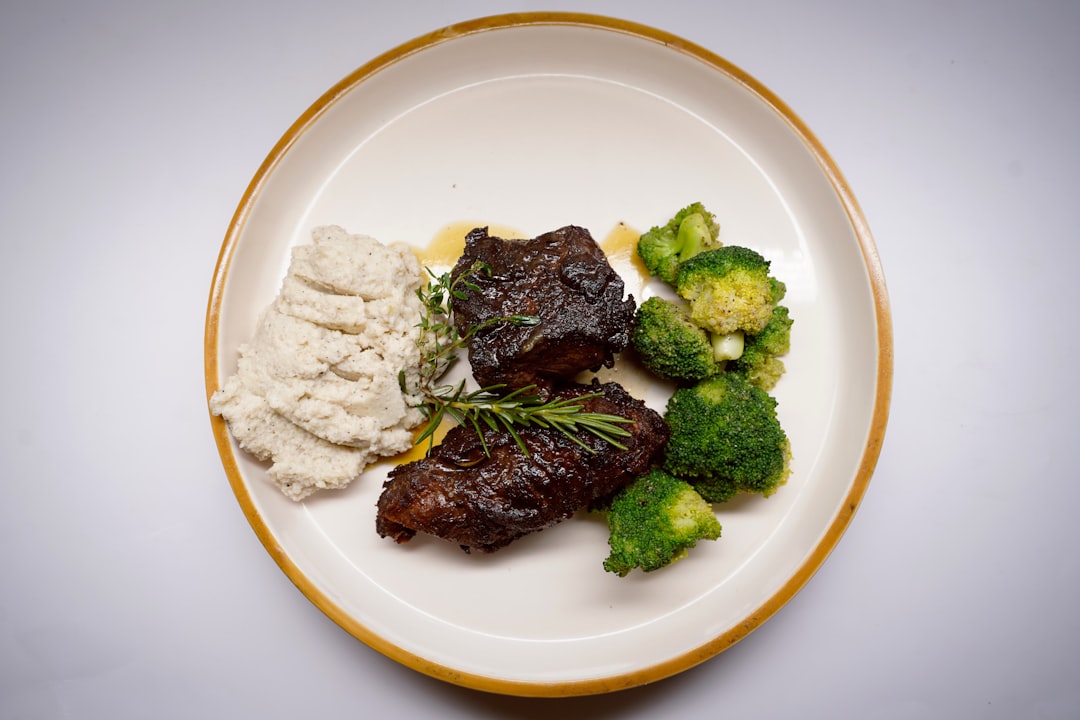
Braised short ribs with red wine and root vegetables. Sear the ribs until they’re deeply browned, sauté aromatics in the rendered fat, deglaze with wine, add stock and herbs, cover, and slide the whole thing into a low oven for three hours. What comes out is impossibly tender meat in a sauce so rich and glossy it tastes like it took a professional chef all day. Your Dutch oven made it almost effortless.
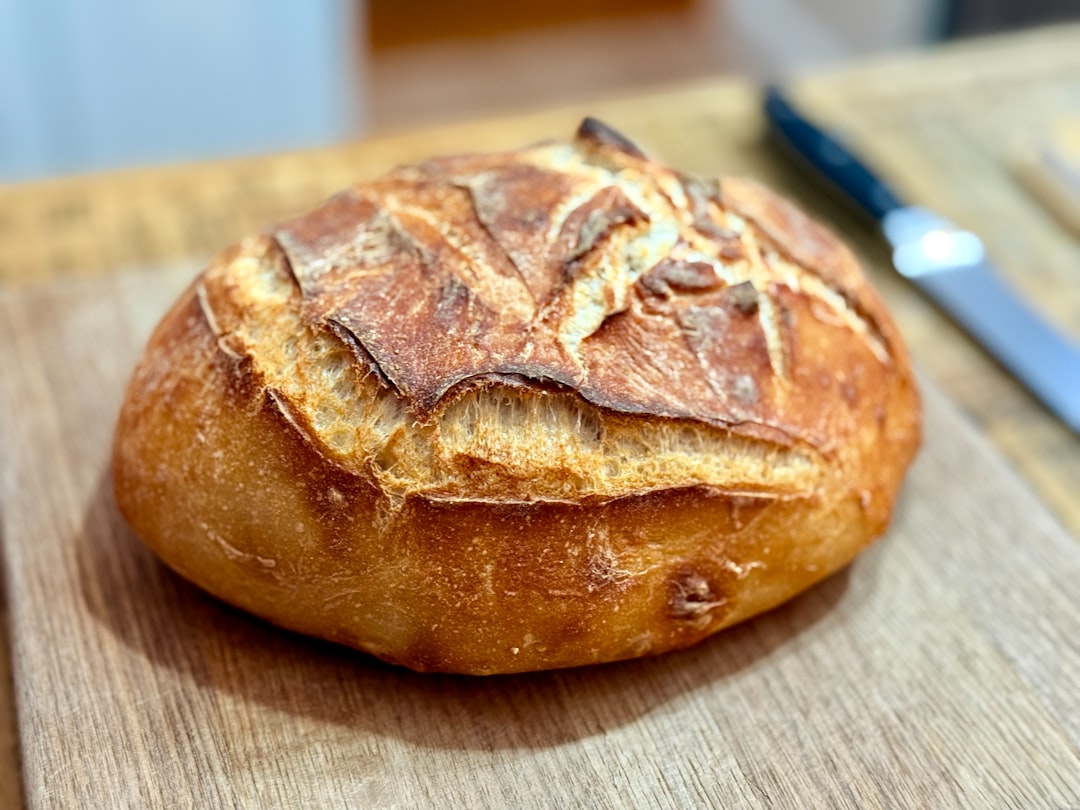
No-knead bread. Mix flour, water, yeast, and salt in a bowl. Let it sit overnight. Plop the dough into a screaming-hot Dutch oven, cover, and bake. Thirty minutes covered, fifteen uncovered. You’ll pull out a loaf with a crackly, artisanal crust and a soft, open crumb that rivals any bakery — no kneading, no shaping skills, no special equipment beyond the pot itself. If you bake bread even occasionally, the Dutch oven pays for itself.
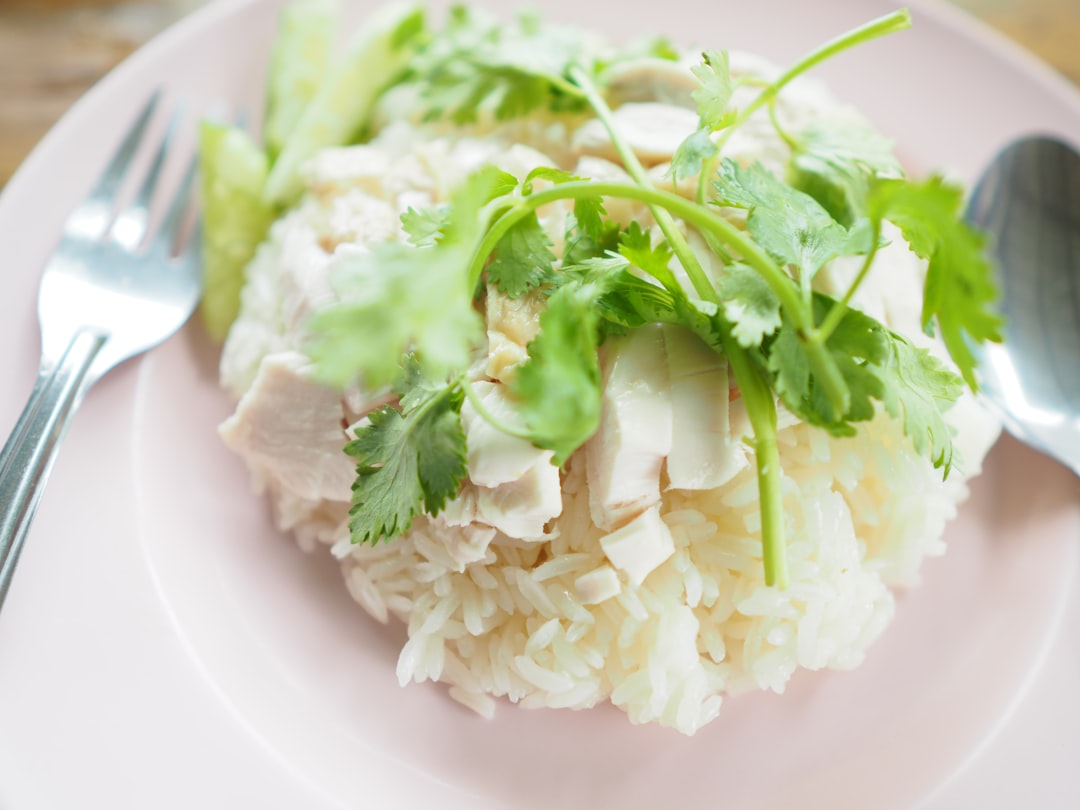
One-pot chicken and rice. Brown chicken thighs in the pot, remove them, sauté onions and garlic, toast the rice in the rendered fat, add stock and spices, nestle the chicken back in, cover, and bake. The rice absorbs every bit of flavor from the chicken and aromatics, developing a crispy bottom layer called socarrat that will have people fighting over the last scoop.
A Quick Note on Care (Because This Pot Deserves a Little Love)
The beauty of a Dutch oven is that it asks for very little in return for decades of faithful service. Enameled versions just need hand washing with warm soapy water and a soft sponge. For stubborn stuck-on bits, a soak with warm water and a little baking soda will do the trick — never use metal scouring pads or abrasive cleaners on enamel. Bare cast iron follows the same care principles as cast iron skillets: wash, dry thoroughly, apply a thin layer of oil, and store.
One thing I see people worry about unnecessarily is enamel discoloration. Over time, the inside of your enameled pot may develop a slightly darker, brownish residue — especially if you frequently cook acidic foods at high heat. This is completely normal and doesn’t affect cooking performance at all. If it bothers you, a paste of baking soda and water applied with a soft cloth will lighten it. But honestly? I consider that patina a badge of honor. It means the pot has been loved and used well.
And if you’re curious about the broader world of safe, durable cookware materials, I covered the latest developments in my article about the non-toxic cookware revolution. Cast iron and enameled cast iron are about as non-toxic as cookware gets — no synthetic coatings, no chemicals leaching into your food, just pure time-tested materials.
My Honest Recommendation After Twenty Years
If you take nothing else from this, hear this: a Dutch oven is not a luxury purchase. It’s the most practical, versatile, and durable piece of cookware you can own. It replaces multiple single-purpose pots and pans. It cooks foods that no other vessel can replicate. It costs less than a dinner out for two at a decent restaurant. And if you treat it with even minimal care, it will be cooking magnificent meals long after every nonstick pan in your kitchen has been replaced three times over.
Start with one that fits your budget and your stovetop. Cook something ambitious — a braise, a stew, a loaf of bread. Notice how the heat holds steady, how the lid traps every bit of moisture, how the heavy walls create an environment that turns simple ingredients into something extraordinary. That’s the moment you’ll understand why my grandmother kept that same pot on her stove for over fifty years, and why I’ll never let mine go.
Some kitchen tools you buy because you need them. A Dutch oven you buy because it changes the way you cook — and then you wonder how you ever managed without one.

2 thoughts on “My Grandmother’s Dutch Oven Still Outcooks Everything in My Kitchen — Here’s How to Find Yours”