There’s something magical about a well-loved cast iron skillet. The way it transforms from a dull, rough surface into that glossy black patina that releases fried eggs with just a gentle shake—it’s like watching a relationship deepen over years of shared meals. I’ve been cooking with cast iron for over two decades, and I’m here to tell you that these pans aren’t just cooking vessels; they’re family heirlooms in the making.
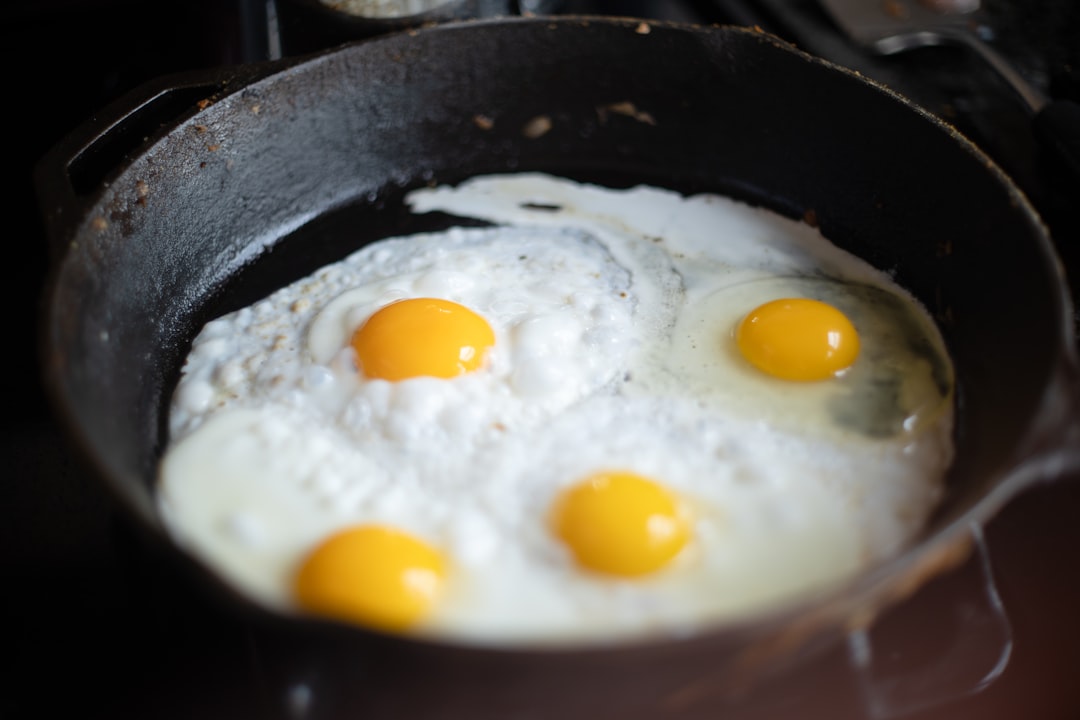
But here’s the thing about cast iron: it rewards consistent care and punishes neglect. I’ve seen gorgeous skillets rusted into oblivion after one careless night of soaking in the sink, and I’ve watched vintage pans at estate sales that have outlasted multiple generations of cooks. The difference? Understanding what your cast iron actually needs from you.
Let me walk you through everything I’ve learned about keeping cast iron happy, from that intimidating first seasoning to the daily rituals that keep your skillet performing flawlessly. Trust me, once you get the hang of it, caring for cast iron becomes second nature—and your cooking will be all the better for it.
Understanding Seasoning: It’s Not What You Think
Before we dive into the nitty-gritty of cleaning and maintenance, let’s clear up the biggest misconception about cast iron: seasoning isn’t some mysterious chemical process that requires a chemistry degree. It’s simply oil that’s been heated past its smoke point until it polymerizes into a hard, slick surface. Think of it as creating your own non-stick coating, one that naturally improves with use.
When you cook with oil in cast iron, you’re actually adding to the seasoning layer. Every time you sear a steak, fry chicken, or bake cornbread, you’re building on that beautiful black patina that makes cast iron so special. The key is consistency—regular cooking and proper cleaning create that enviable slick surface that makes food release effortlessly.
Newer cast iron pans often come pre-seasoned from the factory, which is wonderful, but that initial seasoning is just the foundation. The real magic happens in your kitchen, meal after meal, as you develop your own unique seasoning that reflects the oils you use and the foods you love to cook.
The Daily Cleaning Routine: Simple but Non-Negotiable
Here’s where most people get intimidated, but I promise it’s easier than you think. The daily cleaning routine for cast iron is actually simpler than washing regular cookware—no harsh detergents, no marathon scrubbing sessions. Here’s exactly what I do after every single use:
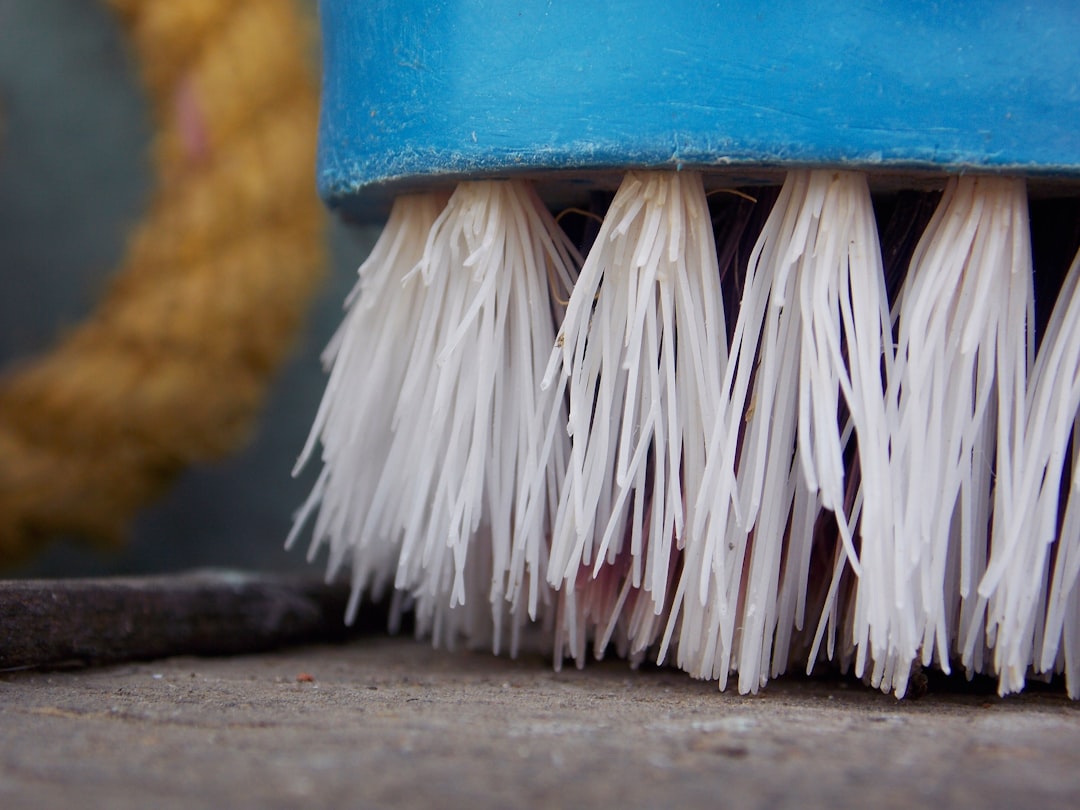
First, while the skillet is still warm (but not scorching hot), I rinse it under hot water. If there’s stubborn food stuck to the bottom, I use a stiff brush or the rough side of a sponge to gently scrub it away. For really stubborn bits, I’ll sprinkle coarse kosher salt and use that as a gentle abrasive—it works like magic without damaging the seasoning.
Then—and this is crucial—I dry the pan immediately and thoroughly. I learned this lesson the hard way after leaving a wet pan in the sink and coming back to find rust spots. Now I use a clean dish towel or paper towels to completely dry the surface, inside and out. Sometimes I’ll even put it on a low burner for a minute to evaporate any remaining moisture.
The final step is the simplest: a tiny amount of oil. I add about a quarter-sized drop of neutral oil (canola, vegetable, or grapeseed work beautifully) and rub it all over the inside of the pan with a paper towel. This tiny bit of oil protects the seasoning and prevents rust from forming while the pan sits. It takes literally ten seconds, but it makes all the difference.
Shop for stiff-bristle cleaning brushes that won’t damage your seasoning, or consider a chainmail scrubber for those extra-tough spots.
Deep Cleaning: When Your Skillet Needs More Than a Quick Wipe
Every so often, your cast iron might need a deeper cleaning. Maybe you cooked something particularly sticky, or perhaps the seasoning is looking a bit patchy. Don’t worry—this is completely normal and doesn’t mean you’ve failed at cast iron care. Here’s my method for giving a skillet a fresh start:
I start by washing the pan with warm water and a small amount of mild dish soap. Yes, soap! The myth that soap will ruin your seasoning is just that—a myth. Modern dish soaps are gentle enough that they won’t strip away a well-established seasoning layer, especially if you’re thorough about drying and oiling afterward. Use a stiff brush or sponge to scrub away any stubborn residue, then rinse thoroughly.
For pans that have developed buildup or sticky residue, I’ll sometimes create a paste with coarse salt and a tiny bit of oil, then scrub with a paper towel. The salt acts as a gentle abrasive that won’t damage the seasoning but will lift away any stuck-on food. Rinse well and dry completely.
If your pan has seen better days and the seasoning is truly compromised—maybe it’s rusty, or the surface feels sticky rather than slick—don’t panic. Cast iron is incredibly forgiving, and almost any pan can be restored with patience and the right technique. We’ll get to restoration in a bit, but first, let’s talk about preventing those problems in the first place.
Stock up on coarse kosher salt for natural cleaning power, or explore complete cast iron cleaning kits with everything you need.
The Art of Re-seasoning: Building That Perfect Patina
Even with the best daily care, your cast iron will occasionally benefit from a full re-seasoning. I do this about once or twice a year, or whenever I notice the seasoning looking dull or food starting to stick more than usual. The process is simple, but it requires patience—this isn’t something you want to rush.
Start by preheating your oven to 450°F (yes, really—high heat is essential). While the oven heats, wash your skillet thoroughly with warm water and mild soap, then dry it completely. I mean completely—every single drop of water needs to be gone. Any moisture left behind will create steam during the seasoning process and prevent the oil from polymerizing properly.
Next, apply a thin, even layer of oil to the entire pan—inside, outside, and handle. I prefer high-smoke-point oils like grapeseed, canola, or avocado oil. The key here is thin—too much oil will result in a sticky, gummy mess instead of that slick black surface we’re after. Use paper towels to buff away any excess until the pan looks dry but feels slightly oily to the touch.
Place the skillet upside down on the middle rack of your oven, with a baking sheet or foil on the rack below to catch any drips. Bake for one hour, then turn off the oven and let the pan cool completely inside. This cooling process is just as important as the heating—it allows the seasoning to fully harden.
For best results, I recommend repeating this process two or three times. Each round builds another layer of seasoning, creating that deep, glossy black surface that makes cast iron so special. It’s a bit time-consuming, but trust me—the results are worth every minute.
Shop for high-smoke-point oils perfect for seasoning, or consider buying in bulk if you plan to season multiple pans.
Rescuing a Rusty Skillet: It’s Never Too Late
Sometimes, despite our best efforts, cast iron develops rust. Maybe it got left wet overnight, or perhaps it was stored in a humid environment. Don’t despair—rust is not the end of your skillet. In fact, some of my favorite pans are ones I’ve rescued from rust, and they’ve gone on to become absolute workhorses in my kitchen.
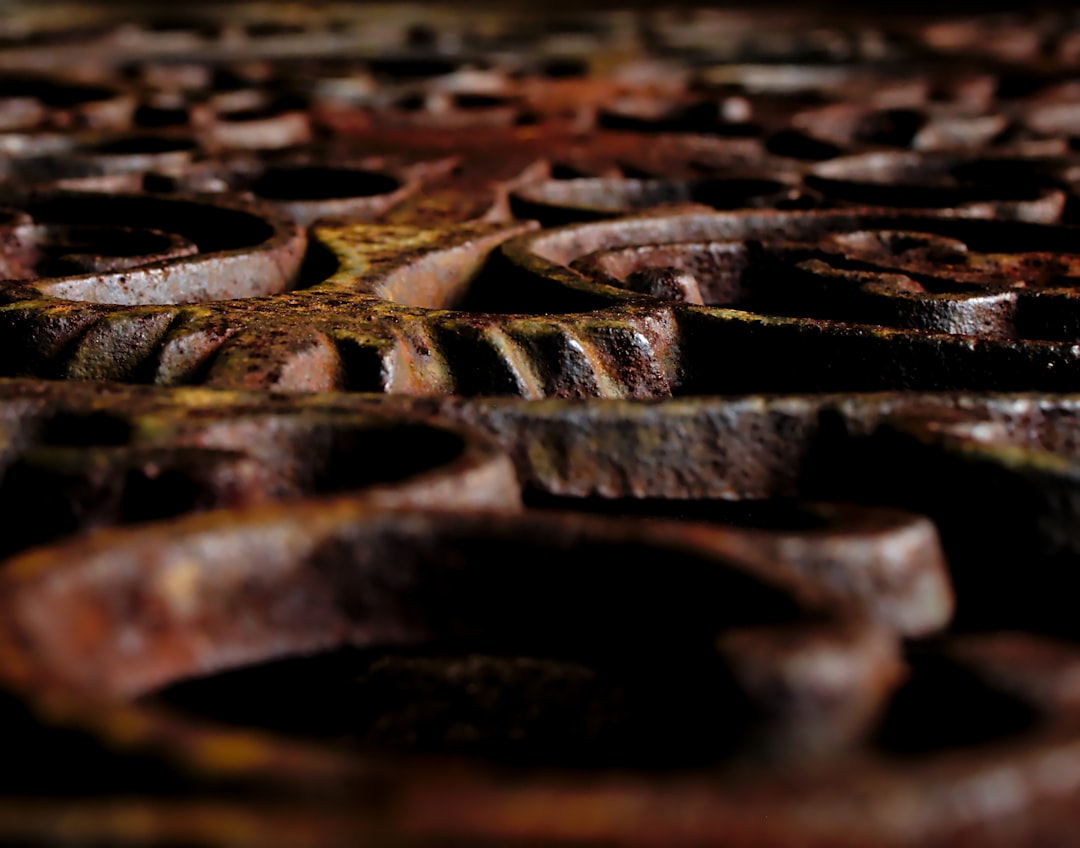
The restoration process is straightforward but requires some elbow grease. Start by scrubbing away the rust with steel wool or a stiff-bristled brush. For surface rust, this might be all you need. If the rust is deeper, you can create a paste with equal parts vinegar and water, let it sit for about an hour (no longer, or the acid might damage the metal), then scrub vigorously. The vinegar helps loosen the rust so it comes away more easily.
Once all visible rust is removed, wash the pan with warm, soapy water and dry it thoroughly—I mean bone dry. At this point, you’ll likely need to completely re-season the pan using the method I described above. It might take a few rounds of seasoning to build back that perfect patina, but your skillet will emerge better than new.
I’ve rescued dozens of rusty pans this way, and there’s something incredibly satisfying about bringing a neglected piece of cast iron back to life. Plus, vintage pans often have a smoother surface than modern cast iron, making them worth the effort to restore.
Stock up on fine-grade steel wool for rust removal, or explore specialized cast iron rust erasers designed specifically for this task.
Storage Solutions: Keep Your Skillet Happy Between Uses
How you store your cast iron matters just as much as how you clean it. I learned this the hard way when I stacked a wet skillet on top of another pan and ended up with rust spots on both. Here’s my foolproof storage method that keeps all my cast iron in pristine condition:
First, always store your cast iron completely dry. This seems obvious, but it’s worth repeating—any moisture, even humidity, can lead to rust over time. I like to give my skillets a quick wipe with a lightly oiled paper towel before putting them away, just to add that extra layer of protection.
If you’re stacking pans (and let’s be honest, most of us are), place a paper towel or thin cloth between each one. This prevents metal-on-metal contact that can damage the seasoning, and it also absorbs any residual moisture. I keep a roll of paper towels specifically for this purpose, and it’s made a huge difference in maintaining my collection.
Air circulation is also important. I avoid storing cast iron in sealed cabinets or plastic containers, where humidity can build up. Instead, I keep mine on open shelving or in a well-ventilated cabinet. If you live in a particularly humid climate, you might even consider adding a silica gel packet nearby to absorb excess moisture.
For those with limited storage space, hanging your cast iron is a beautiful solution. Not only does it look stunning and rustic, but it also ensures excellent air circulation and prevents any accidental damage from stacking. I have a dedicated pot rack in my kitchen, and seeing my cast iron collection hanging there never fails to make me smile.
Explore pot racks and hanging solutions for beautiful cast iron storage, or check out moisture-absorbing storage options for humid climates.
Tools That Make Cast Iron Care Easier
While you don’t need a bunch of specialized equipment to care for cast iron, there are a few tools I’ve found genuinely helpful over the years. These aren’t essential, but they do make the process more efficient and enjoyable—and anything that makes us more likely to care for our cookware properly is worth considering.
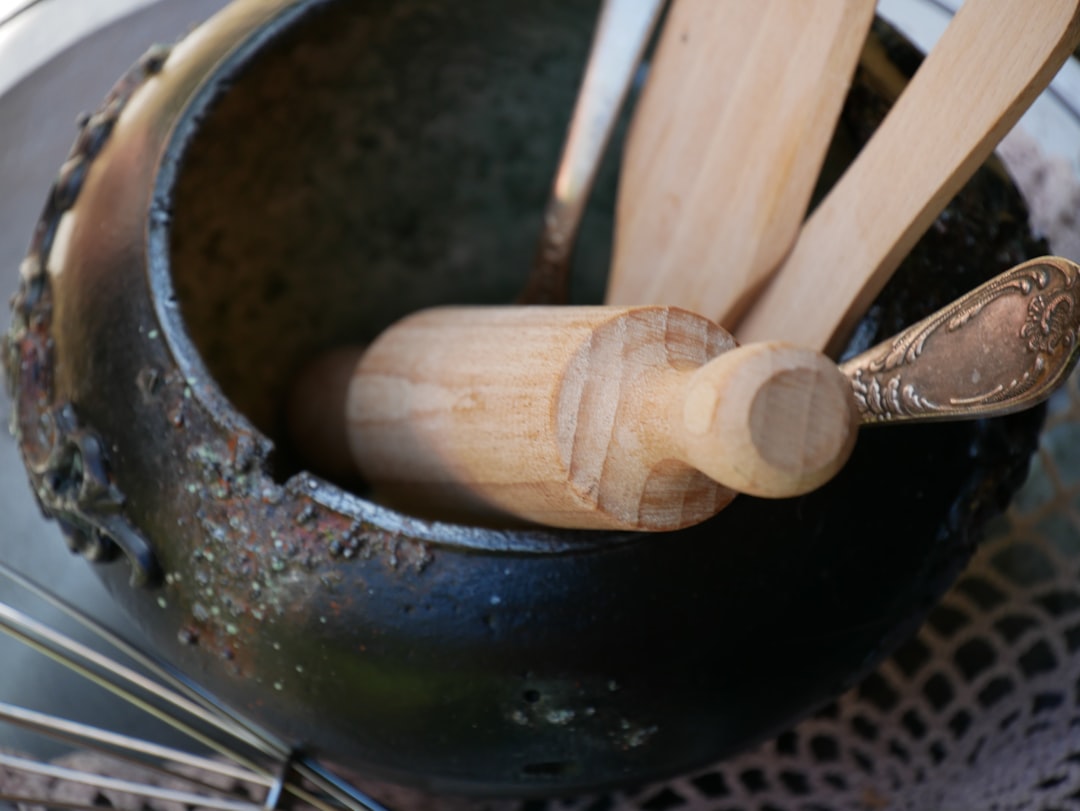
A good stiff-bristled brush is probably the most useful tool in my cast iron arsenal. I keep one dedicated solely for cast iron, and it makes quick work of cleaning without damaging the seasoning. Look for brushes with natural bristles rather than plastic, as they’re gentler on the seasoned surface.
Chainmail scrubbers have become increasingly popular, and for good reason. They’re incredibly effective at removing stuck-on food without scratching the seasoning, and they’re surprisingly gentle despite their appearance. I was skeptical at first, but after trying one, I was converted. They’re especially great for those times when you’ve cooked something particularly stubborn.
Silicone handle covers are another game-changer, especially if you’re cooking with cast iron on the stovetop. Cast iron handles get dangerously hot, and these covers provide a safe grip without needing to fumble with oven mitts. I keep a few in different sizes to accommodate my various pans.
Finally, consider investing in a good set of trivets or hot pads. Cast iron retains heat incredibly well, which is wonderful for cooking but can be disastrous for your countertops. I keep a variety of trivets in different materials—wood, cork, and silicone—so I’m always prepared when moving hot pans from stove to counter.
Shop for cast iron cleaning brush sets, or find handle covers in various sizes to fit your collection.
Common Cast Iron Mistakes (And How to Avoid Them)
After years of cooking with cast iron and helping friends overcome their cast iron fears, I’ve noticed some mistakes that come up again and again. Let me save you from learning these lessons the hard way:
Soaking your cast iron: This is probably the number one way people ruin perfectly good cast iron. Water and iron are not friends, especially when left to sit together. Never soak your cast iron, and never put it in the dishwasher. Ever. The combination of water, heat, and detergent will strip the seasoning and promote rust faster than you can say “ruined skillet.”
Cooking acidic foods for too long: While you absolutely can cook tomatoes, wine, and lemon juice in cast iron, these acidic ingredients can break down seasoning if left for extended periods. I’m not saying avoid them altogether—I make tomato sauce in cast iron all the time—but be mindful of cooking time. A quick simmer is fine; an all-day braise might be better in enameled cast iron or stainless steel.
Using too much oil when seasoning: I mentioned this before, but it bears repeating. More oil does not equal better seasoning. In fact, too much oil will result in a sticky, gummy mess that’s almost worse than no seasoning at all. The key is thin, even layers applied multiple times, not one thick layer applied once.
Putting cold cast iron into a hot oven: Thermal shock can crack your cast iron, and while it’s rare, it’s heartbreaking when it happens. Always let your pan come to room temperature before placing it in a hot oven. Similarly, never pour cold water into a hot cast iron pan—it can cause warping or even cracking.
Getting discouraged by seasoning imperfections: Your cast iron doesn’t need to be perfectly black and glossy to work beautifully. Some variation in color and texture is completely normal, especially as you build up layers of seasoning over time. Focus on how the pan performs rather than how it looks—if food releases easily and doesn’t stick, you’re doing something right.
Building Your Cast Iron Collection: Where to Start
If you’re new to cast iron or looking to expand your collection, you might be wondering which pieces are truly essential. After cooking with cast iron for decades, here are my recommendations for building a versatile collection without going overboard:
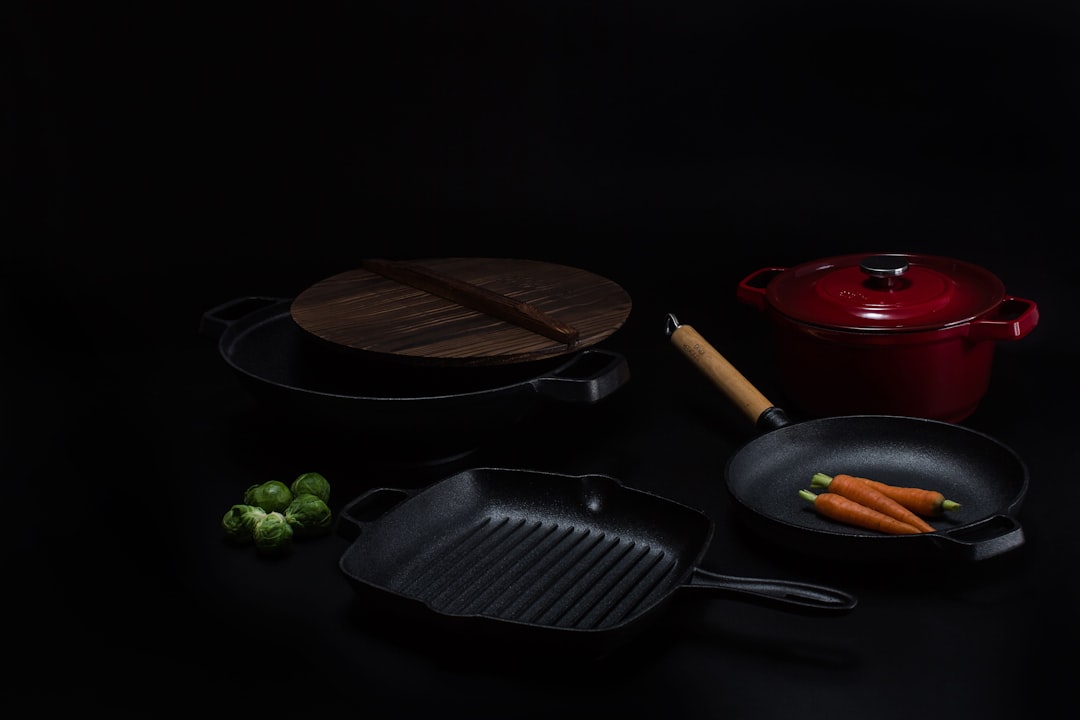
10.5-inch skillet: This is your workhorse. It’s the perfect size for everything from frying eggs for one to searing steaks for a family dinner. If you only buy one piece of cast iron, make it this. A 10.5-inch skillet strikes that ideal balance between versatility and manageability—it’s not too small for serious cooking, but not so heavy that it becomes unwieldy.
Dutch oven: A 5-quart Dutch oven will transform your cooking. It’s perfect for soups, stews, braises, and even baking bread. The heavy lid creates a self-basting environment that keeps food incredibly moist, and the heat retention is unmatched. I use mine more than I ever expected, especially for one-pot meals and slow-cooked comfort food.
Griddle or grill pan: If you love breakfast or grilling indoors, a cast iron griddle or grill pan is worth the investment. The smooth side of a griddle is perfect for pancakes, eggs, and quesadillas, while the ridged side of a grill pan creates those gorgeous restaurant-quality grill marks on everything from burgers to vegetables. Plus, nothing beats the flavor development you get from cast iron’s superior heat retention.
As you become more comfortable with cast iron, you might add specialty pieces like a cornstick pan, muffin pan, or even a wok. But start with the basics and build from there. There’s no rush—cast iron lasts forever, so you can gradually acquire pieces as you discover your cooking style and preferences.
Shop for versatile 10.5-inch skillets, or explore Dutch oven options for slow-cooked perfection.
The Joy of Cooking with Cast Iron: Why It’s Worth the Effort
After all this talk about cleaning and maintenance, you might be wondering: is cast iron really worth all this fuss? As someone who’s cooked with just about every type of cookware out there, my answer is an enthusiastic yes. The benefits far outweigh the minimal effort required to keep your cast iron happy.
First, there’s the heat retention. Cast iron holds heat like nothing else, which means fewer temperature fluctuations and more consistent cooking results. This is especially important for searing meat, where that initial burst of high heat creates the beautiful crust that makes restaurant-quality steaks so irresistible. Once hot, cast iron stays hot, giving you that perfect sear every single time.
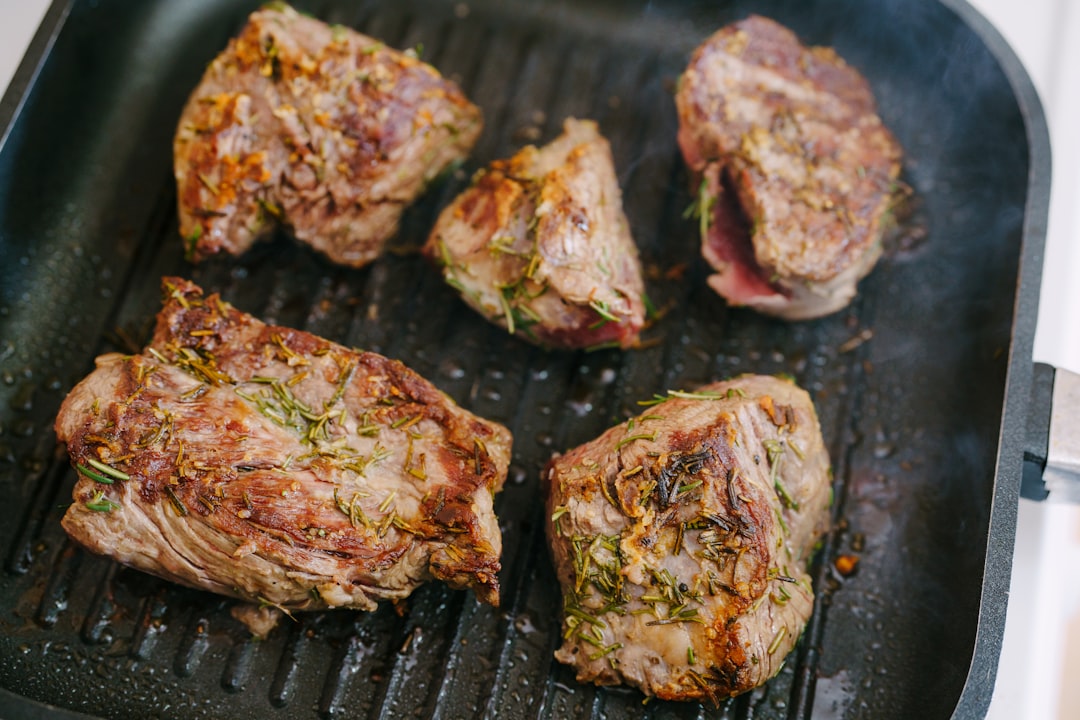
Then there’s the versatility. Cast iron goes from stovetop to oven to grill without missing a beat. You can start a dish on the stove, finish it under the broiler, and even serve it in the same pan. This one-pan capability isn’t just convenient—it means less cleanup and more time enjoying your meal. I’ve made everything from frittatas to deep-dish pizza to campfire cobblers in my cast iron, and it handles each task beautifully.
Perhaps most importantly, cast iron is naturally non-stick once properly seasoned, without the chemicals found in traditional non-stick coatings. As someone who’s increasingly conscious about what goes into my food and my home, I love that I can achieve that easy food release without worrying about synthetic coatings breaking down over time. Plus, a well-seasoned cast iron pan only gets better with age, unlike other non-stick surfaces that eventually need replacement.
There’s also the nostalgia factor. Cooking with cast iron connects us to generations of home cooks who came before us, to a time when cookware was built to last rather than designed for planned obsolescence. My grandmother’s cast iron skillet, passed down to me after she died, is one of my most cherished possessions. Every time I use it, I feel connected to her and to the countless meals she prepared for our family in that very pan.
Embracing the Cast Iron Lifestyle

Caring for cast iron isn’t just about maintaining cookware—it’s about embracing a slower, more intentional approach to cooking. There’s something deeply satisfying about the ritual of cleaning and oiling your skillet after each use, about watching the seasoning develop and improve over time, about knowing that you’re building something that will outlast you.
In our throwaway culture, where everything seems designed to be replaced rather than repaired, cast iron represents a beautifully different philosophy. These pans are meant to last generations, not years. They’re meant to be used, loved, and eventually passed down. I have skillets that are older than I am, and they cook better today than they did when they were new. That’s the magic of cast iron—it gets better with age and use, just like a well-loved recipe or a favorite pair of jeans.
So don’t be intimidated by cast iron care. Yes, it requires attention. Yes, there’s a learning curve. But the rewards—a beautiful, naturally non-stick cooking surface that will last your lifetime and beyond—are absolutely worth it. Start with one good skillet, learn its quirks and preferences, and gradually build a collection that reflects the way you love to cook.
Your cast iron skillet isn’t just a pan—it’s a partner in your kitchen adventures. Treat it well, and it will reward you with decades of beautiful meals, memories made around the table, and perhaps even become an heirloom for future generations. And really, what more could we ask for from a simple piece of cookware?
Ready to dive deeper into cookware comparisons? Check out my guide on cast iron versus stainless steel to help you decide which pan deserves a place in your kitchen first. Or explore essential kitchen tools for beginner home cooks to build your confidence in the kitchen.
4 thoughts on “Cast Iron Skillet Care: The Complete Guide to Keeping Your Skillet Happy for a Lifetime”