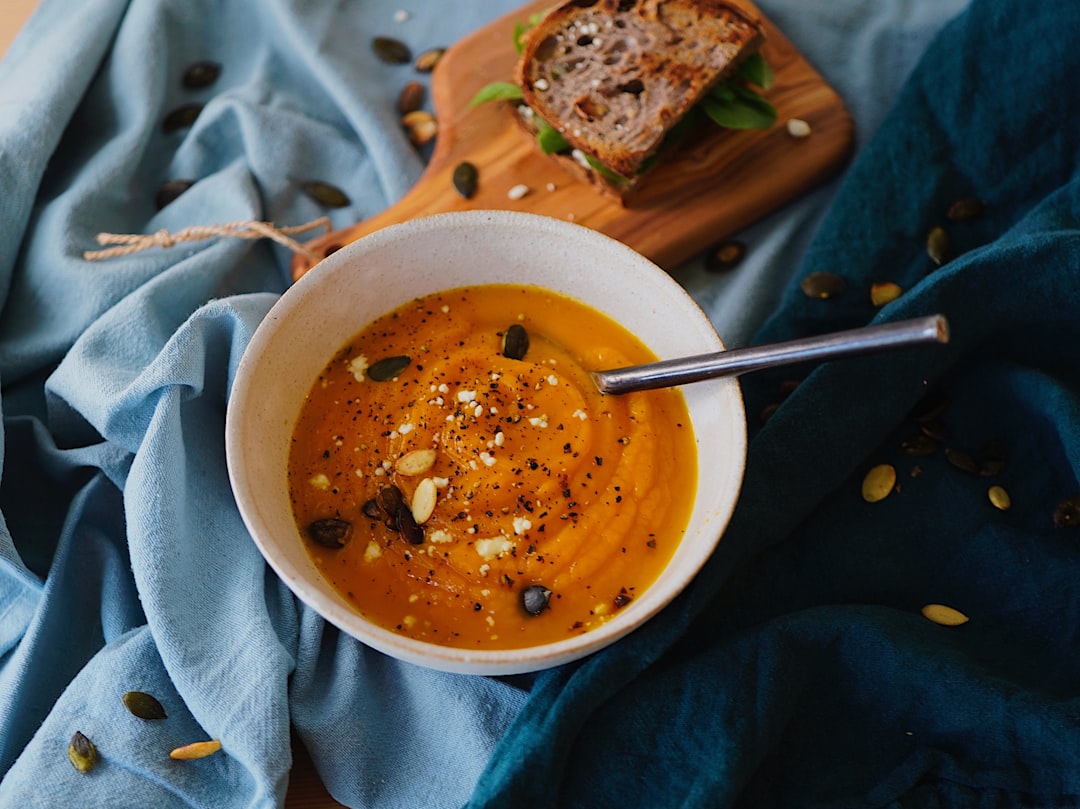
Last July, I did something radical: I went an entire week without turning on my stove or oven. Not because of a broken appliance or a power outage — I did it because it was 97 degrees in the shade, and the thought of heating my kitchen even one degree made me want to live on popsicles forever. What started as a desperate heat-wave survival strategy turned into one of the best kitchen experiments I’ve ever conducted. I discovered that with the right tools, you can make genuinely exciting meals without ever touching a dial. I call it my “cold kitchen,” and these days, it runs from June through September.
Why a Cold Kitchen Works (and Why Yours Should Have One)
Here’s the thing nobody tells you about summer cooking: the problem isn’t a lack of recipes. It’s that every “quick summer meal” still involves firing up a burner and turning your kitchen into a sauna. I spent years avoiding this by relying on sad deli sandwiches and takeout salads before I realized the issue was my toolkit, not my ambition. The right no-cook kitchen gadgets can produce meals that are vibrant, textured, and deeply satisfying — the kind of food that makes you forget there was ever an alternative. My cold kitchen philosophy is simple: if it requires heat, it waits until October.
The Immersion Blender That Replaced My Stove
I know what you’re thinking — an immersion blender? For summer? Let me explain. From June through August, I make gazpacho, cold cucumber-dill soup, watermelon agua fresca, and chilled peach soup at least twice a week. All of these require nothing more than fresh ingredients and a powerful blender stick. I’ve gone through four immersion blenders over the years, and the one I keep coming back to has variable speed and a removable blending arm that goes straight in the dishwasher. If you’ve been on the fence about getting a quality handheld immersion blender, summer is the season that justifies every penny. My cold peach soup with a drizzle of honey and a pinch of sea salt has become the dish everyone requests when they come over.

The Spiralizer: Salad’s More Exciting Cousin
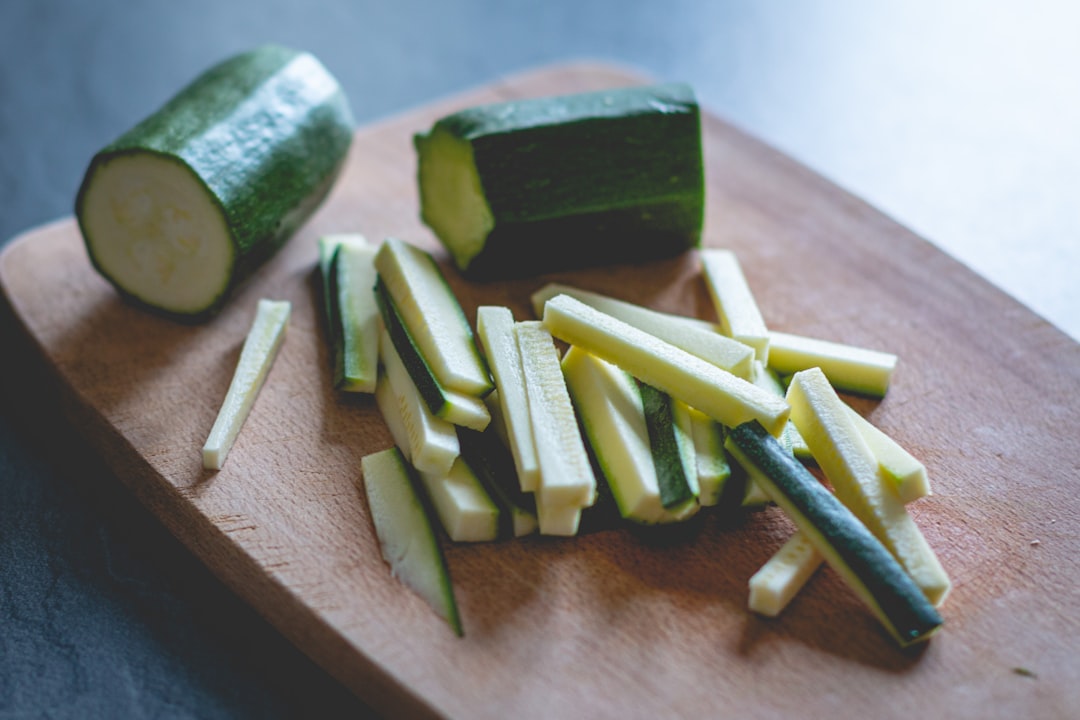
Spiralizers had a moment a few years back and then quietly slipped out of the spotlight, which is a shame because they’re one of the most useful tools in a hot-weather kitchen. Zucchini noodles, carrot ribbons, cucumber spirals — they transform raw vegetables into something that feels like a real meal, not a side dish afterthought. I use mine three or four times a week during summer, tossing the “noodles” with a bright lemon-herb dressing, toasted pine nuts, and whatever cheese is hanging out in my fridge. A good vegetable spiralizer costs less than a single restaurant dinner and opens up an entire category of meals that never require you to touch a pan. It’s one of those tools that earns counter space purely through frequency of use.
Cold Brew, But Make It a System
I’m a sucker for iced coffee, but I refused for years to make cold brew at home because I thought it required special equipment. Turns out, a good cold brew coffee maker is essentially a fancy jar with a filter — and it will save you hundreds over a single summer. I make a full batch every Sunday night, and it lasts me through Thursday. The version I use has a built-in stainless steel mesh filter, so there’s nothing disposable to buy ever. During the worst heat waves, when even the idea of warm coffee makes me cringe, having a pitcher of smooth, concentrated cold brew in the fridge feels like a small act of self-care. And if you want to get creative, try blending cold brew with a frozen banana and a spoonful of cocoa powder — it’s like a milkshake that doesn’t require turning on a single appliance.
Mandoline Slicer: Paper-Thin and Proud of It
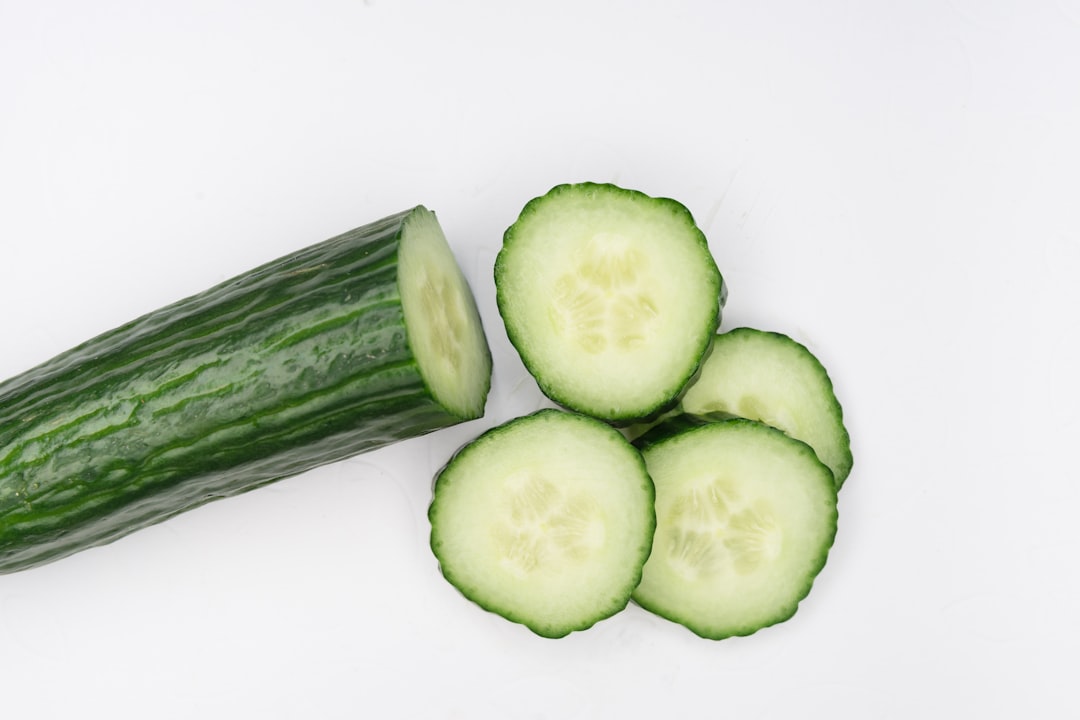
If the spiralizer makes vegetables fun, the mandoline makes them elegant. I’m talking about paper-thin cucumber rounds layered with herbed cream cheese for a no-cook appetizer. Shaved fennel and radish salads with citrus vinaigrette. Potatoes sliced so thin you can almost see through them (okay, those you’d need to cook, but I promised myself I’d stick to cold meals here). The point is, a quality kitchen mandoline slicer gives you restaurant-level precision without restaurant-level effort. I grab mine every time I want a salad that looks like it came from a chef’s kitchen, and during summer, that’s at least three times a week. Just please — use the hand guard. Every mandoline owner has a story, and none of them are good.
The Citrus Press That Pays for Itself in Lemons
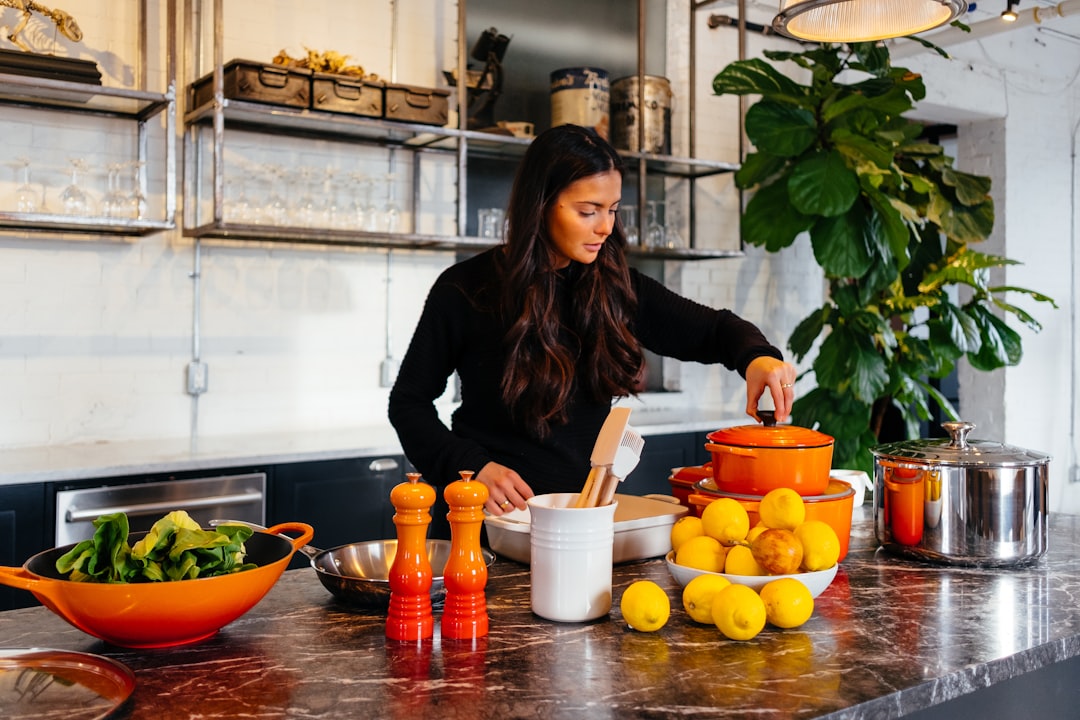
Summer cooking — or rather, summer assembling — runs on citrus. Lemon vinaigrette, lime-cilantro dressing for grain bowls, grapefruit and avocado salads, orange segments over roasted beets (if someone else roasted them). I went through one of those cheap wooden reamers for years, convincing myself it was fine, until I used a friend’s cast-iron citrus press and immediately felt like I’d been living in the dark ages. A proper heavy-duty citrus press extracts every last drop with minimal effort and zero seeds in your dressing. I use mine daily in summer — sometimes multiple times a day — and it’s one of those tools that makes you wonder how you managed without it. The juice yield difference alone is worth the purchase.
Salad Spinner: Not Optional, I’m Sorry
I resisted buying a salad spinner for an embarrassingly long time. They’re bulky, they take up space, and I already had a colander, so what was the point? The point, as I discovered the hard way, is that wet greens ruin everything. Soggy lettuce means diluted dressing, limp texture, and a salad that’s Sad with a capital S. A good large salad spinner is the difference between a bowl of greens that sparkles and one that wilts before you even sit down. During summer, when I’m washing and spinning lettuce every single day, it becomes the single most-used tool in my kitchen. I even use it to dry herbs after rinsing — bunches of cilantro, basil leaves, and mint all get the spin treatment before going into cold summer rolls or garnishing a bowl of chilled soup.
If you’re thinking about a broader kitchen reset for the warmer months, I laid out my full approach in my summer pantry reset guide, which pairs perfectly with building out your cold kitchen toolkit.
Herb Keeper: Because Wilted Basil Is a Tragedy
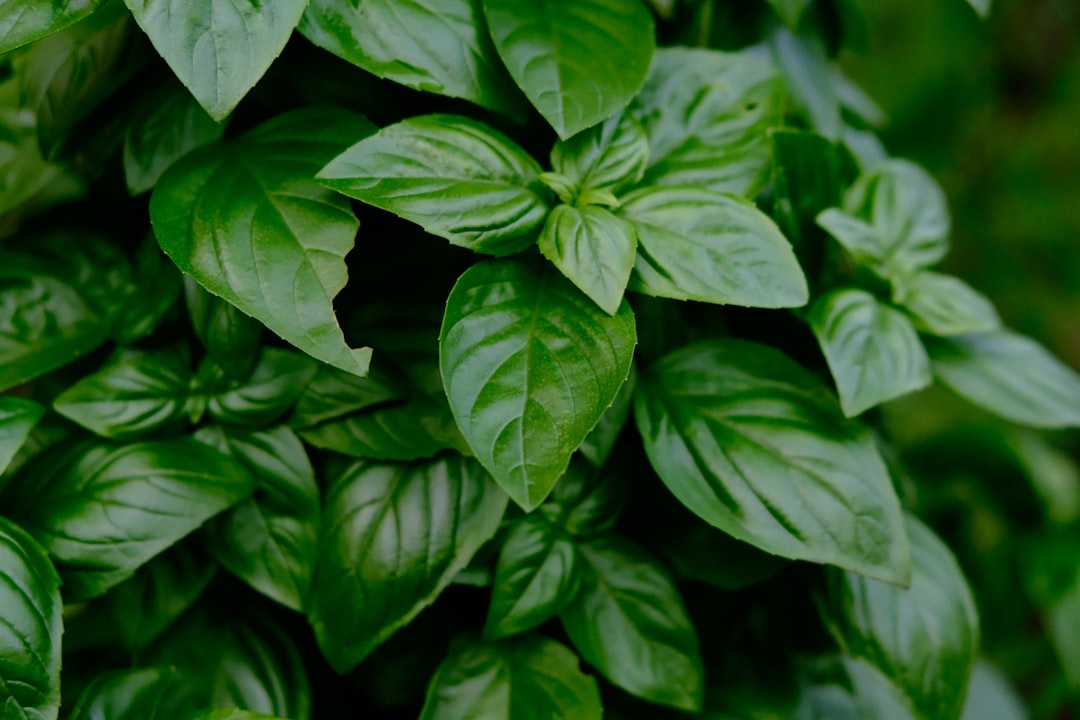
Summer herbs are temperamental little divas. You buy a beautiful bunch of basil on Saturday, and by Tuesday it’s black and slimy in the back of your crisper drawer. I can’t tell you how much money I wasted on herbs that died before I got to them until I finally invested in a proper herb storage keeper. These clever containers keep the stems in water while protecting the leaves from excess moisture, essentially treating your herbs like a little bouquet. My basil now lasts up to two weeks, my cilantro stays perky for ten days, and even delicate mint holds its own for a solid week. When your cold kitchen depends on fresh herbs for flavor — and it absolutely should — this small investment makes a massive difference.
A Bench Scraper for Assembly-Only Meals
This might seem like an odd choice for a cold kitchen list, but hear me out. When you’re not cooking, you’re chopping, slicing, and assembling — a lot. A bench scraper is the unsung hero of the prep-heavy kitchen. I use mine to scoop chopped vegetables off the board, divide dough for no-bake energy bites, transfer a mountain of fresh herbs in one clean sweep, and even crumble feta and goat cheese over salads. A stainless steel bench scraper is one of those $10 tools that quietly makes everything faster and less messy. During summer, when my cutting board is in constant rotation, it saves me from the dreaded counter-to-bowl transfer that always seems to scatter half my ingredients across the stovetop.
If you’re tight on counter space and wondering how to fit all these tools, check out my counter space diet — I break down exactly how I decide what stays and what goes when every inch matters.
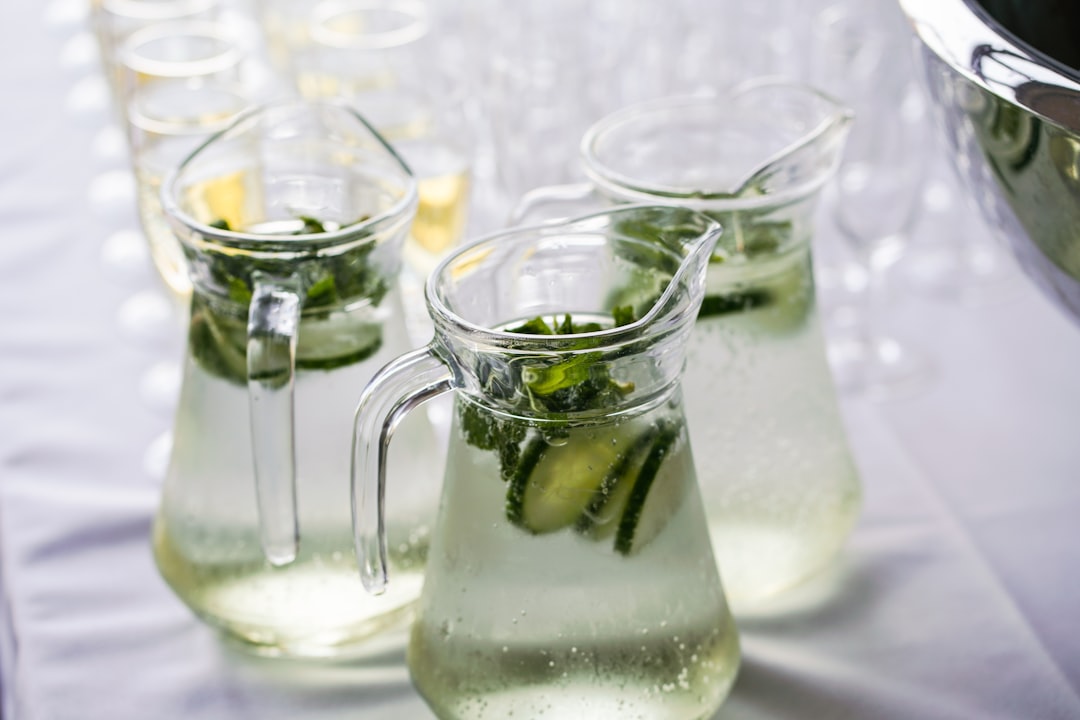
Reusable Cold Brew and Infusion Pitcher
Beyond coffee, summer is the season of infused waters, sun teas (made in the fridge, actually — sun tea can be risky), and homemade fruit shrubs. A glass pitcher with a built-in infuser core became my warm-weather workhorse almost overnight. I fill the center with sliced strawberries and basil, or cucumber and mint, or peaches and rosemary, and by the time dinner rolls around, I have a beverage that makes plain water feel like a celebration. A fruit infusion pitcher is one of those purchases that sounds frivolous until you realize you’re using it every single day and drinking more water than you have in years. My current favorite combination is blackberry, lime, and a thin slice of fresh ginger — it’s tart, slightly sweet, and makes you feel like you’re at a spa even when you’re just standing in your kitchen in bare feet.
The Tool I Didn’t Expect: A Quality Handheld Citrus Zester
When you’re not cooking with heat, flavor has to come from somewhere else, and that somewhere is often citrus zest. A bright shower of lemon zest over a cold pasta salad, lime zest in a watermelon radish slaw, orange zest folded into whipped ricotta for crostini — these tiny bursts of aromatic oil are what separate a cold meal that satisfies from one that feels like you gave up. I upgraded to a proper Microplane zester grater a few summers ago, and the difference in the quality and consistency of the zest was immediately noticeable. The fine blades produce fluffy, fragrant zest without any of the bitter white pith, and the tool doubles as a hard cheese grater and a ginger mincer. Three functions, no heat, all flavor.
And if you want to pair your cold kitchen setup with a cool treat to cap off the evening, my ice cream maker deep-dive covers the model that finally converted me from a store-bought-pints-only person.
Building Your Own Cold Kitchen
The beauty of this approach is that you don’t need everything at once. Start with the immersion blender and the salad spinner — those two alone will carry you through dozens of summer meals. Add the spiralizer and mandoline when you’re ready to get a little fancier. Round it out with the citrus tools and herb keeper when you realize how much flavor you’ve been leaving on the table. The whole cold kitchen toolkit costs less than a single high-end appliance, and unlike that air fryer you use twice a month, these tools will earn their keep every single day from Memorial Day through Labor Day and beyond.
My grandmother would have thought I was out of my mind for building a kitchen strategy around avoiding the stove. She cooked through every August without complaint, probably because her kitchen wasn’t on the second floor of a house with questionable insulation like mine. But I like to think she’d approve of the resourcefulness. After all, the woman taught me to make a potato salad that could stop traffic, and she did it with a pot, a knife, and an unshakeable belief that good food doesn’t require fancy equipment. She was right then, and she’s still right now — the best tools are simply the ones that help you make something wonderful, whether the stove is on or off.