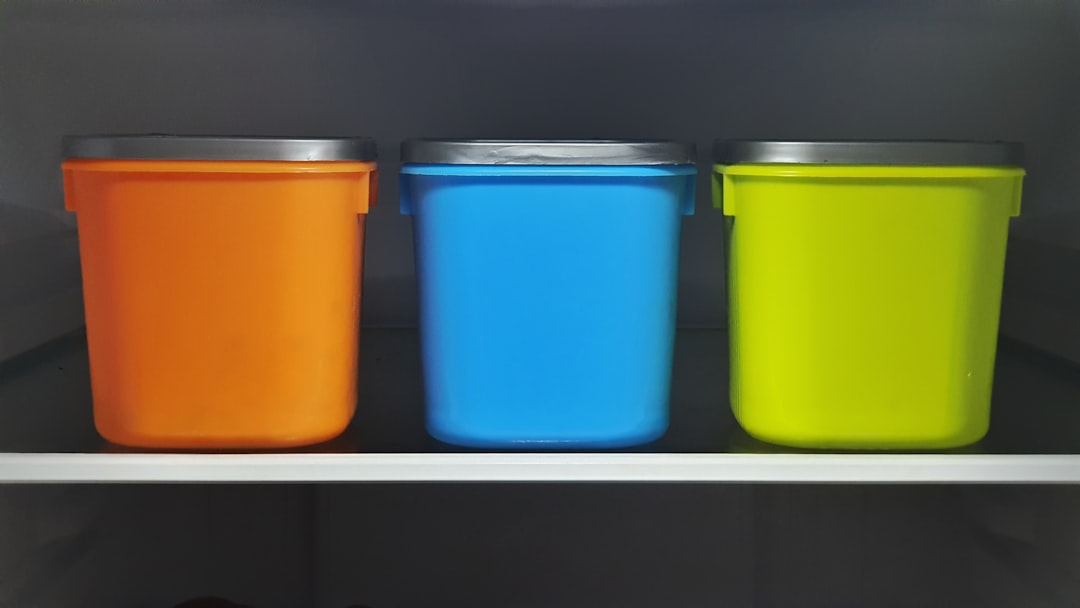
I spent six years meal prepping in plastic containers. You know the ones — they came free with takeout, or I grabbed a pack at the discount store, and they seemed fine. They stacked, they sealed, they did the job. But somewhere around year four, I started noticing things. The tomato sauce stains that wouldn’t wash out. The faint chemical smell when I microwaved leftovers. The microscopic scratches where a fork had scraped one too many times. And I thought about what my grandmother would say if she saw me storing her Sunday gravy in something that looked like it had been through a war.
She’d hand me a glass dish, that’s what she’d do. Because in her kitchen, glass wasn’t a luxury — it was just what you used. And like so many things she tried to teach me, it took me way too long to listen.
Why Glass Changed My Entire Meal Prep Routine
The switch to glass meal prep containers wasn’t a single dramatic moment. It was gradual — one Pyrex dish here, a set of meal prep containers there — until one day I realized I hadn’t touched a plastic container in months. The difference wasn’t just about safety, though that matters enormously. It was about how glass transformed the whole experience of cooking ahead and eating well throughout the week.
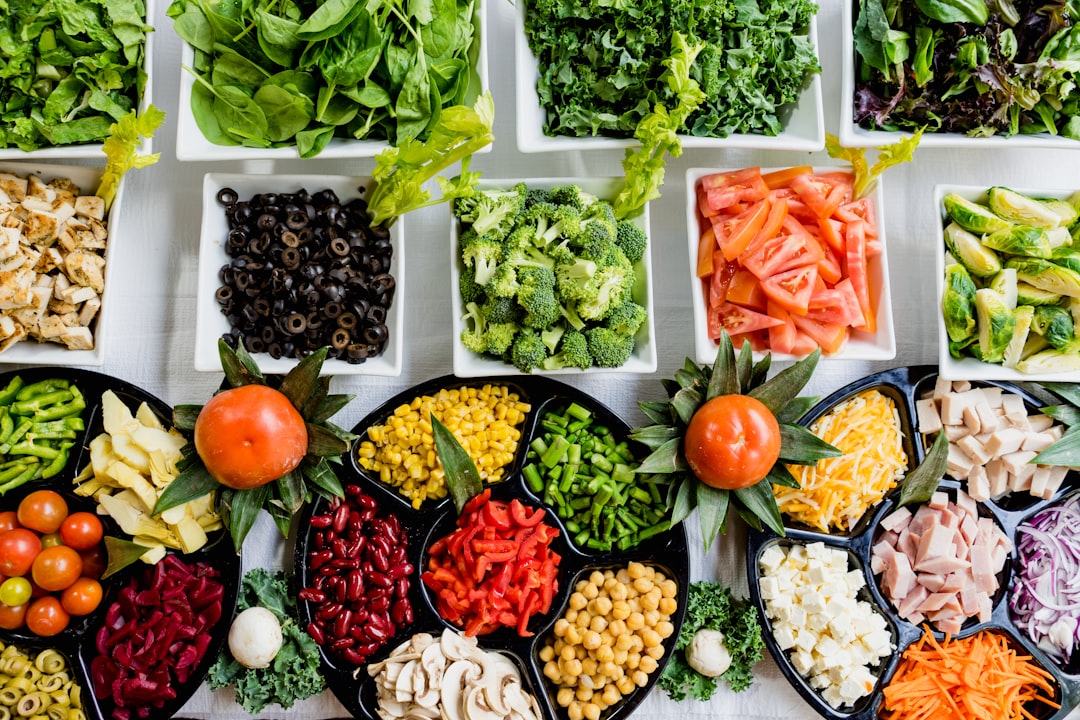
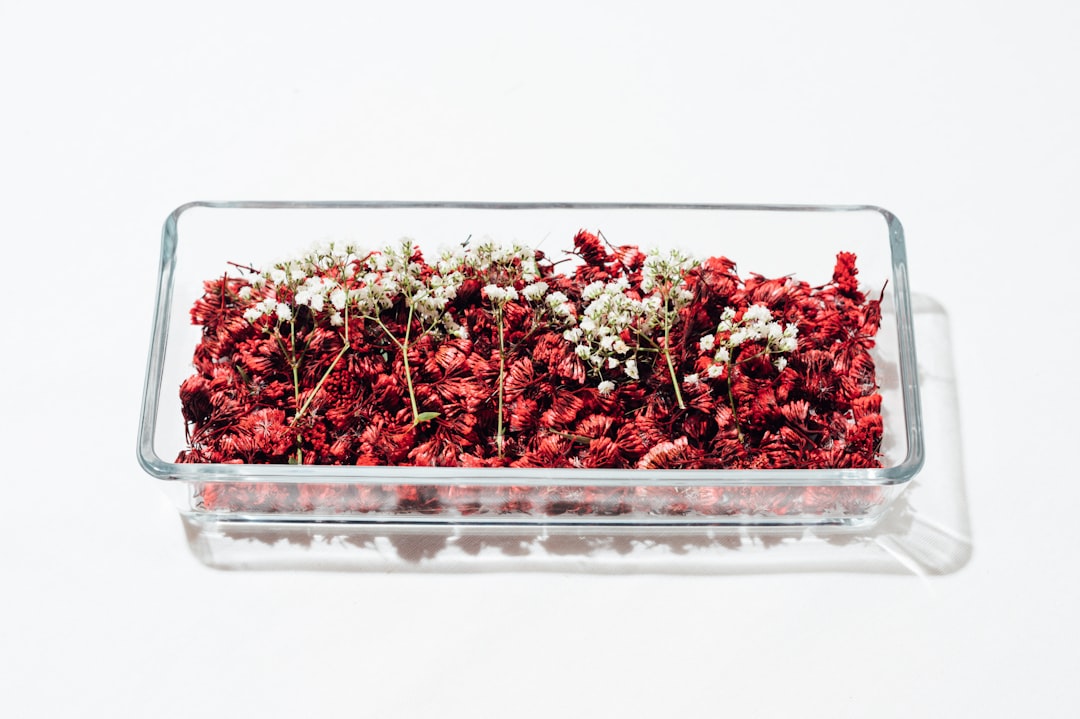
Glass containers let you see your food. That sounds almost too simple to mention, but when you’re staring into a refrigerator at 6 a.m. trying to remember what you prepped on Sunday, visibility is everything. No more opening mystery containers and playing “sniff test roulette.” You can see the roasted vegetables, the grains, the proteins, all lined up like little edible soldiers ready for the week. It makes you want to eat what you prepped instead of ordering takeout on Wednesday because you forgot the chicken was there.
The Health Argument I Can’t Ignore Anymore
Let me be honest — I’m not a scientist, and I’m not here to scare anyone. But the research on plastic food storage has been building for years, and it’s hard to unsee once you’ve seen it. Studies have found that plastic containers can shed microplastics into your food, especially when heated. BPA-free doesn’t mean chemical-free; it just means a different chemical replaced the BPA. And those tiny scratches in your plastic containers? They’re not just cosmetic — they’re places where bacteria can hide and chemicals can leach more easily.
Glass is inert. It doesn’t react with acidic foods like tomato sauce or citrus marinades. It doesn’t absorb odors, so your blueberry overnight oats won’t taste like last week’s garlic chicken. And it doesn’t degrade over time the way plastic does. A glass container you buy today will be chemically identical five years from now. Try saying that about a plastic one that’s been through the dishwasher a hundred times.
What to Look For When You’re Shopping
Not all glass containers are created equal, and I’ve learned this the hard way after cracking more than one budget option straight out of the oven. Here’s what actually matters when you’re choosing glass meal prep containers for your kitchen:
Lid Quality Is Everything
The glass part is pretty straightforward — borosilicate or tempered soda-lime glass from a reputable brand will serve you well. But the lid? That’s where the real quality lives. Look for snap-locking lids with silicone seals, not just plastic snap-ons. The difference between a container that leaks chicken broth all over your work bag and one that stays sealed through a bumpy commute is entirely about the lid. I’ve had the best luck with containers with four-sided locking lids and removable silicone gaskets — you can take the gasket off to wash it properly, which prevents that grimy buildup that happens over time.
Compartment Design for Real Meals
If you’re building actual meals — protein, starch, vegetable — you want divided containers. Not because you can’t portion things out in separate containers, but because divided ones make the whole process feel intentional and satisfying. There’s something about seeing a complete meal laid out in its compartments that makes you feel like you’ve got your life together, even if the rest of your kitchen is a disaster zone. Look for two-compartment designs if you like a main-and-side setup, or three compartments if you want the full bento experience.
Oven and Freezer Safe — Not Optional, Essential
One of the biggest advantages of glass over plastic is thermal versatility. You can take a glass container from the freezer to the oven (with some temperature-transition common sense — don’t go from one extreme to the other instantly). This means you can prep meals, freeze them, and reheat them all in the same vessel. No transferring to a plate, no extra dishes, no plastic melting in the microwave because someone wasn’t paying attention. Borosilicate glass handles temperature changes better than standard tempered glass, so if you plan to freeze and bake regularly, seek that out specifically.
The Brands That Have Earned Their Spot in My Kitchen
After years of testing — and a few shattered disappointments — I’ve settled on a handful of glass container brands that I genuinely trust. This isn’t a scientific ranking; it’s what has survived my real kitchen, my real dishwasher, and my real life.
Pyrex Simply Store remains the workhorse. These are the round and rectangular containers that have been around forever for good reason. The glass is thick and reliable, the lids are easy to find replacements for, and they’re available everywhere. They’re not fancy, but they don’t need to be. I use the Pyrex Simply Store sets for leftovers, batch-cooked grains, and soups. They stack beautifully, and I’ve never had one crack under normal use.
Rubbermaid Brilliance is my go-to when I need the containers to look as good as the food inside them. The clear, stain-resistant plastic lids are a step above the cloudier ones you’ll find on cheaper sets, and the built-in vents make microwave reheating slightly less of a splatter disaster. Their two-compartment meal prep containers are genuinely well-designed for portioned meals.
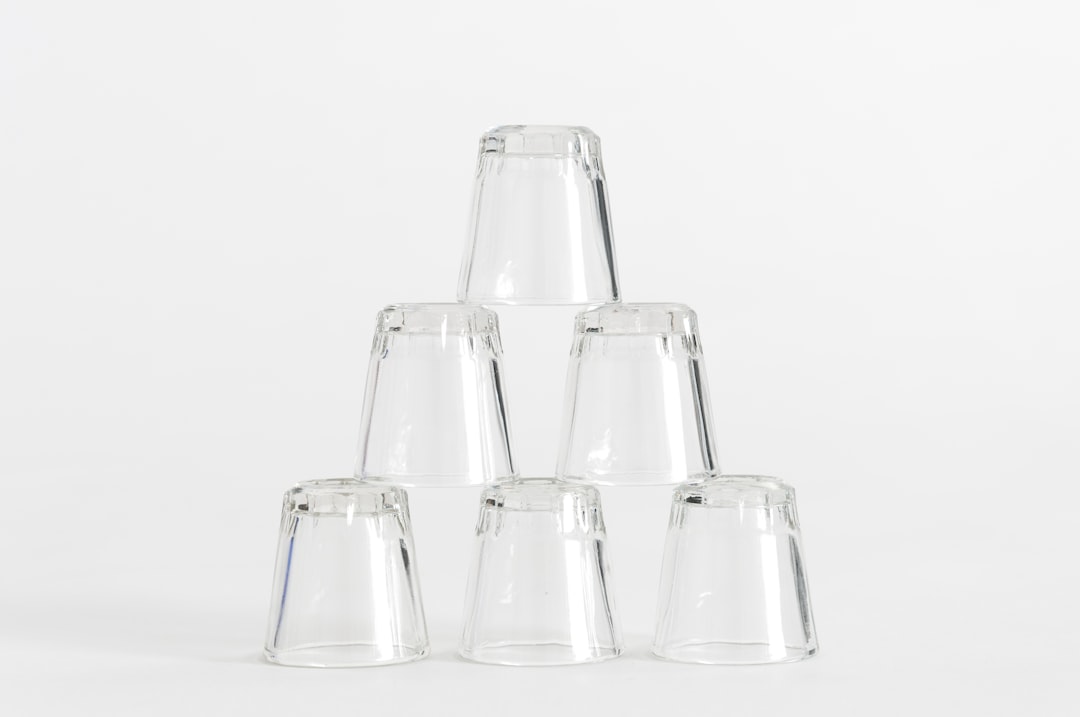
Ello Duraglass surprised me. I picked up a set on sale expecting mediocrity and found containers that have held up beautifully for over a year. The silicone sleeves on some of their designs add a layer of protection and a pop of color that makes them fun to use. They’re also surprisingly affordable for the quality — check their meal prep sets if you’re on a budget but don’t want to compromise.
Building a Glass Container Collection Without Breaking the Bank
You don’t need to replace every plastic container overnight. I certainly didn’t. My approach was incremental: every time a plastic container cracked, stained beyond recognition, or lost its lid to that mysterious kitchen dimension where socks and Tupperware lids go to vanish, I replaced it with glass. Within about six months, my collection had transformed completely.
Start with a versatile mid-size set — something in the 3-to-5-cup range that works for individual meals. Then add a few larger containers for batch cooking and a couple of small ones for snacks, dressings, and components. The best starter sets usually include this variety, and buying as a set is almost always cheaper than individual pieces.
One thing I wish someone had told me earlier: label your containers. Not the glass — that’s permanent. But the lids. Use a piece of tape or a food-safe label to note what’s inside and when you made it. Glass lets you see the food, but after four days, even the most colorful stir-fry starts to look like every other stir-fry. A simple date label prevents waste and keeps your prep game sharp.
Caring for Glass So It Lasts (Practically) Forever
Glass containers are an investment, but they pay for themselves over time because they genuinely last. My oldest Pyrex pieces are going on eight years and still look new. A few care tips that make the difference: always let hot containers cool before putting them in the fridge or freezer — thermal shock is the number one cause of cracking. Don’t use metal utensils inside them (scratches weaken the glass over time). And when stacking, try to nest similar sizes rather than forcing mismatched containers together, which puts uneven pressure on the corners.
The dishwasher is absolutely fine for the glass portions, but I’ve found that air-drying the lids helps the silicone seals last longer. Heat from the dishwasher can warp plastic lid components over time, and a warped lid means a leaky container. It’s a small extra step that adds months (maybe years) to the life of your lids.
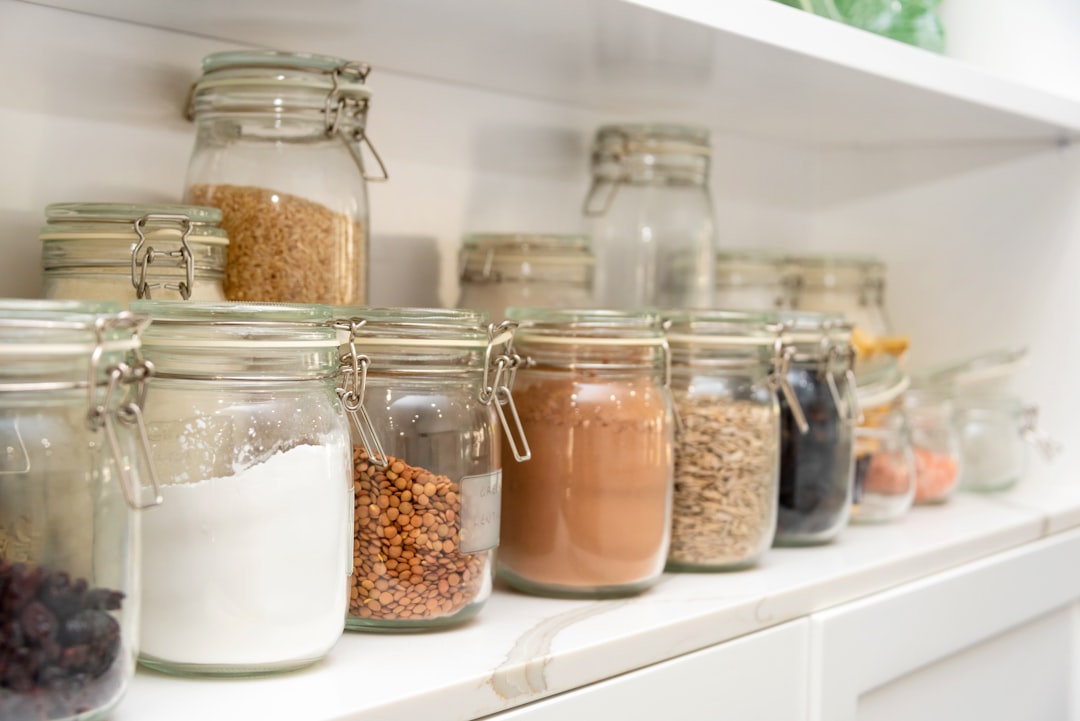
And here’s something I didn’t expect: glass containers have made me a better cook. When you can see your ingredients, your prepped components, your leftovers — when everything is visible and beautiful in its glass vessel — you cook more intentionally. You waste less. You eat better. It sounds almost silly, but it’s true, and my summer pantry reset routine became twice as effective once I could actually see what I had stored.
The Real Cost Comparison
Let’s talk money, because I know glass seems more expensive up front. A decent set of plastic meal prep containers might run you $15 for a pack of ten. A comparable glass set might be $35-$50 for fewer pieces. But here’s what the math doesn’t show you on the store shelf: those plastic containers will need replacing within a year. The glass ones won’t. Over three years, you’ll spend less on glass than you would cycling through plastic, and your food will have been stored in something that wasn’t slowly breaking down into your dinner.
When I did my tiny kitchen’s $200 storage makeover, glass containers were one of the biggest line items — and the one that’s delivered the most daily value. Every single day, multiple times a day, I interact with these containers. They’re not a gadget that sits in a drawer. They’re the backbone of how I feed myself and my family, and investing in quality here pays dividends in every meal.
If you’re looking for more food storage options and a broader comparison, I’ve covered that in detail elsewhere. But for meal prep specifically — for the containers you’ll use three, four, five times a week — glass is the answer I’ve arrived at after years of trying everything else.
My grandmother was right about so many things in the kitchen. This one just took me a little longer to learn.