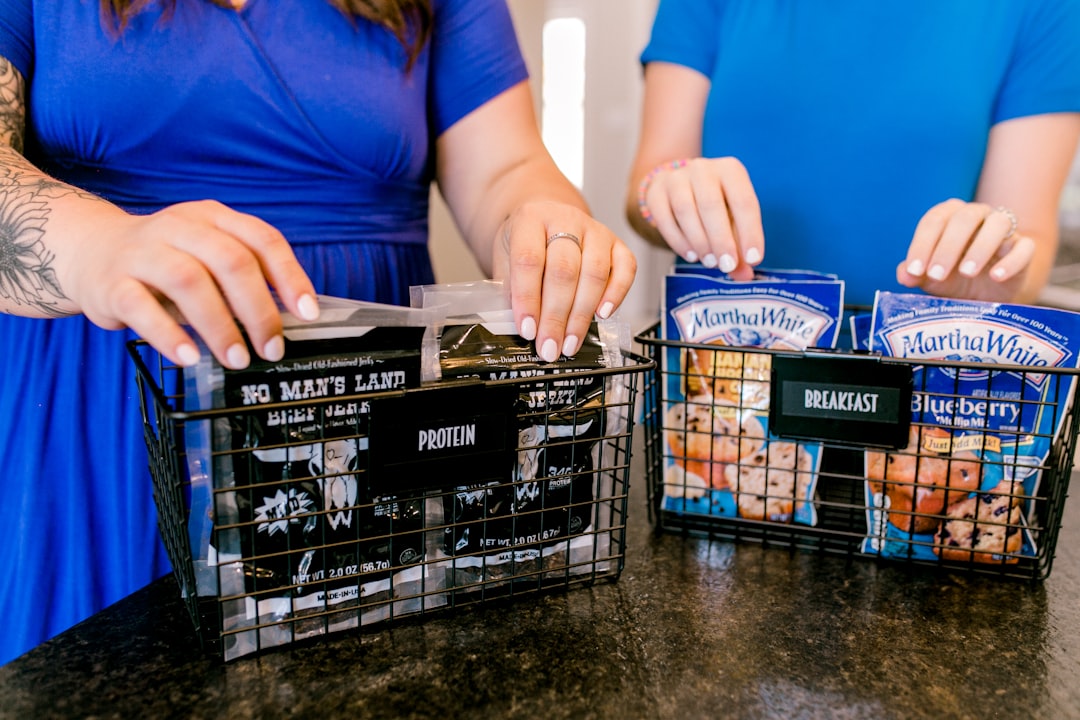
Every year, right around the time the dogwoods start dropping their petals and the farmer’s market shifts from root vegetables to mountains of strawberries, I do something my grandmother always did: I reset the entire kitchen for summer. Not a deep clean (though that happens too) — a strategic overhaul of what’s in my pantry, on my counters, and tucked into the back of my refrigerator. It’s part ritual, part necessity, and honestly, part survival. Because once June hits and the temperature starts climbing past eighty, the last thing I want is to be standing over a hot stove wondering what to make for dinner.
My grandmother didn’t call it a “pantry reset” — she called it “putting the kitchen to work for the season.” She’d swap out her heavy Dutch oven for a lighter sauté pan, move the slow cooker to the basement, and fill her canisters with different staples. Cornmeal replaced polenta. Vinegar got moved front and center. Fresh herbs went into every windowsill jar she could find. It was intuitive and brilliant, and it took me embarrassingly long to realize she wasn’t just tidying up — she was building a system that made summer cooking practically effortless.
I’ve been doing my own version of this seasonal pantry reset for over a decade now, and I’ve refined it into a process that takes about two hours and pays dividends all summer long. Here’s exactly what I do, why it matters, and the tools that make it actually enjoyable instead of overwhelming.
Step One: The Great Pantry Purge
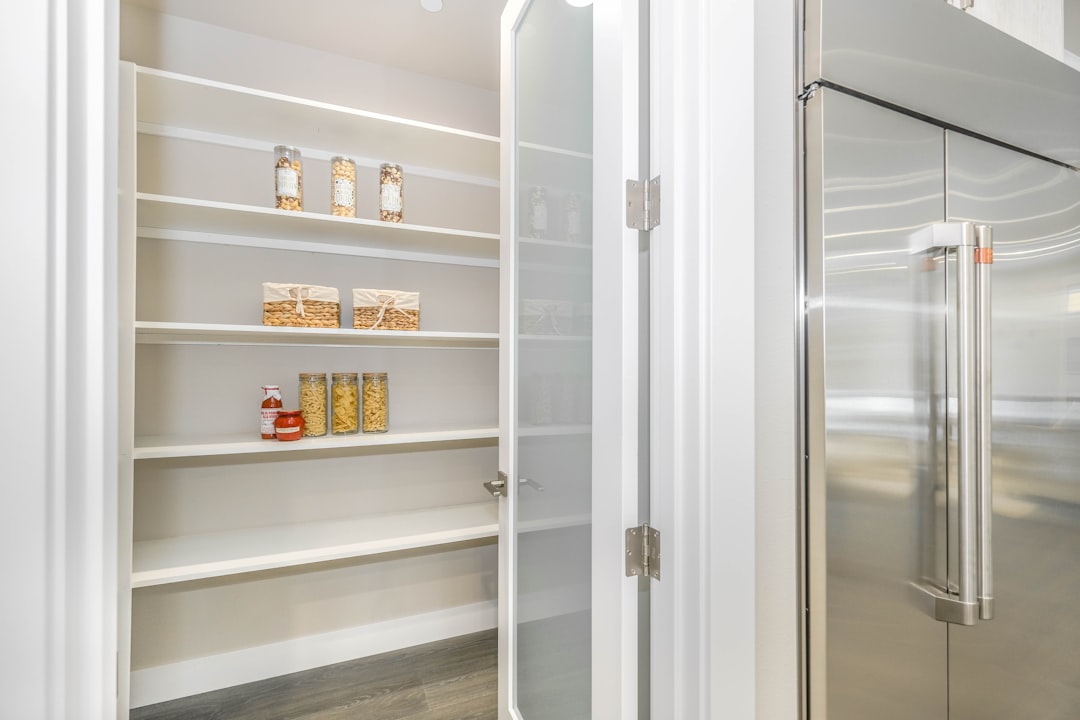
Before you add anything new, you need to know what you’re working with. I pull everything out of my pantry — and I mean everything. Every bottle of soy sauce with a dusty cap, every half-used bag of rice that’s been shoved behind the cereal, every spice jar I bought for a single recipe in 2024 and never touched again. It all comes out and lands on the kitchen table.
Then I sort it into three piles: keep, toss, and “what even is this?” The last pile is always the most entertaining. Last year I found a jar of pickled okra I’m fairly certain I brought back from a road trip in 2022. Brave? Maybe. But definitely past its prime.
The key to making this step painless is having a good sorting system ready before you start. I set up a row of clear pantry storage containers on the counter so that as I decide what to keep, it goes straight into something I can see through. No more mystery bags. No more guessing if that’s flour or powdered sugar. And if you’re using matching containers, your pantry instantly looks like it belongs in a magazine even if you’re storing the exact same stuff as before.
Step Two: Stock the Summer Staples
Here’s where the magic happens. Summer cooking is fundamentally different from winter cooking, and your pantry should reflect that. In colder months, I rely on heavy grains, canned tomatoes, and dried beans. But from May through August, my pantry shifts to lighter, brighter, faster-cooking ingredients that get dinner on the table without heating up the whole house.
My summer pantry essentials include: rice noodles and glass noodles (they cook in minutes with just boiling water), canned coconut milk for quick curries and smoothies, a variety of vinegars (rice vinegar, apple cider, and champagne vinegar are my warm-weather trinity), fish sauce, sesame oil, and a collection of hot sauces that would make my Louisiana-born aunt proud. I also stock up on canned beans — chickpeas, black beans, and cannellini — because they’re the backbone of every cold salad and quick weeknight meal I make from June to September.
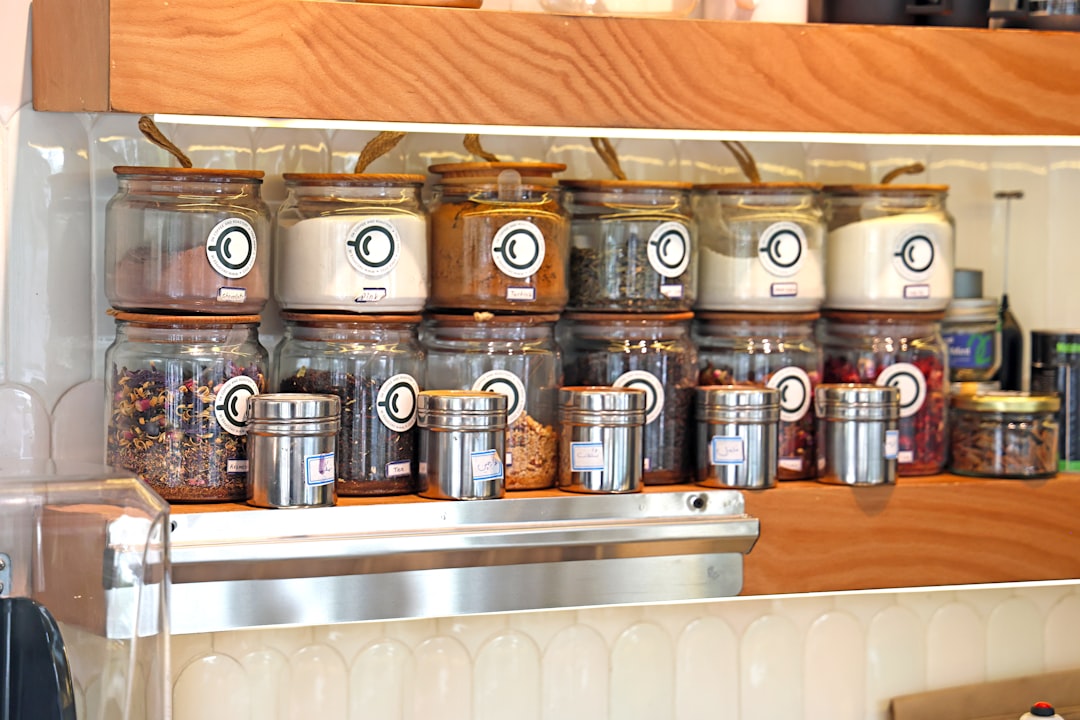
For storage, I transfer dry goods into airtight glass storage jars the moment they come home from the store. This isn’t just about looking pretty — it keeps pantry moths out (a lesson I learned the hard, upsetting way), keeps humidity from turning your crackers soggy, and honestly just makes you more likely to actually use what you have when you can see it at a glance.
Step Three: Reorganize by Cooking Style, Not by Food Type
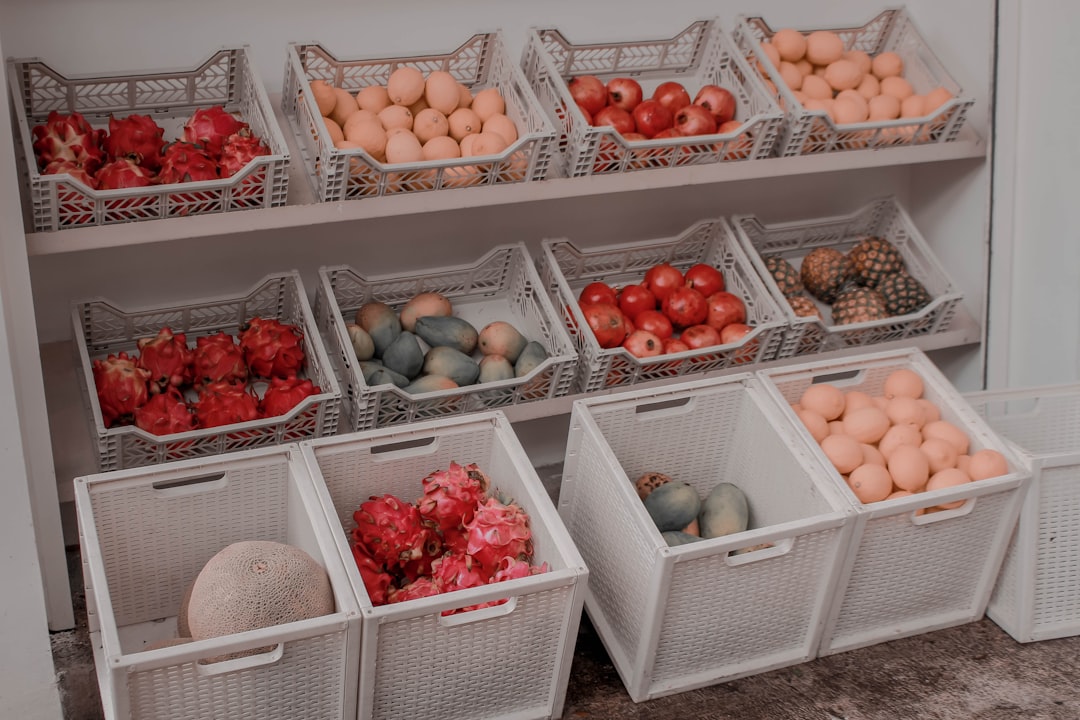
This is the single biggest change I made to my pantry, and it completely transformed how I cook in the summer. Instead of grouping things by traditional categories (all grains together, all spices together, all canned goods together), I organize by meal or cooking style.
I have a “quick dinner” zone that has rice noodles, coconut milk, curry paste, fish sauce, and a jar of peanuts all within arm’s reach of each other. My “salad builder” section lives on a separate shelf with various vinegars, olive oils, toasted sesame oil, canned beans, and a small container of sunflower seeds. There’s a “grilling marinade” area with soy sauce, honey, mustard, garlic powder, and smoked paprika clustered together. And a “summer baking” spot with flour, sugar, cornmeal, baking powder, and vanilla.
The beauty of this system is that when it’s six o’clock on a Tuesday and it’s still ninety degrees outside, I don’t have to think. I just grab everything from one zone and dinner practically builds itself. I use shelf organizer bins to corral each zone so items don’t migrate. It’s one of those small investments — maybe twenty dollars — that saves you a surprising amount of mental energy every single day. And if you want more storage inspiration, check out my tiny kitchen storage makeover — the principles apply no matter your space.
Step Four: Counter Swap for the Season
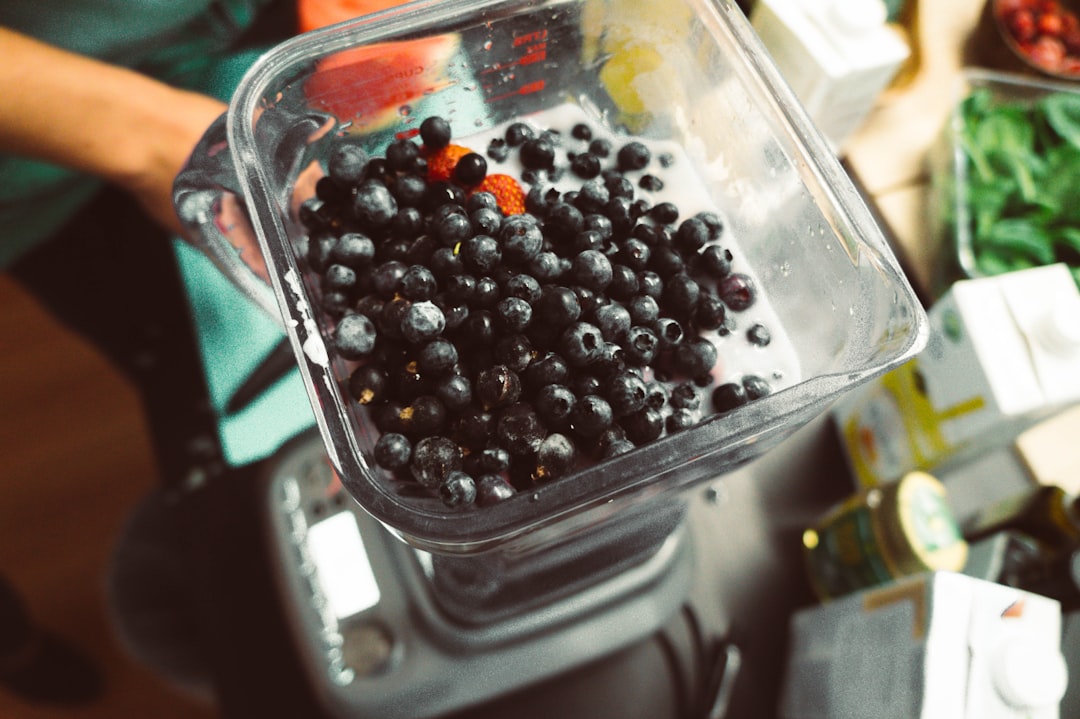
My counters tell a different story in July than they do in January. The slow cooker, the heavy cast iron Dutch oven, and the stand mixer (unless pie season calls) all get relocated to a shelf in the garage. In their place, I set up the tools that actually earn their counter real estate during summer.
First up: the blender. From smoothies at breakfast to cold soups at dinner to frozen cocktails on the patio, my blender runs practically nonstop from May through August. If yours is still working, great. But if you’ve been limping along with a blender that can’t handle ice without sounding like it’s preparing for liftoff, this is your permission to upgrade. A good high-speed blender is worth every penny in the summer. I wrote a whole guide to finding the right blender for your kitchen if you’re in the market.
Second: the food processor. This is my summer workhorse for making quick pesto with all that bumper-crop basil, shredding zucchini for fritters, and chopping vegetables for giant batches of salsa. If you don’t have one and you cook regularly in the summer, it’s genuinely life-changing.
Third: a good salad spinner. I resisted buying one for years because it seemed like a unitasker. I was wrong. When you’re washing lettuce from the farmer’s market every other day, a salad spinner isn’t a luxury — it’s the difference between actually eating your greens and watching them wilt in the crisper drawer because you couldn’t face the hassle of washing and drying them.
Step Five: The Freezer Is Your Best Summer Friend
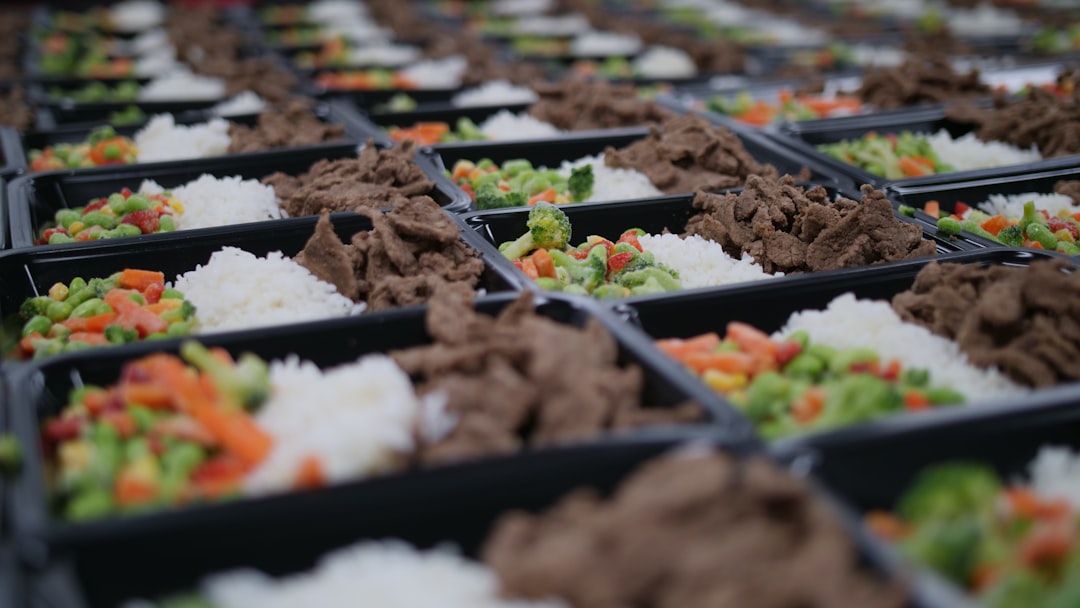
My freezer situation going into summer is strategic in a way that borders on obsessive, and I make no apologies for it. I keep it stocked with frozen fruit for smoothies (way cheaper than fresh and already at peak ripeness), frozen peas and corn for quick sides and salads, puff pastry for impromptu tarts with whatever fruit is overflowing from the farm stand, and always — always — a stash of homemade pesto frozen in ice cube trays.
The freezer is also where I store batch-cooked grains and beans. On a Sunday afternoon when it’s too hot to think about cooking, I’ll make a big pot of quinoa or farro and freeze it in portion-sized silicone storage bags. Same with cooked chickpeas. Then all week long, I can pull out exactly what I need for grain bowls, salads, or quick stir-fries without turning on the stove once.
I’ve written before about finding the right food storage containers for keeping things fresh, and this is one area where investing in quality matters. Cheap containers crack in the freezer, develop weird smells, and generally betray you when you need them most. The silicone bags I use have held up for three summers now and show zero signs of quitting.
Step Six: Build Your Summer Cooking Station
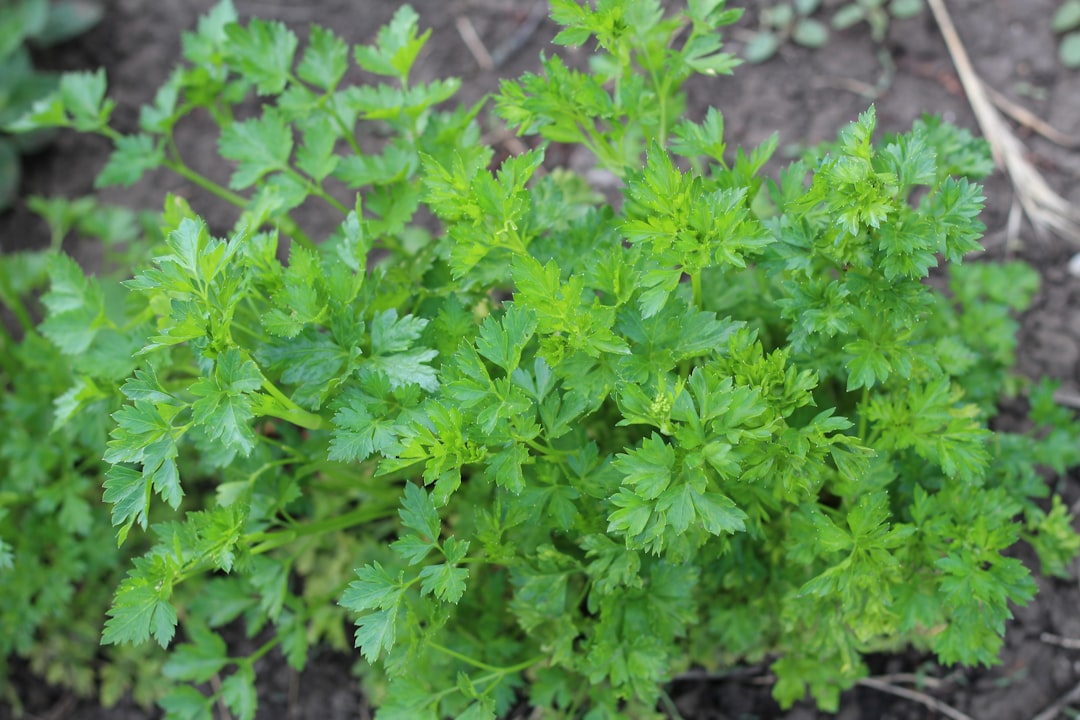
If you have even a small stretch of counter space near your stove, I highly recommend creating a dedicated summer cooking station. This is where I keep the things I reach for every single day from June through August: a jar of flaky sea salt, a pepper mill, a small bottle of my best olive oil, a bowl of garlic, and a scissors (yes, scissors — I use them for snipping herbs directly into dishes roughly one hundred times more often than I use a knife for the same task).
Having these essentials within arm’s reach means I can season and finish a dish without hunting through cabinets or crossing the kitchen three times. It sounds minor, but when you’re making dinner in a kitchen that’s already warm from the summer heat, minimizing unnecessary movement is its own form of self-care.
I keep everything corralled on a marble serving tray that does double duty when I need to carry condiments out to the patio table. The marble stays cool to the touch and looks genuinely beautiful even when it’s just holding salt and olive oil. Form and function, as my grandmother would say.
Step Seven: The Pantry Recipes That Carry Me Through Summer
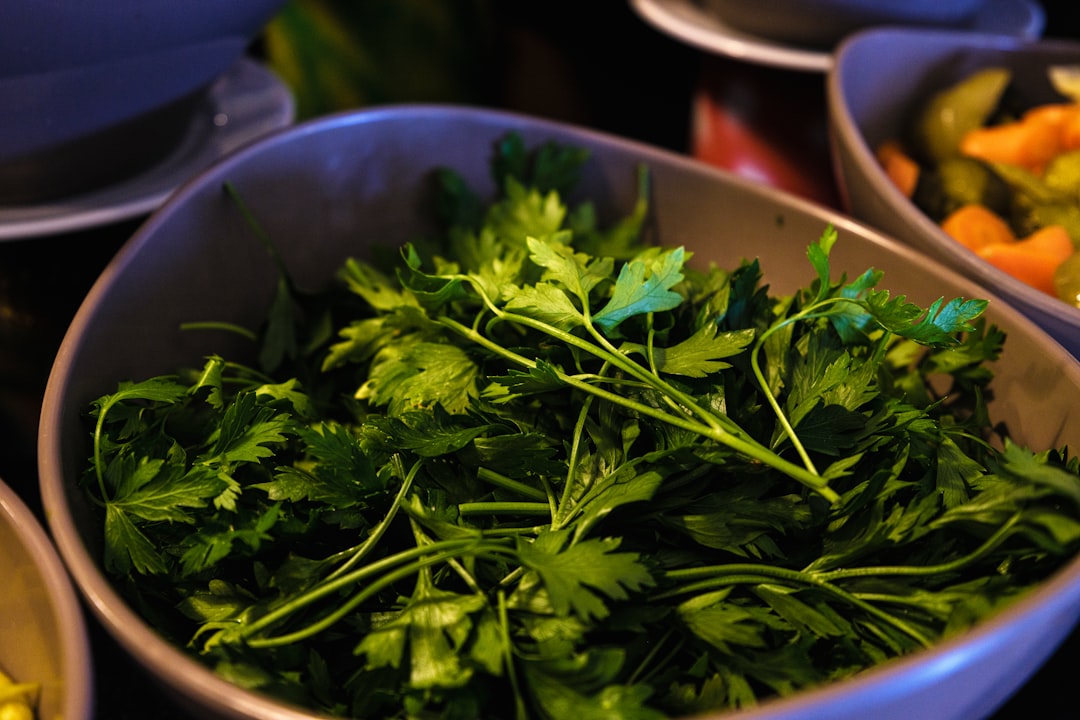
Once my pantry is reset and restocked, I lean on a rotation of about ten recipes that I can make entirely (or almost entirely) from pantry staples with maybe one or two fresh additions. These are the dinners that save me from ordering takeout when it’s too hot to think.
My go-tos include: coconut curry with rice noodles (pantry-only), a white bean and tuna salad with whatever herbs are growing on the windowsill, pasta with pantry puttanesca, a grain bowl built from freezer quinoa and whatever vegetables look good at the market, and a cold soba noodle salad with a sesame-soy dressing that takes about four minutes to whisk together.
The common thread is that none of them require more than fifteen minutes of active cooking, and none of them need the oven. When your kitchen is set up for this kind of cooking, eating well in the summer doesn’t feel like an accomplishment — it just feels natural. That’s the whole point of the reset.
If you want to dive deeper into kitchen systems that actually make your life easier, I wrote about the time-saving kitchen gadgets that genuinely changed my routine — many of which earn their keep especially during the summer months when efficiency matters most.
Make It Your Own
The most important thing I can tell you about doing a seasonal pantry reset is that there’s no single right way to do it. My grandmother’s version looked different from mine because she cooked differently, lived in a different climate, and fed a different family. Your version will look different too, and that’s exactly how it should be.
Start with the purge. That part is universal. And if you need some pantry labels to keep your new system looking sharp, treat yourself — they’re a small indulgence that makes a big difference. Then think about how you actually cook in the summer — not how you wish you cooked, but what you genuinely reach for on a random Tuesday in July. Build your pantry around that reality, organize by cooking style, and stock the things that make fast, fresh meals possible. The tools and containers I mentioned are the ones that work for me, but the philosophy is what matters: set up your kitchen so that summer cooking feels easy, because it should be. The best meals of the year are waiting for you, and they shouldn’t require breaking a sweat to get on the table.


6 thoughts on “The Summer Pantry Reset: How I Prep My Kitchen for Three Months of Easy, Delicious Cooking”