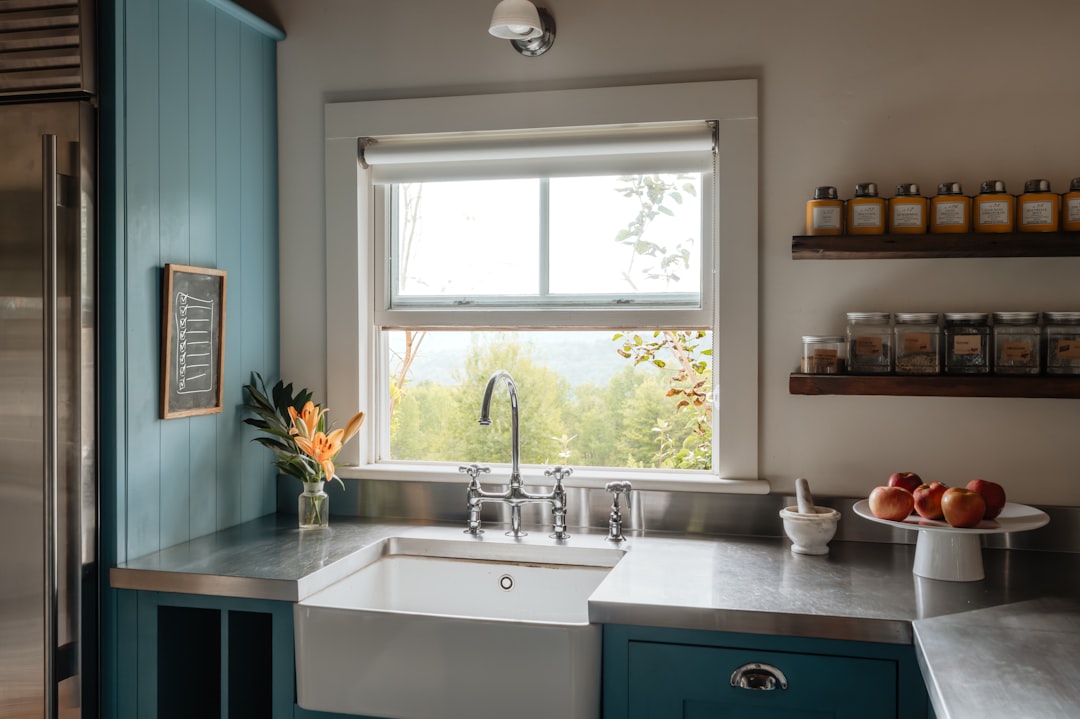
Let me tell you about the day my spice cabinet fought back. I was mid-recipe — a Sunday gravy that needed just a pinch of fennel seed — when the domino effect began. The fennel was behind the smoked paprika, which was wedged next to three half-empty jars of cinnamon (because apparently I keep forgetting I already own cinnamon), and the whole tower toppled the moment I pulled the front jar. Bay leaves scattered across my stovetop like confetti. A jar of whole cloves rolled under the refrigerator. I stood there, wooden spoon in one hand, fennel seed nowhere to be found, and thought: this has to stop.
That was the Saturday I decided to take on the most chaotic four cubic feet in my entire home. Because here’s the thing about spice storage — it’s the one corner of the kitchen that almost everyone neglects until it explodes. We reorganize our pantries, we Marie Kondo our Tupperware drawers, we label our glass containers with beautiful minimalist stickers. But the spice cabinet? That dark, deep, unreachable cavern above the stove where jars go to expire? That’s where kitchen dreams go to die.
Not anymore. After three weeks of testing systems, pulling out shelves, measuring awkward cabinet interiors, and — I’ll admit — throwing away an embarrassing number of jars that expired during the Obama administration, I built a spice storage setup that actually works. And I’m going to walk you through every decision, every mistake, and every product that earned its place in my kitchen.
Step One: The Great Purge (And What It Taught Me)
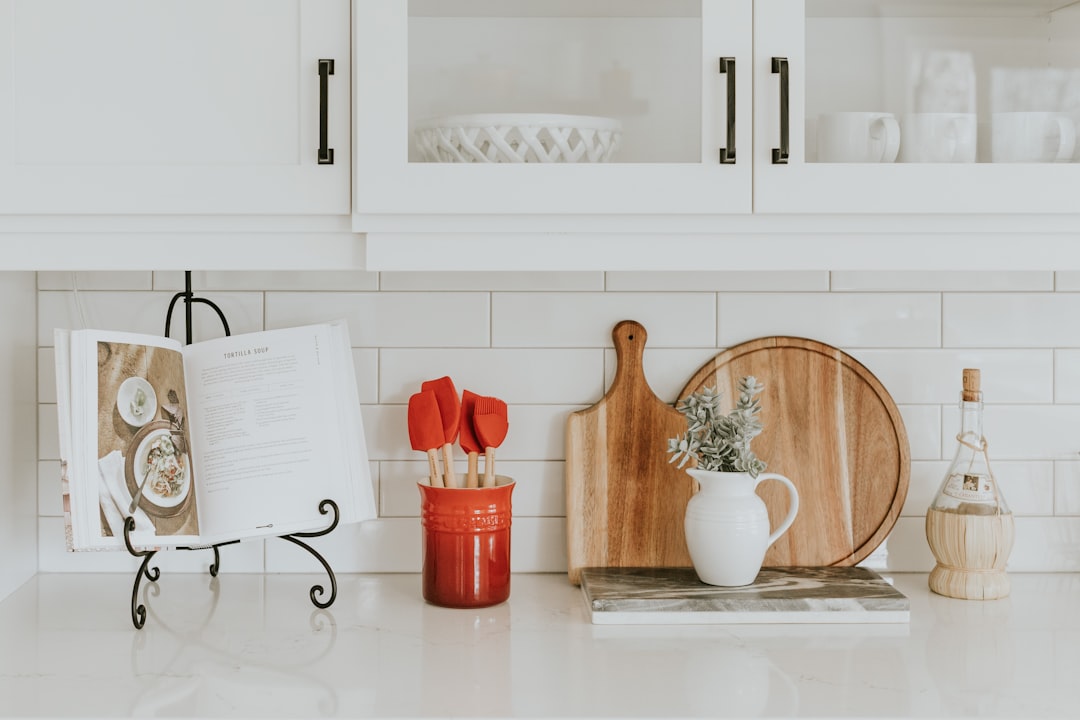
Before you buy a single organizer, you have to face what you already have. I pulled every jar, tin, bag, and bottle out of my spice cabinet and lined them up on the dining table. My team and I counted them: seventy-three. Seventy-three spice containers in a cabinet roughly the size of a shoebox. No wonder nothing fit.
The purge was humbling. I found two jars of cream of tartar (one from 2019, one unopened), three different types of curry powder with nearly identical labels, and a tin of saffron so old it had lost all color. If you’re doing this at home, here’s my rule of thumb: if you can’t remember the last time you used it, and it smells like dust instead of its namesake spice, it goes. Ground spices lose their punch after about six months. Whole spices can hang on for a year, maybe two. After that, you’re just storing colorful dust.
Once the expired and duplicates were gone, I was left with thirty-one jars. Thirty-one. That’s a manageable number. That’s a number a good storage system can actually handle without requiring an engineering degree to retrieve the nutmeg.
Step Two: Choosing Your Storage Style (Because One Size Does Not Fit All Kitchens)
Here’s where most spice organization guides lose me. They assume everyone has the same kitchen layout, the same cabinet dimensions, the same cooking habits. I’ve lived in kitchens ranging from a galley apartment with exactly three cabinets to my current setup with a walk-in pantry. The right spice storage solution depends entirely on your space, and after testing more systems than I care to admit, I can tell you that there are three approaches that genuinely work.
The Pull-Out Cabinet System
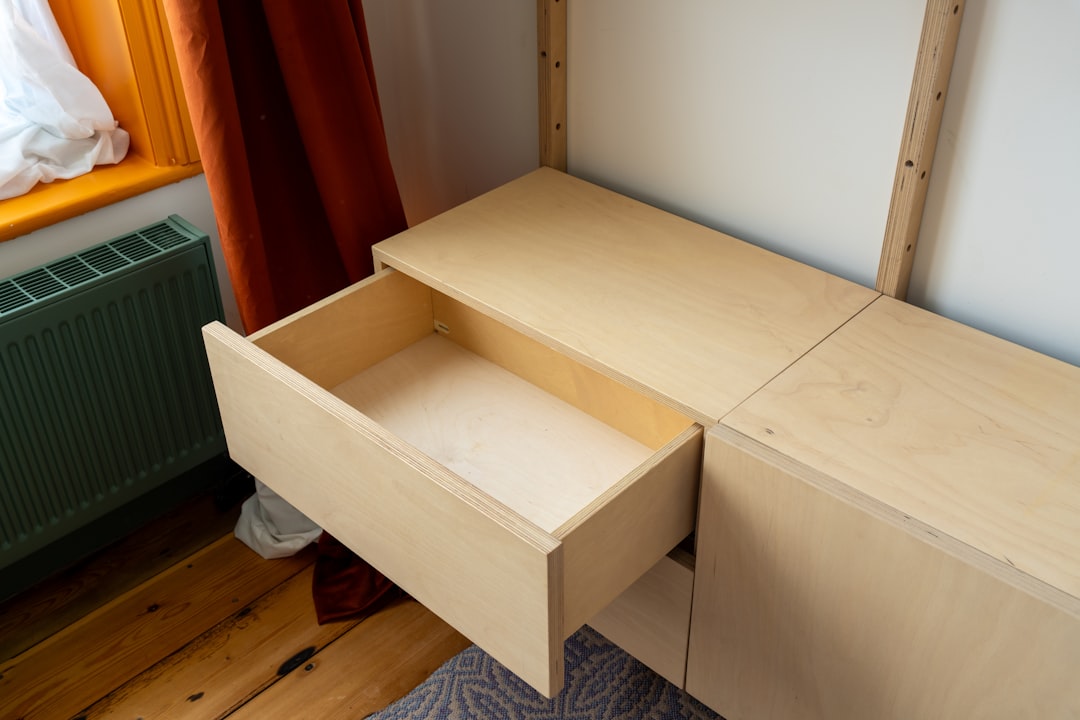
If you have a cabinet that’s at least five inches wide and you’re tired of rummaging through dark depths, a pull-out spice rack is transformative. I installed the SpaceAid Bamboo Pull-Out Spice Rack in the narrow cabinet next to my range, and it changed the way I cook. The rack slides out smoothly on heavy-duty rails, displaying every jar at eye level. No more reaching blindly into the back. No more domino effect.
The bamboo version is worth the upgrade if you care about your kitchen aesthetics — it has a warmth that the metal versions lack, and it coordinates beautifully with wood cutting boards and utensils. If you have a slightly wider cabinet, the SpaceAid 10.1-inch version gives you four drawers instead of three, which is enough for a serious cook’s entire collection. For a budget-friendly alternative that still gets the job done, the Mystozer pull-out rack is surprisingly sturdy for the price and fits tighter spaces.
If you’re working with a standard cabinet and want the classic two-pack setup, the dual pull-out rack system gives you two tiers that each hold up to ten jars — perfect for separating sweet baking spices from savory cooking ones.
The Tiered Shelf Approach
Maybe you don’t want to install hardware. Maybe you’re renting, or maybe your cabinets are already spoken for. That’s where a simple tiered shelf becomes your best friend. I tested the Copco 3-Tier Spice Rack in my pantry, and for under twenty dollars, it’s hard to beat. The nonskid surface keeps jars from sliding, and the step design means you can actually see every label without playing spice Jenga.
For a more customizable option, the expandable 3-tier rack adjusts from 16 to 29 inches wide, which means it fits everything from a narrow apartment shelf to a full pantry depth. I placed one of these on a turntable in my baking area, and suddenly my vanilla beans, cardamom, and cinnamon were all visible and accessible.
The trick with tiered shelves is to put your most-used spices on the front edge of the bottom step (that’s your salt, pepper, garlic powder, and whatever you reach for daily) and reserve the back of the top step for the spices you use occasionally but still want within arm’s reach.
The Wall-Mounted Magnetic Route
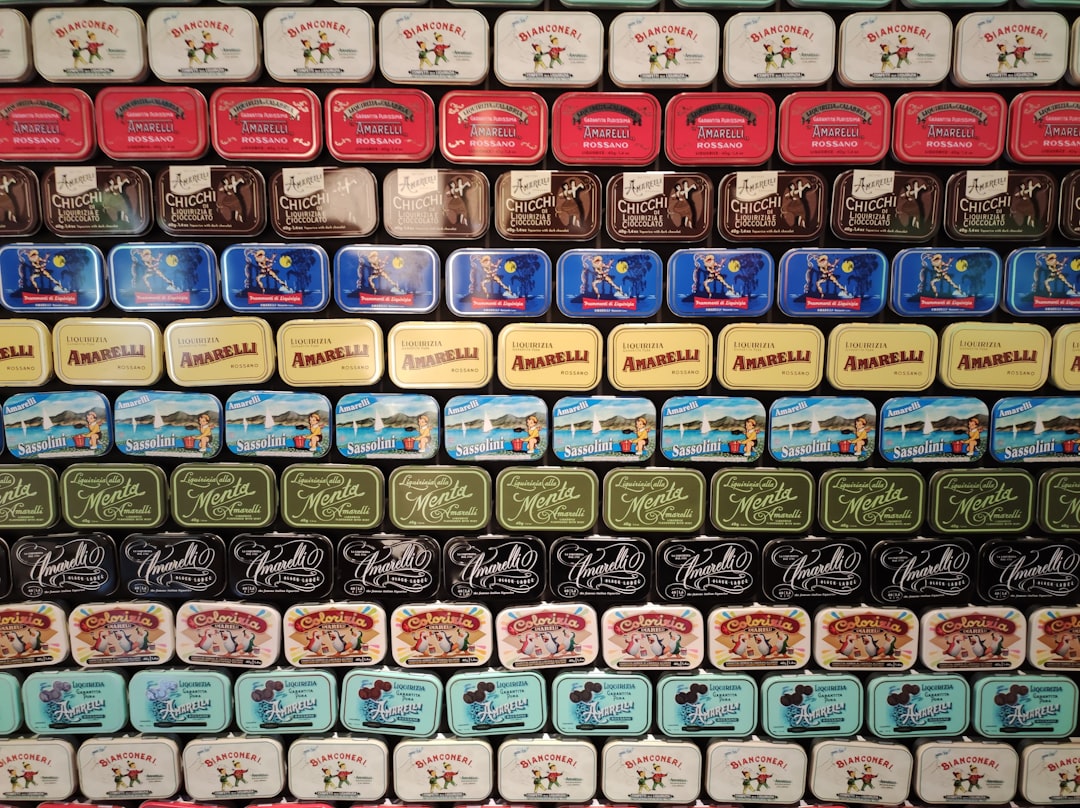
Now, this is the approach that makes people either swoon or skeptical. I was in the skeptic camp until I tried it. The Vetacsion magnetic spice tin set comes with eight round tins and two metal wall plates. You fill the tins with your spices, stick the plates to the wall (or inside a cabinet door), and the magnets hold everything in place. It’s visually stunning — especially if your spice collection includes vibrant colors like turmeric, paprika, and saffron.
I will say this: magnetic tins work best for cooks who buy whole spices and grind them fresh, because the tins are smaller than standard jars. If you’re someone who goes through cumin by the cupful, stick with the pull-out system. But for the baker who keeps a dozen delicate spices within a small footprint? Magnetic tins are magic. The 16-tin set is worth the upgrade if you have wall space and a serious collection.
Step Three: The Jar Uniformity Question
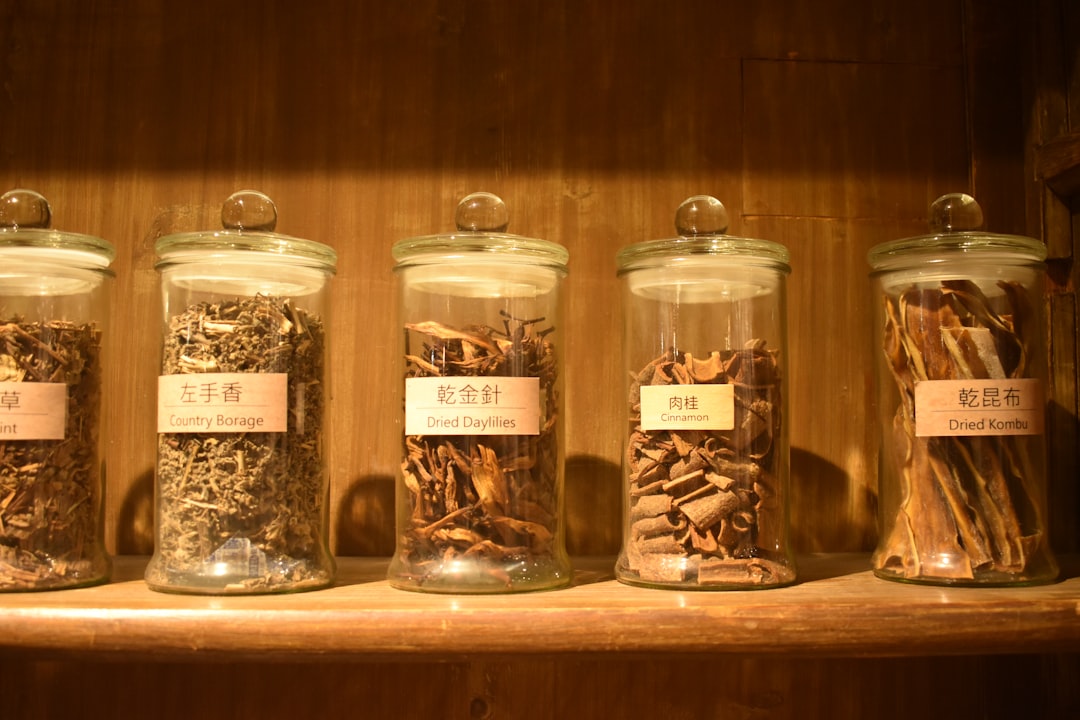
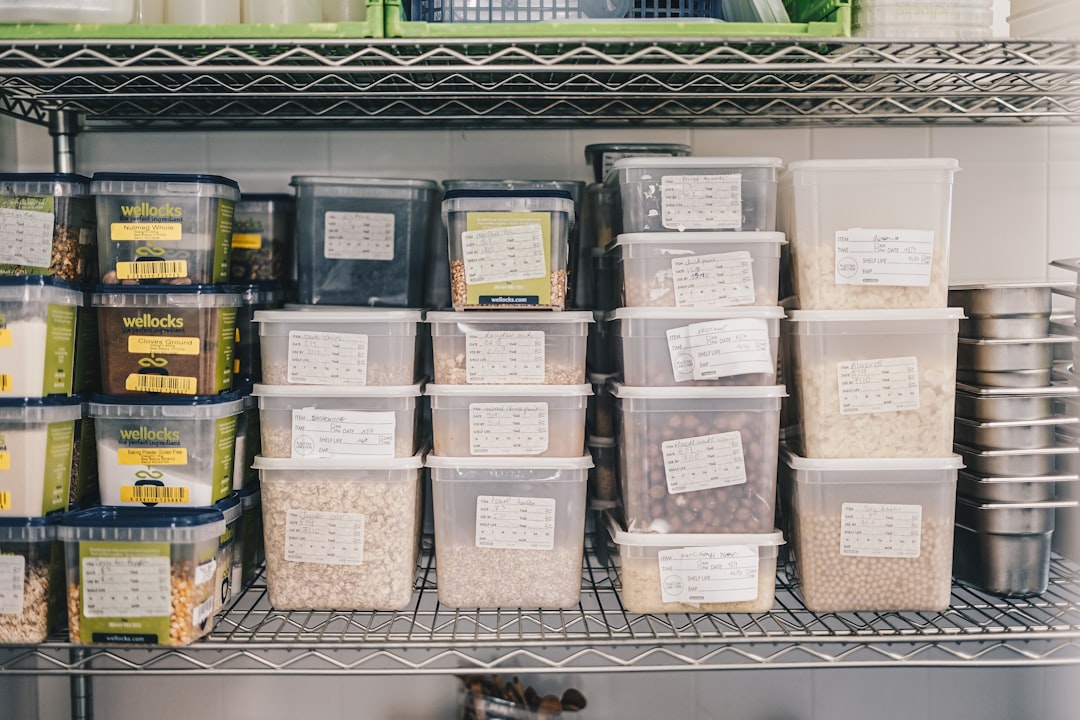
Okay, this is where I’m going to get opinionated. After years of mismatched jars — some round, some square, some with shaker lids, some with cork stoppers — I finally standardized. And I will never go back. Uniform jars stack neatly, fit any organizer system, and make your spice cabinet look like it belongs in a real kitchen instead of a yard sale.
The Churboro 25-piece jar set is what landed in my kitchen. You get 25 square glass jars (4 ounces each) with metal caps, shaker lids, a funnel, and a chalk pen. The square shape is key — round jars waste up to 30% of your shelf space because of the gaps between them. Square jars line up like little soldiers, and you can fit more into the same footprint.
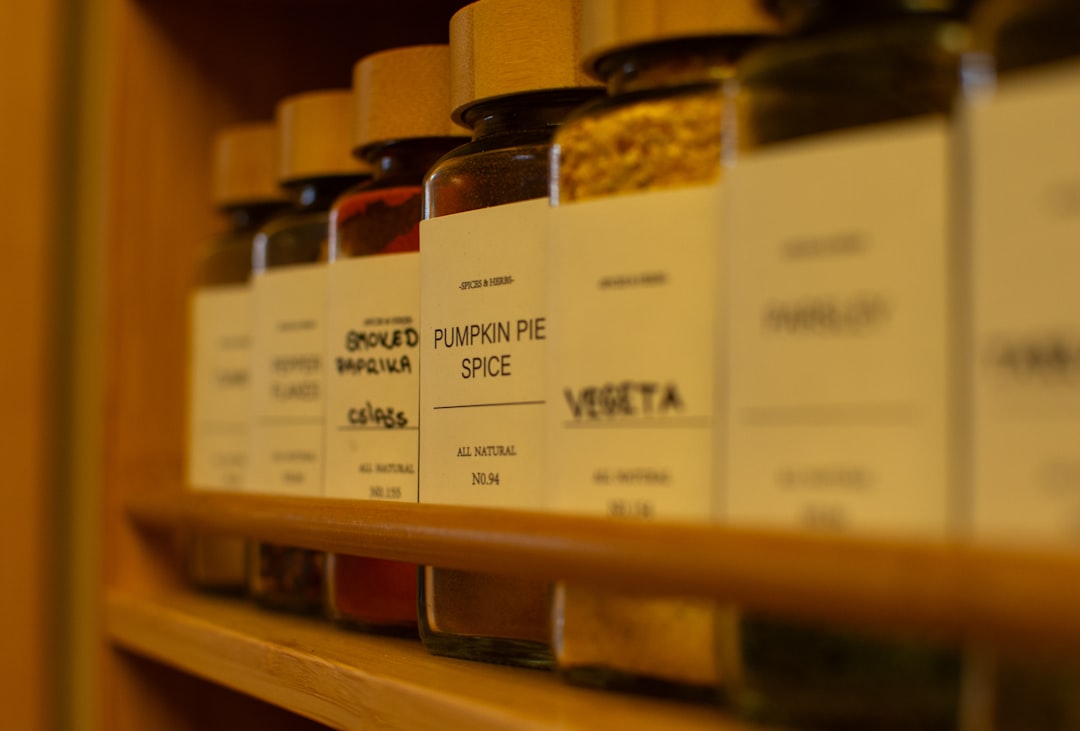
If you want a turnkey solution that includes the rack, jars, labels, and even a funnel, the SpaceAid complete spice rack set comes with 28 jars, 386 pre-printed labels, a chalk marker, and a freestanding rack that works on the counter, in the pantry, or mounted to a wall. It’s the closest thing to a one-purchase spice organization overhaul that I’ve found.
Step Four: Labels (The Detail That Changes Everything)
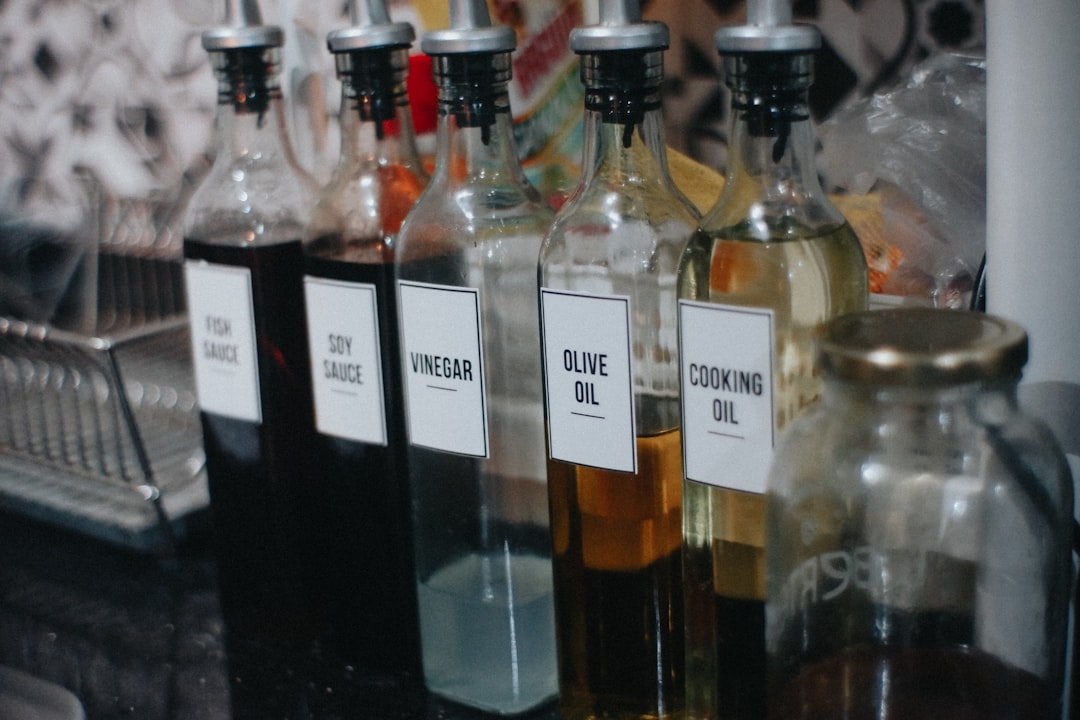
I cannot overstate this: labeling your spices is what separates a spice cabinet from a spice system. When every jar looks identical (which it will, if you’ve standardized), the label is the only thing standing between you and accidentally putting cinnamon in your chili.
The 432-piece pre-printed spice label set covers virtually every spice you can think of, from ajwain to za’atar. They’re waterproof, adhesive, and the black text on clear background looks professional without being fussy. My team labeled all thirty-one jars in about twenty minutes, and I’m including the time we spent debating whether “Italian seasoning” deserved its own label or should be filed under “herbs.” (It got its own. I have opinions.)
One labeling tip from someone who learned the hard way: label the side of the jar, not the top. If you’re using a tiered shelf or drawer system, you’ll be looking at the jars from the side. A top-only label means you’re craning your neck to identify the contents, which defeats the entire purpose of organizing.
Step Five: Drawer Dividers for the Final Polish
If you have a kitchen drawer dedicated to spices — or even a drawer that holds cooking tools alongside a few jars — adjustable dividers are the finishing touch. The SpaceAid Bamboo Drawer Divider set includes four expandable dividers that adjust from 17 to 22 inches. I used them to create individual compartments in my prep drawer, separating measuring spoons from spice jars from the thermometer that used to float around loose.
Bamboo dividers also bring warmth to an otherwise sterile drawer interior. It’s a small detail, but when you open a drawer and everything has its place, including the dividers themselves, it makes you feel like your kitchen is actually working with you instead of against you.
The System in Practice (Three Weeks Later)
It’s been three weeks since the cumin avalanche. I’ve cooked dinner every night since then — everything from a complicated mole sauce that required eleven different spices to a simple Tuesday roast chicken that just needed salt, pepper, and thyme. And here’s what I’ve noticed.
I’m cooking with more variety. When you can see every spice you own, you actually use them. I rediscovered jars of aleppo pepper and sumac that I’d forgotten about, and they’ve been making regular appearances in my cooking. It turns out the best spice cabinet organizer isn’t just about neatness — it’s about making your collection visible and usable.
I’m also wasting less. When I can see what I have, I don’t buy duplicates. My grocery list is more intentional. And because the jars are clear, uniform, and labeled, I can tell at a glance when I’m running low on something essential — which means no more mid-recipe panic when I reach for the cumin and find an empty jar.
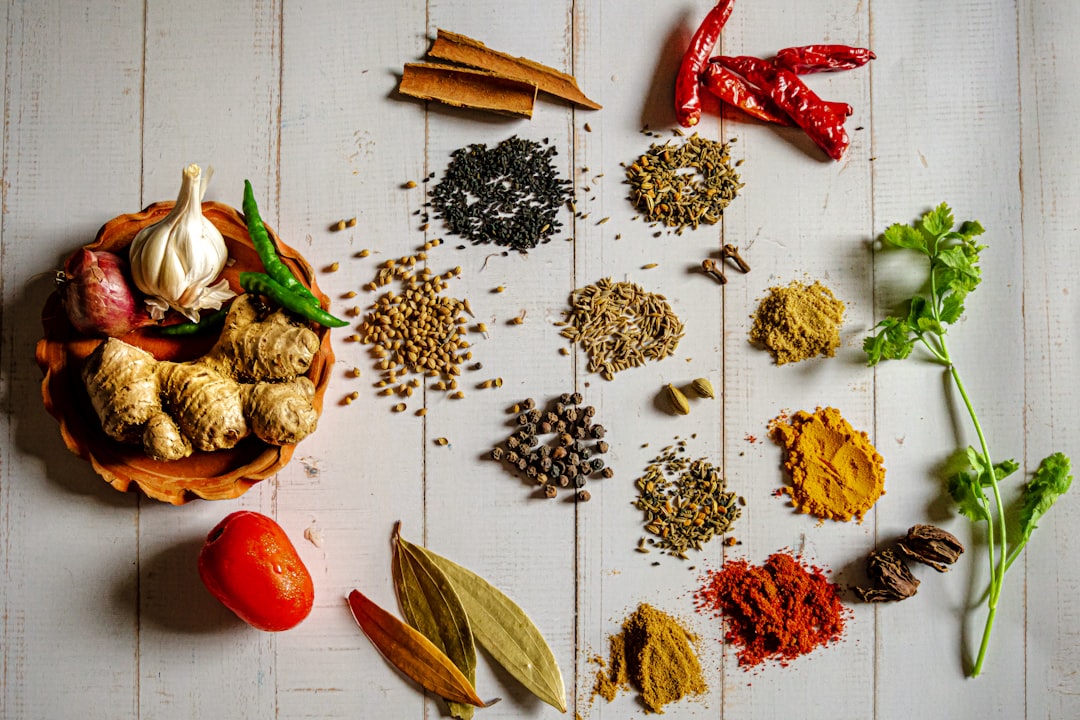
The real test came last weekend when I hosted a dinner party for twelve. I was making a complex tagine that required twelve different spices, and my friend watched me pull each one without hesitation, without searching, without the dreaded cabinet rummage. She asked if I’d hired a professional organizer. I laughed. “No,” I said. “I just got tired of the avalanche.”
Lessons From Someone Who’s Made Every Mistake
If you’re about to tackle your own spice cabinet, here are the hard-won lessons from my three-week journey:
- Measure twice, buy once. Know your cabinet’s interior dimensions — width, depth, and height — before ordering anything. The most beautiful organizer in the world is useless if it doesn’t fit your space. My pull-out rack needed exactly 7.6 inches of width, and I measured three times before pulling the trigger.
- Purge before you organize. Don’t build a system around spices you’ll never use. Be ruthless. If you bought star anise for one recipe in 2022 and haven’t touched it since, let it go.
- Keep your daily spices separate from your specialty collection. I keep salt, pepper, garlic powder, and red pepper flakes in a small basket next to the stove. They never go in the cabinet. That frees up prime storage real estate for the spices that actually need a home.
- Label within a week of organizing. If you wait, you’ll forget what’s in those identical jars, and you’ll be back to sniff-testing everything. I learned this the hard way during the great “is this cumin or coriander?” incident of two weeks ago.
Building a spice system that works isn’t about spending a fortune or hiring a professional. It’s about honestly assessing how you cook, choosing storage that fits your actual kitchen (not the one in the catalog), and committing to the kind of labeling and purging that makes the system sustainable. When I open that cabinet now — when every jar is visible, every lid faces the same direction, and every spice has a designated spot — I feel a little spark of joy that has nothing to do with aesthetics and everything to do with the fact that my kitchen finally works the way I always wanted it to.
If you’re standing in front of your own chaotic spice cabinet right now, wondering if it’s worth the effort, let me tell you: it is. Start with the purge. Get yourself a good tiered rack or a pull-out system, standardize your jars, and label everything. And the next time a recipe calls for fennel seed, you’ll actually find it.
One thought on “Seventy-Three Jars and a Sunday Gravy: How I Finally Tamed the Worst Cabinet in My Kitchen”