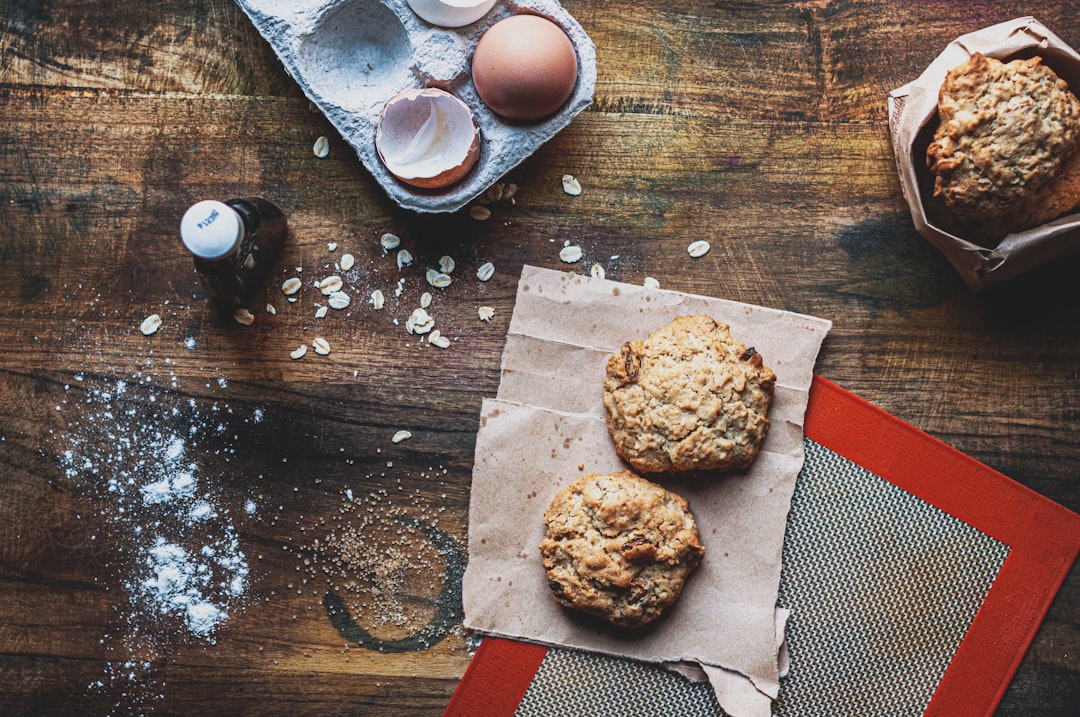
The most important pan in my kitchen costs less than twenty dollars. I know that sounds dramatic — and if you’ve spent any time in my world, you know I love a good Dutch oven, a razor-sharp chef’s knife, and a stand mixer that could survive a hurricane. But if my house were on fire and I could grab one thing from the kitchen? After my family and the dog, I’m reaching for my sheet pan. Not even a specific sheet pan. Just the concept of a sheet pan. Because nothing — and I mean nothing — has earned its counter space harder than that flat, rimmed rectangle of aluminum.
I’ve been cooking on sheet pans since I was tall enough to reach the oven without a step stool. My grandmother roasted her Sunday potatoes on one. My mother baked thousands of cookies on the same dented pan for thirty years. And in my own test kitchen, I’ve put easily two hundred sheet pans through their paces over the last decade — warping them, scrubbing them, seasoning them, and occasionally throwing them across the backyard in frustration. What I’ve learned is that the humble half sheet pan is the single most versatile piece of cooking equipment you can own, and almost nobody talks about it with the reverence it deserves.
So let’s fix that.
Why the Half Sheet Pan Is the Real MVP of Your Kitchen
A half sheet pan measures roughly 18 by 13 inches with a one-inch rim. That’s it. It’s a flat piece of metal with a lip. And yet this simple design can bake cookies, roast a whole chicken, toast nuts, dehydrate tomatoes, freeze cookie dough portions, serve as a mise en place tray, catch drips under a pie, and even function as a makeshift serving platter when you’re feeding a crowd in the backyard. I once used a sheet pan as a mirror to check the back of my hair before a wedding. That’s versatility.
The magic is in the material. Bare aluminum heats quickly and evenly — faster than stainless steel, lighter than cast iron, and far more responsive than ceramic. When you toss diced sweet potatoes in olive oil, spread them on a half sheet pan, and slide them into a 425-degree oven, the metal transfers heat so efficiently that the bottoms caramelize before the tops even know what’s happening. That’s the Maillard reaction at work — the same browning that makes bread crust golden and steak taste like steak — and sheet pans are better at delivering it consistently than almost any other surface in your kitchen.
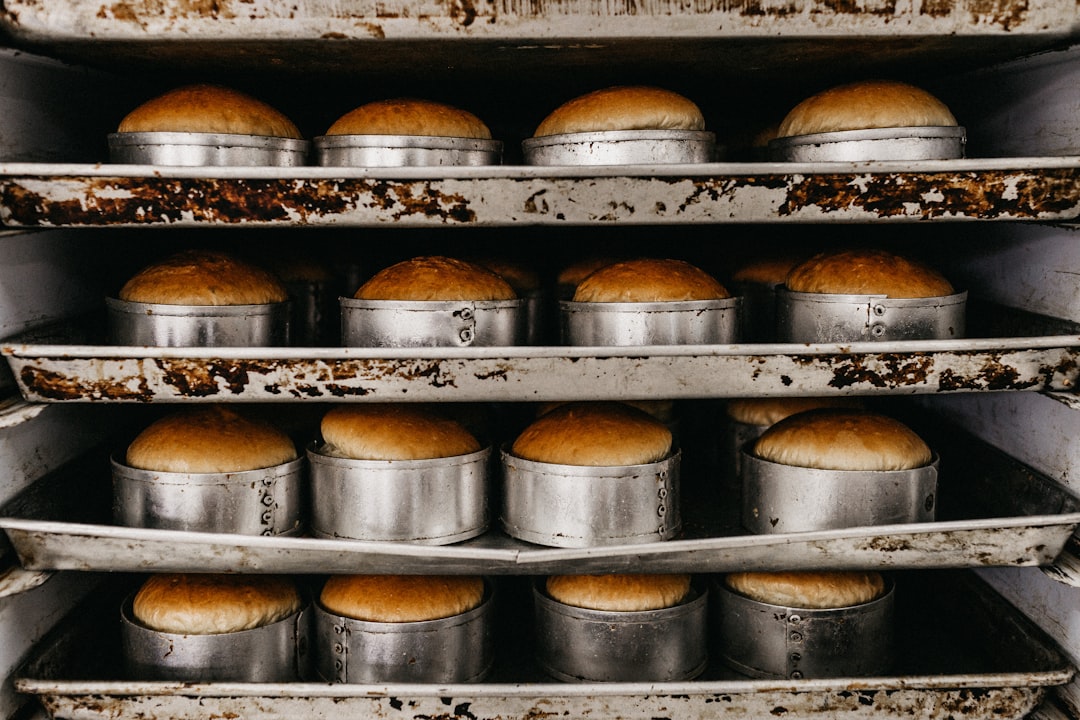
The rim matters too. Without it, you’d lose every cherry tomato off the edge. With it, you can slide a spatula under a full sheet of shortbread and transfer it to a sturdy cooling rack without a single crack. The rim also means you can pour off excess fat after roasting bacon, use the pan as a marinating vessel, or transport a pile of roasted vegetables from oven to table without a detour onto the floor.
The Pan I Keep Replacing With the Exact Same Pan
After years of testing every brand I could get my hands on — from budget big-box options to professional-grade stainless — I keep landing back on the same one. The Nordic Ware Naturals Half Sheet Pan has been my go-to for over a decade, and the reason is almost annoyingly simple: it doesn’t warp. The encapsulated galvanized steel rim keeps the pan flat even at 500 degrees, and the heavy-gauge aluminum conducts heat so evenly that cookies baked in the corner brown at the same rate as the ones dead center.
I buy them in pairs because one is never enough. The two-pack from Nordic Ware runs about twenty-two dollars, which means each pan costs less than a movie ticket. I have pans in my kitchen right now that are six, eight, and ten years old. They’re stained, darkened by thousands of hours of heat and oil, and they cook better now than they did the day I unboxed them. That’s the thing about bare aluminum — it seasons. Every roast, every batch of cookies, every drizzle of olive oil builds a natural nonstick patina that mass-market coated pans can never replicate.
If you want to go the extra mile, Nordic Ware makes a half sheet set with lids that transforms your baking pan into a storage container. Slide a pan of roasted vegetables from oven to fridge without transferring to a separate container? That sounds like a small thing until you’re meal-prepping on a Sunday and every dish in your kitchen is dirty.
The Case for Owning at Least Three
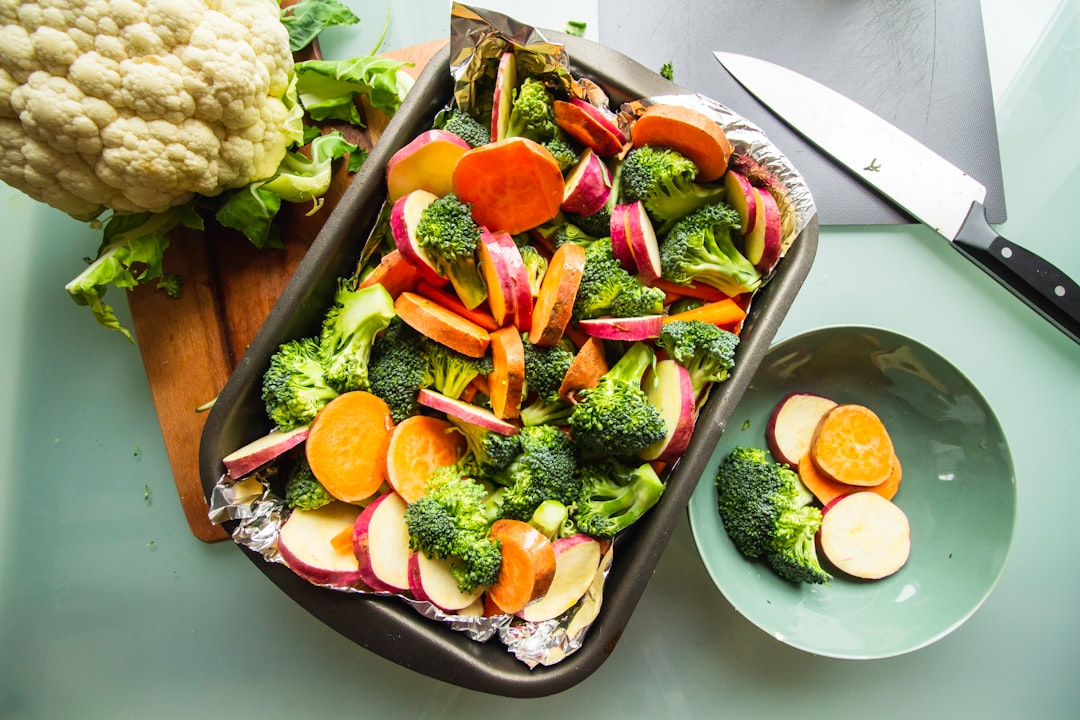
One of the best pieces of advice I ever received from a caterer friend was this: buy sheet pans in odd numbers. One pan means you’re always washing it before you can use it again. Two means you can prep the next batch while the first one cooks. Three means you can run a full rotation — one in the oven, one cooling on the counter, and one being loaded with the next course. If you cook dinner for more than two people on a regular basis, three half sheet pans will change your weeknight rhythm.
I also keep a set of quarter sheet pans for smaller jobs. Toasting a handful of pine nuts? Quarter sheet. Roasting two salmon fillets? Quarter sheet. Organizing mise en place before a big meal? Quarter sheet. They’re the sidekick that makes the full-size pans more efficient, and at around fifteen dollars for a pair, there’s no reason not to have them.
And if you’re outfitting a first kitchen or replacing a mismatched collection of warped grocery store pans, the Umite Chef aluminum half sheet set is a solid budget alternative that performs well above its price point. My team tested it against the Nordic Ware in a blind bake-off and the results were remarkably close — the main difference showed up after six months of heavy use, where the Nordic Ware’s superior rim construction kept it flatter for longer.
The Two Accessories That Double a Sheet Pan’s Range
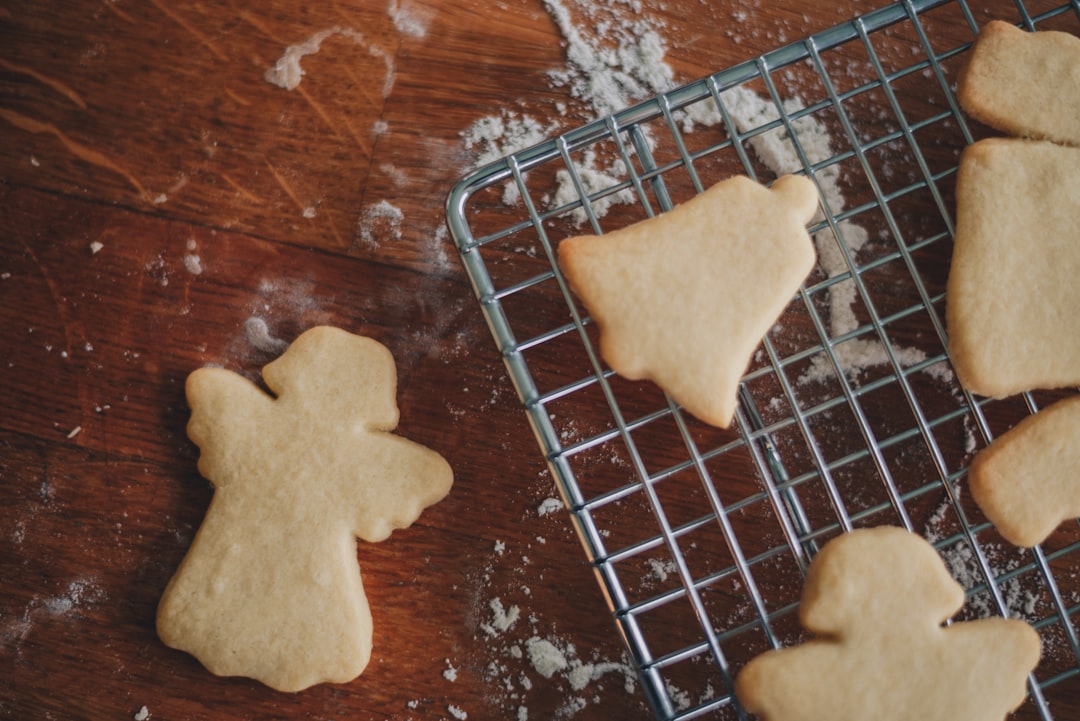
A sheet pan alone is a champion. But pair it with the right cooling rack and you’ve essentially built a second appliance. A stainless baking and cooling grid sized for a half sheet pan turns your baking sheet into a convection roaster. Set the rack inside the pan, place your chicken thighs or bacon strips on top, and the hot air circulates underneath the food. The fat drips into the pan below, and the exposed surfaces get crispy instead of steaming in their own grease. This is how you get crackling skin on oven-baked wings without a deep fryer.
I’m also partial to the Nordic Ware half sheet with the oven-safe grid included as a bundle — it takes the guesswork out of finding a rack that fits perfectly, and the grid is designed to sit inside the rim without sliding around. For anyone who roasts meat weekly, this combo pays for itself in the first month.
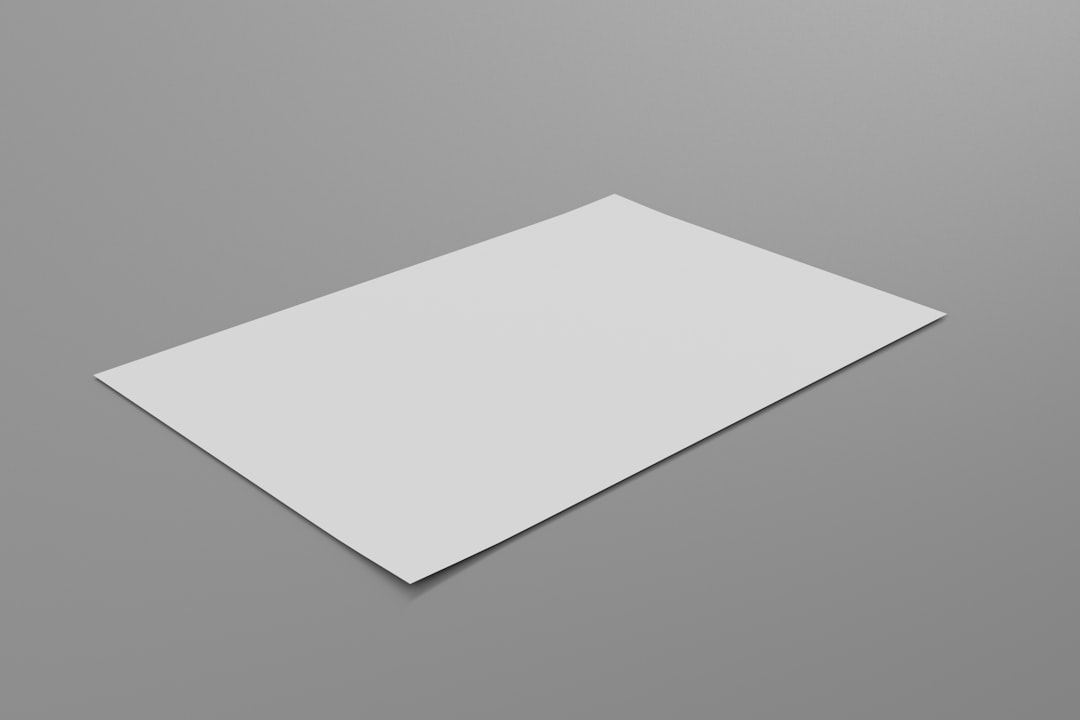
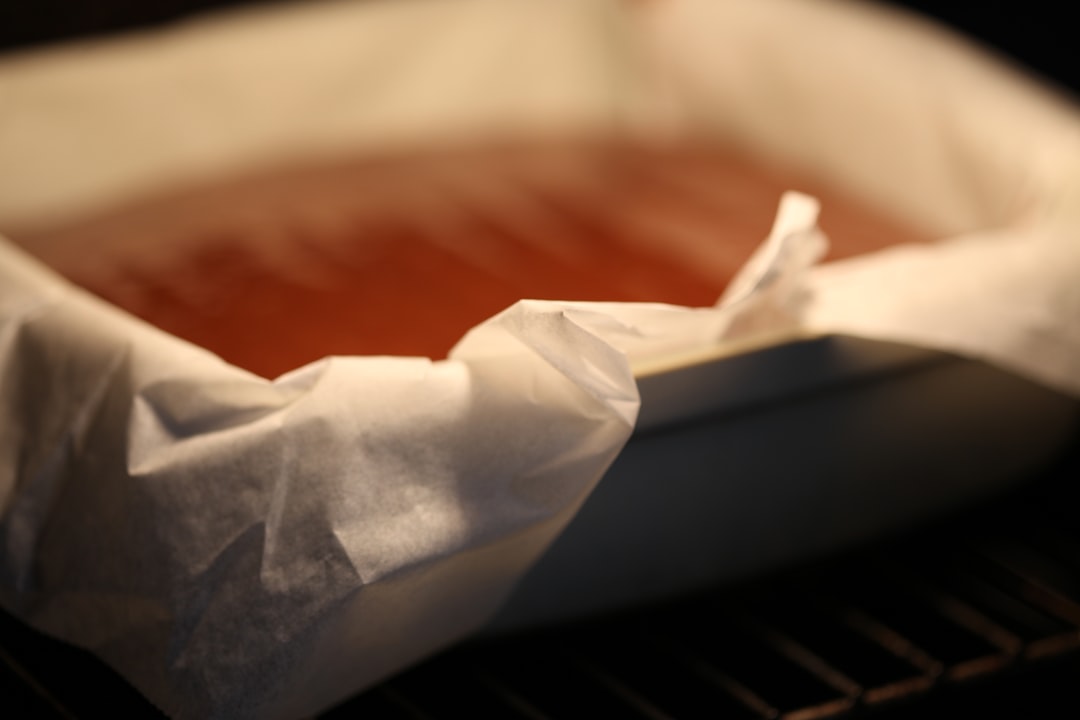
The second accessory is less glamorous but equally transformative: parchment paper. I spent years tearing jagged sheets from a roll, cursing as they curled at the corners and let food stick to the pan anyway. Then I discovered pre-cut parchment sheets sized for half sheet pans. They lay flat. They don’t curl. They keep your pans clean enough that you can go months between deep scrubs. A pack of 100 costs about twelve dollars, and I go through roughly two packs a year. If you bake even occasionally, this is the single best twelve-dollar investment in your kitchen.
The Silicone Mat Debate: Where I Actually Land
I know home bakers who swear by silicone baking mats, and I know professional pastry chefs who won’t let them through the door. After years of going back and forth, here’s my honest take: a reusable silicone baking mat is brilliant for sticky doughs, delicate cookies, and anything that tends to fuse to the pan. Macarons? Absolutely. Puff pastry? Yes. Roasted vegetables? Not really — the silicone creates a slight barrier that slows down browning on the bottom, and for anything where you want a hard sear, bare aluminum or parchment is better.
I keep one silicone mat in my baking drawer for pastry work and use parchment for everything else. The mat is reusable, easy to clean, and saves money on parchment over time. But it’s not a replacement — it’s a complement. Think of it like having both a serrated knife and a chef’s knife. Different tools for different jobs.
What About Nonstick and Stainless Steel?
Every few months, someone asks me whether they should buy a nonstick sheet pan. My answer is always the same: no. Here’s why. Nonstick coatings on sheet pans degrade at high oven temperatures — the exact temperatures where sheet pans shine most. Roast vegetables at 450 degrees on a nonstick pan and within a few months, the coating starts discoloring, bubbling, and eventually flaking. That’s not something you want near your food.
Bare aluminum develops its own nonstick surface through seasoning, just like cast iron. And unlike factory coatings, that natural patina is food-safe, heat-proof, and actually improves with age. My oldest sheet pan is darker than a penny and nothing — nothing — sticks to it.
Stainless steel sheet pans are a different conversation. They’re essentially indestructible, won’t react with acidic foods, and can be scoured with steel wool without damage. Professional kitchens use them for exactly these reasons. But stainless conducts heat less efficiently than aluminum, which means longer preheat times and more hot spots. For the average home cook, aluminum is the better value. If you’re set on stainless, you can browse stainless steel sheet pan options — just expect to pay two to three times more for comparable performance.
The Wildone baking sheet with rack set splits the difference nicely — aluminum pans for conductivity, paired with stainless racks for durability. It’s the set I recommend most often for people who are outfitting a kitchen from scratch and want everything to match.
How I Cook on a Sheet Pan Almost Every Night
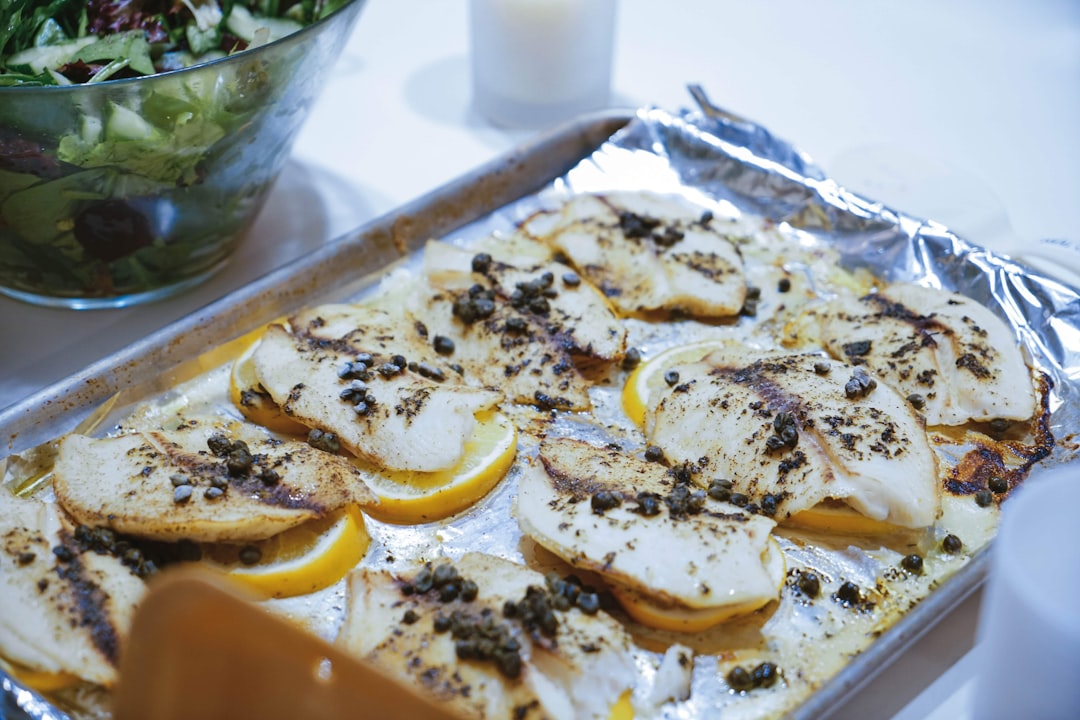
During the week, my sheet pan runs on a rotation so reliable my family can predict dinner by the smell drifting from the oven. Monday is roasted vegetables — whatever’s in the crisper drawer, tossed in olive oil, spread on a half sheet pan at 425 degrees for twenty-five minutes. Wednesday is what I call “sheet pan miscellany” — sausage links, halved bell peppers, onion wedges, and a few cloves of smashed garlic, all roasted together until the peppers char at the edges and the garlic turns sweet and jammy.
The trick to a great sheet pan meal is density. You want enough food to cover the pan in a single layer without crowding. Too much food and the vegetables steam instead of roast — you’ll get soggy zucchini instead of caramelized edges. Too little and the empty spaces scorch. The sweet spot is a pan that’s about seventy percent covered, with small gaps between pieces so hot air can circulate.
This is where having multiple pans becomes a strategy, not a luxury. I can roast chicken thighs on one pan and vegetables on another, timing them so everything finishes at the same moment. It’s the closest thing to a commercial kitchen line that a home cook can build, and it costs less than fifty dollars total. As I wrote in my piece about the fifty-dollar kitchen reset, if I were building a kitchen from scratch, three sheet pans would be on the list before anything with a cord.
The Cleaning Secret Nobody Tells You
People are terrified of bare aluminum because it looks terrible after the first use. Stains, discoloration, dark patches — it can look like you’ve ruined the pan within a week. You haven’t. That’s the patina forming, and it’s exactly what you want.
For stuck-on food, I use a paste of baking soda and water spread across the pan, left to sit for thirty minutes, then scrubbed with a nylon brush. For serious buildup, I boil water directly in the pan on the stovetop — the half sheet pan is large enough to span two burners — and the stuck bits lift right off. No soaking in the sink overnight. No abrasive chemicals. Just heat, water, and a little patience.
This is the same philosophy I apply to my Dutch oven, which I’ve written about at length in my guide to the Dutch ovens worth your counter. Quality cookware gets better with use. You just have to trust the process.
August Is Peak Sheet Pan Season — Here’s Why
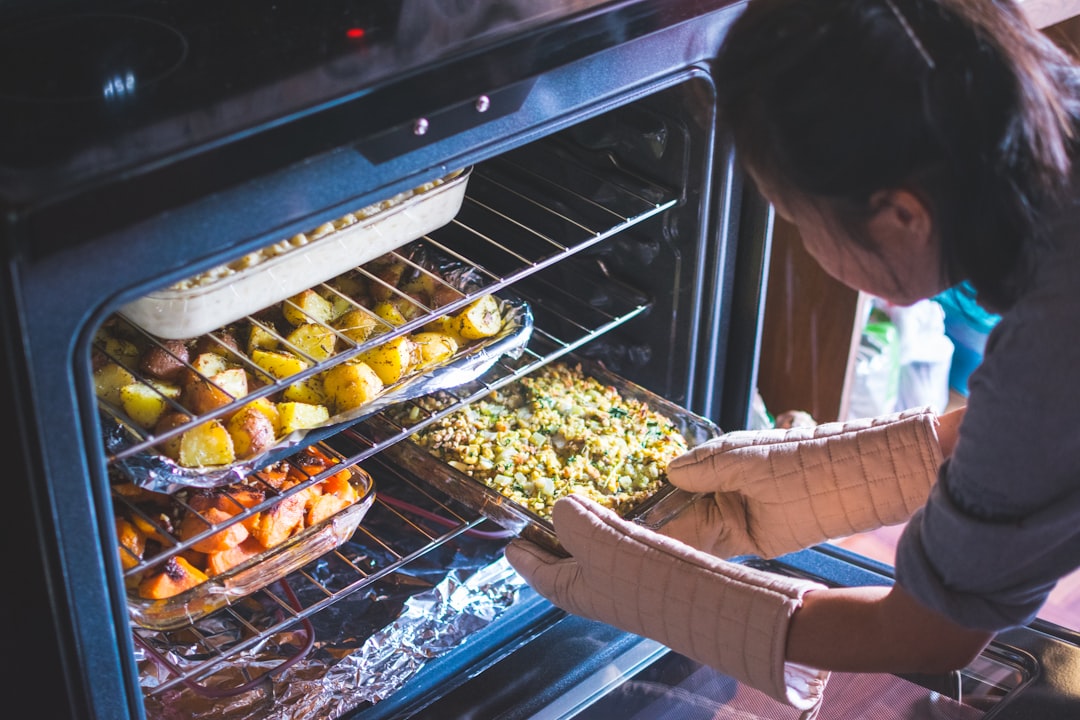
Right now, in late summer, my sheet pans are working overtime. The garden is dumping tomatoes, zucchini, peppers, and eggplant on my counter faster than I can eat them fresh. The solution? Halve them, toss them in olive oil, spread them across two sheet pans, and roast at 400 degrees until they collapse into something sweet and smoky. Pile the results on toast, blend them into sauce, or freeze them in containers for a taste of August in December.
Stone fruit season means sheet pan crumbles and crisps — I wrote about that in my stone fruit survival guide — and a half sheet pan is the perfect size for feeding a crowd. A single batch of peach crisp on a half sheet pan serves sixteen people. Show me another piece of kitchen equipment that can do that.
And as the evenings start to cool down just enough to remind us that fall is coming, I’ll shift from raw summer roasts to heartier sheet pan meals — Brussels sprouts with bacon, sausage with grapes and rosemary, and the kind of roasted root vegetables that make a kitchen smell like home. Every single one of those meals starts with the same forty-dollar investment.
The Bottom Line
I’ve tested thousands of kitchen tools over fifteen years. I’ve owned stand mixers that cost more than my first car. I have knives that were forged by hand in Japan. But the tool I reach for first, the one I’d replace tomorrow if it disappeared, the one I genuinely cannot imagine cooking without — it’s a flat rectangle of aluminum that costs eleven dollars. Buy three. Line them with parchment. Let them darken with use. And discover what three generations of cooks in my family already knew: the sheet pan is the heart of the kitchen, even if it never gets the credit.
One thought on “The Forty-Dollar Pan That Runs My Kitchen (And Why I Own Six of Them)”