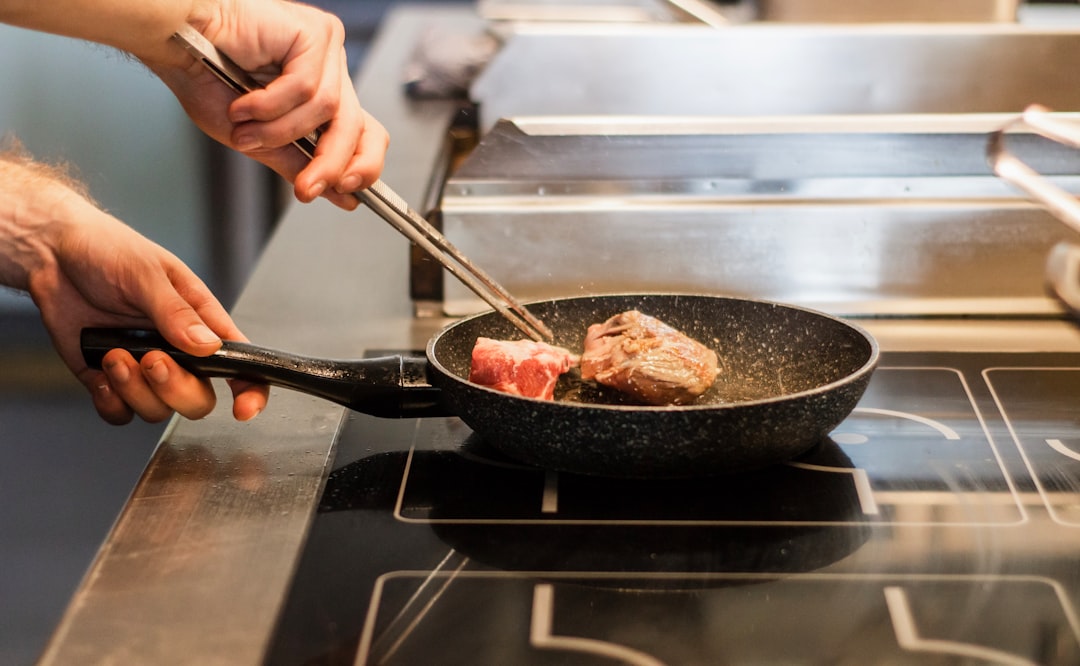
There is a pan in my kitchen that has a power cord, and I am not sorry about it. My grandmother would have called it cheating — she believed anything worth cooking required a real flame and a cast-iron surface that had been seasoning since the Eisenhower administration. But in the last nine months of testing, the appliance she would have side-eyed has quietly become the most-used cooking surface in my house. Not my six-burner range. Not my beloved Dutch oven. A plug-in skillet that cost less than a pair of good oven mitts.
Let me explain how we got here.
The Appliance Hiding in Plain Sight
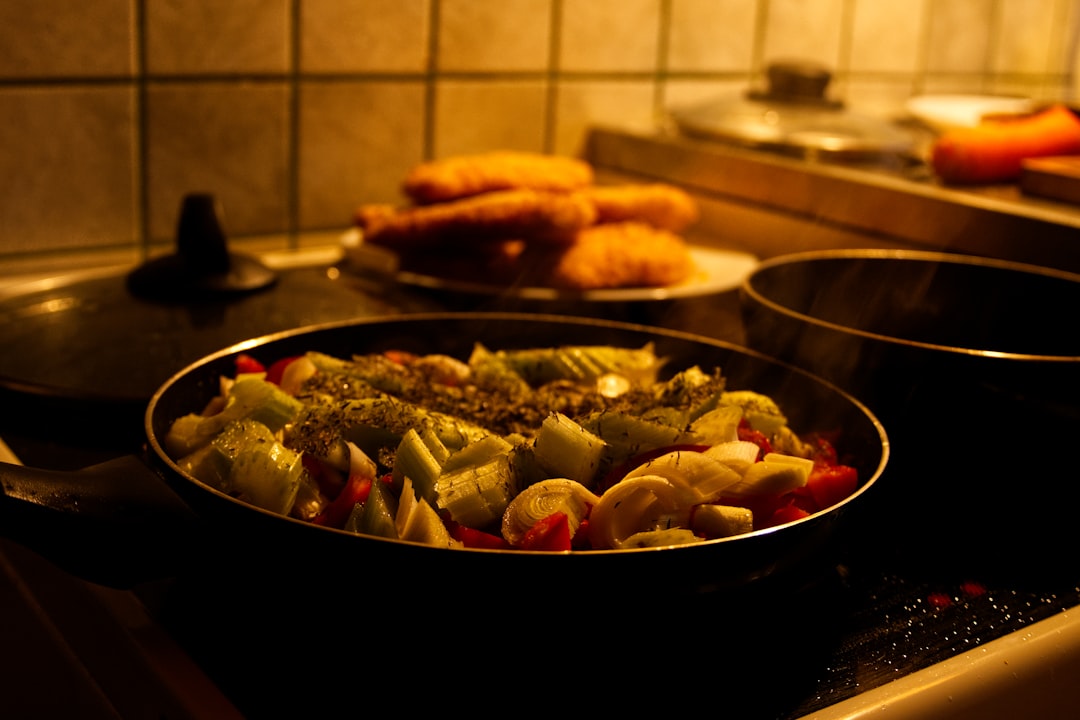
Last November, my team was running a batch test on countertop appliances — the kind of project where my test kitchen looks like a Best Buy display that lost a fight. We had air fryers stacked on the washer, a toaster oven wedged between the cookbooks, and three different rice cookers arguing over outlet space. Buried in a cabinet under the coffee station, I found an electric skillet that a PR contact had sent over the previous spring. It was still in the box. I had vaguely planned to test it, then forgot about it, because honestly, who gets excited about an electric skillet?
The answer, it turns out, is me. A week later, I was cooking dinner on it three nights in a row.
The thing about electric skillets is that they solve a problem most home cooks don’t realize they have: temperature control. Your stovetop has settings labeled Low, Medium, and High, which are about as precise as a weather forecast. An electric skillet lets you dial in 325 degrees and know that the cooking surface will hold that temperature whether you’re searing a steak or holding a pan of scrambled eggs warm for latecomers. If you have ever burned a batch of pancakes on a too-hot griddle only to watch the next batch turn pale and gummy because the pan cooled off, you understand why this matters.
What Actually Matters When You’re Shopping
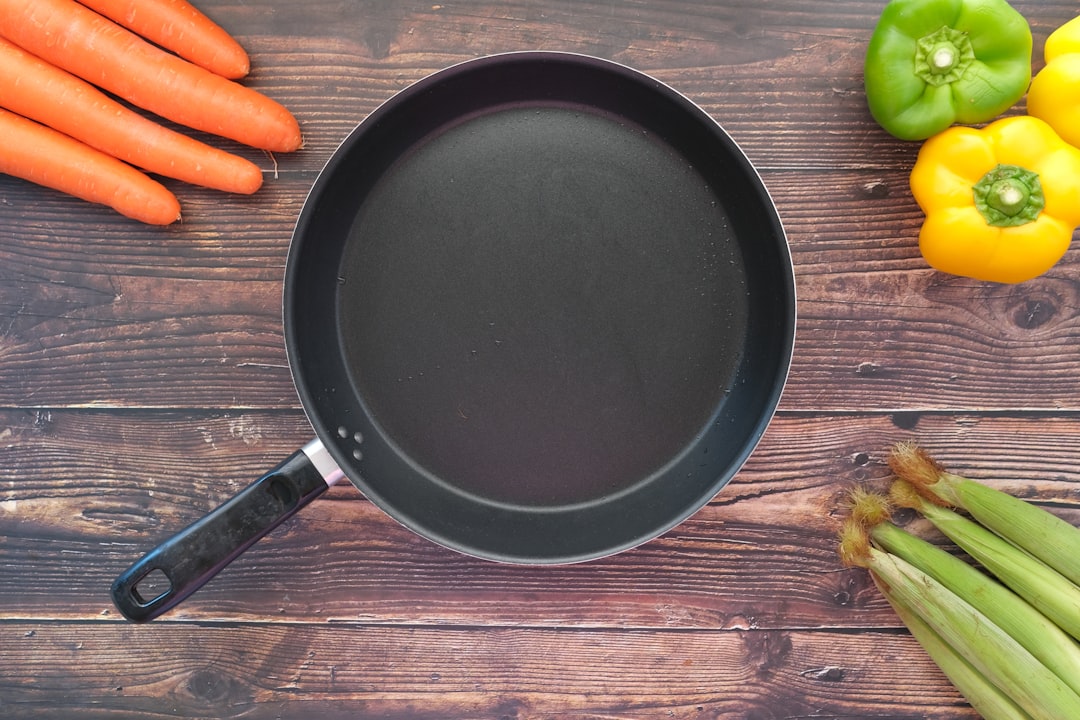
Before I get into specific models, let me walk you through what nine months of near-daily use taught me to look for. Because the differences between a great electric skillet and a disappointing one come down to a handful of details that most shoppers overlook.
Surface area matters more than wattage. A 1500-watt skillet sounds impressive, but if the heating element only covers the center six inches, you’ll have hot spots that burn the edges of your food while the middle steams sadly. Look for models where the element runs the full length and width of the pan base. The Presto 16-Inch Electric Skillet does this exceptionally well — its element wraps the entire perimeter, and after cooking everything from whole fish to frittatas on it, I can confirm the heat distribution is genuinely even.
The thermostat probe is the heart of the machine. A flimsy probe means temperature swings of fifty degrees or more. A good one holds within ten degrees of your setting. The difference between a $40 skillet and a $90 skillet is almost entirely in the probe quality. The Zojirushi Gourmet d’Expert has the best thermostat I’ve tested in a home-grade skillet — it held 350 degrees with less than eight degrees of variance across a twenty-minute cook. That kind of precision is usually reserved for commercial equipment costing five times as much.
Lid quality separates the keepers from the returns. A heavy, tight-fitting lid turns an electric skillet into a braiser, a roaster, and a steamer. A wobbly glass lid that lets steam escape limits you to open-pan cooking and dries out everything you try to cover. The Hamilton Beach Durathon Ceramic Skillet comes with one of the best stockpot-style lids in this category — deep, tempered, and snug enough that I’ve successfully braised short ribs in it without any liquid loss.
The Models That Earned Counter Space
My team and I tested eleven electric skillets between November and July. Here are the ones that survived the cut and why.
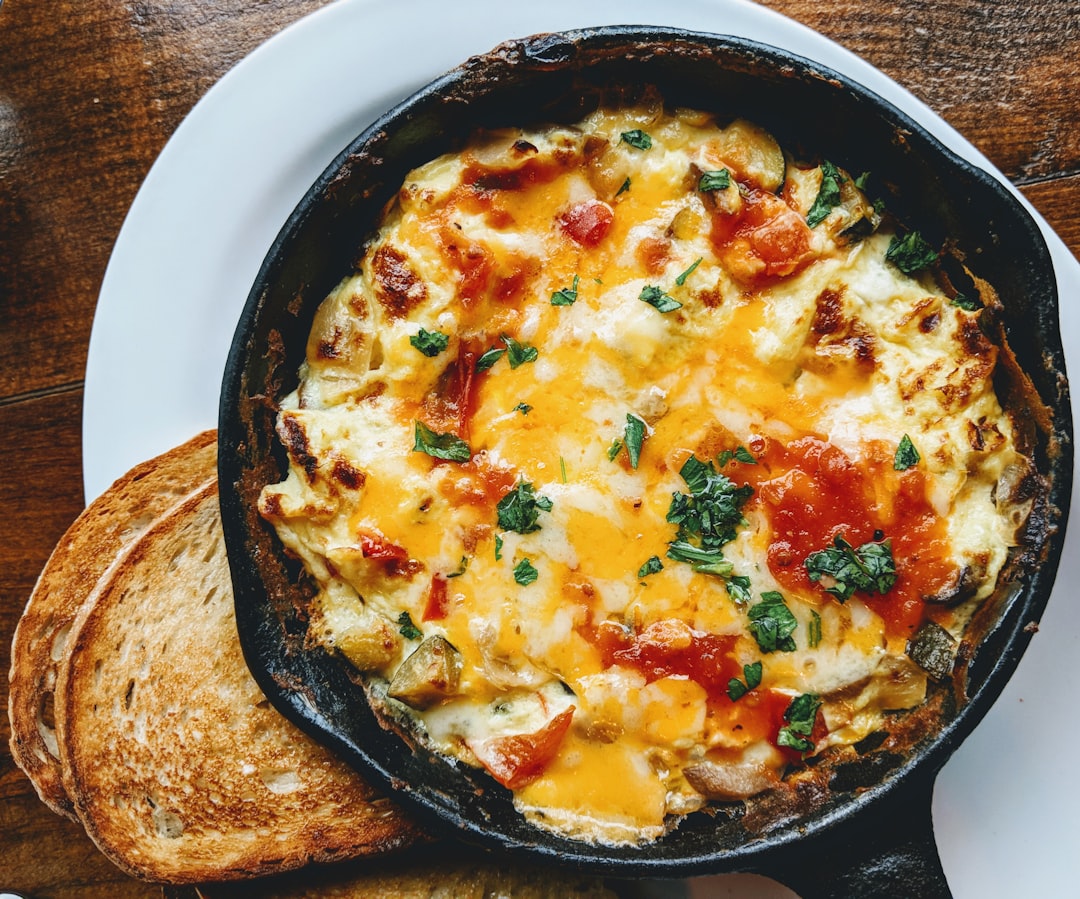
The Workhorse: Presto’s Foldaway Design
The Presto 16-Inch Foldaway Skillet is the model I reach for most often, and I need to explain why a $60 pan outperformed several competitors that cost three times as much. The cooking surface is genuinely nonstick without being fragile. The temperature probe clicks into place with a satisfying firmness that tells you it’s seated properly. And the handles fold flat, which means the whole pan fits in a standard cabinet drawer when not in use — a feature that sounds minor until you’ve tried to store a clunky appliance with permanently extended handles.
The foldaway also has something the other Presto models I tested don’t: a slightly deeper well that holds about a quart of liquid below the rim. That extra depth means you can shallow-fry chicken, build a pan gravy, or simmer a stew without splashing over the sides. The Presto Ceramic version is nearly identical in body shape but swaps the traditional nonstick coating for a ceramic finish. If you’re moving away from PFAS coatings in your kitchen — something I wrote about in depth during my kitchen’s great plastic exodus — the ceramic option is worth the small price premium.
The Premium Pick: Zojirushi’s Precision Machine
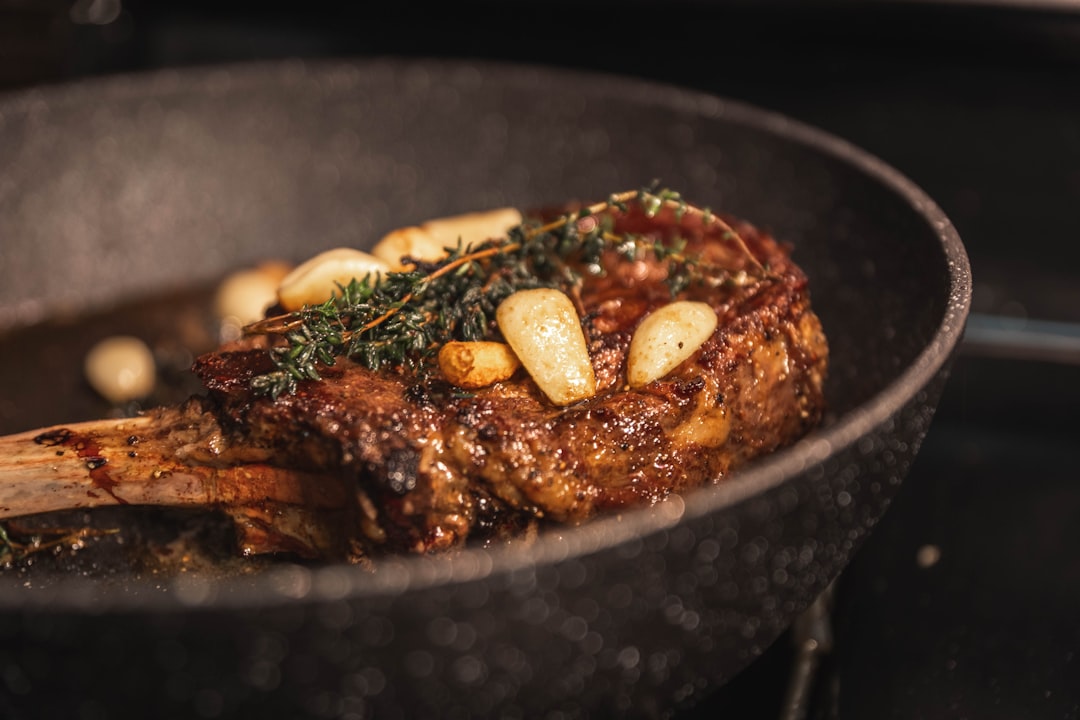
If Presto is the reliable sedan of electric skillets, the Zojirushi Gourmet d’Expert is a well-engineered sports car. The temperature control is noticeably tighter than any other model in the test. The cooking surface has a depth profile designed for tabletop cooking — the Japanese tradition of preparing certain dishes at the dining table — which means it’s wide, shallow, and beautifully even from edge to edge.
The Zojirushi is the skillet I use when precision matters. Custards, delicate fish, rice dishes where the bottom layer is supposed to crisp into a golden crust while the top stays tender. The probe on this machine is so accurate that I stopped using my instant-read thermometer to confirm oil temperature after the first month. When the dial says 340, the oil is 340. That alone justifies the higher price tag if you cook a lot of temperature-sensitive dishes.
The Family-Size Option: Hamilton Beach’s Big Surface

The Hamilton Beach Durathon Ceramic Electric Skillet is the one I pull out when I’m feeding more than four people. The cooking surface measures roughly 20 by 12 inches, which is large enough to brown two whole chickens side by side or cook a dozen pancakes at once. The Durathon ceramic coating has held up beautifully over seven months of use — no scratching, no flaking, no hot spots developing.
What impressed me most was the lid. Most electric skillet lids are afterthoughts — thin glass with a plastic knob that loosens after a month. Hamilton Beach clearly decided the lid mattered. It’s deep, heavy, and creates a genuine seal. I’ve used this skillet to braise pork shoulder for pulled pork, steam a massive batch of dumplings for a party, and keep a full Thanksgiving side-dish warmup station running for two hours while the turkey rested. It earned its spot the hard way, and I’ve written before about how much I value pans that prove themselves under pressure.
Three More Worth Your Consideration
Not every kitchen needs a flagship model. During testing, three budget-friendly options impressed me enough to recommend them.
The Elite Gourmet Ceralast PFAS-Free Ceramic Skillet brings the ceramic coating to the under-$40 bracket. The surface area is smaller than I’d like — roughly 10 inches — but for someone cooking for one or two, it handles eggs, grilled cheese, and quick sautés without complaint. The temperature dial is clearly labeled with specific cooking tasks (warm, simmer, grill, sear), which makes it approachable for cooks who don’t think in degrees.
The Black+Decker 12-by-15 Electric Skillet is the model I recommend for dorm rooms, first apartments, and RV kitchens. It’s not going to win any precision awards, but it heats evenly, the nonstick coating lasts, and the price point means that if it gets banged around in a move, you’re not heartbroken. I gave one to my nephew for his college dorm last fall, and he used it to cook everything from fajita nights to late-night grilled cheeses for his entire floor.
The bella Fits-Anywhere Sauté Skillet caught my attention because of its thoughtful proportions. It’s compact but deep, which means it doubles as a small Dutch oven for soups and stews. The ceramic coating is marketed as non-toxic, and while I haven’t lab-tested it, the performance has been solid through four months of regular use. The color options don’t hurt either — it comes in a soft oat milk finish that looks surprisingly good on open shelving.
What I Actually Cook on Mine
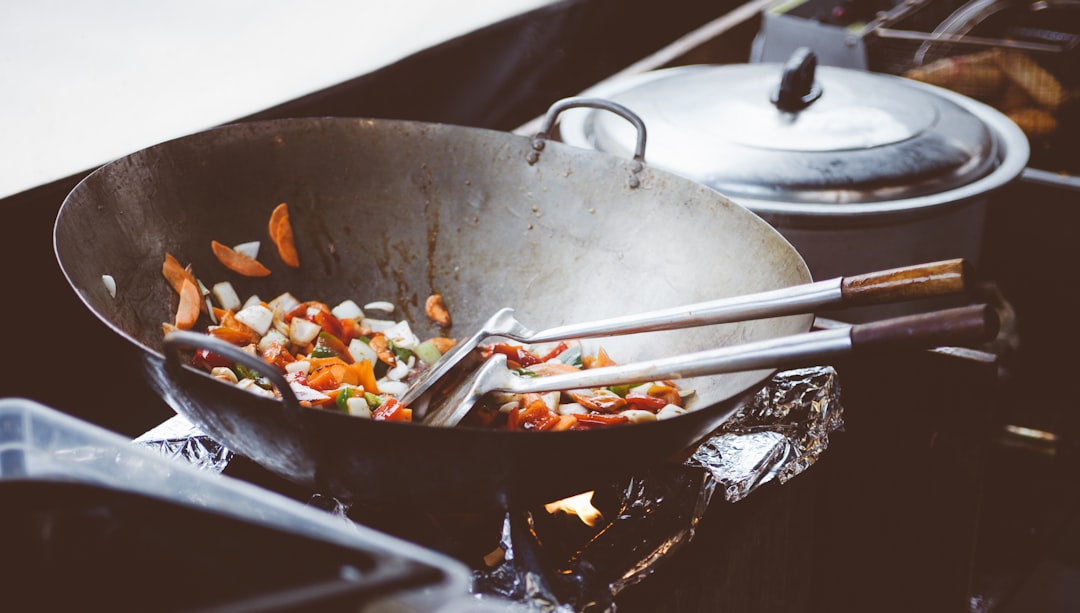
An electric skillet is only worth the counter space if you’ll use it, so here’s what a typical week looks like in my test kitchen. Monday is frittata night — twelve eggs, whatever vegetables are wilting in the crisper, and the Zojirushi dialed to 300 degrees for a slow, even set that never scorches the bottom. Wednesday is stir-fry, and the Presto Foldaway handles this beautifully because the wide base gives ingredients room to sear instead of steam. Friday is pancakes for the whole family, and the Hamilton Beach’s massive surface means I can cook eight at a time, which is the difference between everyone eating together and the cook standing at the stove for forty minutes while the first batch goes cold.
The dish that surprised me most was braised short ribs. I know that sounds ridiculous — braising in an electric skillet feels like using a screwdriver to hammer a nail. But the precise temperature control means you can hold a braise at exactly 275 degrees for three hours without any of the hot spots that plague stovetop cooking. The meat came out fork-tender with a sauce that had reduced perfectly because there was zero variation in the simmer. I’ve since done the same technique with lamb shanks, pork belly, and a whole chicken that I first browned at 400 then dropped to 300 for the braise. It’s genuinely a better braise than I get on my stovetop.
The Pancake Standard
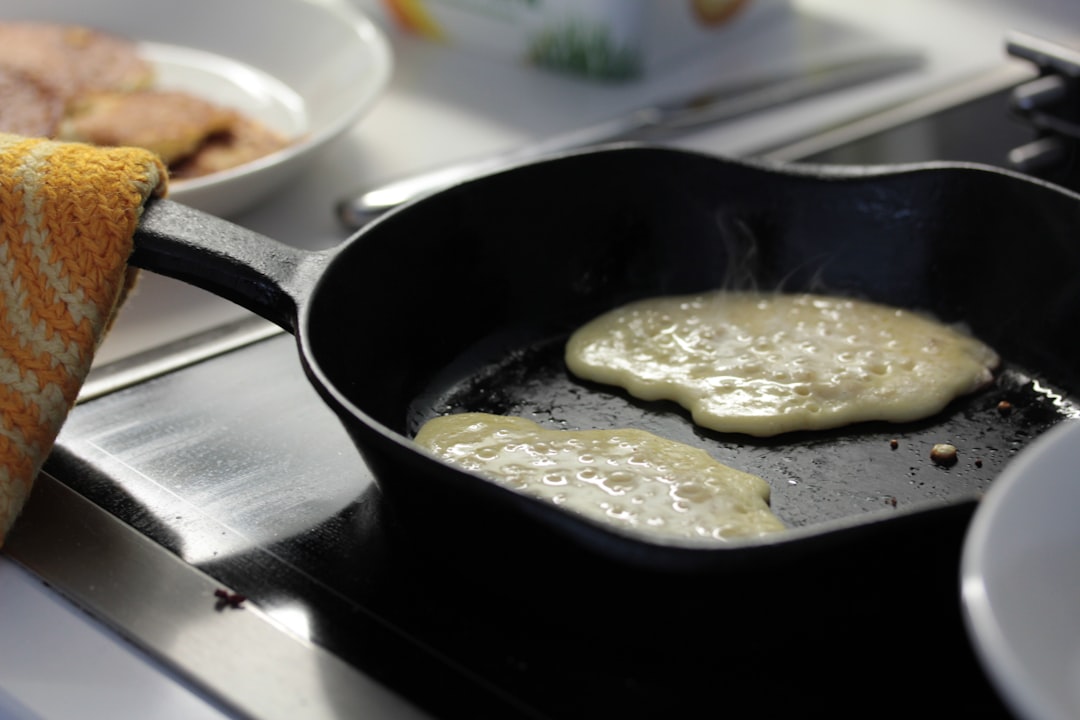
Every skillet in the test eventually faced what I call the Pancake Standard: a batch of my grandmother’s buttermilk pancake batter, cooked at exactly 350 degrees, and judged on color, rise, and release. It’s a brutally honest test because pancakes expose every weakness in a cooking surface. Hot spots create dark rings. Uneven heat produces pale centers with burnt edges. A sticky coating tears the pancake when you try to flip it.
The Zojirushi and the Presto Foldaway both passed flawlessly — golden, even color across the entire batch, and the pancakes released with a simple nudge of the spatula. The Hamilton Beach was nearly as good, with very slight browning at the far edges where the element loops. The GreenLife 12-inch Electric Skillet impressed me here too. At its price point, I wasn’t expecting much, but the ceramic surface produced an evenly golden pancake with a good rise. The OVENTE 11.5-inch skillet also handled pancakes respectably, though the smaller surface area meant working in smaller batches.
Who Should Buy One (And Who Shouldn’t)
After nine months, I can tell you exactly who benefits from an electric skillet. If you cook for a family and your stovetop is too small to handle everything at once, this is your extra burner that doesn’t require a kitchen renovation. If you’re outfitting a first kitchen or a small apartment, a single electric skillet can replace three separate pans. If you do a lot of low-temperature cooking — braises, confits, custards, chocolate work — the precision of a good thermostat will change how you cook.
Who should skip it? If you already have a portable induction burner you love, an electric skillet is redundant for most tasks. If your cooking style leans toward wok work with flames licking up the sides, a flat-bottomed electric skillet will feel limiting. And if counter space is your most precious commodity and you already feel crowded, this is one more thing competing for real estate — though the foldaway models mitigate this significantly.
The Verdict
The electric skillet is the most underrated appliance in the American kitchen, and I say that as someone who spent years overlooking one. The combination of precise temperature control, a generously sized nonstick surface, and a price that starts around $40 makes it one of the highest-value tools you can add to your cooking arsenal. The models I’ve recommended here have been tested against real meals, real messes, and real life for the better part of a year. They earned their spots.
My grandmother was wrong about this one. I think she would have admitted it after one bite of the short ribs.