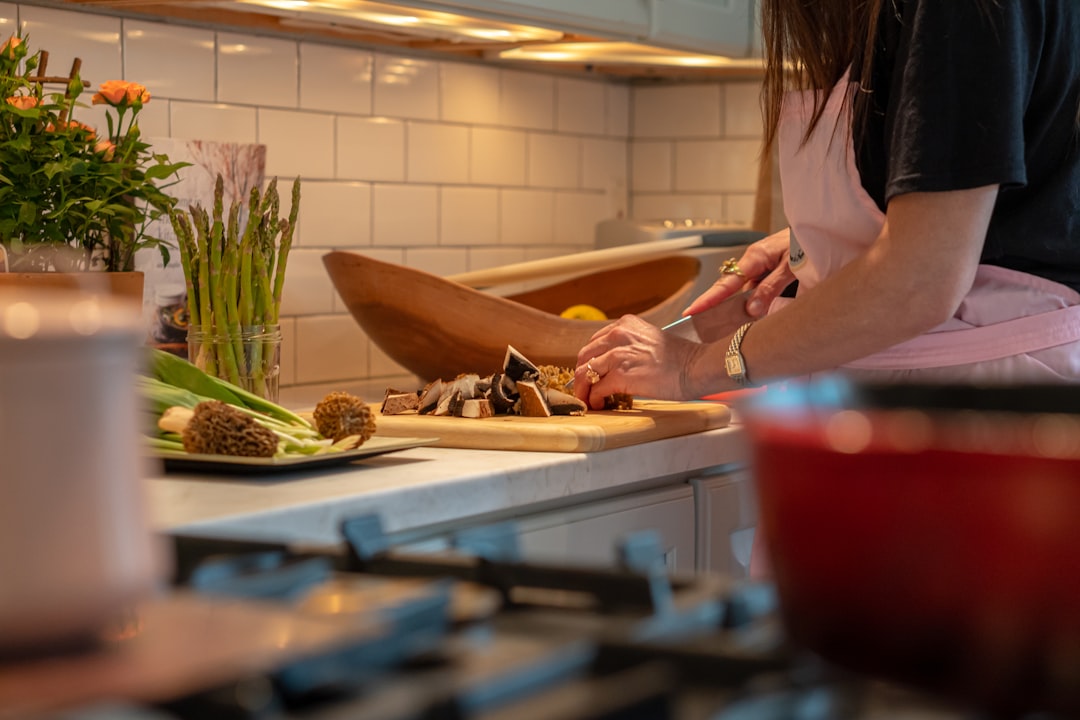
There comes a moment in every serious home cook’s life when you look at your kitchen counter and realize it has been colonized. A slow cooker here. A rice cooker there. An air fryer that showed up as a gift and never left. A pressure cooker you bought during a Black Friday frenzy and used exactly twice. Each one promising to revolutionize your kitchen, and each one taking up real estate that you used to use for actual cooking.
I hit that moment on a Tuesday in March. I was trying to find space to roll out a pie crust, and between the Instant Pot, the Crock-Pot, the dedicated rice cooker, and the air fryer, I had roughly nine inches of clear counter. Nine inches. In a kitchen I had spent years designing to be functional and open and inspiring. Something had to give.
What followed was a six-month deep dive into the world of multi-cookers — those do-everything machines that promise to replace half your countertop while cooking everything from braised short ribs to perfectly steamed rice. My team and I tested eleven different models. We pressure-cooked tough cuts of beef until they fell apart. We slow-cooked chili for eight hours. We air-fried chicken wings, steamed dumplings, made yogurt, baked cakes, and cooked more rice than I care to think about. Here is what I learned, what actually works, and which machine ultimately earned the right to stay.
Why Multi-Cookers Took Over the Kitchen Conversation
Let me be clear about something up front: I was a skeptic. For years, I believed that a dedicated appliance always outperformed a jack-of-all-trades. My grandmother’s cast iron skillet did one thing spectacularly well, and it never pretended to also make yogurt. The idea that one machine could pressure cook, slow cook, air fry, steam, sauté, and bake seemed like marketing fantasy.
But the category has matured dramatically since the first Instant Pot landed on the scene back in 2010. What started as a modest electric pressure cooker with a few extra buttons has evolved into genuinely sophisticated cooking technology. The newer models feature dual-heat systems that combine pressure cooking with convection fans, fuzzy logic that adjusts temperature and time based on what you are actually making, and ceramic coatings that address the nonstick health concerns many of us have been wrestling with.
The data backs this up. Multi-cooker sales have grown by double digits every year since 2022, and in 2026 the category is projected to surpass eight million units sold in North America alone. People are not buying these as gimmicks. They are buying them because kitchens are getting smaller, schedules are getting tighter, and nobody has room — physical or temporal — for six single-use appliances anymore.
The Four Appliance Test: What a Multi-Cooker Actually Replaces
Before I recommend anything, I want to be honest about what these machines can and cannot replace. After six months of daily testing, here is my verdict on the four appliances a good multi-cooker genuinely retires:
The Electric Pressure Cooker: Fully replaced. Every multi-cooker I tested handles pressure cooking at least as well as a dedicated unit. The Instant Pot Duo 7-in-1 remains the gold standard here — it brought this category into the mainstream for a reason, and the pressure cooking function is reliable, fast, and consistent across everything from beans to bone broth.
The Slow Cooker: Mostly replaced. A multi-cooker set to slow-cook mode will get you 90% of the way to a dedicated Crock-Pot. The one area where a dedicated slow cooker still wins is sheer capacity and the gentle, even heat that comes from a purpose-built ceramic vessel. If you regularly cook for crowds, the Crock-Pot 8-Quart Programmable still earns its shelf. But for everyday family dinners, a multi-cooker on slow mode does the job beautifully.
The Rice Cooker: This one surprised me. The better multi-cookers make genuinely excellent rice. Fuzzy logic models like the Cosori Rice Cooker with 18-in-1 functionality are technically multi-cookers themselves, and they produce grains that rival any dedicated unit I have owned. If rice is a daily staple in your home, you may still want a dedicated cooker. But for most of us cooking rice two or three times a week, the multi-cooker handles it without complaint.
The Air Fryer: This is the trickiest replacement. Multi-cookers with air-fry lids work well for smaller batches, but they cannot match the air flow of a dedicated basket-style air fryer. The Instant Pot Duo Crisp with 11 functions does a respectable job on wings and fries, but if you are feeding a family of four who all want crispy food at the same time, a standalone air fryer still has the edge.
The Contenders: What I Tested and What Stood Out
Over six months, my team and I put eleven multi-cookers through their paces. We cooked the same roster of recipes in each one — pot roast, whole chicken, risotto, dried beans, cheesecake, and rice — and scored them on consistency, ease of use, cleanup, and build quality. A few clear winners emerged.
The Workhorse: Instant Pot Pro
If I could only recommend one multi-cooker to someone who has never owned one before, it would be the Instant Pot Pro 8-Quart. It offers ten cooking functions — pressure cook, slow cook, rice, steam, sauté, sous vide, yogurt, sterilize, bake, and keep warm — and every single one of them works the way it is supposed to. The 8-quart size is large enough for a whole chicken or a batch of chili for six, and the inner pot is substantial enough that the sauté function actually produces a decent sear instead of the anemic browning you get from thinner pots.

What sets the Pro apart from the standard Duo is the quality of the build. The lid feels solid. The valve mechanism is smoother. The display is brighter and more intuitive. And the sous vide function — which I fully expected to be a gimmick — actually holds temperature within one degree for hours. I cooked a pork shoulder at 165 degrees for eighteen hours and it held temp the entire time without fluctuation. That is not a gimmick. That is dinner.
For smaller households or first-time buyers, the Instant Pot Duo 7-in-1 in the 6-quart size remains the best entry point. It lacks some of the Pro’s refinements, but the core functionality — pressure cooking, slow cooking, rice, steaming, sautéing — is identical. Millions of these have sold because the thing simply works.
The Premium Pick: Breville Fast Slow Pro
For cooks who want precision and are willing to pay for it, the Breville Fast Slow Pro is in a different league entirely. This machine lets you dial in specific pressure levels, custom temperatures, and multi-step cooking programs. It automatically releases pressure when your cook cycle ends, which sounds minor until you realize how much time you spend hovering over other machines waiting for the valve to drop.
The Fast Slow Pro also produces the best sear I have seen from any multi-cooker. Its base gets genuinely hot — not induction-hot, but hot enough to develop real fond on a piece of meat before you switch to pressure mode. For braises and stews, that is the difference between a good meal and a memorable one. Breville also released the more affordable Fast Slow Go this year, which keeps the best features at a lower price point.
The Innovation Pick: Ninja HyperHeat
Ninja has been pushing the multi-cooker category forward aggressively, and their new HyperHeat 9-in-1 Pressure Cooker introduces a rapid-heating element that gets up to pressure roughly 40% faster than standard models. In my testing, it reached pressure for a pot roast in just over seven minutes, compared to the twelve to fifteen minutes I was used to with older machines. For weeknight cooking, that difference matters.
The trade-off is that the Ninja runs slightly hotter and louder than the Instant Pot models, and the interface has a steeper learning curve. But if speed is your priority — and for busy families, it often is — the HyperHeat is a genuine advancement rather than a marketing gimmick.
The Do-Everything Pick: Instant Pot Duo Crisp Ultimate Lid
For the cook who genuinely wants one machine to rule them all, the Instant Pot Duo Crisp with Ultimate Lid combines thirteen functions into a single unit, and crucially, it does not require you to swap lids between pressure cooking and air frying. The attached lid switches between modes automatically, which is the feature that finally made me stop rolling my eyes at combo machines.
Is it the best pressure cooker? No. Is it the best air fryer? No. But it is genuinely good at both, and for someone with limited counter space who refuses to own two appliances, it is the most elegant compromise I have found. The 13-in-1 model handles everything from pressure cooking to sous vide to dehydrating, and the one-lid design means you are not storing and washing a second component.
The Ceramic Question: Non-Toxic Cooking in a Multi-Cooker
One of the concerns I hear most often from readers is about the safety of nonstick coatings inside multi-cookers. Most come with stainless steel inner pots, which are safe and durable but can be tough to clean after cooking sticky foods like risotto or caramelized onions. A growing number of models now offer ceramic-coated inserts as an alternative.
The Cosori Pressure Cooker with ceramic coating addresses this directly. Its inner pot uses a ceramic nonstick surface that is free of PTFE and PFOA, and in my testing, it released even the most stubborn stuck-on food with minimal scrubbing. The trade-off is that ceramic coatings are less durable than stainless steel — you need to avoid metal utensils and be careful with dishwashers. But if avoiding chemical coatings is a priority in your kitchen, this is the model I would point you toward. I have written before about the non-toxic cookware revolution, and the same logic applies inside your multi-cooker.
What About the Instant Pot Duo Plus?
Sitting between the standard Duo and the Pro in both price and features, the Instant Pot Duo Plus 9-in-1 adds a sterilize function, a cake-making preset, and a larger, brighter display. It is a fine machine, and if you find it on sale it represents good value. But in my testing, it did not meaningfully outperform the standard Duo in any category that mattered to me. If you are already spending Duo Plus money, I would encourage you to consider the Pro instead — the step up in build quality is noticeable.

How I Actually Use My Multi-Cooker Every Week
After six months of living with these machines, I want to share what my actual weekly cooking rhythm looks like, because specifications and feature lists only tell part of the story. The real question is whether a multi-cooker earns its place in the rhythm of your life.
Monday is bean night. I soak a pound of dried beans Sunday evening, and Monday morning I dump them into the multi-cooker with an onion, a bay leaf, some garlic, and enough water to cover. Forty minutes under pressure, and I have beans for the week — better beans than anything from a can, at a fraction of the cost. This alone justifies the machine.
Wednesday is rice and something. The multi-cooker handles rice perfectly while I focus on whatever protein and vegetable I am preparing on the stove. The Cosori rice cooker has its own fuzzy logic that produces marginally better results, but the multi-cooker is more than good enough for a Wednesday.
Friday is the big cook. A whole chicken, a pork shoulder, a big batch of chili — something that will feed us through the weekend and leave leftovers for lunches. The pressure cooking function turns tough cuts tender in under an hour, and the keep-warm function means dinner is ready whenever people are, which with my family is never at the same time.
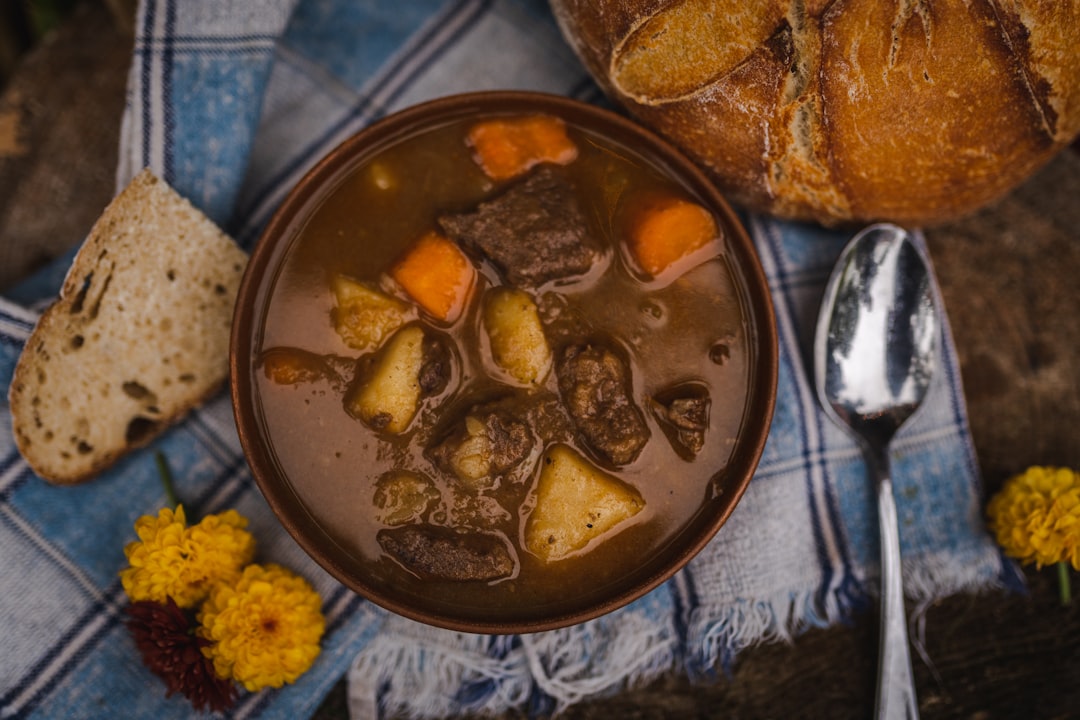
Sunday is soup day. Whatever bones and vegetable scraps accumulated through the week go into the pot with water and a splash of vinegar. Two hours under pressure produces a bone broth that gels when cold — the kind that used to take my grandmother twelve hours of simmering on the back of the stove.

The Honest Downsides Nobody Mentions
I would not be doing my job if I did not tell you about the things that frustrate me about multi-cookers. First, the inner pots on most models are thin. They do not hold heat the way a heavy Dutch oven does, which means your searing results will never match what you get on cast iron or enameled steel. I have written about why Dutch ovens still matter, and nothing I have tested changes that.
Second, the interfaces are inconsistent across brands and often confusing. The Instant Pot’s button layout has not meaningfully improved in years, and Ninja’s digital interface requires more button presses than it should to start a basic pressure cook. The Breville is the best in this regard — its interface is clean, logical, and actually helpful — but you pay for that polish.
Third, the sealing rings absorb odors. If you cook a spicy chili on Tuesday and then make a cheesecake on Thursday, your cheesecake will taste faintly of cumin. You need separate rings for savory and sweet cooking, and very few manufacturers tell you this up front.
The Verdict: Who Should Buy What
After all this testing, here is my honest recommendation framework:
- If you have never owned a multi-cooker: Get the Instant Pot Duo 7-in-1. It is the Toyota Camry of multi-cookers — not exciting, but reliable, well-supported, and it will still be running in ten years.
- If you cook for a family and want capacity: The Instant Pot Pro 8-Quart gives you the room and the precision. This is the one that lives on my counter.
- If you are a serious cook who wants control: The Breville Fast Slow Pro is worth every penny. It is the closest thing to having a professional tool on your counter.
- If you want one machine to replace everything including air frying: The Instant Pot Duo Crisp with Ultimate Lid is the best all-in-one compromise available.
- If avoiding chemical coatings matters to you: The Cosori with ceramic pot gives you peace of mind without sacrificing core functionality.
- If you are feeding crowds regularly: Keep your dedicated slow cooker alongside a multi-cooker. They complement each other beautifully.
One Counter, One Machine, One Less Thing to Fight About
I started this project because I had nine inches of counter space and a pie crust to roll out. Six months and eleven machines later, I have given four appliances to my sister, reclaimed roughly three feet of counter, and I am cooking more, not less. The multi-cooker has not replaced my cast iron or my Dutch oven — nothing will — but it has quietly taken over the Tuesday-through-Thursday cooking that used to feel like a chore.
That is the real test of a kitchen tool. Not how many functions it lists on the box, but whether it changes the way you actually cook on an ordinary Wednesday. The answer, for me at least, is yes. And I did not see that coming.


2 thoughts on “The Great Multi-Cooker Reckoning: What Six Months of Testing Taught Me About the One Machine Worth Your Counter”