I need to confess something before we go any further. For the entire first half of this summer, I was the person rolling her eyes at frozen drink machines. You know the ones — those countertop appliances that showed up in every Prime Day roundup, every TikTok unboxing, every “must-have summer gadget” list that crossed my feed. I’d been cooking professionally for over twenty years. I owned a perfectly good blender. I had a cocktail shaker handed down from my grandmother. The idea of dedicating counter space to a machine whose sole purpose was making things slushy felt like the definition of a gimmick.
And then my sister-in-law brought one to our Fourth of July cookout.
By the end of that afternoon, there was a line of neighbors in my backyard waiting for frozen peach bellinis, my nephew was making blueberry slushies for the kids, and I was quietly looking up the price on my phone under the picnic table. What I’m about to tell you is the honest, thirty-day diary of what happened when I finally gave in, brought one home, and let it run my kitchen through the hottest stretch of August.
Week One: The Party Test (And the Margarita That Changed My Mind)
The machine arrived on a Tuesday, which was perfect because it gave me three days to figure it out before a Saturday backyard gathering. I unboxed it with the same skepticism I bring to every new kitchen tool — reading the manual cover to cover, washing every removable part, and running a test batch before committing real ingredients. The first thing that struck me was how genuinely thoughtful the engineering felt. This wasn’t a toy dressed up in stainless steel. The Ninja SLUSHi has a cooling cylinder that works on the same principle as the commercial machines you see at convenience stores and margarita bars — except it fits on your counter and doesn’t require a dedicated electrical circuit.
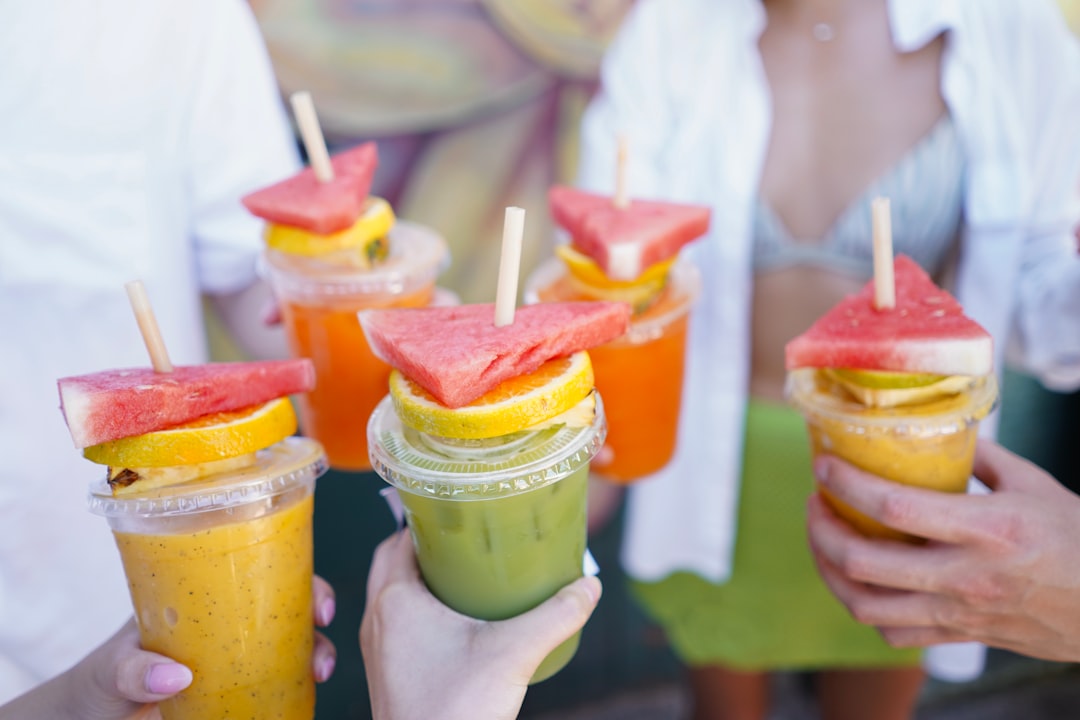
For that first Saturday party, I batched four different recipes ahead of time: classic lime margaritas, strawberry daiquiris, a non-alcoholic mango-lime refresher for the kids, and — because one of my friends doesn’t drink — a frozen lemonade that I spiked with fresh mint from the garden. The machine handled all four beautifully over the course of about five hours. What surprised me most was the texture. My blender makes frozen drinks that are either too watery or so thick they seize up the blades. This machine produces that perfect commercial-style slush — spoonable but drinkable, with tiny ice crystals that don’t separate into a pool of liquid and a mountain of ice within ten minutes.
By the end of that night, my husband — who had been openly mocking my purchase — asked if we could make another round. That’s when I knew this appliance had earned its counter space. If you’re already shopping for one, the Ninja SLUSHi Professional Drink Maker is the model I started with, and it handles seven-plus servings per batch. For bigger gatherings, the Ninja SLUSHi XL with 128-ounce capacity is the upgrade I’d recommend — it kept pace with a party of twenty without breaking a sweat.
Week Two: Breakfast Takes a Turn
Here’s where things got interesting. Once the novelty of cocktail-hour slushies wore off, I started wondering what else this machine could do. My team and I had been testing summer breakfast ideas for an upcoming newsletter, and I had a pile of frozen fruit that needed using up. So on a Monday morning, I threw frozen bananas, mixed berries, a splash of oat milk, and a drizzle of honey into the machine and hit the “smoothie bowl” setting.
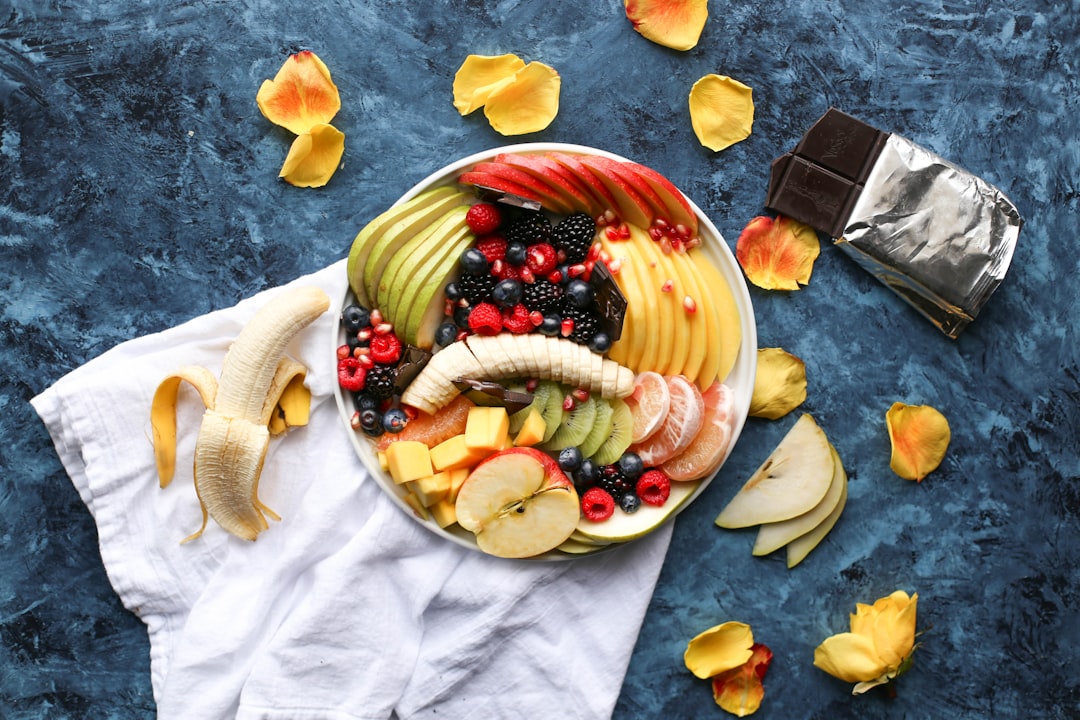
What came out was, genuinely, the best smoothie bowl I’ve ever made at home. The texture was creamier than what my food processor produces, and because the machine doesn’t rely on blade speed alone, there were no chunks of frozen strawberry hiding at the bottom. I topped it with granola, coconut flakes, and a handful of fresh blueberries, and my family ate it on the patio in the early morning heat before anyone had fully woken up. It felt like vacation breakfast.
By Wednesday, I was making frappuccinos. I’m an espresso person — I wrote a whole piece about my three-year espresso journey — but there’s something about 90-degree mornings that makes a hot coffee feel punishing. I started batching cold brew concentrate, adding milk and a little vanilla, and running it through the frozen drink machine for a texture that rivals any coffee shop frappe I’ve had. The Ninja Blast Portable Blender is what I use for quick single-serve smoothies on the go, but for the full frozen-coffee experience, the SLUSHi wins by a mile.
Week Three: The Kid Test
If you want to know whether a kitchen appliance is actually useful, give it to a child. My ten-year-old niece and her two friends spent a week with us in mid-August, and within two days they had figured out the machine’s interface well enough to make their own snacks. We established a rule: they could use it with adult supervision, and only with recipes from the “approved” list I taped to the cabinet above it.
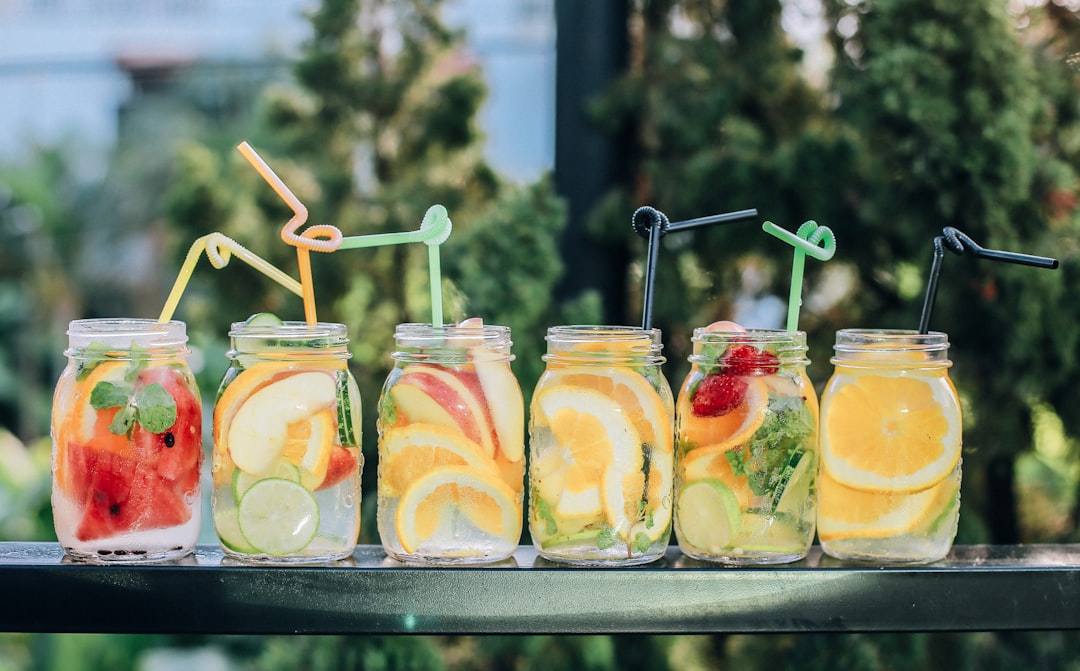
The runaway favorite was what they called “rainbow slush” — layered fruit slushies made with whatever was in the freezer. Watermelon and lime. Blueberry and lemon. Mango and a hint of chili powder (that one was my addition, and they were suspicious until they tried it). The machine handled sugar-free versions beautifully, which mattered to me because I didn’t want a week of pure-syrup frozen drinks. Fresh fruit, a little juice, and the machine did the rest. If you’re looking for a budget-friendly way to get into the slushie game without a full machine, the Zoku Original Slush and Shake Maker is a clever little freezer-cup option that costs under thirty dollars and works shockingly well for single servings. My niece actually prefers it because she gets to “make her own” in her personal cup.
What I wasn’t expecting was how much the kids used the machine for what they called “fancy restaurant drinks” — essentially virgin mocktails with fruit garnishes and paper umbrellas I’d bought at the dollar store. They set up a stand on the front porch and sold blueberry slushies to neighbors for fifty cents each. That machine paid for itself in pure joy that week.
Week Four: The Dinner Party Stress Test
By the fourth week, I wanted to push the limits. I hosted a small dinner party — eight people, three courses — and decided to see if the machine could handle a full evening of frozen courses and drinks. We started with a frozen watermelon-mint gazpacho shooter (this sounds weird; it was extraordinary). The soup setting created a texture that was somewhere between sorbet and traditional gazpacho, and the cold was a perfect counterpoint to the August heat.
Between courses, I served a frozen paloma that used fresh grapefruit juice and a sprig of thyme — the kind of drink that costs sixteen dollars at a cocktail bar and about two dollars per glass to make at home. For those interested in keeping a well-stocked frozen drink bar, I found that the Lt. Blender’s Margarita Mix is a reliable shelf-stable option that works beautifully in these machines without needing a separate blender. The all-natural frozen cocktail mix pouches are also worth keeping on hand for impromptu gatherings — low sugar, no artificial anything, and they make ten servings per pouch.
Dessert was where the machine truly surprised me. I made a frozen strawberry milkshake that my guests are still texting me about. The secret was adding a tablespoon of cream cheese to the batch — it gives the shake a richness and mouthfeel that straight ice cream alone can’t achieve. The machine’s milkshake setting ran for about eight minutes and produced something so thick and smooth that I had to serve it with wide straws.
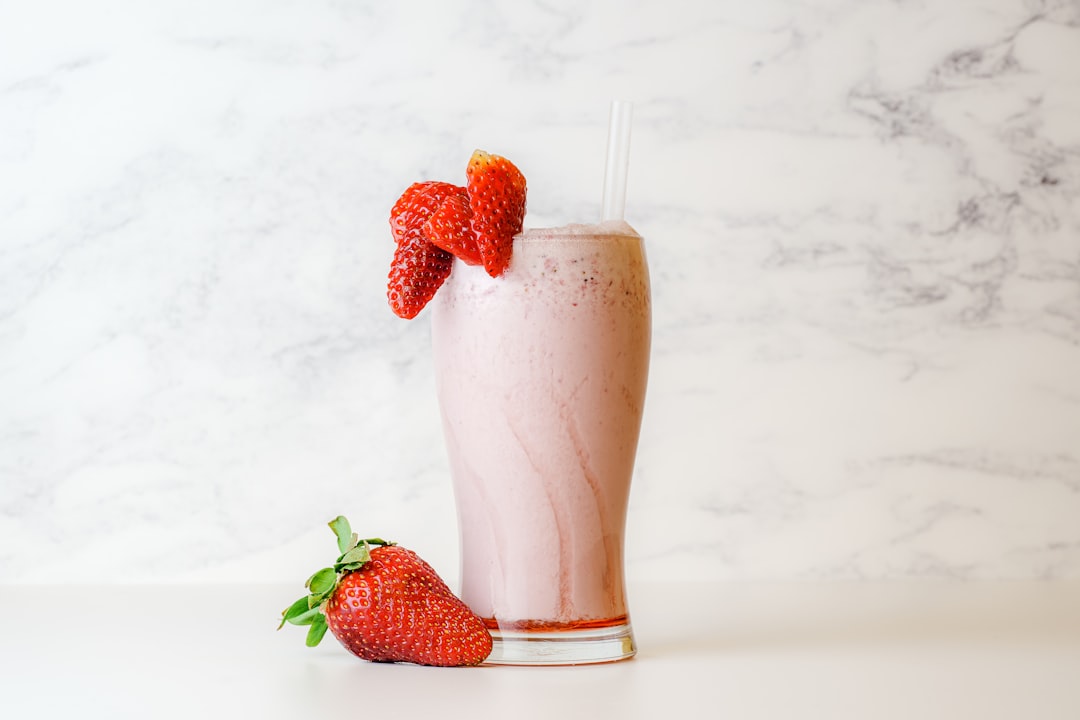
I paired that shake experiment with the Lt. Blender’s Silver Bar Margarita Concentrate, which makes two and a half gallons and is perfect when you’re feeding a crowd and don’t want to be juicing limes all evening. Between the concentrate and the machine’s capacity, I spent maybe ten minutes total on drink prep for the entire party.
The Competitors: What I Actually Tested
I didn’t just test the Ninja. Over the course of the month, I also spent time with the Chefman Iceman and considered the newer Ninja models. Here’s my honest breakdown:
The Ninja SLUSHi line is the benchmark. The original FS301 model I started with runs around $200-250 and handles the majority of what a home cook needs. The SLUSHi MAX steps up to twelve-plus servings and adds smart features, which matters if you entertain regularly. The newest SLUSHi Twist with Dual SlushAssist can make two different flavors simultaneously — a feature I didn’t know I needed until I had three kids arguing over whether the slushie should be mango or raspberry.
The Iceman by Chefman is the other major contender. The Iceman MAX with 90-ounce capacity is comparable in price and performance to the Ninja, and the 68-ounce Iceman is a good option if counter space is tight. In my testing, the Ninja produced slightly better texture on milkshakes and smoothie bowls, while the Chefman held temperature slightly longer on outdoor gatherings where the machine sat in the sun. Either would serve you well. The Ninja’s wider availability of replacement parts and accessories gave it the edge for me.
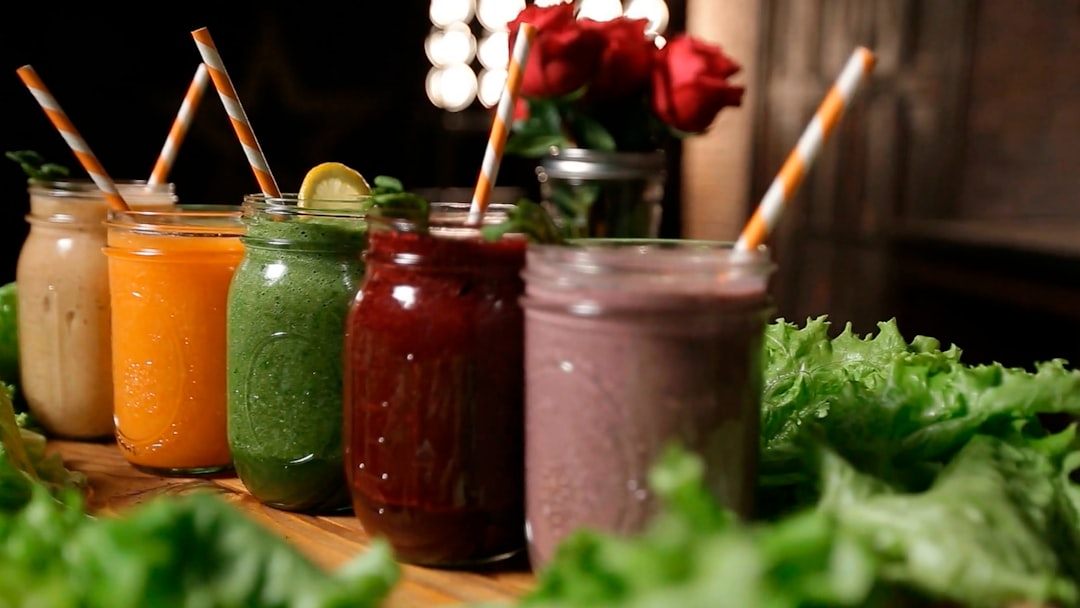
One accessory worth mentioning: a good countertop ice maker is the perfect companion to any frozen drink machine. I tested the EUHOMY and found that having a dedicated ice maker meant I never had to choose between cocktail ice and frozen-drink-machine prep. If your freezer is always running low on ice (mine is, every single summer), it’s a small investment that eliminates the last-minute bag-of-ice run.
What I’d Buy (And What I’d Skip)
After thirty days of daily use, here’s my honest verdict. If you entertain even occasionally during the summer — backyard cookouts, birthday parties, neighborhood gatherings — a frozen drink machine is not a gimmick. It’s a genuine workhorse that changes the way you host. I say this as someone who resisted the category for years and who takes counter space very, very seriously.
What I’d buy depends entirely on your household. For a family of four that wants weeknight smoothie bowls and weekend margaritas, the original Ninja SLUSHi is plenty of machine. For regular entertaining, I’d step up to the 128-ounce SLUSHi XL — the capacity difference is the difference between making drinks in two batches or one. If you have kids who want their own servings and you don’t want to clean a full machine every time, grab a two-pack of Zoku cups for twenty-five dollars and let them make their own single servings.
What I’d skip: the cheapest off-brand machines that populate Amazon’s search results. I tested one from a brand I won’t name, and it produced a texture I can only describe as “crunchy water.” The savings aren’t worth it.
The Counter Space Question
I know what you’re thinking, because I thought it too: where does it go? My kitchen is not small, but every square inch is accounted for. The answer is that this machine replaced two appliances in my rotation — my blender and my food processor were both getting less use in August than at any other time of year, and the frozen drink machine absorbed their summer duties. When September arrives and I’m back to serious baking and soup season, the SLUSHi will move to the pantry shelf and the food processor will reclaim its spot. Seasonal appliance rotation is something my grandmother did with her roasting pan and ice cream freezer. Some things don’t change.
If you’re deep in the same summer-hosting groove I’ve been in, you might also enjoy reading about the other appliance I once mocked and now depend on, or how I survived two weeks without a working oven using cold-kitchen strategies. And if you want the full picture of how I keep drinks cold all day in this heat, my 30-day tumbler comparison covers the insulated-cup side of the equation.
The Bottom Line
I spent six weeks making fun of an appliance category and then thirty days falling completely under its spell. The frozen drink machine earned its place in my summer kitchen the same way my stand mixer earned its place in my winter kitchen — by doing something nothing else can do, and doing it well enough that I stopped trying to find workarounds. If you’ve been on the fence, consider this your permission slip. Just make sure you buy enough fruit. You’re going to need it.