There comes a point every August where I open the oven door, feel that wall of radiant heat roll over me, and think: absolutely not. Not today. Not this week. Maybe not until September. If you’ve ever stood in your kitchen at five in the afternoon with the thermometer pushing ninety and the idea of preheating anything making you physically nauseous, you already know what I’m talking about. It’s the annual oven strike, and this year, I leaned into it harder than ever.
For fourteen straight days, I didn’t turn on a single burner. No oven, no stove, no grill. My kitchen became a cold-prep station, and honestly? It changed the way I think about summer cooking forever. The food was brighter, the kitchen stayed comfortable, my electric bill dipped noticeably, and I discovered that a handful of specific tools made the whole thing not just survivable but genuinely enjoyable.
Let me walk you through what I learned, because I think a lot of us assume that “no-cook” means “no effort” or “no satisfaction.” That couldn’t be further from the truth. The right equipment turns a heat-wave kitchen into the most efficient part of your home.
The Mandoline That Changed My Relationship With Raw Vegetables
I’ll be honest — for years, my mandoline lived in the back of a drawer, buried under potato mashers and a waffle iron I used twice. It intimidated me. Those blades are no joke. But when you’re committing to a cold kitchen, a mandoline becomes the most important tool you own, because the secret to satisfying raw vegetables is texture. Paper-thin cucumbers dressed in rice vinegar taste nothing like the thick chunks you throw into a regular salad. Shaved fennel becomes an entirely different ingredient. Ribbons of carrot and zucchini absorb dressings in ways that chunks simply can’t.
The team pulled out a handful of mandolines we’d been testing, and the one that earned its permanent spot was the Mueller Pro-Series 12-Blade Mandoline. Twelve blades sounds excessive until you realize you’re using a different setting for every vegetable — julienne for carrots, crinkle cut for zucchini, thin slices for radishes that practically dissolve on your tongue. It comes with a cut-resistant glove, which I wear every single time, because I value my fingertips.
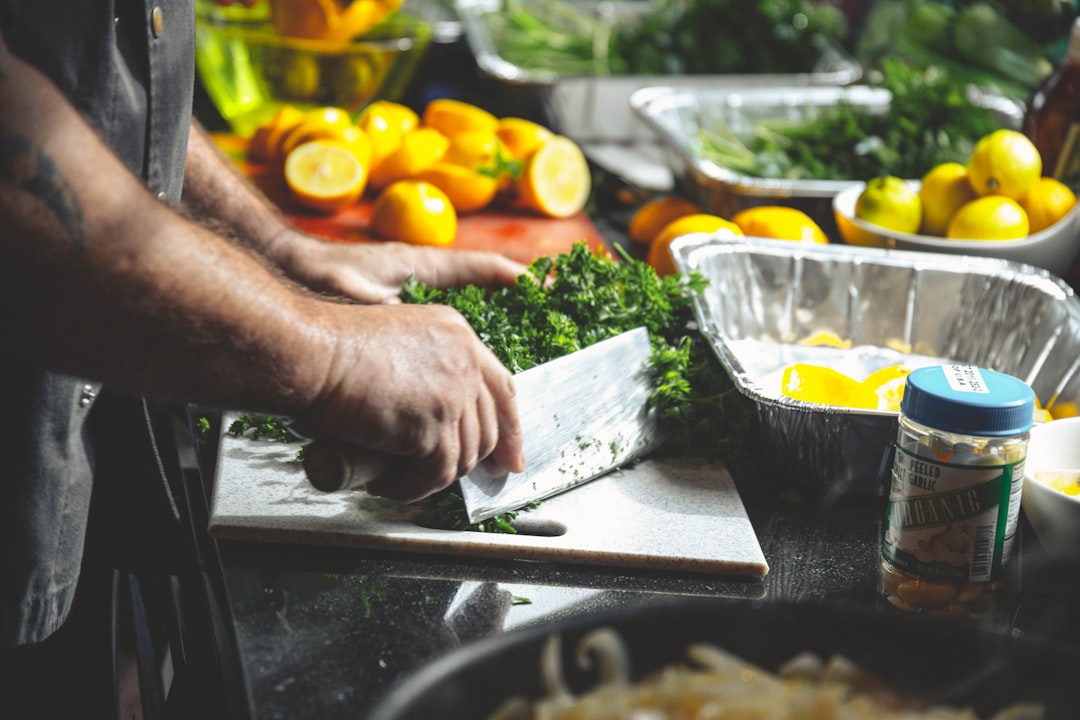
Once I started thinking in terms of texture rather than temperature, everything opened up. A bowl of shaved vegetables with good olive oil, flaky salt, and lemon juice takes about four minutes to prepare and tastes like something from a restaurant that charges thirty dollars for a starter.
Zucchini Noodles: Not a Gimmick, a Lifeline
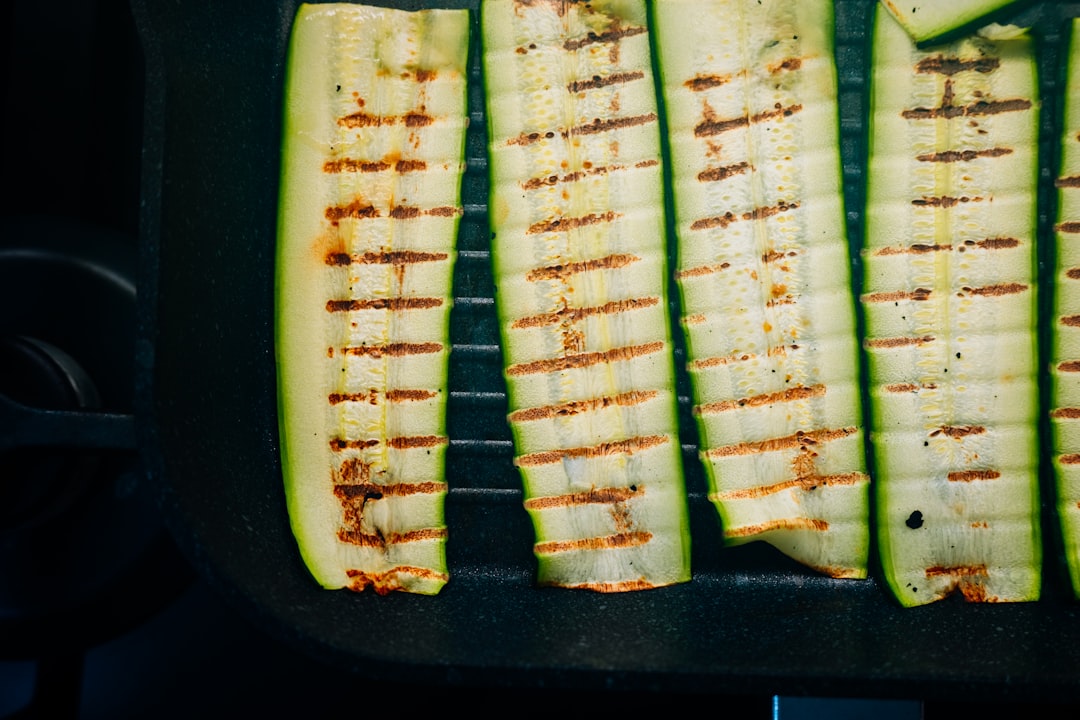
I resisted the spiralizer trend for a long time. It felt like one of those gadgets that solves a problem nobody actually has. But during my two-week cold-kitchen experiment, zucchini noodles became my absolute backbone. When you can’t roast vegetables and you’re tired of eating them raw in salads, spiralizing gives you something that feels like a meal. Tossed with a no-cook pesto — basil, garlic, pine nuts, parmesan, olive oil, all blitzed in the food processor — zucchini noodles become a genuine dinner.
The spiralizer we keep reaching for is the Brieftons 10-Blade Vegetable Spiralizer. Ten blades is not overkill when you’re running a cold kitchen for weeks. You want different shapes for different vegetables, because eating the same texture every day gets old fast. Sweet potato ribbons, cucumber spirals for cold soups, even carrot curls for garnishing — this thing earns its counter space during August.
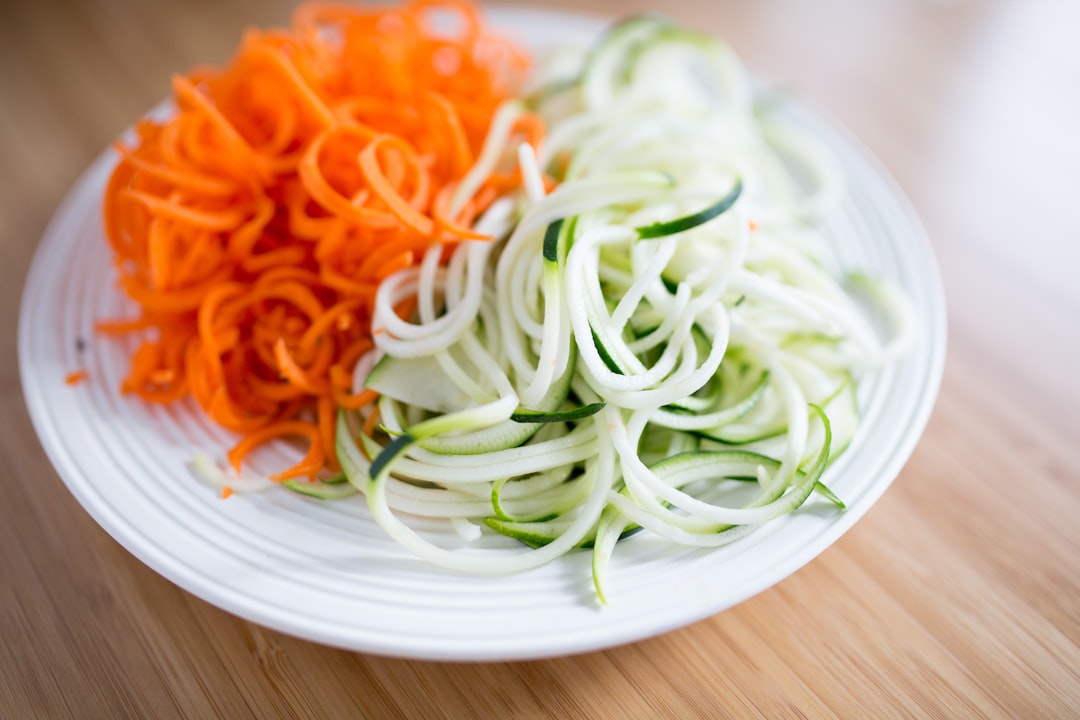
Here’s the thing I didn’t expect: my kids started eating vegetables they’d never touch otherwise. There’s something about the novelty of a noodle shape that overrides whatever picky instinct tells them zucchini is suspicious. I’ll take the win.
The Salad Spinner You’ll Use Every Single Day
In a cold kitchen, you’re washing a lot of greens. I mean a lot. Every meal starts with something fresh from the garden or the farmers market, and wet greens make terrible salads. They dilute your dressing, they clump together, and they go limp within minutes. A proper salad spinner isn’t optional — it’s the difference between a salad that sings and one that sulks.
I’ve gone through at least four spinners over the years, and the OXO Good Grips Salad Spinner remains the undefeated champion. The pump mechanism is smooth, the brake button actually stops the spinning instantly instead of gradually winding down, and the basket doubles as a colander. We use ours to wash berries, drain herbs, and even dry blanched vegetables when we do briefly use the stove for something like green beans. At six-plus quarts, it handles enough greens for a family of four without cramming.
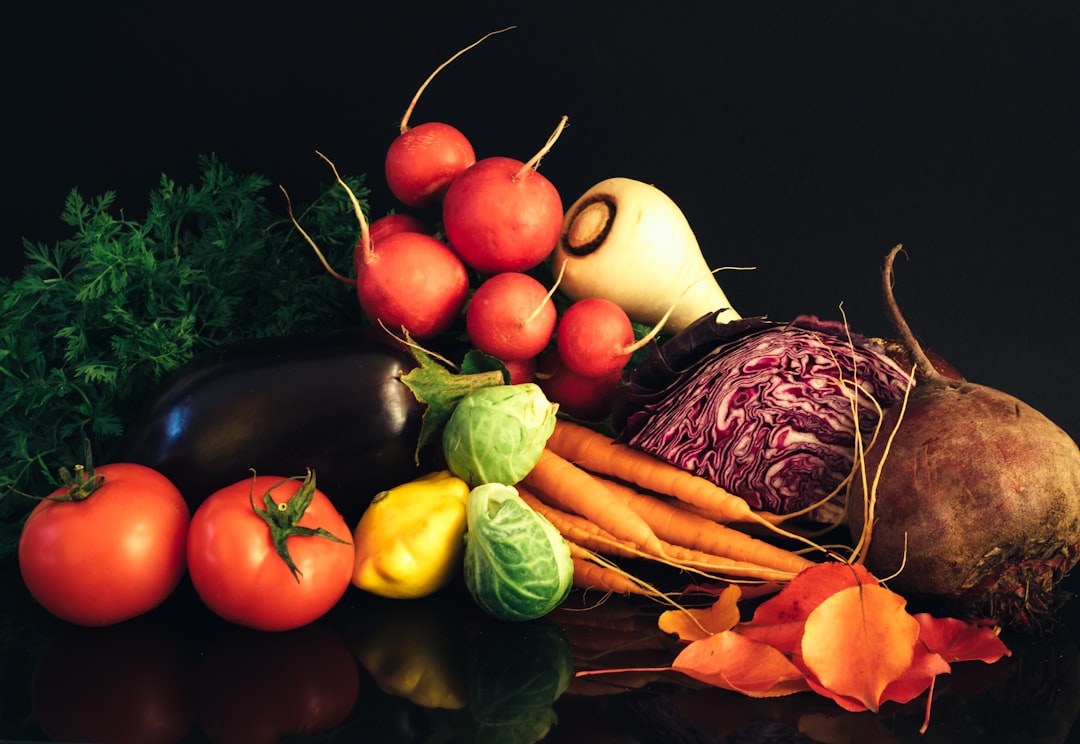
One habit I picked up during the cold-kitchen weeks: I wash and spin a huge batch of greens every morning, then store them in a container with a paper towel. They stay crisp all day, which means dinner prep is just assembly, not washing and drying. It sounds small, but it removes the friction that makes you want to order takeout at six o’clock.
Cold Brew: The Only Hot Water You’ll Need
I wrote recently about the corner of my kitchen that quietly became a coffee bar, and cold brew became the centerpiece of that setup during the no-oven experiment. The beauty of cold brew is that it requires zero heat — just coarse coffee, cold water, and patience. You mix it before bed, and by morning, you have a concentrate that lasts for days.
After testing several models, the Takeya Deluxe Cold Brew Maker won the counter. It’s a one-quart BPA-free Tritan pitcher with a fine-mesh filter that keeps sediment out of your cup. The silicone grip makes it easy to handle when full, and the airtight lid means you can store it sideways if your refrigerator shelves are awkward — which, if we’re being honest, they always are. It’s shatterproof, dishwasher safe, and made in the USA, which I appreciate.
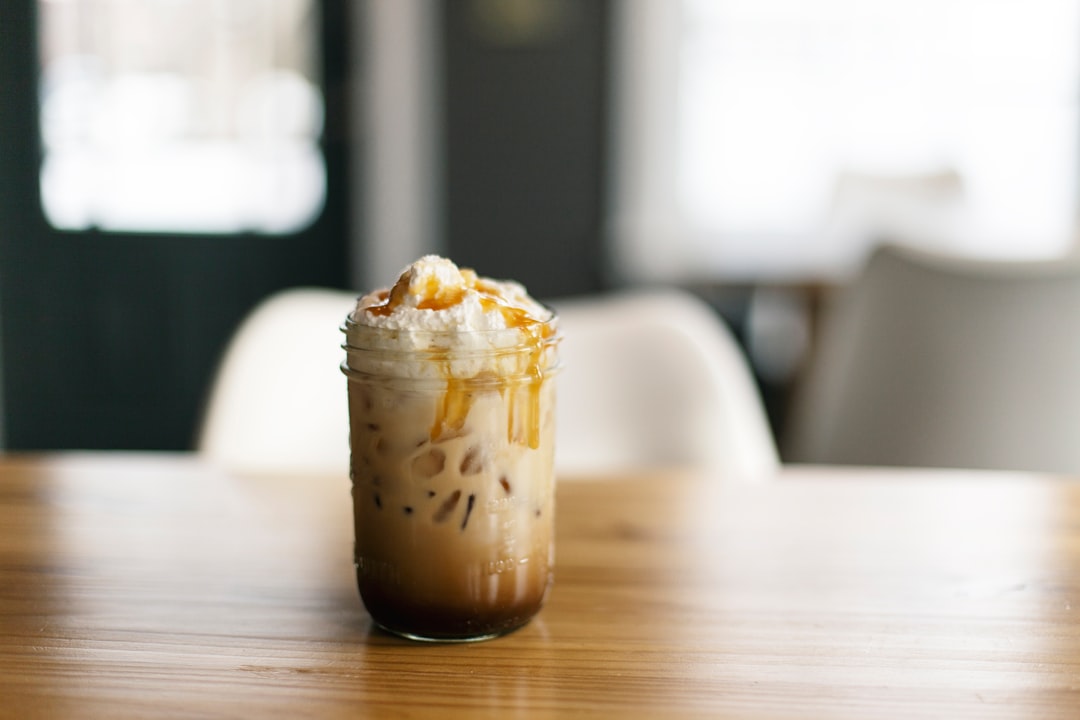
Cold brew uses about sixty percent less acid than hot-brewed coffee, which means it’s gentler on your stomach during the hottest days when you’re already feeling a bit off. I dilute mine fifty-fifty with cold water and ice, and it carries me through the morning without the jitters that hot coffee brings in summer.
The Immersion Blender That Stays Plugged In
You might think an immersion blender requires a stove — it’s for soups, right? Wrong. During my cold-kitchen weeks, the immersion blender became my secret weapon for cold soups, dressings, dips, and sauces. Gazpacho, that beautiful Spanish cold tomato soup, comes together in under three minutes with nothing but raw vegetables, olive oil, sherry vinegar, and a good blitz. Whipped up in the bowl, no transferring to a stand blender, no additional dishes.
The one that lives on my counter is the KOIOS 1000W Immersion Blender. A thousand watts sounds absurd for a hand blender until you try to make gazpacho with a weaker model and end up with chunky vegetable soup instead of something silky. The twelve-speed control means you can start gentle for a vinaigrette and crank it up for a full emulsification. It comes with a whisk attachment and a milk frother, both of which get used constantly in a cold kitchen where you’re making dressings and cold foam for your iced coffee.
Cold sauces are where this tool really shines. A blender aioli — egg yolk, garlic, mustard, lemon juice, and a slow stream of olive oil — takes about ninety seconds and elevates everything you serve it with. Spread it on bread for a cold sandwich, dollop it over those zucchini noodles, or use it as a dip for the raw vegetables you’ve been mandolining all afternoon.
Herb Scissors: The Tool I Mocked, Then Bought
I’m going to admit something embarrassing. For years, I rolled my eyes at herb scissors. They seemed like a unitasker, a kitchen gimmick sold at county fairs. Then my assistant brought a pair to the test kitchen during our cold-kitchen sprint, and I ate my words along with a perfectly chiffonaded basil. Five blades cut herbs into uniform pieces in one snip, and unlike a knife, they don’t bruise delicate leaves.
The pair that won me over was the five-blade herb scissors with cleaning comb. The cleaning comb is not optional — herb scissors without one are a nightmare to wash, because bits of oregano wedge between the blades and refuse to leave. These come with a little plastic comb that slides between the blades and pushes everything out. It’s such a simple solution, but it transforms the tool from annoying to essential.
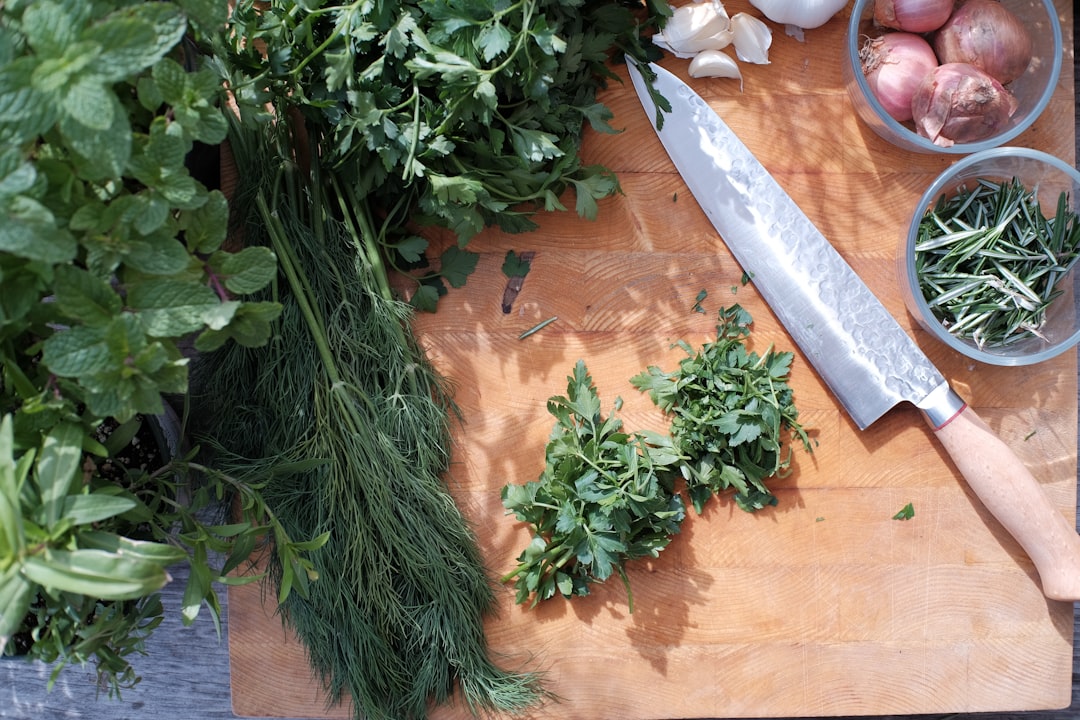
In a cold kitchen, herbs carry more weight than they do in cooked food. Without the Maillard reaction and caramelization to build flavor, you’re relying on freshness, acid, and herbs. A scattering of snipped chives over a cold potato salad, a handful of torn mint over shaved watermelon with feta, a aggressive amount of basil over those zucchini noodles — these are the moves that make no-cook food feel intentional rather than lazy.
For heavier herb work, I also keep a pair of OXO Good Grips Kitchen Shears within arm’s reach. They handle woody herbs like rosemary and thyme that would jam the five-blade scissors, and they’re my go-to for snipping open packages, cutting parchment, and trimming chicken when I do eventually return to the stove.
Bowls That Make Cold Food Look Like a Celebration
Here’s something I wasn’t expecting: the visual aspect of cold food matters more than hot food. A roast chicken looks impressive no matter what bowl you serve it in. But a platter of sliced tomatoes, fresh mozzarella, and basil? That needs to be in something beautiful, or it looks like a sad desk lunch. During the two-week experiment, I found myself reaching for the same nesting bowl set every single day.
The KooK Ceramic Mixing Bowls — a set of four that nest from twenty ounces up to nearly a gallon — became the workhorses of my cold kitchen. They’re embossed stoneware with a slight ivory tone that makes summer produce look like a still-life painting. The largest bowl handles family-size salads, the medium ones are perfect for marinating vegetables in vinaigrette, and the smallest works for holding snipped herbs or mixed spices.

They’re microwave and dishwasher safe, though honestly, the microwave didn’t get much use during my oven strike. What I love most is that they transition seamlessly from prep to serving. Cold food prepared in an ugly bowl feels like compromise. Cold food prepared in a bowl that looks like it belongs on a table? That feels like a choice.
Glass Containers: Because Cold Food Demands to Be Seen
One of the unexpected joys of the cold-kitchen experiment was how much prep I could do in advance. Without worrying about reheating, I could assemble entire meals in the morning and let them marinate all day. A bean salad dressed at eight AM and eaten at six PM is a fundamentally better dish than one assembled at the last minute. But you need containers that let you see what’s inside, because out of sight is out of mind in a refrigerator.
I switched to glass containers a couple of years ago when I finally retired the last plastic container in my kitchen, and the M MCIRCO 8-pack of 30-ounce glass containers remains my everyday set. Thirty ounces is the sweet spot — large enough for a full meal, small enough to fit in a lunch bag. The airtight lids keep dressings from leaking, and the glass means I can see exactly what’s inside without opening and sniffing, which matters when you have nine containers of marinating vegetables.
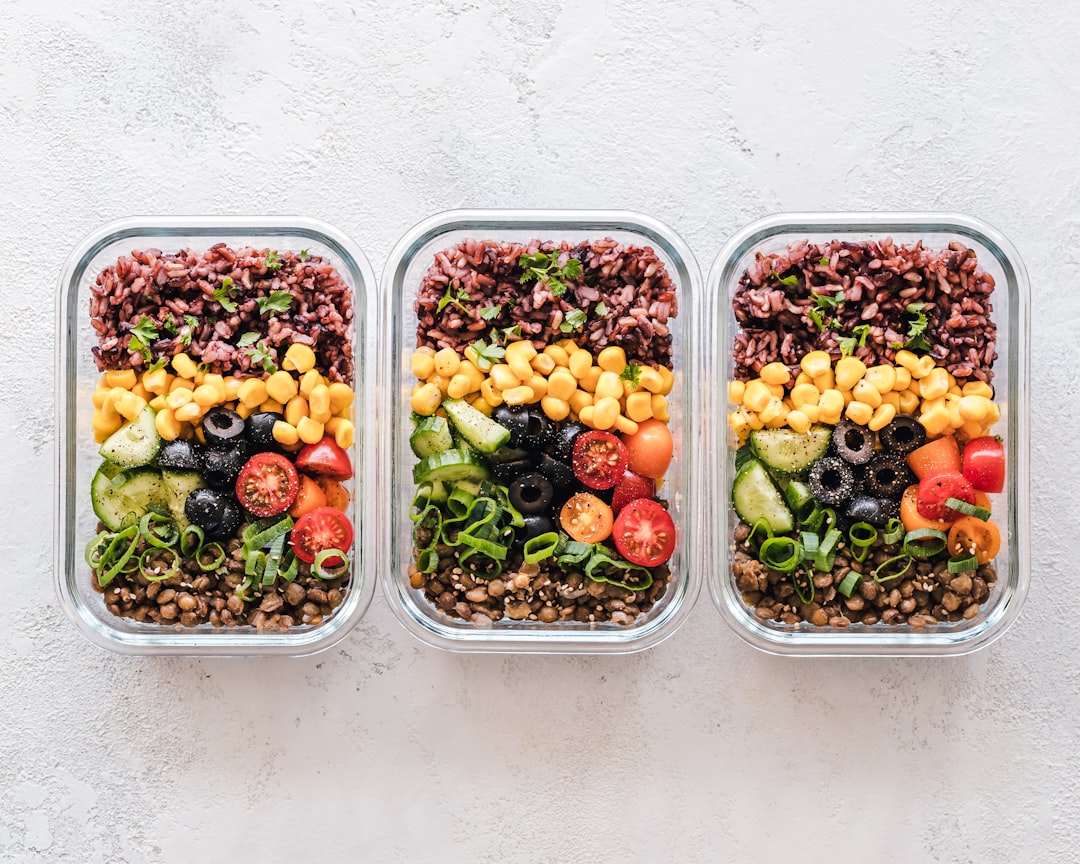
During the cold-kitchen weeks, I’d spend twenty minutes every morning filling three or four containers with different salads, dips, and prepped vegetables. By dinnertime, we’d just open the fridge and assemble plates from whatever looked good. It was like having a personal deli counter, and it completely eliminated the six-PM panic of figuring out what to make.
The System That Made It All Work
Here’s what I learned over those fourteen days: a cold kitchen isn’t about deprivation. It’s about having the right systems in place so that no-cook food feels like the most intentional, satisfying thing you could possibly eat. The mandoline gives you texture. The spiralizer gives you structure. The salad spinner gives you crispness. The immersion blender gives you sauces and soups. The herb scissors give you brightness. The cold brew maker gives you a reason to get out of bed. And the bowls and containers make everything visible, accessible, and beautiful.
I’ve written before about building a kitchen system that can keep up with summer’s harvest, and this is the extension of that philosophy. When the heat makes cooking unbearable, your system either carries you or fails you. Mine carried me, and I’m not going back to the oven until I actually want to, not because I can’t think of an alternative.
So if you’re staring down August with a kitchen that feels like a furnace, consider giving your stove a vacation. With the right tools on the counter and a refrigerator full of marinating possibilities, you might discover — as I did — that the best meals of summer are the ones that never see a flame.