There is a particular sound a cardboard box makes when it has finally had enough. It is not a snap or a crack — it is more of a tired sigh, the sound of glue giving up on its dreams. I heard it at 6:14 on a Tuesday morning, halfway through a sentence I was saying to nobody, when the box that lived under my coffee machine exhaled its last breath and sent fourteen pods rolling across the kitchen floor like very caffeinated marbles.
I stood there in my robe, watching a pumpkin-spice pod wobble to a stop against the dog’s water bowl in late August — pumpkin spice, in August — and I had the thought I eventually have about every corner of my kitchen: this system is lying to me. It looked organized. It was not. It was a box. And boxes, as any woman who has ever cleaned out a junk drawer knows, are where organization goes to hide.
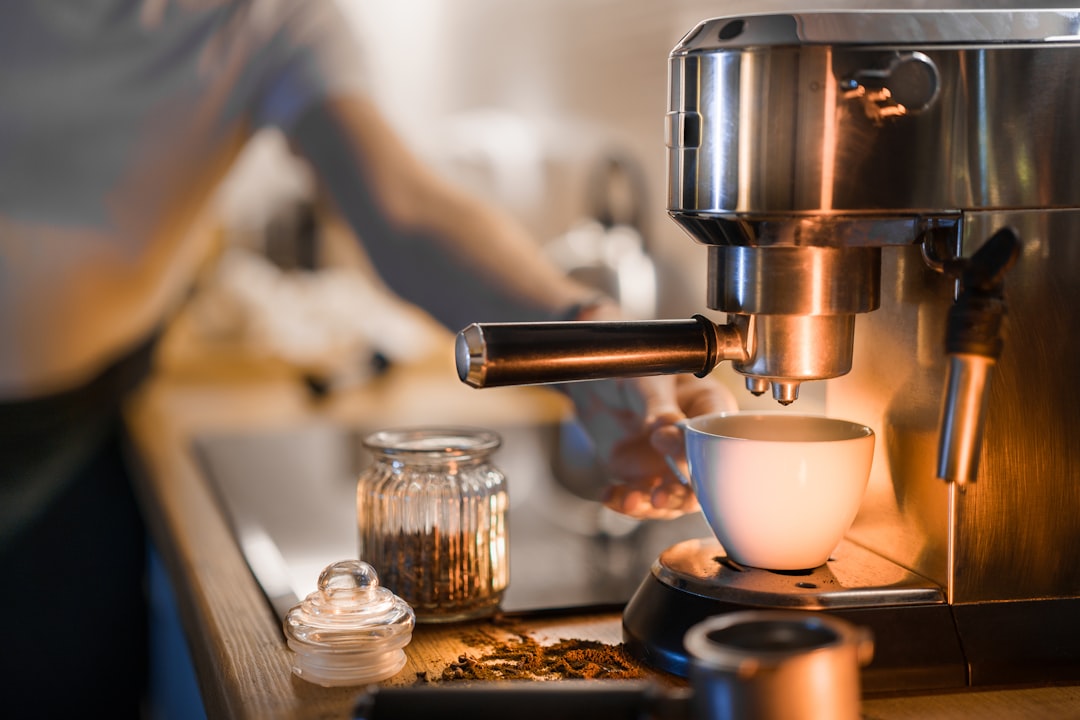
When I first set up this little coffee corner — I wrote about how it quietly became the only corner of my kitchen that runs itself — the pod situation was modest. One row of them, maybe a dozen, stacked like ammunition. That was July. By late August, the inventory had quietly tripled, and the box had become the kitchen’s version of a junk drawer with a caffeine habit. So I did what I always do: I declared a reckoning, pulled everything off the shelf, and made my family pretend to be interested while I counted.
Confessions of a Pod Hoarder
Here is the thing nobody tells you about single-serve coffee: the pods arrive on their own. A sampler pack comes with the machine. A subscription box shows up because you clicked something in November. A girlfriend gifts you a “fun flavors” assortment. There is a clearance endcap at the store the day after every holiday, and I have the willpower of a golden retriever near a grill. The pods accumulate the way duplicate spice bottles once colonized my cabinet — silently, cheerfully, and without any single decision on your part.
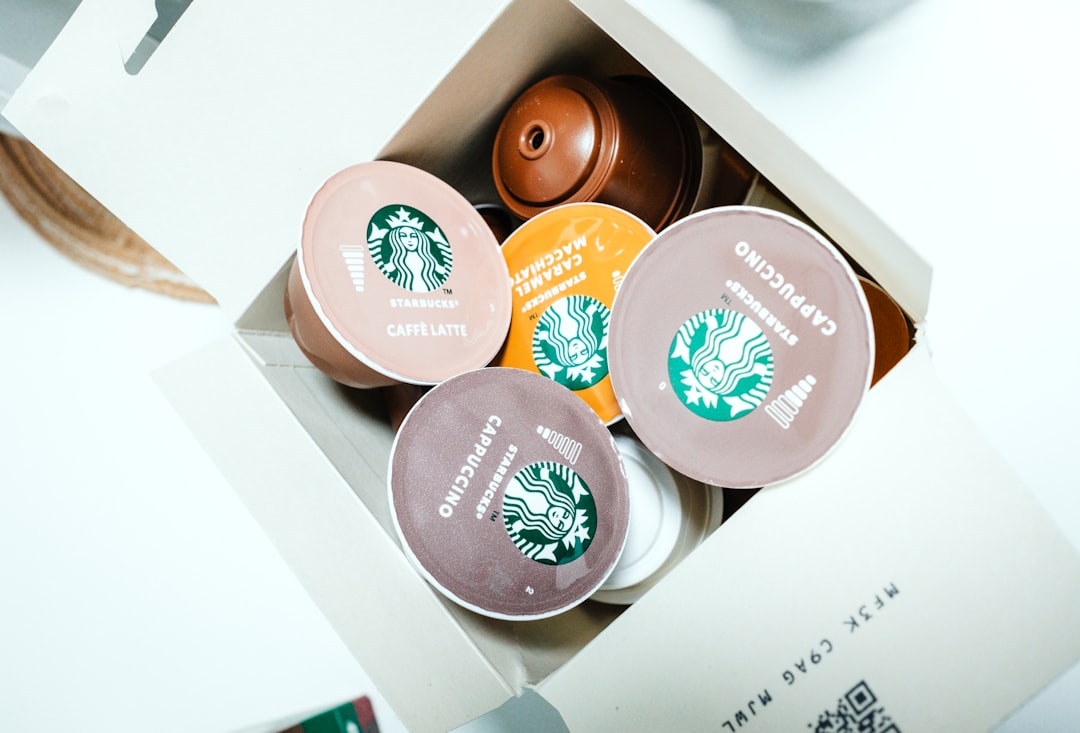
The census took twenty minutes with my team helping. Eighty-four pods. Eleven varieties. Four flavors that not one person in this house will admit to buying, and one — the pumpkin spice, obviously — that appears to have arrived on its own, out of season, like a migrating bird. We sorted everything into three honest piles: daily drinkers, guest-worthy decafs and teas, and the pile I call “the apology pods,” which will be quietly donated to my neighbor who drinks anything.
Eighty-four pods is not a storage problem, I realized. It is a decision problem. The box worked when the collection was small because I never had to choose — I just grabbed. But a box you have to dig through is a system that charges you a small toll of frustration every single morning, and mornings are already expensive enough.
Three Ways to Store a Pod Problem
Once the counting was done, the fix came down to a choice between three philosophies, and I tested all of them because that is apparently my personality now. You can store the pods under the machine in a low drawer, beside it on a carousel or stand, or nowhere in sight at all, using a tray inside an existing drawer or an under-cabinet rack. Each one suits a different kitchen and, frankly, a different personality.
The Drawer That Lives Under the Machine
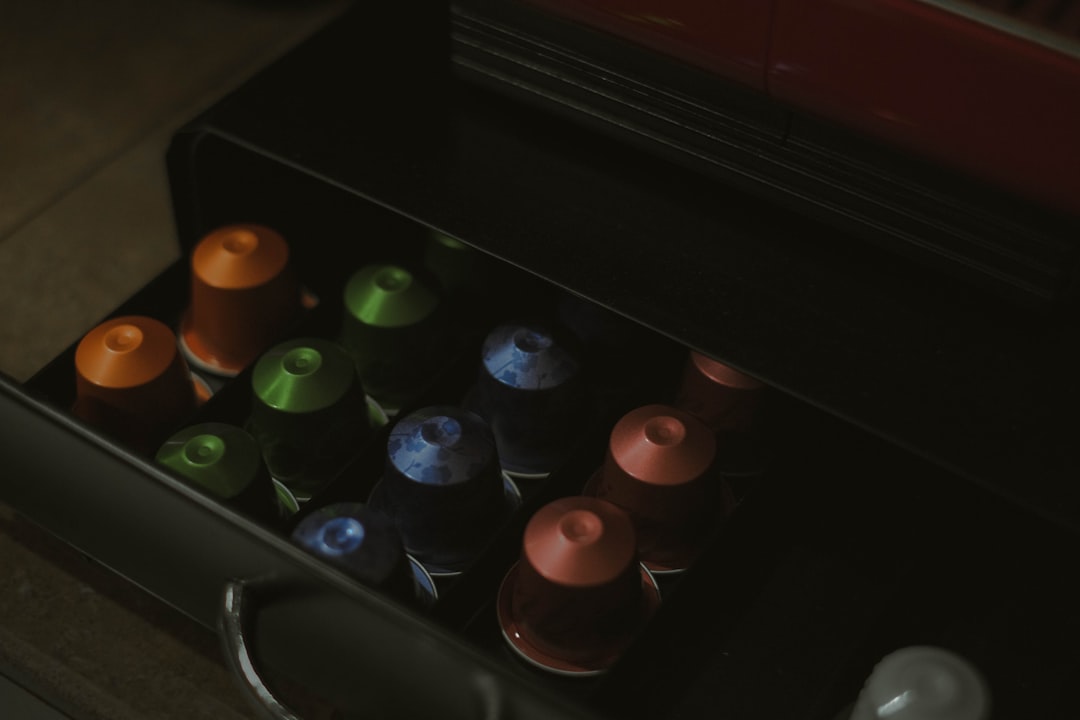
The classic move is the slide-out drawer that your brewer sits on top of, and I will admit it is the one that felt the most like a real solution. My sister has run the Amazon Basics three-drawer pod organizer under her machine for two years — thirty-six pods across three shallow drawers, sorted by roast, and the whole thing has held up to her three teenagers treating it like a vending machine. The Deco Brothers 36-pod drawer is nearly its twin in steel and mesh; my advice is to check both prices on the day you buy, because they trade the lead back and forth like friendly rivals.
For tighter setups, the Mind Reader 30-pod drawer sits a little lower and shallower, and the EVERIE compact 18-pod drawer is the one I eventually slid under the small machine in our upstairs sitting area — small enough footprint that it earned its fifteen-ish dollars back in tidiness within the week. One warning from the school of hard knocks: measure your machine’s base before you order any of these. Drawers are sized for standard single-serve brewers, and a too-big machine on a too-small drawer is a wobble waiting for a witness.
When the Counter Is Tight: Carousels and Stands
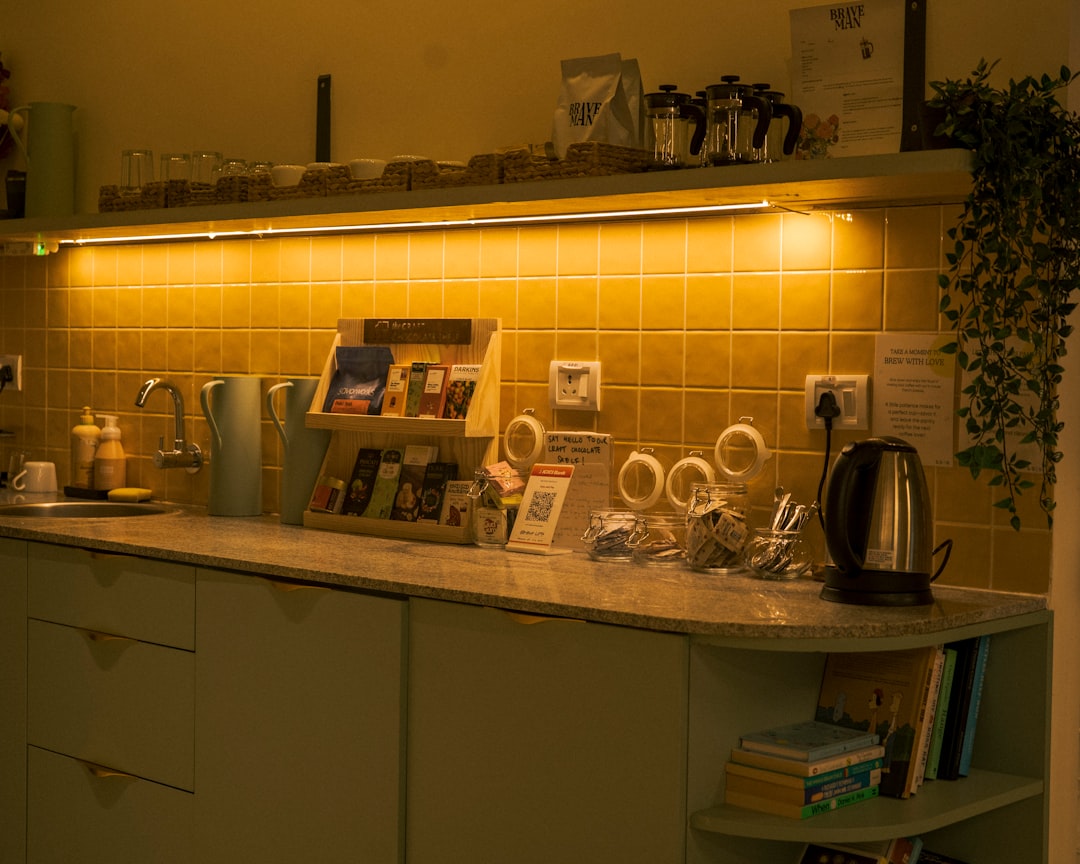
If your counter runs short but your flavor selection runs long, a spinning carousel holds a startling number of pods in a small square of real estate. The EVERIE carousel holds forty pods in about an eight-by-eight inch footprint, and there is something genuinely pleasant about the little turntable moment — guests at our place gravitate to it like it’s a diner counter, spinning it slowly and deliberating over the selection like judges at a county fair.
The honest trade-off: a carousel puts your whole inventory on display. If your pods are a motley crew of half a dozen brands and three forgotten holiday flavors, you are now exhibiting that collection as kitchen décor. Carousels reward a curated drawer — pardon me, a curated collection — and punish a chaotic one.
Hiding the Habit Entirely
The third road is for kitchens where the counter is already spoken for. If you have a deep kitchen drawer near the coffee maker, the angled in-drawer pod tray is the quiet miracle of the whole category — it cost me about fifteen dollars, holds twenty pods in tidy visible rows, and keeps every pod out of sight without a single one being hard to find. It is, not coincidentally, the piece I would buy first if I were starting from zero.

And for truly tight quarters — a small apartment, an RV, a kitchen where even the drawers are fully employed — the under-cabinet swing-down holder keeps two dozen pods up in the dead air beneath an upper cabinet, flipping down when you need it and tucking away when you don’t. I installed one in my mother’s kitchen in about ten minutes, and she called me the next day to say it made her feel like she was “running a little café,” which I choose to take as the highest possible review.
What I learned from all this testing, though, is that hidden storage only works if refilling it is a habit. An empty organizer is just a smaller piece of clutter. Whatever home you choose for your pods, the deal you make with yourself is the same: when the mail brings more, they get put away the same day. That single rule is the difference between a system and a shelf.
The Reusable Filter Plot Twist
Now for the part of the story where the whole project turned on me. Somewhere in the middle of the pod census, a friend looked at my three neat piles of colorful little cups and asked the question that ruined my week in the best way: “Aren’t you the one always going on about waste?” I am. I so am.

So I did what I do, and borrowed a reusable filter from the same friend to live with for a month. The Perfect Pod four-pack of reusable filters is what I eventually bought for our house — one lives beside each machine so nobody has an excuse — and I added the stainless steel Noalto set to the test lineup because I wanted to compare the mesh-with-paper route against the all-metal route. The short version: you spoon in your own grounds, brew exactly like normal, and rinse the pod after. That is the entire ritual.
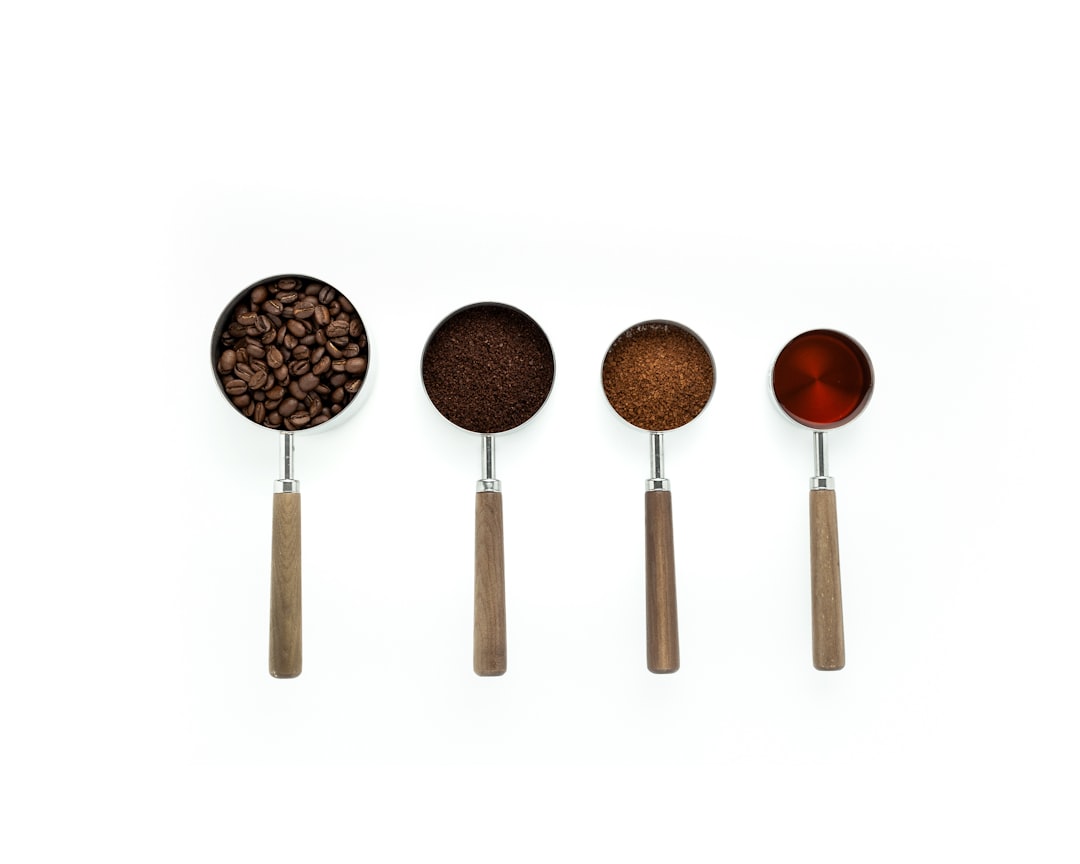
Here is my honest review after thirty days. The coffee is better — noticeably, smugly better — because it is brewed from a fresh bag of grounds you chose, at the strength you like, instead of whatever pre-ground dust has been sealed in a plastic cup since last spring. The cost is about thirty seconds and a quick rinse. If even the rinsing sounds like too much on a Monday, paper liners for reusable pods drop into the filter like a tiny coffee filter, lift out with the grounds, and go straight to the compost — cleanup becomes a two-finger operation.
The Math I Did at the Kitchen Table
But the taste was never going to be what changed my habits — I am a cook, not an accountant. The math is what did it, and I want to show it to you the way I scribbled it on the back of a school permission slip at my own kitchen table. Single-serve pods run roughly fifty cents to a dollar apiece. A household brewing two pods a day — which is exactly us — spends $365 to $730 a year on coffee that arrives in packaging you throw away. The same household filling a reusable filter with decent bagged grounds spends maybe $60 to $90 a year on the coffee itself, plus fifteen to twenty-five dollars once for the filters. Even at our modest two-cups-a-day pace, that is $300 or more back in the grocery budget every year, and heavy coffee households can sail past $500 without trying.
Then there is the number I could not unsee: a household brewing two pods a day sends more than 700 little plastic cups a year to the landfill — and households like mine, with teens and weekend guests, push past 1,400. I do not say that to shame anyone; I ran that machine happily for years, and pods still live in my house. I say it because once I saw the arithmetic laid out in my own handwriting, the box of eighty-four pods stopped looking like a bargain bin and started looking like a slow-motion purchase I had never actually agreed to. If you are still choosing your machine in the first place, our full coffee maker comparison walks through which brewers handle both pods and reusable filters gracefully.
The System That Survived
So here is how the coffee corner looks now, a few weeks into the new regime, and I am happy to report it has survived actual company, a school morning, and one entire holiday weekend. The upstairs machine sits on the EVERIE compact drawer, which holds my daily dark roast, one row of guest options, and — yes — the pumpkin spice, exiled to the back row where it can wait with dignity for September. The reusable filters live in a little dish beside each machine, and the paper liners are in a jar that used to hold pens. My mug gets fresh grounds every morning; guests and rushed school mornings get pods; nobody in this house has to choose between convenience and their principles before caffeine.

The box itself went to the recycling bin, and I will not pretend I did not pause over it like it was an old friend at a retirement party. It held my coffee for two years. It also lied to me for two years, quietly absorbing every impulse purchase I ever made at a clearance endcap.
That is the whole reckoning, in the end. A fifteen-dollar tray, a couple of reusable filters, one rule about putting new pods away the day they arrive — and mornings that start with a decision I already made. The right organizer, it turns out, was never really organizing my pods. It was organizing my morning. And the coffee, I am delighted to report, has never tasted better — or cost less.