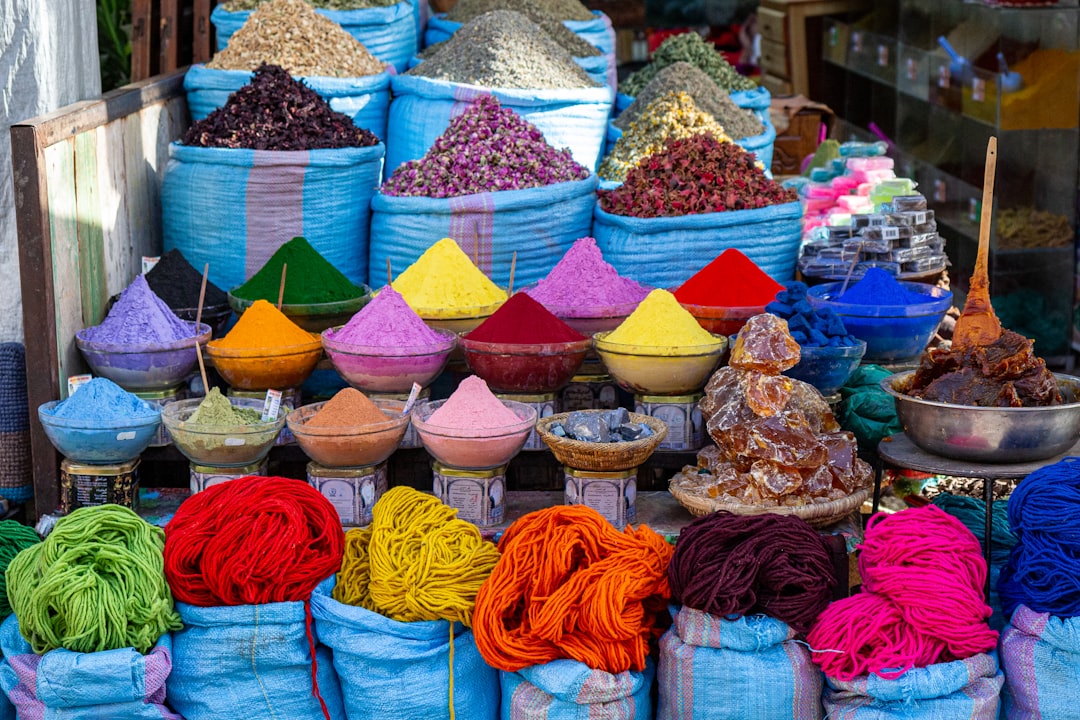
It started, as these things usually do, with a missing bottle of cumin. I was mid-recipe on a Tuesday night, one hand coated in olive oil, calling across the kitchen to ask if anyone had seen the cumin. My daughter found it. Then she found another one. Then another. By the time the dust settled, there were four — count them, four — bottles of ground cumin in my spice cabinet, two of them expired during a year I’d rather not discuss. That was the night I stopped pretending my spice storage was fine and started what my family now calls the Great Cumin Census.
Here’s the thing nobody tells you: spice storage isn’t a small problem. It’s the single most-used, least-organized zone in most kitchens. You reach for spices at every meal, usually with wet hands, usually in a hurry, usually at the exact moment the onions are catching. And yet those little bottles live wherever gravity left them — shoved behind the baking powder, tipped over in the back corner, three deep in a cabinet you have to kneel on the floor to search properly. I’ve spent twenty years writing about kitchen systems, and I let my own spices live like that. No more.
The Audit Nobody Wants to Do
Before you buy a single organizer, you have to face the truth. My team and I pulled every bottle, jar, tin, and mystery envelope out of the cabinet and lined them up on the counter. All fifty-three of them. That’s not a humble brag — it’s a diagnosis. When we sorted the duplicates and tossed the ones that had gone flat, more than a third of the collection didn’t survive the cut. Old paprika that had faded to a sad dust. A jar of dried dill from, I promise, a previous presidential administration.
The rules of the audit are simple. Anything expired goes. Anything you can’t smell from six inches away goes — spices should announce themselves. Duplicates get consolidated into one bottle, and the empty one gets recycled. What remains is your real collection, and that number determines everything you buy next. Mine came down to thirty-eight keepers, which told me a drawer system was possible. If you’re sitting on seventy or more, you’ll need a different footprint, and I’ll get to that too.
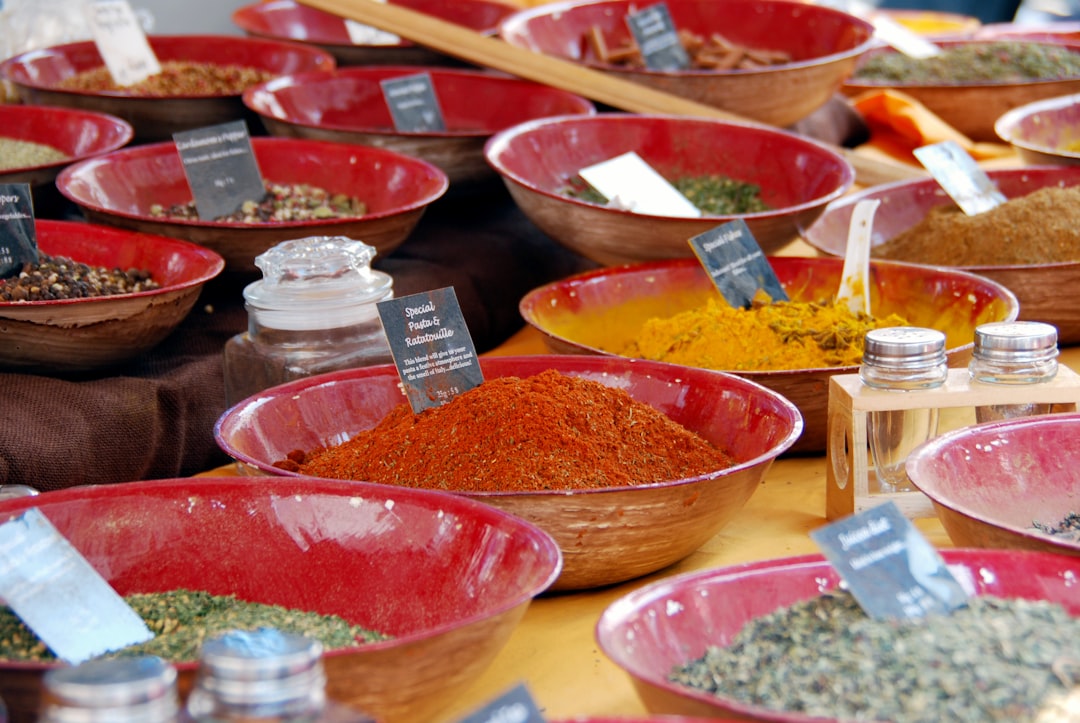
Why Spices Deserve Better Than the Back of the Cabinet
Storage isn’t just about finding things. It’s about protecting what you paid for. Heat, light, and air are the three horsemen of flavor death, and the typical spice cabinet — usually mounted directly above the stove or dishwasher — serves up all three on a silver platter. Every time that oven vents or the dishwasher steams, your spices are taking a sauna they never asked for.
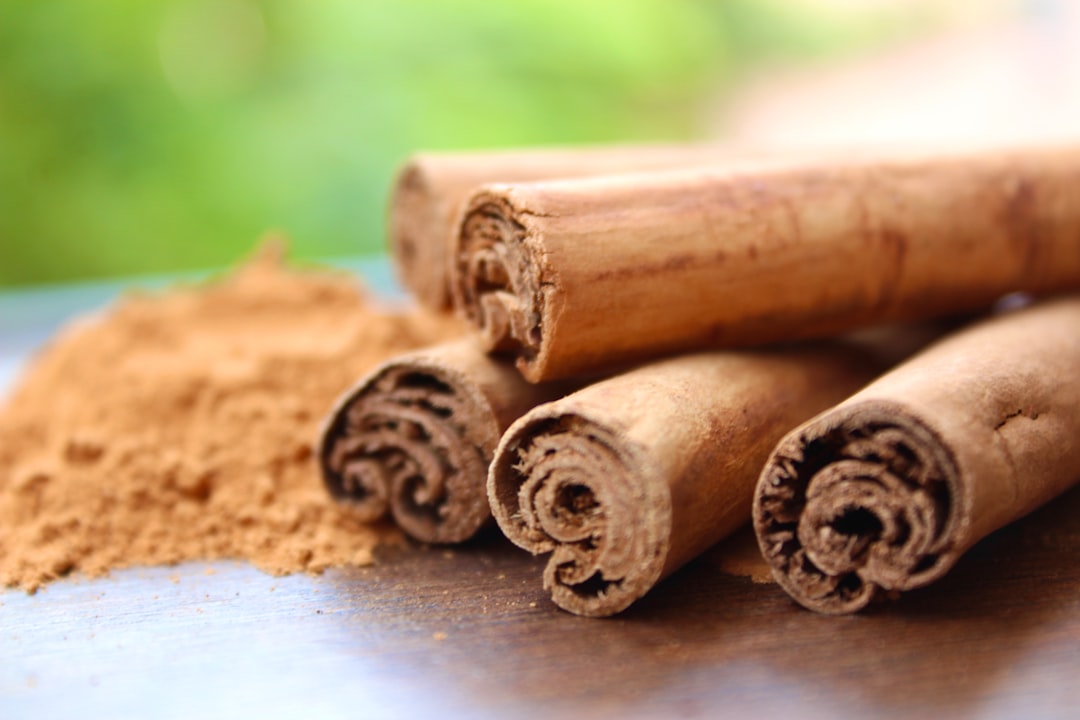
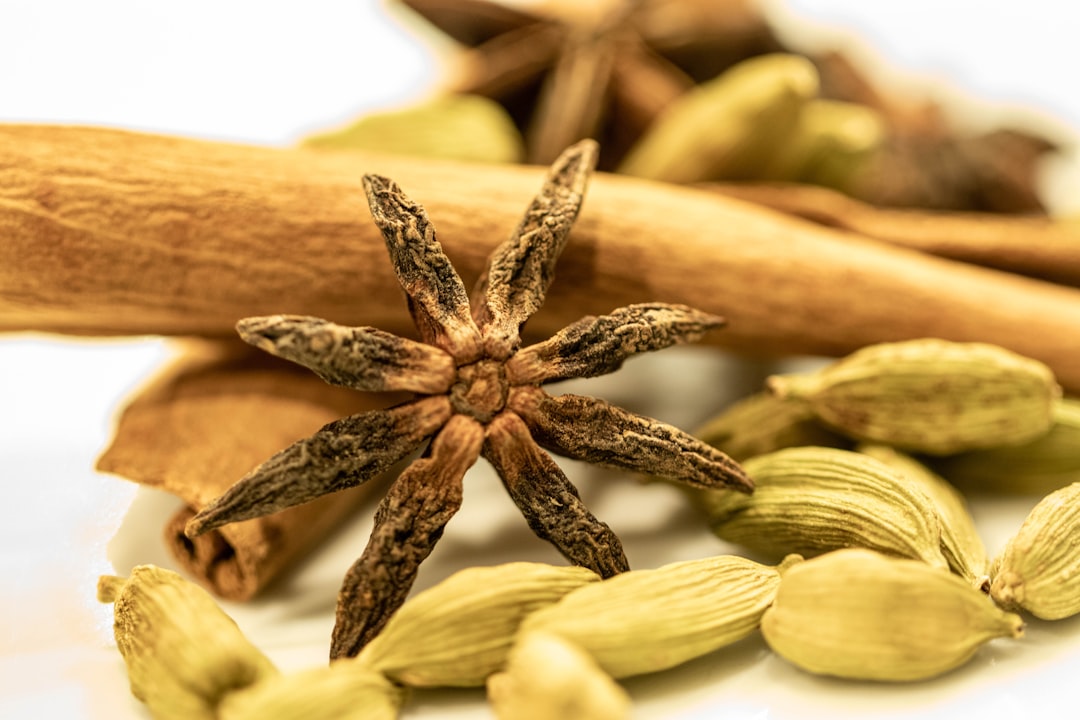
Whole spices like cinnamon sticks, star anise, and peppercorns hold their character far longer than ground ones — often two to three years versus the six-to-eight-month window ground spices really get. So the way you store each type matters. A cool, dark drawer protects delicate ground herbs like oregano and thyme beautifully, while heartier whole spices can tolerate a shelf or a wall rack without sulking. When we relocated my most fragile ground spices away from the stove’s heat shadow, the difference in how a simple pot of rice tasted three weeks later genuinely surprised me.
The Drawer Conversion That Changed Everything
If you have one drawer within arm’s reach of your stove — even a narrow one — I will make the case that a spice drawer beats every other system. You see every label at a glance, nothing hides behind anything, and the drawer shields the bottles from light and grease film. The conversion cost me less than a restaurant dinner and took one afternoon.
The hero of my rebuild was an expandable bamboo drawer insert — this four-tier version from SpaceAid fits drawers as narrow as three inches deep when collapsed and widens out if you have more room. The tiers stagger the jars like stadium seating so every label faces up at you. If you want the full done-for-you route, SpaceAid also makes a set that bundles the insert with 28 glass jars and nearly 400 pre-printed labels, which is the fastest way to go from chaos to a magazine-ready drawer in a single weekend. I bought the bundle for my mother-in-law’s kitchen and she called me, genuinely emotional, to say she’d found her nutmeg for the first time in two years.
Glass Jars and the Label System That Actually Sticks
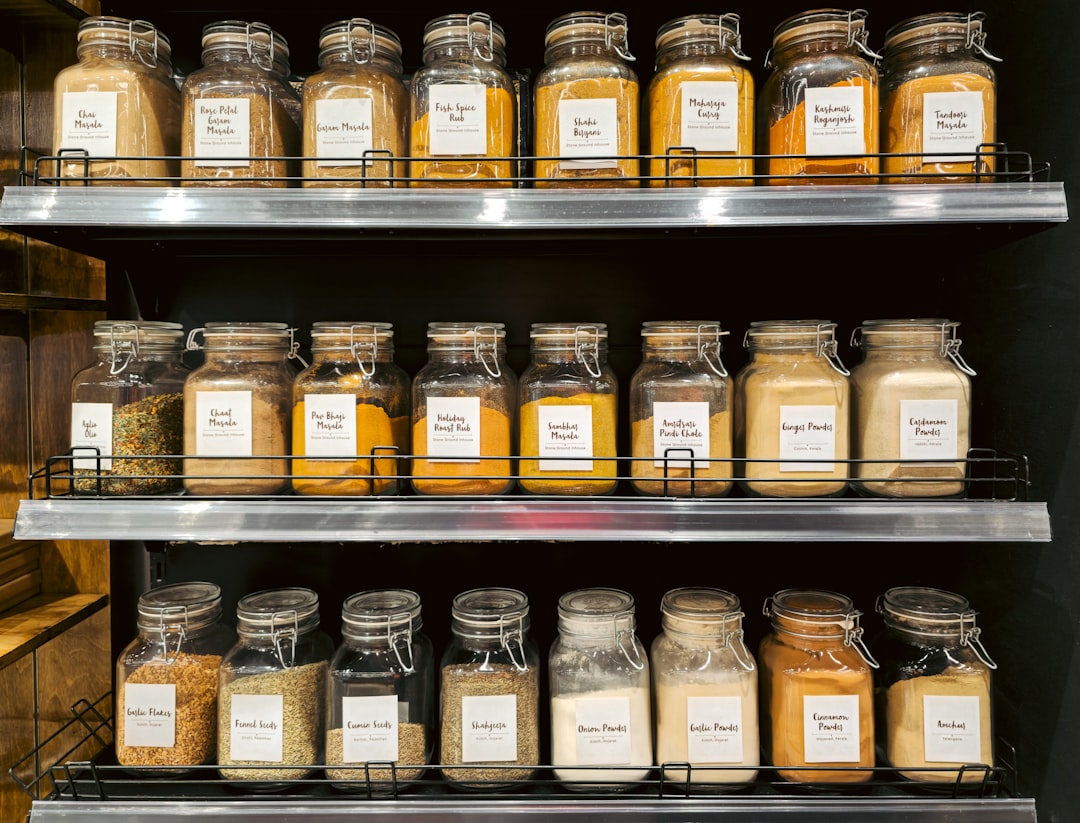
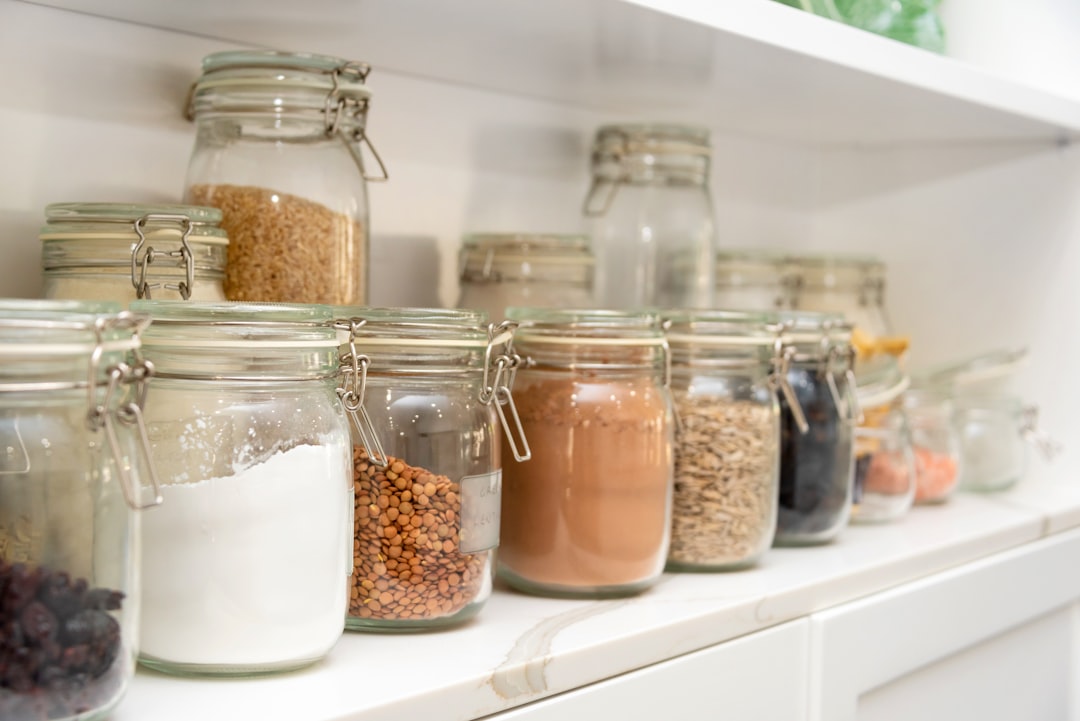
Let’s talk about containers, because this is where most systems quietly fail. Supermarket spice bottles come in fifteen different shapes and heights, and no organizer on earth can tame that zoo. Decanting everything into uniform 4-ounce glass jars is the move. Uniform jars stack, line up, and let your drawer insert do its job. The NETANY 24-piece set with bamboo lids is what filled my drawer — square-sided, airtight, and they come with a sheet of minimalist labels plus a chalk marker so you can hand-write the oddballs like your smoked Ancho blend.
One rule I’ll pass down like a family heirloom: label the lids, not the sides, if your jars live in a drawer. Lids face up, which means you read them standing normally instead of hunching over like a raccoon inspecting garbage. And date everything. A tiny Sharped month and year on the bottom of each jar means you’ll never again interrogate a bottle of cumin about its age. The whole decanting session — thirty-eight jars, a funnel, some spilled turmeric that turned my grout golden — took about ninety minutes with two of us working the line like a small canning operation.
No Drawer? The Fridge Door Trick
Plenty of kitchens don’t have a spare drawer to sacrifice, and that’s fine — there’s a workaround I’ve come to love. Magnetic spice tins turn the side of your refrigerator into a spice wall, which keeps everything at eye level without surrendering a single inch of cabinet or counter. The Talented Kitchen 24-tin set includes clear lids so you can see the color of what’s inside — genuinely useful when smoked paprika and regular paprika look like cousins — plus pre-printed labels for the lids. On a tighter budget, the Bekith 20-pack of stainless tins runs about half the price and holds up just as well; I keep a set on the fridge in our basement kitchenette for grilling seasonings.
Two cautions from experience. First, mount the tins on the fridge side, not the door, if your door gets slammed by teenagers — ask me how I know. Second, magnetic tins are shallow, so they’re best for spices you use often and in small pinches. Your bulk curry powder still deserves a jar with a real lid.
Deep Cabinets and the Turntable Treaty
Some of you are stuck with a deep corner cabinet, that cavernous void where spice bottles go to disappear. I negotiated a peace treaty with mine using turntables. A two-tier lazy Susan like the LAMU rotating organizer gives you two spinning rows in the footprint of one, and a spin brings the back row to your fingertips instead of a flashlight expedition. For filler-level basics, Amazon Basics makes a simple 9-inch turntable that costs less than lunch and does the job for oils, salt cellars, and hot sauce on the same shelf. If your cabinet is tall rather than deep, MUDEELA’s stackable riser sets create clean tiers out of dead vertical air — the same trick I used when I finally claimed the vertical space my cabinets were wasting, which I wrote about earlier this summer.
Wall Racks for Renters and the RV-Minded
My sister’s kitchen has zero spare drawers and a landlord with strong opinions about hardware, so she went vertical instead. A wall-mounted rack keeps spices in plain sight and turns them into something like kitchen decor — those little jars of color genuinely look good en masse. The X-cosrack five-tier mounted shelf held her entire collection in about a foot of wall space, and Bunoxea’s three-pack of smaller racks is the flexible option — one above the stove, one near the coffee station, one out on the porch for grilling rubs. Just honor the heat rule: wall racks belong on a wall the stove doesn’t directly face, or your colorful display will fade faster than a beach towel in July.
If any of this cabinet-taming energy is speaking to you, go read about the Sunday I took on the worst cabinet in my kitchen — seventy-three jars and one pot of Sunday gravy later, I had a system that still runs itself. The spice drawer is really just that same philosophy, shrunk down to the bottles you touch every single day.
What I’d Buy First If Starting Today
After rebuilding my own system and helping three friends and both grandmothers through theirs, here’s the honest buying order. One: the drawer insert, if you have the drawer — it’s the highest-impact single purchase in the whole project. Two: uniform glass jars and labels, because organization without uniformity is just tidier chaos. Three: a turntable for whatever deep storage remains. Four and only then: the fun stuff, magnetic tins and wall racks, which are enhancements rather than foundations. Skip buying anything until the audit is done, because the size of your real collection should make every decision for you.
The Sunday Ritual That Keeps It Honest
Systems decay without maintenance — it’s the same lesson I learned when I rebuilt my fridge into zones that actually work, and it’s doubly true of spices, because they expire quietly. So now the first Sunday of every month, I pull the drawer open during my coffee and do a two-minute sniff test on anything without a date. Quarterly, I refill the workhorses — cumin, paprika, oregano, cinnamon — from bulk bins, which costs pennies compared to new bottles and keeps the rotation honest. The jars I labeled last year still look like the day I filled them, and I can now lay hands on any spice in my kitchen within three seconds, wet hands or not.
Four bottles of cumin got me into this. One beautiful, labeled, heat-safe drawer got me out. If your spice situation is quietly out of control, start with the census this weekend — count what you own, be ruthless about what’s dead, and let the number tell you what to build. Your Tuesday-night self, the one standing at the stove with the onions catching, will thank you.

5 thoughts on “The Great Cumin Census: How Four Duplicate Bottles Forced Me to Finally Fix My Spice Storage”