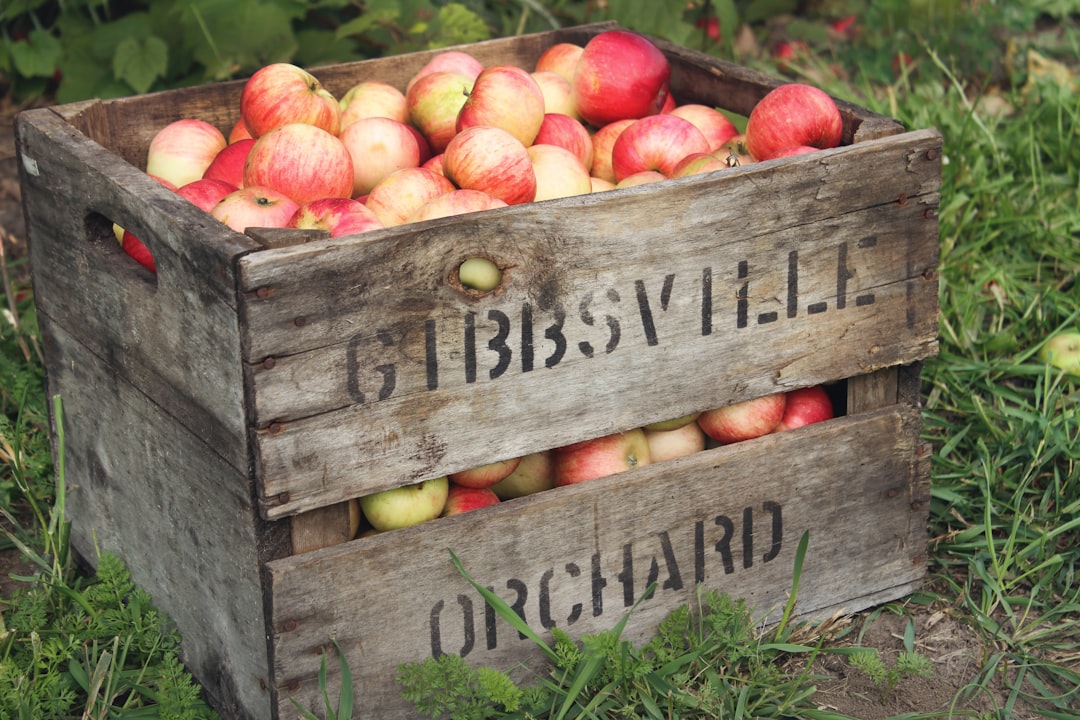
Every September, my kitchen turns into an apple processing plant for exactly one weekend, and I have made peace with this. Twenty pounds of orchard apples sounds like a reasonable purchase while you’re standing in the September sun with a half-peck bag in one hand and a cider donut in the other. Then you get home, set the crate on the counter, and realize that apples have a personal clock ticking — eat me, sauce me, or watch me soften. This is my complete system for turning one glorious orchard haul into pie filling, sauce, cider, and snacks that carry my family all the way to Thanksgiving, built over twenty years of September Saturdays and refined by my test team, who this weekend consisted of two helpers, one dog stationed under the peeling station, and a grandmother’s voice in my head saying “waste nothing.”
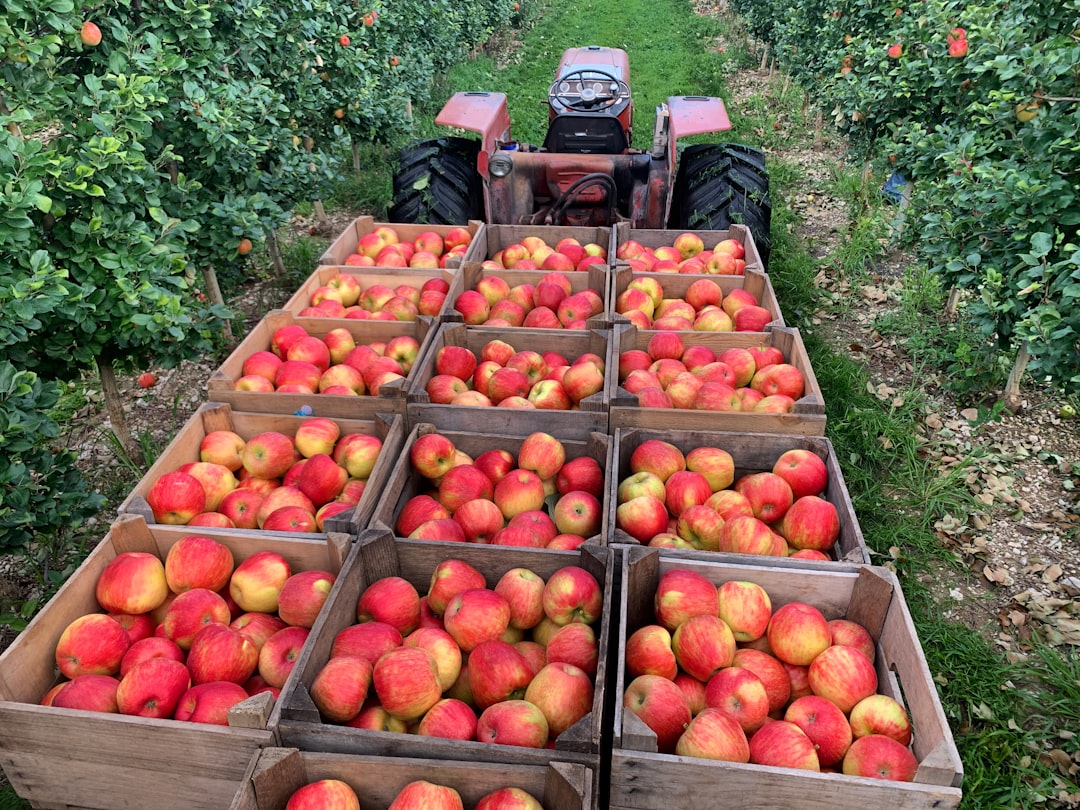
Here is the thing nobody tells you at the orchard: the moment you get home, the clock starts. Apples keep breathing after picking, releasing ethylene gas that speeds up ripening for everything around them. A crate left to sit becomes mush in slow motion. So before anything else, before the donut box is even opened, we sort. My crew knows the drill — every apple gets inspected on the cutting board and assigned to one of five stations: eat fresh, peel and slice, sauce, cider, and the dehydrator. We wrote about the dried-apple side of the operation in our full dehydrator testing piece, because dried apple rings are the quiet MVP of lunchboxes around here.
Station One: The Peeling Machine That Earns Its Suction Cup
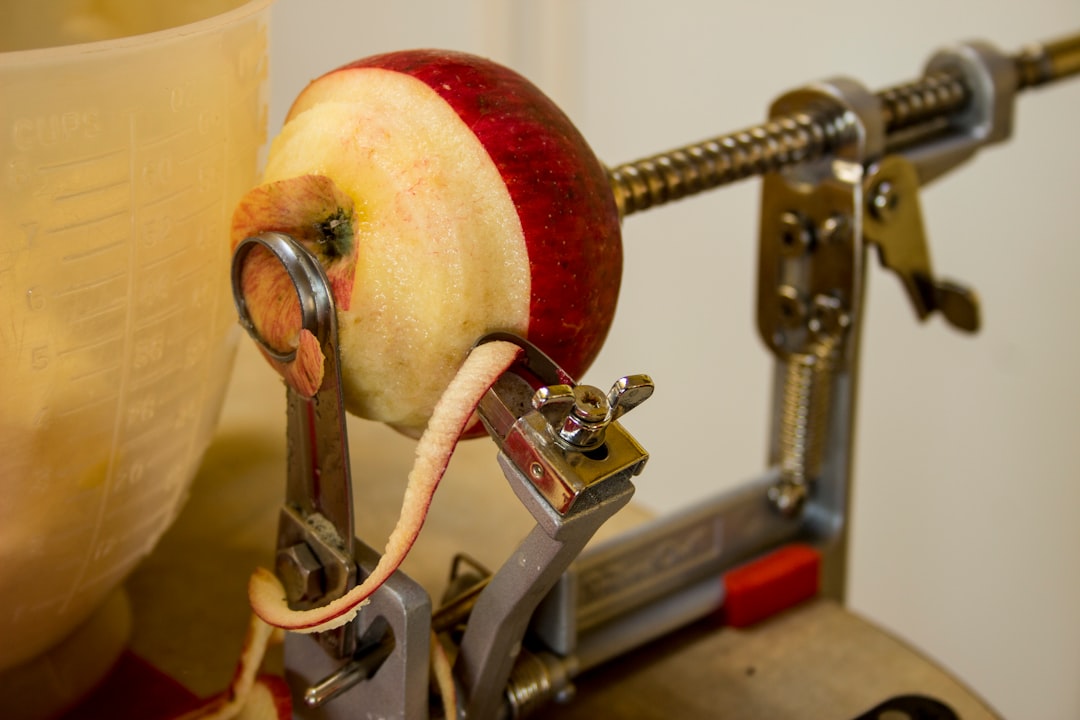
If you process more than ten pounds of apples in a year, a crank peeler is not a cute novelty — it is a spine-saver. The cast iron Johnny Apple Peeler with the clamp base is the one bolted to my counter edge every September, and it peels, cores, and slices in one pass, about six seconds per apple once you find your rhythm. My crew raced through a full peck last Saturday in under twenty minutes, which would have taken an hour with a paring knife and ended in at least one bandaged thumb. For occasional bakers or small kitchens, the suction-base version in apple red does the same job and stores in a drawer the other fifty weekends of the year.
The peel comes off in one long ribbon that my dog considers his annual bonus, and what drops out the other side is a perfectly cored spiral, ready for pies, crisp, or the freezer bag. We pack those spirals flat in quart bags with a squeeze of lemon juice, and they become January pies with zero peeling in the dark months. If you want the full pie-side kit — the crust tools, the weights, the dishes — I laid all of that out in the August pie kit restock guide. The peeler is the engine; the pie kit is everything around it.
The Five-Second Snack Cut
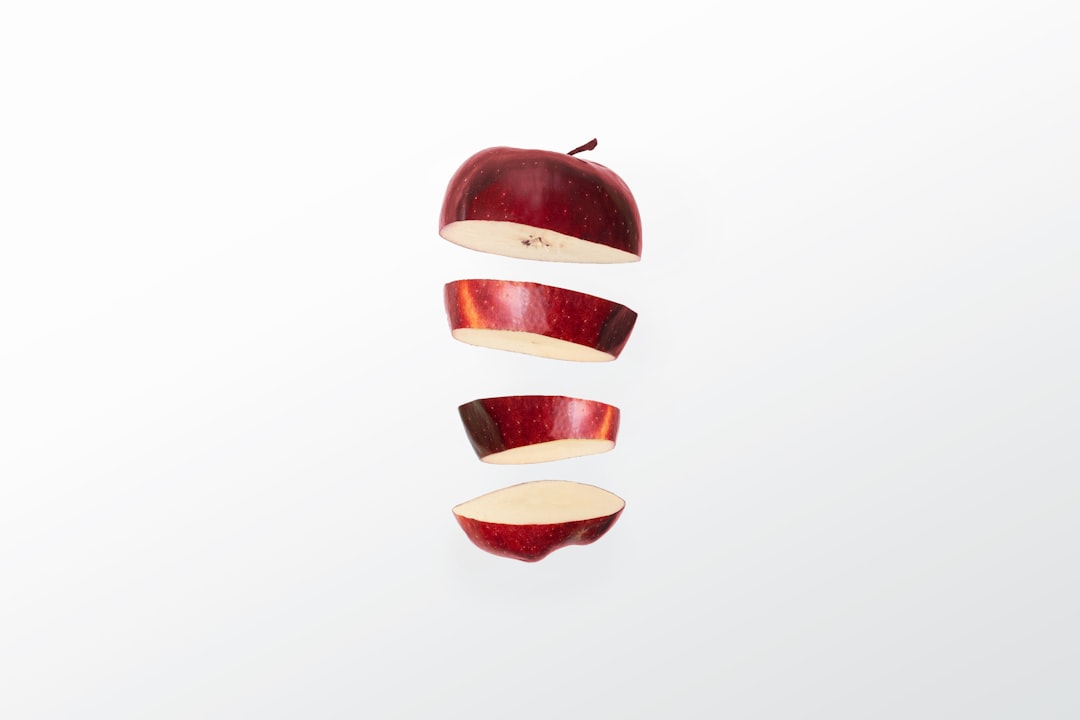
Not every apple deserves the machine treatment. The firm, pretty ones — the Honeycrisps, the ones with no bruises — go to the snack station, and for those, nothing beats a push-through slicer. The PrepWorks 16-slice cutter with safety cover turns a whole apple into sixteen thin, lunchbox-ready slices in one press, and the attached cover doubles as the cutting surface so you’re not chasing an apple around the board. For coring without slicing — think baked apples or apple roses for a dinner party — the OXO Good Grips corer does one clean job well, which is the highest compliment I can pay a tool.
A soaked apple slice in a lunchbox is a small heartbreak. A quick toss in cold water with a splash of lemon keeps them honest until noon, and my crew’s lunch-packing mornings got noticeably easier when the snack station started holding pre-sliced containers instead of whole fruit that came home untouched.
The Sauce Pot: Where the Ugly Apples Go to Be Redeemed
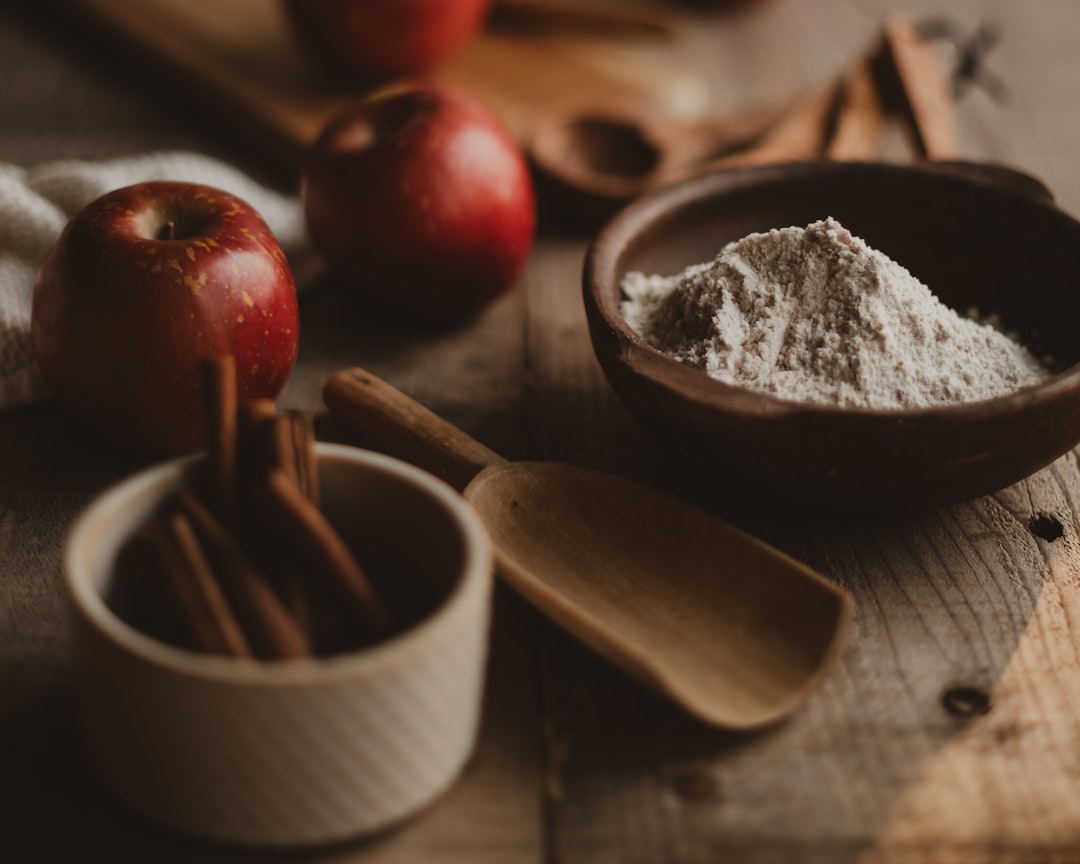
Every haul has its tragedy pile — bruised, windfall, dented apples that are still completely delicious but nobody wants to bite into. Those go straight to the sauce pot, quartered with skins on, simmered with a cinnamon stick until they collapse. Then comes my favorite moment of the whole weekend: the food mill. The OXO stainless food mill sits over a big bowl, you crank the soft apple pulp through, and the skins and seeds stay behind while silky pink sauce falls below. No peeling, no coring, no straining through cheesecloth like my grandmother did with two spoons and considerable muttering.
My sauce ratio after twenty years: three pounds of apples, a cinnamon stick, half a cup of water, no sugar unless the apples were dull that year. It reduces while you run the other stations, and it fills the house with the smell that candle companies spend millions trying to fake. A good heavy stockpot matters here — the wide, heavy one I reach for is the same pot from my stock pot guide, and September sauce is exactly why it earns its shelf space all year.
Cider Day and the Press I Finally Justified
Let me be honest about scale: for years I made “cider” by pressing pulped apples through the food mill and calling it close enough. Then a neighbor brought over his EJWOX 4.75-gallon fruit press for a joint pressing day, and my crew has never recovered. You grind or finely chop the apples, wrap the pulp in pressing cloth, and crank the basket down — and what comes out is opaque, sweet-tart cider that tastes like the orchard smells. Split one between three families and the cost-per-gallon suddenly makes sense; alone, it’s an investment in a tradition, and I won’t pretend otherwise.
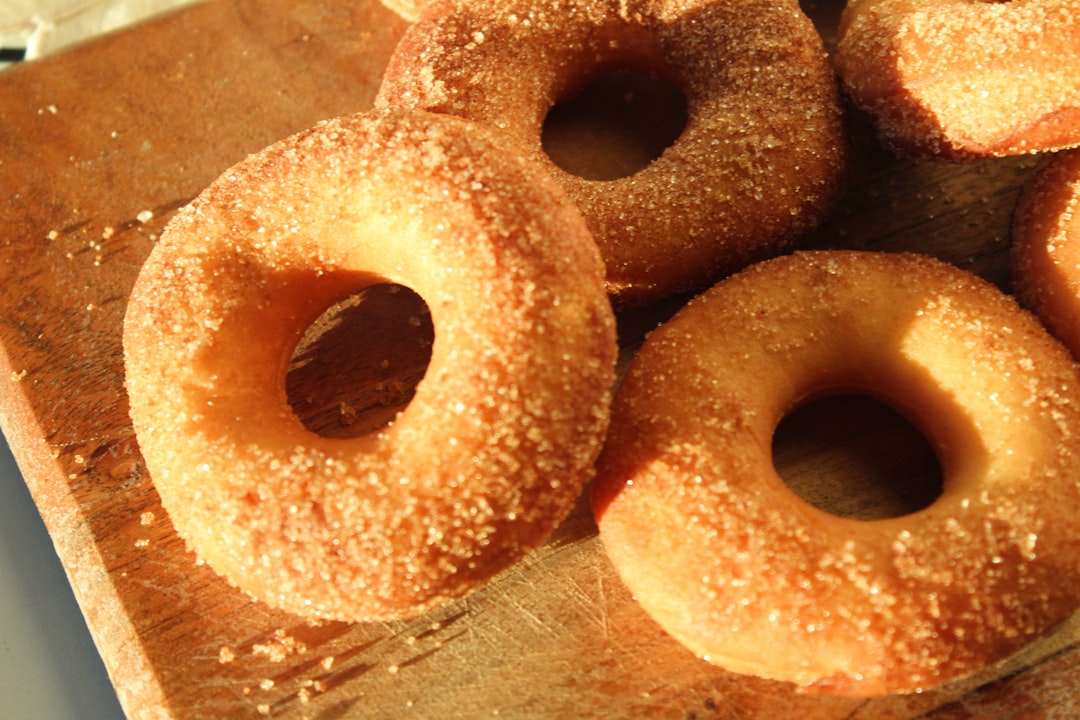
Fresh cider keeps about a week refrigerated, so we plan around it: a jug for the weekend, a jug for the neighbors who brought the press, and the rest gets spiced, mulled, or reduced to syrup for the October Saturday when the donut craving hits and nobody wants to drive back to the orchard.
Jars, Rings, and the Water Bath Ritual
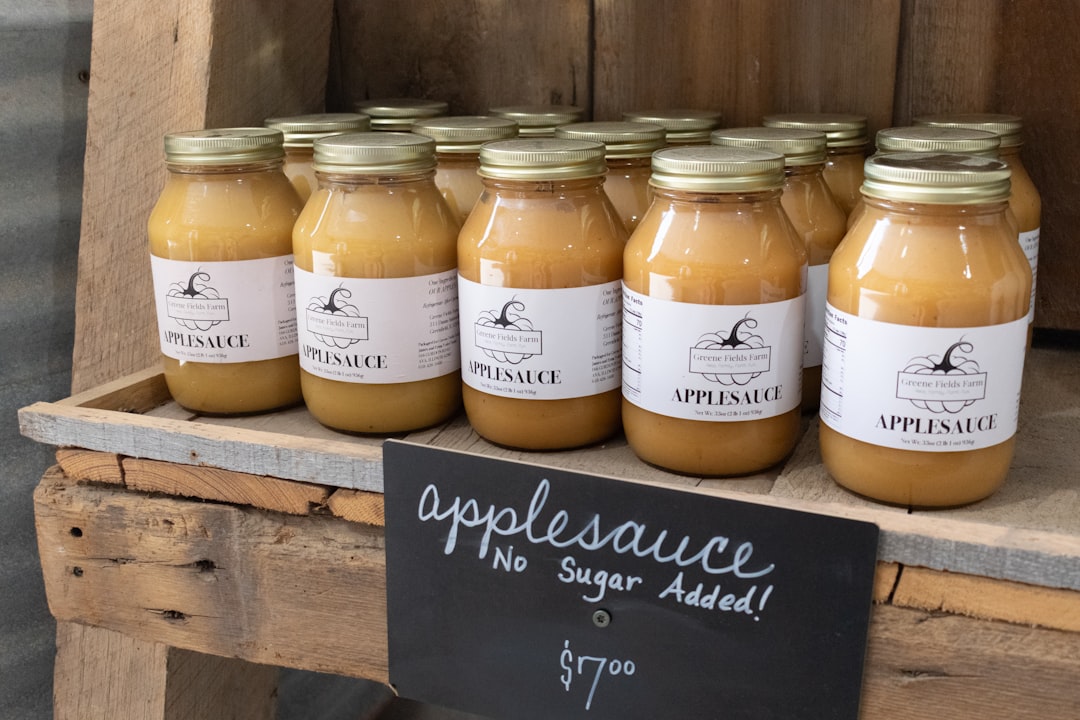
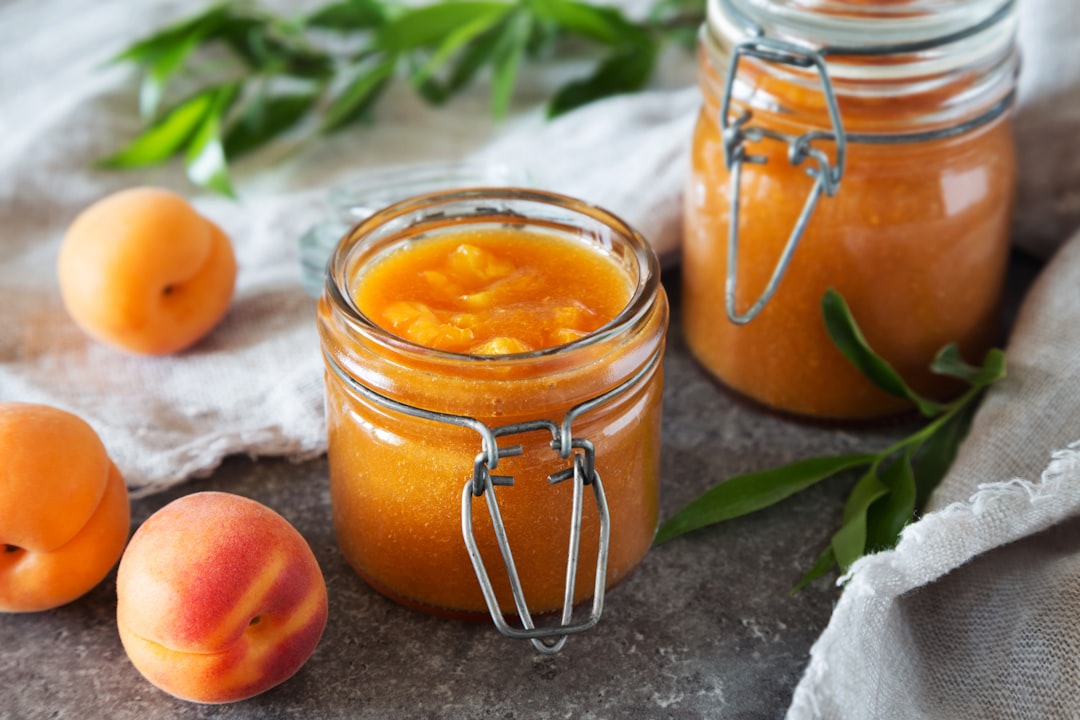
Applesauce and apple butter are high-acid foods, which makes them the friendliest possible entry point into canning — no pressure canner required, just a big pot of boiling water. The 24-quart water bath canning kit with rack and lid includes the jar lifter, funnel, and bubble popper that keep the whole operation from feeling like a chemistry exam, and the rack is what lowers six jars into a rolling boil without splash burns. Pair it with a case of Ball wide-mouth quart jars and you can put up an entire sauce batch in an afternoon — wide mouths matter more than people think when you’re ladling thick, cinnamon-flecked sauce.
My rule for first-time canners is the one I needed twenty years ago: process one batch, write the date on the lid, and resist opening it until a gray Tuesday in November when dinner was a failure and you need a win. That jar of September tastes like proof that you planned something kind for your future self.
The Long Keep: Where the Whole Apples Winter Over
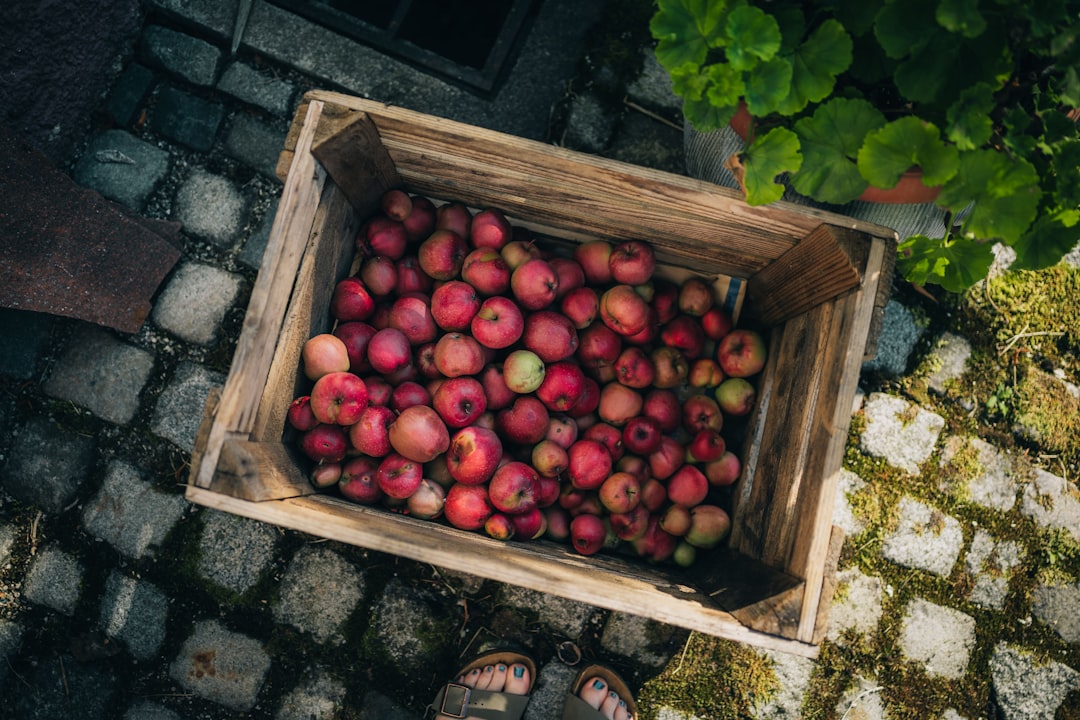
The apples that survive processing day — usually the firmest five pounds — get stored whole, and storage is simpler than the internet makes it. Cool, dark, breathable: a crate in a basement corner or the coldest shelf of a spare fridge, apples not touching, no plastic bags anywhere near them. In the fridge, the Freshmage produce containers with the removable colander baskets keep a snacking supply crisp for weeks — the basket lifts out for rinsing and the airflow design genuinely slows the soften-and-sadden cycle that ends with a fridge drawer of regret.
For the sliced and sauced surplus beyond the jars, the freezer is the quiet hero. We pack peeled spirals and extra sauce flat, and the Bonsenkitchen vacuum sealer has retired an entire shelf of freezer-burn casualties — sealed flat, the bags stack like books and thaw in a sink of cool water in twenty minutes. Those sealed bags slot right into the freezer reserve system I wrote about in my August freezer stocking ritual, which is how apple crisp in February requires zero planning and one pan of cold butter.
Why One September Saturday Is Worth All of This

There is a photograph in my head from every apple weekend we’ve ever run: flour on someone’s cheek, ribbons of peel on the floor, the dog asleep in a sunbeam he has claimed since ten in the morning, and a counter lined with jars cooling in stages. The math of a bushel is really the math of time — twenty pounds of September afternoons becomes a winter of small conveniences. It becomes the lunchbox slices, the Saturday pancakes, the jar you hand a sick friend, the crisp that rescues a dinner party gone sideways.
You do not need the press or even the canner to start. You need one crate of good apples, one peeler you’ll hand to a kid who will fight you for the crank, and a pot for the ugly ones. Start there, and let the stations multiply the way they did in my kitchen — one September at a time, until the whole rhythm feels less like work and more like the official start of the coziest season of the year. That first spoonful of warm sauce, eaten standing at the stove with a wooden spoon, is worth every single peeled ribbon on the floor.