Every Sunday from September to February, my kitchen turns into a short-order counter. Somebody wanders in during the second quarter asking whether there are more wings, somebody else wants fries “just a few,” and my brother-in-law stands by the stove narrating as if he invented hot sauce. For years I did all of it in a Dutch oven on the back burner, a clip-on thermometer rattling against the rim and a sheet pan of paper towels taking up half my counter. It worked. It also made my whole house smell like a county fair until Wednesday.
This fall my team and I finally did what readers have been asking about since we published our love letter to the dual-basket air fryer that now runs my kitchen: we put countertop deep fryers through a real football season. Not a weekend of tests. Eight Sundays of wings, fries, fish, onion rings, and one very ambitious batch of cider doughnuts, with an oil ledger taped inside the cabinet door so we could see exactly what each fryer cost us in oil, patience, and cleanup.
Here is what I learned, which fryers earned a permanent shelf, and the honest list of jobs I happily handed back to the air fryer.
Why I Stopped Pretending the Air Fryer Makes Wings
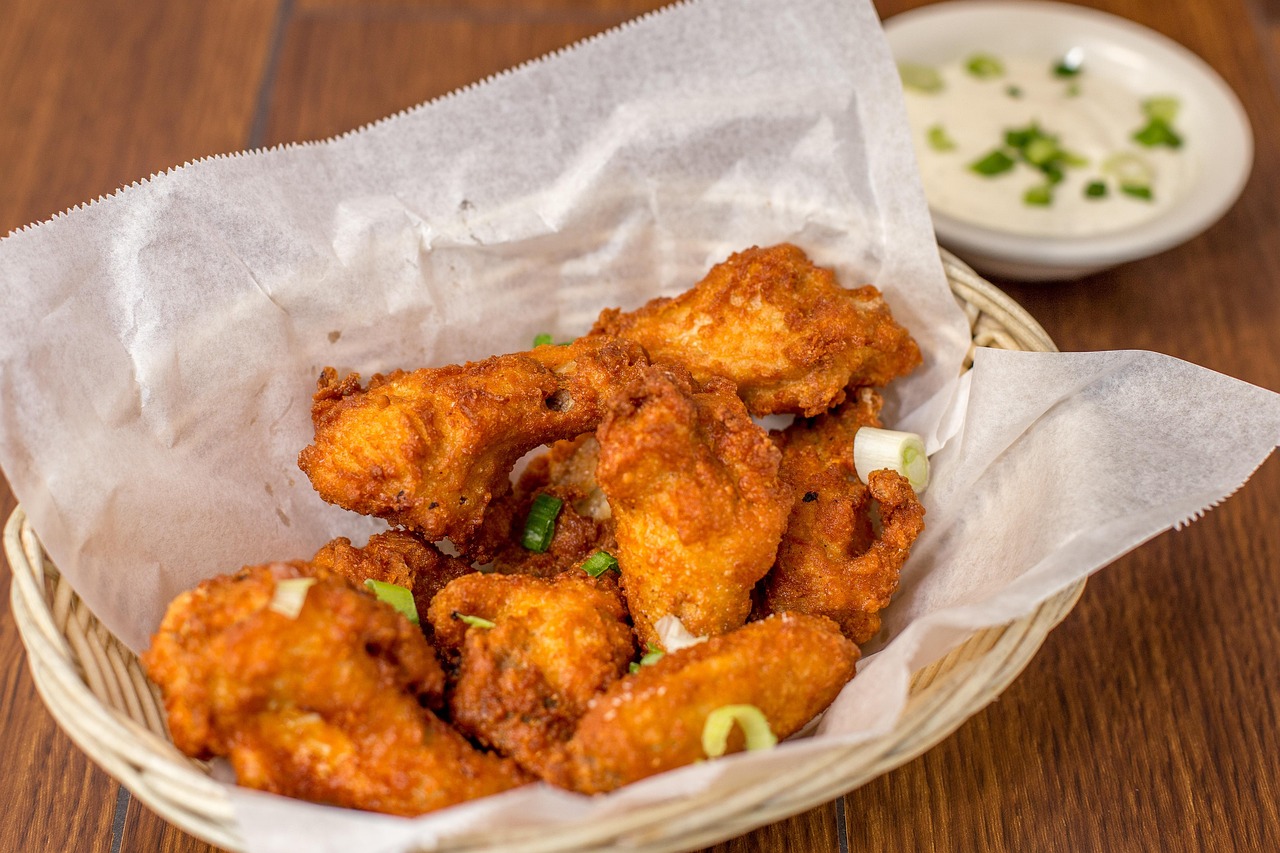
Let me say this kindly, because I adore my air fryer: it makes very good roasted wings. It does not make sports-bar wings. That shatter you get when you bite into a wing at a good tavern comes from fat rendering out of the skin while hot oil drives moisture away from every surface at once. Hot moving air can only do that from the outside in, and it never quite gets into the folds of a flat or the knuckle of a drum.
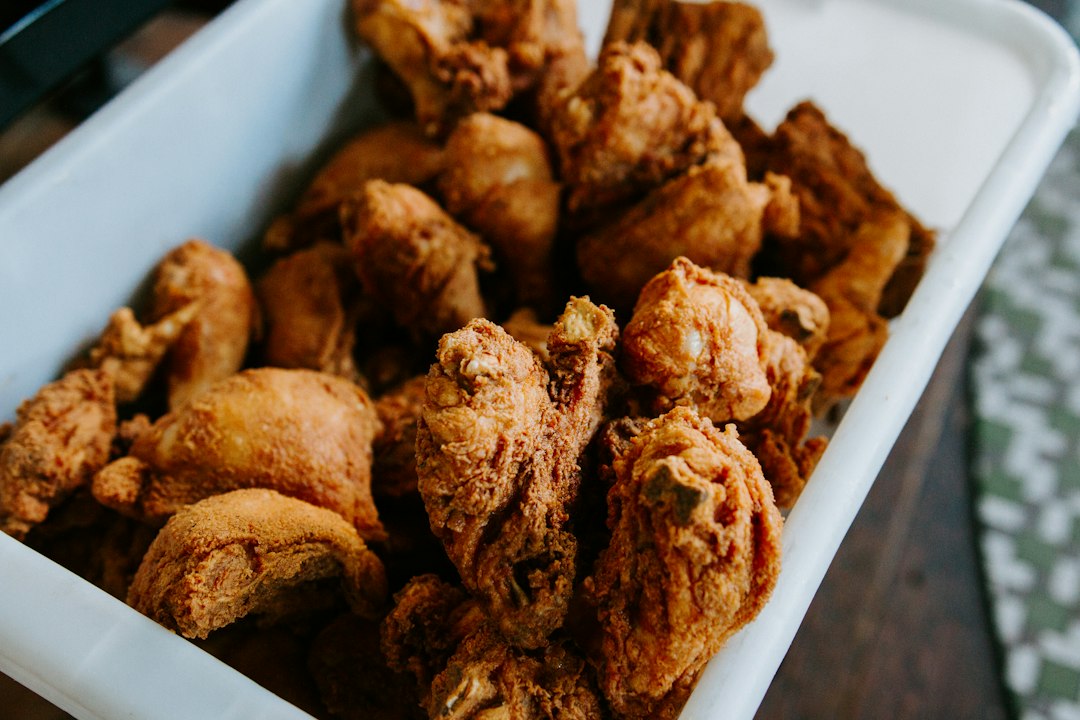
The difference is even bigger with anything wearing a wet batter. Air fryers drip batter through their baskets and leave you with a sad, half-set coating. A proper fryer sets that batter in about four seconds, and the food floats up golden instead of glued to a tray. If your household lives on breaded chicken, beer-battered fish, tempura vegetables, or doughnuts, oil is still the right tool, and an electric fryer is simply the safest, tidiest way to use it.
There is also a quieter reason I wanted a dedicated fryer: it frees up my cookware. On a hosting Sunday my Dutch oven is usually busy with chili, and the stovetop is crowded enough without a pot of 350-degree oil sitting next to a toddler-height edge. A countertop fryer with a lid, a basket hook, and a thermostat lives in its own corner and minds its own business.
The Eight-Sunday Test, and the Ledger on My Cabinet Door
We kept the method simple so it would mirror real life. Every fryer ran two pounds of wings, one pound of frozen fries, and at least one battered item per session. We checked every model against an external probe thermometer, because the dials on almost every electric fryer drift a few degrees from what the oil is actually doing. If you already own a fast probe from our thermometer guide for roast season, keep it near the fryer. If you don’t, a ThermoPro Digital Instant-Read Thermometer costs less than a single takeout wing order and settles every argument about whether the oil is ready.
The ledger tracked four things: how long each fryer took to reach 350 degrees, how far the temperature dropped when the wings went in, how long it took to recover, and how many sessions the oil lasted before it tasted tired. That last column turned out to matter more than anything printed on the box.
The Fryers That Earned the Counter
The Workhorse: T-fal Ultimate EZ-Clean
If you only read one paragraph, read this one. The T-fal Ultimate EZ-Clean Deep Fryer was the fryer my whole family fought over by week three. The basket is big enough for a full two-pound batch of wings without crowding, the lid traps most of the splatter and smell, and the party trick is real: when the oil cools, you turn a dial and it drains through a built-in filter into a sealed storage box underneath. No funnel, no ladle, no paper towels taped to the counter. America’s Test Kitchen named it their winner this month, and our ledger agreed.
The quibbles are honest ones. There are a lot of parts to wash, and like every electric fryer we tried, it tops out around 375 degrees, which is a touch shy of ideal for very fast, high-heat frying. For wings, fries, fish, and fried chicken, it never mattered once.
The Precision Pick: Breville Smart Fryer
The Breville Smart Fryer is the one I would buy for the cook who loves dials and presets. It held its temperature better than anything else on the counter, recovering from a cold basket of fries faster than I could pour a glass of cider. The presets are a bit cute, but the steady heat is not, and it showed up in the most consistent fries of the whole season. It costs more, and it doesn’t drain itself, so pair it with a good strainer and a storage container.
The Self-Draining Splurge: All-Clad 3.5-Liter
The All-Clad EasyClean Deep Fryer shares the T-fal’s best idea: it filters and stores its own oil in a drawer underneath. The deep stainless tank browns beautifully, and it looks handsome enough to leave out on a coffee-station counter. Our external probe did catch its oil-ready light running a little optimistic, so trust your thermometer more than the light.
The Budget Champion: Chefman 4.5-Liter
For a first fryer, the Chefman 4.5-Liter Deep Fryer is the one I keep recommending to friends. Large capacity, a real temperature dial, a viewing window that stays mostly clear, and a price that won’t make you wince if you discover you only fry four times a year. My one tip: preheat a few minutes longer than the light suggests.
The Apartment Fryer: Presto FryDaddy
The little Presto FryDaddy Electric Deep Fryer holds just four cups of oil and has no temperature control at all; it simply heats to frying temperature and stays there. That sounds like a flaw until you live in a small kitchen. It fits in a cabinet, uses a fraction of the oil, and is perfect for a two-person batch of fries or a handful of wings. Bigger households will outgrow it by halftime.
We also liked the Hamilton Beach Professional-Style Deep Fryer as a sturdy middle ground: a wide basket, dishwasher-safe parts, and a timer that saved my fries more than once while I was busy refereeing the snack table.
The Oil Ledger: What Every Batch Actually Costs
This is the part nobody tells you in the store. A countertop fryer holds anywhere from one to four quarts of oil, and how long that oil lasts decides whether your fryer is a bargain or a money pit. Our ledger matched what the test kitchens have found: oil used for breaded or battered chicken stayed pleasant for about three or four sessions before the flavor turned heavy and greasy. Oil used only for fries and vegetables went much longer, comfortably past eight sessions, staying pale and clean.
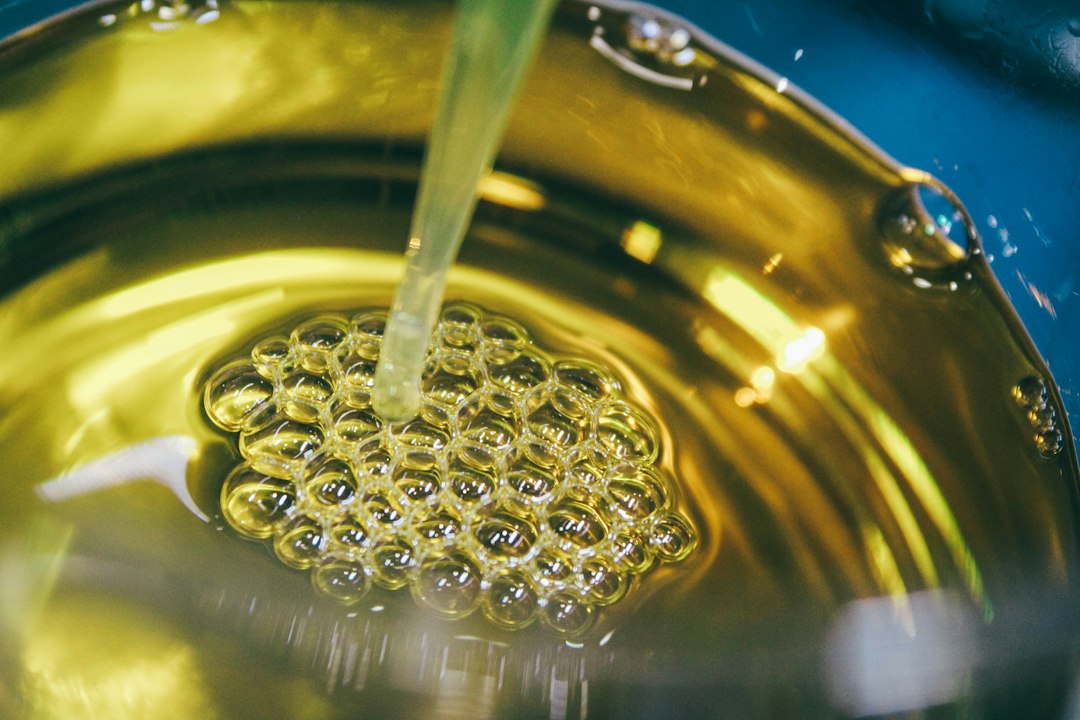
Wings are hard on oil because they are fried bare and render their own fat into the pot. So my house now runs two batches: a “clean” oil for fries, onion rings, and doughnuts, and a “chicken” oil that gets retired sooner. Label them, because chicken oil will flavor a doughnut, and nobody at my table has forgiven me for that Sunday.
A few habits stretched every quart further:
- Skim between batches. Loose crumbs burn and break the oil down fast. A Stainless Steel Spider Strainer Skimmer scoops them out in seconds and doubles as the best tool for fishing out stray fries.
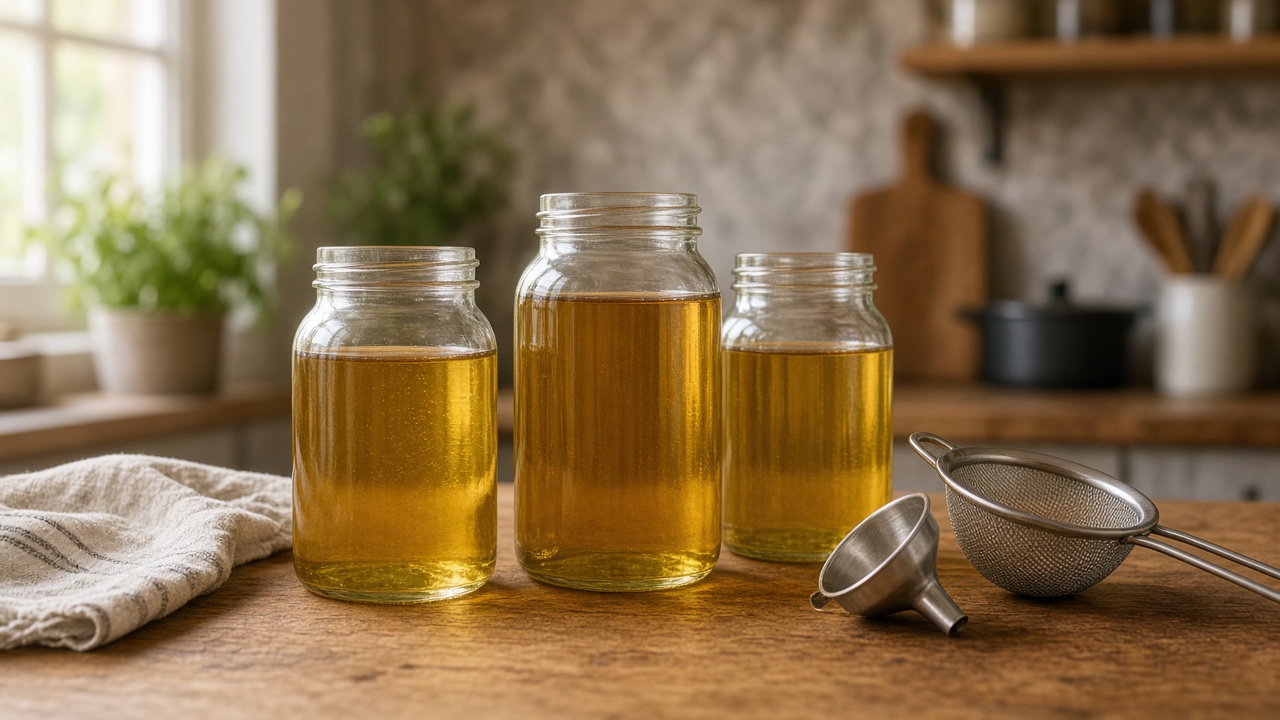
- Strain once it’s cool. For fryers without a built-in filter, pour cooled oil through an OXO Good Grips Fine Mesh Strainer lined with a coffee filter or cheesecloth.
- Store it dark and sealed. A Stainless Steel Oil Storage Pot with Fine Mesh Strainer keeps light and air out; the fridge or a cool pantry shelf keeps it fresh longer than a cabinet next to the stove.
- Pick a high-smoke-point oil. Peanut, canola, sunflower, and rice bran oils all fry cleanly. I keep a jug of Pure Peanut Oil for Deep Frying for game days, and canola for everything else (check with guests about peanut allergies before you fry).
You will know oil is done when it turns dark and sticky, foams up when food goes in, smokes before it reaches temperature, or smells faintly of crayons. When that day comes, never pour it down the drain. Let it cool completely, pour it back into its original bottle or a sealed container, and put it in the trash, or check whether your town runs a cooking-oil drop-off. For the fastest cleanup I’ve found, a packet of FryAway Waste Cooking Oil Solidifier stirred into warm oil turns it into a soft solid you can scoop straight into the garbage.
Taking the Fear Out of Frying
When I ask friends why they’ve never deep-fried at home, the answer is almost always fear. That’s fair, and it’s also exactly why an electric fryer beats a pot on the stove. The thermostat won’t let oil creep toward its smoke point while you’re distracted, the lid catches the dramatic pops, and most models use a breakaway magnetic cord so a snagged sleeve won’t drag the whole thing off the counter.
My safety rules, taped right beside the oil ledger:
- Pat everything dry. Water is what makes oil spit, so wings get a towel rub and, ideally, a night uncovered in the fridge. Our guide to dry-brining on a schedule explains why that overnight rest also seasons the meat all the way through.
- Never fill past the max line, and never drop frozen food straight from the bag in a heap. Lower the basket slowly.
- Fry in batches. Crowding drops the temperature, and cool oil makes greasy food.
- Keep a lid nearby and a fire extinguisher rated for kitchen fires in the house. Never, ever throw water on an oil fire.
- Let the oil cool for at least two hours before draining or moving the fryer.
The Game-Day Wing Method That Won the Season
After eight Sundays, this is the routine my family now expects. It’s a two-stage fry, the same trick most restaurants use, and it means you can do the slow part before guests arrive.
First, fry the dried wings at 300 degrees for about ten minutes. They’ll look pale and unimpressive, which is the point: the fat is rendering and the meat is cooking through. Pull them onto a wire rack and let them rest for anywhere from twenty minutes to two hours. When the game starts, crank the fryer to 375 and fry again for three to four minutes until they’re deep amber and audibly crisp. Toss them in a warm bowl with sauce, never in a cold one, and serve immediately.
Set the fried wings on a Oven-Safe Stainless Wire Cooling Rack over a sheet pan instead of paper towels. Paper towels trap steam under the wing and soften the bottom; a rack lets air move all the way around, and you can slide the whole pan into a 200-degree oven to keep the first batch hot while the second one fries.
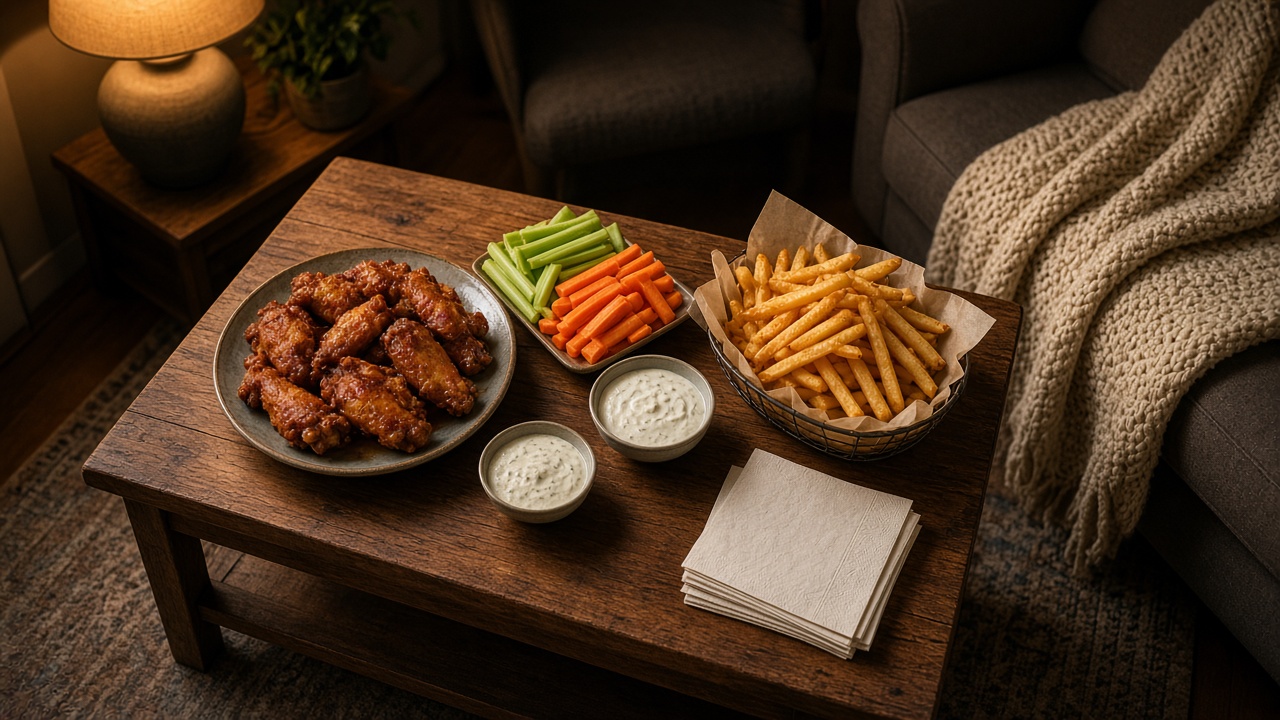
For the sauce, I keep it simple: melted butter and a good cayenne hot sauce, whisked over low heat, with a splash of honey for the kids’ batch. Celery, carrots, and a homemade blue cheese dip round it out. If you’re packing it all up for the stadium parking lot instead, our tailgate kit built over twenty football Saturdays covers the travel side, and our tech site has a smart rundown on building a better football-watching setup without cable for the living room crowd.
Beyond Wings: What Else Earned a Spot in the Basket
A fryer that only makes wings is a fryer that gathers dust in March. The good news is that once the oil is hot, the rest of the menu is easy.
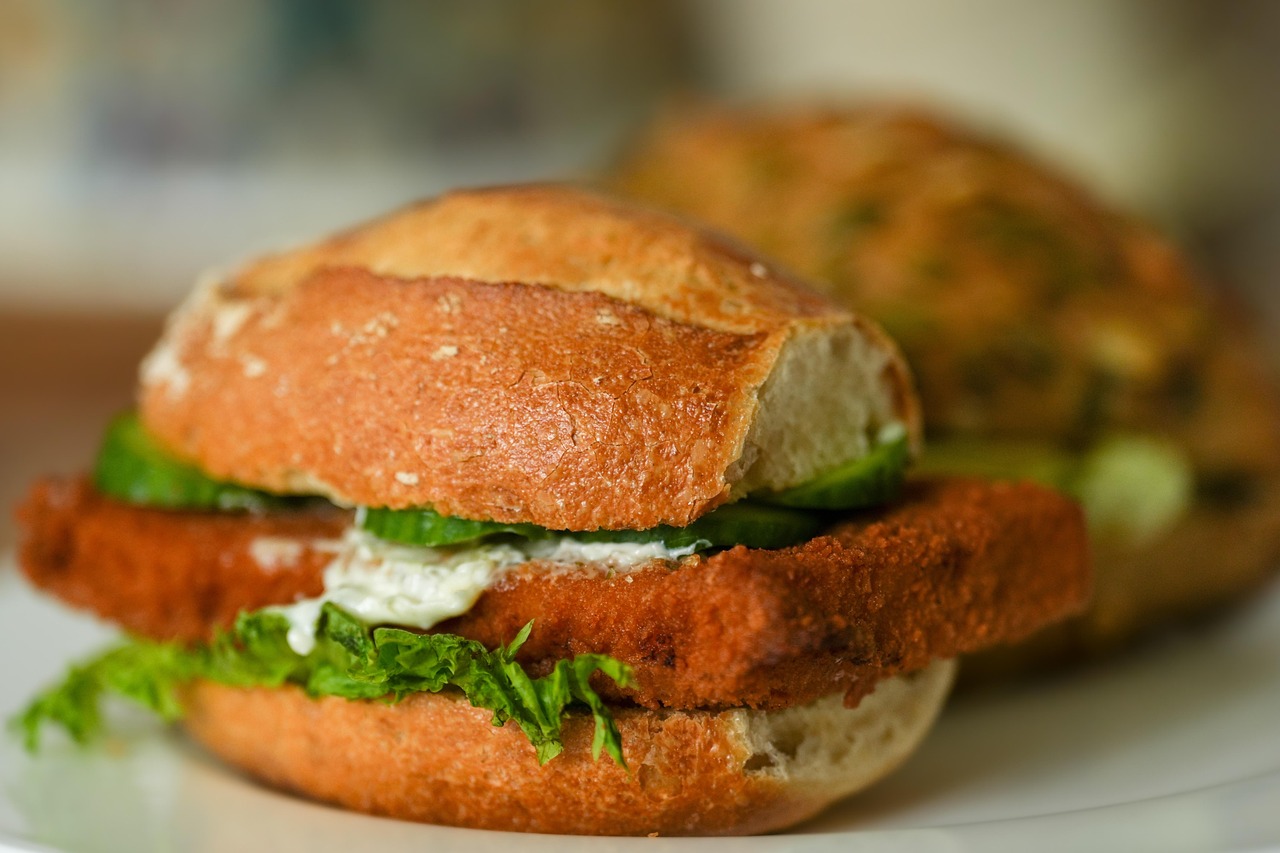
Fish for Friday. A thin beer batter on cod or haddock was the single most impressive thing we fried all season. The fish steams inside its crust and stays impossibly moist. Pile it onto a soft roll with crisp lettuce and tartar sauce and you’ve got a sandwich that rivals any pub.
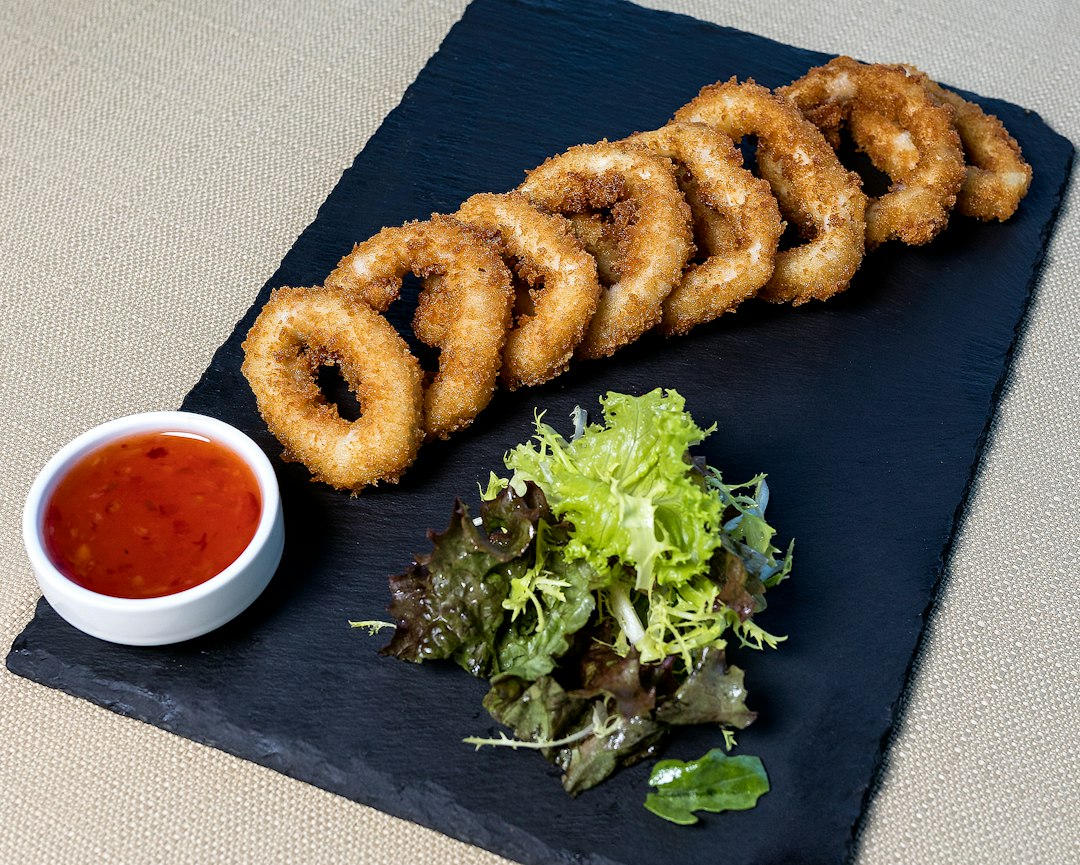
Rings and fritters. Thick-cut onion rings in a panko coat, zucchini fritters, and pickle chips all fry fast in clean oil. A sweet chili or comeback sauce on the side, and the snack table empties before kickoff.
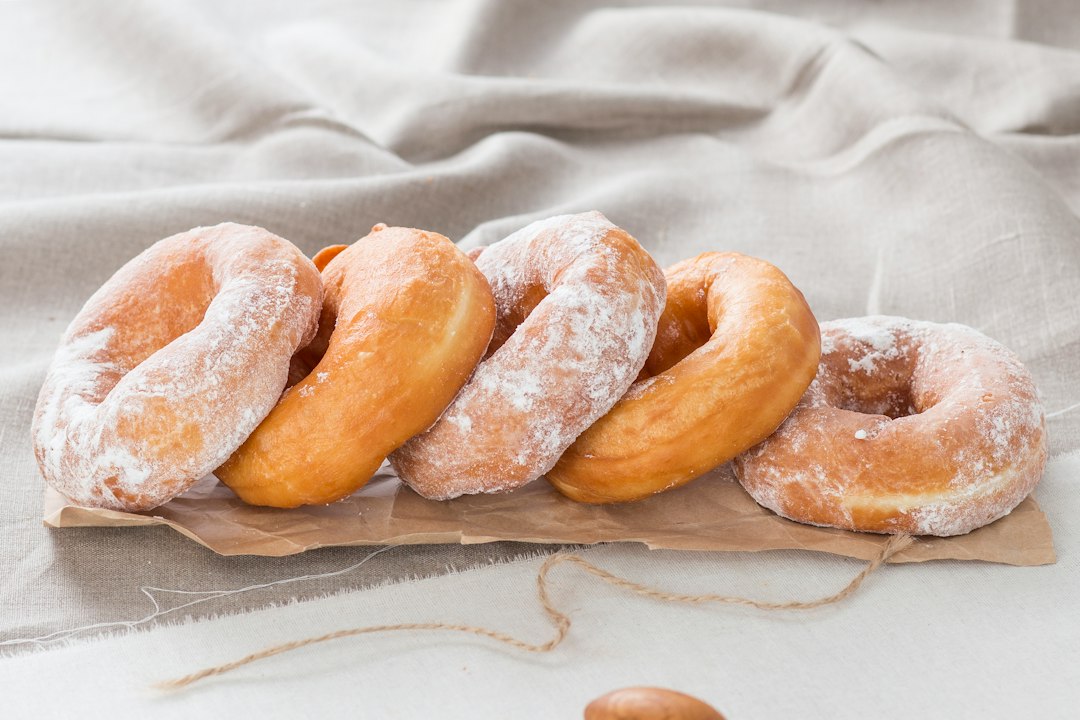
Doughnuts for the long weekends. With Halloween this week and Thanksgiving weekend coming, I’ll be frying cider doughnuts and rolling half of them in cinnamon sugar and half in powdered sugar. Fry these in your clean oil only, never in the chicken batch.
What Goes Back to the Air Fryer
Here is my honest split after the season. The deep fryer owns wings, battered fish, fried chicken, doughnuts, and onion rings. The air fryer still wins for reheating leftovers, crisping frozen appetizers for one or two people, roasting vegetables, and weeknight chicken thighs when I don’t want to deal with oil at all. If you cook for two and rarely host, honestly, keep the air fryer and skip this purchase. If your Sundays look anything like mine, with a crowd, a game, and a counter full of hungry people, a countertop fryer pays for itself in the first month of takeout you don’t order.
My Short Answer, If You’re Shopping This Week
- Best overall: T-fal Ultimate EZ-Clean, for the built-in filter and storage alone.
- Best temperature control: Breville Smart Fryer.
- Best self-draining splurge: All-Clad EasyClean 3.5-Liter.
- Best first fryer on a budget: Chefman 4.5-Liter.
- Best for small kitchens: Presto FryDaddy.
Whichever you choose, start your own oil ledger on the inside of a cabinet door. Write down the date, what you fried, and how the oil looked when you strained it. Three Sundays from now you’ll know your fryer better than the manual does, and your brother-in-law will finally have something new to narrate. Pull up a chair, keep the napkins close, and let the oil do what it does best.